
-
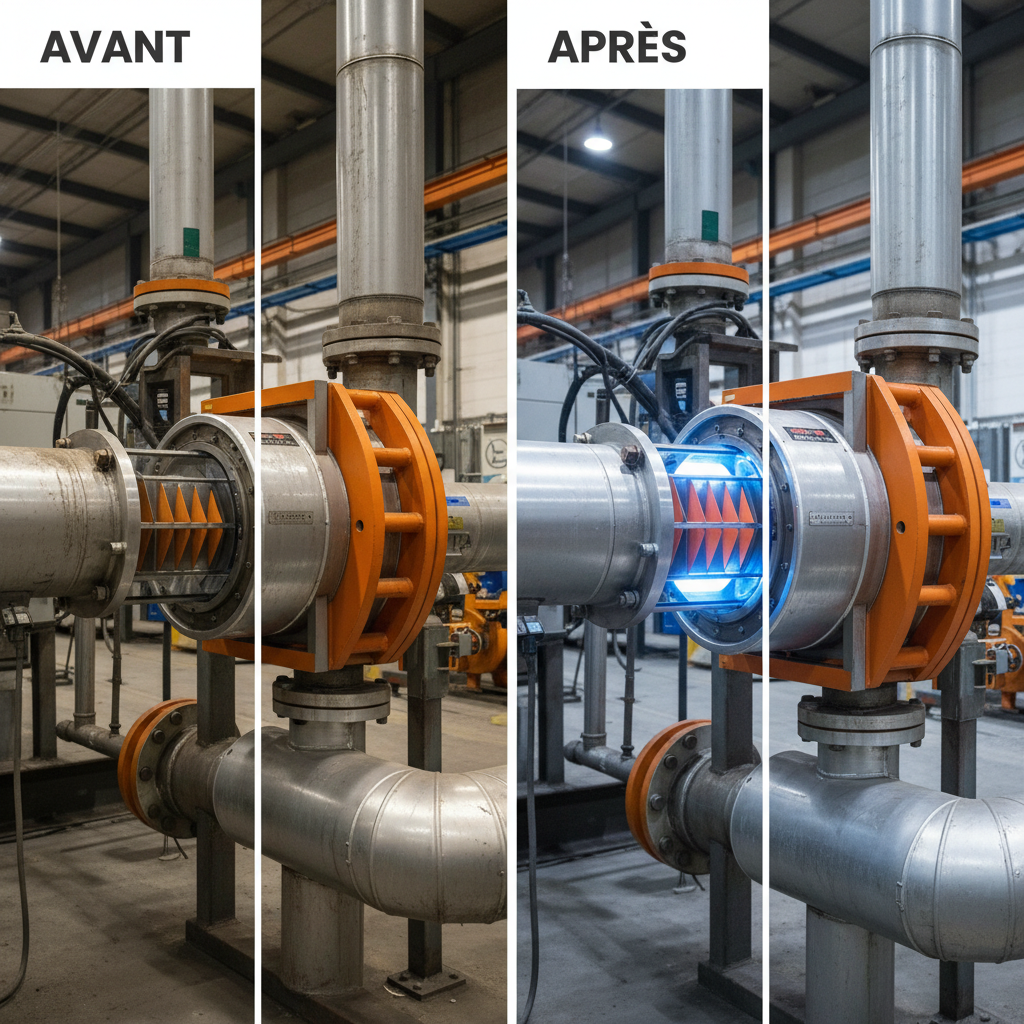
Understanding the Redresseur d'Air MAF for Optimal Engine Performance
The redresseur d'air MAF (Mass Air Flow Corrector) is a crucial component in modern vehicle engine management systems. It ensures accurate airflow readings to the engine control unit (ECU), enabling optimal fuel delivery and combustion. A malfunctioning MAF corrector can lead to reduced engine performance, increased fuel consumption, and even engine damage. This article provides a detailed exploration of the redresseur d'air MAF, its function, common issues, and how to choose the right replacement. Maintaining a properly functioning MAF system is vital for the longevity and efficiency of your vehicle. The redresseur d'air MAF, often referred to as a MAF sensor, measures the amount of air entering the engine. This information is then sent to the ECU, which calculates the precise amount of fuel required for optimal combustion. The sensor typically utilizes a hot-wire or hot-film technology. A heated element is placed in the airflow, and the ECU monitors the amount of current needed to maintain its temperature. As airflow increases, more current is required to keep the element at a constant temperature.阅读更多 -
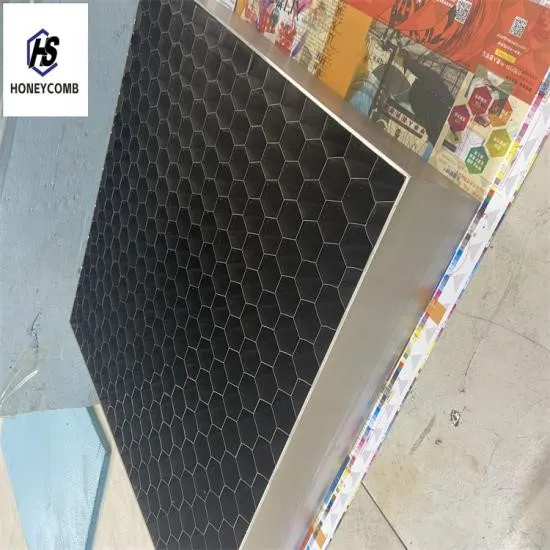 Discover advanced airflow stabilization and EMI shielding solutions. High open area and corrosion resistance ensure precise wind tunnel testing. Hengshi阅读更多
-
Discover advanced airflow stabilization and EMI shielding solutions. High open area and corrosion resistance ensure precise wind tunnel testing. Hengshi阅读更多
-
Discover advanced airflow stabilization and EMI shielding solutions. High open area and corrosion resistance ensure precise wind tunnel testing. Hengshi阅读更多
-
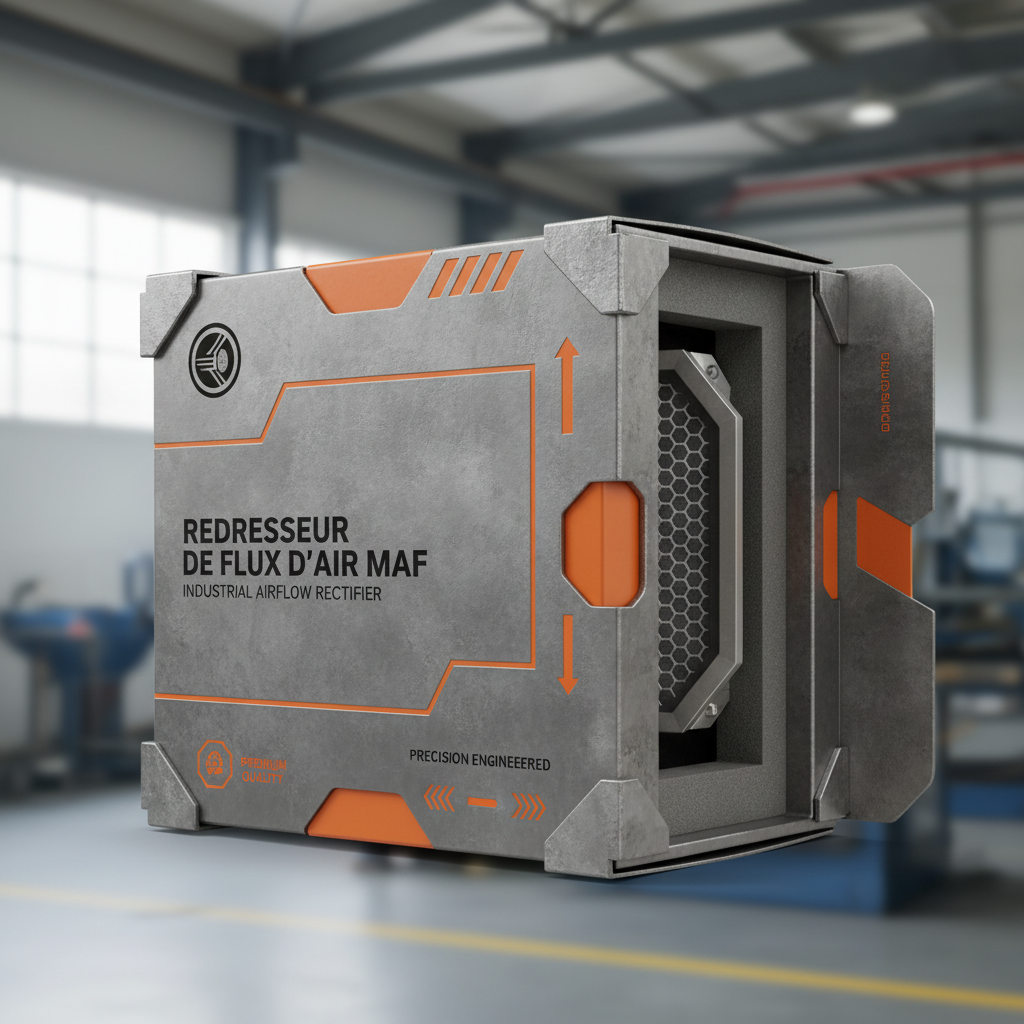
Understanding the Redresseur de Flux d'Air MAF for Optimized Engine Performance
The Redresseur de Flux d'Air MAF (MAF Air Flow Straightener) is a critical component in ensuring accurate measurements in automotive and industrial applications. Its primary function is to improve the quality of airflow to the Mass Air Flow (MAF) sensor, leading to optimized engine performance and emissions control. This article delves into the principles of operation, benefits, applications, and selection criteria for MAF air flow straighteners, providing a detailed overview for automotive enthusiasts, mechanics, and professionals. Accurate MAF sensor readings are vital for modern engine management systems, and a high-quality MAF air flow straightener plays a key role in achieving that accuracy. The redresseur de flux d'air MAF is typically installed upstream of the MAF sensor. Its design, often utilizing a honeycomb structure, redirects turbulent airflow into a smoother, more laminar flow. MAF sensors rely on precise airflow measurements to calculate the amount of air entering the engine. Turbulent airflow creates inaccuracies, leading to incorrect fuel delivery and potentially reduced engine performance, poor fuel economy, and increased emissions.阅读更多 -
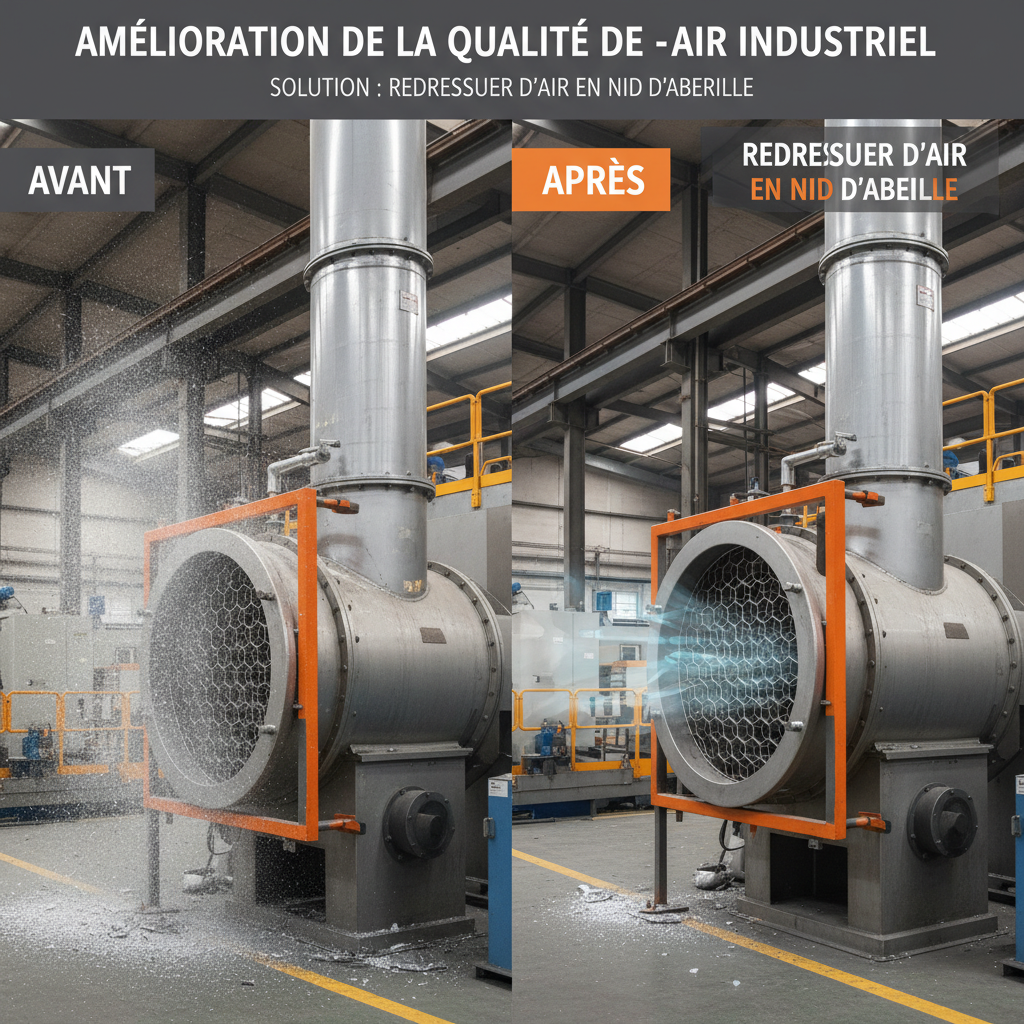
Understanding the Redresseur d'Air en Nid d'Abeille for Optimal Air Distribution
The redresseur d'air en nid d'abeille (honeycomb air diffuser) is a crucial component in various industrial applications, offering superior air distribution and efficiency. This article provides a detailed overview of its design, benefits, applications, and why HSHI Honeycomb is a leading provider of these essential systems. Understanding the principles behind these diffusers can lead to significant improvements in air quality, temperature control, and overall system performance. A redresseur d'air en nid d'abeille, or honeycomb air diffuser, utilizes a honeycomb core structure to redirect and straighten airflow. This design minimizes turbulence and pressure drop, leading to more even air distribution. Unlike traditional diffusers, the honeycomb structure provides a larger surface area for air contact, resulting in faster and more uniform mixing. This is particularly beneficial in applications requiring precise temperature control and efficient air exchange. The honeycomb core is typically constructed from materials like aluminum, providing both strength and lightweight properties.阅读更多 -
Understanding the Redresseur de Flux d'Air CVC for Optimal HVAC System Performance
The redresseur de flux d'air CVC (Airflow Rectifier for HVAC systems) is a critical component in maintaining optimal performance and efficiency within Heating, Ventilation, and Air Conditioning (HVAC) systems. These devices are designed to ensure a consistent and controlled airflow, vital for proper temperature distribution, air quality, and overall system longevity. This article will delve into the functionality, benefits, applications, and selection criteria for airflow rectifiers, providing a comprehensive resource for HVAC professionals and building managers. Understanding these components is key to maximizing the effectiveness of any CVC system. A redresseur de flux d'air CVC, often referred to as an airflow rectifier or air distribution diffuser, is a specialized component installed within HVAC ductwork. Its primary function is to convert turbulent airflow into laminar airflow, meaning it streamlines the air movement, reducing resistance and maximizing airflow efficiency. This is achieved through a carefully engineered internal structure, typically consisting of a honeycomb or vane configuration. The result is a more even and consistent distribution of air throughout the space, eliminating hot or cold spots and improving overall comfort. This is especially important in applications requiring precise temperature control.阅读更多 -
Comprehensive Guide to Installation de Stores en Nid d'Abeille for Modern Homes
Honeycomb blinds, or stores en nid d'abeille in French, are a popular choice for modern window coverings. They offer excellent insulation, light control, and a stylish aesthetic. This article provides a detailed guide to understanding, choosing, and installing honeycomb blinds, focusing on the benefits and techniques for a successful installation. Whether you're a DIY enthusiast or considering professional installation, we'll cover everything you need to know. Learn how to transform your space with these energy-efficient and beautiful window treatments. Visit HSHI Honeycomb for a wide selection of high-quality honeycomb blinds. Honeycomb blinds derive their name from their unique cellular structure, which traps air and provides superior insulation. This translates to reduced energy bills, especially during extreme temperatures. Beyond energy efficiency, they offer excellent light control, ranging from sheer filtering to complete blackout options.阅读更多 -
Honeycomb Core Blower Design conception de soufflerie en nid d'abeille A Comprehensive Overview
Honeycomb core blower designs, or conception de soufflerie en nid d'abeille as they are known, represent a significant advancement in airflow management and efficiency. These structures, utilizing the exceptional strength-to-weight ratio of honeycomb materials, are becoming increasingly prevalent in diverse applications ranging from aerospace and automotive to HVAC and industrial ventilation. This article delves into the benefits, design considerations, applications, and manufacturing processes involved in honeycomb core blower technology. Understanding these aspects is vital for engineers and designers seeking optimized airflow solutions. The core advantage of a conception de soufflerie en nid d'abeille lies in its structural efficiency. Honeycomb structures offer an incredibly high strength-to-weight ratio, meaning they can withstand significant pressure and forces with minimal material usage.阅读更多 -
WindkanalWabenwabe Innovations in Honeycomb Core Technology and Applications
Honeycomb core materials are revolutionizing industries from aerospace to automotive, offering an exceptional strength-to-weight ratio. At the forefront of this innovation is Windkanal-Wabenwabe, a specialized honeycomb structure developed by HSHI Honeycomb. This technology excels in demanding applications requiring lightweight yet robust solutions. The unique design, optimized through wind tunnel testing (hence ‘Windkanal’), provides superior performance in shear loading and impact resistance. Exploring the intricacies of Windkanal-Wabenwabe is crucial for engineers and designers seeking cutting-edge material solutions. Windkanal-Wabenwabe isn't simply a honeycomb structure; it's a carefully engineered system. Its development involved extensive wind tunnel testing to analyze airflow and stress distribution. This rigorous testing process led to a cell geometry optimized for minimal drag and maximum strength. The cell walls are constructed from high-modulus materials, offering exceptional stiffness and durability. The material’s design allows for efficient energy absorption in the event of an impact, making it ideal for safety-critical applications. This innovative honeycomb design isn't just about creating a strong core; it's about intelligently distributing forces to enhance overall structural integrity.阅读更多 -
Understanding and Optimizing Ansaugluftgleichrichter Performance for Industrial Systems
The ansaugluftgleichrichter, or suction air equalizer, is a crucial component in various industrial applications, particularly those involving pneumatic conveying systems. It ensures a stable and consistent airflow, optimizing system performance and preventing issues like material segregation or blockage. This article will delve into the functions, benefits, applications, and selection criteria of the ansaugluftgleichrichter, providing valuable insights for engineers and professionals in related fields. A well-functioning air equalization system is vital for the efficiency and reliability of pneumatic conveying processes. An ansaugluftgleichrichter functions as a buffer or stabilization device in a suction pneumatic conveying system. Its primary role is to absorb pressure fluctuations and provide a consistent airflow rate to the conveying line. This is achieved through internal chambers and a designed flow path that regulate air velocity and pressure. Without an ansaugluftgleichrichter, pulses in the suction line can lead to material settling, bridging, and ultimately, system failure. Properly designed units minimize these fluctuations, maximizing conveying efficiency. The design typically incorporates features to allow for easy cleaning and maintenance, ensuring long-term reliability.阅读更多 -
Comprehensive Guide to Wabenluftgleichrichter Functionality and Applications
The Wabenluftgleichrichter, or honeycomb air straightener, is a crucial component in various industrial processes, particularly those involving sheet metal. It ensures consistent material flow, improves processing efficiency, and ultimately enhances product quality. This article provides an in-depth look at its function, benefits, applications, and selection criteria. Understanding the intricacies of the wabenluftgleichrichter is key to optimizing production lines. The core principle behind the wabenluftgleichrichter is to correct and normalize the airflow across the width of a moving sheet metal strip. Sheet metal often exhibits unevenness or 'crowning' during production, leading to inconsistent bending or forming. The straightener uses a series of precisely arranged honeycomb cells. These cells apply targeted pressure, effectively flattening the sheet and creating uniform airflow. This ensures that the material is processed evenly, minimizing defects and maximizing yield.阅读更多








 China
 English
 Afrikaans
 Albanian
 Amharic
 Arabic
 Armenian
 Azerbaijani
 Basque
 Belarusian
 Bengali
 Bosnian
 Bulgarian
 Catalan
 Cebuano
 China (Taiwan)
 Corsican
 Croatian
 Czech
 Danish
 Dutch
 Esperanto
 Estonian
 Finnish
 French
 Frisian
 Galician
 Georgian
 German
 Greek
 Gujarati
 Haitian Creole
 Hausa
 Hawaiian
 Hebrew
 Hindi
 Miao
 Indonesian
 Italian
 Japanese
 Javanese
 Malay
 Persian
 Portuguese
 Punjabi
 Russian
 Spanish
 Swahili
 Telugu
 Vietnamese