

- Afrikaans
- Albanian
- Amharic
- Arabic
- Armenian
- Azerbaijani
- Basque
- Belarusian
- Bengali
- Bosnian
- Bulgarian
- Catalan
- Cebuano
- China
- China (Taiwan)
- Corsican
- Croatian
- Czech
- Danish
- Dutch
- English
- Esperanto
- Estonian
- Finnish
- French
- Frisian
- Galician
- Georgian
- German
- Greek
- Gujarati
- Haitian Creole
- hausa
- hawaiian
- Hebrew
- Hindi
- Miao
- Indonesian
- Italian
- Japanese
- Javanese
- Malay
- Persian
- Portuguese
- Punjabi
- Russian
- Spanish
- Swahili
- Telugu
- Vietnamese


EMI Honeycomb Vents: High-Performance Shielding & Airflow
The Critical Role of EMI Shielding in Modern Electronics
In the increasingly complex landscape of modern electronics and high-frequency communication, electromagnetic interference (EMI) poses a significant challenge. Unwanted electromagnetic energy can disrupt sensitive electronic components, degrade signal integrity, and even lead to system failure. Effective EMI shielding is paramount for ensuring the reliability, performance, and regulatory compliance of electronic devices across a multitude of industries.
One of the most effective solutions for addressing EMI while maintaining essential airflow and thermal management is the implementation of emi honeycomb vents. These specialized components are engineered to provide superior EMI/RFI attenuation while allowing for necessary ventilation, making them indispensable in applications ranging from telecommunications to defense.
Industry Trends Driving Demand for EMI Shielding Solutions
The demand for advanced EMI shielding solutions, including sophisticated emi honeycomb vents, is being propelled by several overarching industry trends:
- 5G and Advanced Communication Systems: The rollout of 5G networks, with their higher frequencies and increased bandwidth, necessitates more robust EMI/EMC protection to prevent interference and ensure reliable data transmission. Base stations, small cells, and user equipment all require precise shielding.
- Internet of Things (IoT) Proliferation: The explosion of interconnected devices, from industrial sensors to smart home gadgets, means more electronic systems operating in close proximity, increasing the potential for EMI. Compact and efficient shielding is critical for IoT device functionality.
- Automotive Electronics Growth: Modern vehicles are essentially computers on wheels, packed with sensors, infotainment systems, ADAS (Advanced Driver-Assistance Systems), and electric powertrains. The safety-critical nature of these systems demands stringent EMI protection to prevent malfunctions.
- Aerospace and Defense Applications: High-reliability environments like aerospace and defense have always required stringent EMI/EMC. With advanced radar systems, electronic warfare, and satellite communications, the need for high-performance shielding, including honeycomb emi structures, is continuously evolving.
- Miniaturization and Power Density: As electronic components shrink and power densities increase, the challenge of managing both heat dissipation and EMI shielding simultaneously becomes more pronounced. Honeycomb vents offer a unique solution by balancing these two critical requirements.
These trends underscore the strategic importance of choosing the right EMI shielding technology, with puka ʻea honeycomb designs standing out for their versatility and effectiveness.
Process Flow: Manufacturing of EMI Honeycomb Vents
The manufacturing of emi honeycomb vents is a precision-driven process involving several critical stages to ensure optimal shielding effectiveness and structural integrity. Key materials typically include aluminum (5052, 3003 alloys), steel, or brass, chosen for their conductivity, corrosion resistance, and specific application requirements.
Detailed Manufacturing Steps:
- Material Selection and Preparation: High-grade metallic foils (e.g., aluminum alloy 5052-H32, often 0.002-0.005 inches thick) are selected for their excellent electrical conductivity and formability. These are typically cleaned and prepared for subsequent processing.
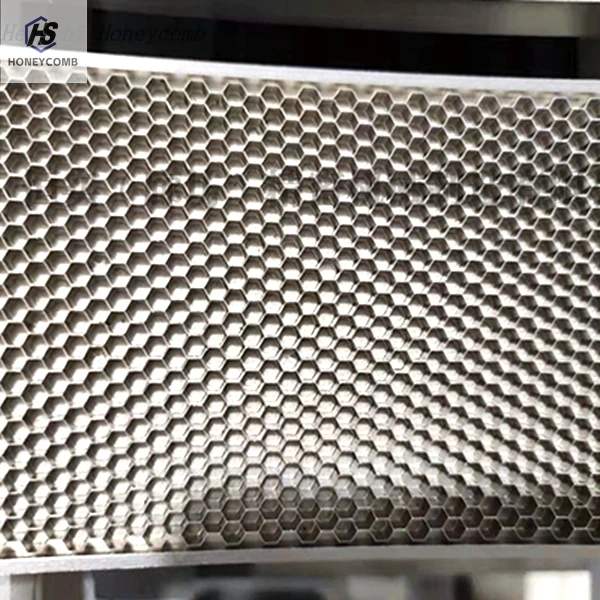
- Corrugation/Expansion: The metallic foils are precisely corrugated or expanded into the characteristic hexagonal (honeycomb) cell structure. This can involve specialized machinery that forms the cells and bonds them together at their nodal points.
- Slicing/Cutting: The formed honeycomb blocks are then precisely sliced to the desired thickness, creating individual honeycomb core sections.
- Frame Fabrication (CNC Machining/Forging): The outer frame for the honeycomb vent is typically manufactured using CNC machining from solid billet aluminum or stainless steel, ensuring precise dimensions and flatness. For more complex geometries or higher volumes, forging may be considered, followed by final machining.
- Assembly and Bonding: The cut honeycomb core is carefully assembled into the fabricated frame. Various bonding techniques, such as conductive epoxies, soldering, or resistance welding, are used to create a rigid, electrically continuous structure that prevents EMI leakage.
- Surface Finishing: Depending on the application, the assembled vents may undergo surface treatments. Common finishes include chromate conversion (Alodine), nickel plating, or anodizing, enhancing corrosion resistance and electrical conductivity, especially important for grounding.
- Quality Control and Testing: Each vent undergoes rigorous testing. This includes dimensional verification, visual inspection, and crucial EMI shielding effectiveness testing according to standards like MIL-STD-285, IEEE 299, or EN 50147-1. Airflow resistance and pressure drop measurements are also performed to ensure thermal management efficiency.
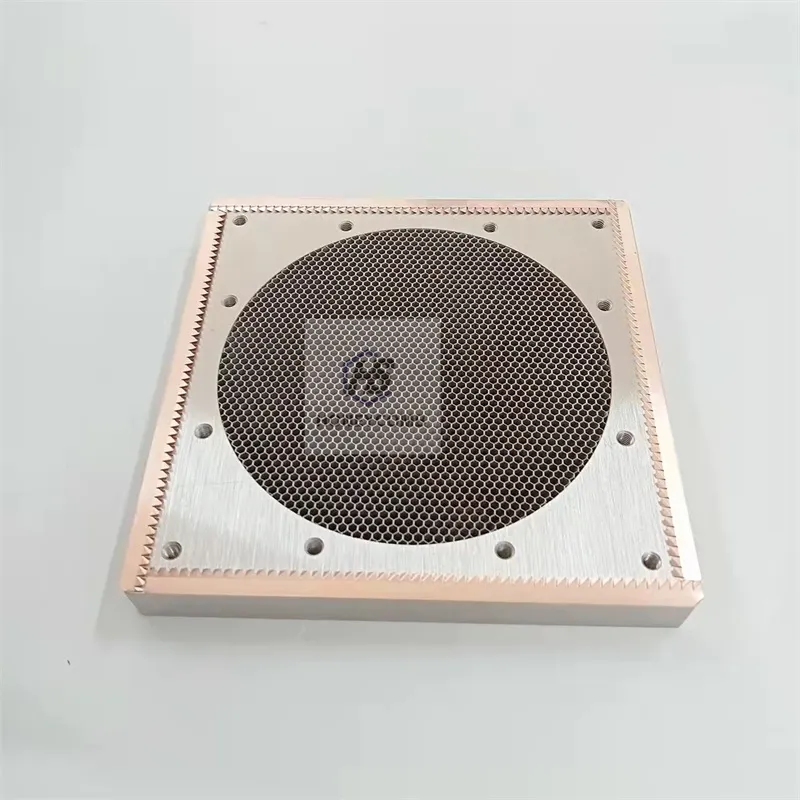
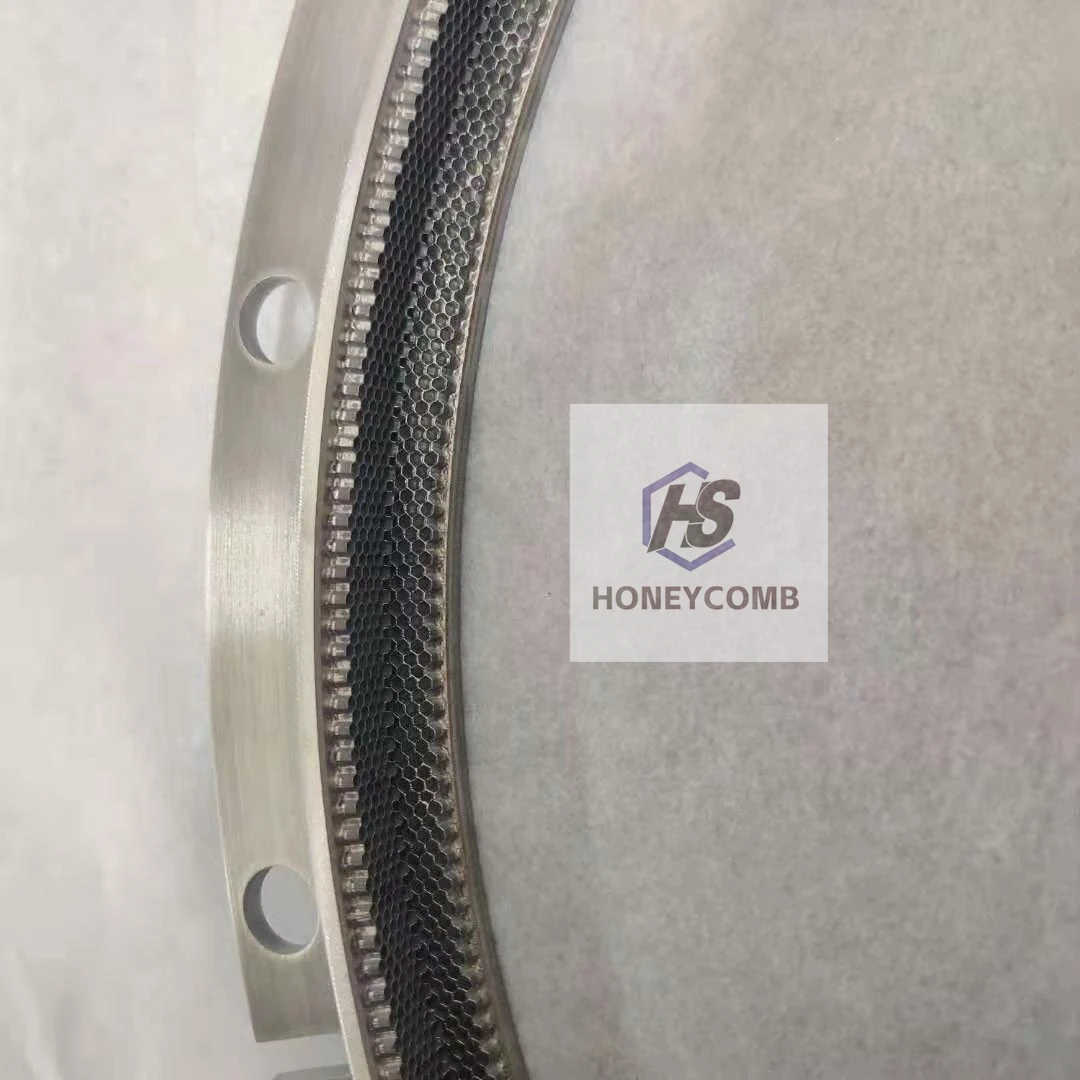
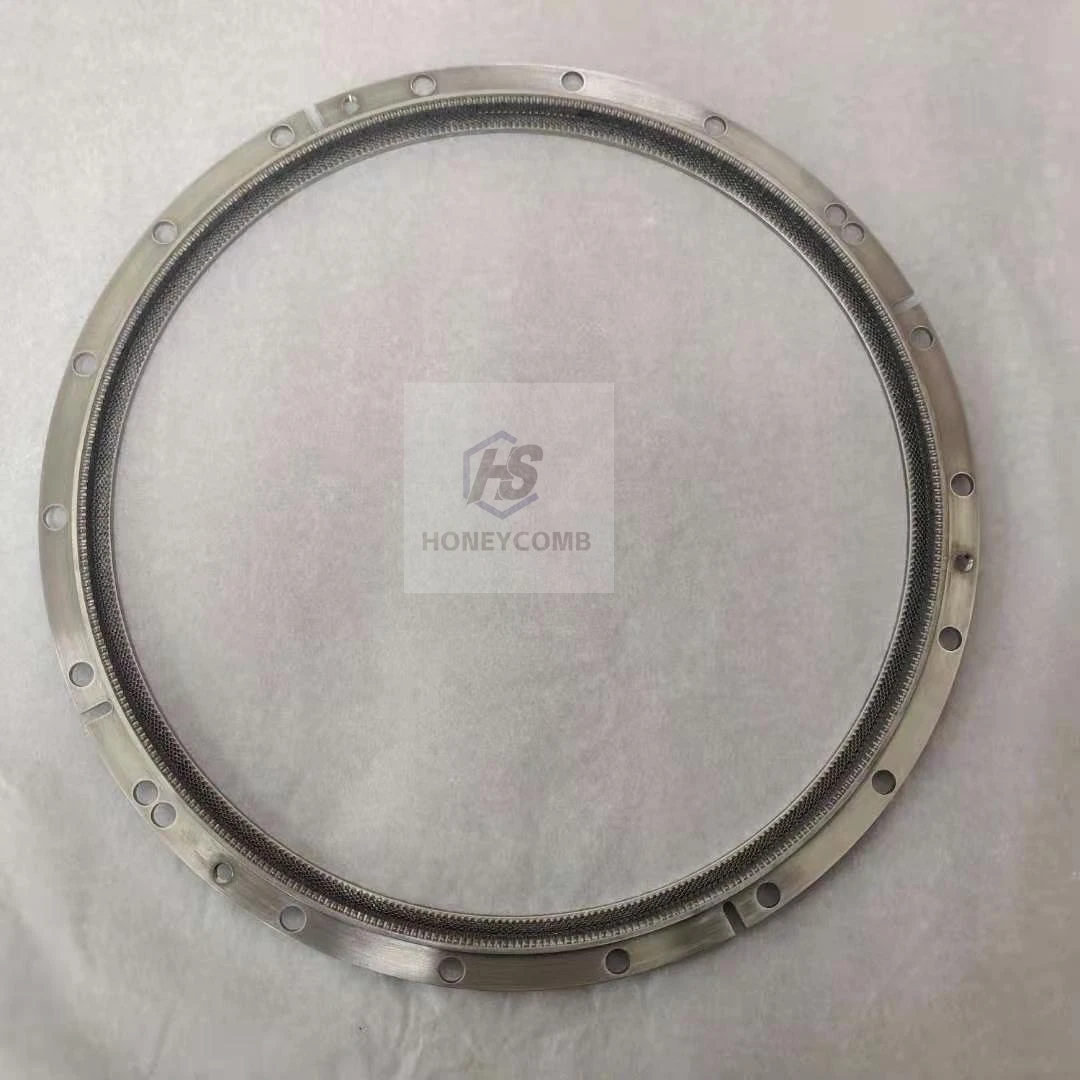
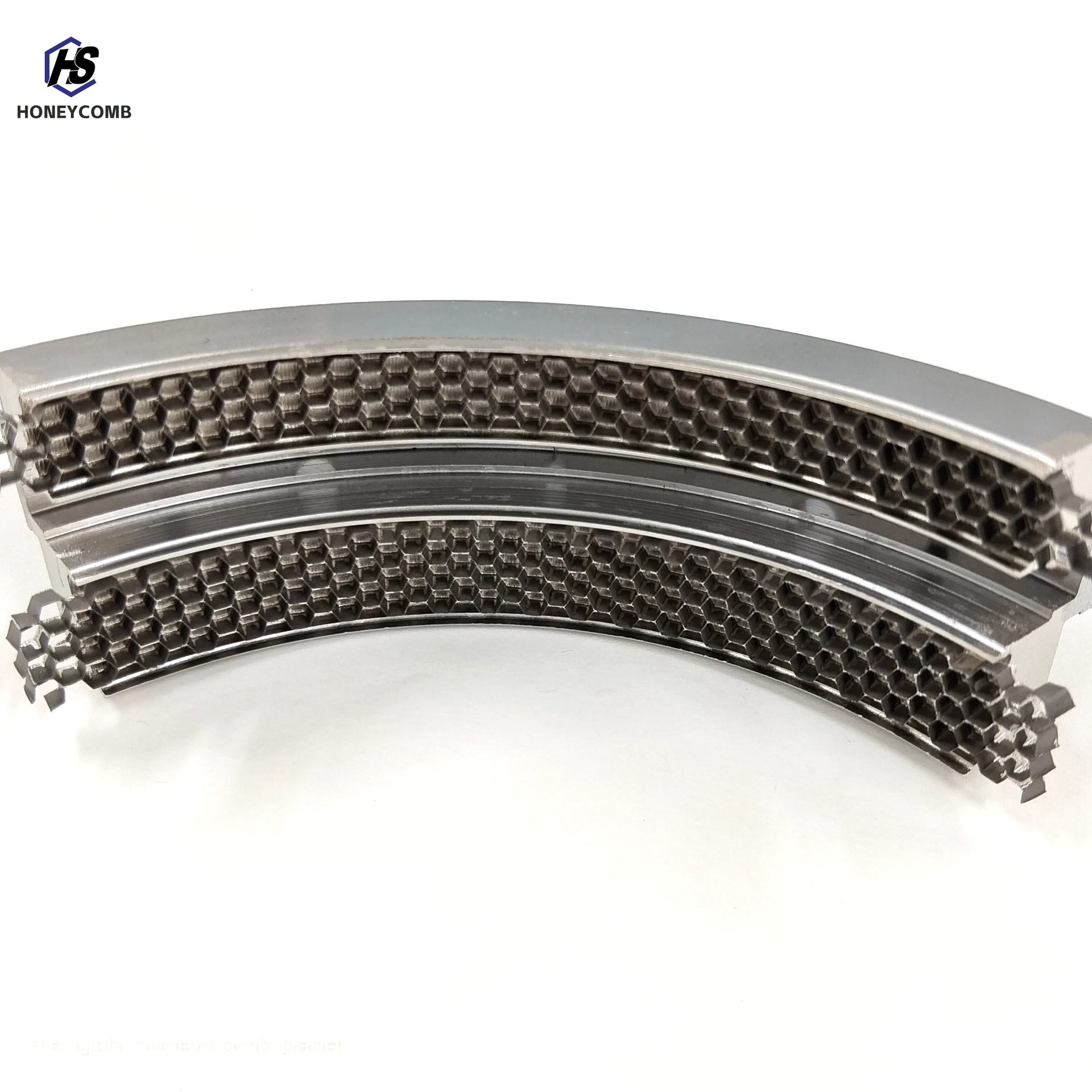
Precision engineering ensures optimal performance of EMI honeycomb structures.
The service life of these vents is typically long, often exceeding 10-15 years in typical operational environments, depending on material choice and environmental exposure. Target industries, like petrochemical, metallurgy, and water supply & drainage, may benefit from specialized corrosion-resistant coatings or material selections, demonstrating advantages in energy saving through efficient cooling and enhanced longevity due to superior corrosion resistance.
Technical Specifications and Performance Parameters
Understanding the key technical specifications is crucial for selecting the appropriate emi honeycomb vent for a given application. The performance of a honeycomb vent is primarily determined by its cell size, material, thickness, and aspect ratio (length-to-diameter ratio of the individual cells).
Key Parameters for EMI Honeycomb Vents:
- Shielding Effectiveness (SE): Measured in decibels (dB), this indicates the attenuation of electromagnetic waves. A higher dB value signifies better shielding. Performance typically ranges from 60 dB to over 100 dB across various frequencies (e.g., 100 kHz to 18 GHz).
- Cell Size: The width of the hexagonal cells, typically ranging from 1/8" (3.18mm) to 1/4" (6.35mm). Smaller cell sizes generally offer higher shielding effectiveness but may result in slightly higher pressure drop.
- Material: Aluminum (common), plated steel (for higher strength/corrosion), brass (for specific environments). Finishes like nickel plating, chromate, or anodize affect conductivity and environmental resistance.
- Thickness/Depth: The depth of the honeycomb core, directly impacting the aspect ratio and thus shielding effectiveness. Deeper cores provide better shielding. Typical depths range from 1/4" to 1" (6.35mm to 25.4mm).
- Pressure Drop: The resistance to airflow caused by the honeycomb structure. While providing shielding, effective thermal management requires minimizing pressure drop.
Typical Product Specification Table: EMIEMC/RF Shielding Honeycomb Vent
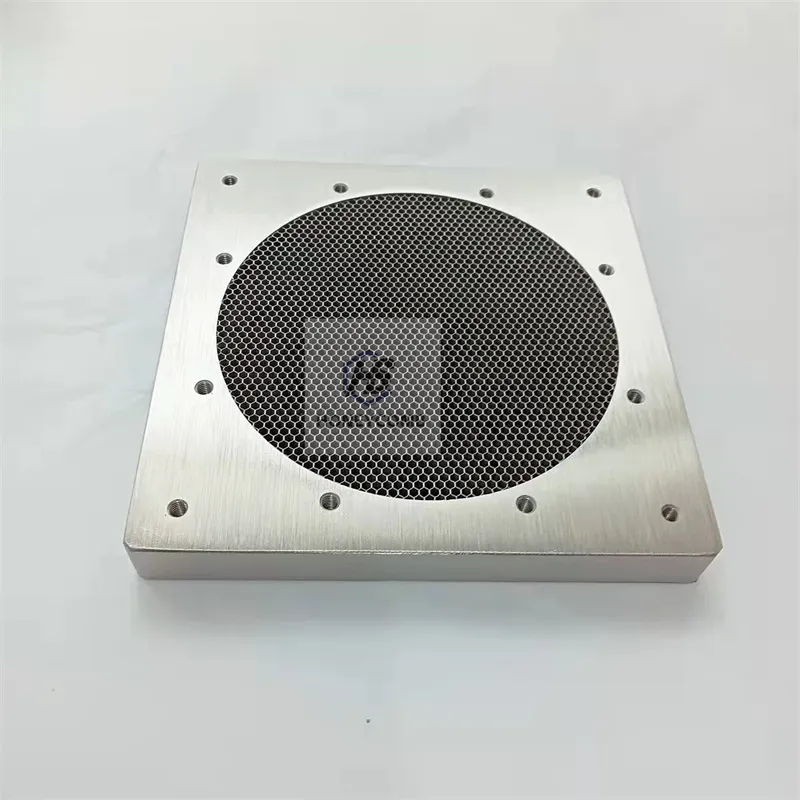
A variety of frame designs and finishes are available for EMI honeycomb vents.
Versatile Application Scenarios
The unique combination of EMI shielding and airflow offered by emi honeycomb vents makes them indispensable across a broad spectrum of industries and critical applications:
- Telecommunications & Data Centers: Used in server racks, networking equipment, and base stations to prevent signal interference and ensure data integrity while managing heat.
- Aerospace & Defense: Critical for shielding avionics, radar systems, electronic warfare equipment, and secure communication enclosures against electromagnetic pulses (EMP) and various forms of EMI.
- Medical Equipment: Protects sensitive diagnostic and therapeutic devices (e.g., MRI machines, patient monitoring systems) from external EMI that could affect accuracy and patient safety.
- Industrial Controls & Automation: Shields control panels, PLCs, and robotic systems in harsh industrial environments, ensuring reliable operation despite high levels of electrical noise.
- Test & Measurement Equipment: Ensures the integrity of precise measurements by preventing external EMI from corrupting sensitive readings in laboratories and manufacturing facilities.
- High-Performance Computing: Essential for supercomputers and high-density computing clusters where heat dissipation is critical, and any electromagnetic leakage could compromise performance.
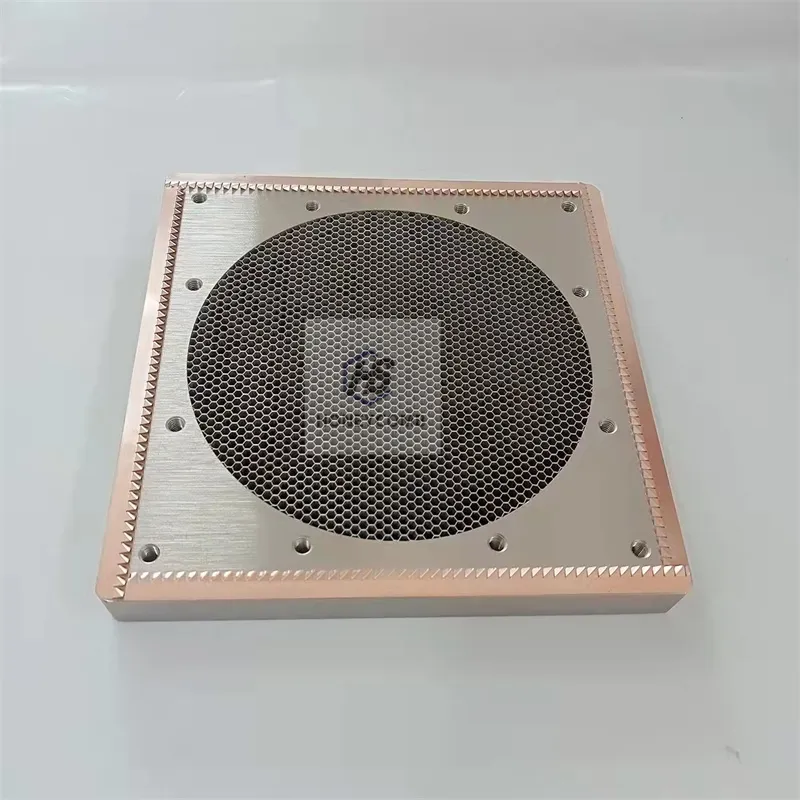
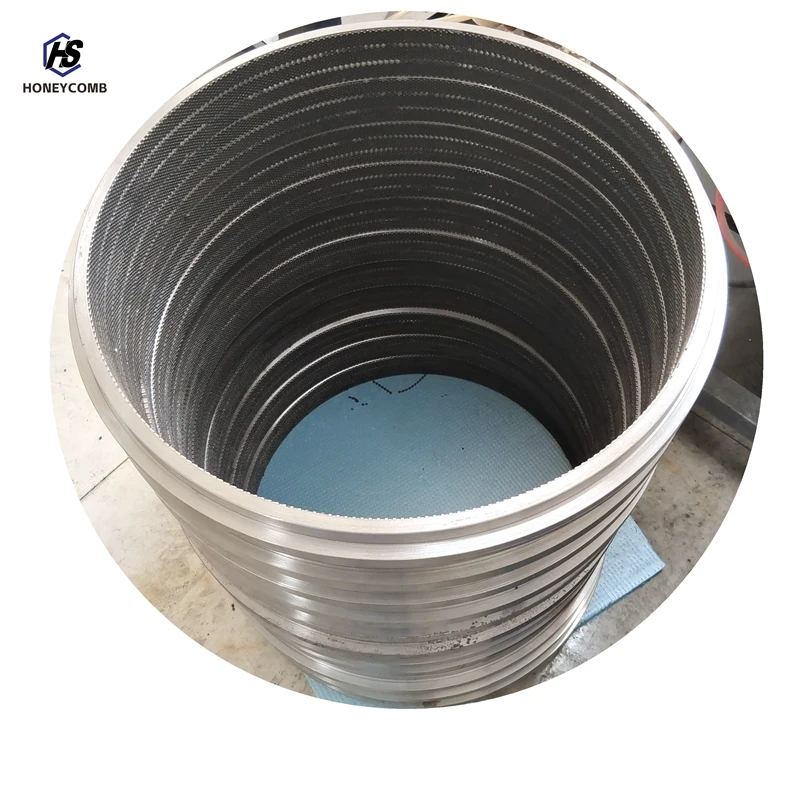
EMI honeycomb vents are critical in complex electronic enclosures requiring both shielding and ventilation.
Technical Advantages of EMI Honeycomb Vents
The design principles behind emi honeycomb vents confer several distinct technical advantages:
- High Shielding Effectiveness: The waveguide below cutoff principle, inherent to the honeycomb structure, provides exceptional EMI attenuation across a wide frequency range, especially at higher frequencies. Each hexagonal cell acts as an individual waveguide, effectively blocking electromagnetic waves while allowing air to pass.
- Minimal Airflow Impedance: Despite offering robust shielding, the open structure of the honeycomb minimizes resistance to airflow, ensuring efficient thermal management and preventing hotspots within electronic enclosures. This balance is critical for maintaining component longevity and performance.
- Robust and Durable Construction: Typically manufactured from metals like aluminum or stainless steel, these vents are inherently strong and resistant to environmental factors, providing long-term reliability even in demanding operational conditions.
- Corrosion Resistance: Available with various finishes (e.g., chromate, nickel plating, anodization), they can be tailored to resist corrosion in specific environments, such as marine, industrial, or outdoor installations.
- Versatile Mounting Options: Can be designed for various mounting methods, including bolted, riveted, or spring-loaded options, ensuring seamless integration into diverse enclosure designs.
- Low Maintenance: Once installed correctly, honeycomb emi vents require minimal maintenance, offering a cost-effective long-term shielding solution.
Vendor Comparison: Key Factors in Selecting a Supplier
Choosing the right supplier for emi honeycomb vents is as crucial as selecting the product itself. A robust vendor comparison involves evaluating several critical factors:
Comparative Factors for EMI Honeycomb Vent Suppliers:
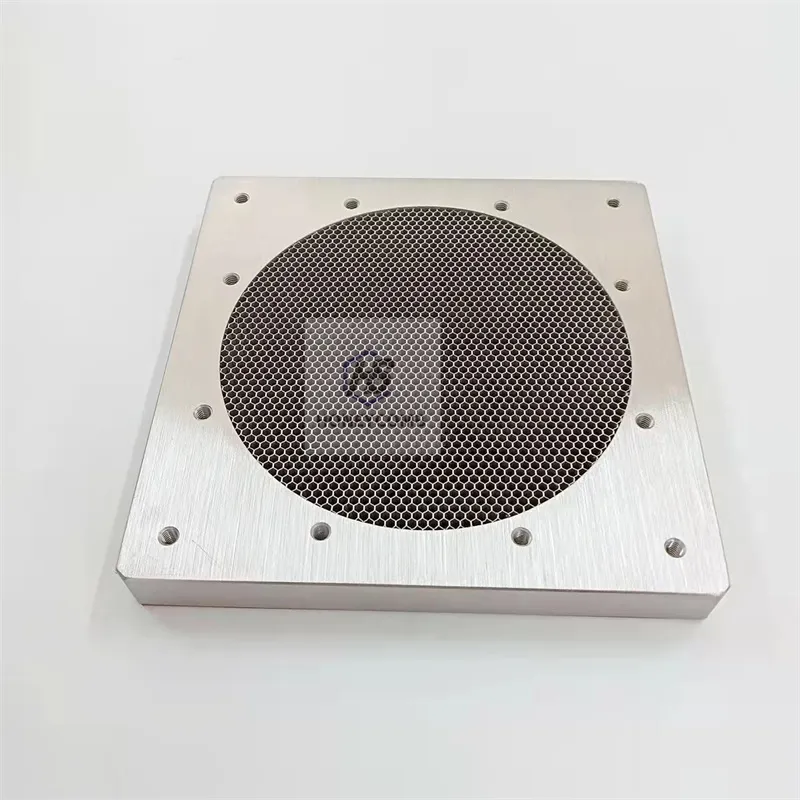
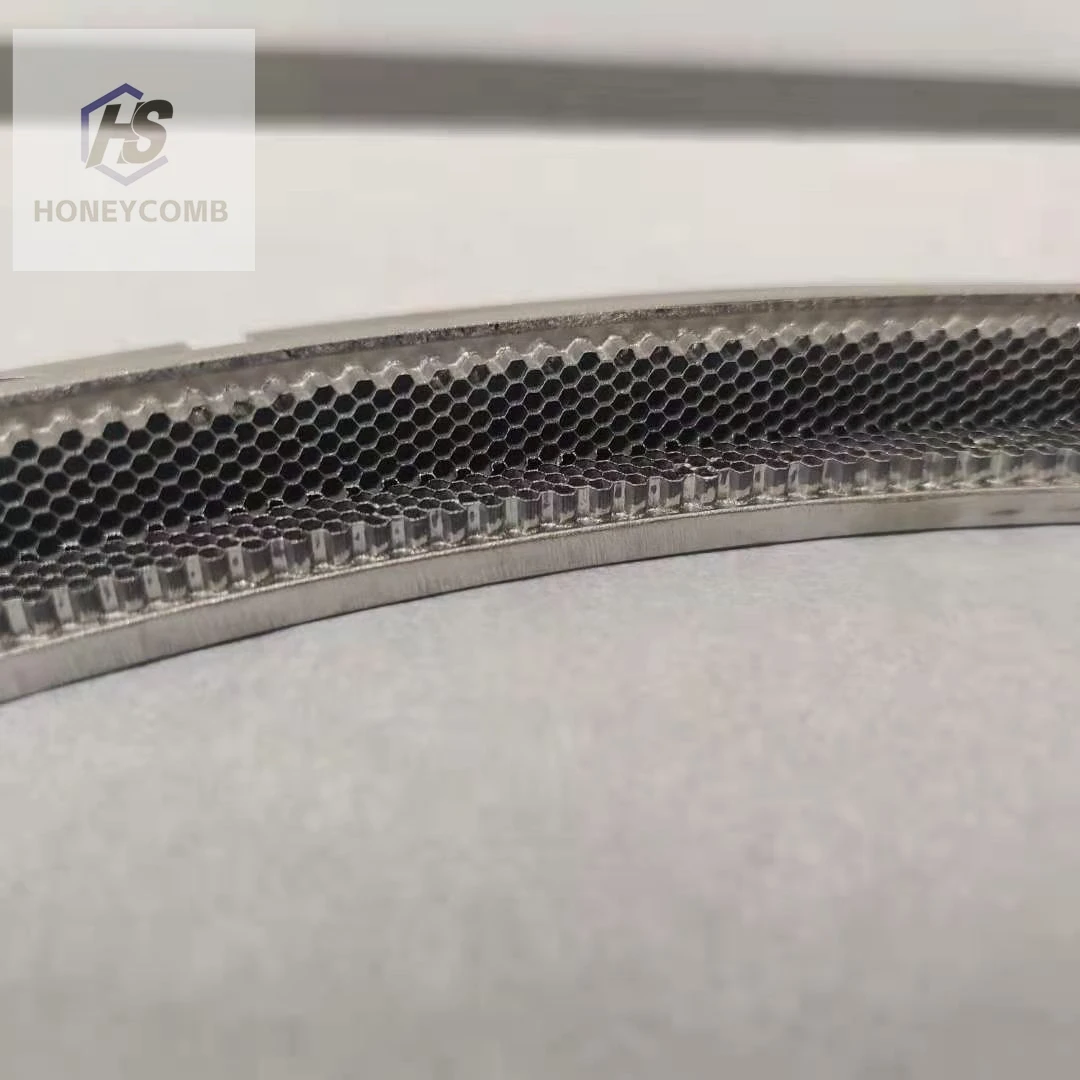
Customized EMI honeycomb vent designs are crucial for specialized applications.
Customized Solutions for Unique Requirements
Off-the-shelf EMI shielding solutions often fall short when dealing with highly specific design constraints or performance demands. This is where customized emi honeycomb vents become invaluable. Leading manufacturers offer comprehensive customization services, allowing engineers to design vents that precisely fit their applications.
- Dimension and Shape: Exact size and unique geometries (e.g., circular, triangular, complex cutouts) can be manufactured to integrate seamlessly into existing enclosures.
- Material and Finish Selection: Beyond standard aluminum, options like plated steel, brass, or even specialized composite materials can be chosen for specific electrical, environmental, or mechanical properties. Custom finishes ensure compatibility with other enclosure materials and provide enhanced environmental protection.
- Cell Size and Depth Optimization: The honeycomb cell size and depth can be finely tuned to balance optimal shielding effectiveness with minimal pressure drop, matching specific airflow and frequency requirements.
- Integrated Gasketing: Custom vents can be supplied with integrated conductive gaskets (e.g., finger stock, conductive elastomer) to ensure continuous electrical contact between the vent and the enclosure, preventing leakage around the mounting interface.
- Mounting Options: From captive fasteners and weld studs to specific flange designs, customization ensures a secure and effective mounting solution.
Collaborating with experienced engineers during the design phase is crucial to realize the full potential of tailored puka ʻea honeycomb solutions.
Application Case Studies: Real-World Impact
The practical application of emi honeycomb vents demonstrates their critical role in ensuring operational integrity and compliance across various sectors.
Case Study 1: High-Power Data Center Cooling
A major global data center operator faced significant challenges with cooling their high-density server racks while complying with stringent FCC and CE EMC regulations. Traditional mesh filters provided inadequate EMI shielding, leading to intermittent network disruptions, while solid plates caused critical overheating. By integrating custom-designed aluminum emi honeycomb vents (1/8" cell size, 0.5" depth, chromate finish) into their server rack doors and exhaust panels, they achieved over 80 dB shielding effectiveness at 1 GHz, well within compliance limits. Simultaneously, the low-pressure drop design of the honeycomb allowed for a 20% improvement in airflow efficiency, reducing operational temperatures by an average of 5°C, leading to extended component life and energy savings.
Case Study 2: Marine Radar System Protection
A manufacturer of advanced marine radar systems required robust EMI shielding for their outdoor enclosures, which were exposed to salt spray, extreme temperatures, and high levels of ambient RF noise. Their previous ventilation system allowed unacceptable levels of RF leakage, affecting radar sensitivity and range. We provided custom-fabricated stainless steel emi honeycomb vents, nickel-plated for superior corrosion resistance, and integrated with a conductive elastomer gasket. The design was optimized for the specific frequency range of the radar, providing over 90 dB attenuation at operational frequencies. This solution not only ensured the radar's performance in harsh marine conditions but also significantly extended the lifespan of the electronic components by providing effective environmental protection.
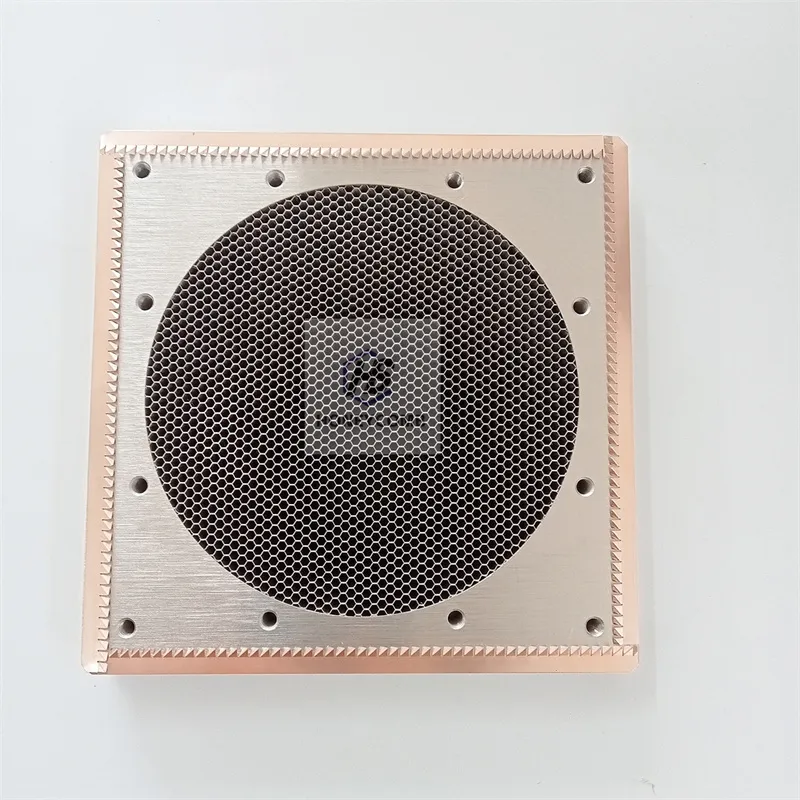
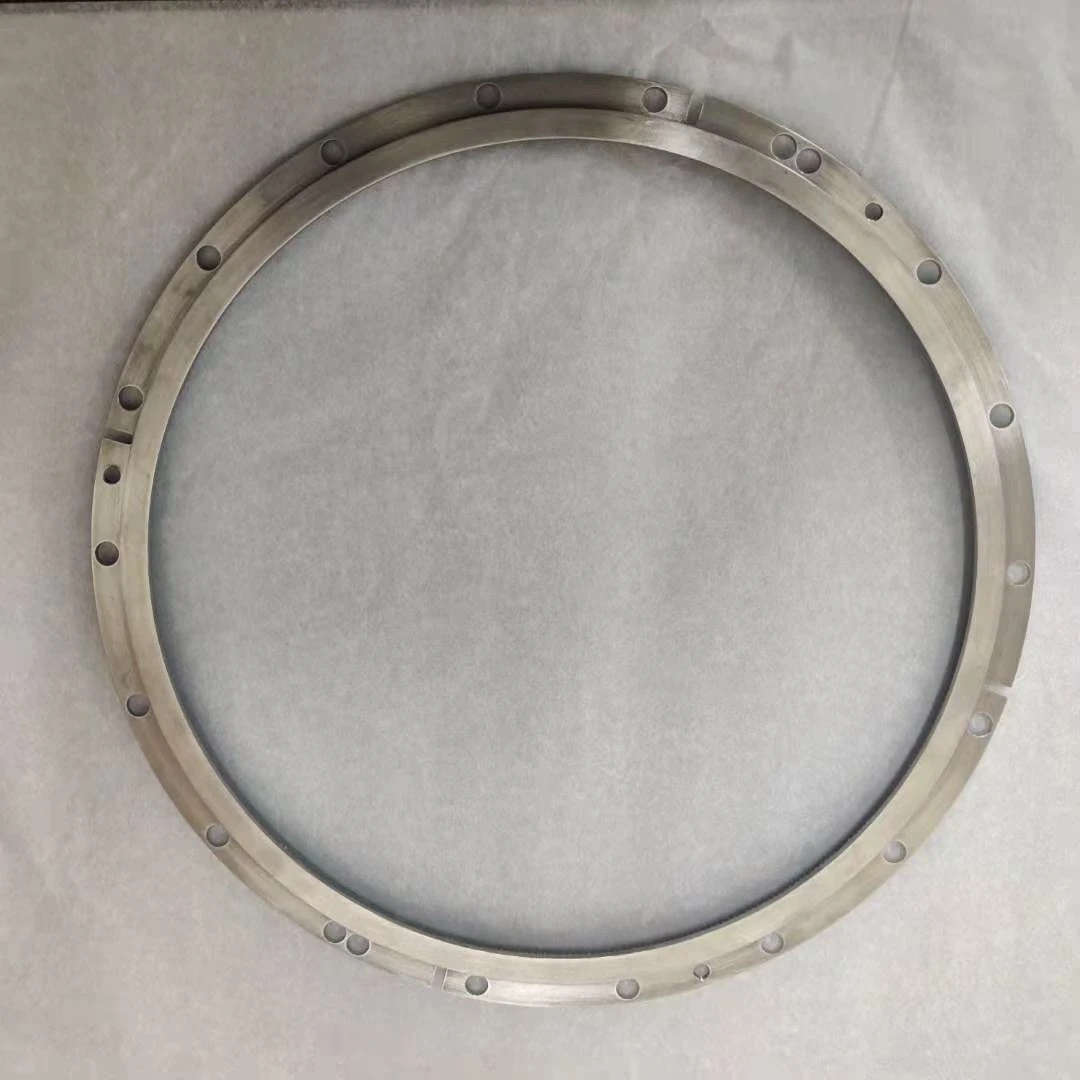
Robust EMI honeycomb vents provide essential protection in demanding environments.
Ensuring Trustworthiness and Authoritativeness
In the specialized field of EMI shielding, trust and authority are built on proven performance, adherence to standards, and robust customer support.
Certifications and Standards:
Reputable manufacturers of emi honeycomb vents operate under stringent quality management systems, typically certified to ISO 9001. Products are designed and tested to meet international industry standards such as:
- MIL-STD-285: For measuring the shielding effectiveness of enclosures.
- IEEE 299: Standard for measuring the effectiveness of electromagnetic shielding enclosures.
- EN 50147-1: European standard for anechoic chambers and shielded enclosures.
- RoHS & REACH Compliance: Ensuring environmental responsibility and safety.
Years of service, often decades, and a strong portfolio of client partnerships across diverse industries, from telecommunications giants to defense contractors, further solidify a vendor's authoritative position.
Frequently Asked Questions (FAQ):
- Q: How do EMI honeycomb vents provide shielding?
- A: They operate on the "waveguide beyond cutoff" principle. Each hexagonal cell acts as a miniature waveguide. If the electromagnetic wave's wavelength is significantly larger than the cell dimensions, it cannot propagate through the cell and is attenuated.
- Q: What is the typical lead time for custom EMI honeycomb vents?
- A: Lead times for custom solutions typically range from 4-8 weeks, depending on complexity, material availability, and order volume. Standard configurations may ship within 2-4 weeks. Expedited options are often available upon request.
- Q: What kind of warranty do these products carry?
- A: Products typically come with a standard 1-2 year warranty against manufacturing defects and material failures, ensuring peace of mind for our clients. Extended warranty options may be available for specific projects or high-reliability applications.
- Q: What after-sales support is provided?
- A: Comprehensive after-sales support includes technical consultation, troubleshooting guides, replacement part services, and dedicated customer service channels. Our engineering team is available to assist with integration challenges or performance inquiries.
Conclusion
As electronic systems continue to advance in complexity and density, the challenge of electromagnetic interference becomes increasingly critical. EMI honeycomb vents offer an essential, highly effective solution that bridges the gap between critical thermal management and robust EMI shielding. Their proven performance, adaptability through customization, and adherence to rigorous industry standards make them an indispensable component for protecting sensitive electronics across a myriad of high-tech applications. Investing in high-quality honeycomb shielding is not merely a compliance measure but a strategic decision for ensuring the long-term reliability, performance, and operational integrity of modern electronic systems.
References
- Paul, C. R. (2006). Introduction to Electromagnetic Compatibility. John Wiley & Sons.
- Federal Communications Commission (FCC) Regulations Part 15. Code of Federal Regulations.
- International Electrotechnical Commission (IEC) Standards for EMC. (Various standards, e.g., IEC 61000 series).
- MIL-STD-285. (1956). Military Standard: Attenuation Measurements for Enclosures, Electromagnetic Shielding, for Electronic Test Purposes. Department of Defense.
- IEEE Std 299-2006. (2007). IEEE Standard for the Measurement of the Effectiveness of Electric, Magnetic, and Plane-Wave Fields, Radio Frequency, and Microwave Shielding Enclosures. Institute of Electrical and Electronics Engineers.

-
Industrial Airflow Guide for maf воздушная правильная машинаNūhouApr.16,2026
-
Best maf струйно правильная машина for Industrial EfficiencyNūhouApr.09,2026
-
Сотовая правильная машина A Comprehensive Guide to Honey Packing AutomationNūhouApr.07,2026
-
Build Your Own DIY газоправильная Машина A Comprehensive Guide to Gas CorrectionNūhouApr.04,2026
-
Understanding Кондиционер отопления Systems for Efficient and Comfortable HeatingNūhouMar.31,2026
-
Comprehensive Guide to Cellular Blinds Installation Установка сотовых жалюзиNūhouMar.28,2026
-
Mobile Aerodynamic Tunnel Design A Comprehensive Guide to Applications and ImplementationNūhouMar.26,2026
EMI Honeycomb Vents: High-Performance Shielding & Airflow
The Critical Role of EMI Shielding in Modern Electronics
In the increasingly complex landscape of modern electronics and high-frequency communication, electromagnetic interference (EMI) poses a significant challenge. Unwanted electromagnetic energy can disrupt sensitive electronic components, degrade signal integrity, and even lead to system failure. Effective EMI shielding is paramount for ensuring the reliability, performance, and regulatory compliance of electronic devices across a multitude of industries.
One of the most effective solutions for addressing EMI while maintaining essential airflow and thermal management is the implementation of emi honeycomb vents. These specialized components are engineered to provide superior EMI/RFI attenuation while allowing for necessary ventilation, making them indispensable in applications ranging from telecommunications to defense.
Industry Trends Driving Demand for EMI Shielding Solutions
The demand for advanced EMI shielding solutions, including sophisticated emi honeycomb vents, is being propelled by several overarching industry trends:
- 5G and Advanced Communication Systems: The rollout of 5G networks, with their higher frequencies and increased bandwidth, necessitates more robust EMI/EMC protection to prevent interference and ensure reliable data transmission. Base stations, small cells, and user equipment all require precise shielding.
- Internet of Things (IoT) Proliferation: The explosion of interconnected devices, from industrial sensors to smart home gadgets, means more electronic systems operating in close proximity, increasing the potential for EMI. Compact and efficient shielding is critical for IoT device functionality.
- Automotive Electronics Growth: Modern vehicles are essentially computers on wheels, packed with sensors, infotainment systems, ADAS (Advanced Driver-Assistance Systems), and electric powertrains. The safety-critical nature of these systems demands stringent EMI protection to prevent malfunctions.
- Aerospace and Defense Applications: High-reliability environments like aerospace and defense have always required stringent EMI/EMC. With advanced radar systems, electronic warfare, and satellite communications, the need for high-performance shielding, including honeycomb emi structures, is continuously evolving.
- Miniaturization and Power Density: As electronic components shrink and power densities increase, the challenge of managing both heat dissipation and EMI shielding simultaneously becomes more pronounced. Honeycomb vents offer a unique solution by balancing these two critical requirements.
These trends underscore the strategic importance of choosing the right EMI shielding technology, with puka ʻea honeycomb designs standing out for their versatility and effectiveness.
Process Flow: Manufacturing of EMI Honeycomb Vents
The manufacturing of emi honeycomb vents is a precision-driven process involving several critical stages to ensure optimal shielding effectiveness and structural integrity. Key materials typically include aluminum (5052, 3003 alloys), steel, or brass, chosen for their conductivity, corrosion resistance, and specific application requirements.
Detailed Manufacturing Steps:
- Material Selection and Preparation: High-grade metallic foils (e.g., aluminum alloy 5052-H32, often 0.002-0.005 inches thick) are selected for their excellent electrical conductivity and formability. These are typically cleaned and prepared for subsequent processing.
- Corrugation/Expansion: The metallic foils are precisely corrugated or expanded into the characteristic hexagonal (honeycomb) cell structure. This can involve specialized machinery that forms the cells and bonds them together at their nodal points.
- Slicing/Cutting: The formed honeycomb blocks are then precisely sliced to the desired thickness, creating individual honeycomb core sections.
- Frame Fabrication (CNC Machining/Forging): The outer frame for the honeycomb vent is typically manufactured using CNC machining from solid billet aluminum or stainless steel, ensuring precise dimensions and flatness. For more complex geometries or higher volumes, forging may be considered, followed by final machining.
- Assembly and Bonding: The cut honeycomb core is carefully assembled into the fabricated frame. Various bonding techniques, such as conductive epoxies, soldering, or resistance welding, are used to create a rigid, electrically continuous structure that prevents EMI leakage.
- Surface Finishing: Depending on the application, the assembled vents may undergo surface treatments. Common finishes include chromate conversion (Alodine), nickel plating, or anodizing, enhancing corrosion resistance and electrical conductivity, especially important for grounding.
- Quality Control and Testing: Each vent undergoes rigorous testing. This includes dimensional verification, visual inspection, and crucial EMI shielding effectiveness testing according to standards like MIL-STD-285, IEEE 299, or EN 50147-1. Airflow resistance and pressure drop measurements are also performed to ensure thermal management efficiency.
Precision engineering ensures optimal performance of EMI honeycomb structures.
The service life of these vents is typically long, often exceeding 10-15 years in typical operational environments, depending on material choice and environmental exposure. Target industries, like petrochemical, metallurgy, and water supply & drainage, may benefit from specialized corrosion-resistant coatings or material selections, demonstrating advantages in energy saving through efficient cooling and enhanced longevity due to superior corrosion resistance.
Technical Specifications and Performance Parameters
Understanding the key technical specifications is crucial for selecting the appropriate emi honeycomb vent for a given application. The performance of a honeycomb vent is primarily determined by its cell size, material, thickness, and aspect ratio (length-to-diameter ratio of the individual cells).
Key Parameters for EMI Honeycomb Vents:
- Shielding Effectiveness (SE): Measured in decibels (dB), this indicates the attenuation of electromagnetic waves. A higher dB value signifies better shielding. Performance typically ranges from 60 dB to over 100 dB across various frequencies (e.g., 100 kHz to 18 GHz).
- Cell Size: The width of the hexagonal cells, typically ranging from 1/8" (3.18mm) to 1/4" (6.35mm). Smaller cell sizes generally offer higher shielding effectiveness but may result in slightly higher pressure drop.
- Material: Aluminum (common), plated steel (for higher strength/corrosion), brass (for specific environments). Finishes like nickel plating, chromate, or anodize affect conductivity and environmental resistance.
- Thickness/Depth: The depth of the honeycomb core, directly impacting the aspect ratio and thus shielding effectiveness. Deeper cores provide better shielding. Typical depths range from 1/4" to 1" (6.35mm to 25.4mm).
- Pressure Drop: The resistance to airflow caused by the honeycomb structure. While providing shielding, effective thermal management requires minimizing pressure drop.
Typical Product Specification Table: EMIEMC/RF Shielding Honeycomb Vent
A variety of frame designs and finishes are available for EMI honeycomb vents.
Versatile Application Scenarios
The unique combination of EMI shielding and airflow offered by emi honeycomb vents makes them indispensable across a broad spectrum of industries and critical applications:
- Telecommunications & Data Centers: Used in server racks, networking equipment, and base stations to prevent signal interference and ensure data integrity while managing heat.
- Aerospace & Defense: Critical for shielding avionics, radar systems, electronic warfare equipment, and secure communication enclosures against electromagnetic pulses (EMP) and various forms of EMI.
- Medical Equipment: Protects sensitive diagnostic and therapeutic devices (e.g., MRI machines, patient monitoring systems) from external EMI that could affect accuracy and patient safety.
- Industrial Controls & Automation: Shields control panels, PLCs, and robotic systems in harsh industrial environments, ensuring reliable operation despite high levels of electrical noise.
- Test & Measurement Equipment: Ensures the integrity of precise measurements by preventing external EMI from corrupting sensitive readings in laboratories and manufacturing facilities.
- High-Performance Computing: Essential for supercomputers and high-density computing clusters where heat dissipation is critical, and any electromagnetic leakage could compromise performance.
EMI honeycomb vents are critical in complex electronic enclosures requiring both shielding and ventilation.
Technical Advantages of EMI Honeycomb Vents
The design principles behind emi honeycomb vents confer several distinct technical advantages:
- High Shielding Effectiveness: The waveguide below cutoff principle, inherent to the honeycomb structure, provides exceptional EMI attenuation across a wide frequency range, especially at higher frequencies. Each hexagonal cell acts as an individual waveguide, effectively blocking electromagnetic waves while allowing air to pass.
- Minimal Airflow Impedance: Despite offering robust shielding, the open structure of the honeycomb minimizes resistance to airflow, ensuring efficient thermal management and preventing hotspots within electronic enclosures. This balance is critical for maintaining component longevity and performance.
- Robust and Durable Construction: Typically manufactured from metals like aluminum or stainless steel, these vents are inherently strong and resistant to environmental factors, providing long-term reliability even in demanding operational conditions.
- Corrosion Resistance: Available with various finishes (e.g., chromate, nickel plating, anodization), they can be tailored to resist corrosion in specific environments, such as marine, industrial, or outdoor installations.
- Versatile Mounting Options: Can be designed for various mounting methods, including bolted, riveted, or spring-loaded options, ensuring seamless integration into diverse enclosure designs.
- Low Maintenance: Once installed correctly, honeycomb emi vents require minimal maintenance, offering a cost-effective long-term shielding solution.
Vendor Comparison: Key Factors in Selecting a Supplier
Choosing the right supplier for emi honeycomb vents is as crucial as selecting the product itself. A robust vendor comparison involves evaluating several critical factors:
Comparative Factors for EMI Honeycomb Vent Suppliers:
Customized EMI honeycomb vent designs are crucial for specialized applications.
Customized Solutions for Unique Requirements
Off-the-shelf EMI shielding solutions often fall short when dealing with highly specific design constraints or performance demands. This is where customized emi honeycomb vents become invaluable. Leading manufacturers offer comprehensive customization services, allowing engineers to design vents that precisely fit their applications.
- Dimension and Shape: Exact size and unique geometries (e.g., circular, triangular, complex cutouts) can be manufactured to integrate seamlessly into existing enclosures.
- Material and Finish Selection: Beyond standard aluminum, options like plated steel, brass, or even specialized composite materials can be chosen for specific electrical, environmental, or mechanical properties. Custom finishes ensure compatibility with other enclosure materials and provide enhanced environmental protection.
- Cell Size and Depth Optimization: The honeycomb cell size and depth can be finely tuned to balance optimal shielding effectiveness with minimal pressure drop, matching specific airflow and frequency requirements.
- Integrated Gasketing: Custom vents can be supplied with integrated conductive gaskets (e.g., finger stock, conductive elastomer) to ensure continuous electrical contact between the vent and the enclosure, preventing leakage around the mounting interface.
- Mounting Options: From captive fasteners and weld studs to specific flange designs, customization ensures a secure and effective mounting solution.
Collaborating with experienced engineers during the design phase is crucial to realize the full potential of tailored puka ʻea honeycomb solutions.
Application Case Studies: Real-World Impact
The practical application of emi honeycomb vents demonstrates their critical role in ensuring operational integrity and compliance across various sectors.
Case Study 1: High-Power Data Center Cooling
A major global data center operator faced significant challenges with cooling their high-density server racks while complying with stringent FCC and CE EMC regulations. Traditional mesh filters provided inadequate EMI shielding, leading to intermittent network disruptions, while solid plates caused critical overheating. By integrating custom-designed aluminum emi honeycomb vents (1/8" cell size, 0.5" depth, chromate finish) into their server rack doors and exhaust panels, they achieved over 80 dB shielding effectiveness at 1 GHz, well within compliance limits. Simultaneously, the low-pressure drop design of the honeycomb allowed for a 20% improvement in airflow efficiency, reducing operational temperatures by an average of 5°C, leading to extended component life and energy savings.
Case Study 2: Marine Radar System Protection
A manufacturer of advanced marine radar systems required robust EMI shielding for their outdoor enclosures, which were exposed to salt spray, extreme temperatures, and high levels of ambient RF noise. Their previous ventilation system allowed unacceptable levels of RF leakage, affecting radar sensitivity and range. We provided custom-fabricated stainless steel emi honeycomb vents, nickel-plated for superior corrosion resistance, and integrated with a conductive elastomer gasket. The design was optimized for the specific frequency range of the radar, providing over 90 dB attenuation at operational frequencies. This solution not only ensured the radar's performance in harsh marine conditions but also significantly extended the lifespan of the electronic components by providing effective environmental protection.
Robust EMI honeycomb vents provide essential protection in demanding environments.
Ensuring Trustworthiness and Authoritativeness
In the specialized field of EMI shielding, trust and authority are built on proven performance, adherence to standards, and robust customer support.
Certifications and Standards:
Reputable manufacturers of emi honeycomb vents operate under stringent quality management systems, typically certified to ISO 9001. Products are designed and tested to meet international industry standards such as:
- MIL-STD-285: For measuring the shielding effectiveness of enclosures.
- IEEE 299: Standard for measuring the effectiveness of electromagnetic shielding enclosures.
- EN 50147-1: European standard for anechoic chambers and shielded enclosures.
- RoHS & REACH Compliance: Ensuring environmental responsibility and safety.
Years of service, often decades, and a strong portfolio of client partnerships across diverse industries, from telecommunications giants to defense contractors, further solidify a vendor's authoritative position.
Frequently Asked Questions (FAQ):
- Q: How do EMI honeycomb vents provide shielding?
- A: They operate on the "waveguide beyond cutoff" principle. Each hexagonal cell acts as a miniature waveguide. If the electromagnetic wave's wavelength is significantly larger than the cell dimensions, it cannot propagate through the cell and is attenuated.
- Q: What is the typical lead time for custom EMI honeycomb vents?
- A: Lead times for custom solutions typically range from 4-8 weeks, depending on complexity, material availability, and order volume. Standard configurations may ship within 2-4 weeks. Expedited options are often available upon request.
- Q: What kind of warranty do these products carry?
- A: Products typically come with a standard 1-2 year warranty against manufacturing defects and material failures, ensuring peace of mind for our clients. Extended warranty options may be available for specific projects or high-reliability applications.
- Q: What after-sales support is provided?
- A: Comprehensive after-sales support includes technical consultation, troubleshooting guides, replacement part services, and dedicated customer service channels. Our engineering team is available to assist with integration challenges or performance inquiries.
Conclusion
As electronic systems continue to advance in complexity and density, the challenge of electromagnetic interference becomes increasingly critical. EMI honeycomb vents offer an essential, highly effective solution that bridges the gap between critical thermal management and robust EMI shielding. Their proven performance, adaptability through customization, and adherence to rigorous industry standards make them an indispensable component for protecting sensitive electronics across a myriad of high-tech applications. Investing in high-quality honeycomb shielding is not merely a compliance measure but a strategic decision for ensuring the long-term reliability, performance, and operational integrity of modern electronic systems.
References
- Paul, C. R. (2006). Introduction to Electromagnetic Compatibility. John Wiley & Sons.
- Federal Communications Commission (FCC) Regulations Part 15. Code of Federal Regulations.
- International Electrotechnical Commission (IEC) Standards for EMC. (Various standards, e.g., IEC 61000 series).
- MIL-STD-285. (1956). Military Standard: Attenuation Measurements for Enclosures, Electromagnetic Shielding, for Electronic Test Purposes. Department of Defense.
- IEEE Std 299-2006. (2007). IEEE Standard for the Measurement of the Effectiveness of Electric, Magnetic, and Plane-Wave Fields, Radio Frequency, and Microwave Shielding Enclosures. Institute of Electrical and Electronics Engineers.
-
Industrial Airflow Guide for maf воздушная правильная машинаNūhouApr.16,2026
-
Best maf струйно правильная машина for Industrial EfficiencyNūhouApr.09,2026
-
Сотовая правильная машина A Comprehensive Guide to Honey Packing AutomationNūhouApr.07,2026
-
Build Your Own DIY газоправильная Машина A Comprehensive Guide to Gas CorrectionNūhouApr.04,2026
-
Understanding Кондиционер отопления Systems for Efficient and Comfortable HeatingNūhouMar.31,2026
-
Comprehensive Guide to Cellular Blinds Installation Установка сотовых жалюзиNūhouMar.28,2026
-
Mobile Aerodynamic Tunnel Design A Comprehensive Guide to Applications and ImplementationNūhouMar.26,2026






 Hawaiian
  English
  Afrikaans
  Albanian
  Amharic
  Arabic
  Armenian
  Azerbaijani
  Basque
  Belarusian
  Bengali
  Bosnian
  Bulgarian
  Catalan
  Cebuano
  China
China  China (Taiwan)
  Corsican
  Croatian
  Czech
Czech  Danish
  Dutch
Dutch  Esperanto
  Estonian
  Finnish
  French
  Frisian
  Galician
  Georgian
  German
  Greek
Greek  Gujarati
  Haitian Creole
  Hausa
Hausa  Hebrew
  Hindi
Hindi  Miao
Miao  Indonesian
  Italian
  Japanese
  Javanese
  Malay
Malay  Persian
  Portuguese
  Punjabi
  Russian
  Spanish
  Swahili
  Telugu
  Vietnamese