Honeycomb air vents represent a significant advancement in ventilation technology, offering a unique blend of efficiency, lightweight design, and structural integrity. These vents, characterized by their hexagonal cell structure, are increasingly crucial across a diverse range of industries, from aerospace and automotive to building materials and even rapid deployment housing. The inherent benefits of this design are driving global adoption and innovation, addressing critical needs for improved airflow and weight reduction.
The growing demand for sustainable and energy-efficient solutions further fuels the prominence of honeycomb air vents. Traditional ventilation systems often suffer from limitations in airflow and require substantial material input. Honeycomb structures offer a compelling alternative, minimizing material usage while maximizing performance. This makes them particularly relevant in the context of reducing carbon footprints and promoting environmentally responsible practices.
Understanding the principles and applications of honeycomb air vent technology is essential for engineers, architects, and manufacturers seeking innovative solutions to ventilation challenges. This comprehensive exploration will delve into the core components, global applications, and future trends shaping this evolving field.
Introduction to Honeycomb Air Vent Technology
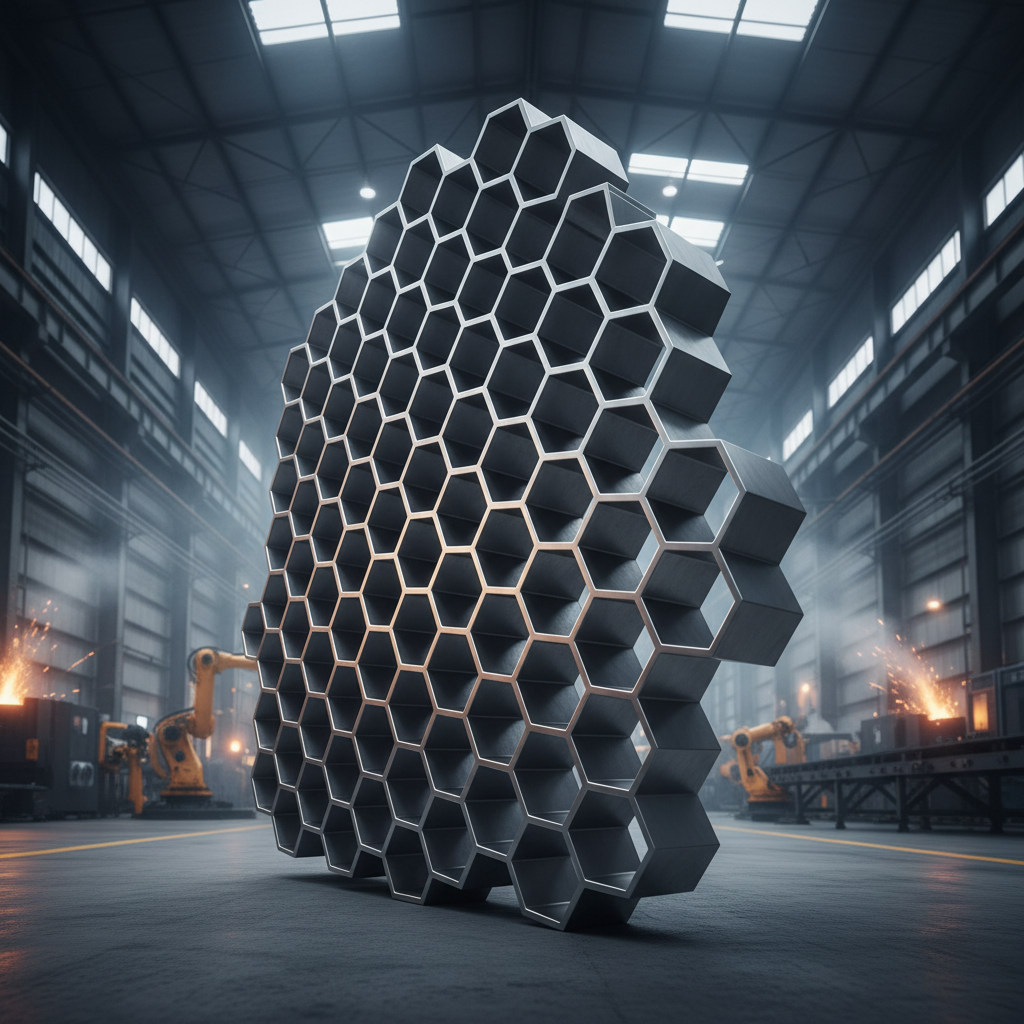
Honeycomb air vents are engineered to maximize airflow while minimizing weight and material usage. This is achieved through a repeating hexagonal cell structure, offering a high strength-to-weight ratio. The design is inspired by nature – specifically, the efficient honeycomb structures found in beehives, a testament to its inherent structural stability and resource optimization.
The versatility of honeycomb air vents makes them suitable for a wide variety of applications. They can be fabricated from numerous materials, including aluminum, plastics, and composite materials, allowing for customization based on specific performance requirements and environmental considerations. `honeycomb air vent` customization is key to success in many industries.
Global Relevance and Industry Context
The demand for efficient ventilation systems is globally pervasive, driven by factors like increasing urbanization, stringent environmental regulations, and a growing focus on indoor air quality. According to the World Health Organization, air pollution contributes to millions of premature deaths annually, highlighting the critical need for improved ventilation technologies. The industrial sector, particularly aerospace and automotive, are major drivers of innovation in honeycomb air vent design.
The automotive industry leverages honeycomb structures to reduce vehicle weight, improve fuel efficiency, and enhance passenger comfort through optimized air conditioning and ventilation systems. Similarly, the aerospace industry utilizes these vents in aircraft interiors for weight reduction and improved airflow management. These industries collectively represent a multi-billion dollar market, continuously seeking advancements in ventilation solutions.
The ISO standards for air quality and ventilation (ISO 16000 series) are increasingly demanding more sophisticated and efficient systems, pushing the adoption of technologies like honeycomb air vents. Furthermore, the United Nations Sustainable Development Goals (SDGs), particularly those related to sustainable cities and communities (SDG 11), emphasize the importance of resource efficiency and environmental protection – areas where honeycomb air vents excel.
Defining the Honeycomb Air Vent
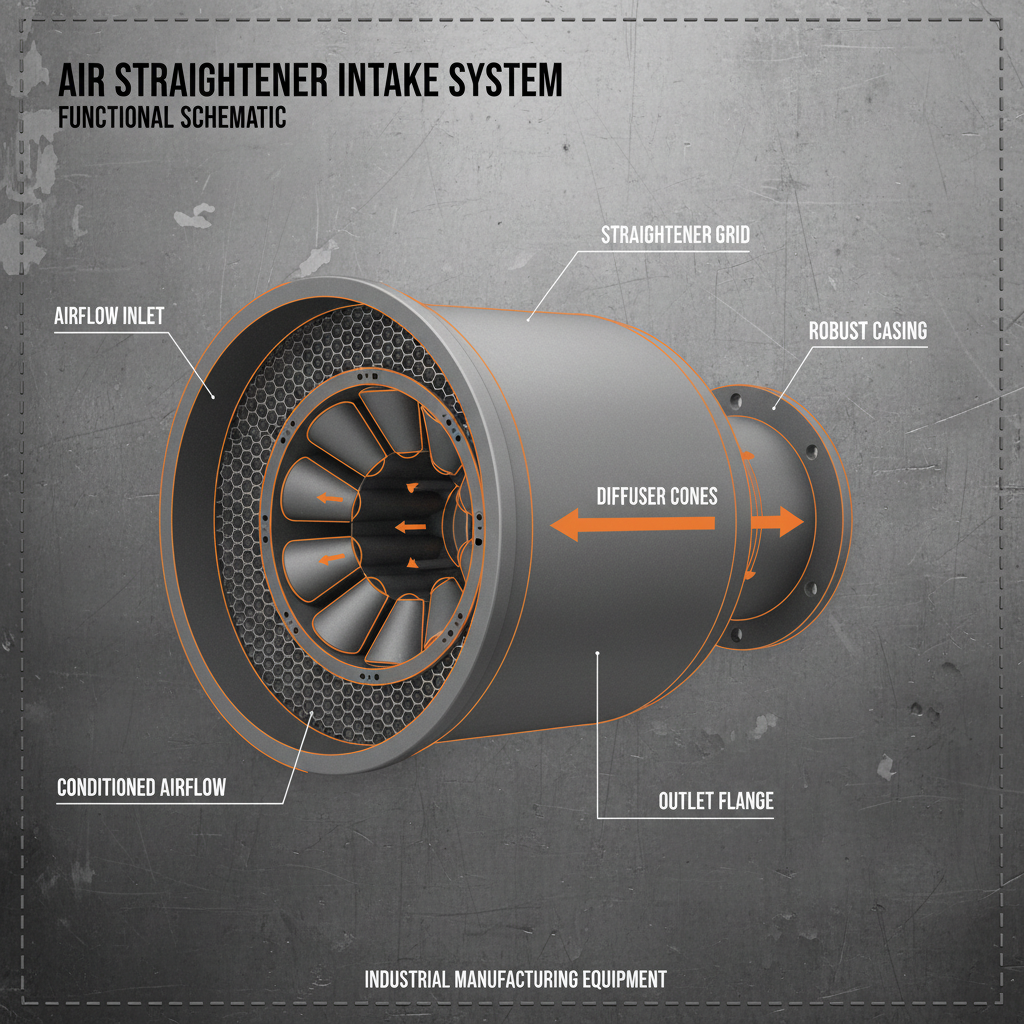
A honeycomb air vent is a ventilation component characterized by its repeating hexagonal cell structure. This structure creates a network of interconnected channels that facilitate airflow while providing exceptional strength and rigidity. Unlike traditional flat vents, honeycomb designs offer a larger surface area for air exchange within a given volume, resulting in increased efficiency.
Its connection to modern industry is profound. The inherent lightweight nature of honeycomb structures makes them ideal for applications where weight reduction is paramount, such as in the aerospace and automotive sectors. Furthermore, its scalability and adaptability allows for easy integration into diverse systems, from HVAC systems in buildings to specialized ventilation units in industrial machinery.
Beyond purely technical applications, honeycomb air vent technology also addresses humanitarian needs. In disaster relief scenarios, rapidly deployable shelters utilizing honeycomb panels offer a lightweight, insulated, and structurally sound solution for temporary housing. The ease of transport and assembly makes it invaluable for providing immediate shelter to affected populations.
Core Components and Key Factors
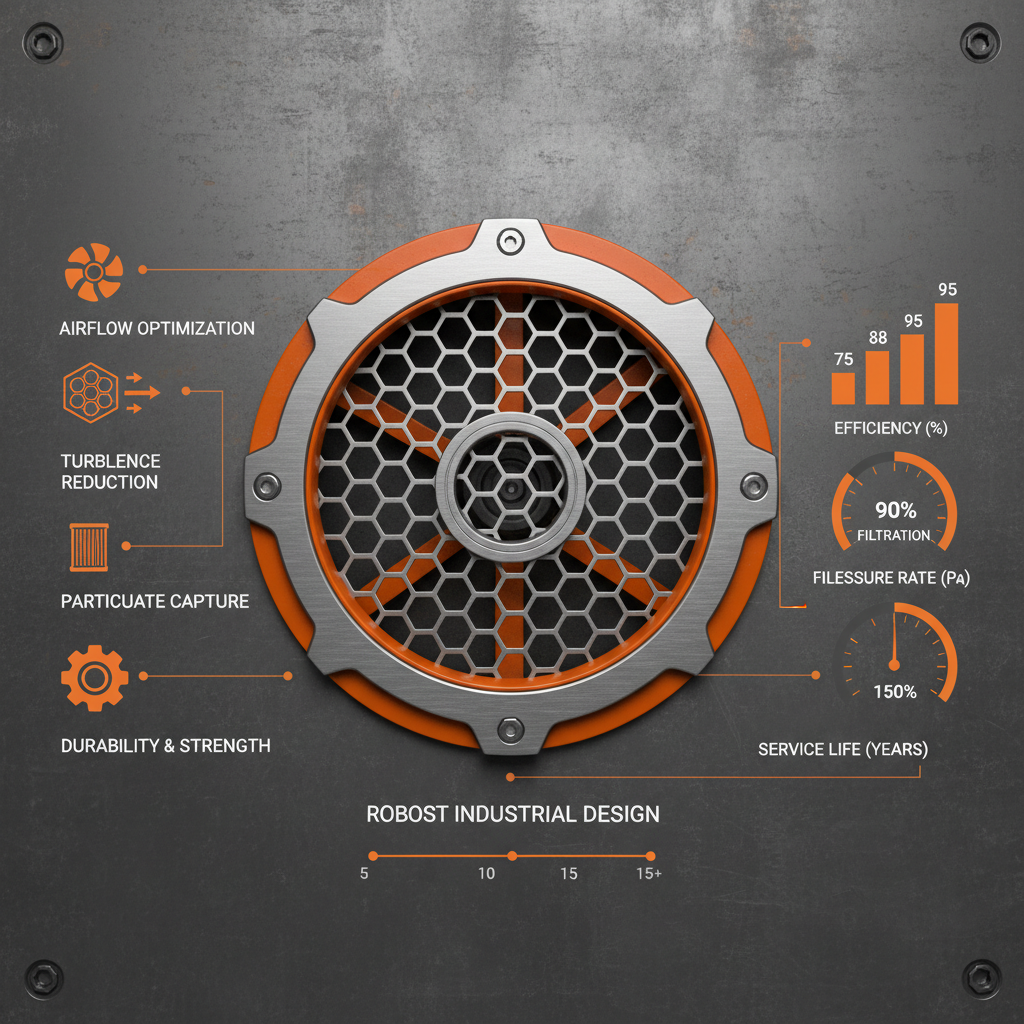
Several key factors define the performance and applicability of honeycomb air vents. First, Material Selection is crucial. Aluminum is commonly used for its lightweight properties and corrosion resistance, while plastics offer cost-effectiveness and design flexibility. Composite materials provide a balance of strength and weight.
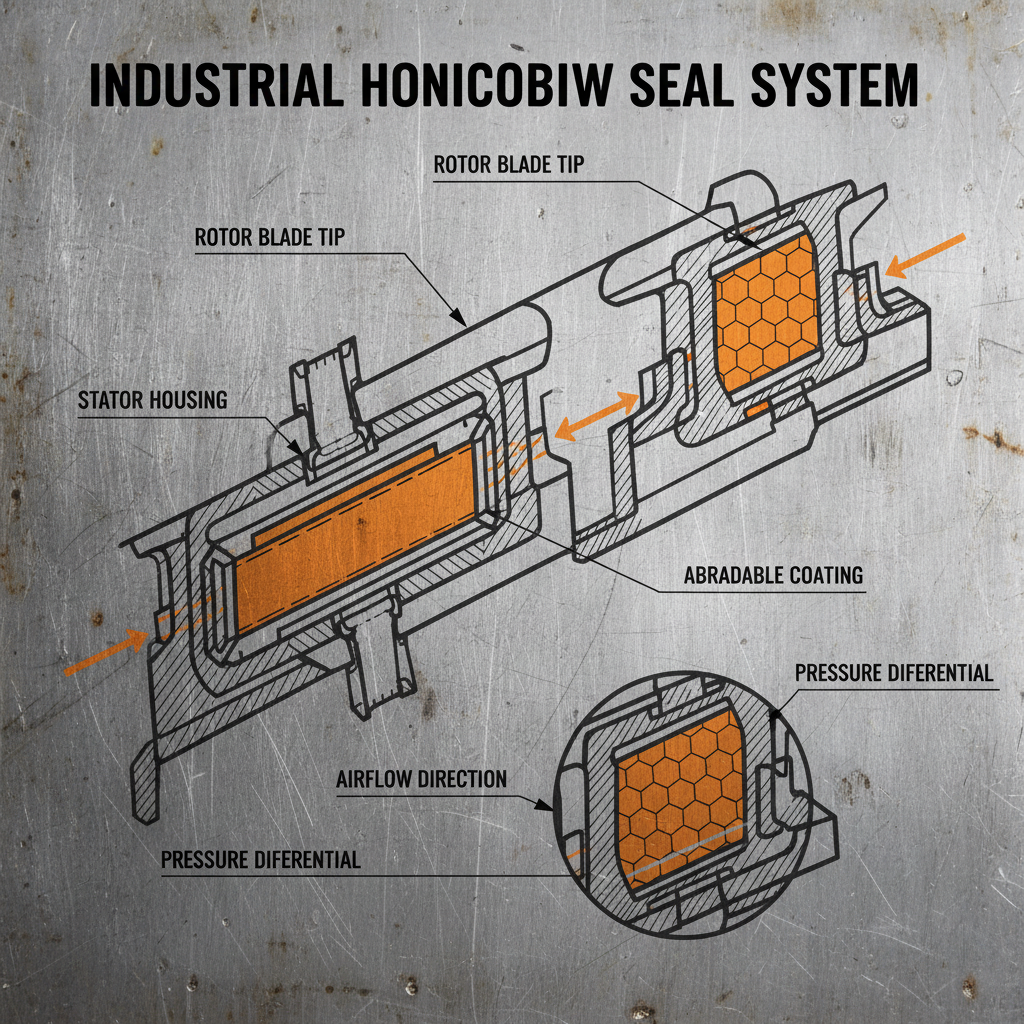
Second, Cell Density significantly impacts airflow and structural integrity. Higher cell densities provide greater strength but may restrict airflow, while lower densities offer better airflow but reduced strength. Third, Cell Size and Shape influence both airflow characteristics and material usage. Lastly, Adhesive Bonding plays a critical role in the assembly and structural stability of the honeycomb core to the face sheets.
Honeycomb Air Vent Performance Factors
Global Applications & Use Cases
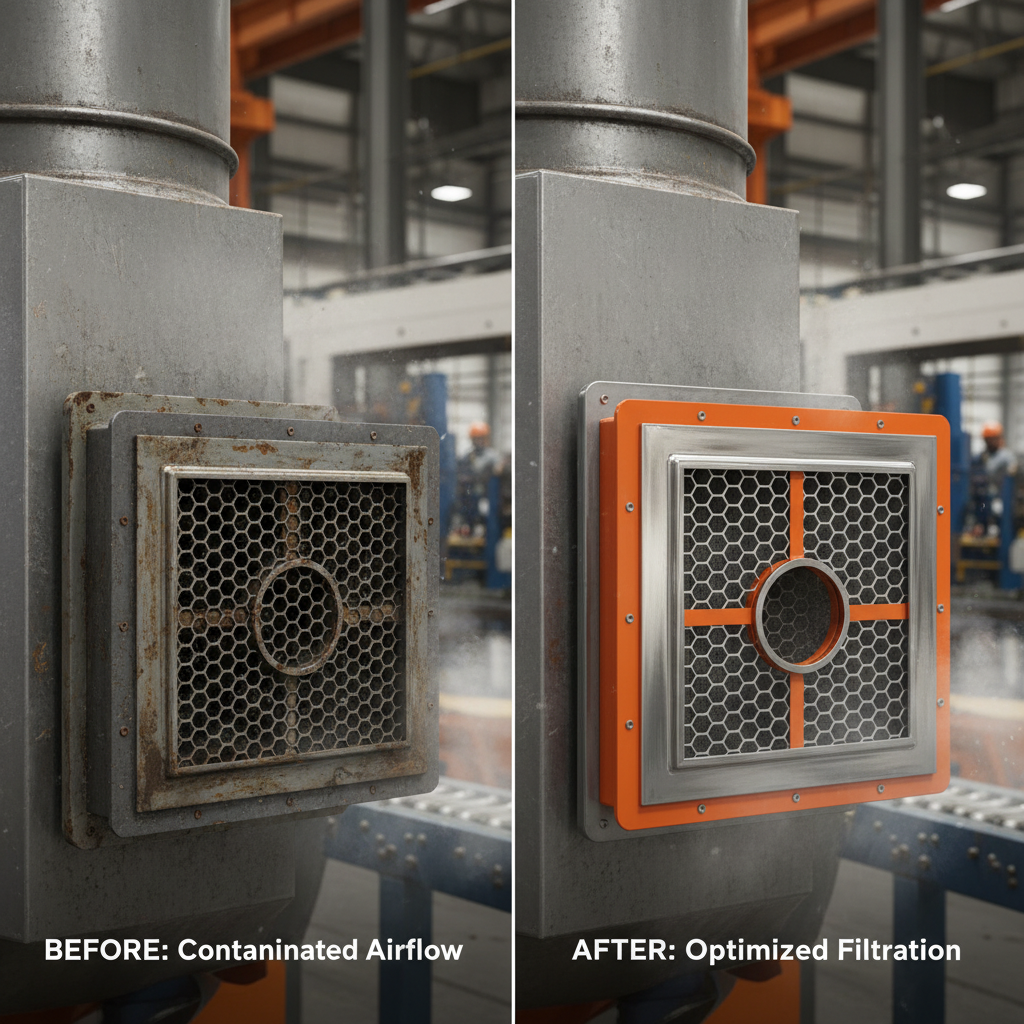
Honeycomb air vents find extensive application in the aerospace industry, where weight reduction is critical for fuel efficiency. They are integrated into aircraft interiors, air conditioning systems, and engine nacelles. The automotive industry utilizes these vents to reduce vehicle weight, improve airflow for cooling engines and passengers, and enhance the performance of air filtration systems.
In the building and construction sector, honeycomb air vents are employed in HVAC systems, providing efficient airflow with minimal material usage. They also serve as core materials in lightweight panels for walls, ceilings, and floors. In post-disaster relief operations, rapidly deployable shelters incorporating honeycomb structures offer a lightweight, durable, and easily transportable housing solution.
Advantages and Long-Term Value
The advantages of employing honeycomb air vents are multifaceted. Cost efficiency is a major benefit, as the design minimizes material usage without compromising structural integrity. Sustainability is also enhanced, as reduced material consumption translates to lower energy requirements for production and transportation. Furthermore, the lightweight nature of these vents contributes to reduced fuel consumption in transportation applications.
Beyond tangible benefits, honeycomb air vents offer significant long-term value. Their durability and resistance to corrosion ensure a long service life, minimizing maintenance and replacement costs. The improved indoor air quality resulting from efficient ventilation contributes to a healthier and more productive environment. Ultimately, adopting this technology fosters innovation and builds trust with customers through a commitment to superior performance and sustainability.
Future Trends & Innovations
The future of honeycomb air vent technology is poised for exciting advancements. Research into new materials, such as bio-based composites and self-healing polymers, promises to further enhance performance and sustainability. The integration of digital technologies, including 3D printing and advanced modeling software, will enable customized designs optimized for specific applications.
Automation in manufacturing processes will drive down production costs and increase scalability, making honeycomb air vents more accessible to a wider range of industries. Moreover, the growing emphasis on green energy and energy efficiency will continue to fuel demand for lightweight and efficient ventilation systems, solidifying the role of honeycomb air vents as a key component in sustainable infrastructure.
Exploring the possibilities of integrating smart sensors and AI-driven control systems into honeycomb air vent structures is another promising avenue. These smart vents could automatically adjust airflow based on occupancy levels, environmental conditions, and air quality metrics, further optimizing energy efficiency and indoor comfort.
FAQS
Honeycomb air vents are commonly manufactured using aluminum alloys for their strength and lightweight properties. However, other materials like plastics (polypropylene, PVC) and composite materials (carbon fiber, fiberglass) are also utilized, depending on the specific application requirements. The choice of material impacts factors such as cost, weight, durability, and thermal resistance.
Cell density is a critical parameter affecting performance. Higher cell densities generally increase structural strength and rigidity but can restrict airflow. Lower densities allow for greater airflow but may compromise strength. Optimizing cell density involves balancing these trade-offs based on the intended application, ensuring sufficient airflow for ventilation while maintaining adequate structural support.
Yes, honeycomb air vents can be engineered for use in harsh environments. Aluminum honeycomb structures exhibit excellent corrosion resistance, making them suitable for marine and industrial applications. The use of protective coatings and specialized adhesives further enhances their durability in extreme temperatures, humidity, and exposure to chemicals.
Honeycomb air vents offer several advantages over traditional flat vents. They provide a higher strength-to-weight ratio, increased surface area for airflow, and superior structural rigidity. This results in more efficient ventilation, reduced material usage, and improved overall performance, especially in applications where weight reduction is crucial.
Absolutely. Honeycomb air vents are highly customizable. Cell size, cell shape, material type, and overall dimensions can be tailored to meet specific design requirements. Advanced manufacturing techniques like 3D printing further enable the creation of complex and unique honeycomb structures optimized for particular applications.
Honeycomb air vents contribute to sustainability through several mechanisms. Their lightweight design reduces material consumption, lowering the environmental impact of production. Improved energy efficiency resulting from optimized airflow reduces energy consumption during operation. Furthermore, the use of recyclable materials, like aluminum, enhances the overall sustainability profile.
Conclusion
Honeycomb air vent technology represents a significant advancement in ventilation systems, offering a unique combination of efficiency, strength, and sustainability. From aerospace and automotive to building construction and disaster relief, these versatile vents are addressing critical challenges across a diverse range of industries. Their inherent lightweight properties, coupled with customizable designs, make them an increasingly attractive alternative to traditional ventilation solutions.
Looking ahead, continued innovation in materials, manufacturing processes, and smart technologies will further enhance the performance and applicability of honeycomb air vents. Embracing this technology is not simply about adopting a superior ventilation system; it’s about investing in a future characterized by resource efficiency, environmental responsibility, and improved quality of life. Visit our website at www.hshihoneycomb.com to learn more about how honeycomb air vents can benefit your projects.