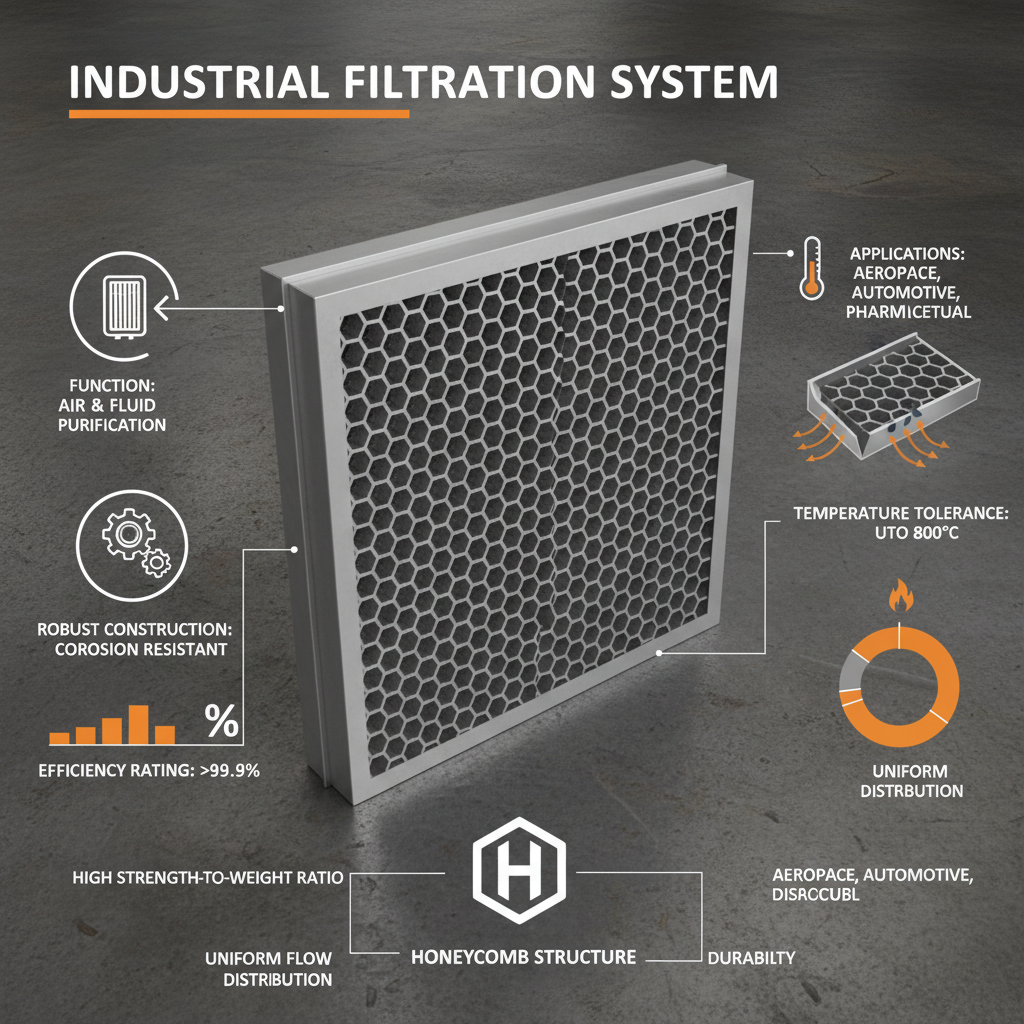
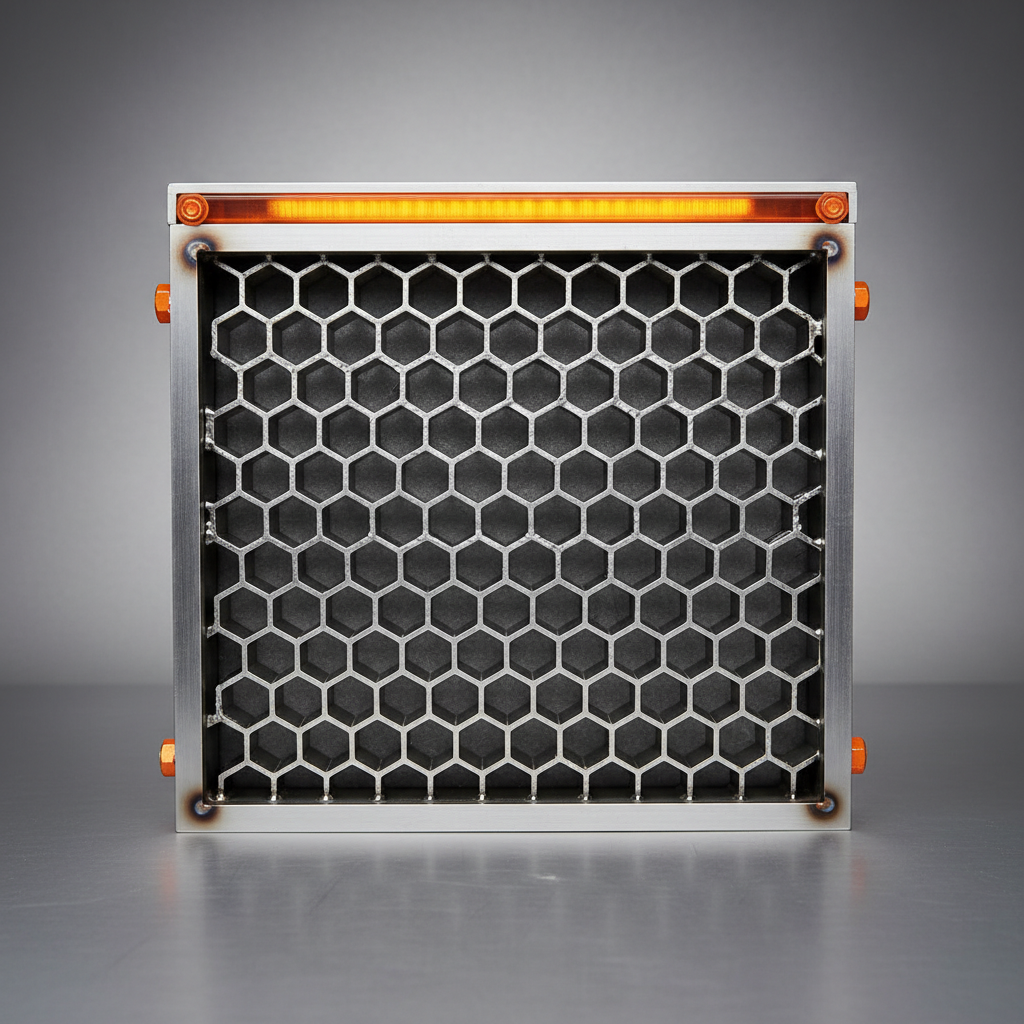
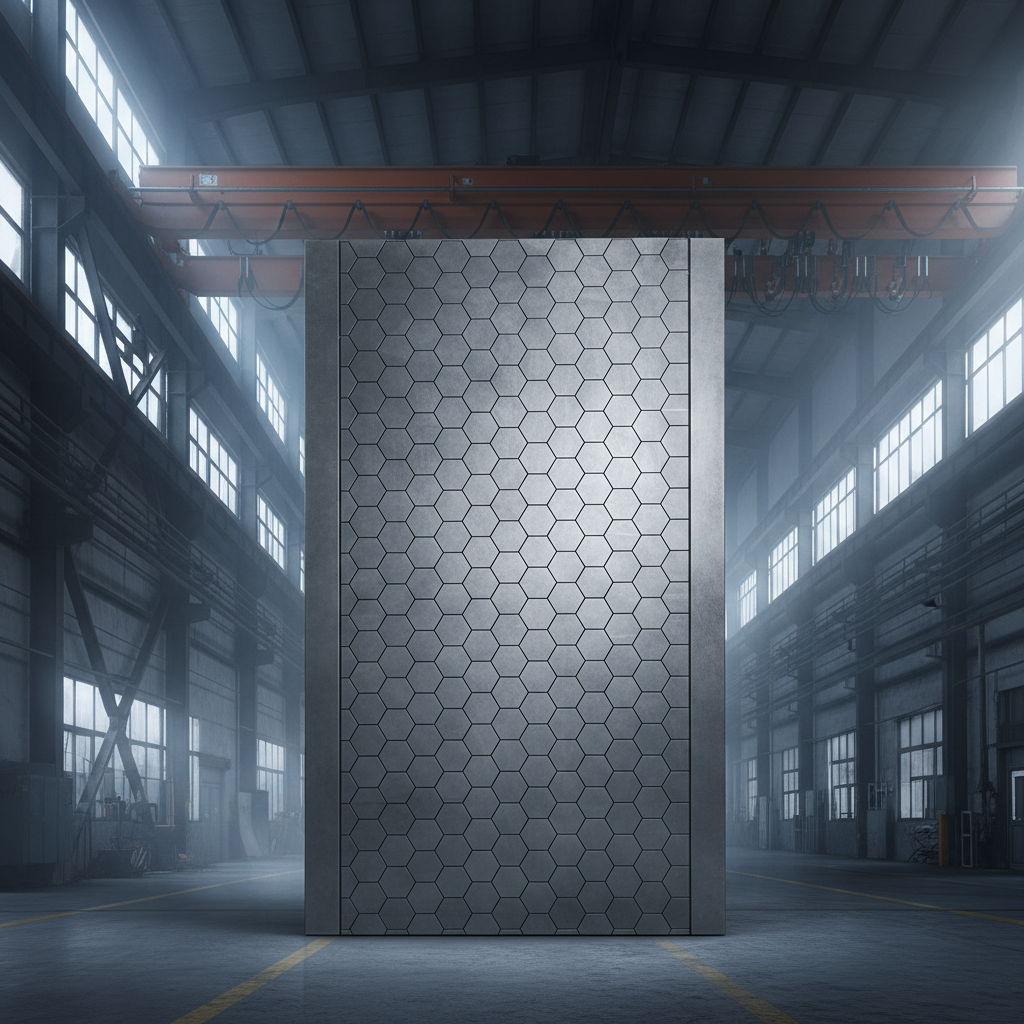
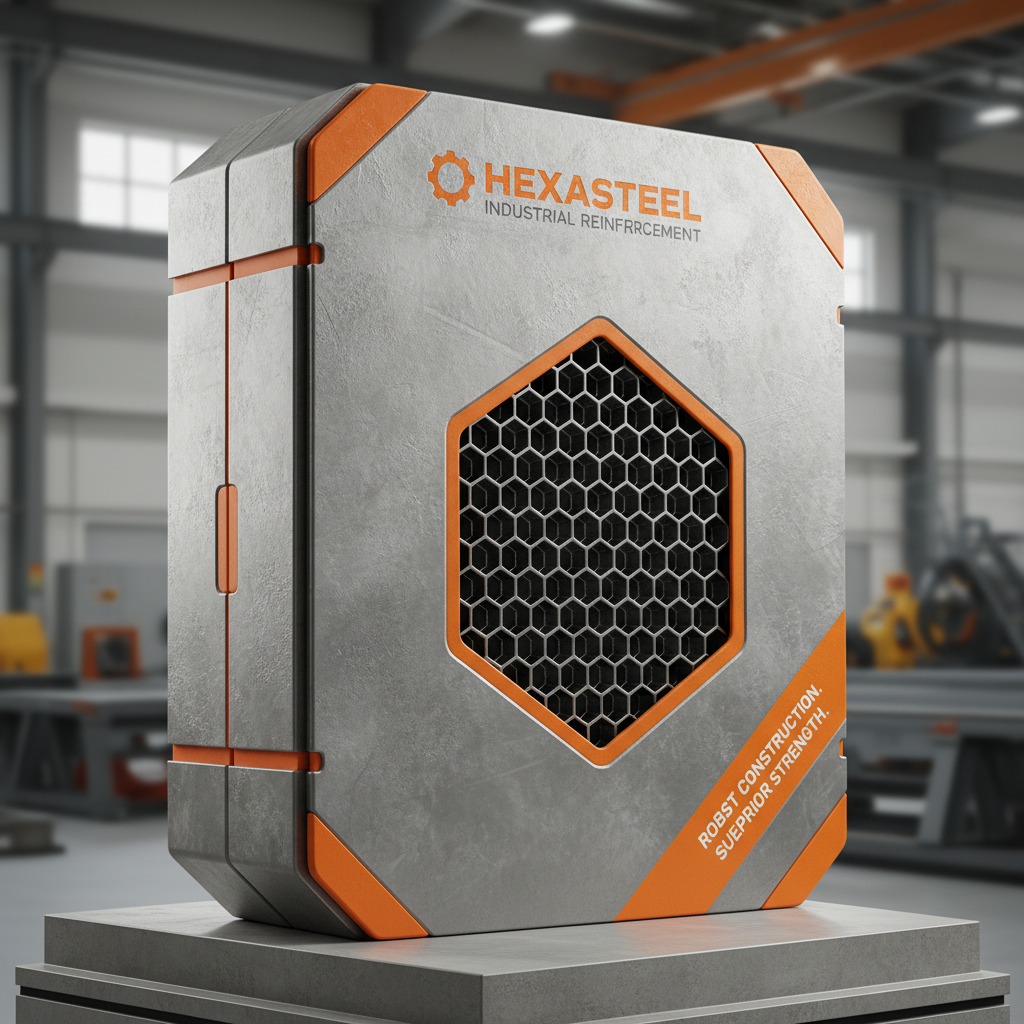
Stainless steel honeycomb panel represents a cutting-edge material solution finding increasing applications across diverse industries. Its unique construction – a lightweight honeycomb core sandwiched between stainless steel face sheets – delivers an exceptional strength-to-weight ratio, making it ideal for applications where both durability and weight reduction are critical. This innovative material is quickly becoming a standard in sectors ranging from aerospace and automotive to architecture and marine engineering.
The global demand for high-performance materials is continuously growing, driven by advancements in technology and a desire for more sustainable solutions. Stainless steel honeycomb panel addresses this demand by offering a robust, corrosion-resistant, and recyclable material option. Its inherent properties contribute to energy efficiency in transportation and building sectors, reducing overall carbon footprints. Furthermore, the versatility of stainless steel allows for customized designs and integration into complex geometries.
Understanding the characteristics and applications of stainless steel honeycomb panel is paramount for engineers, architects, and manufacturers seeking to optimize performance, reduce costs, and improve sustainability. This material presents not just a functional upgrade but also a pathway towards innovative design and long-term value.
Introduction to Stainless Steel Honeycomb Panel
The strength and durability of stainless steel combined with the lightweight efficiency of a honeycomb core create a material that far surpasses traditional building components. The benefits of using stainless steel honeycomb panel are quickly becoming apparent in a wide range of demanding applications.
This construction method yields a product that is significantly lighter than solid stainless steel while maintaining exceptional rigidity and resistance to bending. This makes it a superior choice where weight reduction is critical, for example, in aerospace and high-speed transportation.
Global Relevance and Applications
The global materials market is valued at trillions of dollars, with stainless steel representing a significant portion. The demand for lightweight, high-strength materials is surging across the globe, particularly in rapidly developing economies. Stainless steel honeycomb panel is positioned to capitalize on this growth. According to a report by the World Steel Association, global stainless steel demand is projected to increase steadily in the coming years.
One major challenge facing industries today is the need to reduce weight without compromising structural integrity. In the aerospace sector, this translates to fuel efficiency and increased payload capacity. In the automotive industry, it means improved vehicle performance and reduced emissions. stainless steel honeycomb panel directly addresses these concerns.
Furthermore, the increasing focus on sustainability drives demand for materials with a long service life and recyclability. Stainless steel’s inherent corrosion resistance minimizes the need for replacements, and its high recycling rate aligns with circular economy principles.
Defining Stainless Steel Honeycomb Panel
Stainless steel honeycomb panel is a composite material consisting of a lightweight honeycomb core—typically made of aluminum or stainless steel—sandwiched between two thin sheets of stainless steel. This structure creates a panel that is incredibly strong and rigid for its weight.
The honeycomb core provides excellent shear strength and resistance to compression, while the stainless steel face sheets offer exceptional tensile strength and corrosion resistance. The combination of these properties results in a material that is superior to many traditional building and engineering materials in terms of performance and longevity.
Its versatility allows for various surface finishes and customization options, making it adaptable to a wide range of aesthetic and functional requirements. This makes stainless steel honeycomb panel an ideal solution for demanding environments and innovative designs.
Key Characteristics of Stainless Steel Honeycomb Panel
Several key characteristics define the performance and value of stainless steel honeycomb panel. These include its exceptional strength-to-weight ratio, corrosion resistance, fire resistance, and acoustic insulation properties. Each of these attributes contributes to its wide range of applications.
The lightweight nature of the panel reduces overall structural load, leading to cost savings in construction and transportation. Its corrosion resistance ensures long-term durability, even in harsh environments.
Stainless Steel Honeycomb Panel Performance Metrics
Real-World Applications and Use Cases
Stainless steel honeycomb panel finds applications in a diverse array of industries. In the aerospace sector, it’s used in aircraft interiors, control surfaces, and structural components to reduce weight and improve fuel efficiency. In the architectural field, it is utilized for façade cladding, interior wall panels, and ceiling systems, offering a modern aesthetic and long-lasting performance.
The marine industry benefits from its corrosion resistance in shipbuilding, yacht construction, and offshore platforms. The automotive sector leverages its lightweight properties for vehicle body panels and interior components. Even in specialized applications like cleanroom construction and medical equipment, stainless steel honeycomb panel plays a critical role.
Advantages and Long-Term Value
The advantages of utilizing stainless steel honeycomb panel extend beyond its immediate performance characteristics. Its long-term value stems from reduced maintenance costs, extended service life, and increased sustainability. The inherent durability of stainless steel minimizes the need for frequent replacements, lowering lifecycle costs.
Its recyclability contributes to a circular economy, reducing environmental impact. Furthermore, the aesthetic appeal and design flexibility offered by stainless steel honeycomb panel enhance the value and marketability of finished products.
Future Trends and Innovations
Ongoing research and development are focused on enhancing the properties and applications of stainless steel honeycomb panel. Innovations in core materials, such as the use of advanced alloys and bio-based polymers, are paving the way for even lighter and more sustainable solutions.
The integration of digital manufacturing techniques, like additive manufacturing (3D printing), is enabling the creation of complex geometries and customized panel designs. Furthermore, advancements in surface treatments and coatings are improving corrosion resistance and aesthetic options.
The increasing demand for sustainable building materials and energy-efficient transportation is expected to drive further adoption of stainless steel honeycomb panel in the coming years.
Summary of Stainless Steel Honeycomb Panel Performance Considerations
| Performance Parameter |
Material Composition |
Typical Application |
Performance Score (1-10) |
| Strength-to-Weight Ratio |
304 Stainless Steel/Aluminum Core |
Aircraft Interiors |
9 |
| Corrosion Resistance |
316 Stainless Steel/Stainless Steel Core |
Marine Applications |
10 |
| Fire Resistance |
304 Stainless Steel/Aluminum Core (with Fire Retardant Coating) |
Building Façades |
7 |
| Acoustic Insulation |
304 Stainless Steel/Aluminum Core (with Acoustic Damping Material) |
Interior Wall Panels |
6 |
| Design Flexibility |
Various Stainless Steel Grades/Custom Core Designs |
Architectural Features |
8 |
| Lifecycle Cost |
316 Stainless Steel/Stainless Steel Core |
Long-Term Infrastructure Projects |
9 |
FAQS
Stainless steel honeycomb panel offers a significantly improved strength-to-weight ratio compared to solid metal panels. This reduction in weight leads to fuel savings in transportation applications, reduced structural loads in building construction, and increased efficiency in various other industries. Additionally, the honeycomb structure provides excellent rigidity and resistance to bending, while the stainless steel provides superior corrosion resistance and a long service life.
While the initial cost of stainless steel honeycomb panel may be higher than some traditional materials, the long-term value proposition is often superior. The reduced weight, extended service life, and lower maintenance requirements translate to significant cost savings over the lifespan of the product. Furthermore, the potential for customized designs and efficient material utilization can further optimize cost-effectiveness.
Yes, stainless steel honeycomb panel is exceptionally well-suited for outdoor applications due to its inherent corrosion resistance. The stainless steel face sheets protect the core material from environmental elements, ensuring long-term durability. Selecting the appropriate grade of stainless steel (e.g., 316) further enhances resistance to harsh conditions.
Stainless steel is a non-combustible material and therefore provides excellent fire resistance. However, the core material (typically aluminum) may be combustible. Fire-retardant coatings and specialized core materials can be used to enhance the overall fire safety performance of the panel, meeting specific building code requirements.
Yes, one of the key advantages of stainless steel honeycomb panel is its versatility and ease of customization. It can be easily cut, shaped, and formed to meet specific design requirements. Advanced manufacturing techniques, like CNC machining and waterjet cutting, enable the creation of complex geometries and intricate patterns.
Stainless steel honeycomb panel offers several environmental benefits. Its lightweight nature reduces energy consumption in transportation, and its long service life minimizes the need for replacements. Stainless steel is also highly recyclable, promoting a circular economy. Furthermore, its durability and corrosion resistance contribute to reduced maintenance and resource consumption over its lifespan.
Conclusion
Stainless steel honeycomb panel represents a significant advancement in material science, offering a unique combination of strength, lightness, durability, and sustainability. Its diverse applications across industries demonstrate its versatility and value proposition. The ability to reduce weight, improve performance, and enhance aesthetic appeal makes it a compelling choice for engineers, architects, and manufacturers alike.
Looking ahead, continued innovation in materials and manufacturing techniques will further expand the capabilities and applications of stainless steel honeycomb panel. By embracing this technology, businesses can optimize their products, reduce their environmental impact, and gain a competitive edge. To explore how stainless steel honeycomb panel can benefit your project, visit our website today.