emi rfi shielded waveguide air vents are increasingly critical components in modern electronic systems, offering essential protection against electromagnetic interference (EMI) and radio frequency interference (RFI). These vents allow for necessary airflow while maintaining the integrity of shielded enclosures, ensuring sensitive equipment functions reliably. The growing complexity of electronic devices and the proliferation of wireless communication technologies have fueled the demand for effective shielding solutions, making emi rfi shielded waveguide air vents a cornerstone of signal integrity.
The global market for EMI/RFI shielding is experiencing robust growth, driven by sectors such as aerospace, defense, telecommunications, and medical devices. According to a recent report by Grand View Research, the global EMI shielding market size was valued at USD 2.4 billion in 2022 and is projected to reach USD 3.9 billion by 2030, growing at a CAGR of 6.1% from 2023 to 2030. This growth highlights the increasing need for reliable shielding materials and components to meet stringent regulatory requirements and ensure product performance.
The challenges of managing EMI and RFI are not simply technical; they also impact product safety, regulatory compliance, and overall system reliability. Properly designed and implemented emi rfi shielded waveguide air vents play a crucial role in mitigating these risks, contributing to safer, more dependable electronic devices and systems across various industries.
Introduction to emi rfi shielded waveguide air vents
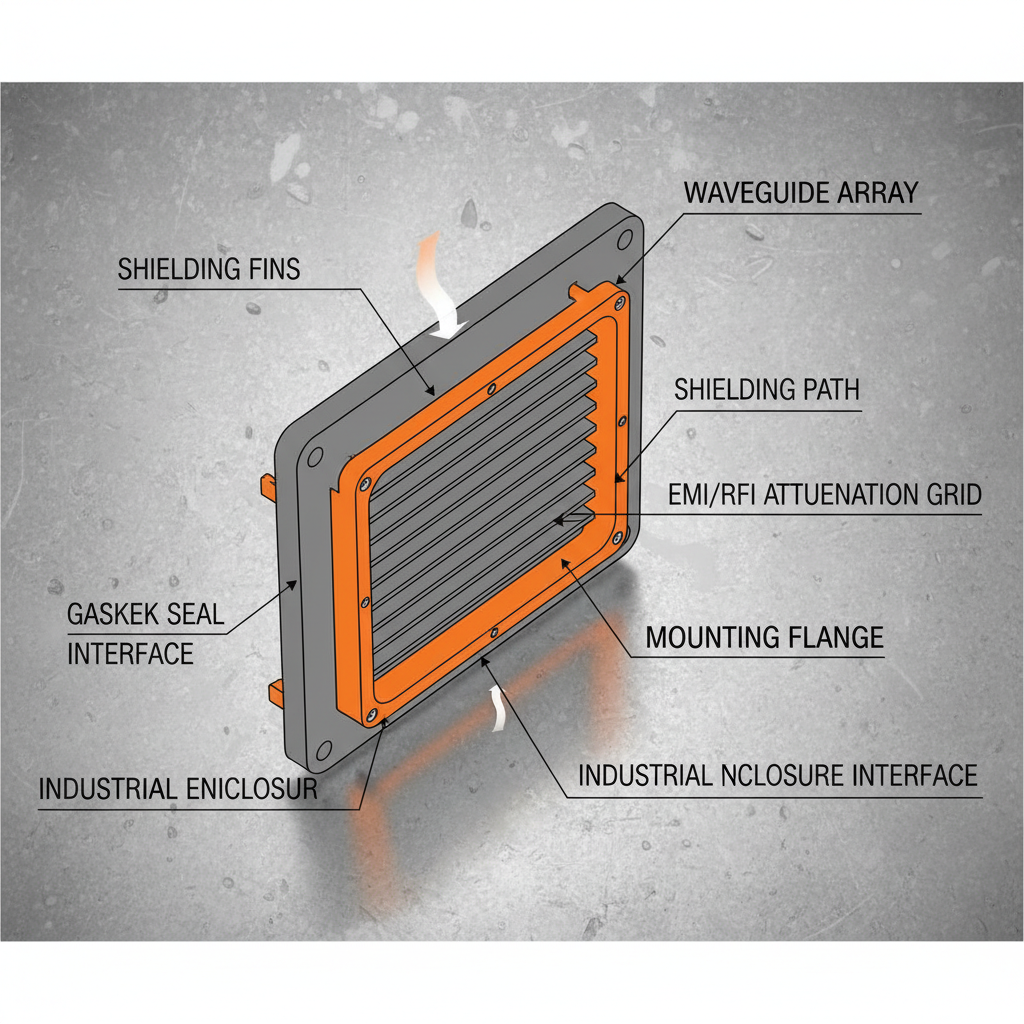
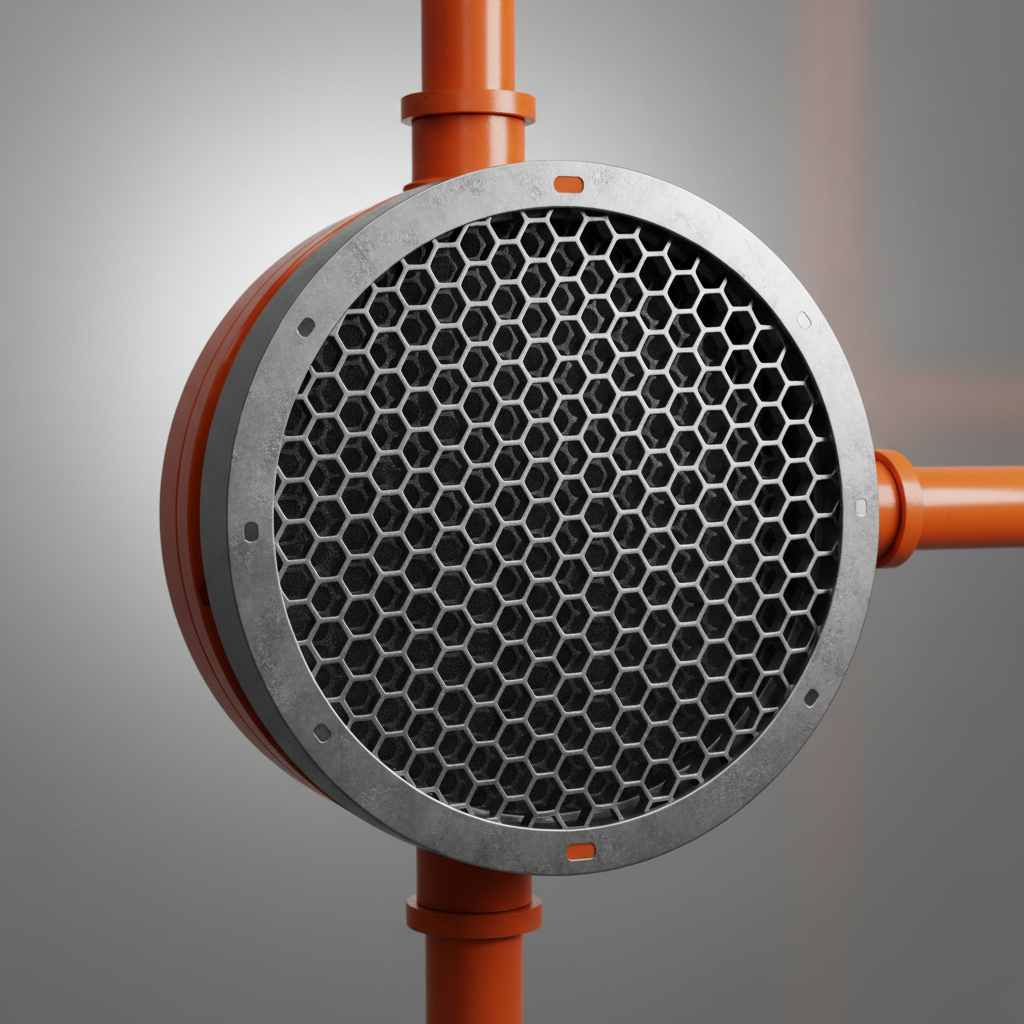
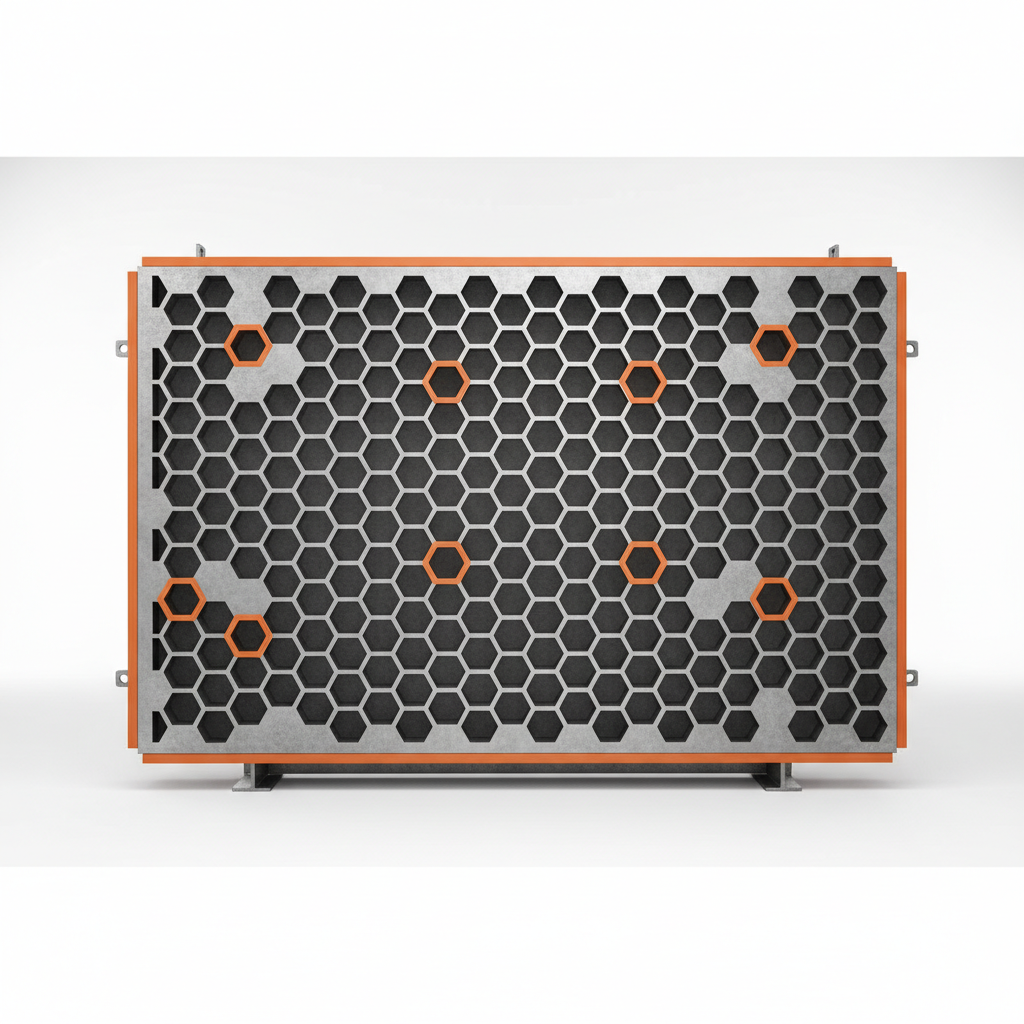
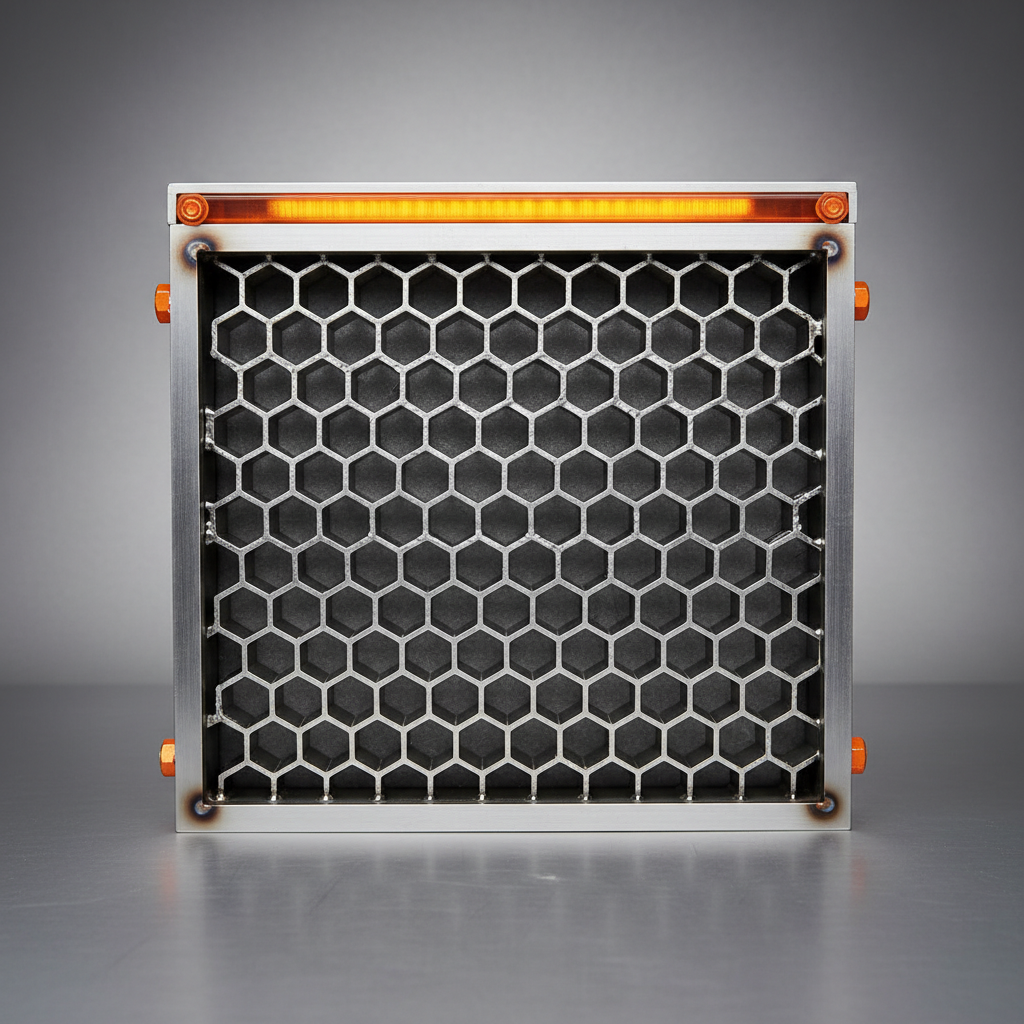
emi rfi shielded waveguide air vents are specialized ventilation components designed to maintain the shielding effectiveness of enclosures while allowing for necessary airflow. They typically feature a honeycomb structure constructed from conductive materials, which creates a conductive path that attenuates electromagnetic radiation. This design ensures that equipment housed within a shielded enclosure remains protected from external interference and does not emit unwanted signals.
These vents are vital in various applications where signal integrity and electromagnetic compatibility (EMC) are paramount. From sensitive medical equipment to critical defense systems, emi rfi shielded waveguide air vents play a crucial role in ensuring reliable operation and compliance with industry standards. Their ability to balance shielding performance with airflow requirements makes them an indispensable part of many electronic designs.
The Core Functionality of emi rfi shielded waveguide air vents
The primary function of emi rfi shielded waveguide air vents is to prevent the leakage of electromagnetic energy across the interface of a shielded enclosure. Standard ventilation openings can act as “leaks” in the shielding, allowing EMI/RFI to enter or exit the enclosure. The waveguide structure of these vents forces electromagnetic waves to travel along a long, convoluted path, significantly attenuating their signal strength.
This attenuation is achieved through several mechanisms, including absorption, reflection, and impedance mismatch. The conductive honeycomb cells act as a dense network of shorted transmission lines, effectively short-circuiting the electromagnetic fields. The vent's geometry and material properties are carefully engineered to maximize this shielding effect across a broad frequency range.
Furthermore, the air vents maintain the integrity of the Faraday cage principle, a fundamental concept in electromagnetic shielding. By providing a conductive pathway around ventilation openings, they ensure that the enclosure remains an effective barrier against electromagnetic interference, regardless of frequency or signal strength.
Key Characteristics of High-Performance emi rfi shielded waveguide air vents
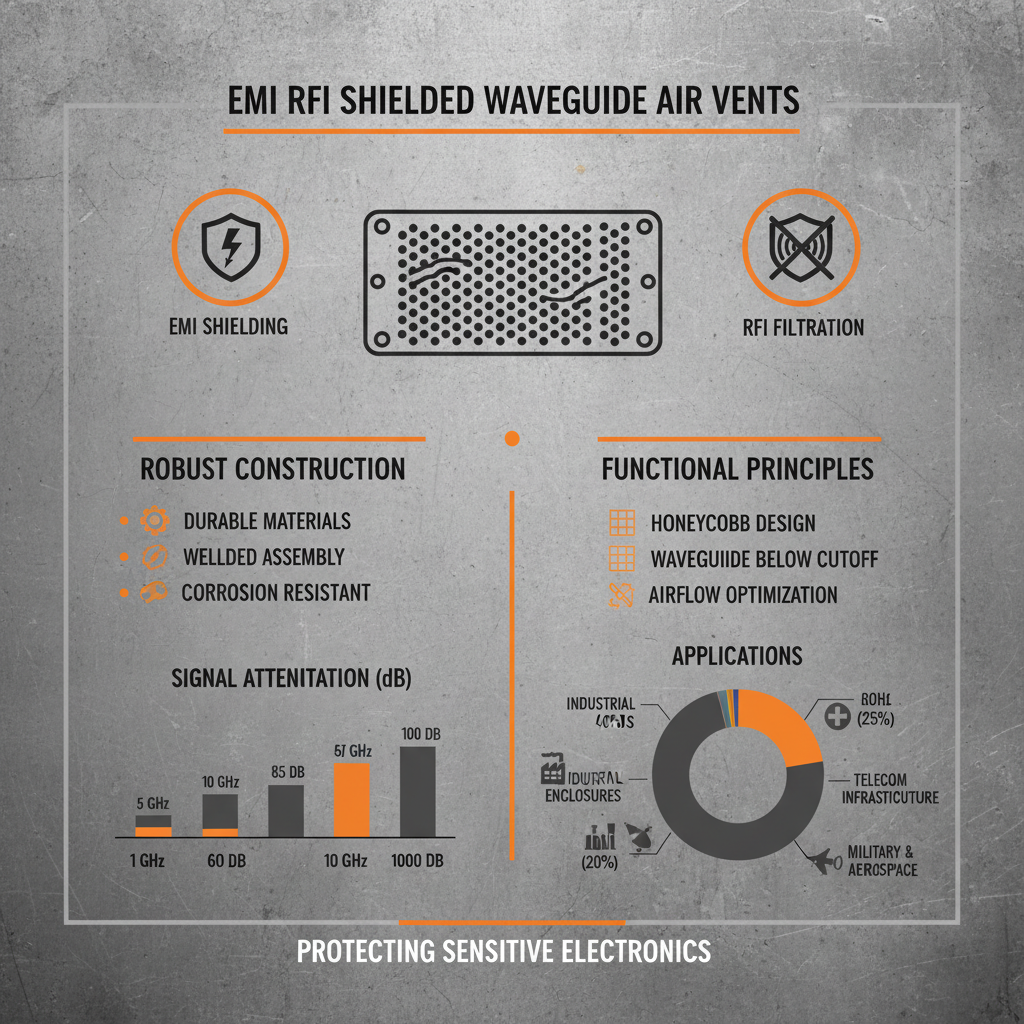
Several key characteristics define the performance of high-quality emi rfi shielded waveguide air vents. These include shielding effectiveness, airflow resistance, material properties, and environmental durability. Shielding effectiveness is typically measured in decibels (dB) and indicates the amount of attenuation provided across a specific frequency range.
Airflow resistance, or pressure drop, is another crucial factor. Excessive airflow restriction can lead to overheating and reduced equipment performance. Therefore, a balance must be struck between shielding effectiveness and airflow. The material used in the vent construction, typically aluminum, stainless steel, or conductive plastics, influences both shielding effectiveness and corrosion resistance.
Finally, environmental durability is essential, particularly in harsh operating conditions. The vent should be resistant to temperature extremes, humidity, vibration, and other environmental factors that could compromise its performance or structural integrity. Choosing the right material and construction method is vital to achieve long-term reliability.
Performance Metrics for emi rfi shielded waveguide air vents
Evaluating the performance of emi rfi shielded waveguide air vents involves several key metrics. Shielding effectiveness is typically measured across a broad frequency range, often from 30 MHz to 1 GHz or higher, and is expressed in dB. Higher dB values indicate greater shielding performance.
Airflow resistance is usually measured in inches of water gauge (in. wg) or Pascals (Pa) and represents the pressure drop across the vent at a specified airflow rate. Lower values indicate less airflow restriction. Insertion loss, which assesses the reduction in signal strength after installing the vent, is another important parameter.
Shielding Effectiveness Comparison of Different emi rfi shielded waveguide air vents Materials
Global Applications of emi rfi shielded waveguide air vents
emi rfi shielded waveguide air vents find widespread application across a diverse range of industries. The aerospace and defense sectors rely heavily on these vents to protect sensitive avionics and communication systems from interference, ensuring reliable operation in demanding environments. In telecommunications, they are crucial for maintaining signal integrity in base stations, mobile devices, and data centers.
The medical industry utilizes these vents in diagnostic equipment, patient monitoring systems, and life-support devices, where electromagnetic compatibility is critical for patient safety and accurate data acquisition. Industrial automation systems also benefit from the enhanced reliability provided by emi rfi shielded waveguide air vents, protecting sensitive control electronics from noise and interference.
The Advantages of Utilizing emi rfi shielded waveguide air vents
Implementing emi rfi shielded waveguide air vents offers several significant advantages. Firstly, they enhance system reliability by mitigating the risk of electromagnetic interference, leading to fewer malfunctions and reduced downtime. Secondly, they ensure compliance with stringent regulatory standards, such as those set by the FCC, CE, and MIL-STD, avoiding costly penalties and delays.
Moreover, the improved signal integrity provided by these vents can lead to enhanced product performance and increased customer satisfaction. Utilizing high-quality emi rfi shielded waveguide air vents demonstrates a commitment to product quality and reliability, fostering trust and confidence among end-users.
Finally, while the initial cost may be higher than standard vents, the long-term benefits – reduced maintenance, improved reliability, and enhanced compliance – often result in a lower total cost of ownership.
Future Trends in emi rfi shielded waveguide air vents Technology
The future of emi rfi shielded waveguide air vents is being shaped by several key trends. The development of new materials with enhanced shielding properties, such as metamaterials and nanocoatings, is expected to lead to more effective and lightweight solutions. Advancements in manufacturing techniques, such as 3D printing, are enabling the creation of customized vent designs optimized for specific applications.
Furthermore, the increasing demand for smaller and more integrated electronic devices is driving the development of miniaturized emi rfi shielded waveguide air vents. The integration of smart sensors and monitoring capabilities into these vents is also emerging, allowing for real-time assessment of shielding performance and airflow.
The growing emphasis on sustainability is driving the development of eco-friendly materials and manufacturing processes, reducing the environmental impact of these components. Expect to see more innovative designs focused on maximizing airflow while minimizing material usage and waste.
FAQS
The lifespan of emi rfi shielded waveguide air vents in industrial environments typically ranges from 5 to 15 years, depending on factors such as the operating environment, material composition, and maintenance practices. Corrosion from harsh chemicals, extreme temperatures, and physical damage are primary causes of failure. Regular inspection and cleaning can significantly extend their operational life.
Generally, smaller vent openings provide better shielding effectiveness. Larger openings allow more electromagnetic energy to pass through, even with the waveguide structure in place. However, reducing the vent size also decreases airflow, so a careful balance must be struck. Optimizing the vent geometry is critical to maximize shielding without compromising thermal management.
Yes, emi rfi shielded waveguide air vents can be used in outdoor applications, but it's crucial to select materials with excellent corrosion resistance, such as stainless steel or specialized coatings. Exposure to rain, humidity, and UV radiation can degrade less durable materials over time. Proper sealing and weatherproofing are also essential to maintain shielding effectiveness.
Regular maintenance typically involves visual inspection for physical damage, corrosion, and blockage of the vent openings. Cleaning with a mild solvent can remove dust and debris that may compromise shielding performance. In harsh environments, periodic testing of shielding effectiveness is recommended to ensure continued compliance.
Yes, many manufacturers offer custom design services for emi rfi shielded waveguide air vents. This allows for optimization of the vent’s size, shape, and material to perfectly match the enclosure’s requirements and airflow needs. Custom designs can often provide superior shielding performance and thermal management compared to standard off-the-shelf options.
High humidity can slightly reduce the shielding effectiveness of emi rfi shielded waveguide air vents, particularly those made from materials susceptible to corrosion. Moisture can also affect the electrical conductivity of the vent, potentially compromising its shielding performance. Selecting corrosion-resistant materials and ensuring proper sealing are essential in humid environments.
Conclusion
emi rfi shielded waveguide air vents are a critical component in ensuring the reliable operation of modern electronic systems. Their ability to effectively mitigate electromagnetic interference while maintaining necessary airflow makes them indispensable in a wide range of industries, including aerospace, defense, telecommunications, and medical devices. From improving system reliability and ensuring regulatory compliance to enhancing product performance and fostering customer trust, the benefits of utilizing these vents are substantial.
Looking ahead, continued innovation in materials, manufacturing techniques, and design optimization will drive further advancements in emi rfi shielded waveguide air vents technology. As electronic devices become smaller, more integrated, and more reliant on wireless communication, the demand for effective shielding solutions will only continue to grow. Investing in high-quality emi rfi shielded waveguide air vents is a proactive step towards building more robust, reliable, and future-proof electronic systems.