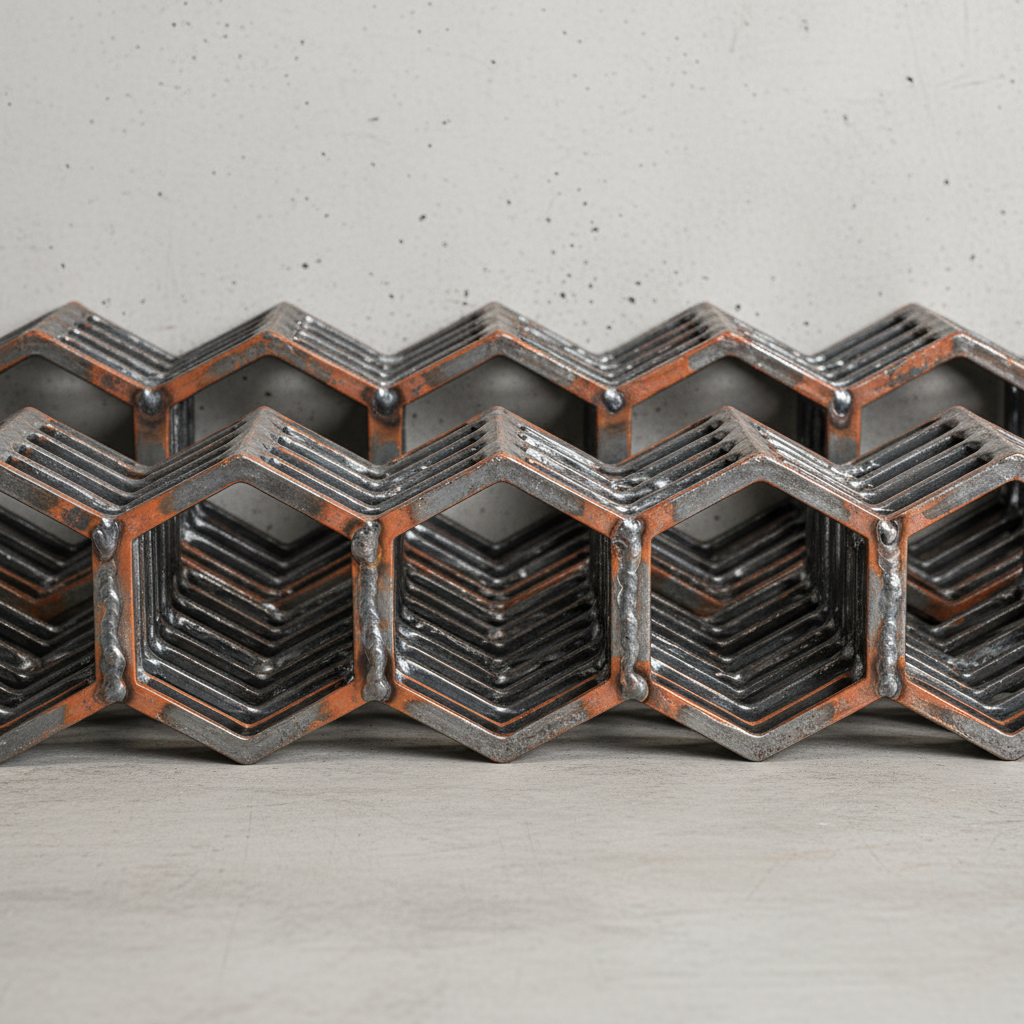
Vented aluminum honeycomb is rapidly becoming a crucial material across diverse industries, driven by its unique combination of lightweight properties, exceptional strength, and inherent energy absorption capabilities. This isn’t simply a structural component; it’s an enabling technology, facilitating innovations in sectors ranging from aerospace and automotive to construction and sustainable housing. Understanding its characteristics and applications is no longer a niche concern but a necessity for engineers, designers, and policymakers alike.
Globally, the demand for efficient and sustainable materials is escalating. Issues such as resource scarcity, rising energy costs, and the pressing need for disaster-resilient infrastructure are fueling this demand. Vented aluminum honeycomb directly addresses these challenges by offering a lighter alternative to traditional materials, reducing fuel consumption in transport, and providing robust structures for emergency shelters and permanent buildings. The increasing frequency of extreme weather events globally further accentuates the importance of materials capable of withstanding significant stress.
The advancements in manufacturing technologies and material science have made vented aluminum honeycomb more accessible and cost-effective, allowing its integration into an ever-widening range of applications. This material is poised to play an increasingly important role in shaping a more sustainable and resilient future.
Introduction: Global or Industry Context
The global market for lightweight materials, including vented aluminum honeycomb, is experiencing substantial growth, projected to reach \$250 billion by 2028 according to a recent report by Grand View Research. This growth is driven by stringent fuel efficiency standards in the automotive and aerospace industries, alongside increasing demand for high-performance materials in construction and packaging. The United Nations Sustainable Development Goals (SDGs), particularly those related to sustainable cities and communities (SDG 11) and responsible consumption and production (SDG 12), directly align with the benefits offered by this material.
A significant challenge facing many industries is the need to reduce weight without compromising structural integrity. Traditional materials like steel and concrete often fall short in this regard. Vented aluminum honeycomb provides a viable solution, offering a high strength-to-weight ratio that enables significant weight reduction, resulting in improved performance and reduced energy consumption. The increasing focus on circular economy principles also favors materials like aluminum, which is highly recyclable.
The rising frequency of natural disasters – hurricanes, earthquakes, floods – highlights the critical need for resilient infrastructure. Rapidly deployable shelters and reinforced structures utilizing vented aluminum honeycomb can offer a significant improvement in disaster preparedness and response, protecting vulnerable populations and minimizing the impact of these events. The versatility of this material means it can adapt to diverse environmental challenges.
Definition & Meaning
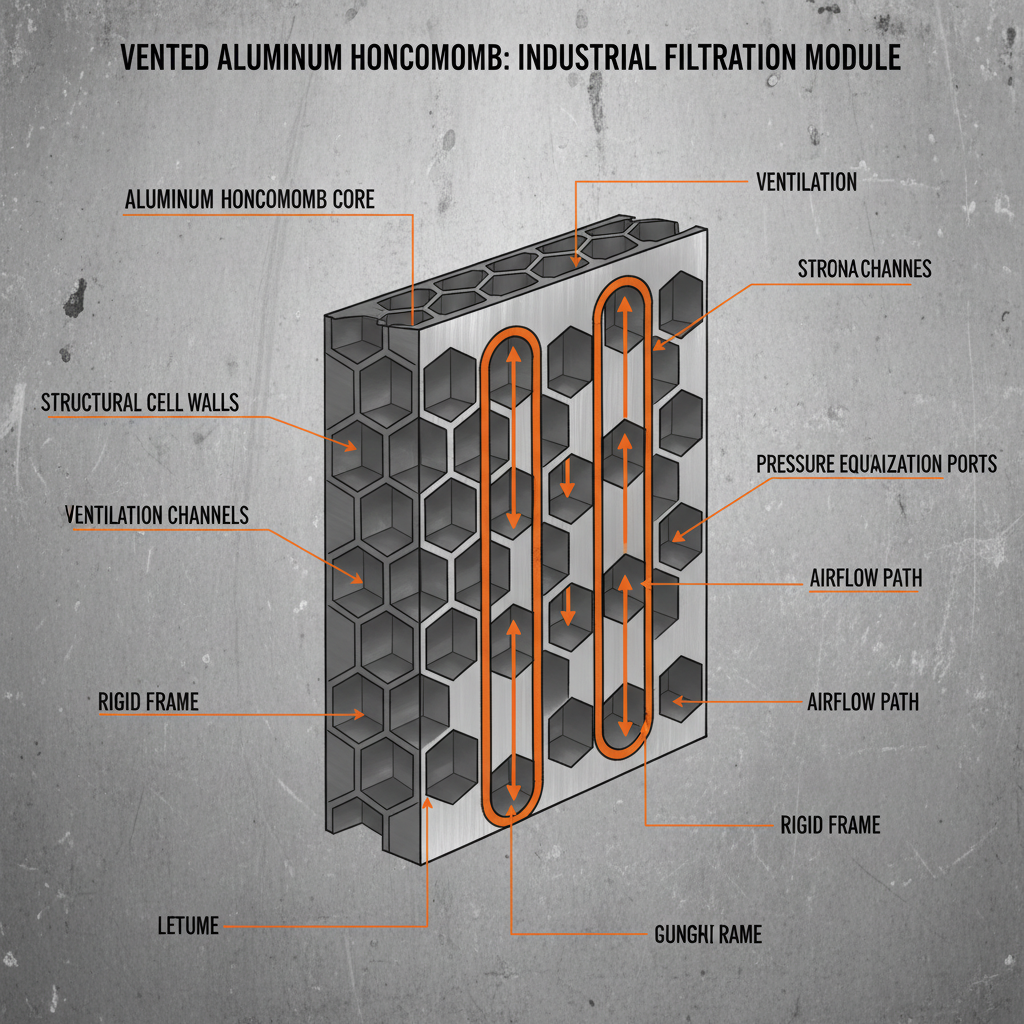
Vented aluminum honeycomb is a lightweight core material comprised of a hexagonal cell structure constructed from thin aluminum foils. The ‘vented’ aspect refers to strategically placed perforations or openings within these cells, allowing for airflow and drainage. This construction provides exceptional strength and stiffness, particularly in bending and shear, while minimizing weight. It's essentially an engineered material designed to maximize performance with minimal mass.
Its connection to modern industry stems from its ability to meet the escalating demands for lighter, stronger, and more sustainable materials. Traditionally, honeycomb structures were primarily used in aerospace, but advancements in manufacturing have broadened its applicability to areas like architectural panels, transportation components, and even renewable energy systems. It’s becoming integral to solving complex engineering challenges.
In the context of humanitarian needs, vented aluminum honeycomb facilitates the creation of rapid-deployment housing and emergency shelters. Its lightweight nature reduces transportation costs, and its durability ensures longevity in challenging environments, providing safe and dignified living conditions for displaced populations. It represents a step forward in providing effective aid solutions.
Key Factors or Core Components
Strength-to-Weight Ratio: This is arguably the most defining characteristic of vented aluminum honeycomb. Its hexagonal structure distributes stress evenly, offering exceptional strength with minimal weight. This attribute is vital in applications where weight reduction is paramount, such as aircraft construction and vehicle manufacturing.
Energy Absorption: The honeycomb structure excels at absorbing impact energy, making it ideal for applications requiring crash protection or vibration damping. This makes it a valuable component in automotive safety systems and protective packaging.
Thermal and Acoustic Insulation: The cellular structure creates air pockets that provide excellent thermal and acoustic insulation properties. This reduces heat transfer and noise transmission, enhancing the comfort and efficiency of buildings and vehicles.
Corrosion Resistance: Aluminum naturally resists corrosion, particularly when treated with appropriate coatings. This ensures long-term durability and reduces maintenance costs, making it suitable for harsh environmental conditions.
Design Flexibility: Vented aluminum honeycomb can be easily customized in terms of cell size, foil thickness, and overall dimensions. This adaptability allows it to be tailored to specific application requirements, maximizing its effectiveness.
Recyclability: Aluminum is a highly recyclable material, minimizing its environmental impact and contributing to a circular economy. This aligns with growing sustainability initiatives and reduces reliance on virgin materials.
Global Applications & Use Cases
Vented aluminum honeycomb finds extensive application in the aerospace industry, particularly in aircraft wings, control surfaces, and interior panels, contributing to fuel efficiency and structural integrity. In the automotive sector, it's utilized in body panels, crash structures, and interior components to reduce vehicle weight and enhance safety.
Architecturally, vented aluminum honeycomb panels are increasingly used for facades, roofing, and interior walls, providing lightweight, durable, and energy-efficient building solutions. The Asia-Pacific region is witnessing significant growth in this application due to rapid urbanization and construction activity.
In post-disaster relief operations, rapidly deployable shelters constructed with vented aluminum honeycomb offer immediate and durable housing solutions for displaced populations. Organizations like the Red Cross and Habitat for Humanity are exploring the use of these materials to improve their response capabilities, particularly in vulnerable regions of Africa and Latin America. In remote industrial zones, its lightweight nature lowers transportation costs for building components.
Vented Aluminum Honeycomb Application Performance
Advantages & Long-Term Value
The primary advantage of utilizing vented aluminum honeycomb lies in its cost-effectiveness over the lifecycle of a project. While the initial material cost might be higher than some traditional alternatives, the reduced weight translates to lower transportation costs, faster installation times, and decreased energy consumption during use. These savings accumulate over time, providing a substantial return on investment.
From a sustainability standpoint, the high recyclability of aluminum minimizes environmental impact and supports the principles of a circular economy. The lightweight nature contributes to reduced fuel consumption in transportation, further lowering carbon emissions. Socially, its application in disaster relief offers a safe and dignified housing solution for vulnerable populations, promoting well-being and resilience.
Future Trends & Innovations
Research is ongoing to develop new aluminum alloys with enhanced strength and corrosion resistance, further expanding the application possibilities of vented aluminum honeycomb. Integration with digital fabrication techniques like 3D printing promises to enable the creation of complex geometries and customized honeycomb structures, tailored to specific performance requirements.
The growing demand for renewable energy is driving innovation in the use of vented aluminum honeycomb in wind turbine blades and solar panel structures. Its lightweight properties and high strength contribute to improved energy capture efficiency and structural stability. Advances in automation and robotics are also streamlining the manufacturing process, reducing costs and increasing production capacity.
Challenges & Solutions
A significant challenge is the cost of tooling and setup for manufacturing complex honeycomb structures. However, advancements in flexible manufacturing processes and modular tooling designs are helping to mitigate this issue. Another challenge is the potential for delamination between the honeycomb core and the facing materials.
Innovative adhesive technologies and surface treatment techniques are being developed to enhance bonding strength and prevent delamination. Furthermore, the development of standardized design guidelines and quality control procedures will ensure consistent performance and reliability. Exploring alternative, bio-based adhesives also presents a sustainable solution.
Supply chain disruptions and raw material price volatility represent ongoing concerns. Establishing diversified sourcing strategies and exploring alternative aluminum alloys can help to mitigate these risks and ensure a stable supply of materials.
Summary of Solutions for Implementing Vented Aluminum Honeycomb
| Challenge Area |
Proposed Solution |
Implementation Cost (Scale 1-10) |
Expected Impact (Scale 1-10) |
| High Tooling Costs |
Modular Tooling Designs |
7 |
8 |
| Delamination Risk |
Advanced Adhesive Technologies |
6 |
9 |
| Supply Chain Vulnerability |
Diversified Sourcing Strategies |
5 |
7 |
| Manufacturing Complexity |
Automation & Robotics Integration |
8 |
9 |
| Material Price Volatility |
Alternative Alloy Exploration |
4 |
6 |
| Limited Design Standardization |
Standardized Design Guidelines |
3 |
7 |
FAQS
Vented aluminum honeycomb offers a significantly higher strength-to-weight ratio compared to traditional materials like steel or concrete. This results in reduced material usage, lower transportation costs, and faster construction times. Its inherent energy absorption properties also enhance structural integrity and resilience, making it ideal for disaster-prone areas. Furthermore, aluminum’s recyclability promotes sustainability and reduces environmental impact.
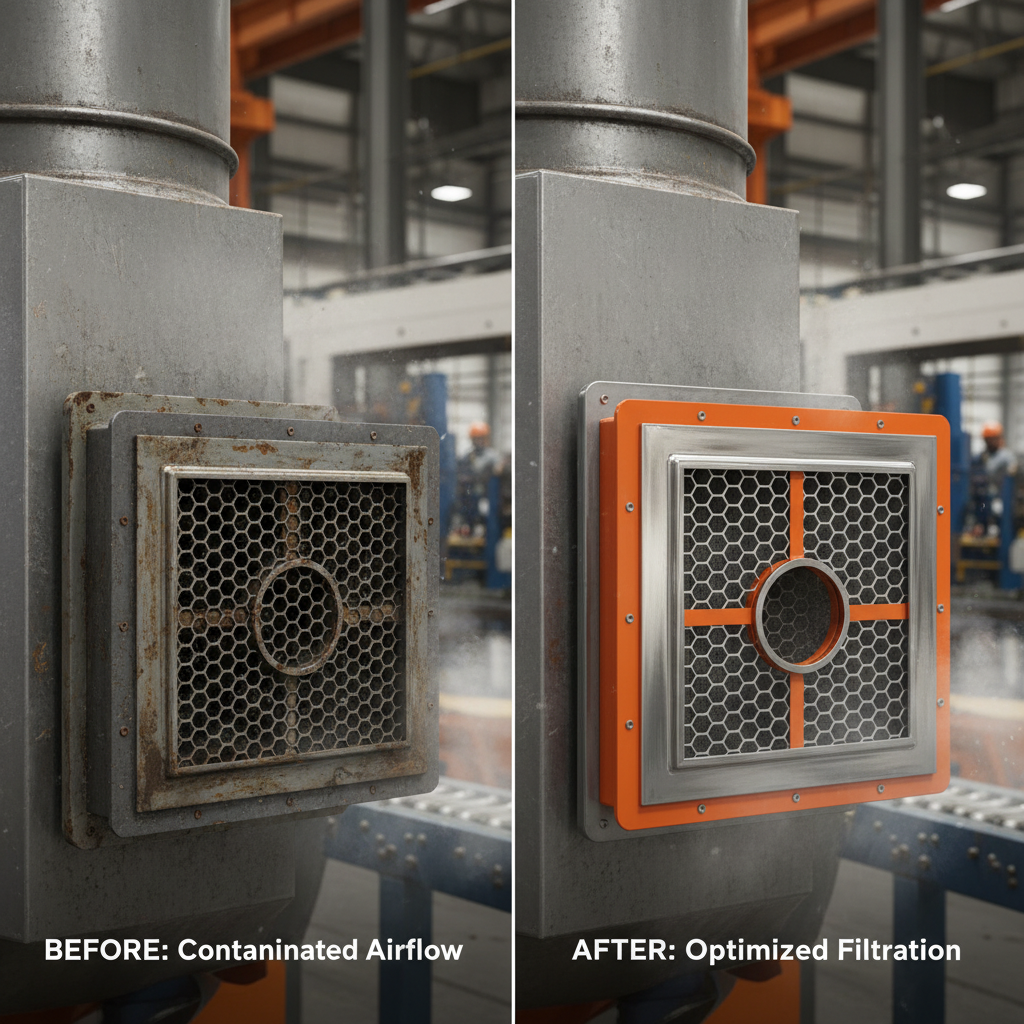
The ventilation provided by the perforations in the honeycomb cells allows for airflow and drainage, preventing moisture buildup and reducing the risk of corrosion. This is particularly crucial in environments with high humidity or exposure to water. Ventilation also contributes to thermal regulation and can improve acoustic performance by dissipating sound waves. It effectively adds a functional layer to the structural benefits.
The aerospace industry remains a major adopter, utilizing it in aircraft components to reduce weight and enhance fuel efficiency. The automotive sector is increasingly employing it in body panels and crash structures. Construction uses it for facades, roofing, and interior walls. Disaster relief organizations are exploring it for rapid-deployment shelters, and the renewable energy sector utilizes it in wind turbine blades and solar panel structures.
Yes, vented aluminum honeycomb exhibits excellent performance in extreme weather conditions. Its inherent strength and durability make it resistant to high winds, heavy snow loads, and seismic activity. The corrosion resistance of aluminum further enhances its suitability for harsh environments, including coastal regions and areas with high levels of pollution. Proper coatings and surface treatments can further improve its performance.
The lifespan of structures built with vented aluminum honeycomb depends on several factors, including the quality of materials, the manufacturing process, and the environmental conditions. However, with proper maintenance and protection, structures can easily last for 50 years or more. The inherent corrosion resistance of aluminum and the durable honeycomb structure contribute to its longevity, minimizing the need for costly repairs or replacements.
While the initial material cost of vented aluminum honeycomb may be higher than some traditional materials, the total lifecycle cost is often lower. This is due to reduced weight, faster construction times, lower transportation costs, and minimal maintenance requirements. The long-term durability and recyclability of aluminum further contribute to cost savings, making it a sustainable and economically viable option.
Conclusion
Vented aluminum honeycomb represents a paradigm shift in materials science, offering a compelling combination of lightweight construction, exceptional strength, and sustainability. Its broad applicability across diverse industries, from aerospace and automotive to construction and disaster relief, highlights its versatility and potential to address critical global challenges. Understanding its properties and benefits is essential for driving innovation and building a more resilient and efficient future.
Looking ahead, continued research and development will focus on optimizing manufacturing processes, enhancing material properties, and exploring new applications. The adoption of digital fabrication techniques and the integration of smart materials will further unlock its potential. To fully capitalize on the benefits of vented aluminum honeycomb, collaboration between researchers, engineers, and policymakers is crucial to establish industry standards and promote its widespread adoption. Visit our website at www.hshihoneycomb.com to learn more.