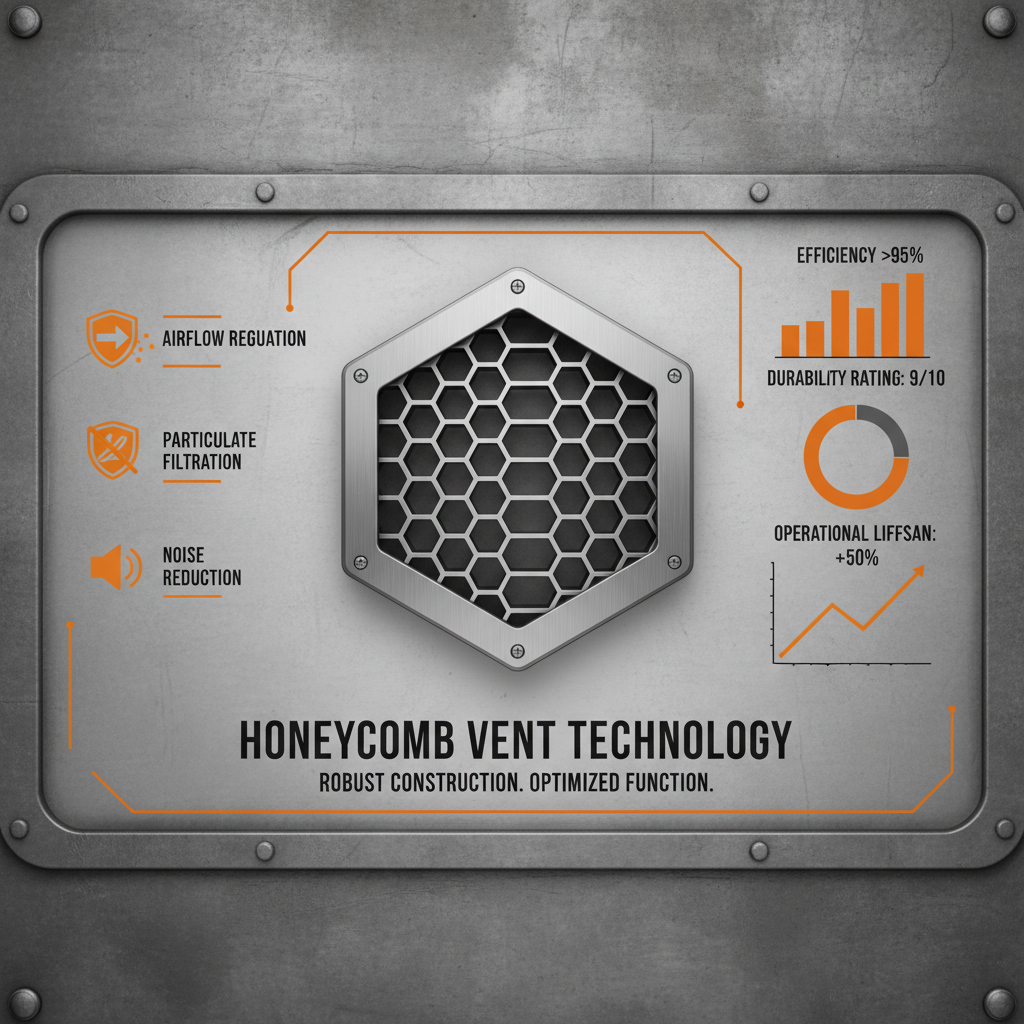
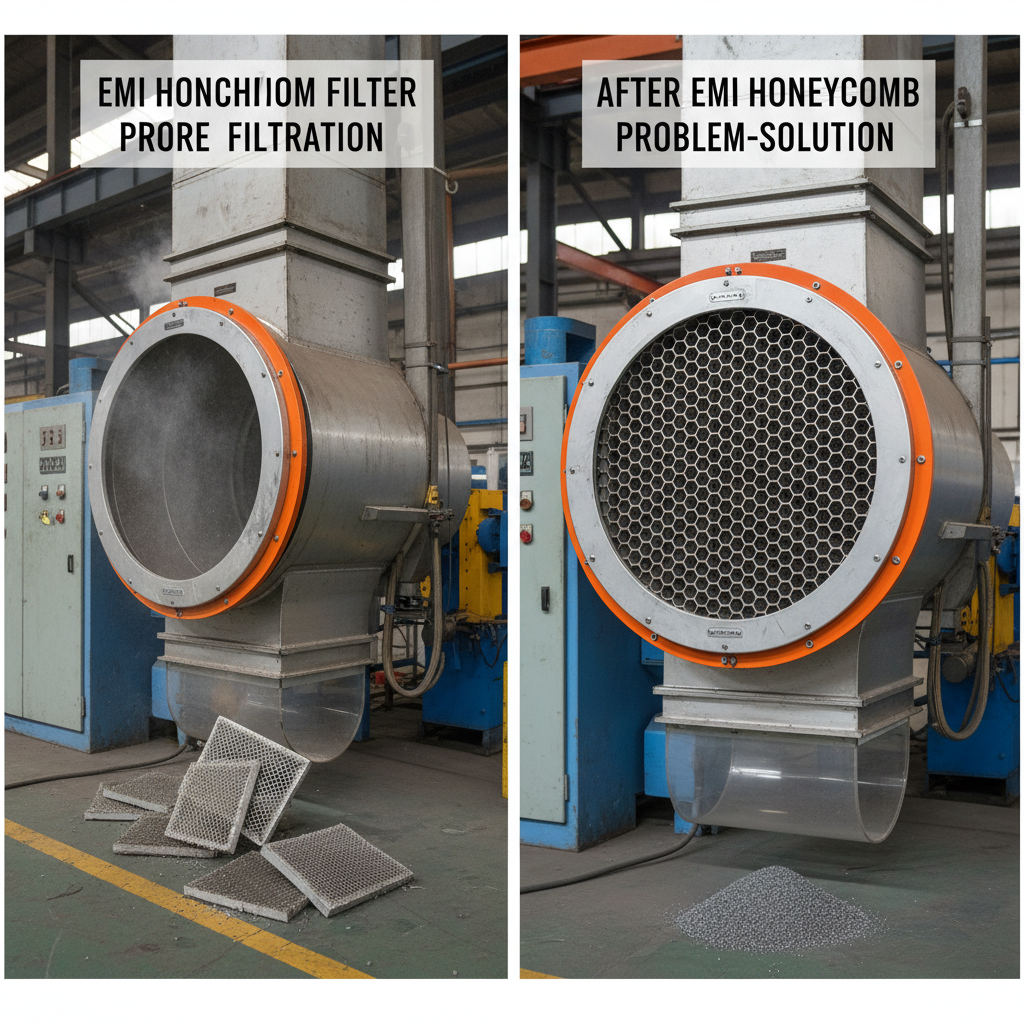
Honeycomb vents, increasingly vital in modern engineering and disaster relief, represent a significant advancement in lightweight, strong, and rapidly deployable structures. Their unique cellular design provides exceptional structural integrity with minimal material usage, making them a sustainable and cost-effective solution for a wide range of applications. Understanding the principles behind honeycomb vent technology is crucial for professionals in construction, aerospace, humanitarian aid, and beyond.
The global demand for sustainable and efficient building materials is rising, driven by factors like population growth, urbanization, and climate change. Honeycomb vents directly address these challenges by offering a readily available and versatile solution. Data from the United Nations indicates a growing need for shelter in disaster-affected areas, exceeding 10 million annually, highlighting the critical role of fast-deployment housing solutions like those enabled by honeycomb vent structures.
Furthermore, the increasing focus on resource efficiency and minimizing environmental impact necessitates innovative materials and construction methods. Honeycomb vents contribute to these goals by reducing material waste, lowering transportation costs, and offering a path towards more sustainable infrastructure development, making them a key element in the future of building and disaster response.
Introduction to Honeycomb Vent Technology
Honeycomb vent technology isn't just about a distinct shape; it’s a sophisticated approach to structural engineering. The hexagonal cell structure, inspired by natural honeycombs, maximizes strength-to-weight ratio, crucial for applications where minimizing mass is paramount. This translates to lower material costs, reduced transportation expenses, and increased design flexibility.
The applications span diverse industries, from aerospace components and automotive parts to architectural panels and temporary shelters. The ability to customize cell size, material composition, and overall geometry allows engineers to tailor honeycomb vent structures to specific performance requirements, offering an unprecedented level of design control. This adaptability makes it a go-to solution for complex engineering challenges.
Defining Honeycomb Vent Structures
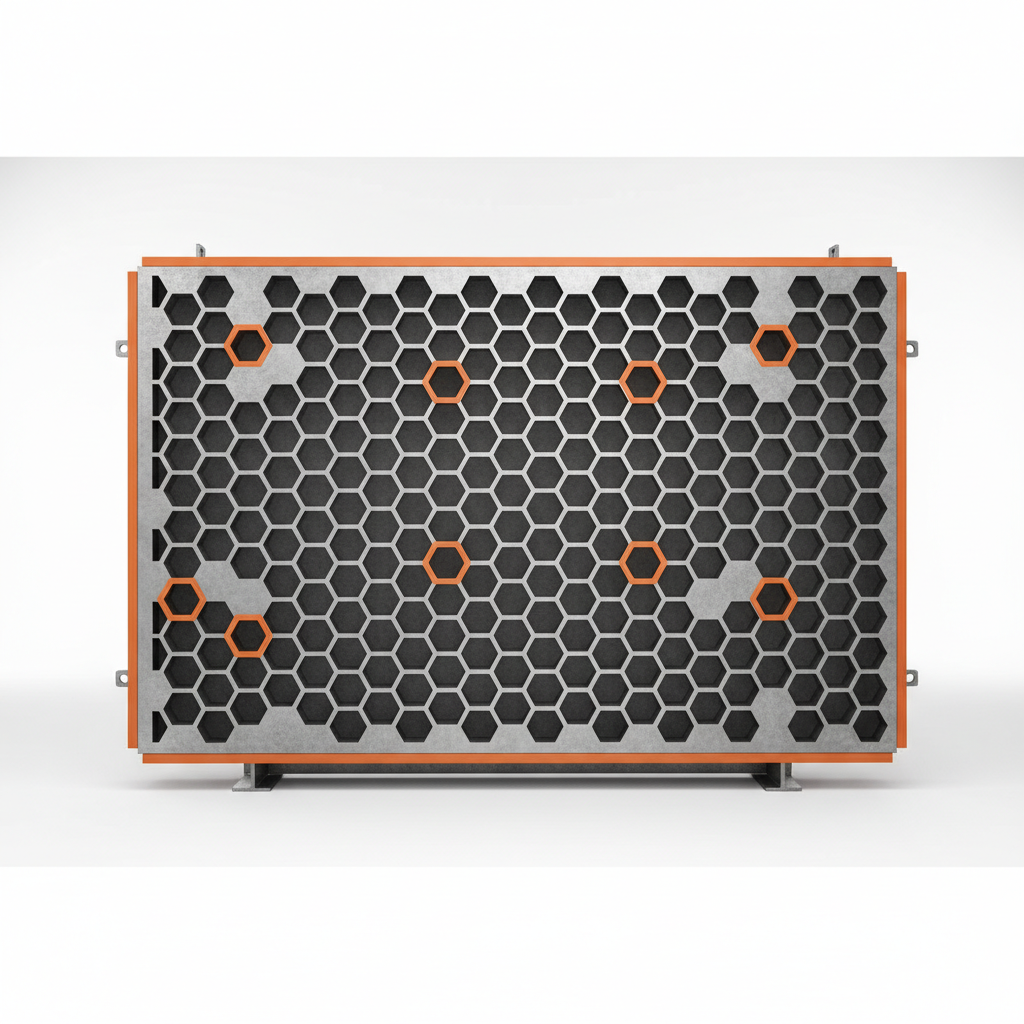
A honeycomb vent structure is essentially a composite material consisting of a core with a honeycomb geometry sandwiched between two face sheets. The core provides the majority of the structural rigidity, while the face sheets distribute loads and protect the core from damage. This combination yields a remarkably strong and lightweight panel ideal for a broad spectrum of structural and non-structural uses.
Unlike traditional solid materials, the cellular structure of a honeycomb vent efficiently absorbs energy, making it highly resistant to impact and vibration. The empty space within the cells contributes to thermal and acoustic insulation, adding further functionality. This inherent versatility connects directly to modern humanitarian needs for rapid deployment of safe and comfortable shelters.
The materials used to create honeycomb vent structures can vary widely, including aluminum, steel, fiberglass, and even recycled plastics. The choice of material depends on the specific application, with considerations given to strength, weight, cost, and environmental impact. The adaptability of materials allows for tailored solutions optimized for each specific challenge.
Key Characteristics of Honeycomb Vents
One of the defining characteristics of honeycomb vents is their exceptional strength-to-weight ratio. Compared to solid materials of similar strength, honeycomb structures are significantly lighter, leading to reduced fuel consumption in transportation and lower overall construction costs. This efficiency is particularly crucial for applications involving large-scale infrastructure projects.
Another key feature is their superior energy absorption capacity. The honeycomb geometry allows the structure to deform under stress, absorbing significant amounts of energy without catastrophic failure. This makes them ideal for applications requiring impact resistance, such as protective barriers or vehicle components. The structural integrity ensures longevity even under harsh conditions.
Honeycomb vents also offer excellent thermal and acoustic insulation properties due to the air trapped within the cells. This reduces heat transfer and dampens sound vibrations, making them suitable for building facades, interior panels, and soundproofing applications. These properties contribute to energy efficiency and enhanced comfort.
Performance Metrics of Honeycomb Vent Systems
Evaluating the performance of honeycomb vent systems requires analyzing several key metrics. These include compressive strength, shear strength, flexural rigidity, and energy absorption capacity. Each metric provides insight into how the structure will behave under different loading conditions.
Understanding these metrics allows engineers to select the optimal honeycomb geometry, core material, and face sheet materials for specific applications. For instance, aerospace applications demand the highest strength-to-weight ratio, while architectural applications prioritize thermal insulation and aesthetic appeal.
Comparative Performance of Honeycomb Vent Materials
Global Applications of Honeycomb Vents
Honeycomb vent technology finds application in a diverse range of industries worldwide. In the aerospace sector, it’s crucial for constructing lightweight aircraft components, reducing fuel consumption and increasing payload capacity. In automotive engineering, it’s used in body panels and interior structures to enhance safety and efficiency.
The construction industry utilizes honeycomb vents in architectural panels, flooring systems, and wall cladding, offering superior insulation and structural integrity. In post-disaster relief operations, rapidly deployable shelters based on honeycomb vent technology provide immediate housing for displaced populations. For example, organizations in regions prone to earthquakes, like Nepal and Haiti, are actively exploring and adopting these solutions.
The Advantages and Long-Term Value of Honeycomb Vent Technology
The advantages of employing honeycomb vent technology are substantial and far-reaching. Cost savings are realized through reduced material usage and lower transportation expenses. Sustainability is enhanced by using lightweight materials and minimizing waste. From a social impact perspective, rapid deployment shelters provide dignity and safety to those in need.
The long-term value extends to increased reliability and durability. Honeycomb vent structures are less prone to corrosion and fatigue than traditional materials, leading to lower maintenance costs and extended service life. This inherent resilience builds trust among stakeholders and ensures lasting benefits for communities and industries.
Future Trends and Innovations in Honeycomb Vent Design
The future of honeycomb vent technology is marked by exciting advancements. Research into new materials, such as bio-based polymers and self-healing composites, promises to further enhance sustainability and performance. Digital fabrication techniques, like 3D printing, are enabling the creation of complex honeycomb geometries tailored to specific applications.
Integration with smart technologies, such as embedded sensors, allows for real-time monitoring of structural health and performance. The growing emphasis on circular economy principles drives the development of recyclable and biodegradable honeycomb materials. These innovations position honeycomb vent technology as a pivotal element in the transition toward a more sustainable and resilient future.
The convergence of automation and AI-driven design tools will accelerate the optimization of honeycomb structures, leading to even more efficient and cost-effective solutions. This continuous evolution ensures that honeycomb vents will remain at the forefront of materials science and engineering.
Summary of Challenges and Potential Solutions for Honeycomb Vent Technology
| Challenge |
Impact on Honeycomb Vent Performance |
Potential Solution |
Implementation Difficulty (1-10) |
| Core Shear Stress |
Reduced structural integrity under high loads. |
Optimized cell geometry and material selection. |
6 |
| Moisture Ingress |
Corrosion and degradation of core material. |
Application of protective coatings and sealants. |
4 |
| Manufacturing Complexity |
Increased production costs and lead times. |
Automation and advanced manufacturing techniques. |
7 |
| Material Cost |
Limited affordability for certain applications. |
Utilizing recycled and bio-based materials. |
5 |
| Joining Challenges |
Weaknesses at bonded interfaces. |
Advanced adhesive technologies and mechanical fastening methods. |
8 |
| Long-term Durability |
Degradation under harsh environmental conditions. |
Material stabilization techniques and protective coatings. |
6 |
FAQS
Honeycomb vent structures offer a superior strength-to-weight ratio, resulting in reduced material usage and lower transportation costs. They also provide excellent thermal and acoustic insulation, making them more energy-efficient. Moreover, their cellular design allows for greater design flexibility and adaptability to various applications compared to solid materials, enhancing structural performance in diverse conditions.
The durability of honeycomb vent structures depends on the materials used and protective coatings applied. Properly sealed and coated structures exhibit high resistance to moisture, corrosion, and UV degradation. They can withstand significant wind loads and seismic activity, making them suitable for use in various climates. Regular inspections and maintenance are essential to ensure long-term performance.
Common core materials include aluminum alloys, steel, fiberglass, and polymeric foams like polypropylene and PET. Aluminum is popular for its high strength-to-weight ratio, while steel offers superior durability. Fiberglass provides excellent insulation, and polymeric foams are lightweight and cost-effective. The choice depends on the specific application requirements and performance criteria.
Yes, honeycomb vents can significantly contribute to sustainable building practices. Their lightweight nature reduces transportation emissions, and their efficient material usage minimizes waste. The use of recycled or bio-based materials further enhances their sustainability profile. They also promote energy efficiency through thermal insulation, lowering building operating costs and reducing environmental impact.
The lifespan of a building incorporating honeycomb vents is comparable to, or even exceeds, that of conventionally constructed buildings, often exceeding 50 years. This depends on factors such as the quality of materials, environmental conditions, and proper maintenance. The corrosion resistance and structural integrity of honeycomb vents contribute to their long-term durability and minimal maintenance requirements.
While the initial material cost of honeycomb vents can sometimes be higher, the overall construction cost is often comparable or even lower due to reduced labor requirements, faster assembly times, and lower transportation expenses. The long-term benefits, such as reduced energy consumption and lower maintenance costs, further enhance the cost-effectiveness of honeycomb vent construction.
Conclusion
In summary, honeycomb vent technology represents a significant advancement in materials science and engineering, offering a unique combination of strength, lightweight construction, sustainability, and versatility. Its applications span diverse industries, from aerospace and automotive to construction and disaster relief, demonstrating its broad potential to address global challenges. Understanding the core principles and advantages of honeycomb vents is crucial for professionals seeking innovative and efficient solutions.
Looking ahead, continued research and development in materials science, manufacturing techniques, and smart technologies will further enhance the capabilities of honeycomb vent structures. Embracing these innovations will unlock new opportunities for sustainable infrastructure, resilient building designs, and effective disaster response solutions. For more information and to explore how honeycomb vent technology can benefit your projects, visit our website: www.hshihoneycomb.com.