Steel honeycomb structures are rapidly gaining prominence across diverse industries, offering a unique combination of lightweight strength and cost-effectiveness. Its ability to provide superior structural integrity while minimizing material usage addresses critical challenges in modern engineering and construction. This makes steel honeycomb an increasingly vital material for innovative solutions globally.
The global demand for sustainable and efficient materials is driving the adoption of steel honeycomb in sectors ranging from aerospace and automotive to construction and packaging. With a growing focus on reducing carbon footprints and improving performance, steel honeycomb’s properties present a compelling alternative to traditional materials. Understanding its capabilities is crucial for engineers, designers, and policymakers alike.
Furthermore, advancements in manufacturing techniques are making steel honeycomb more accessible and customizable. This versatility opens up new possibilities for its application in specialized areas such as energy absorption, acoustic damping, and even architectural design, solidifying its position as a key material for the future.
Introduction to Steel Honeycomb
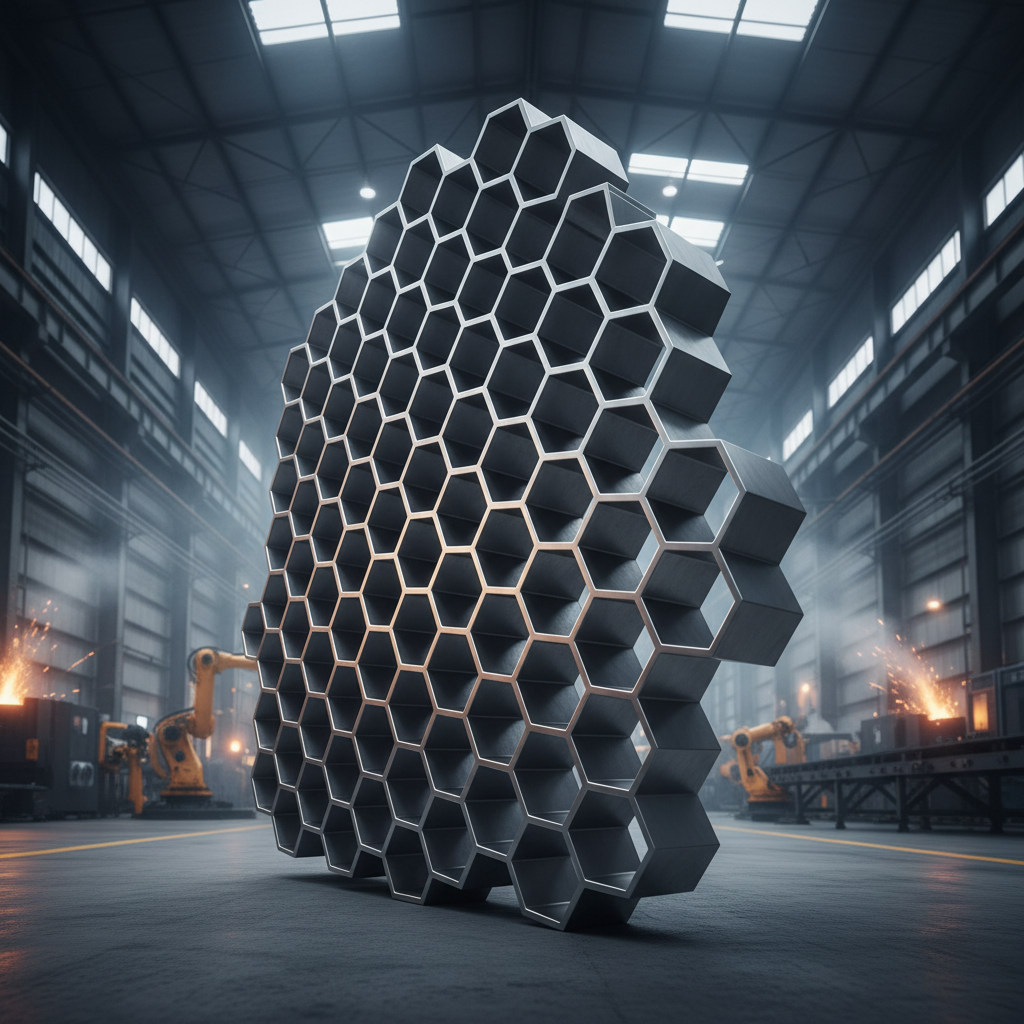
Steel honeycomb is a lightweight, high-strength material constructed by bonding thin sheets of steel together in a hexagonal honeycomb pattern. This unique structure provides exceptional stiffness and energy absorption capabilities.
Its versatility stems from the adaptable nature of its cellular structure, allowing for tailored properties to suit various engineering applications. The efficiency of steel honeycomb in utilizing material makes it an attractive option for industries seeking weight reduction and performance enhancement.
Global Relevance and Industry Context
The demand for lightweight and high-strength materials is surging globally, driven by initiatives to improve fuel efficiency in transportation, reduce carbon emissions in construction, and enhance performance in aerospace. Steel honeycomb directly addresses these needs, offering a viable alternative to heavier, more expensive materials like solid metals or composites.
According to data from the World Steel Association, global steel demand continues to grow, fueled by infrastructure development in emerging economies. However, there is an increasing emphasis on sustainable steel production and material optimization. Steel honeycomb provides an avenue for using less steel to achieve equivalent or superior performance.
Furthermore, the ISO standards for material performance are constantly evolving, pushing manufacturers to innovate and adopt advanced materials like steel honeycomb. Its inherent structural integrity and adaptability align with the requirements of modern engineering design and safety regulations, making it a relevant and increasingly necessary material across numerous industries.
Defining Steel Honeycomb
Steel honeycomb is essentially a sandwich structure, where thin steel foils are expanded and bonded together to form a repeating hexagonal cellular pattern. This configuration offers an exceptional strength-to-weight ratio, surpassing that of many conventional materials.
Its connection to modern industry lies in its ability to address critical engineering challenges related to weight reduction, structural integrity, and energy absorption. From aircraft components to automotive panels and architectural elements, steel honeycomb is enabling advancements in design and performance.
This material's adaptability extends to humanitarian applications. It’s increasingly used in rapid deployment shelters and modular building solutions where strength, portability and rapid construction are paramount, providing safe and dignified housing in disaster relief or remote locations.
Core Components of Steel Honeycomb
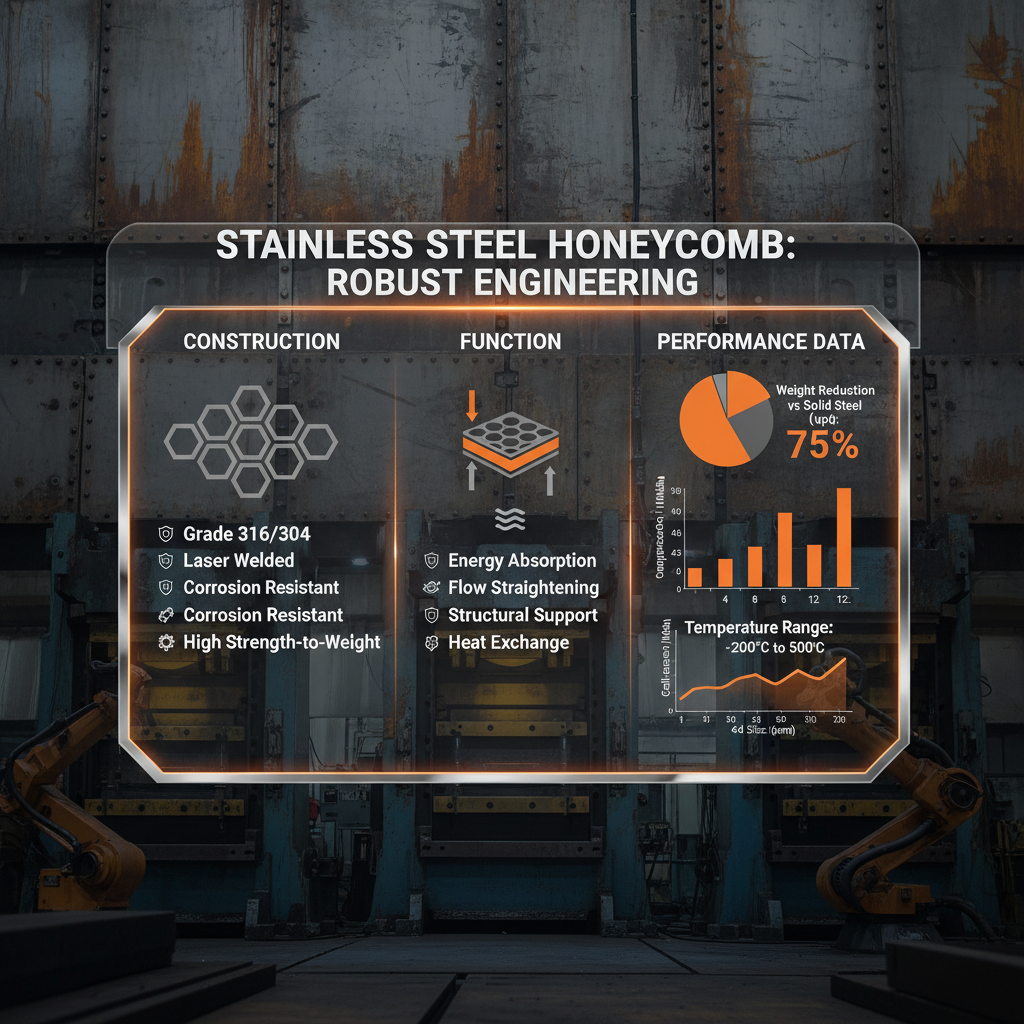
The exceptional properties of steel honeycomb are derived from several key components working in synergy. Firstly, the material grade of the steel plays a crucial role, influencing strength, corrosion resistance, and weldability. Different alloys are selected based on the specific application requirements.
Secondly, the cell size and density of the honeycomb core are critical design parameters. Smaller cells provide higher strength and stiffness but also increase weight and cost. Optimizing cell size is essential for achieving the desired performance characteristics.
Steel Honeycomb Performance Metrics
Global Applications and Use Cases
Steel honeycomb finds diverse applications globally. In the aerospace industry, it's utilized in aircraft flooring, control surfaces, and interior panels to reduce weight and enhance fuel efficiency.
In the automotive sector, steel honeycomb is incorporated into car body panels, crash structures, and seating systems to improve safety and reduce vehicle weight. In post-disaster relief operations, its rapid deployment potential is used in constructing emergency shelters and temporary infrastructure.
Advantages and Long-Term Value
The advantages of using steel honeycomb are multifaceted. Cost efficiency is a significant factor, as it often requires less material compared to solid metals while delivering comparable strength. Sustainability is enhanced due to material optimization and potential for recyclability.
From a reliability standpoint, steel honeycomb’s inherent structural integrity offers superior performance under stress and impact. Moreover, its use contributes to safer products and structures, providing peace of mind and building trust with consumers and stakeholders.
Future Trends and Innovations
The future of steel honeycomb is closely tied to advancements in materials science and manufacturing technologies. Research into new steel alloys with enhanced properties, such as higher strength-to-weight ratios and improved corrosion resistance, will further expand its applications.
The integration of automation and digital transformation in honeycomb production processes will lead to greater precision, efficiency, and cost reduction. Furthermore, the growing focus on sustainability will drive the development of eco-friendly manufacturing techniques and the use of recycled steel in honeycomb structures. The possibilities with lightweight, high-strength materials like steel honeycomb are increasingly important in the context of green energy and sustainable infrastructure.
Exploring the use of additive manufacturing (3D printing) to create complex honeycomb geometries and customized structures presents another exciting avenue for innovation, allowing for optimized designs tailored to specific application requirements.
FAQS
Steel honeycomb generally offers higher strength and stiffness for a given weight compared to aluminum honeycomb. It also exhibits superior heat resistance and weldability, making it suitable for applications where these properties are critical. Additionally, steel is often more cost-effective than specialized aluminum alloys.
Smaller cell sizes generally result in higher strength and stiffness but also increase weight and cost. Larger cell sizes offer lower weight but reduced strength. The optimal cell size depends on the specific application requirements and the desired balance between performance and cost.
Yes, steel honeycomb can be used in corrosive environments, but proper material selection and surface treatment are essential. Using corrosion-resistant steel alloys, such as stainless steel, and applying protective coatings can significantly enhance its durability in harsh conditions.
The most common manufacturing process involves expanding steel sheets into a hexagonal honeycomb pattern and then bonding them together using adhesive or welding. Other techniques include hot pressing and roll forming. The specific process depends on the desired cell size, density, and material grade.
Yes, steel honeycomb is fully recyclable. Steel is one of the most recycled materials globally, and honeycomb structures can be easily broken down and reprocessed into new steel products, contributing to a circular economy and reducing environmental impact.
Steel honeycomb is used across numerous industries, including aerospace, automotive, construction, packaging, furniture, and transportation. Its versatility and performance benefits make it an ideal material for a wide range of applications.
Conclusion
Steel honeycomb represents a significant advancement in material science, offering a compelling combination of strength, lightweight properties, cost-effectiveness, and sustainability. Its versatility allows for application in a remarkably broad range of industries, from aerospace and automotive to construction and humanitarian aid. Understanding and utilizing this technology is increasingly crucial for driving innovation and achieving efficiency.
Looking ahead, continued research and development in steel alloys, manufacturing processes, and integration with emerging technologies like 3D printing will unlock even greater potential for steel honeycomb. Embracing this material is not just about enhancing performance; it's about building a more sustainable and resilient future. For more information, and to explore how steel honeycomb can benefit your projects, visit our website: www.hshihoneycomb.com.