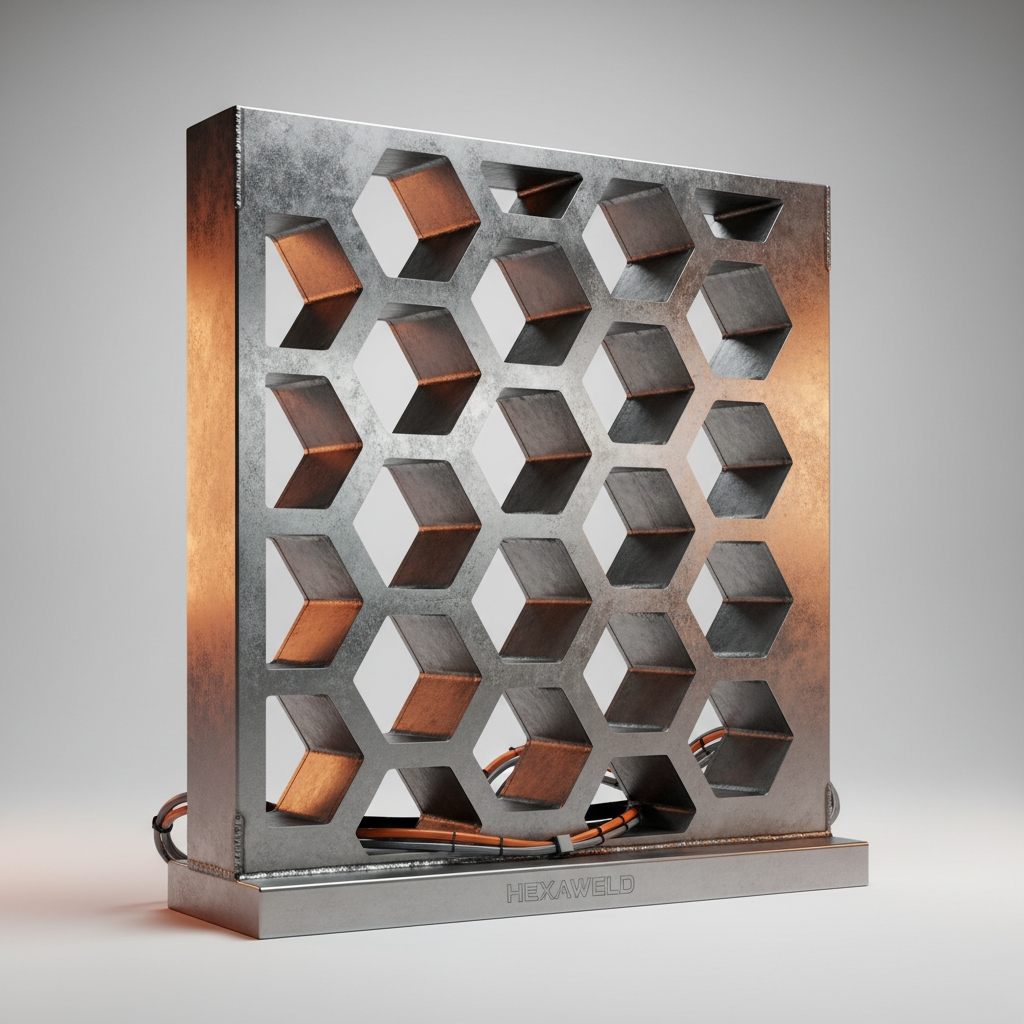
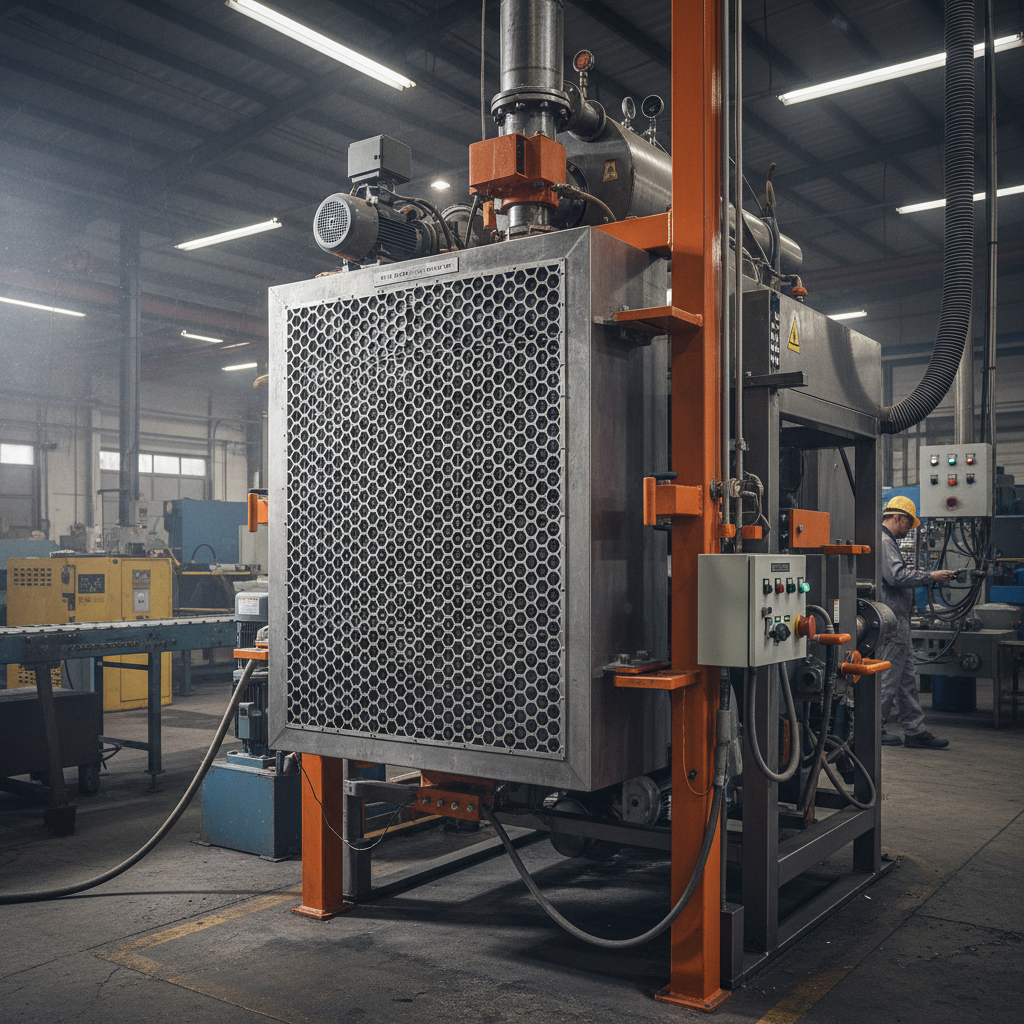
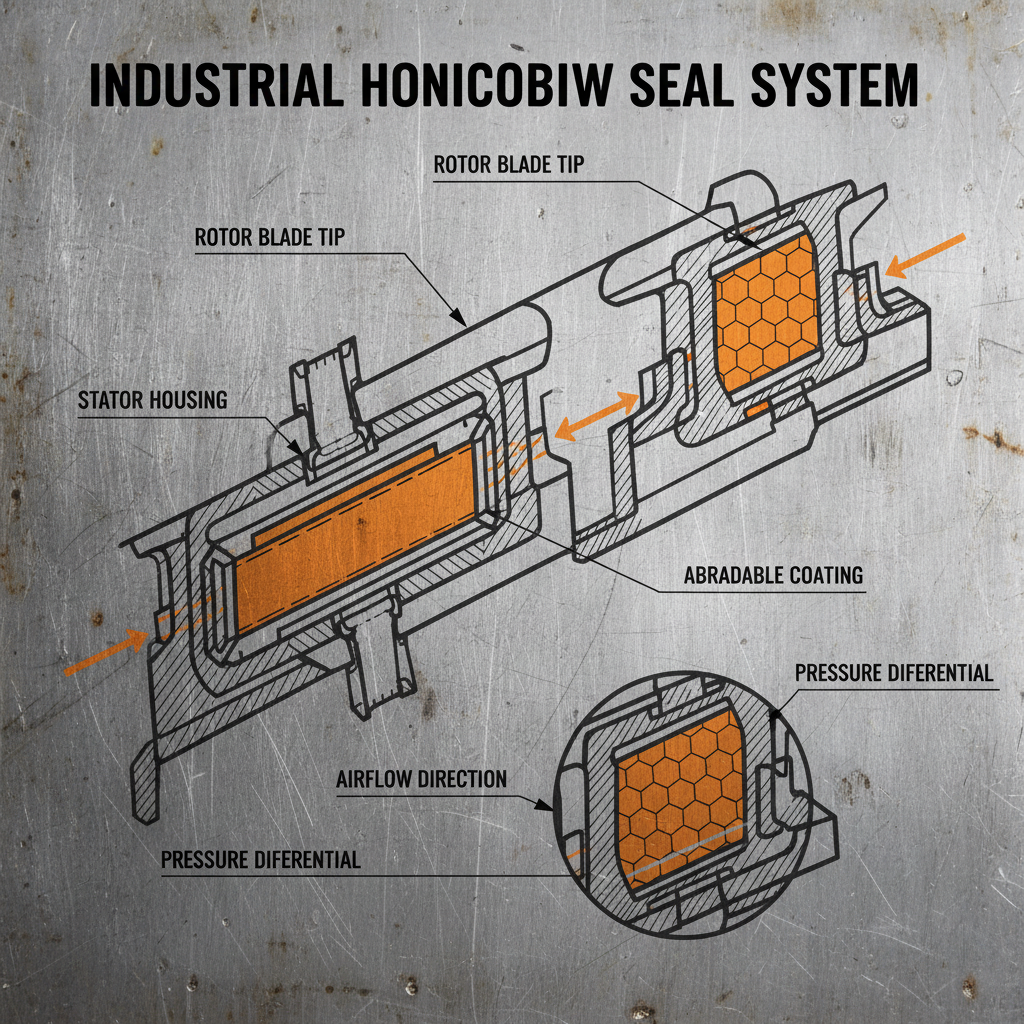
emi vents are increasingly vital in a world demanding both technological advancement and environmental responsibility. These specialized ventilation systems are engineered to mitigate electromagnetic interference (EMI), ensuring the reliable operation of sensitive electronic equipment across diverse sectors. Their significance extends beyond mere functionality; they safeguard data integrity, prevent system malfunctions, and ultimately, contribute to a more stable and connected global infrastructure. Understanding emi vents is crucial for engineers, manufacturers, and anyone involved in the design and maintenance of modern electronics.
The global market for emi vents is driven by the exponential growth of electronic devices and the increasing sensitivity of these devices to electromagnetic disturbances. According to reports from industry analysts, the emi shielding market, which includes emi vents, is projected to reach multi-billion dollar valuations in the coming years. This growth is fueled by stringent international regulations such as those set by the FCC and CE, which mandate EMI compliance for electronic products. The challenge lies in creating emi vents that are not only effective but also cost-efficient, scalable, and adaptable to a wide range of applications.
Addressing this challenge requires innovative materials, advanced manufacturing techniques, and a deep understanding of electromagnetic principles. emi vents represent a critical component in ensuring the seamless functioning of countless technologies we rely on daily – from medical devices and automotive systems to telecommunications infrastructure and aerospace applications. As technology continues to evolve, so too must the design and capabilities of these essential components.
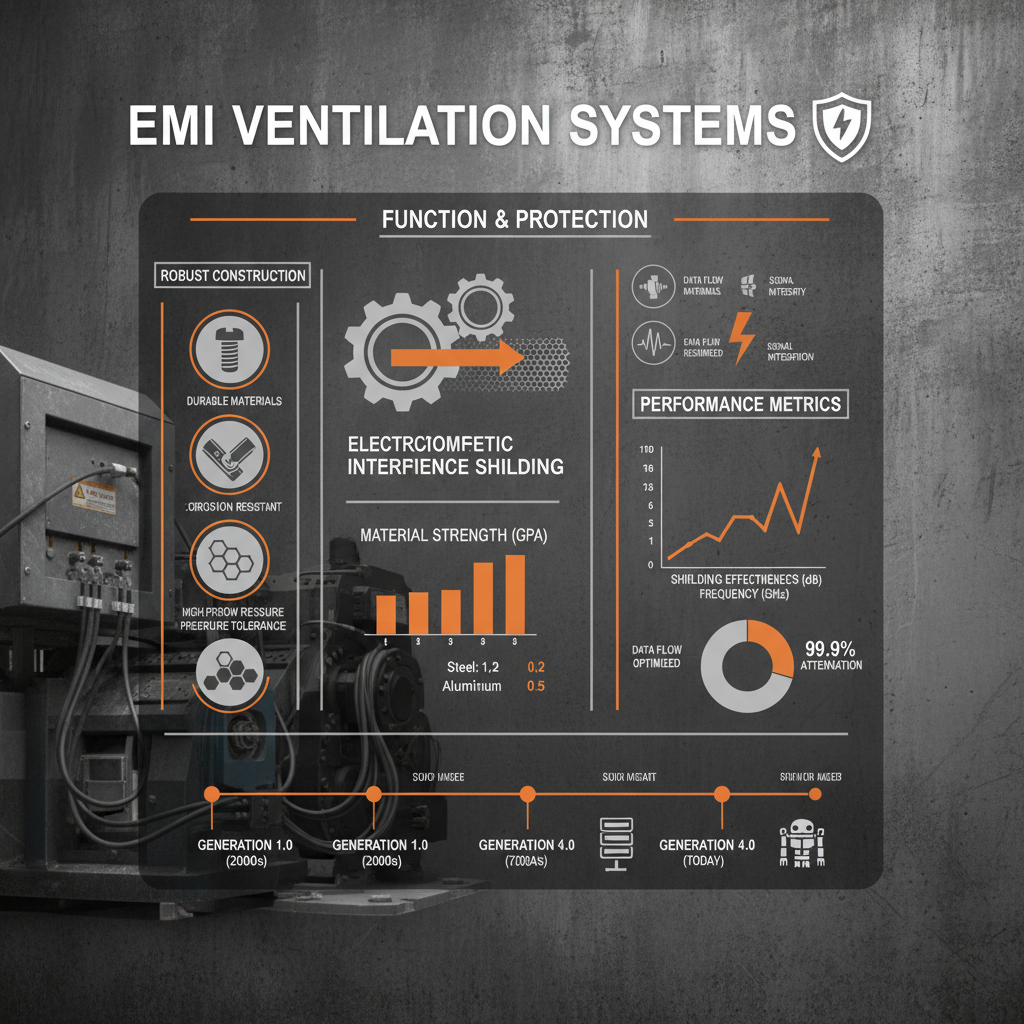
emi vents play a crucial role in maintaining the integrity of electronic systems by providing a controlled pathway for electromagnetic energy to dissipate. Without effective emi vents, sensitive components can be damaged or malfunction due to interference from internal or external sources. This is especially critical in industries where reliable operation is paramount, such as aerospace, medical, and telecommunications.
The design of emi vents must balance the need for effective shielding with the requirements for airflow and thermal management. Modern emi vents often incorporate innovative materials and construction techniques to achieve optimal performance in demanding environments. They are not simply passive components; they are carefully engineered solutions designed to address specific EMI challenges.
emi vents come in several types, including metal mesh vents, conductive elastomer vents, and formed metal vents. Metal mesh offers excellent shielding but can restrict airflow. Conductive elastomers provide good flexibility and sealing, while formed metal vents offer a balance of shielding and ventilation. The best choice depends on the specific application requirements, such as the frequency range of the interference and the necessary airflow rate. Careful consideration of these factors is crucial for selecting the optimal emi vent.
Environmental factors such as temperature, humidity, and vibration can significantly impact the performance of emi vents. Extreme temperatures can cause gasket materials to degrade, reducing their sealing effectiveness. Humidity can lead to corrosion of metal components, diminishing shielding performance. Vibration can loosen connections and compromise the integrity of the vent. Selecting emi vents designed for the specific environmental conditions is essential for long-term reliability.
Proper mounting is critical for ensuring the effectiveness of emi vents. The vent must be securely attached to the enclosure to maintain a tight seal and prevent EMI leakage. Using appropriate mounting hardware and following the manufacturer's recommendations is essential. Avoid over-tightening screws, as this can distort the vent and compromise its shielding performance. Ensure the mounting surface is clean and free of debris to promote optimal contact.
Testing the effectiveness of an emi vent typically involves measuring its shielding effectiveness using a spectrum analyzer and appropriate test fixtures. The vent is placed in a shielded chamber, and EMI signals are introduced from various angles and frequencies. The attenuation provided by the vent is then measured in decibels (dB). Compliance with relevant industry standards, such as MIL-STD-461, may also require specific testing procedures.
Yes, several international regulations govern the use of emi vents. These include standards set by the Federal Communications Commission (FCC) in the United States, the European Conformity (CE) marking in Europe, and similar regulations in other countries. These regulations aim to ensure that electronic devices do not emit excessive EMI that could interfere with other equipment. Compliance with these regulations is often a legal requirement for selling electronic products.
The lifespan of an emi vent depends on several factors, including the materials used, the environmental conditions, and the frequency of use. High-quality emi vents made from durable materials can last for many years with proper maintenance. However, exposure to extreme temperatures, humidity, and vibration can accelerate degradation. Regular inspection and replacement may be necessary to maintain optimal performance, particularly in critical applications.
emi vents are indispensable components in modern electronic systems, protecting sensitive equipment from electromagnetic interference and ensuring reliable operation. Their effective design and implementation rely on a thorough understanding of electromagnetic principles, material science, and application-specific requirements. From aerospace and automotive to medical and telecommunications, emi vents play a critical role in a wide range of industries.
Looking ahead, continued innovation in materials, manufacturing processes, and smart technologies will drive the development of even more effective and versatile emi vents. By staying abreast of these trends and investing in high-quality solutions, engineers and manufacturers can mitigate the risks of EMI, enhance product performance, and build trust with customers. For further information on emi vents and how they can benefit your applications, visit our website: emi vents.