Stainless honeycomb structures are rapidly gaining prominence across a diverse range of industries, from aerospace and automotive to construction and energy. This innovative material offers a unique combination of lightweight properties, high strength-to-weight ratio, and excellent energy absorption capabilities. Understanding the principles behind stainless honeycomb, its manufacturing processes, and its applications is crucial for engineers, designers, and policymakers seeking to develop more efficient, durable, and sustainable solutions. The global demand for high-performance materials is driving significant growth in the stainless honeycomb market, creating opportunities for innovation and technological advancements.
The adoption of stainless honeycomb isn't merely a materials science advancement; it represents a paradigm shift in design and construction practices. Traditionally, designs prioritized strength through sheer mass. Stainless honeycomb enables designers to achieve comparable, or even superior, structural integrity with significantly less material, leading to reduced weight, lower transportation costs, and improved fuel efficiency. This translates directly into environmental benefits and cost savings across various sectors. As industries increasingly focus on sustainability and resource optimization, the demand for lightweight, high-performance materials like stainless honeycomb will continue to rise.
The versatility of stainless honeycomb stems from its unique cellular structure, offering exceptional stiffness and impact resistance. This makes it an ideal choice for applications requiring both structural support and energy dissipation. The resistance to corrosion inherent in stainless steel further expands its usability, particularly in harsh environments where other materials would quickly degrade. From the intricate components of aircraft interiors to the robust foundations of architectural projects, stainless honeycomb is proving to be a transformative material for modern engineering.
Introduction to stainless honeycomb
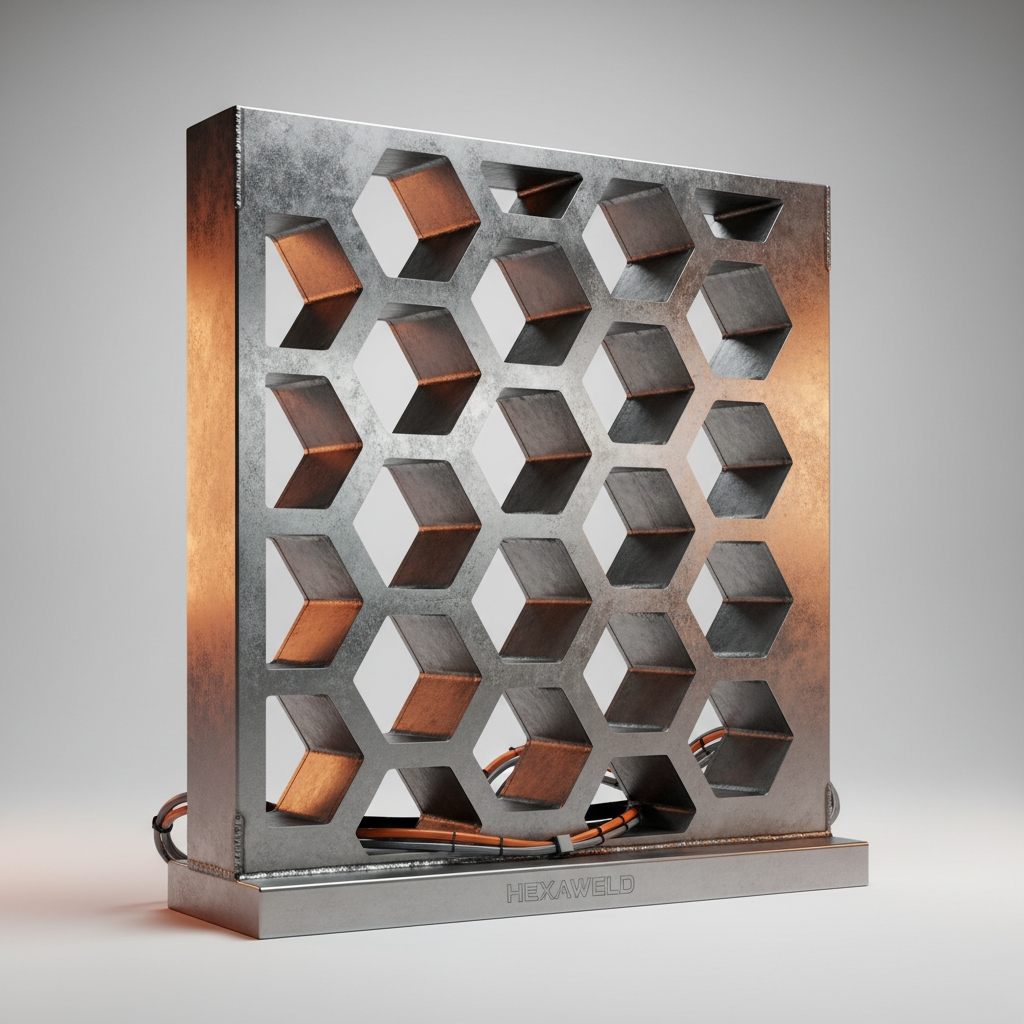
Stainless honeycomb represents a remarkable advancement in materials engineering, offering a compelling alternative to traditional solid materials in a wide array of applications. Its core structure, resembling a beehive with hexagonal cells crafted from stainless steel, provides an exceptional balance of strength, rigidity, and lightness. This unique configuration allows for significant weight reduction without compromising structural integrity, making it particularly valuable in industries where minimizing weight is paramount.
Beyond its impressive physical properties, stainless honeycomb offers substantial benefits in terms of durability and corrosion resistance. The inherent properties of stainless steel protect against environmental degradation, ensuring a long service life even in harsh conditions. This reduces maintenance costs and enhances the overall longevity of the products or structures incorporating this material.
Global Relevance and Industry Context
The global demand for lightweight materials is surging, driven by factors like increasing fuel costs, stringent emissions regulations, and the pursuit of greater efficiency across multiple sectors. According to a recent report by the World Bank, global infrastructure spending is projected to reach \$94 trillion by 2040, creating a massive demand for sustainable and high-performance building materials. Stainless honeycomb fits perfectly into this narrative, offering a viable solution for reducing material consumption and improving structural performance.
The aerospace industry has been an early adopter of stainless honeycomb, leveraging its weight-saving properties to improve fuel efficiency and increase payload capacity. The automotive industry is also increasingly utilizing it in vehicle components to reduce weight and enhance safety. Furthermore, industries like construction and marine engineering are recognizing the benefits of stainless honeycomb's corrosion resistance and durability, particularly in coastal and offshore applications. ISO standards are also evolving to incorporate testing and certification protocols specifically for honeycomb structures, ensuring quality and reliability.
One significant challenge addressed by stainless honeycomb is the need for materials that can withstand extreme conditions. Traditional materials often suffer from fatigue, corrosion, or weight limitations, hindering innovation in areas like high-speed transportation and deep-sea exploration. Stainless honeycomb provides a robust and reliable solution, paving the way for more ambitious engineering projects.
Defining stainless honeycomb
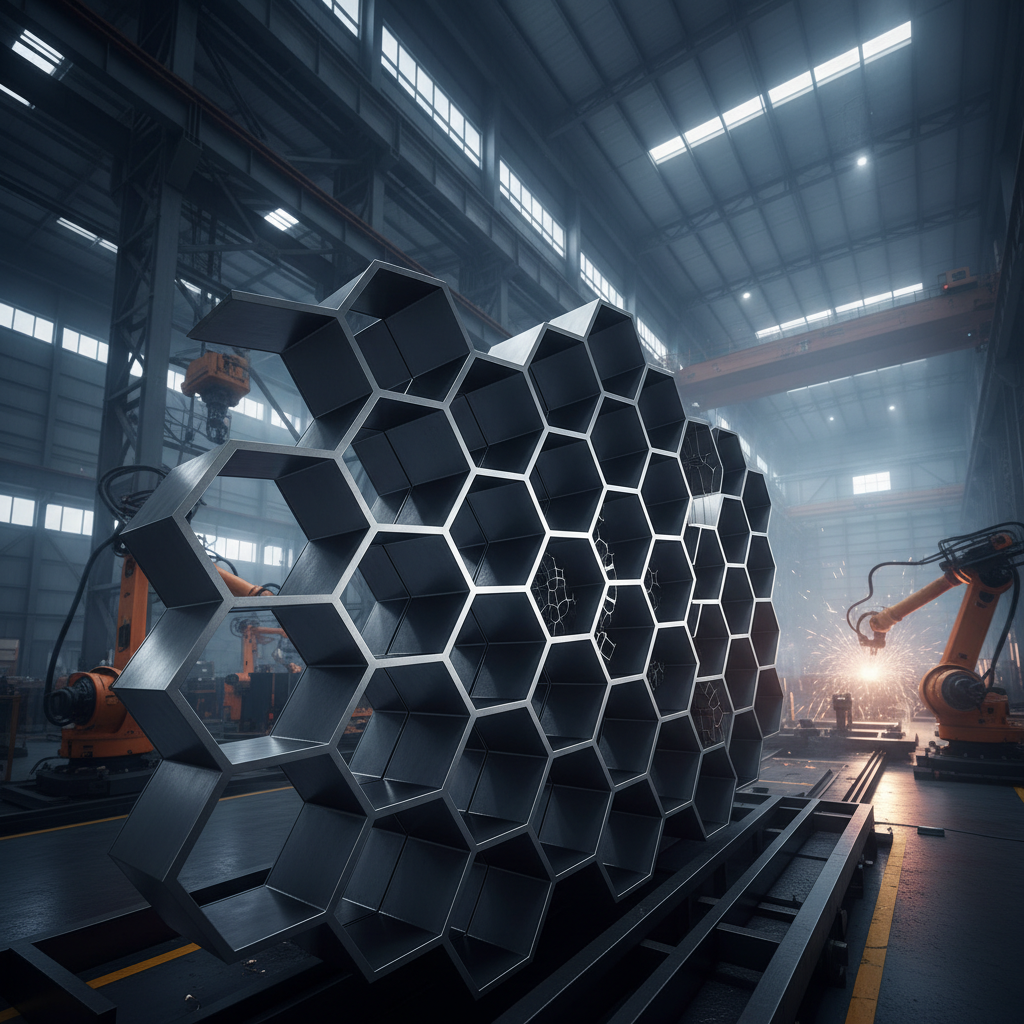
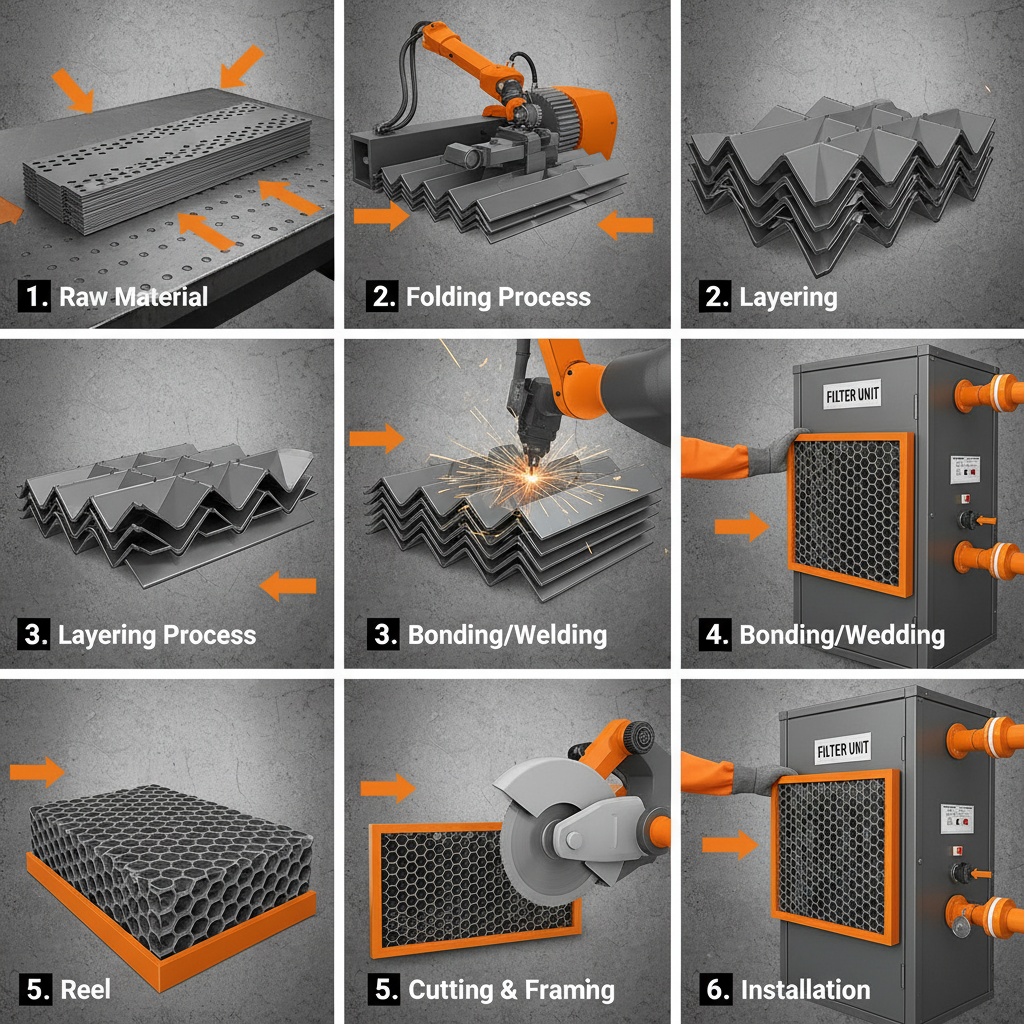
Stainless honeycomb is a composite material characterized by a repeating hexagonal cellular structure constructed from thin sheets of stainless steel foil. These sheets are bonded together to create a lightweight core with exceptional strength and stiffness. The cellular structure provides a high surface area-to-weight ratio, resulting in a material that is both strong and incredibly light. It’s not simply a solid block of stainless steel, but rather an intelligently designed architecture maximizing material efficiency.
The connection to modern industry lies in its ability to address critical performance requirements across diverse applications. In aerospace, it reduces aircraft weight, improving fuel efficiency. In architecture, it provides structural support with minimal material usage, enabling innovative building designs. Its resistance to corrosion is essential in marine and chemical processing industries, extending the lifespan of equipment and infrastructure.
Essentially, stainless honeycomb represents a shift from relying solely on the inherent strength of a material to harnessing the power of geometric design. It's a prime example of how optimized structures can outperform solid materials in many applications, offering a pathway towards greater sustainability and efficiency in various industries.
Key Factors and Core Components
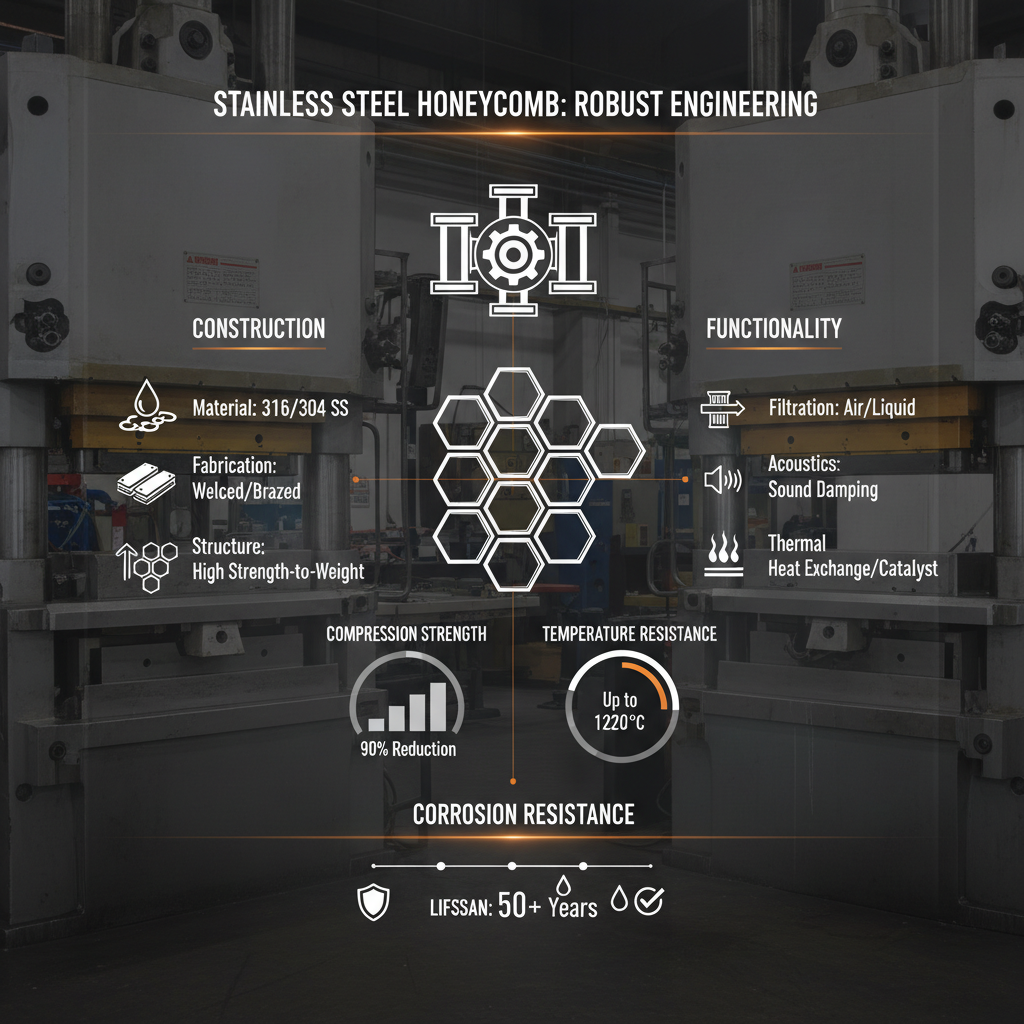
Durability: Stainless steel’s inherent resistance to corrosion, oxidation, and wear ensures that stainless honeycomb structures maintain their integrity over extended periods, even in harsh environments. This longevity translates into reduced maintenance and replacement costs.
Strength-to-Weight Ratio: The hexagonal cellular structure provides an incredibly high strength-to-weight ratio. This means a stainless honeycomb panel can support significant loads while remaining remarkably lightweight, crucial for applications like aerospace and automotive.
Energy Absorption: The cellular structure effectively absorbs impact energy, making stainless honeycomb ideal for applications where crash protection or vibration damping are critical.
Design Flexibility: Stainless honeycomb can be customized in terms of cell size, foil thickness, and overall dimensions to meet specific application requirements. This design flexibility allows engineers to tailor the material’s properties to optimize performance.
Thermal and Acoustic Insulation: The cellular structure also provides excellent thermal and acoustic insulation, further expanding its range of applications.
Fire Resistance: Stainless steel is inherently non-combustible, contributing to the fire safety of structures incorporating stainless honeycomb.
Stainless Honeycomb Performance Metrics
Global Applications and Use Cases
In the aerospace industry, stainless honeycomb is extensively used in aircraft interiors, including sidewalls, overhead bins, and floor panels, to reduce weight and improve fuel efficiency. Airbus and Boeing are significant users of this technology. In automotive engineering, it’s finding application in structural components, body panels, and energy-absorbing systems, contributing to lighter and safer vehicles.
The construction sector is embracing stainless honeycomb for façade panels, roofing systems, and interior partitions. Its lightweight and structural properties allow for innovative architectural designs while reducing building weight and material costs. Projects in Europe and Asia are demonstrating its potential for sustainable construction.
In remote industrial zones, such as offshore oil platforms or arctic research stations, the corrosion resistance of stainless honeycomb is crucial for ensuring long-term reliability and minimizing maintenance. It's used in structural supports, cladding, and protective barriers, extending the operational life of critical infrastructure.
Advantages and Long-Term Value
The tangible benefits of stainless honeycomb are numerous. Reduced material costs due to lightweight construction, lower transportation expenses, and increased fuel efficiency all contribute to significant economic savings. Its inherent durability minimizes maintenance requirements and extends product lifecycles, further reducing long-term costs. The use of stainless steel promotes sustainability by reducing reliance on less eco-friendly materials and supporting a circular economy.
Beyond the economic advantages, stainless honeycomb offers significant improvements in safety and performance. Its energy absorption capabilities enhance crash protection in transportation applications, while its structural integrity ensures the long-term reliability of buildings and infrastructure. The material’s inherent fire resistance adds another layer of safety, enhancing the overall resilience of structures. This fosters trust and confidence in the longevity and performance of these products.
Future Trends and Innovations
Research is ongoing to develop new stainless steel alloys with even greater strength and corrosion resistance, further enhancing the performance of stainless honeycomb structures. The integration of digital manufacturing techniques, such as additive manufacturing (3D printing), promises to enable the creation of complex honeycomb geometries tailored to specific application requirements. Automation in manufacturing processes is also driving down production costs and increasing scalability.
The demand for sustainable materials is fueling the exploration of using recycled stainless steel in honeycomb production, reducing environmental impact and promoting circular economy principles. Furthermore, the development of self-healing stainless steel alloys could dramatically extend the lifespan of honeycomb structures, reducing maintenance and replacement needs.
The convergence of stainless honeycomb with green energy technologies, such as lightweight wind turbine blades and energy-efficient building materials, is poised to unlock new opportunities for innovation and sustainable development.
Challenges & Solutions
One of the primary challenges associated with stainless honeycomb is the cost of raw materials and manufacturing. While the long-term value proposition is strong, the initial investment can be higher compared to traditional materials. However, advancements in manufacturing techniques and the increasing availability of recycled stainless steel are helping to mitigate this cost barrier.
Another challenge lies in the complexity of designing and fabricating honeycomb structures. Specialized engineering expertise and tooling are required to optimize the design and ensure structural integrity. The use of advanced simulation software and automated manufacturing processes can streamline the design and fabrication process, reducing errors and improving efficiency.
Finally, standardization of testing and certification procedures for stainless honeycomb is crucial for ensuring quality and reliability. Industry collaborations and the development of international standards will help to promote wider adoption and build confidence in this innovative material.
A Comparative Analysis of Stainless Honeycomb Manufacturing Techniques
| Manufacturing Technique |
Cost Effectiveness (1-10) |
Production Speed (1-10) |
Design Complexity |
| Adhesive Bonding |
7 |
8 |
Medium |
| Spot Welding |
6 |
9 |
Low |
| Laser Welding |
8 |
7 |
High |
| Diffusion Bonding |
5 |
5 |
Very High |
| Additive Manufacturing |
4 |
4 |
Extreme |
| Mechanical Crimping |
9 |
10 |
Low |
FAQS
Stainless honeycomb offers a significantly improved strength-to-weight ratio compared to solid metal. This reduction in weight translates to improved fuel efficiency in transportation applications, lower material costs, and easier handling during construction. Its cellular structure also provides excellent energy absorption and can offer superior corrosion resistance depending on the stainless steel alloy used. These advantages contribute to a longer lifespan and reduced maintenance requirements.
The manufacturing process is a key driver of cost. Methods like adhesive bonding and mechanical crimping are generally more cost-effective, while techniques like diffusion bonding and additive manufacturing are more expensive due to their complexity. The cost of the stainless steel alloy itself also contributes significantly to the overall price. Advancements in automated manufacturing and the increased use of recycled materials are helping to lower production costs.
Aerospace, automotive, construction, and marine engineering are all actively adopting stainless honeycomb. Aerospace benefits from weight reduction for fuel efficiency. Automotive utilizes it for crash safety and lighter vehicles. Construction leverages its strength, lightweight nature, and aesthetic possibilities. Marine engineering relies on its corrosion resistance in harsh environments. Each industry prioritizes different properties of the material.
Yes, stainless honeycomb can be a sustainable material. Stainless steel is 100% recyclable, meaning end-of-life honeycomb structures can be repurposed, reducing waste and the demand for virgin materials. Its lightweight nature also contributes to sustainability by reducing fuel consumption in transportation and lowering the overall carbon footprint of structures. Using recycled stainless steel in production further enhances its sustainability.
Potential limitations include the higher initial cost compared to some traditional materials and the complexity of design and fabrication. Solutions include advancements in automated manufacturing to lower costs, the increased use of recycled materials, and the development of design tools to simplify the engineering process. Further research into advanced stainless steel alloys could also improve performance and reduce material usage.
Stainless honeycomb exhibits good performance in a wide range of temperatures. Stainless steel maintains its strength and corrosion resistance at both high and low temperatures. However, the adhesive used in some bonding methods may have temperature limitations. Selecting appropriate adhesives and alloys is critical for applications involving extreme temperature fluctuations. Ongoing research focuses on developing temperature-resistant bonding agents.
Conclusion
Stainless honeycomb represents a paradigm shift in materials science and engineering, offering a unique blend of lightweight properties, high strength, and exceptional durability. Its ability to address critical challenges in industries ranging from aerospace to construction makes it a vital component in the development of sustainable and high-performance solutions. By embracing this innovative material, we can unlock new possibilities for efficiency, resilience, and environmental responsibility.
Looking ahead, continued research and development in materials science, manufacturing techniques, and design optimization will further enhance the capabilities of stainless honeycomb. The increasing demand for lightweight, sustainable materials will undoubtedly drive its adoption across even more industries, solidifying its position as a cornerstone of modern engineering. To learn more about the applications and benefits of stainless honeycomb, visit our website: stainless honeycomb.