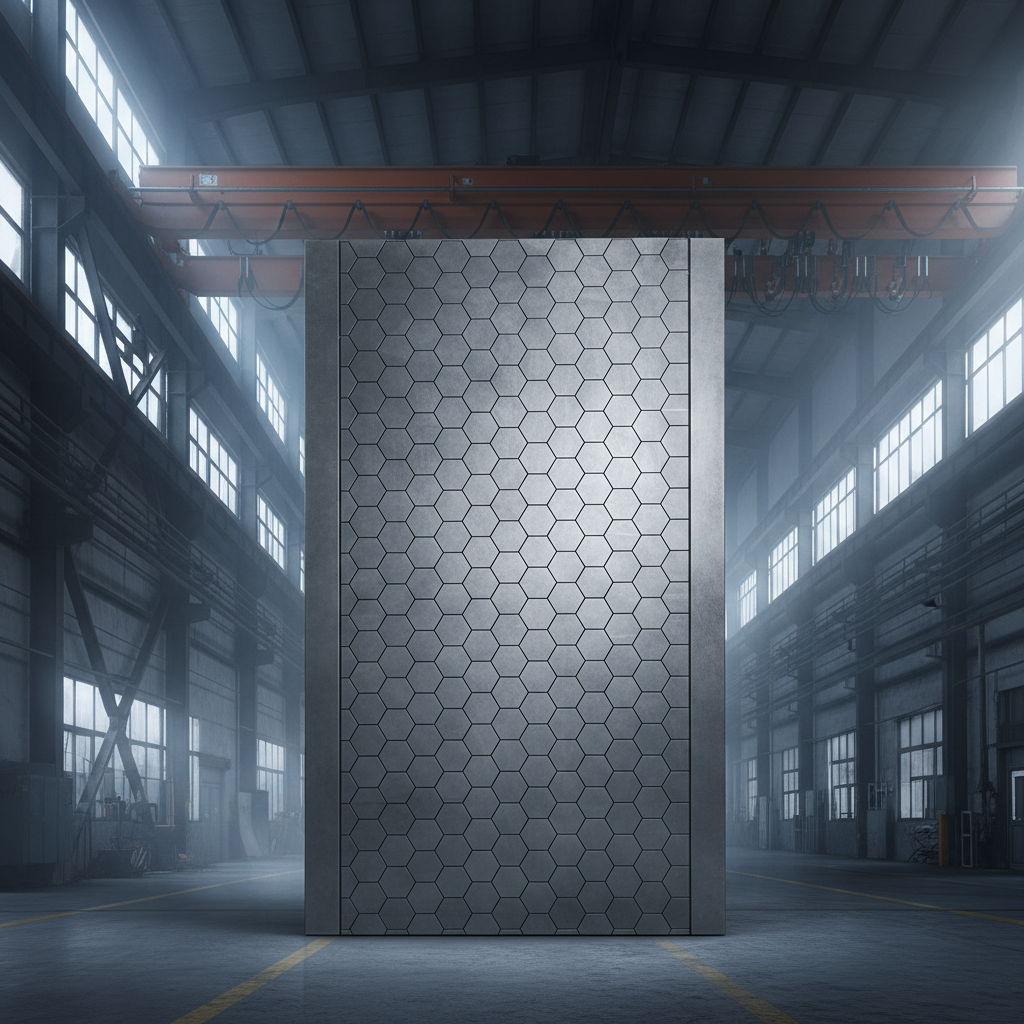
The integration of steel honeycomb mesh has revolutionized the way engineers approach the balance between structural integrity and weight reduction in high-performance environments. By leveraging a hexagonal geometry, this material provides an extraordinary strength-to-weight ratio that is essential for demanding industrial applications, ranging from aerospace components to electromagnetic interference (EMI) shielding.
Globally, the demand for specialized ventilation and shielding solutions has surged as electronic systems become more compact and powerful. The ability of a steel honeycomb mesh to allow airflow while simultaneously blocking harmful radio frequency interference makes it a critical component in the modern infrastructure of data centers, military communications, and advanced medical imaging equipment.
Understanding the technical nuances of this material is not merely about knowing its dimensions, but recognizing how its cellular structure manages stress and wave propagation. For procurement officers and design engineers, choosing the right configuration of steel honeycomb ensures long-term reliability, adherence to ISO safety standards, and significant reductions in material waste and operational costs.
Global Relevance of Steel Honeycomb Mesh
In the current era of rapid digitalization, the proliferation of electromagnetic noise has become a significant hurdle for global industrial stability. The implementation of steel honeycomb mesh serves as a primary defense mechanism, adhering to rigorous international standards such as ISO and IEEE for electromagnetic compatibility (EMC). By acting as a waveguide-below-cutoff, these meshes prevent interference from disrupting critical infrastructure, which is vital for the functioning of smart cities and automated factories.
From a global economic perspective, the move toward lightweight yet durable materials is no longer optional but a necessity for reducing carbon footprints in logistics and construction. Steel honeycomb structures provide the necessary rigidity to replace heavy solid plates, significantly reducing the energy required for transport and installation. This shift reflects a broader industrial trend toward "efficient strength," where material is only placed where it is mathematically required to support the load.
Defining the Architecture of Steel Honeycomb Mesh
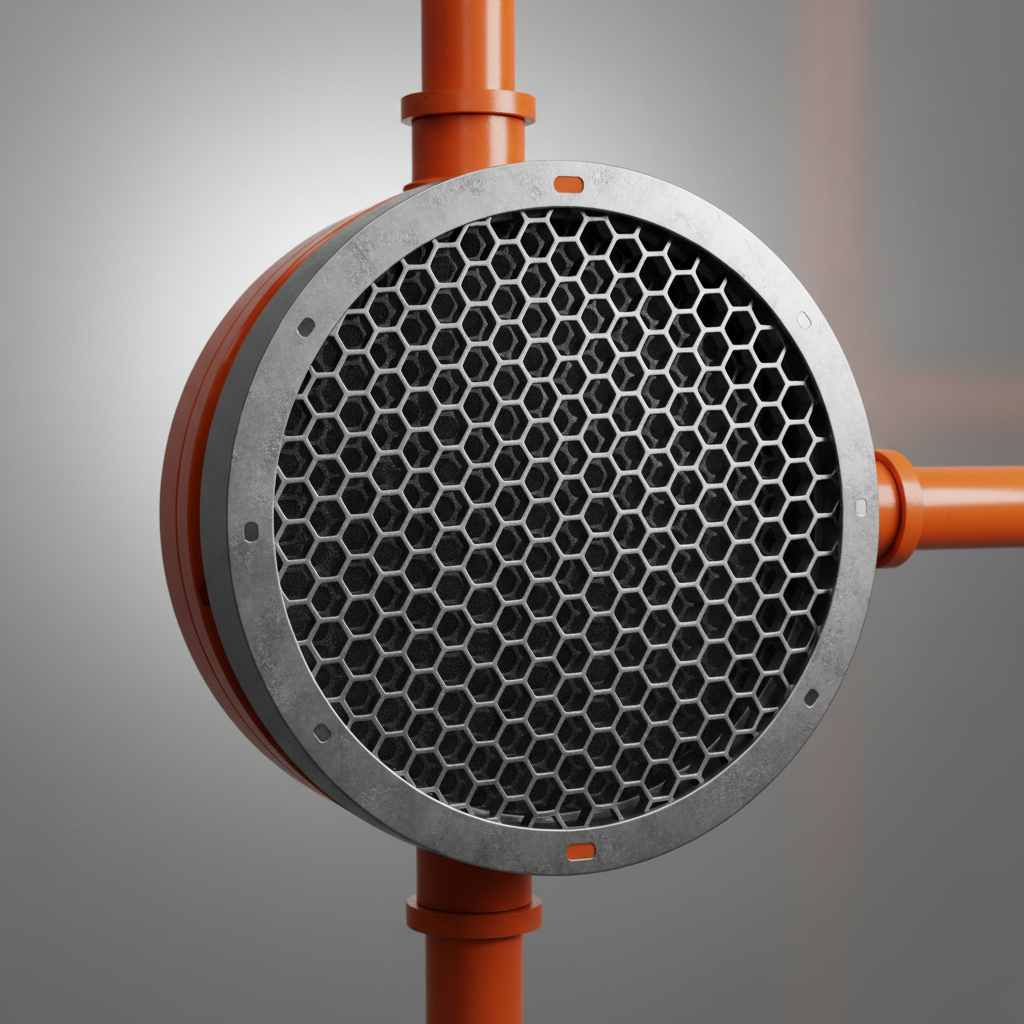
At its most basic level, steel honeycomb mesh is a structural material characterized by a repeating hexagonal pattern that mimics the organic efficiency of a beehive. This geometry allows the material to distribute loads evenly across its surface, preventing localized stress points that typically lead to material failure in traditional perforated sheets. It is essentially a sandwich-core component that provides immense compressive strength while remaining largely hollow.
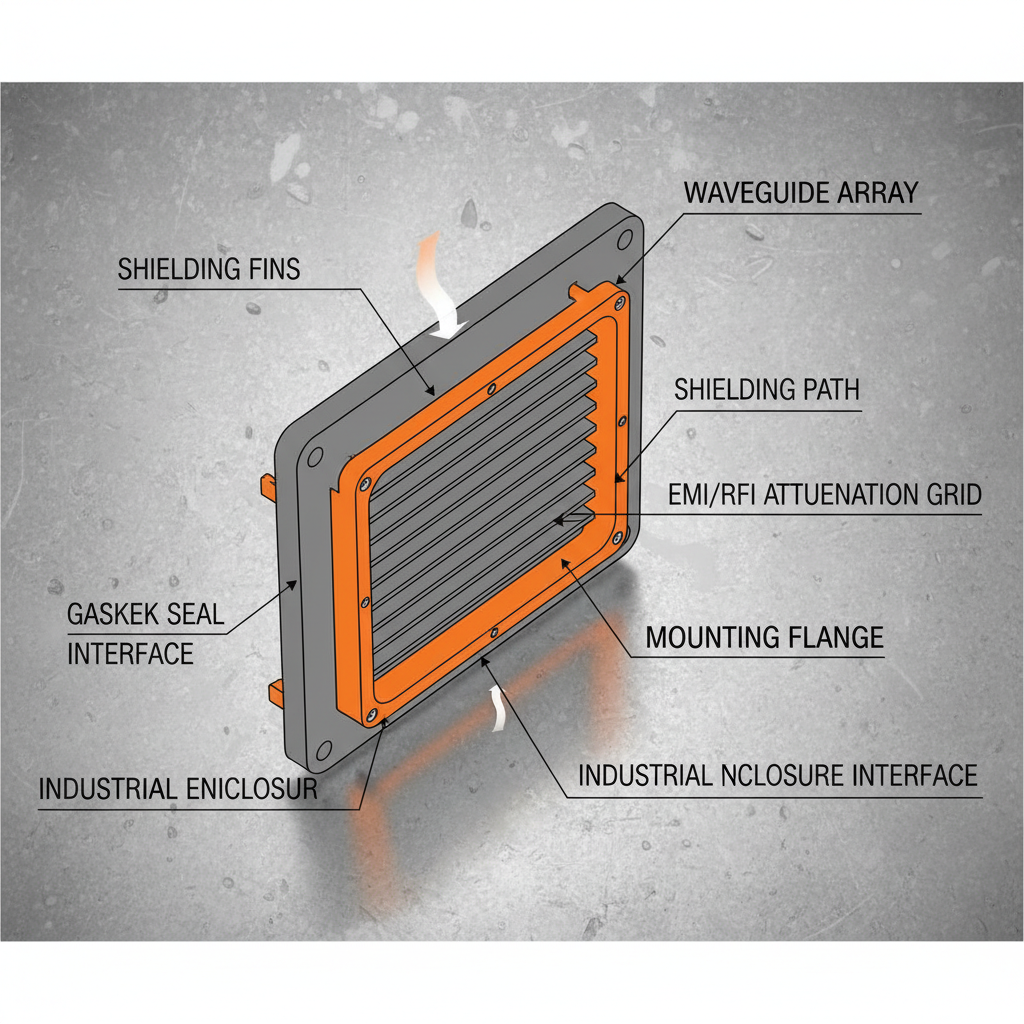
Beyond simple strength, this mesh is engineered for specific functional needs, such as EMI/RFI shielding. In these contexts, the cell size is meticulously calculated to be smaller than the wavelength of the interference it is intended to block. This transforms the ventilation panel into a selective filter: it allows air to pass through for cooling critical electronics but reflects electromagnetic waves, ensuring that sensitive hardware remains isolated from external noise.
In the broader context of modern humanitarian and industrial needs, this material supports the creation of safer, more resilient environments. Whether it is used in the casing of a high-precision medical MRI machine or the ventilation of a secure military command center, the architectural precision of the honeycomb ensures that safety and functionality are never compromised for the sake of weight or cost.
Core Technical Factors for Performance
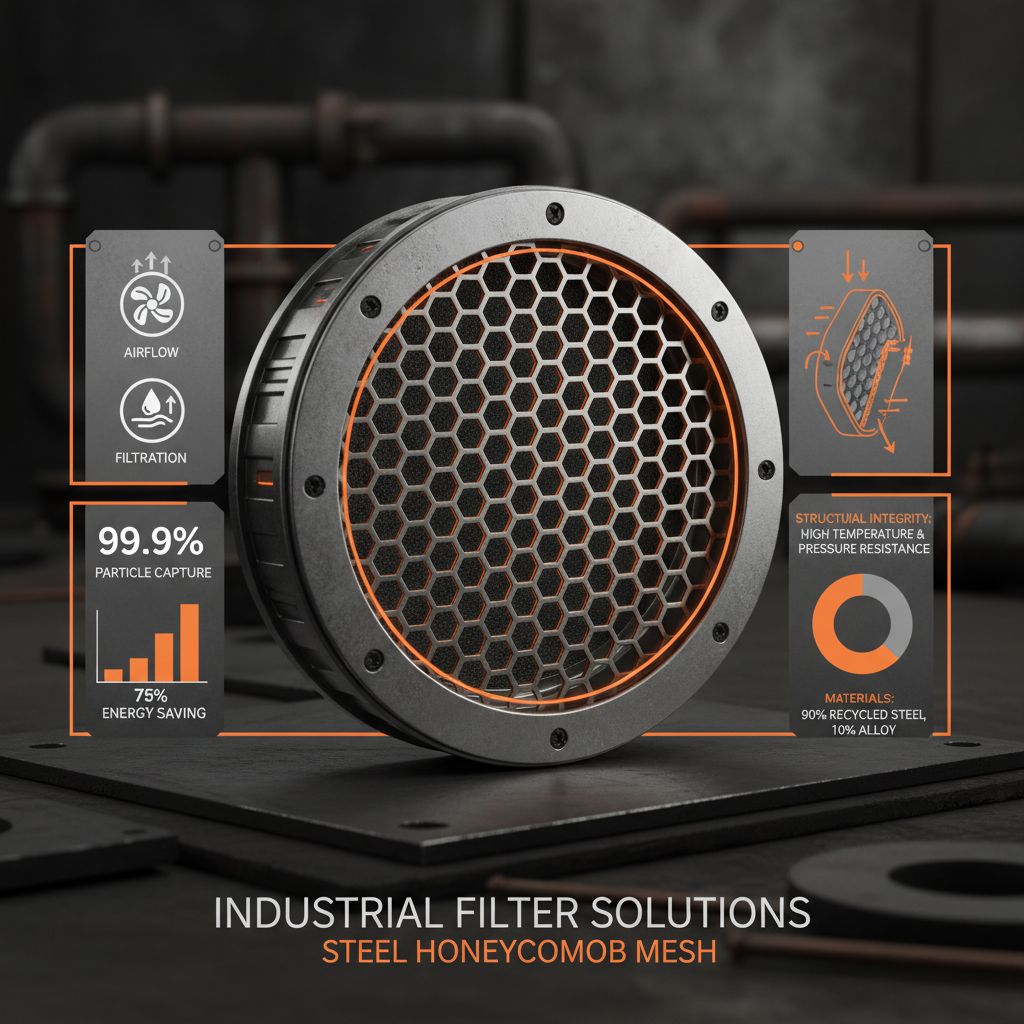
One of the most critical factors of steel honeycomb mesh is its mechanical durability. Unlike plastics or lightweight alloys, steel provides a level of impact resistance and thermal stability that is indispensable in harsh industrial zones. The ability of the mesh to maintain its geometric shape under extreme temperature fluctuations ensures that the shielding effectiveness remains constant over the lifecycle of the product.
Scalability and customization are equally vital. Engineers can adjust the cell size, wall thickness, and overall depth of the steel honeycomb mesh to meet specific airflow requirements or shielding frequencies. This flexibility allows the same base technology to be applied to a small handheld device enclosure or a massive industrial wind tunnel honeycomb system.
Finally, the cost-efficiency of the material is realized through its optimized use of raw steel. By removing the unnecessary mass of a solid sheet and replacing it with a high-strength cellular network, companies reduce their material procurement costs. When coupled with the long-term reduction in maintenance due to the inherent stability of steel, the total cost of ownership (TCO) for honeycomb-based systems is significantly lower than traditional alternatives.
Strategic Industrial Applications
The application of steel honeycomb mesh extends far beyond simple filters. In the aerospace sector, it is utilized in the construction of lightweight panels that must withstand immense pressure changes. In remote industrial zones, such as mining sites or oil rigs, steel honeycomb panels are used for ventilation in control rooms to keep electronics cool while preventing the ingress of metallic dust and external RF interference.
Furthermore, in high-security environments, such as government data centers or signal-intelligence facilities, the use of Steel EMI Shielded Honeycomb Vents is mandatory. These systems ensure that no signal leakage occurs, maintaining the integrity of classified data. The balance of airflow for server cooling and total RF containment is a precision act that only a high-quality steel honeycomb structure can achieve.
Performance Comparison of Steel Honeycomb Mesh Variants
Long-Term Value and Sustainability
Investing in steel honeycomb mesh provides a unique combination of logical and emotional value. Logically, the sustainability of steel—which is one of the most recycled materials on the planet—aligns with corporate ESG (Environmental, Social, and Governance) goals. By reducing the total volume of metal required for a project without sacrificing strength, companies directly lower their environmental impact.
Emotionally, the use of such advanced materials instills a sense of trust and reliability. In industries where failure can lead to catastrophic outcomes, such as aviation or medical shielding, the peace of mind provided by a robust, tested honeycomb structure is invaluable. It represents a commitment to innovation and safety, ensuring that the end-user is protected by the best available engineering.
Future Innovations in Honeycomb Materials
The future of steel honeycomb mesh is being shaped by the advent of additive manufacturing and smart materials. We are seeing the emergence of "graded" honeycomb structures, where the cell size changes dynamically across a single panel to optimize for different frequencies of interference or varying pressure loads. This digital transformation in manufacturing allows for a level of precision that was previously impossible with traditional stamping or bonding.
Furthermore, the integration of nano-coatings is enhancing the chemical resistance of steel honeycomb. By applying ultra-thin, hydrophobic or anti-corrosive layers, these meshes can now be deployed in highly acidic or saline environments, such as offshore wind turbines or chemical processing plants, without risking structural degradation. This extends the operational life of the equipment and reduces the frequency of costly replacements.
As we move toward a more automated world, the synergy between steel honeycomb and IoT sensors is also becoming apparent. Imagine ventilation panels that can detect air pressure drops or EMI leaks in real-time and alert operators immediately. This evolution from a passive structural component to an active monitoring system is the next frontier for honeycomb technology.
Overcoming Implementation Challenges
Despite its advantages, the implementation of steel honeycomb mesh often faces challenges related to precision installation. A common limitation is the "leakage" that occurs if the mesh is not perfectly bonded to the surrounding frame. Even a small gap can allow high-frequency electromagnetic waves to bypass the honeycomb, compromising the entire shielding system.
To overcome this, expert insight suggests the use of specialized honeycomb sealed strips and conductive adhesives. By creating a continuous electrical bond between the mesh and the chassis, the "Faraday cage" effect is fully realized. Rigorous testing using spectrum analyzers during the installation phase is also recommended to ensure that the attenuation levels meet the design specifications.
Another challenge is the potential for clogging in high-dust environments. While the open-cell structure is efficient, particulate buildup can restrict airflow. The solution lies in the strategic placement of pre-filters and the use of optimized cell geometries that encourage natural laminar flow, reducing the tendency for debris to accumulate within the honeycomb cells.
Comparative Analysis of Steel Honeycomb Mesh Implementation Strategies
|
Implementation Method
|
Shielding Effectiveness
|
Installation Complexity
|
Relative Cost
|
|
Mechanical Press Fit
|
Moderate (6/10)
|
Low
|
Economical
|
|
Conductive Adhesive Bonding
|
High (9/10)
|
Medium
|
Moderate
|
|
Laser-Welded Integration
|
Extreme (10/10)
|
High
|
Premium
|
|
Gasket-Sealed Frame
|
High (8/10)
|
Medium
|
Moderate
|
|
Composite Layering
|
Moderate (7/10)
|
High
|
High
|
|
Standard Perforation (Non-Honeycomb)
|
Low (3/10)
|
Very Low
|
Very Low
|
FAQS
It operates on the principle of a "waveguide below cutoff." The hexagonal cells act as small tubes that only allow electromagnetic waves of a certain frequency (wavelength) to pass. By keeping the cell size significantly smaller than the wavelength of the noise, the mesh reflects the energy back while the open center of the cell provides an unobstructed path for air to flow, ensuring cooling and shielding happen simultaneously.
Yes, in terms of sheer mechanical strength, impact resistance, and thermal stability, steel is superior. While aluminium is lighter and offers excellent corrosion resistance, steel is preferred for heavy-duty industrial applications where the mesh may be subject to physical stress, higher pressures, or extreme heat, providing a longer operational lifespan in rugged environments.
Absolutely. The shielding effectiveness is directly tied to the cell size (the diameter of the hexagon) and the depth of the mesh. By adjusting these two parameters, engineers can target specific frequency bands. For example, smaller cells are required to block higher-frequency (shorter wavelength) signals, allowing for precise tailoring to the specific EMI profile of the equipment.
The most effective way is through surface treatments. Depending on the environment, steel honeycomb can be plated with zinc, nickel, or coated with specialized epoxy powders. For extremely harsh environments, stainless steel variants are used. Additionally, ensuring a tight seal with conductive gaskets prevents moisture from entering the internal cellular structure, which is where corrosion typically begins.
Yes, but the effect is minimal compared to the cell size. Thicker walls increase the structural strength and the shielding effectiveness (by reducing leakage), but they slightly reduce the "open area" percentage. The key is to find the optimal balance where the wall is thick enough for stability but thin enough to maintain the required cubic feet per minute (CFM) of airflow.
The most critical step is maintaining electrical continuity between the mesh and the enclosure. We recommend using conductive adhesives or laser welding. Avoid using non-conductive sealants, as these create "slots" that electromagnetic waves can leak through. Post-installation testing with a near-field probe can help identify any leakage points that need additional sealing.
Conclusion
The utilization of steel honeycomb mesh represents a sophisticated intersection of geometry and material science, offering an unparalleled solution for the dual challenges of structural strength and electromagnetic containment. From its ability to protect critical electronic infrastructure through precise RF shielding to its role in reducing overall system weight without compromising durability, it has become a cornerstone of modern industrial design. By focusing on cellular optimization and rigorous installation standards, companies can achieve a level of reliability that ensures long-term operational success.
Looking forward, the continued evolution of honeycomb technology—driven by additive manufacturing and smart coatings—will further expand its utility in green energy and automated aerospace systems. For engineers and procurement specialists, the transition toward these high-efficiency materials is not just a technical upgrade, but a strategic move toward more sustainable and resilient infrastructure. To explore the highest quality shielding and ventilation solutions, visit our website: www.hshihoneycomb.com