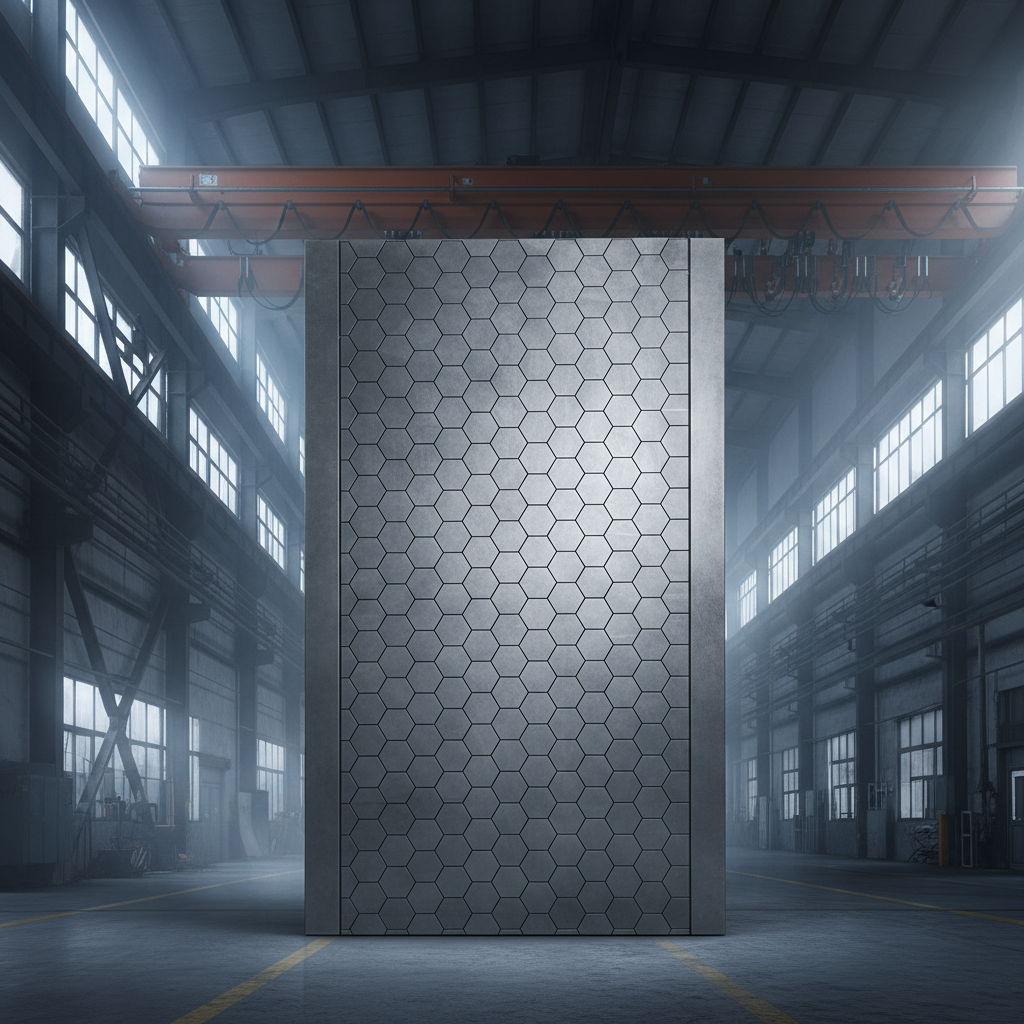
Honeycomb core steel doors represent a significant advancement in door technology, blending robust security with lightweight construction. These doors are increasingly vital in sectors demanding high performance and reliability, from industrial facilities and secure government buildings to high-traffic commercial spaces. Their ability to provide superior strength-to-weight ratios, combined with excellent acoustic and thermal insulation properties, makes them a compelling alternative to traditional solid core doors. Understanding the nuances of honeycomb core steel door construction and application is crucial for architects, engineers, and security professionals seeking optimal solutions.
The global demand for enhanced security measures, coupled with the rising need for energy-efficient building materials, is driving the growth of the honeycomb core steel door market. Industry reports indicate a consistent upward trend in adoption, particularly in regions prioritizing infrastructure development and security enhancements. This isn’t merely about physical protection; honeycomb core steel doors contribute to building longevity, reduce lifecycle costs due to their durability, and support sustainable construction practices. honeycomb core steel door solutions are becoming a cornerstone of modern building design.
The increasing need for specialized door systems that can withstand extreme conditions – including blast resistance, fireproofing, and forced entry – further fuels the demand for honeycomb core steel doors. Their adaptability to various designs and finishes, coupled with their compliance with stringent building codes and safety standards, positions them as a preferred choice for diverse applications. This convergence of security, sustainability, and performance ensures the continued relevance and expansion of honeycomb core steel door technology.
The Significance of Honeycomb Core Steel Doors
Honeycomb core steel doors are rapidly gaining prominence as a superior door solution for a wide range of applications. Their lightweight nature, derived from the honeycomb core structure, dramatically reduces the overall weight without compromising strength or security. This makes them ideal for environments where minimizing structural load is critical, such as in high-rise buildings or retrofitting projects. The core material, typically aluminum or steel, contributes significantly to the door’s resilience and resistance to impact.
Beyond the core structural advantages, honeycomb core steel door designs offer exceptional thermal and acoustic insulation, creating more comfortable and energy-efficient indoor spaces. The core effectively reduces heat transfer and sound transmission, contributing to lower energy bills and improved occupant well-being. Their adaptability to various finishes and security hardware further enhances their versatility and makes them a cost-effective long-term investment.
Defining Honeycomb Core Steel Doors
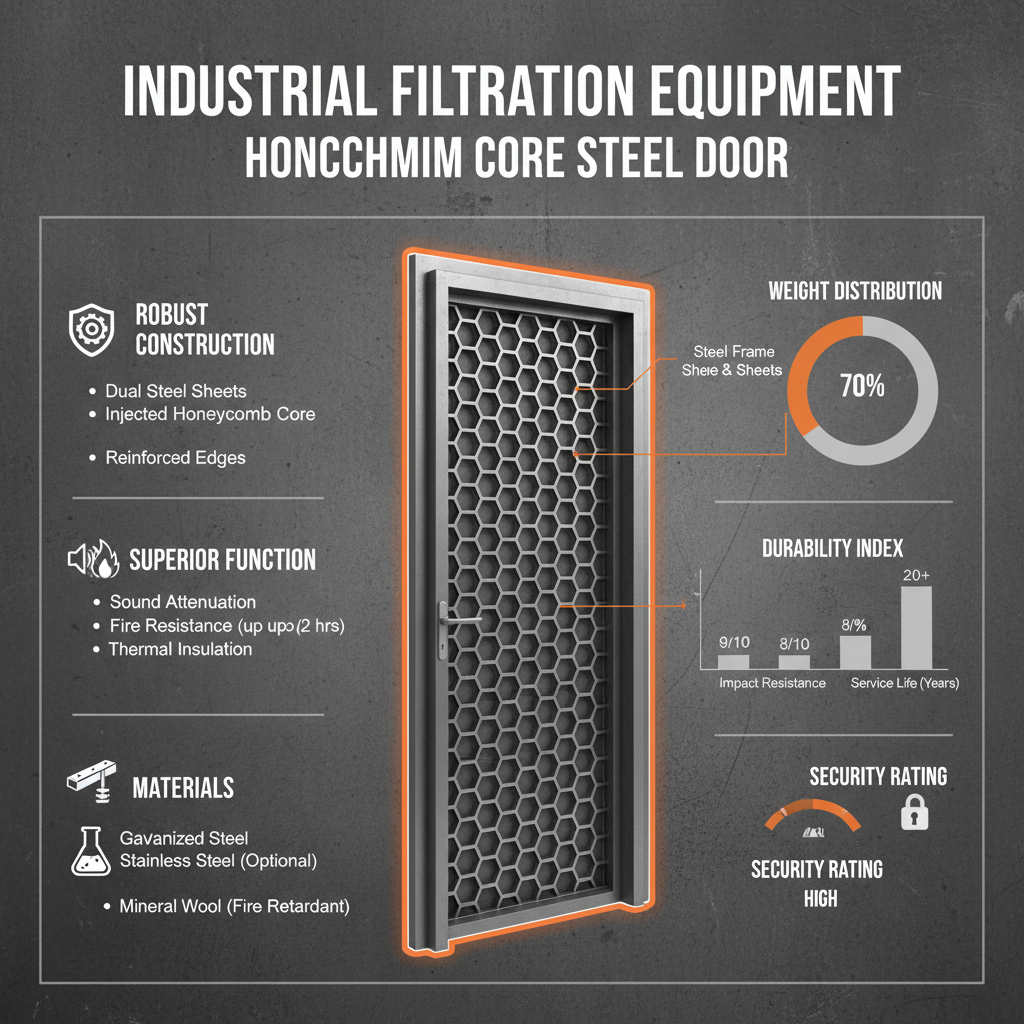
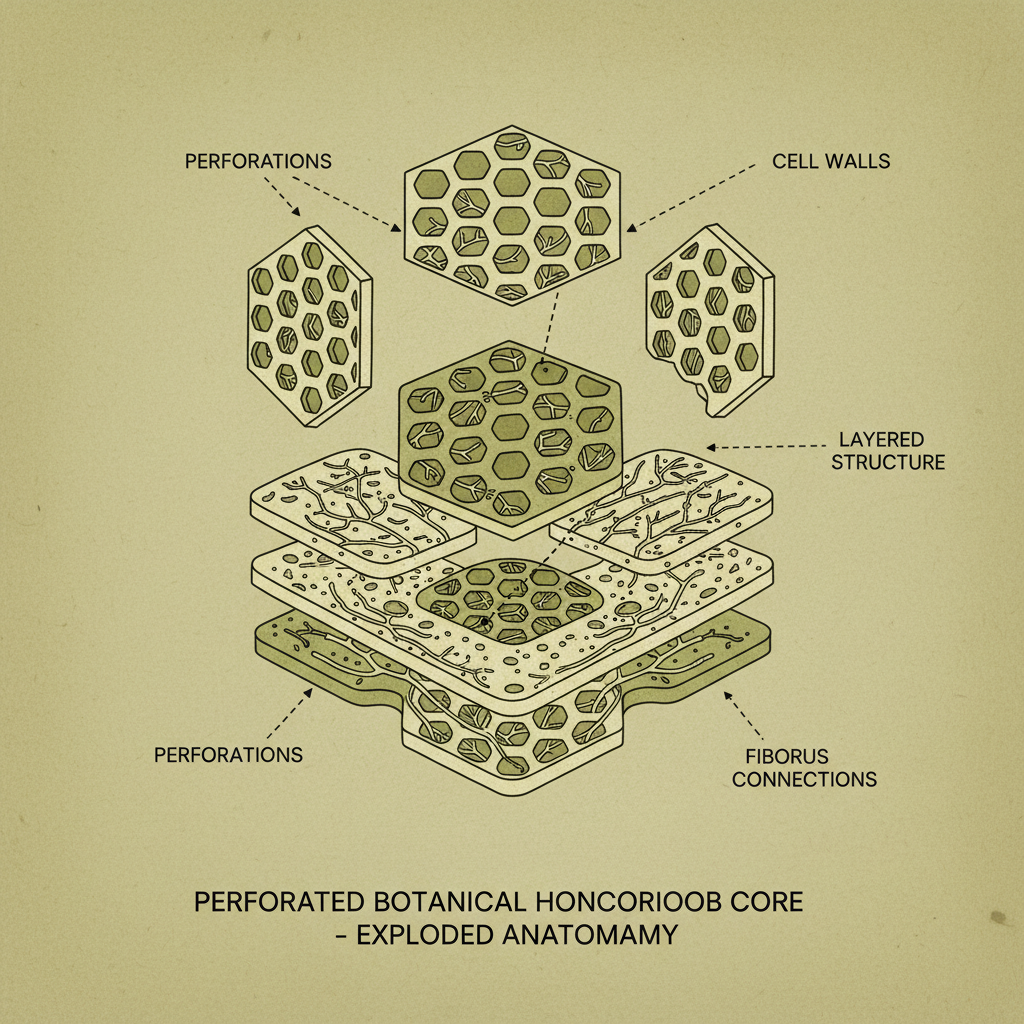
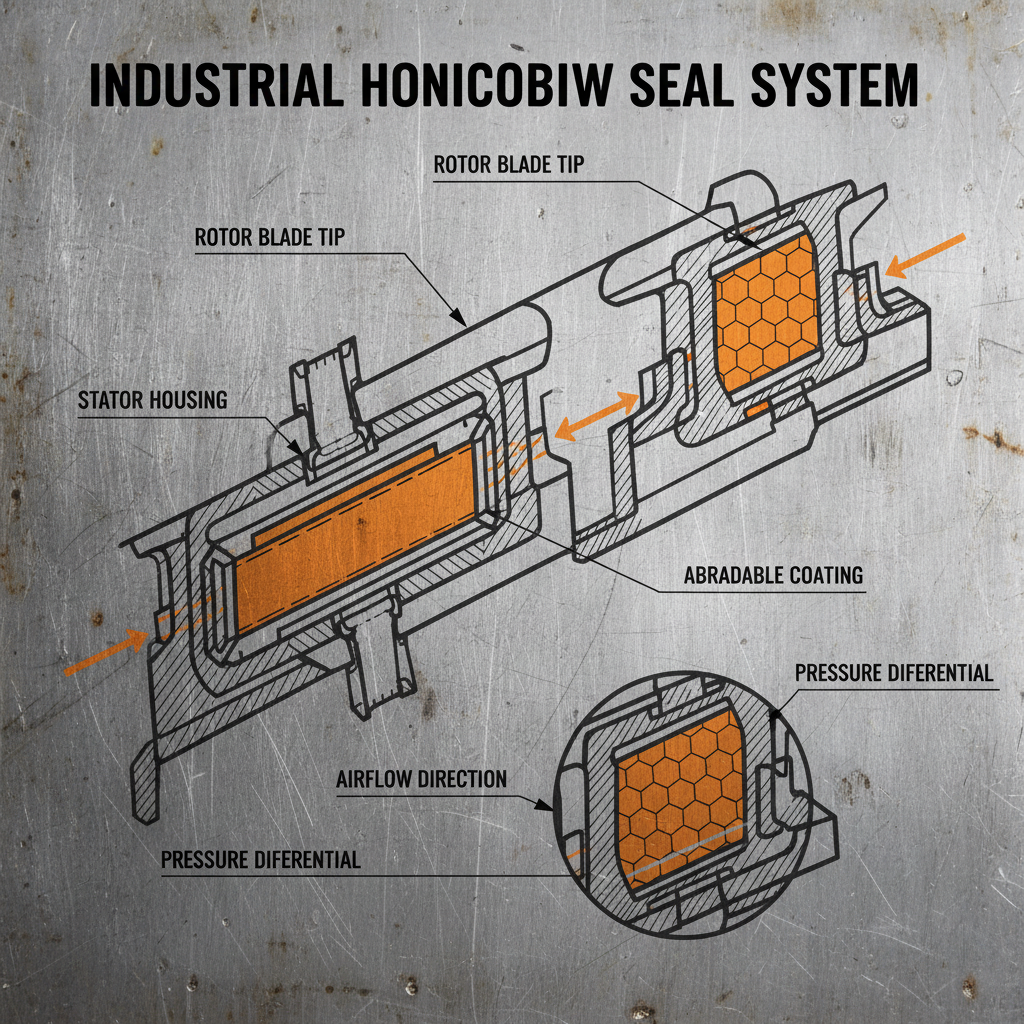
A honeycomb core steel door is fundamentally a door constructed with a steel face and back, bonded to a core material arranged in a honeycomb structure. This core, typically made from aluminum or steel hexagonal cells, provides exceptional strength and rigidity while minimizing weight. The honeycomb core acts as a buffer, distributing stress evenly across the door's surface, making it resistant to deformation and impact. Unlike traditional solid core doors, the hollow cells within the core significantly reduce the overall mass.
The definition extends beyond mere construction; it embodies a philosophy of efficient engineering and material utilization. Honeycomb core steel doors are born from the aerospace industry’s need for lightweight, high-strength materials. Transferring this technology to the building sector has unlocked opportunities for creating doors that excel in both performance and sustainability. They represent a modern approach to door design, addressing the demands of contemporary architecture and security needs.
Ultimately, a honeycomb core steel door isn’t just a barrier; it’s a sophisticated engineered component contributing to the overall structural integrity, safety, and energy efficiency of a building. Their increasingly common adoption signifies a broader shift towards innovative and performance-driven building materials.
Core Components and Key Characteristics
Several key components define the characteristics of a honeycomb core steel door. The steel facesheets, typically manufactured from galvanized steel or stainless steel, provide a durable and secure exterior. Their thickness and gauge directly impact the door’s resistance to forced entry and environmental factors. The honeycomb core itself, as previously mentioned, is available in both aluminum and steel variations, each offering distinct advantages in terms of weight, cost, and corrosion resistance.
Adhesive bonding is another critical element. High-performance structural adhesives are used to securely bond the facesheets to the honeycomb core, ensuring a unified and robust structure. The quality and application of this adhesive are paramount to the door’s overall performance and longevity. Finally, the perimeter frame and hardware – hinges, locks, and seals – complete the assembly, influencing the door’s functionality and security level.
These components work synergistically to deliver a range of exceptional characteristics. These include high strength-to-weight ratio, superior acoustic and thermal insulation, excellent fire resistance (when specified with appropriate materials), and resistance to warping or deformation over time. The ability to customize the steel facesheets with various finishes and designs further adds to their appeal.
Real-World Applications of Honeycomb Core Steel Doors
Honeycomb core steel doors find extensive applications across diverse sectors. In industrial facilities, they serve as robust and secure access points for warehouses, loading docks, and plant rooms, offering superior protection against theft and damage. Their durability makes them ideal for high-traffic environments where frequent use can quickly degrade conventional doors. honeycomb core steel door solutions are also vital in transportation hubs like airports and train stations, enhancing security and providing effective soundproofing.
Government and military installations frequently employ honeycomb core steel doors for their high security and blast resistance capabilities. They are commonly used in sensitive areas such as data centers, command centers, and secure storage facilities. In commercial buildings, these doors enhance security, improve energy efficiency, and offer aesthetic flexibility. Furthermore, they are gaining traction in educational institutions, hospitals, and residential complexes where safety and sound control are paramount.
Application Performance Ratings for Honeycomb Core Steel Door
Advantages and Long-Term Value Proposition
The advantages of honeycomb core steel doors extend far beyond initial cost savings. While the upfront investment may be comparable to traditional solid core doors, the long-term value is significantly higher. The lightweight nature reduces installation costs and minimizes structural reinforcement requirements, particularly in older buildings. Their exceptional durability translates to reduced maintenance and replacement costs over the door's lifespan.
Furthermore, the superior thermal and acoustic insulation properties contribute to lower energy bills and improved occupant comfort, resulting in substantial cost savings over time. From an environmental perspective, the efficient use of materials and the potential for recyclability align with sustainable building practices. This combination of economic, environmental, and performance benefits makes honeycomb core steel door a compelling investment for building owners and developers.
Future Trends and Innovations in Steel Door Technology
The future of honeycomb core steel door technology is poised for further innovation. Advancements in material science are leading to the development of even lighter and stronger honeycomb core materials, potentially utilizing composite materials or bio-based alternatives. Integration of smart technologies, such as access control systems, sensors, and automated locking mechanisms, will enhance security and convenience.
Greater emphasis on customization and design flexibility will allow architects and designers to seamlessly integrate honeycomb core steel doors into a wider range of architectural styles. The growing demand for sustainable building materials will drive the development of eco-friendly manufacturing processes and the use of recycled materials in the production of these doors. These advancements promise even more efficient, secure, and sustainable door solutions in the years to come.
The trend towards prefabricated door systems, incorporating honeycomb core technology, will also streamline installation processes and reduce on-site construction time. This prefabrication approach, coupled with digital modeling and BIM integration, will further enhance efficiency and accuracy in building projects.
Challenges and Potential Solutions
Despite their numerous advantages, honeycomb core steel doors face certain challenges. One common concern is the potential for moisture ingress into the honeycomb core, which can compromise its structural integrity over time. This can be mitigated by employing robust sealing techniques, using corrosion-resistant core materials, and applying protective coatings.
Another challenge is the cost of specialized manufacturing equipment and skilled labor required for producing high-quality honeycomb core doors. Investing in automation and training programs can help address this issue. Furthermore, ensuring consistent quality control throughout the manufacturing process is crucial to maintaining the performance and reliability of these doors.
Finally, educating architects, builders, and end-users about the benefits and proper installation techniques of honeycomb core steel doors is essential for maximizing their value and overcoming any lingering misconceptions. Collaborative efforts between manufacturers, industry associations, and building professionals can facilitate the wider adoption of this innovative door technology.
Summary of Challenges and Solutions for Honeycomb Core Steel Door Adoption
| Challenge |
Impact |
Potential Solution |
Implementation Difficulty (1-10) |
| Moisture Ingress |
Compromised core integrity, reduced lifespan |
Robust sealing, corrosion-resistant materials |
6 |
| Manufacturing Costs |
Higher upfront investment |
Automation, skilled labor training |
8 |
| Quality Control |
Inconsistent performance, reliability issues |
Strict quality assurance protocols |
7 |
| Lack of Awareness |
Slow adoption rate |
Educational campaigns, industry partnerships |
5 |
| Customization Complexity |
Difficulty adapting to specific design requirements |
Digital modeling, flexible manufacturing processes |
7 |
| Long Lead Times |
Project delays |
Optimized supply chain, increased production capacity |
6 |
FAQS
Honeycomb core steel doors offer superior security compared to traditional doors due to their robust construction. The steel facesheets combined with the energy-absorbing honeycomb core make them highly resistant to forced entry attempts. The core distributes impact force, preventing localized breaches. Furthermore, they can be integrated with advanced locking systems and reinforced frames for enhanced protection. These doors consistently outperform standard doors in security testing and provide a strong deterrent against intruders.
The honeycomb core significantly enhances the soundproofing properties of a steel door. The hexagonal cell structure within the core acts as a damping mechanism, absorbing and dissipating sound waves. This reduces sound transmission through the door, creating a quieter environment. The density of the core material and the thickness of the facesheets also contribute to the overall sound isolation performance. Honeycomb core steel doors are often used in environments requiring sound control, such as recording studios or conference rooms.
Honeycomb core steel doors can be engineered to provide excellent fire resistance. By utilizing fire-rated core materials and intumescent seals, these doors can effectively prevent the spread of flames and smoke for a specified period, typically ranging from 30 to 90 minutes, or longer depending on the design. Meeting fire safety codes is crucial, and choosing doors certified by reputable testing organizations ensures compliance and provides peace of mind.
With proper maintenance, a honeycomb core steel door can have a lifespan exceeding 30 years. Regular inspection of hinges, locks, and seals, along with occasional repainting or recoating, can significantly extend its service life. The inherent durability of the steel facesheets and the corrosion resistance of the core materials contribute to its longevity. Unlike wooden doors, honeycomb core steel doors are less susceptible to warping, cracking, or rot.
The initial cost of a honeycomb core steel door is often comparable to that of a high-quality solid core steel door. However, when considering the long-term benefits—such as reduced maintenance, lower energy costs, and increased durability—honeycomb core doors often prove to be a more cost-effective investment. The lighter weight can also reduce installation costs.
Honeycomb core steel doors offer a wide range of finishing options. They can be powder-coated in various colors, painted with industrial-grade paints, or clad with wood veneers to achieve a desired aesthetic. The steel facesheets can also be embossed with textures or patterns. The choice of finish depends on the intended application and design preferences.
Conclusion
Honeycomb core steel doors represent a significant leap forward in door technology, offering a compelling combination of strength, security, energy efficiency, and durability. Their lightweight nature, superior acoustic and thermal insulation properties, and adaptability to various designs make them an ideal solution for a wide range of applications, from industrial facilities to high-security installations. Understanding their core components, advantages, and future trends is essential for making informed decisions in building design and construction.
As sustainability and security concerns continue to grow, the demand for innovative door solutions like honeycomb core steel doors will undoubtedly increase. Continued research and development in materials science and manufacturing processes will further enhance their performance and expand their applications. We encourage you to explore the possibilities and consider honeycomb core steel door solutions for your next project.