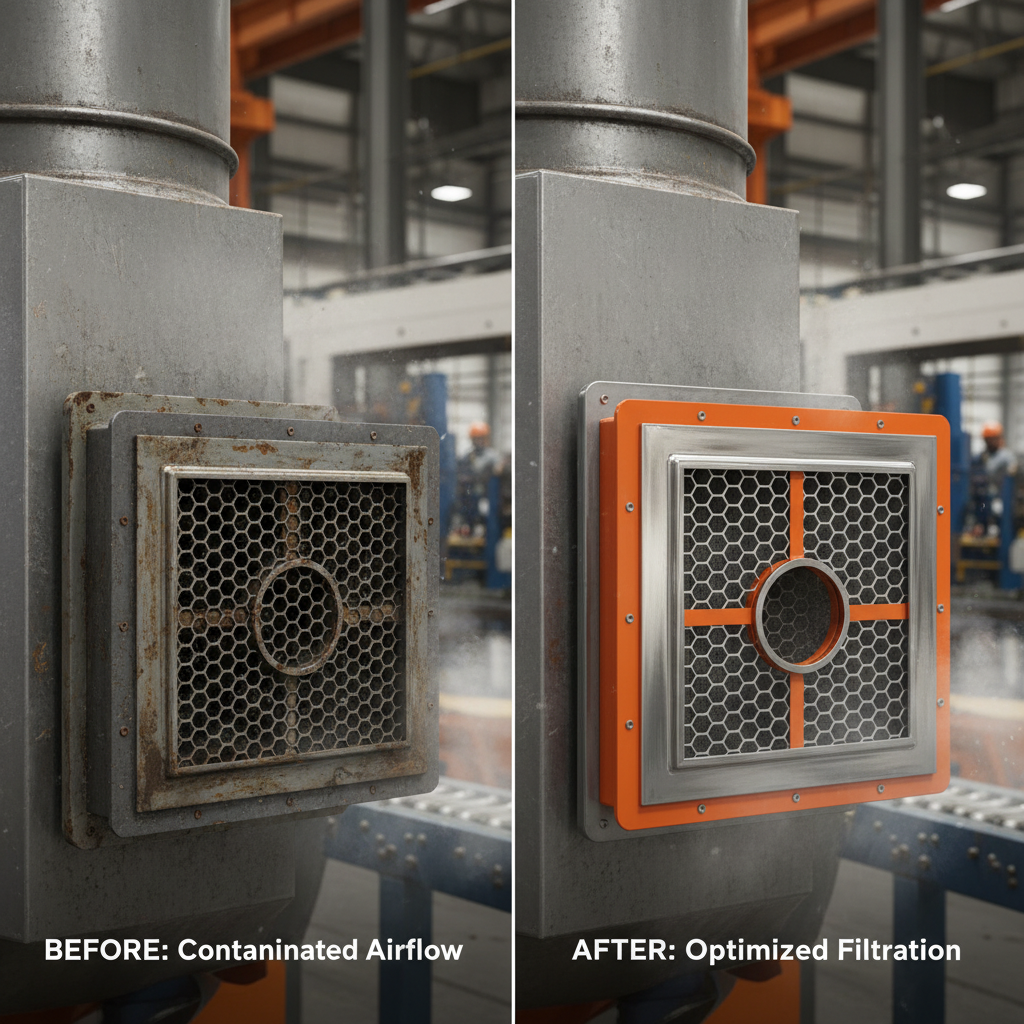
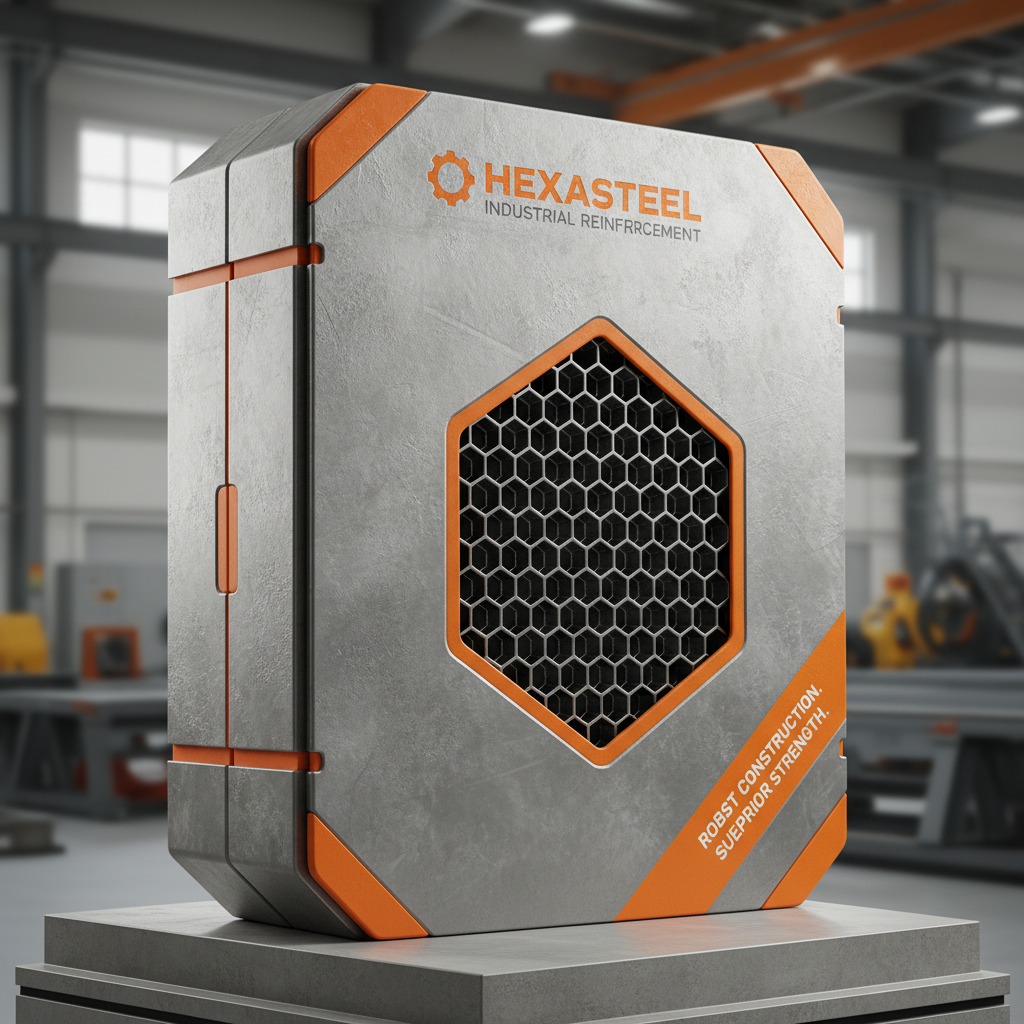
Honeycomb sheet metal – it’s more than just a building material, it’s a problem solver. I’ve spent the last fifteen years on construction sites, hauling materials, talking to engineers, and frankly, getting my hands dirty. And I've seen firsthand how the right materials can make or break a project. Honeycomb structures are popping up everywhere now, and for good reason. They provide an incredible strength-to-weight ratio, are surprisingly versatile, and can really streamline build times. From aerospace to architecture, even automotive, this isn’t just a trend, it’s a fundamental shift in how we think about building things.
What's really driving the demand is the constant pressure to build lighter, stronger, and more efficiently. Traditional materials often force you to compromise – strength means weight, weight means cost. Honeycomb sheet metal offers a way to break that cycle. The core of the structure, typically a hexagonal pattern, distributes load incredibly effectively. I’ve seen it in action, absorbing impacts that would have crumpled conventional panels. It’s also becoming crucial in tackling global challenges, like rapidly deployable shelters and sustainable building practices.
The industry needs solutions that can scale, and scale fast. Whether it's responding to a natural disaster or meeting the demands of a booming population, we need materials that can be manufactured quickly and deployed even faster. Honeycomb sheet metal fits that bill. It’s a versatile platform that can be adapted to a wide range of applications, offering a consistent level of performance and reliability that’s hard to beat.
The Importance of Honeycomb Sheet Metal
Honeycomb sheet metal is rapidly becoming a cornerstone material in numerous industries. Its unique construction delivers an exceptional combination of strength, lightweight properties, and cost-effectiveness. I've seen it make a huge difference in project efficiency, reducing material costs and labor time. It isn't just about building something strong; it's about building something smart.
Frankly, its adaptability is what sets it apart. You can tailor the honeycomb core material, the face sheet materials, and the overall thickness to perfectly match the specific demands of the application. It’s a material that doesn't force you to compromise; it lets you optimize.
Understanding Honeycomb Sheet Metal
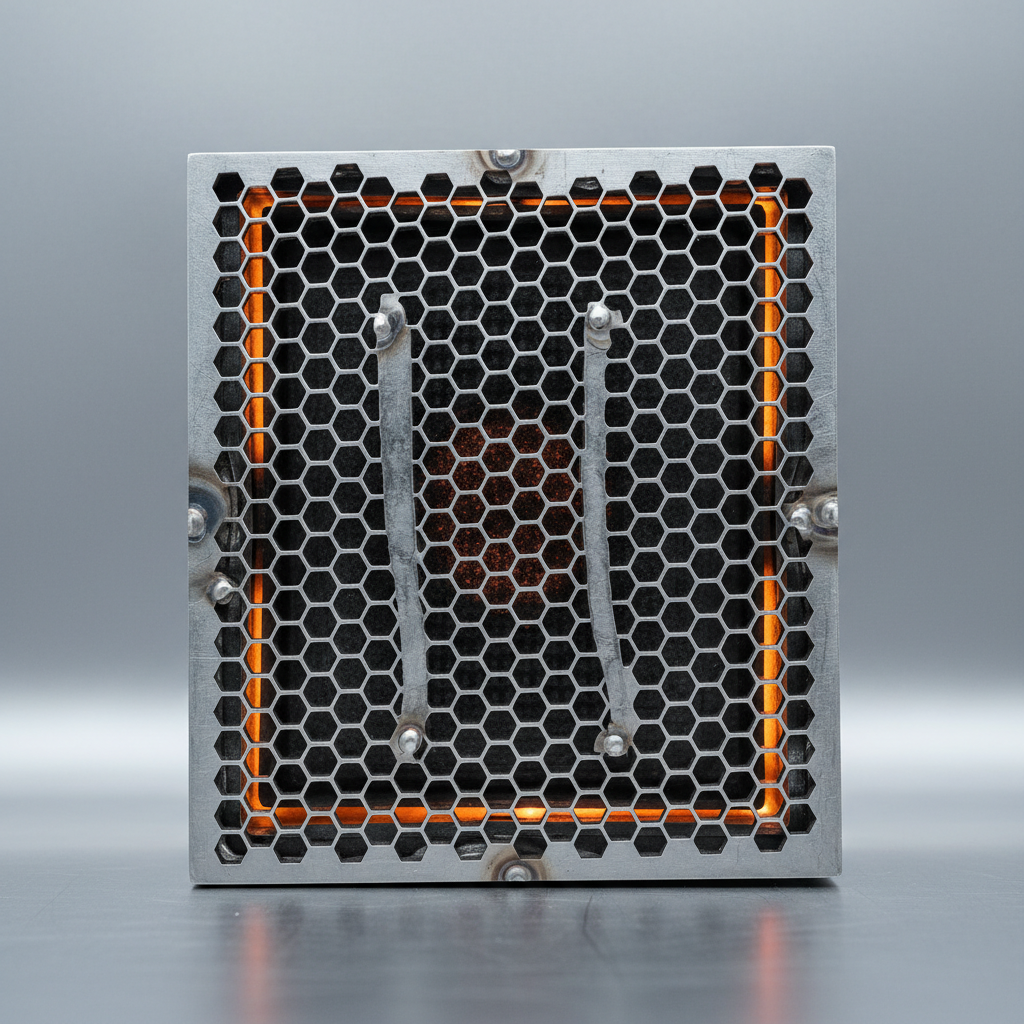
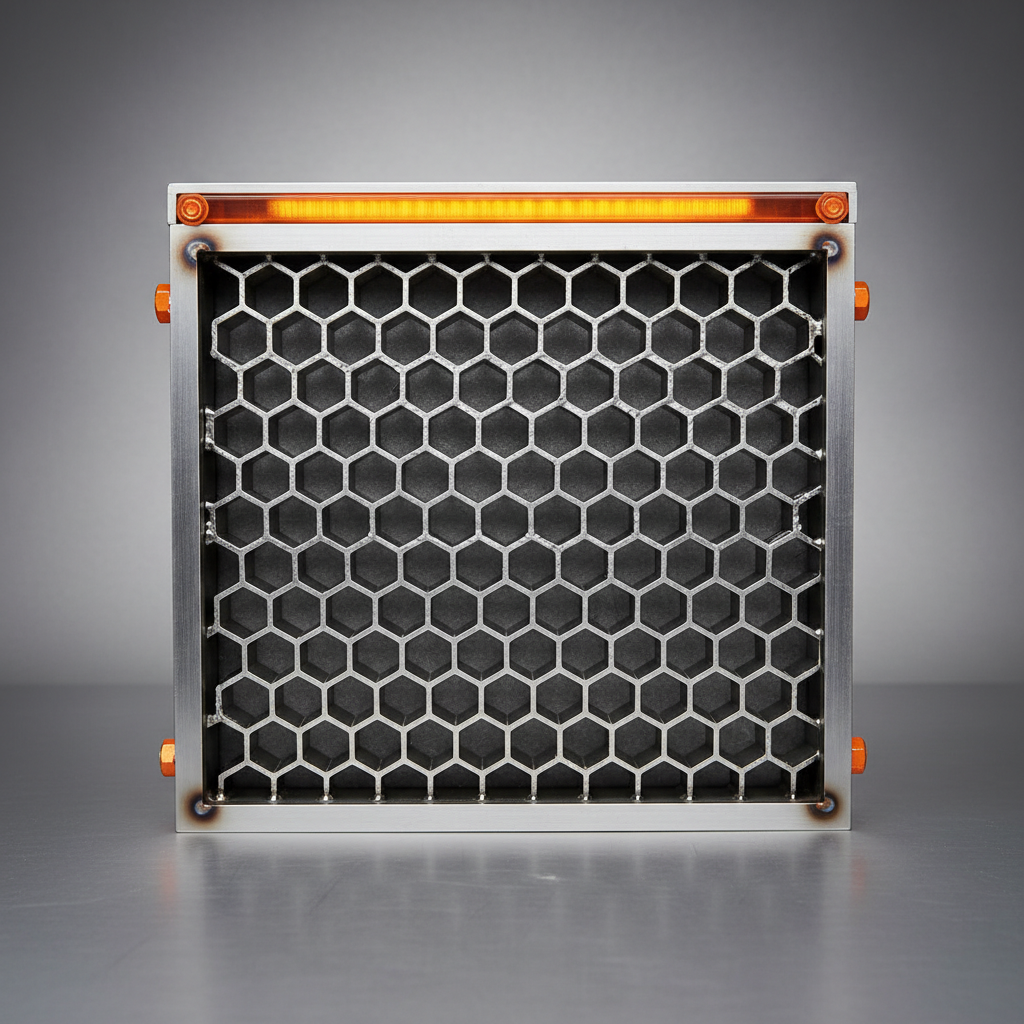
At its simplest, honeycomb sheet metal consists of a honeycomb core sandwiched between two face sheets. The core, most often made of aluminum, but increasingly from materials like Nomex or thermoplastic polymers, provides the structural strength. The face sheets, typically aluminum or composite materials, provide a smooth surface and contribute to overall stiffness. It's a deceptively simple design with incredibly powerful engineering principles at work.
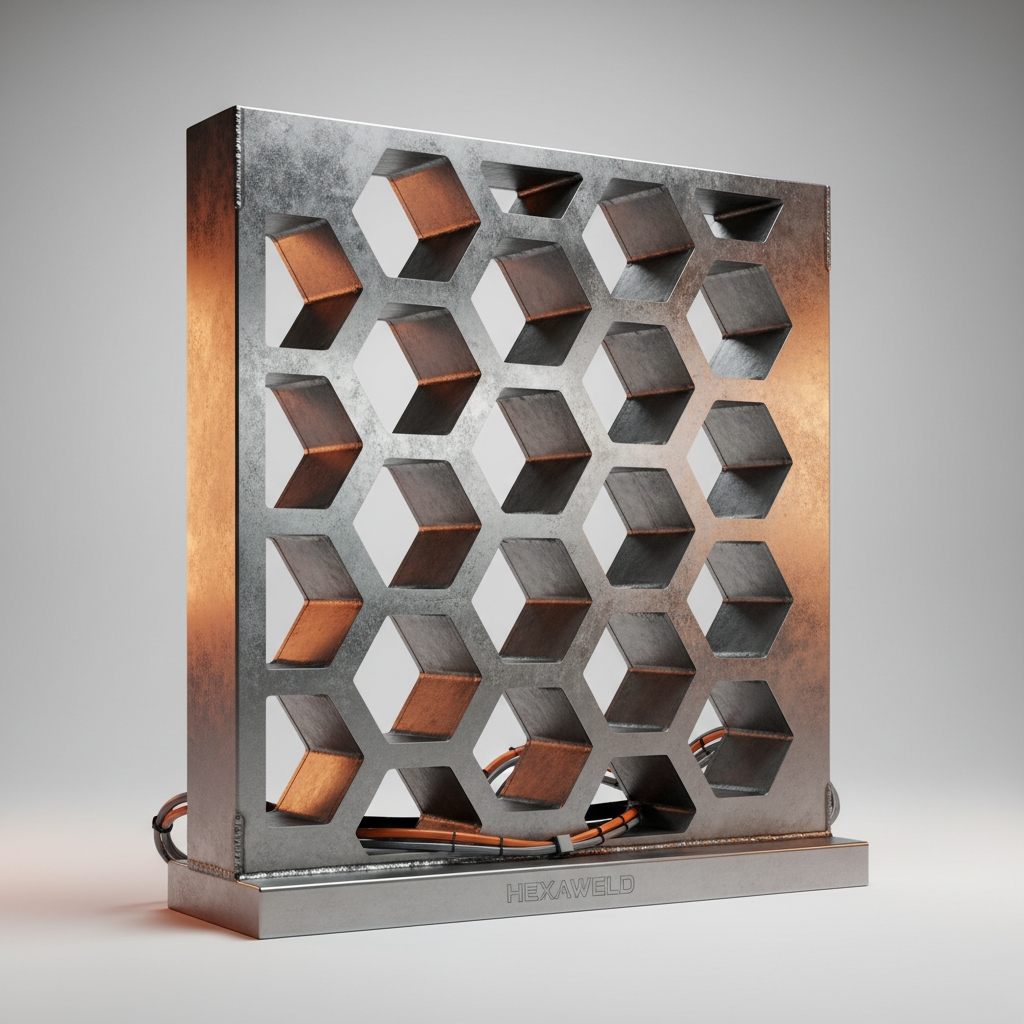
The hexagonal cell shape is crucial. It’s nature’s strongest shape, and it distributes stress evenly across the entire structure. This is why you see it in beehives – and now, in everything from aircraft components to architectural panels. It’s a design that’s been perfected over millions of years.
This construction method isn’t new, but advancements in manufacturing techniques and material science are driving its wider adoption. We're seeing more precise core geometries, stronger bonding adhesives, and a wider range of face sheet options. This means honeycomb sheet metal is becoming viable for even more demanding applications.
Key Factors Driving Adoption
Durability is paramount. Honeycomb sheet metal’s construction provides exceptional resistance to bending, shear, and compression. I've seen panels withstand impacts that would have completely deformed traditional materials. It’s built to last, even in harsh environments.
Weight reduction is a huge factor. In industries like aerospace and automotive, every pound counts. Honeycomb sheet metal offers a substantial weight savings compared to solid materials, leading to improved fuel efficiency and performance. On construction sites, lighter materials mean easier handling and reduced labor costs.
Cost-efficiency is another significant benefit. While the initial cost might be slightly higher than some traditional materials, the overall lifecycle cost is often lower due to reduced weight, improved durability, and faster installation times. Plus, you're often using less material overall, which contributes to sustainability efforts.
Applications Across Industries
Honeycomb sheet metal is popping up everywhere. In the aerospace industry, it's used extensively in aircraft wings, fuselage panels, and control surfaces – the need for lightweight strength is critical there. Automotive manufacturers are using it to reduce vehicle weight and improve fuel efficiency.
The architectural world is also embracing it, employing it in facade panels, roofing systems, and interior design elements. You’ll find it in iconic buildings around the globe. In the marine industry, it’s used in boat hulls and decks for increased strength and buoyancy. Even in the furniture industry, it’s finding a niche in creating lightweight, durable tables and cabinetry.
Honeycomb Sheet Metal Application Breakdown
Advantages and Long-Term Value
The tangible benefits are clear: reduced material costs, faster installation times, and lower transportation expenses. But the long-term value goes beyond the bottom line. Honeycomb sheet metal contributes to more sustainable building practices by reducing material waste and lowering energy consumption.
From a safety perspective, its impact resistance and fire retardant properties offer peace of mind. And frankly, there’s a certain level of innovation and prestige that comes with using cutting-edge materials. It signals a commitment to quality and forward-thinking design.
Future Trends & Innovations
We're seeing a growing focus on sustainable materials. Bioplastics and recycled aluminum are being explored as core and face sheet materials, further reducing the environmental impact of honeycomb structures. I’ve been talking to engineers about incorporating sensors directly into the honeycomb core to create “smart” panels that can monitor stress, temperature, and even detect potential damage.
Automation in manufacturing is also key. Robotics and advanced cutting techniques are driving down production costs and improving precision. Digital twins – virtual replicas of physical honeycomb structures – are being used to optimize designs and predict performance. These advancements are going to open up even more possibilities.
The convergence of additive manufacturing (3D printing) and honeycomb structures is particularly exciting. We’re starting to see customized honeycomb cores tailored to specific load requirements, creating truly optimized structures.
Challenges and Solutions
One of the biggest challenges is joining honeycomb structures. Traditional adhesives can be time-consuming and prone to failure. Researchers are developing new bonding techniques, including ultrasonic welding and laser joining, to create stronger, more durable connections.
Another hurdle is damage repair. Repairing a damaged honeycomb panel can be complex. New repair methods, using patches and specialized adhesives, are being developed to simplify the process. We’re also seeing a move towards modular designs, where damaged sections can be easily replaced.
Finally, educating the construction industry about the benefits and proper handling of honeycomb sheet metal is crucial. Training programs and detailed installation guidelines are essential to ensure successful implementation.
Summary of Challenges and Potential Solutions for Honeycomb Sheet Metal
| Challenge |
Impact on Project |
Current Solutions |
Future Innovations |
| Difficult Joining Processes |
Increased Labor Costs, Potential Structural Weakness |
Improved Adhesive Technologies, Mechanical Fasteners |
Ultrasonic Welding, Laser Joining |
| Complex Damage Repair |
High Repair Costs, Extended Downtime |
Patching with Specialized Adhesives, Sectional Replacement |
Self-Healing Materials, Modular Panel Designs |
| Limited Industry Knowledge |
Incorrect Installation, Suboptimal Performance |
Training Programs, Detailed Installation Guides |
VR Training Simulations, Digital Building Information Modeling (BIM) Integration |
| Material Cost Considerations |
Potential Budget Overruns |
Value Engineering, Lifecycle Cost Analysis |
Recycled Material Integration, Automated Production |
| Core Collapse Under Extreme Load |
Structural Failure, Safety Concerns |
Optimized Core Geometry, High-Strength Core Materials |
Reinforced Core Structures, Advanced Material Composites |
| Moisture Absorption & Corrosion |
Reduced Material Lifespan, Structural Degradation |
Protective Coatings, Corrosion-Resistant Alloys |
Hydrophobic Core Materials, Self-Sealing Coatings |
FAQS
Honeycomb sheet metal offers a superior strength-to-weight ratio, meaning you get comparable or even better structural performance with significantly less material. This translates to reduced costs in materials and transportation, easier handling on-site, and improved fuel efficiency in applications like aerospace and automotive. It also often offers better impact resistance and vibration damping.
Absolutely. When paired with appropriate face sheets and protective coatings, honeycomb sheet metal can withstand a wide range of environmental conditions. Aluminum honeycomb with a durable coating is particularly well-suited for outdoor use, providing excellent resistance to corrosion and UV damage. Proper selection of materials is crucial to ensure longevity in harsh environments.
The core material plays a vital role in determining the structural properties of the panel. Aluminum honeycomb is the most common choice, offering a good balance of strength and cost. However, other materials like Nomex aramid honeycomb provide excellent fire resistance and thermal insulation, while thermoplastic honeycomb offers improved moisture resistance. The choice depends on the specific application requirements.
Lead times can vary depending on the complexity of the order, the materials required, and our current production schedule. Generally, standard configurations can be delivered within 2-4 weeks. Custom designs and larger quantities may require 6-8 weeks or longer. It's always best to discuss your specific needs with our sales team to get an accurate estimate.
Aluminum honeycomb is highly recyclable, making it a sustainable material choice. The aluminum face sheets and core can be readily recycled using standard aluminum recycling processes. We are also actively exploring methods for recycling composite honeycomb materials to minimize waste and promote circular economy principles.
Honeycomb sheet metal is incredibly versatile in terms of customization. We can tailor the core density, cell size, face sheet materials, panel thickness, and overall dimensions to meet your exact specifications. We also offer a range of finishing options, including painting, powder coating, and lamination. We work closely with our clients to develop solutions that perfectly match their needs.
Conclusion
Honeycomb sheet metal represents a significant leap forward in materials technology. Its unique combination of strength, lightweight properties, and versatility makes it an ideal solution for a wide range of applications, from aerospace and automotive to architecture and beyond. By embracing this innovative material, industries can reduce costs, improve performance, and promote more sustainable building practices.
The future of honeycomb sheet metal is bright. Continued advancements in materials science, manufacturing techniques, and design optimization will unlock even more potential. I encourage you to explore how this material can transform your projects and drive innovation in your industry.