Look, I’ve spent the last fifteen years breathing dust on construction sites, wrestling with steel, and trying to make sure projects actually get built on time and under budget. And let me tell you, finding materials that are reliable, lightweight, and can actually speed things up? It's a constant battle. That's where metal honeycomb panel comes in. It's not some fancy lab experiment; it’s a practical solution to real-world problems we face every single day. It's changing how we think about building, from facades to interiors, and even structural components.
We’re constantly dealing with weight restrictions, especially in renovations and high-rise builds. Traditional materials just don’t always cut it. Then there's the issue of thermal performance - keeping buildings energy efficient is crucial, and traditional materials often require a lot of added insulation. And don't even get me started on installation time. Every day saved is money saved, and anything that simplifies the process is a win. Metal honeycomb panel addresses all of these concerns head-on, and that’s why I’m seeing it pop up on more and more job sites.
Honestly, for too long, construction materials have been about compromises. You sacrifice weight for strength, or speed for cost. This stuff really feels like we're getting the best of both worlds. It’s a game changer for project managers, engineers, and the crews on the ground. It's about building smarter, not just harder.
The Core Principles of metal honeycomb panel
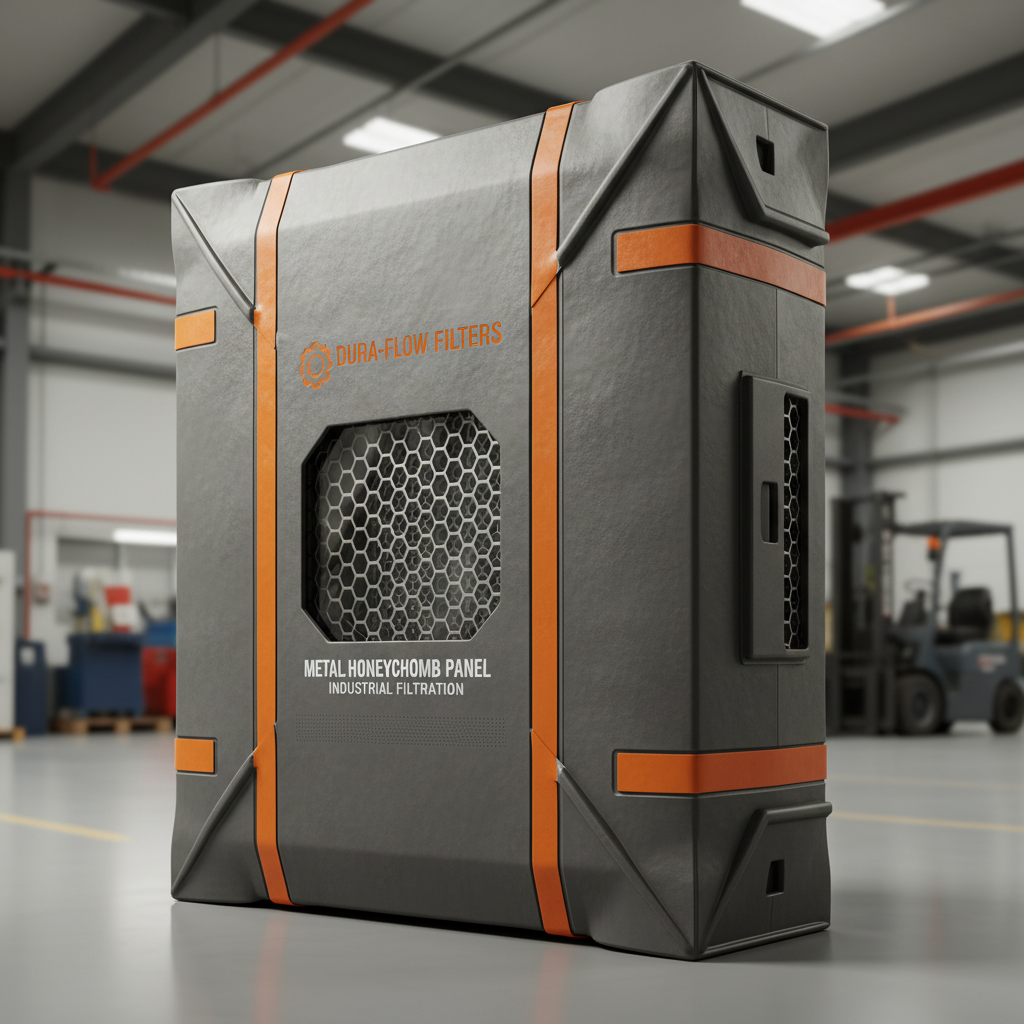
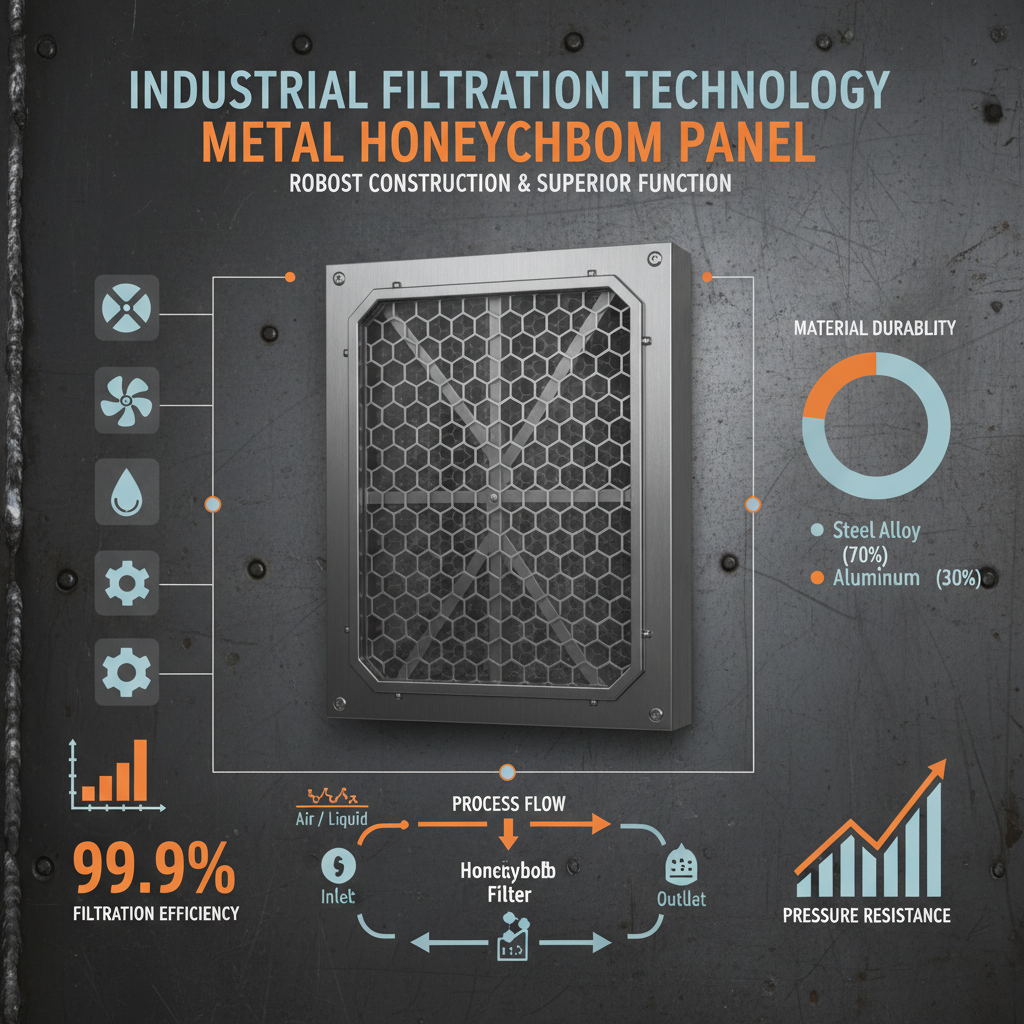
At its heart, metal honeycomb panel is about maximizing strength-to-weight ratio. It’s a sandwich structure – think of two thin, strong metal face sheets bonded to a lightweight metal honeycomb core. This design is inherently rigid and resistant to bending, even with minimal material. We're talking significant weight savings compared to solid metal sheets.
It’s a deceptively simple concept, but the engineering behind getting it right is complex. The cell size, foil thickness, and core density all influence the panel’s performance. You need a consistent, high-quality product, and that’s where choosing the right manufacturer – like HSHI Honeycomb – is crucial. You don't want panels delaminating or losing their integrity mid-project.
Global Relevance and Industry Impact of metal honeycomb panel
Look around the world, and you see metal honeycomb panel showing up everywhere, and for good reason. From the sleek facades of modern skyscrapers in Asia to the lightweight interiors of aircraft globally, the demand is growing. The aerospace industry has been using it for decades to reduce fuel consumption, and that technology is now translating into widespread use in construction, transportation, and even marine applications.
The push for sustainable building practices is also driving adoption. Lighter materials mean reduced transportation costs and lower carbon footprints. Plus, the energy efficiency gains from improved insulation contribute to greener buildings. According to industry reports, the global honeycomb core market is projected to reach billions of dollars in the next few years, and metal honeycomb is a significant driver of that growth.
We’re seeing a surge in demand in emerging markets, too, where rapid urbanization requires fast, efficient building solutions. Metal honeycomb panel offers a way to build quickly, efficiently, and to a high standard, which is essential in these regions.
Defining metal honeycomb panel: A Construction Perspective
From a construction standpoint, metal honeycomb panel isn't just a material; it’s a system. It’s about integrating a lightweight, strong core with compatible facing materials – usually aluminum, steel, or composites – to create a high-performance building component. We're talking about panels that can be used for cladding, roofing, partitioning, flooring, and even structural elements.
Unlike traditional materials, these panels are often prefabricated, meaning they arrive on site ready to install. This drastically reduces on-site labor costs and speeds up construction timelines. I've seen projects shave weeks off their schedules simply by switching to metal honeycomb panel.
It’s also a versatile material. You can easily cut, shape, and finish the panels to meet specific design requirements. They can be perforated, embossed, coated, or even integrated with other building systems, making them a flexible solution for a wide range of architectural styles.
Key Characteristics of metal honeycomb panel for Real-World Applications
There are several key characteristics that make metal honeycomb panel a standout material. First, there’s the incredible strength-to-weight ratio. It's significantly lighter than solid metal, reducing structural loads and lowering material costs. Second, it offers excellent rigidity and dimensional stability, meaning it won't warp or deform over time.
Then you’ve got the thermal and acoustic performance. The honeycomb core acts as an insulator, reducing heat transfer and improving energy efficiency. It also dampens sound, creating quieter and more comfortable interior spaces. These factors translate directly into lower operating costs for building owners.
Comparison of metal honeycomb panel Performance Metrics
Diverse Applications of metal honeycomb panel Across Industries
We’re seeing metal honeycomb panel used in a huge range of applications. In construction, it’s ideal for building facades, roofing, interior walls, and even cleanroom panels. It's a great choice for both new builds and renovations.
Beyond construction, it's popping up in the transportation sector - think train interiors, aircraft components, and even automotive parts. The lightweight nature helps improve fuel efficiency. And in the marine industry, it’s used for boat hulls and decks, offering a combination of strength and corrosion resistance.
The Long-Term Value Proposition of metal honeycomb panel
The initial cost of metal honeycomb panel might be slightly higher than some traditional materials, but when you factor in the long-term benefits, it quickly pays for itself. Reduced weight translates to lower structural support costs. Faster installation times mean lower labor costs. And improved energy efficiency leads to lower operating costs over the life of the building.
It’s also a durable material that requires minimal maintenance, reducing lifecycle costs. And let’s not forget the sustainability aspect – using less material and reducing energy consumption are both significant environmental benefits. It's a solid investment for building owners and developers.
From a safety perspective, it often exceeds code requirements for fire resistance and structural integrity, providing peace of mind for occupants.
Future Innovations and Trends in metal honeycomb panel Technology
The future of metal honeycomb panel is looking bright. We’re seeing ongoing research into new core materials, including bio-based and recycled options, to further enhance sustainability. There’s also a lot of innovation happening in the area of surface coatings and finishes, to improve aesthetics and durability.
I expect to see more integration with smart building technologies, such as sensors and actuators, embedded directly into the panels. This will allow for real-time monitoring of building performance and automated adjustments to optimize energy efficiency and comfort.
Digital fabrication techniques, like robotic cutting and assembly, are also poised to revolutionize the manufacturing process, making it faster, more precise, and more cost-effective.
Summary of Challenges and Potential Solutions in metal honeycomb panel Implementation
| Challenge |
Impact on Project |
Potential Solution |
Implementation Cost (1-10) |
| High Initial Material Cost |
Budget constraints and potential project delays |
Value engineering, focusing on long-term cost savings |
6 |
| Limited Availability of Skilled Installers |
Increased labor costs and potential installation errors |
Specialized training programs for construction crews |
7 |
| Potential for Delamination in Harsh Environments |
Reduced panel lifespan and structural integrity |
High-performance adhesives and protective coatings |
5 |
| Challenges with Fire Resistance Certification |
Compliance issues and potential safety hazards |
Fire-retardant core materials and rigorous testing |
8 |
| Limited Design Flexibility for Complex Geometries |
Constraints on architectural design possibilities |
Advanced digital fabrication and customized panel designs |
4 |
| Supply Chain Disruptions |
Project delays and increased material costs |
Diversifying suppliers and building strategic partnerships |
6 |
FAQS
The biggest advantages boil down to weight and strength. Metal honeycomb panels are significantly lighter than solid metal, reducing structural loads and material costs. However, they maintain comparable, and often superior, strength and rigidity. This makes them ideal for projects where weight is a concern, like retrofits or high-rise buildings. You're also getting improved thermal and acoustic performance, which adds to the value.
Fire resistance is a critical consideration, and metal honeycomb panels can be engineered to meet stringent fire safety standards. The core material is often non-combustible, and the facing sheets can be treated with fire-retardant coatings. It's important to verify that the specific panel you're using has been tested and certified to meet the relevant building codes and regulations for your location. Testing like ASTM E84 and UL 94 are common standards.
With proper installation and maintenance, metal honeycomb panels can have a very long lifespan – often 30 years or more. They are relatively low-maintenance, but regular inspections are recommended to identify and address any potential issues, such as damage to the facing sheets or sealant failures. Periodic cleaning to remove dirt and debris will also help preserve their appearance and performance.
Absolutely. One of the key benefits of metal honeycomb panels is their versatility. They can be easily cut, shaped, perforated, embossed, and coated to meet a wide range of aesthetic and functional requirements. Manufacturers can also create custom panel sizes and configurations to fit specific project needs. Digital fabrication techniques are making even complex geometries achievable.
The initial cost of metal honeycomb panels can be higher than some traditional materials like solid metal or wood. However, when you consider the long-term benefits – reduced weight, faster installation, lower energy costs, and minimal maintenance – the overall cost of ownership can be significantly lower. It’s about looking at the lifecycle cost, not just the upfront price.
A wide variety of finishes and coatings are available to protect the panels from corrosion, UV damage, and abrasion, and to enhance their aesthetic appeal. Common options include powder coating, anodizing, PVDF coating, and painted finishes. The choice of finish will depend on the specific application and environmental conditions.
Conclusion
Metal honeycomb panel is more than just a building material; it’s a smarter way to build. It offers a compelling combination of strength, lightweight properties, energy efficiency, and design flexibility. From reducing construction costs to improving sustainability, the benefits are clear. It’s a solution that addresses real-world challenges faced by builders, architects, and engineers every single day.
As technology continues to advance, and the demand for sustainable building practices grows, I expect to see metal honeycomb panel become even more prevalent in the construction industry. If you're looking for a material that can help you build better, faster, and more efficiently, I highly recommend exploring the possibilities. Visit our website at www.hshihoneycomb.com to learn more.