Look, I've spent the last fifteen years crawling around construction sites, getting my hands dirty with materials, and frankly, solving problems that fancy engineers in offices don't even know exist. And let me tell you, when it comes to lightweight, strong structures, steel honeycomb sheet is a game changer. It's not just a material; it's a solution to a whole heap of headaches we face daily. We're talking about cutting down on weight, boosting strength, and speeding up build times – all things that translate to real money saved and projects completed on schedule.
For years, we’ve been wrestling with traditional materials, constantly trying to balance strength with weight. Wood rots, aluminum bends, and steel is… well, steel is heavy. Steel honeycomb sheet gives us the best of both worlds. It’s incredibly strong, lightweight enough to handle with less heavy machinery, and surprisingly versatile. It’s moved beyond niche applications now; it’s becoming a go-to for everything from flooring to wall panels.
It’s not hype, folks. It’s a practical, demonstrable improvement in how we build. We need materials that are easy to work with, durable enough to withstand the elements, and cost-effective enough to keep projects within budget. Steel honeycomb sheet checks all those boxes, and that’s why I’m seeing it specified on more and more projects.
The Core Strength of steel honeycomb sheet
This isn't just about making things lighter. It's about fundamentally changing how we approach structural design. Steel honeycomb sheet offers an exceptional strength-to-weight ratio, meaning you get incredible rigidity and load-bearing capacity without the bulk of traditional materials. I’ve seen it used to reinforce floors in renovations where adding more weight just wasn't an option.
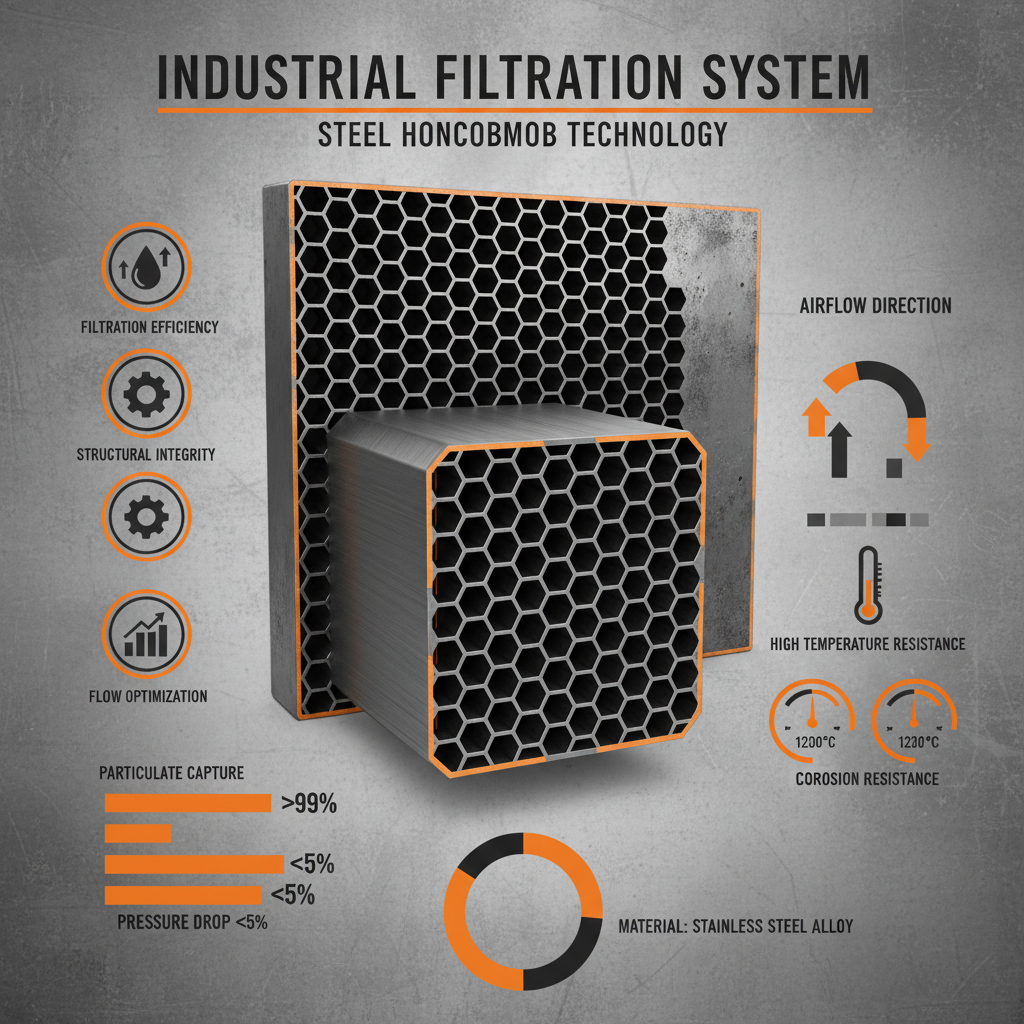
The honeycomb structure itself is the key. It's like nature's own engineering – think beehives. It distributes stress efficiently, preventing localized failures. It’s a smarter way to build, and it translates to safer, more durable structures. It also means fewer support columns and more open space. That’s a win for architects and a win for clients.
Global Demand and Market Relevance
The demand for lightweight, high-strength materials is only going up, driven by factors like urbanization, infrastructure development, and a growing focus on sustainable building practices. Globally, we're seeing a surge in demand from sectors like aerospace, automotive, and, of course, construction. According to a recent report from the World Bank, infrastructure spending is projected to reach trillions of dollars over the next decade, and materials like steel honeycomb sheet are poised to capture a significant share of that market.
The ISO standards for building materials are becoming increasingly stringent, demanding higher performance and greater sustainability. Steel honeycomb sheet consistently meets and exceeds these standards, making it a preferred choice for projects that require certifications and approvals. It’s not just about being strong; it’s about being compliant and future-proof.
Frankly, the old ways of doing things aren’t cutting it anymore. We need materials that are adaptable, efficient, and environmentally responsible. Steel honeycomb sheet addresses these needs head-on.
Defining the Construction Material: steel honeycomb sheet
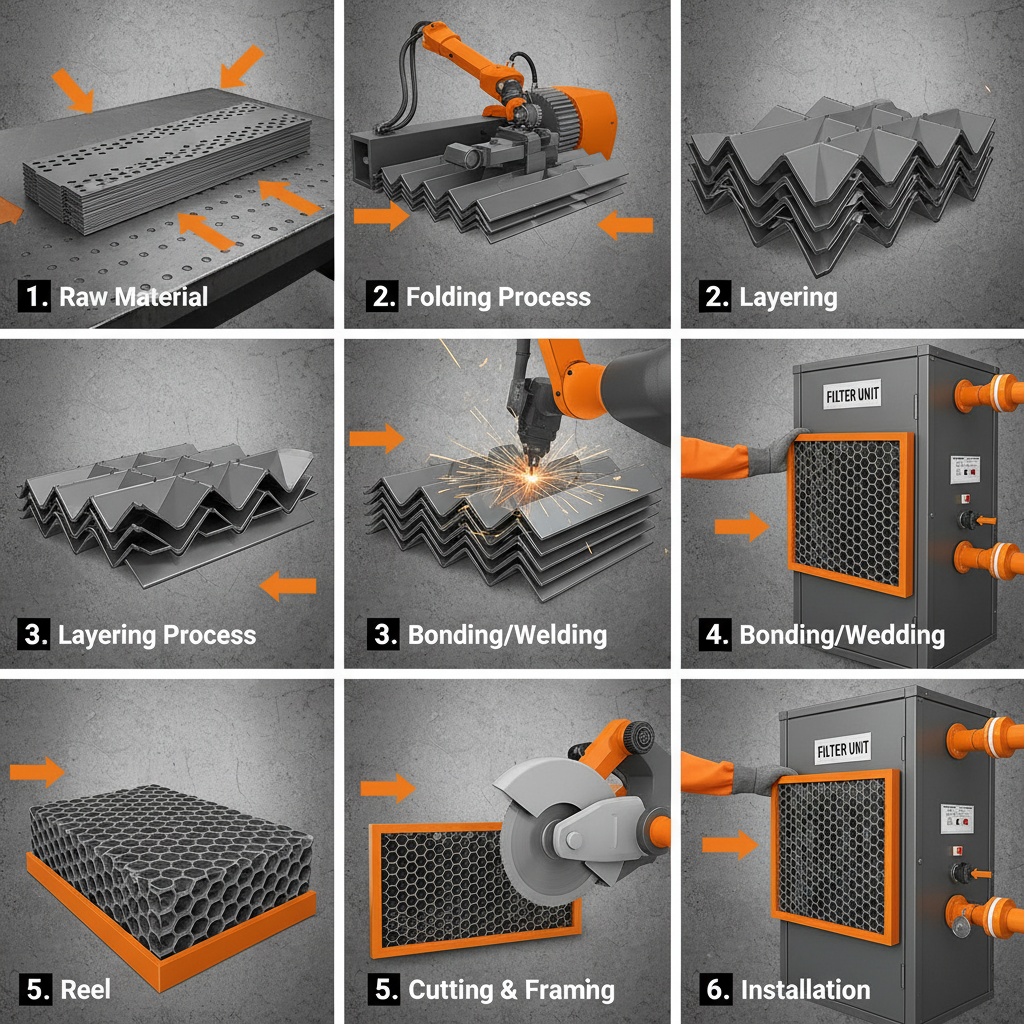
At its core, steel honeycomb sheet is a lightweight structural material manufactured by bonding thin steel foils to a honeycomb core, typically made of expanded metal foil. This creates a sandwich-like structure with exceptional strength and rigidity. It’s not a solid block of steel, which is why it's so much lighter.
This isn't some newfangled invention. The principles behind honeycomb structures have been around for decades, inspired by nature. But the advancements in manufacturing techniques and materials science have made steel honeycomb sheet a viable and increasingly popular option for a wide range of applications. We’re talking precise engineering and quality control here.
It’s crucial to understand that this isn’t just a replacement for solid steel. It’s a different approach, offering unique benefits that traditional materials can’t match. It’s about choosing the right tool for the job, and in many cases, steel honeycomb sheet is that tool.
Key Performance Characteristics
Let's talk brass tacks. What makes this stuff actually work? First, you've got the incredible strength-to-weight ratio, as we discussed. Then there's the excellent shear resistance – it holds up incredibly well under stress. And it’s surprisingly good at absorbing energy, making it ideal for impact-resistant applications.
Here’s a quick breakdown of how different manufacturing methods affect performance:
Performance Comparison of steel honeycomb sheet Manufacturing Methods
Applications Across Industries
We're seeing steel honeycomb sheet pop up everywhere. In construction, it’s used for flooring, roofing, wall panels, and even façade cladding. It's becoming a favorite for architects designing modern, lightweight buildings.
Outside of construction, it’s huge in the transportation industry – think train floors, aircraft interiors, and even automotive components. And it's finding its way into specialized applications like cleanrooms, where its lightweight and hygienic properties are highly valued.
Long-Term Benefits and ROI
Look, at the end of the day, everything comes down to cost. But with steel honeycomb sheet, it’s not just about the initial material cost. It’s about the long-term savings. Reduced weight means lower transportation costs, faster installation times, and potentially reduced foundation requirements.
The durability of the material translates to lower maintenance costs over the life of the structure. And let's not forget the sustainability aspect. It’s a recyclable material, and its lightweight nature reduces the carbon footprint associated with transportation. It's a smart investment that pays off in multiple ways.
This isn’t just about building structures; it’s about building a better future.
Future Innovations and Sustainability
The research and development around steel honeycomb sheet is happening fast. We’re seeing advancements in coating technologies to improve corrosion resistance and further enhance durability. There’s also work being done to integrate smart materials into the honeycomb structure, creating self-sensing and self-healing components.
Sustainability is a huge driver of innovation. Researchers are exploring the use of recycled steel in the manufacturing process, further reducing the environmental impact. And the inherent lightweight nature of the material aligns perfectly with the push for more energy-efficient buildings and transportation systems.
We’re on the cusp of a new era in materials science, and steel honeycomb sheet is at the forefront.
Summary of Challenges and Potential Solutions for steel honeycomb sheet Implementation
| Challenge Area |
Current Limitation |
Proposed Solution |
Implementation Timeline |
| Cost |
Higher initial material cost compared to traditional materials |
Optimize manufacturing processes, explore recycled steel sources |
Short-term (1-2 years) |
| Design Complexity |
Requires specialized design software and expertise |
Develop user-friendly design tools and training programs |
Medium-term (3-5 years) |
| Connection Details |
Creating secure and reliable connections can be challenging |
Develop standardized connection systems and testing protocols |
Short-term (1-2 years) |
| Corrosion Resistance |
Steel is susceptible to corrosion in harsh environments |
Implement advanced coating technologies and corrosion inhibitors |
Ongoing (continuous improvement) |
| Supply Chain Availability |
Limited number of suppliers globally |
Encourage new entrants into the market and diversify supply sources |
Medium-term (3-5 years) |
| Public Awareness |
Lack of awareness among builders and specifiers |
Industry education programs and demonstration projects |
Ongoing (continuous marketing) |
FAQS
Steel itself is non-combustible, offering inherent fire resistance. However, the overall fire performance of a steel honeycomb structure depends on factors like the facing materials used and the specific construction configuration. Testing and certification according to relevant building codes (like ASTM E84 or UL 723) are crucial to determine its fire rating. Properly designed and protected, steel honeycomb can meet stringent fire safety requirements and provide a robust barrier against flame spread.
While fiberglass composites are lightweight, steel honeycomb generally offers superior strength-to-weight ratio and impact resistance. Fiberglass can be prone to delamination and is more susceptible to environmental degradation. Steel honeycomb provides a more rigid and durable structure, making it ideal for applications requiring high load-bearing capacity and long-term performance. Furthermore, steel is fully recyclable, offering a more sustainable lifecycle compared to fiberglass.
Yes, with proper surface treatment and protective coatings, steel honeycomb sheet is well-suited for exterior applications. Coatings like galvanizing, powder coating, or specialized polymer finishes provide excellent corrosion resistance against moisture, UV radiation, and other environmental factors. The honeycomb core itself is protected within the sandwich structure, minimizing exposure to the elements and ensuring long-term durability.
Lead times for custom steel honeycomb sheet panels vary depending on the complexity of the order, the size of the panels, and current production capacity. Typically, expect a lead time of 4-8 weeks for standard orders, and potentially longer for highly customized or large-volume projects. It's always best to discuss your specific requirements with a supplier to get an accurate timeline.
Steel honeycomb sheet can be readily fabricated using standard metalworking tools. Cutting can be done with saws or CNC machines. Drilling requires carbide-tipped drill bits to avoid damaging the honeycomb core. However, it's important to follow manufacturer's guidelines and use appropriate safety precautions. Some suppliers also offer pre-fabricated panels to reduce on-site labor and ensure precision.
The lifespan of a structure built with steel honeycomb sheet is comparable to that of traditional steel structures, often exceeding 50 years with proper maintenance. The material's inherent durability, corrosion resistance (with appropriate coatings), and resistance to fatigue contribute to its long-term performance. Regular inspections and timely repairs can further extend its lifespan.
Conclusion
Steel honeycomb sheet isn't just another building material; it’s a fundamentally different way of thinking about construction. It delivers on strength, weight, durability, and sustainability – the things we need to be focusing on in the 21st century. It's about working smarter, not harder, and building structures that are built to last.
The future of building is lightweight, efficient, and sustainable. I urge you, if you’re involved in construction or design, to take a closer look at steel honeycomb sheet. It might just change the way you build. For more information and to explore how it can benefit your next project, visit our website: www.hshihoneycomb.com.