Steel honeycomb panels represent a significant advancement in material science, offering a unique combination of lightweight construction, exceptional strength, and cost-effectiveness. Their applications span diverse industries, from aerospace and automotive to construction and packaging, driven by the demand for high-performance materials that reduce weight without compromising structural integrity. Understanding the nuances of steel honeycomb panels is crucial for engineers, designers, and manufacturers seeking innovative solutions for their projects.
Globally, the demand for efficient and sustainable materials is surging, fueled by environmental concerns and the need for resource optimization. Steel honeycomb panels directly address this need, providing a material that maximizes strength-to-weight ratio, minimizing material consumption and transportation costs. This makes them particularly relevant in rapidly developing economies and environmentally conscious regions. Moreover, their inherent design lends itself to customization, enabling tailored solutions for complex engineering challenges.
The versatility of steel honeycomb panels extends beyond mere structural applications. They are increasingly employed in noise reduction, vibration damping, and thermal insulation, further broadening their appeal across various sectors. As industries continue to prioritize performance, efficiency, and sustainability, the role of steel honeycomb panels will only become more prominent in shaping the future of material engineering.
Introduction to Steel Honeycomb Panels
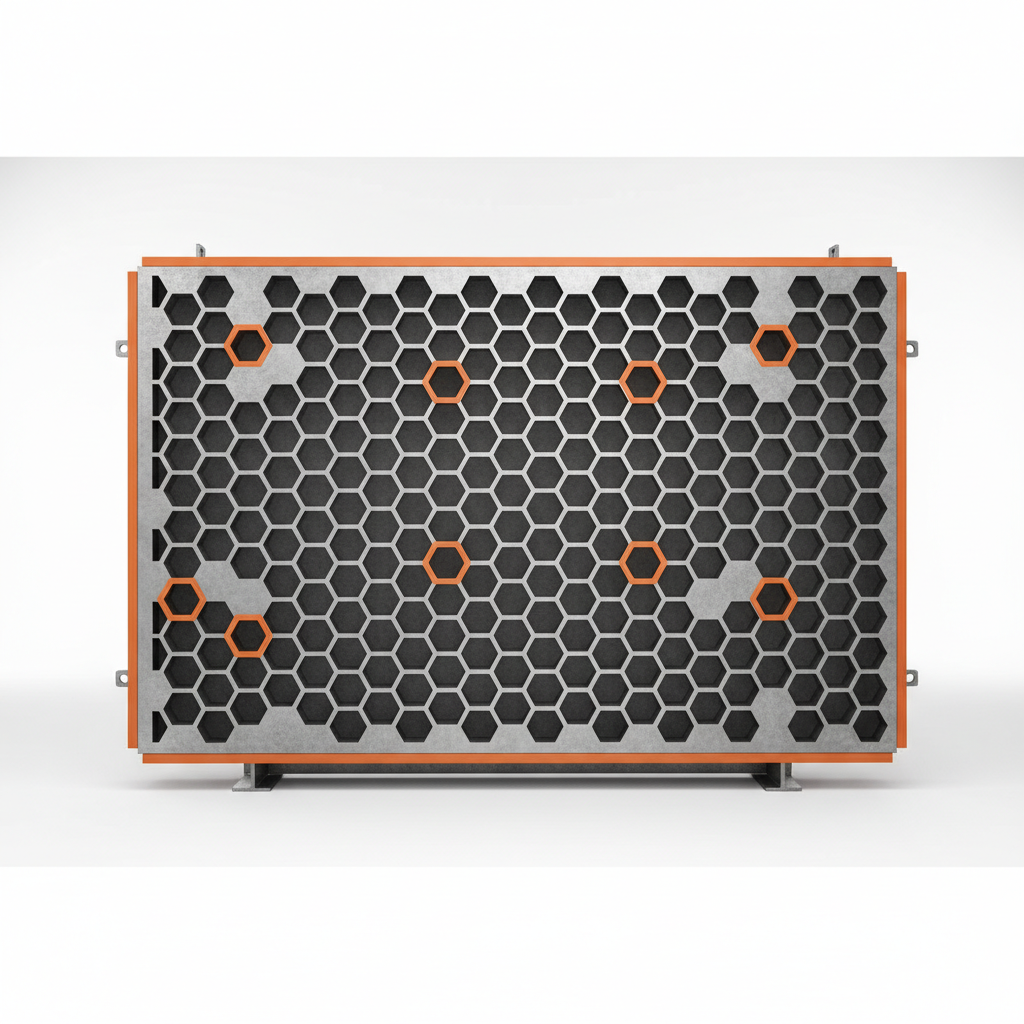
Steel honeycomb panels are engineered composite structures consisting of a lightweight steel honeycomb core sandwiched between two steel face sheets. This construction creates a panel that is remarkably strong and rigid for its weight. The honeycomb core provides exceptional compressive strength and shear resistance, while the face sheets contribute to bending strength and surface durability.
These panels are not merely a structural element; they are a versatile material solution. Their unique characteristics unlock opportunities in demanding applications where weight reduction, stiffness, and durability are paramount. The precision engineering involved in their manufacture ensures consistent performance and reliability, making them a favored choice for projects requiring exacting standards.
Defining Steel Honeycomb Panels
At its core, a steel honeycomb panel is a sandwich-structured composite material. It's built by bonding a lightweight, hexagonal steel honeycomb core between two thin, yet strong, steel face sheets. This design mimics nature’s own efficient structures, like beehives, distributing loads efficiently and maximizing strength-to-weight ratio. It differs significantly from solid steel plates, offering comparable or superior strength at a fraction of the weight.
The connection between steel honeycomb panels and modern industry is deeply rooted in the pursuit of efficiency. As industries like aerospace, automotive, and construction strive to reduce fuel consumption, improve performance, and minimize material waste, lightweight materials like steel honeycomb panels become invaluable. They address the need for high-strength, low-weight components that can withstand demanding operating conditions.
Importantly, steel honeycomb panels can contribute to humanitarian needs by providing rapidly deployable shelters, lightweight transportable structures, and durable building components in disaster relief situations. Their ease of assembly and relatively low transportation costs make them an attractive solution for addressing urgent housing and infrastructure challenges globally.
Core Characteristics of Steel Honeycomb Panels
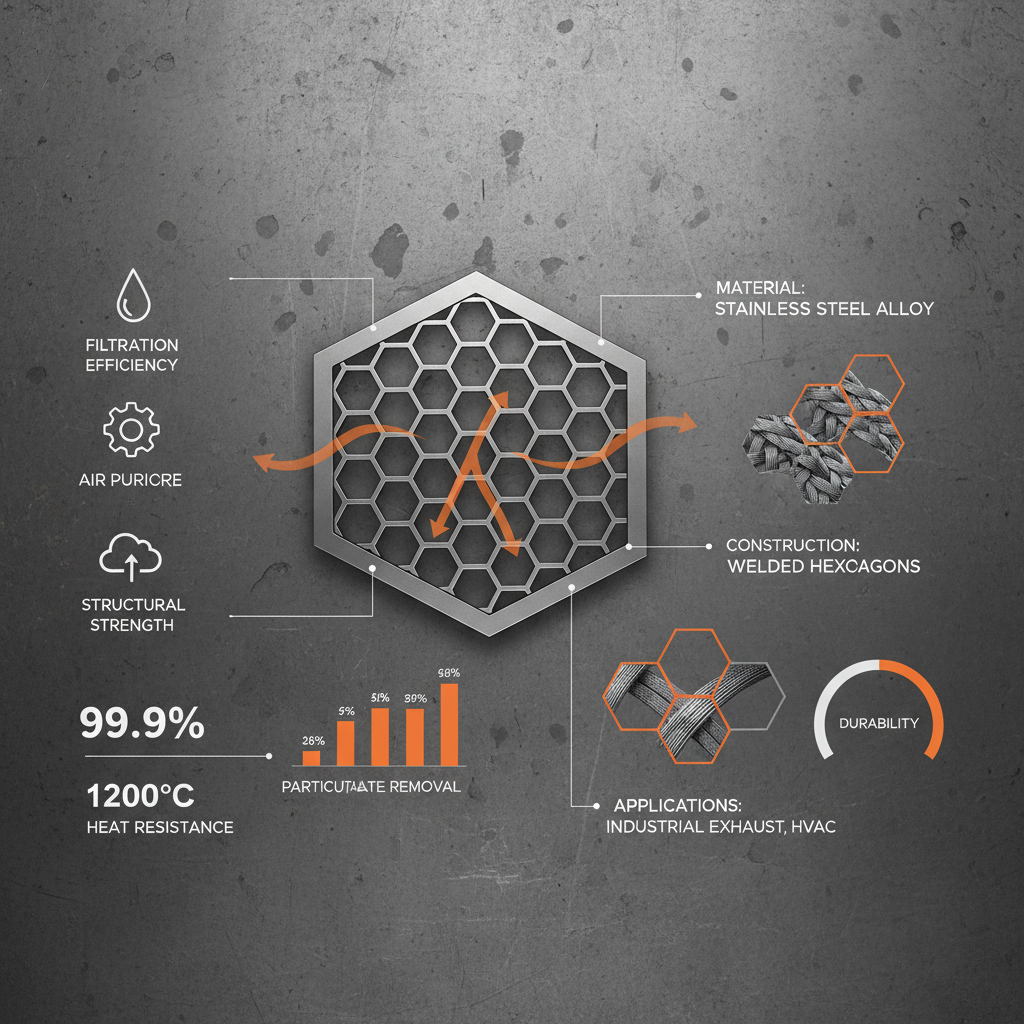
Durability stands as a key characteristic of steel honeycomb panels. The inherent strength of steel, combined with the structural efficiency of the honeycomb core, creates a panel resistant to deformation, impact, and fatigue. This robustness translates to longer service life and reduced maintenance costs, making them a cost-effective long-term investment.
Another fundamental characteristic is their superior strength-to-weight ratio. Compared to traditional solid steel panels, steel honeycomb panels offer comparable strength at a significantly reduced weight. This weight reduction translates directly to lower transportation costs, easier handling, and reduced structural loads.
Furthermore, steel honeycomb panels exhibit excellent rigidity and dimensional stability. The honeycomb core resists bending and warping, ensuring that the panel maintains its shape and integrity under load. This stability is crucial in applications requiring precise tolerances and consistent performance. They are also remarkably versatile regarding finishing and surface treatments.
Key Performance Metrics of Steel Honeycomb Panels
Evaluating the performance of steel honeycomb panels requires considering several key metrics. One crucial aspect is compressive strength, which reflects the panel's ability to withstand loads applied perpendicular to its surface. Higher compressive strength indicates greater resistance to buckling and crushing.
Shear strength is another critical metric, measuring the panel's resistance to forces applied parallel to its surface. High shear strength is essential for applications where the panel is subjected to torsional loads or lateral forces. Furthermore, the bending stiffness of the panel dictates its resistance to deformation under bending loads.
Performance Comparison of Steel Honeycomb Panel Manufacturing Methods
Global Applications of Steel Honeycomb Panels
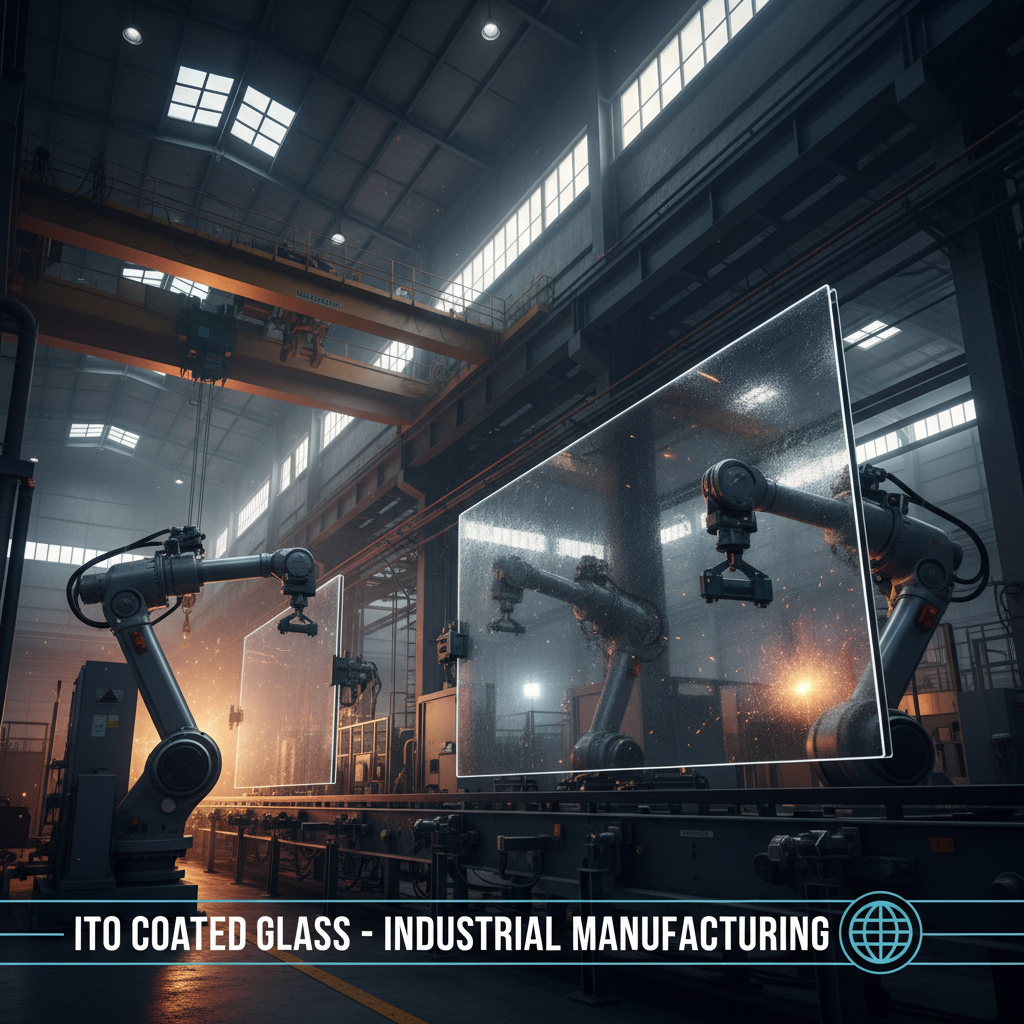
The aerospace industry is a significant consumer of steel honeycomb panels, utilizing them in aircraft flooring, control surfaces, and interior components. The lightweight nature of these panels contributes to fuel efficiency and improved aircraft performance. Automotive manufacturers leverage steel honeycomb panels in body panels, structural components, and interior trim to reduce vehicle weight and enhance safety.
In the construction sector, steel honeycomb panels find applications in wall panels, roofing systems, and flooring structures. Their high strength-to-weight ratio and ease of installation make them ideal for both commercial and residential buildings. Beyond these core industries, steel honeycomb panels are used in transportation, marine applications, and even specialized packaging solutions. In post-disaster relief operations, they provide rapid deployment of shelters and temporary structures.
The Advantages and Long-Term Value of Steel Honeycomb Panels
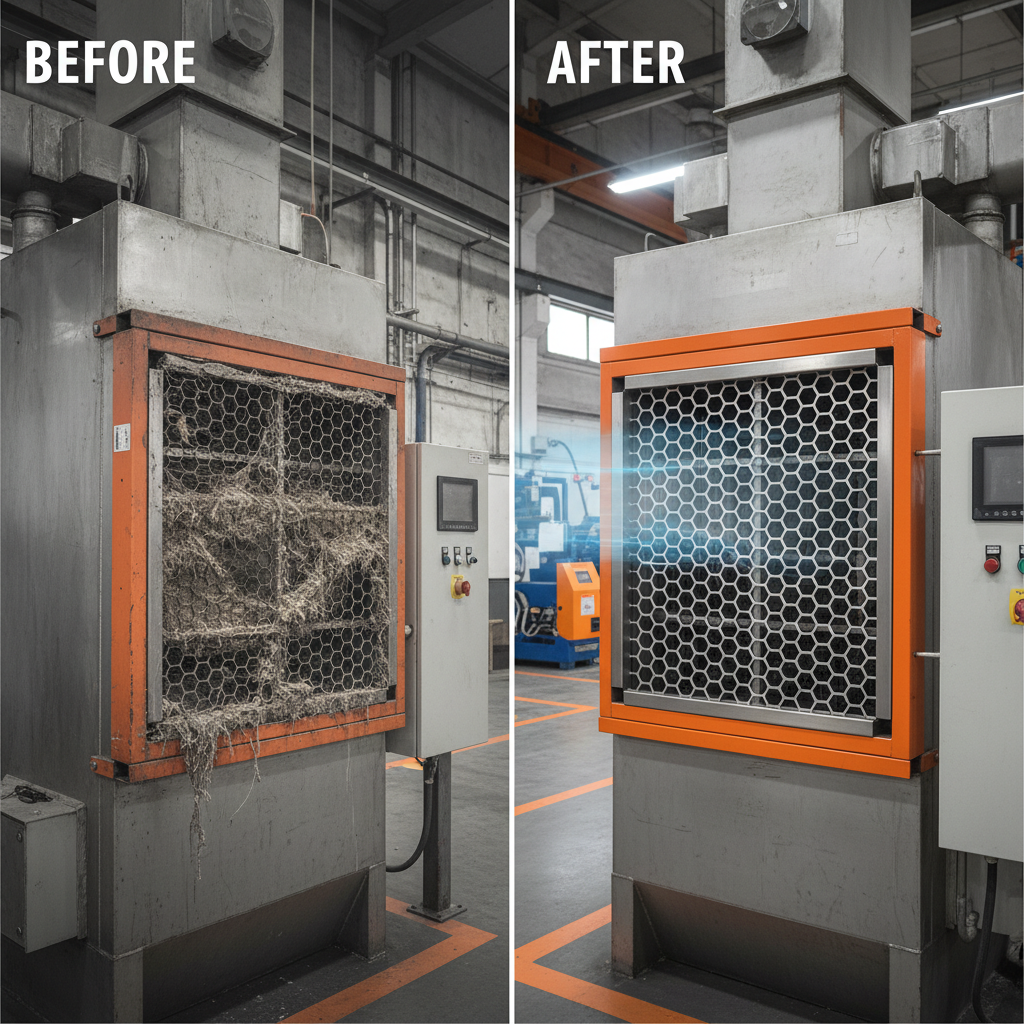
The tangible benefits of employing steel honeycomb panels are numerous. Cost efficiency is achieved through reduced material usage, lower transportation expenses, and simplified installation processes. Their inherent durability translates to extended service life and decreased maintenance requirements, further minimizing long-term costs. From a sustainability perspective, the lightweight nature of these panels reduces energy consumption throughout their lifecycle.
Beyond these practical advantages, steel honeycomb panels offer significant emotional and logical value. The enhanced safety provided by their robust construction fosters trust and peace of mind. The innovative design and superior performance contribute to brand reputation and a perception of technological advancement. Ultimately, investing in steel honeycomb panels represents a commitment to quality, performance, and long-term value.
Future Trends and Challenges in Steel Honeycomb Panel Technology
Future trends in steel honeycomb panel technology are focusing on integrating advanced materials and manufacturing processes. Research into high-strength steel alloys and innovative bonding techniques promises to further enhance the performance and durability of these panels. Automation and digital manufacturing are streamlining production, reducing costs, and improving quality control.
The convergence of steel honeycomb panels with green energy initiatives is creating new opportunities. Their lightweight properties make them ideal for wind turbine blades and solar panel support structures, contributing to renewable energy generation. Simultaneously, challenges remain in optimizing material selection, reducing production costs, and addressing end-of-life recyclability.
The potential for incorporating smart sensors and embedded systems into steel honeycomb panels is also emerging, enabling real-time monitoring of structural health and performance. These advancements will pave the way for more efficient, sustainable, and intelligent infrastructure solutions.
FAQS
Steel honeycomb panels offer a significantly improved strength-to-weight ratio compared to solid steel. This means you get comparable strength with considerably less material, resulting in lower costs, easier handling, and reduced structural loads. They also offer excellent rigidity and dimensional stability, making them ideal for applications requiring precise tolerances.
Steel honeycomb panels exhibit excellent sound and vibration damping characteristics. The honeycomb core effectively absorbs and dissipates energy, reducing noise transmission and minimizing vibrations. This makes them a valuable solution in applications where noise control is critical, such as in aircraft interiors or industrial environments.
Like all steel products, steel honeycomb panels can be susceptible to corrosion if not properly protected. However, various protective measures are available, including galvanizing, powder coating, and painting with corrosion-resistant primers. The choice of protective coating depends on the specific application and environmental conditions.
Lead times for custom-designed steel honeycomb panels vary depending on the complexity of the design, the quantity ordered, and the availability of materials. Generally, lead times range from 4 to 8 weeks. We strive to provide accurate and timely delivery estimates for each project.
Steel honeycomb panels can be joined to other structures using a variety of methods, including bonding with structural adhesives, mechanical fastening with screws or rivets, and welding. The choice of joining method depends on the specific application, load requirements, and compatibility of materials.
With proper installation and maintenance, steel honeycomb panels can have a lifespan of several decades. Regular inspection for damage or corrosion is recommended, along with periodic cleaning and reapplication of protective coatings as needed. Overall, they require minimal maintenance compared to traditional building materials.
Conclusion
In conclusion, steel honeycomb panels represent a transformative material technology with far-reaching implications across numerous industries. Their unique combination of lightweight construction, exceptional strength, durability, and versatility makes them an ideal solution for a wide range of applications. From aerospace and automotive to construction and beyond, these panels are enabling engineers and designers to push the boundaries of innovation and performance.
Looking ahead, continued research and development in materials science and manufacturing processes will further enhance the capabilities of steel honeycomb panels. Embracing these advancements will unlock even greater opportunities for efficiency, sustainability, and resilience in the built environment. To learn more about how steel honeycomb panels can benefit your project, visit our website at steel honeycomb panels.