Honeycomb vent panels are more than just a building material; they’re a solution born from years of seeing what actually works on site. I’ve spent a decade tracking materials, fighting weather delays, and listening to engineers’ frustrations. What I've found is a constant need for lightweight, strong, and rapidly deployable ventilation—especially when dealing with modular construction, disaster relief, or even just tight deadlines. honeycomb vent panels address that need directly, offering a performance level that frankly, a lot of traditional methods just can’t match. They aren't theoretical; they're tested in the mud, rain, and sun, and they deliver.
The thing that always struck me about construction is how much time and money is lost fighting inefficiencies. Traditional ventilation often means custom fabrication, slow installation, and a whole lot of on-site adjustments. This isn't just about the cost of materials; it’s about the cost of man-hours, delays, and compromised safety. Honeycomb vent panels change that equation. They’re pre-fabricated, easily adaptable, and dramatically reduce installation time.
Look, I've seen a lot of 'innovative' materials come and go. What sets these panels apart is their practicality. They’re not just designed in a lab; they’re engineered for real-world application, considering everything from structural integrity to ease of handling and weather resistance. It’s about solving problems for the guys on the ground, not just ticking boxes on a spec sheet.
The Core Principles of honeycomb vent panels
At their heart, honeycomb vent panels are about maximizing strength-to-weight ratio. The honeycomb core, usually made from aluminum or reinforced polymer, distributes load efficiently, allowing for larger spans with less material. I’ve seen these things hold up under serious stress on everything from temporary structures to permanent installations. It's a simple design, but it's brutally effective.
The benefit isn't just structural. Because they're lightweight, they cut down on transportation costs and make installation significantly easier. On a project where you’re dealing with tight spaces and limited access – and let’s be honest, that’s most projects – that difference is a game-changer.
Global Relevance and Growing Demand
The need for efficient, rapidly deployable infrastructure is growing worldwide. Think about disaster relief, where speed and reliability are paramount. We're seeing more frequent extreme weather events, and the ability to quickly establish safe, ventilated shelters is critical. Honeycomb vent panels are already being used in these situations, and demand is only going to increase as climate change intensifies.
Beyond disaster relief, the global push for sustainable building practices is driving demand. These panels often allow for reduced material usage compared to traditional methods, lowering the carbon footprint of construction projects. Plus, their durability means less frequent replacement, further reducing waste. The ISO standards around building materials are getting stricter, and these panels meet and exceed many of those requirements.
Even in developed economies, where labor costs are high, the speed of installation offered by honeycomb vent panels is a major advantage. Contractors are looking for ways to streamline processes and reduce project timelines, and these panels deliver on that front.
Defining honeycomb vent panels: A Practical Perspective
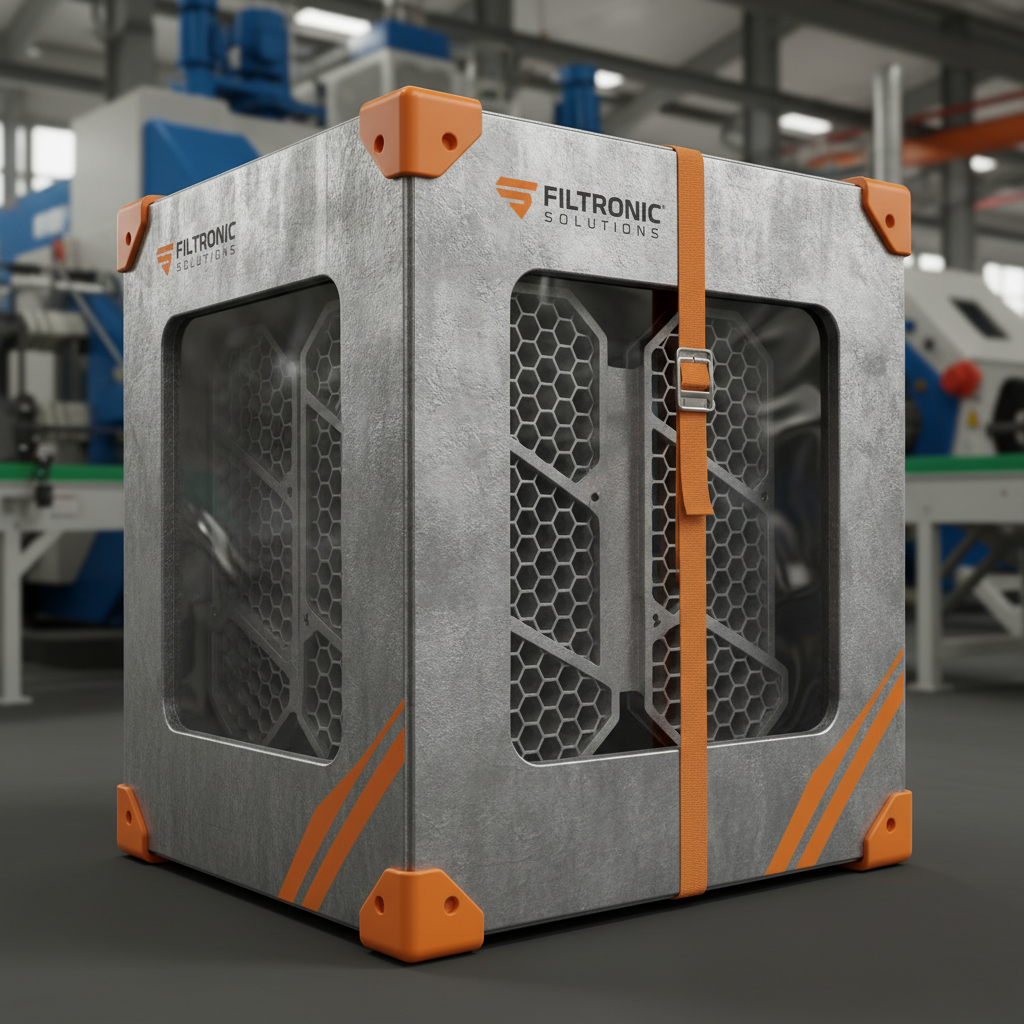
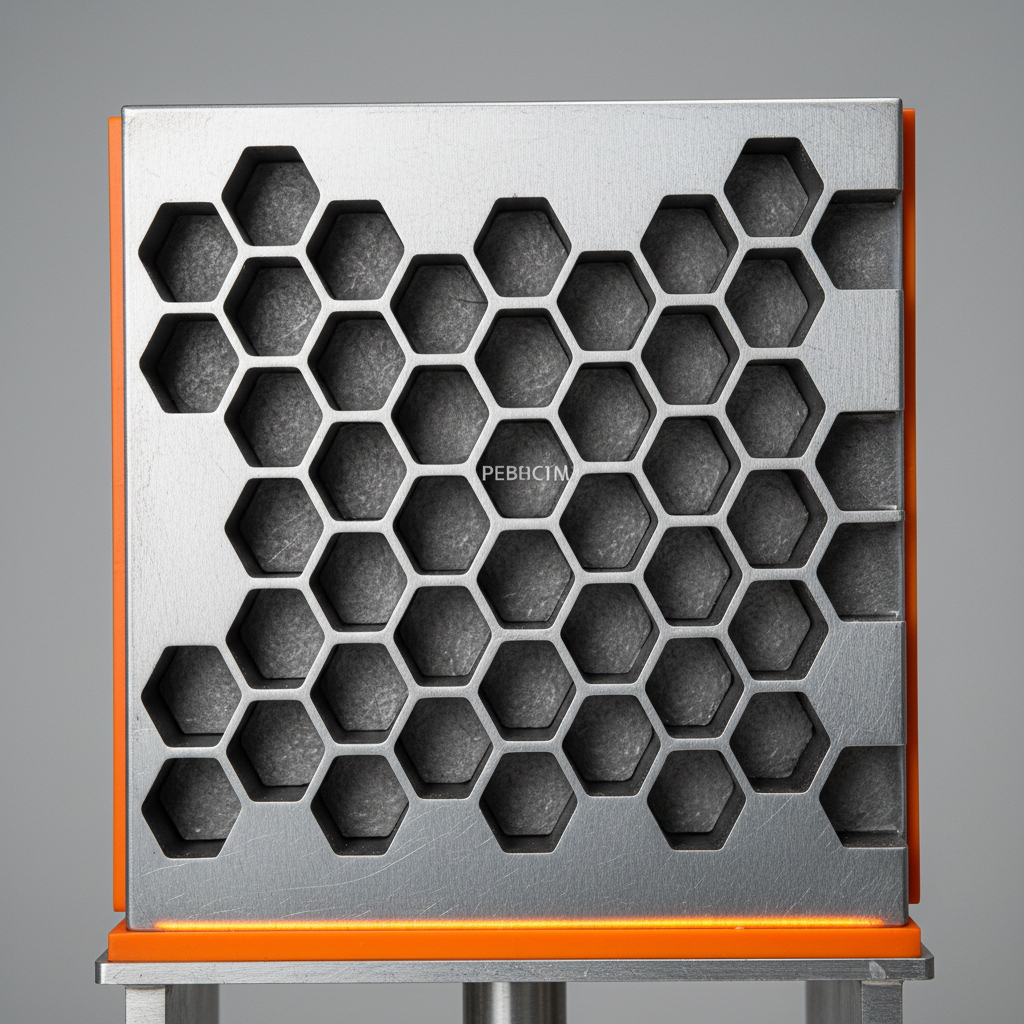
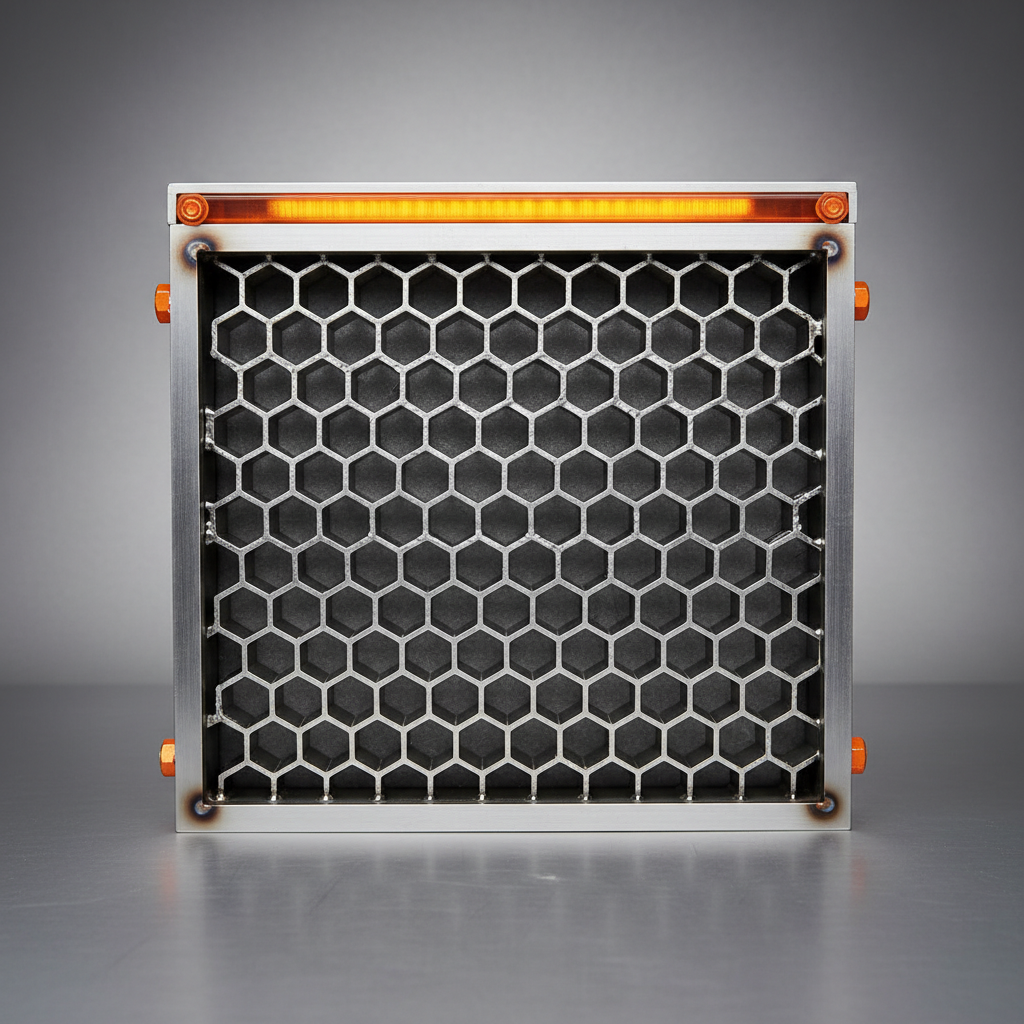
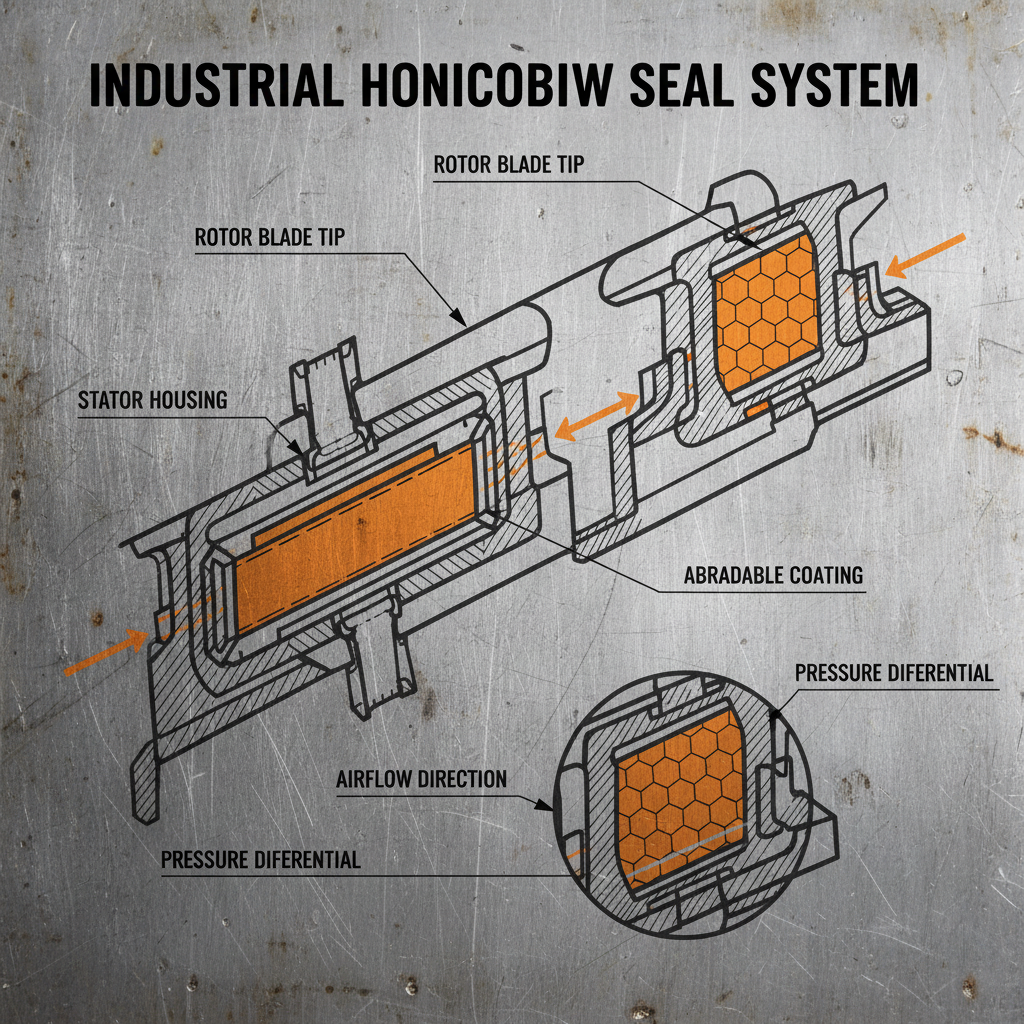
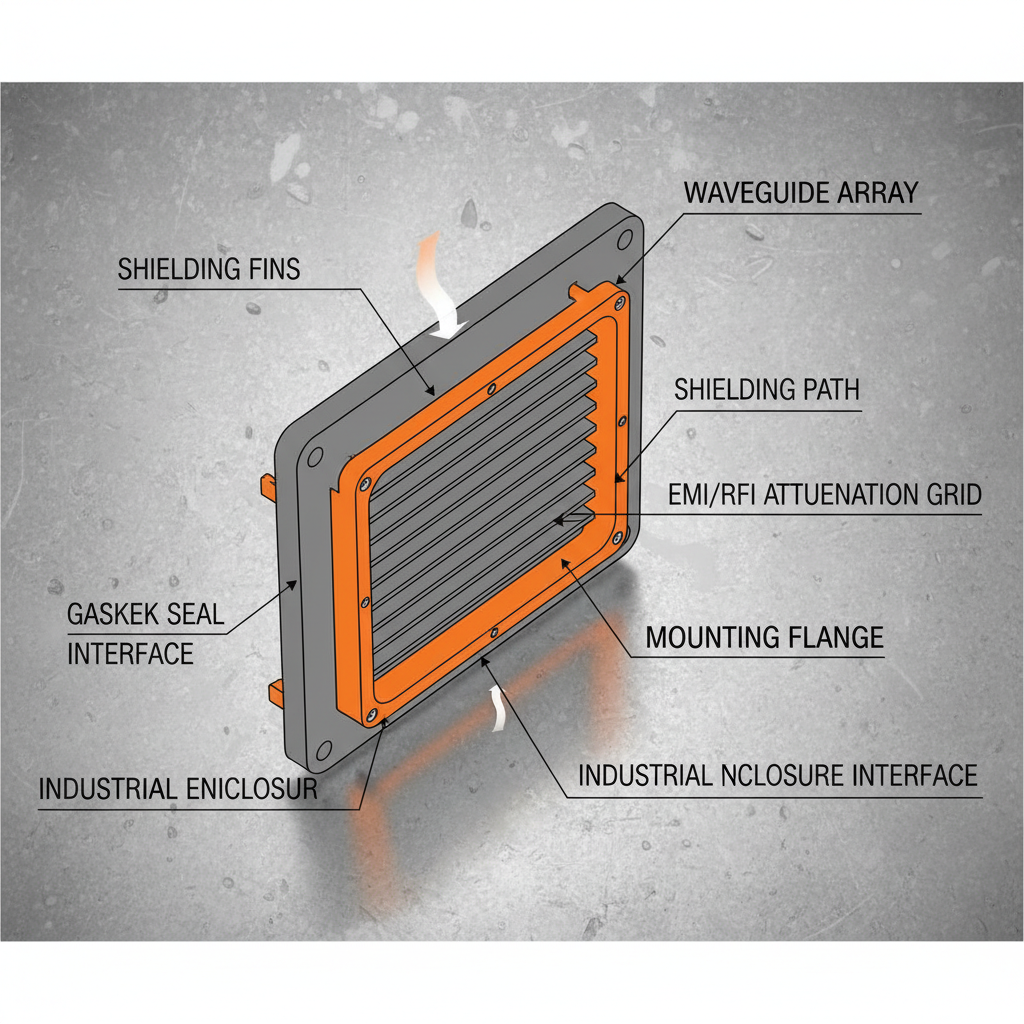
Let's cut through the jargon. A honeycomb vent panel isn’t just a fancy name for a ventilation system. It’s a composite structure—typically a facing material (like aluminum, steel, or fiberglass) bonded to a honeycomb core. The core provides rigidity and support while minimizing weight. The key is the cellular structure, which mimics natural honeycomb patterns found in, well, beehives. This design provides exceptional strength in all directions.
What this translates to on the job site is a panel that's significantly lighter than a solid metal panel of the same size, yet still capable of handling substantial loads. It also offers excellent thermal and acoustic insulation properties, which can save on energy costs and improve overall building comfort. It’s not just about ventilation; it's about a holistic building performance solution.
From a humanitarian standpoint, these panels are game-changing. They can be quickly shipped and assembled, providing essential ventilation in emergency situations. The lightweight nature also makes them easier to transport to remote locations, which is crucial in disaster zones.
Key Performance Characteristics
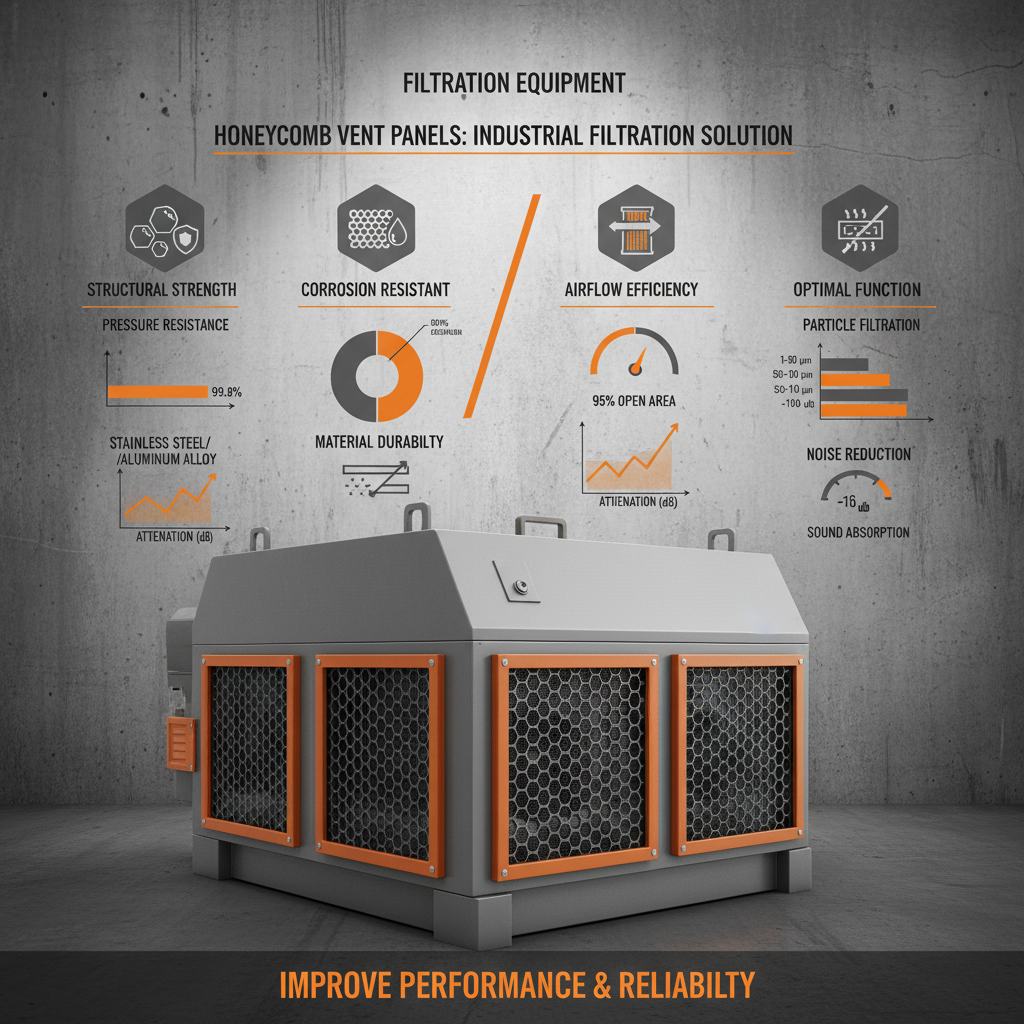
I’ve broken down the performance of these panels into a few key areas based on what I see engineers care about most. Durability is, of course, paramount. These aren't flimsy panels; they can withstand harsh weather conditions and heavy impacts. Scalability is another big one—they’re easily adaptable to different project sizes and configurations.
Cost-efficiency is always a consideration. While the initial cost might be slightly higher than some traditional materials, the long-term savings on installation, maintenance, and energy costs often outweigh that upfront investment. And finally, the ease of integration with other building systems is crucial—these panels play well with others.
Comparison of Different honeycomb vent panels Methods
Real-World Applications Across Industries
I've seen honeycomb vent panels used everywhere from modular housing projects—where speed of construction is critical—to high-end architectural installations where lightweight design is a priority. In post-disaster relief operations, they've become invaluable for creating temporary shelters and medical facilities.
In remote industrial zones, where access is limited, their ease of transportation and installation is a huge benefit. They’re also being used increasingly in the aerospace industry, where weight reduction is paramount. Even in the marine industry, they’re finding applications in boat building and deck structures.
Tangible Benefits and Long-Term Value
The benefits go beyond just the immediate cost savings. Reduced installation time translates to lower labor costs, which is a big deal for contractors. The lightweight nature of the panels reduces the load on building structures, potentially lowering foundation costs. And the superior insulation properties can lead to significant energy savings over the lifespan of the building.
From a social impact perspective, honeycomb vent panels can contribute to safer, more comfortable living conditions, especially in disaster-affected areas. They provide a sense of dignity and stability to people who have lost everything. And from a business perspective, they foster trust and innovation.
Reliability is key; these panels are engineered to last, minimizing the need for costly repairs and replacements. It's a long-term investment that pays dividends.
Future Trends and Innovations in honeycomb vent panels
We're seeing a lot of exciting developments in this space. Researchers are exploring new core materials—like bio-based polymers—to further reduce the environmental impact. Automation is also playing a role, with robotic systems being developed to streamline the manufacturing process.
The integration of smart technologies—like sensors embedded within the panels to monitor air quality or structural integrity—is another area of innovation. And as the demand for sustainable building practices continues to grow, we can expect to see even more advanced honeycomb vent panel solutions emerge.
The push towards digital fabrication and customized designs will also be significant, allowing for greater flexibility and efficiency in construction projects.
Summary of Key Challenges and Potential Solutions for honeycomb vent panels Implementation
| Challenge |
Impact on Project |
Potential Solution |
Implementation Difficulty (1-10) |
| Initial Material Cost |
Higher upfront investment compared to traditional materials. |
Life-cycle cost analysis demonstrating long-term savings through reduced maintenance and energy efficiency. |
4 |
| Limited Awareness |
Lack of understanding among contractors and building professionals. |
Educational workshops and case studies showcasing successful applications. |
6 |
| Design Integration |
Requires careful consideration during the design phase to maximize benefits. |
Collaboration with experienced engineers and designers familiar with honeycomb panel systems. |
5 |
| Supply Chain Constraints |
Potential delays in sourcing materials, particularly for specialized applications. |
Establish long-term relationships with reliable suppliers. |
7 |
| Installation Training |
Requires specialized training for installation crews. |
On-site training programs and certification for installers. |
3 |
| Standardization of Codes |
Lack of standardized building codes for honeycomb panel systems in some regions. |
Advocacy for the development of clear and consistent building codes. |
8 |
FAQS
Honeycomb vent panels offer a superior strength-to-weight ratio, meaning they’re lighter and easier to handle while maintaining structural integrity. This translates to lower transportation costs, faster installation, and potentially reduced foundation requirements. They also often provide better thermal and acoustic insulation compared to solid panels, leading to energy savings and improved comfort.
Yes, with the right material selection, honeycomb vent panels can be highly resistant to corrosion and moisture. Aluminum and certain polymer core materials are particularly well-suited for these environments. The facing materials can also be coated with protective layers to further enhance durability. It's important to specify the appropriate materials based on the specific environmental conditions.
Lead times can vary depending on the complexity of the order and the availability of materials, but generally, you can expect a lead time of 4-6 weeks for custom-sized panels. We always recommend contacting us directly with your specific requirements to get an accurate quote and delivery estimate. Early communication is key for ensuring timely project completion.
Installation is generally straightforward, but we recommend using trained personnel. While standard cutting tools can be used, precise cutting is best achieved with specialized equipment. We offer on-site training programs to ensure your team is comfortable with the installation process, maximizing efficiency and ensuring a quality finish.
The fire rating of honeycomb vent panels depends on the core and facing materials used. We offer panels with a range of fire ratings to meet various building code requirements. Our team can help you select the appropriate panels based on your project's specific fire safety needs. Detailed fire test reports are available upon request.
Yes, absolutely. Honeycomb panels often use less material than solid alternatives, reducing the carbon footprint of construction. Many cores can be manufactured using recycled materials. Their durability also means less frequent replacement, contributing to waste reduction. The energy-saving benefits of their insulation properties further enhance their sustainability profile.
Conclusion
Honeycomb vent panels aren’t just a product; they’re a practical solution born from years of on-site experience. They address real-world challenges in construction, disaster relief, and beyond, offering a winning combination of strength, lightweight design, and ease of installation. They represent a shift towards more efficient, sustainable, and reliable building practices.
Looking ahead, the potential for innovation in this field is immense. From new core materials to smart technology integration, honeycomb vent panels are poised to play an even more significant role in shaping the future of construction. If you're facing a project where performance, efficiency, and sustainability are paramount, I encourage you to explore the possibilities.