0%

Table of Contents

Honeycomb seal gas turbines represent a critical advancement in power generation and industrial processes, offering enhanced efficiency and reliability compared to traditional designs. Their ability to maintain tight clearances between rotating and stationary components, even under extreme operating conditions, minimizes gas leakage and maximizes energy output. This technology is increasingly vital in a world demanding both increased power capacity and reduced environmental impact.

The growing global energy demand, coupled with stringent emission regulations, is driving the adoption of honeycomb seal gas turbine technology across numerous sectors. From power plants and aviation to oil and gas, and even marine applications, these turbines are becoming essential for achieving operational excellence. The unique properties of honeycomb seals contribute significantly to a turbine’s lifespan and overall performance, leading to substantial cost savings.

Understanding the intricacies of honeycomb seal gas turbine design, materials, and applications is paramount for engineers, operators, and policymakers alike. Investing in research and development of this technology is not only beneficial for enhancing energy security but also for mitigating climate change and fostering sustainable industrial growth.
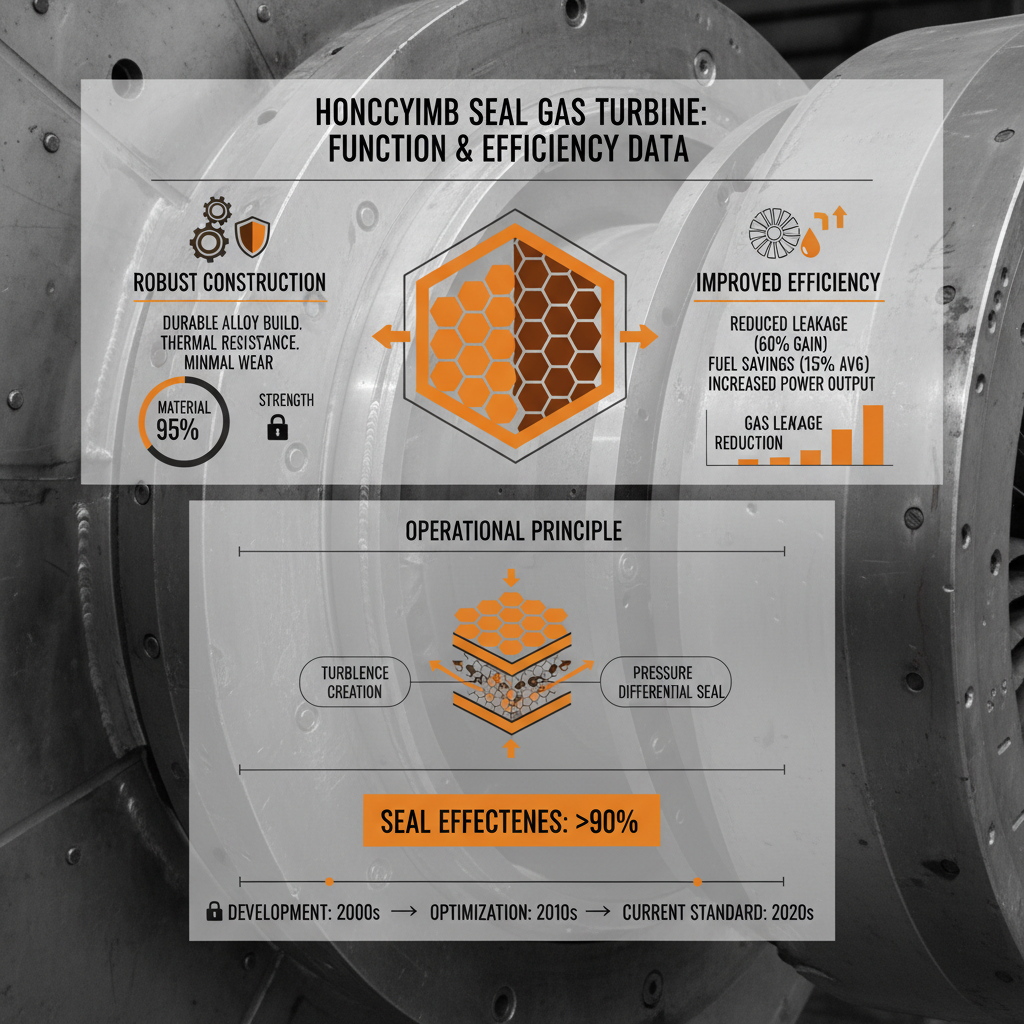
Advanced Honeycomb Seal Gas Turbine Technology for Efficient Power Generation

The Core Principles of honeycomb seal gas turbine

Advanced Honeycomb Seal Gas Turbine Technology for Efficient Power Generation

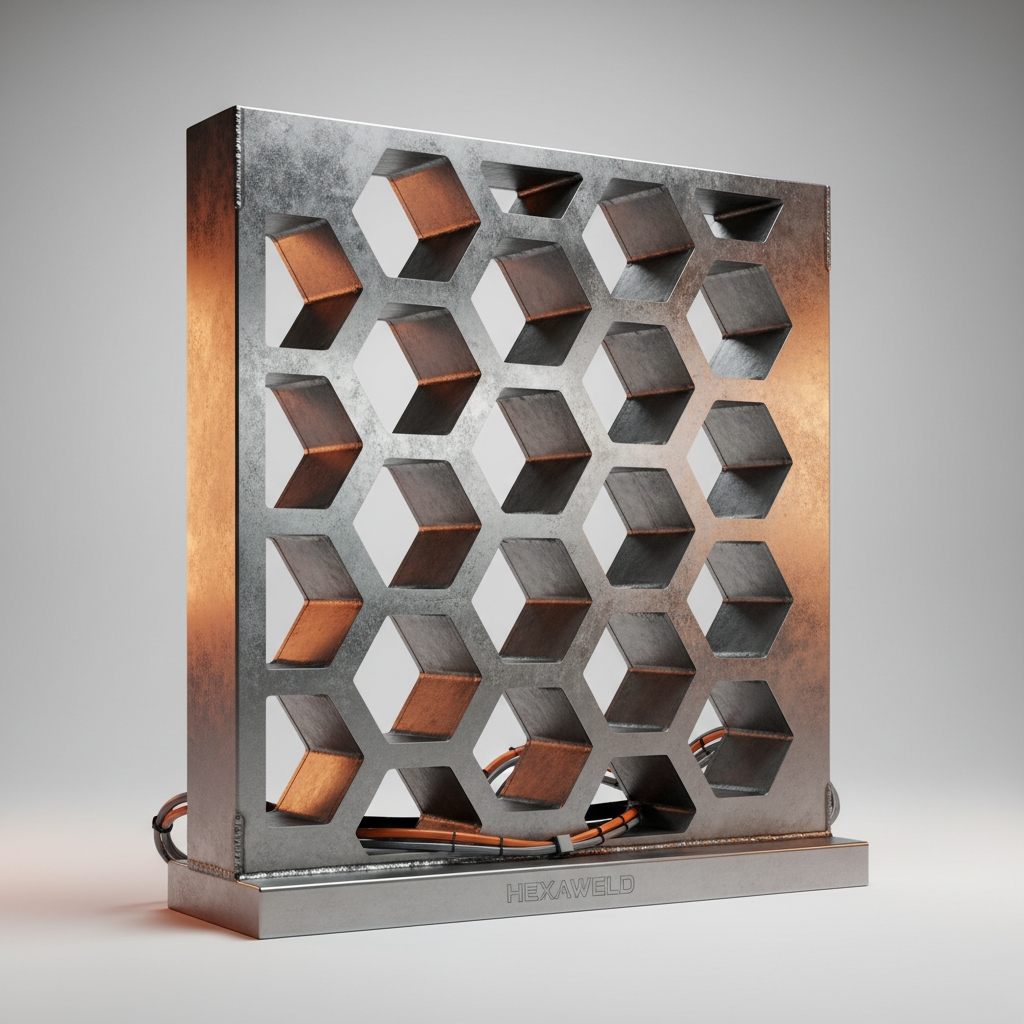
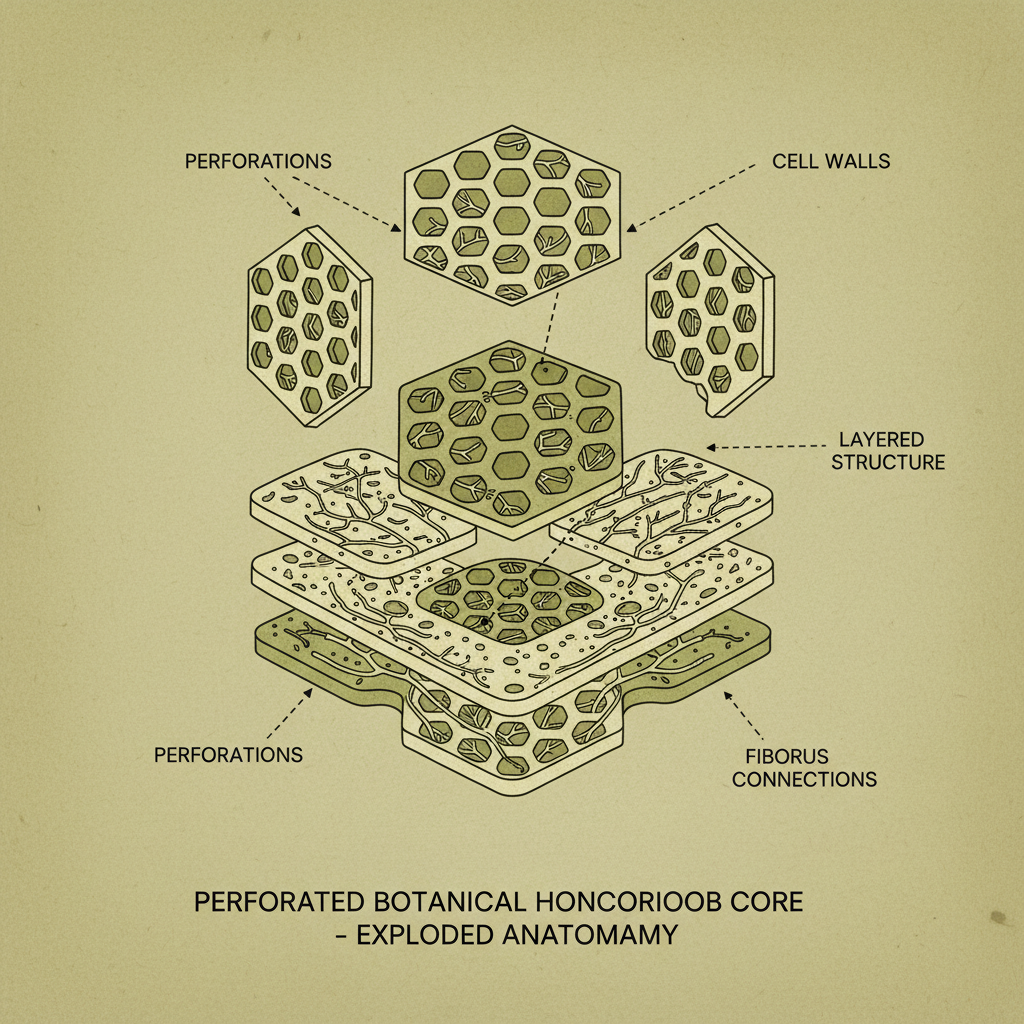
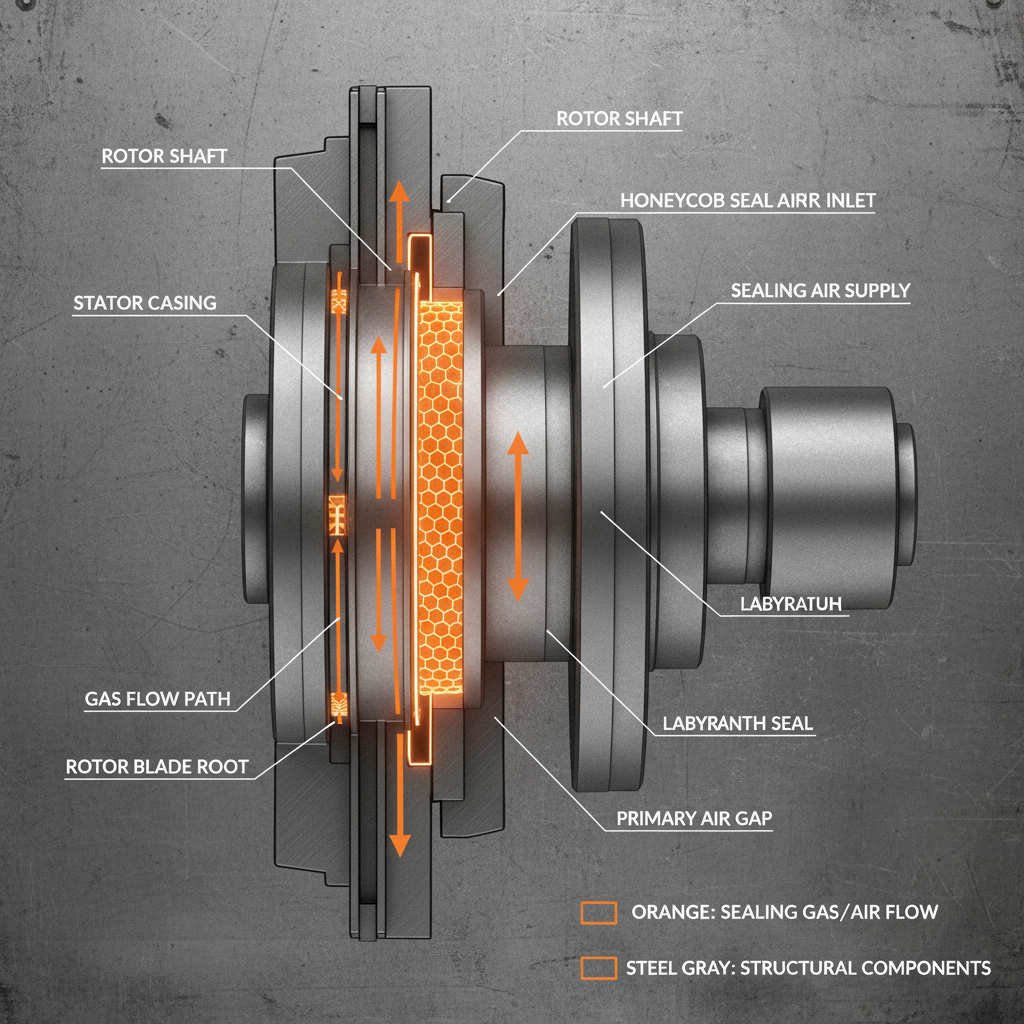
At the heart of a honeycomb seal gas turbine lies the ingenious honeycomb seal itself. This isn't a solid barrier but a carefully constructed structure resembling a honeycomb, manufactured from durable, high-temperature materials. Its segmented design allows for slight movements and accommodates thermal expansion without compromising the seal’s integrity, a crucial characteristic for high-performance turbines.

This segmented structure minimizes contact between rotating and stationary parts, reducing friction and wear. This directly translates to increased turbine lifespan, decreased maintenance costs, and improved overall efficiency. The precision engineering required to manufacture these seals is a testament to the technological sophistication within the gas turbine industry.

Global Relevance and Industry Impact

The global power generation market is undergoing a significant transformation, driven by the need for cleaner, more efficient energy sources. Gas turbines, and particularly those employing honeycomb seals, are playing a pivotal role in this transition. According to the International Energy Agency (IEA), gas will remain a crucial part of the global energy mix for decades to come, and optimizing gas turbine performance is vital for achieving sustainability goals.

Industries like aviation, where weight reduction and performance are paramount, are increasingly adopting honeycomb seal technology. The reduced gas leakage contributes to improved fuel efficiency, directly impacting operational costs and environmental footprint. Furthermore, the oil and gas sector utilizes these turbines for compression and power generation, benefiting from their enhanced reliability in demanding environments.

The economic impact extends beyond direct cost savings. The manufacturing and maintenance of honeycomb seal gas turbines create skilled jobs and stimulate innovation in materials science and engineering, contributing to regional economic growth and technological advancement.

Defining honeycomb seal gas turbine Technology

A honeycomb seal gas turbine, fundamentally, is a gas turbine engine that utilizes a unique sealing mechanism based on a honeycomb structure. Unlike conventional seals that rely on continuous contact, honeycomb seals offer a non-rubbing, labyrinthine path for gas flow. This design drastically reduces friction, wear, and power loss, leading to improved efficiency and reliability.

This technology isn't just about the physical seal itself; it’s an integrated system. Advanced computational fluid dynamics (CFD) modelling is employed to optimize the honeycomb geometry, ensuring minimal leakage while maximizing durability. The materials used, typically high-temperature alloys or ceramics, are selected for their ability to withstand extreme thermal stresses and corrosive environments.

The connection to modern industry and humanitarian needs is profound. In energy-scarce regions, efficient gas turbines are essential for providing reliable power. In disaster relief scenarios, portable gas turbine generators equipped with honeycomb seals can deliver immediate power to critical infrastructure, supporting rescue efforts and restoring essential services.

Key Factors Influencing Performance

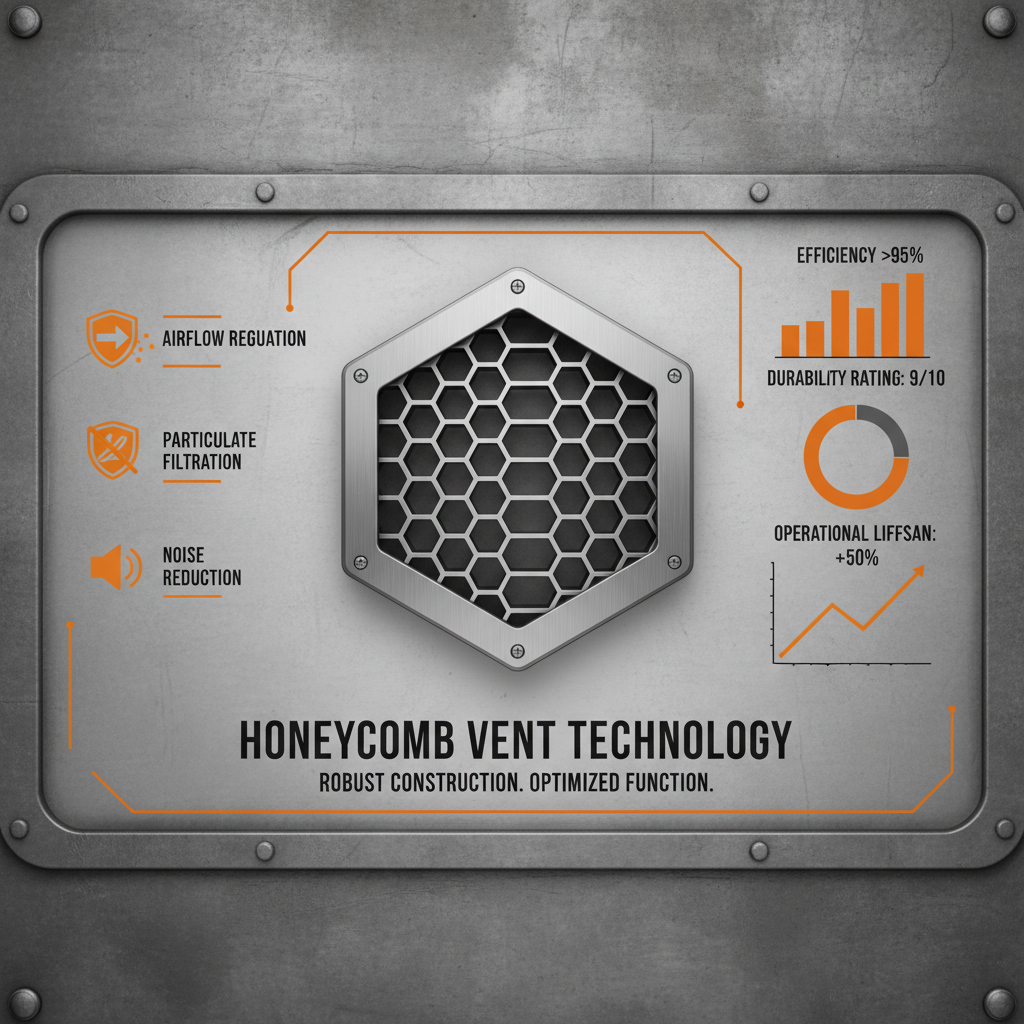
Several factors dictate the performance of a honeycomb seal gas turbine. Durability is paramount, relying on the choice of materials and the precision of the manufacturing process. Seals must withstand high temperatures, corrosive gases, and constant mechanical stress without degradation.

Efficiency is directly linked to the seal’s ability to minimize gas leakage. Even small improvements in sealing effectiveness can translate to significant fuel savings and reduced emissions. Reliability is enhanced by the non-rubbing design, reducing wear and extending the turbine’s operational lifespan.

Comparison of Honeycomb Seal Methods


Applications Across Diverse Sectors

Honeycomb seal gas turbines are deployed in a wide range of applications. In the power generation sector, they are integral to combined cycle power plants, providing a flexible and efficient source of electricity. The aviation industry benefits from their ability to enhance fuel efficiency and reduce emissions in both commercial and military aircraft.

The oil and gas industry relies on these turbines for driving compressors and generators in remote locations, such as offshore platforms and pipeline stations. In remote industrial zones lacking grid connectivity, self-contained gas turbine power plants offer a reliable and cost-effective solution.

Advantages and Long-Term Value Proposition

The advantages of employing honeycomb seal gas turbine technology are substantial. Reduced fuel consumption translates into lower operating costs and a smaller carbon footprint. Increased reliability minimizes downtime and maintenance expenses. Enhanced performance contributes to greater power output and overall efficiency.

Beyond the tangible benefits, there's a long-term value proposition centered around sustainability, innovation, and trust. These turbines contribute to a more sustainable energy future, fostering technological advancements and building confidence in the reliability of power infrastructure.

Future Trends and Innovation Pathways

The future of honeycomb seal gas turbine technology is bright, with ongoing research focused on several key areas. Advanced materials, such as ceramic matrix composites (CMCs), are being explored to further enhance temperature resistance and durability. Digitalization and predictive maintenance utilizing sensor data and machine learning algorithms are optimizing performance and minimizing downtime.

The integration of these turbines with renewable energy sources, such as solar and wind, is gaining momentum, creating hybrid power systems that offer greater flexibility and resilience. Furthermore, the development of more compact and efficient turbines is expanding their applicability in distributed generation and microgrid applications.

Emphasis on sustainability will drive demand for even cleaner burning gas turbine technologies, potentially incorporating hydrogen or other alternative fuels, furthering the environmental benefits of honeycomb sealing.

FAQS

What is the typical lifespan of a honeycomb seal gas turbine?

The lifespan of a honeycomb seal gas turbine typically ranges from 20 to 30 years, often exceeding this timeframe with proper maintenance and operational practices. The non-rubbing design of the honeycomb seals significantly reduces wear and tear compared to conventional seals, contributing to its extended service life. Regular inspections and component replacements are, of course, necessary to maintain optimal performance and reliability.

How does honeycomb seal technology affect fuel efficiency?

Honeycomb seal technology substantially improves fuel efficiency by minimizing gas leakage within the turbine. This reduced leakage means more energy is extracted from the fuel, resulting in lower fuel consumption per unit of power generated. Improvements in fuel efficiency can range from 1-3% compared to turbines with conventional seals, leading to significant cost savings over the turbine’s lifespan.

What maintenance requirements are specific to honeycomb seals?

While honeycomb seals require less frequent maintenance than traditional seals due to their non-rubbing design, periodic inspections are still crucial. These inspections involve visual checks for damage or wear, and potentially non-destructive testing methods like eddy current testing to assess seal integrity. Replacing seals is typically scheduled based on operating hours and performance data, rather than as a reactive measure.

Are honeycomb seal gas turbines suitable for use with alternative fuels?

Yes, honeycomb seal gas turbines are increasingly compatible with alternative fuels such as hydrogen and biofuels. However, material compatibility and combustion optimization are crucial considerations. Ongoing research focuses on tailoring the seals and combustion systems to maximize the efficiency and minimize emissions when using these alternative fuel sources.

What is the cost difference between a honeycomb seal gas turbine and a conventional one?

The initial cost of a honeycomb seal gas turbine is typically higher than a conventional turbine due to the precision manufacturing and specialized materials required for the seals. However, the long-term operational savings from improved fuel efficiency and reduced maintenance often offset this initial cost difference, resulting in a lower total cost of ownership over the turbine’s lifespan.

How do honeycomb seals contribute to reducing emissions?

Honeycomb seals reduce emissions primarily by improving combustion efficiency. By minimizing gas leakage, they ensure a more complete combustion process, resulting in lower levels of unburned hydrocarbons and other harmful pollutants. Additionally, the increased efficiency reduces overall fuel consumption, indirectly lowering carbon dioxide emissions.

Conclusion

Honeycomb seal gas turbine technology represents a significant advancement in power generation, offering a compelling combination of efficiency, reliability, and sustainability. From reducing fuel consumption and lowering emissions to extending turbine lifespan and minimizing maintenance costs, the benefits are clear. The ongoing innovations in materials science, digitalization, and alternative fuel compatibility promise to further enhance the performance and environmental credentials of these turbines.

As the global demand for energy continues to grow, and the pressure to decarbonize intensifies, the adoption of honeycomb seal gas turbine technology will be critical. Investing in research and development, fostering collaboration between industry and academia, and implementing supportive policies will unlock the full potential of this technology, paving the way for a more sustainable and secure energy future.
Visit our website for more information: honeycomb seal gas turbine


Michael Thompson

Michael Thompson

Michael Thompson serves as an Electrical Controller and Automation Engineer at Hengshi Honeycomb. He's responsible for the programming, maintenance, and optimization of the company’s automated production equipment, including the Honeycomb stamping Equipment and tailor welding machines. Joining in 2022, Michael has significantly improved the efficiency and accuracy of our production
Previous Advanced Honeycomb Seal Turbine Technology for Enhanced System Performance
Next Advanced Honeycomb Seal Technology for Lightweight and Robust Structures