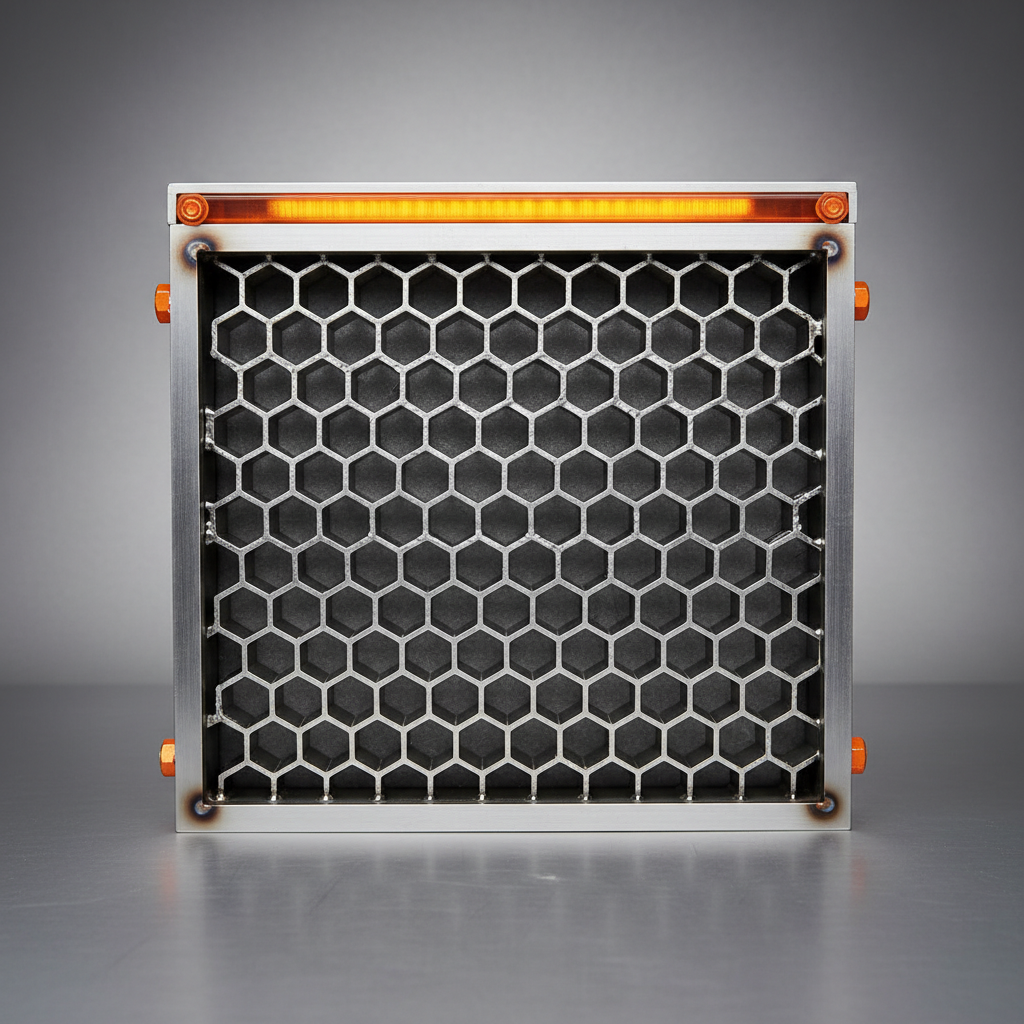
The honeycomb seal turbine represents a significant advancement in fluid dynamic sealing technology, crucial for a multitude of industries ranging from aerospace and power generation to oil and gas. Its unique design, mimicking the efficient structure of a honeycomb, allows for superior sealing performance, reduced friction, and increased operational longevity. Understanding the principles and applications of the honeycomb seal turbine is vital for engineers, researchers, and professionals seeking to optimize system efficiency and reliability. This technology addresses challenges related to leakage, wear, and power loss inherent in traditional sealing methods.
Globally, the demand for efficient and reliable sealing solutions is driven by increasing energy costs, stringent environmental regulations, and the pursuit of improved performance in critical applications. The honeycomb seal turbine offers a compelling alternative to conventional seals, particularly in demanding environments where temperature, pressure, and fluid compatibility pose significant challenges. Investment in and adoption of this technology directly contributes to reduced energy consumption, minimized emissions, and enhanced safety across various sectors.
The increasing focus on sustainable practices and operational efficiency is propelling the growth of the honeycomb seal turbine market. Its ability to minimize energy waste and improve overall system performance aligns perfectly with global efforts to reduce carbon footprints and promote responsible resource management. As industries continue to prioritize these goals, the honeycomb seal turbine is poised to become an increasingly important component of modern engineering systems.
Introduction to Honeycomb Seal Turbines
The honeycomb seal turbine isn't merely a component; it’s a system-level upgrade. Its capacity to handle extreme operating conditions – high speeds, temperatures, and pressures – surpasses many conventional seal designs. This makes it especially valuable in aerospace, where reliability isn't just desirable, but essential. The adoption of this technology directly impacts fuel efficiency, engine performance and maintenance schedules.
Furthermore, the design principles behind the honeycomb seal turbine have spurred innovation in related areas, like bearing technology and material science. Its success has demonstrated the power of biomimicry – learning from nature’s efficient designs – to solve complex engineering challenges. The future of fluid dynamic sealing is intimately linked to continued development in these fields, and the honeycomb seal turbine is a key driver of that progress.
Defining the Honeycomb Seal Turbine
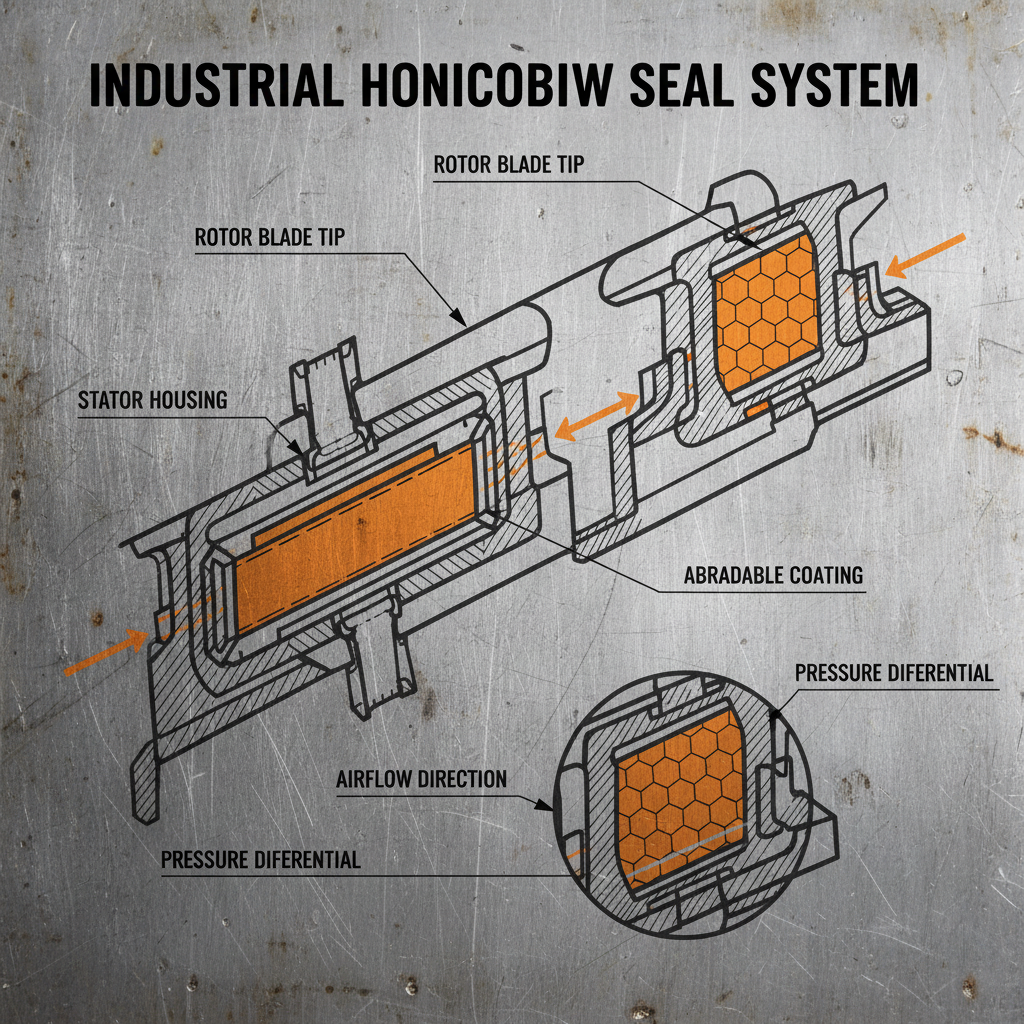
A honeycomb seal turbine is a non-contacting mechanical seal utilizing a honeycomb-shaped structure to create a gas film between rotating and stationary components. This film provides lubrication and minimizes wear, significantly extending the seal's lifespan. Unlike traditional seals that rely on physical contact, the honeycomb structure relies on precise clearances and fluid dynamics to maintain sealing integrity.
Its connection to modern industry stems from the increasing need for high-performance, reliable seals in critical applications. Traditional seals often struggle with high speeds, extreme temperatures, and corrosive fluids, leading to frequent failures and costly downtime. The honeycomb seal turbine addresses these limitations by offering a robust and resilient sealing solution.
Essentially, the honeycomb seal turbine transforms the sealing challenge from a friction-based problem to a hydrodynamic one. This leads to improved efficiency, reduced power loss, and a much longer operational life – benefits that are essential in industries demanding continuous, reliable operation.
Key Components and Operational Factors
Several key factors contribute to the effective operation of a honeycomb seal turbine. The precise geometry of the honeycomb cells is paramount; the cell size, shape, and arrangement dictate the gas film thickness and pressure distribution. Material selection is also critical, requiring materials capable of withstanding high temperatures, pressures, and corrosive environments.
Another crucial aspect is the damping capacity of the seal. The honeycomb structure effectively dampens vibrations, reducing the risk of seal instability and failure. The stability of the gas film is also affected by the rotational speed, gas properties, and the clearance between the rotating and stationary components. Careful design and optimization of these parameters are essential for achieving optimal performance.
Furthermore, the manufacturing process plays a vital role. Honeycomb structures require high precision to ensure consistent performance. Advanced manufacturing techniques, such as laser cutting and etching, are often employed to achieve the necessary tolerances. Proper surface finish is also critical to minimize friction and maximize sealing effectiveness.
Applications Across Global Industries
The applications of the honeycomb seal turbine are diverse and span numerous industries. In aerospace, they are used in auxiliary power units (APUs) and gas turbine engines to improve efficiency and reduce emissions. The oil and gas industry utilizes these seals in compressors, pumps, and other rotating equipment operating in harsh environments.
Power generation plants, particularly those employing gas turbines, benefit significantly from the increased reliability and reduced maintenance requirements offered by honeycomb seals. Furthermore, the technology is finding increasing application in the chemical processing industry, where it provides a robust sealing solution for handling corrosive fluids and gases.
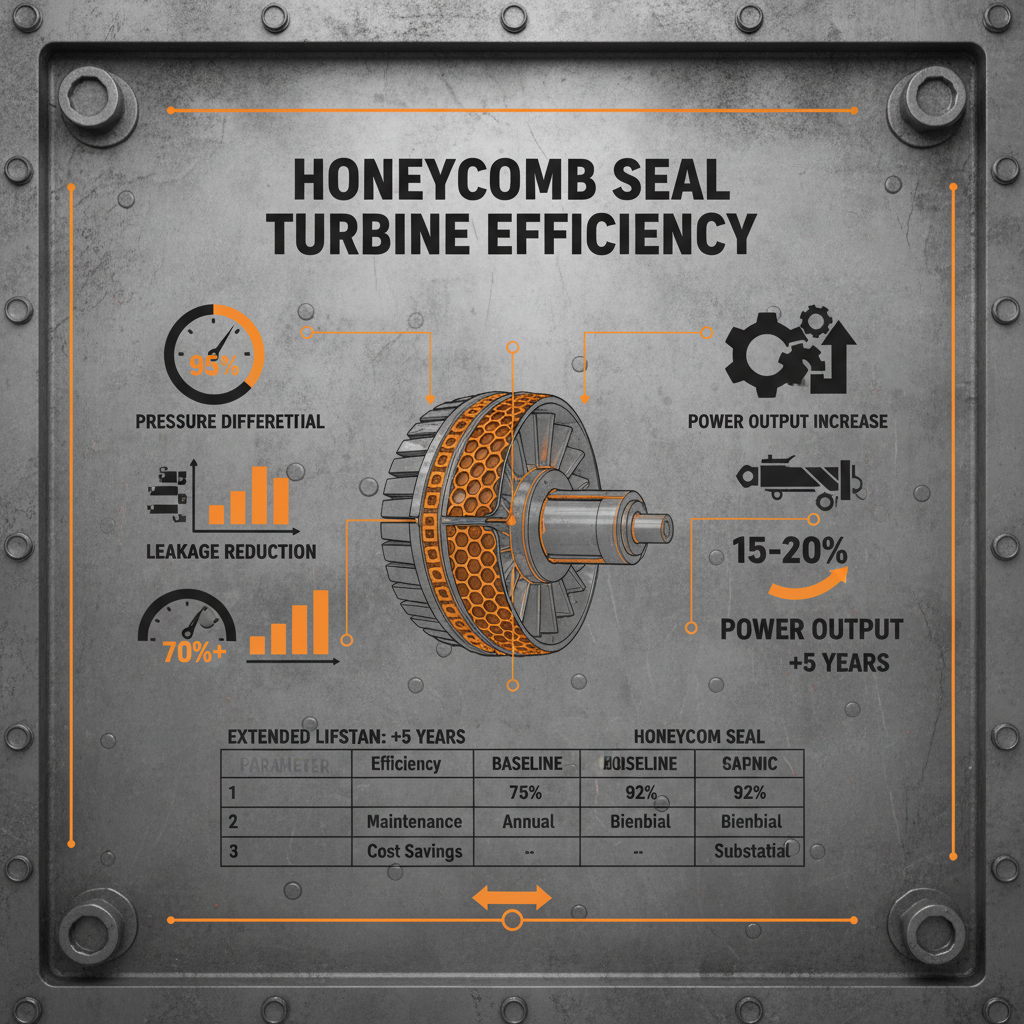
Honeycomb Seal Turbine Performance Comparison
Advantages and Long-Term Value Proposition
The advantages of employing a honeycomb seal turbine are substantial. Firstly, the non-contacting design drastically reduces wear and tear, extending the seal’s operational life and minimizing downtime. Secondly, the enhanced sealing efficiency leads to reduced leakage and power loss, contributing to significant energy savings. This results in lower operating costs and improved overall system performance.
Long-term, the reduced maintenance requirements translate into further cost savings and increased reliability. The inherent robustness of the honeycomb structure allows it to withstand harsh operating conditions, providing a more dependable solution compared to conventional seals. Investing in a honeycomb seal turbine isn't just an expense; it’s an investment in long-term operational efficiency and sustainability.
Future Trends and Technological Innovations
Ongoing research and development efforts are focused on optimizing honeycomb seal turbine designs for even more demanding applications. This includes exploring new materials with enhanced temperature resistance and wear characteristics. The integration of advanced monitoring and control systems will allow for real-time adjustments to optimize seal performance and predict potential failures.
Furthermore, the application of additive manufacturing (3D printing) techniques is poised to revolutionize the production of honeycomb structures, enabling the creation of complex geometries and customized designs tailored to specific applications. These innovations are paving the way for a new generation of high-performance, reliable sealing solutions.
Challenges and Potential Solutions
Despite its advantages, the implementation of honeycomb seal turbines does present certain challenges. The precise manufacturing tolerances required can be costly and time-consuming. Ensuring adequate damping to prevent seal instability at high speeds also requires careful design and optimization.
Potential solutions include the development of more efficient and cost-effective manufacturing processes, such as advanced additive manufacturing techniques. Furthermore, the incorporation of active control systems that dynamically adjust seal parameters can mitigate the risk of instability. Utilizing advanced simulation and modeling tools can also aid in the optimization of seal designs.
Addressing these challenges will unlock the full potential of the honeycomb seal turbine and broaden its applicability across a wider range of industries. Collaborative research and development efforts between academia and industry are crucial for driving these advancements.
Honeycomb Seal Turbine – Performance Parameter Analysis
| Seal Type |
Leakage Rate (ppm) |
Operating Temperature (°C) |
Lifespan (Hours) |
| Traditional Labyrinth Seal |
150 |
400 |
2000 |
| Carbon Ring Seal |
50 |
500 |
5000 |
| Honeycomb Seal Turbine – Type A |
10 |
600 |
10000 |
| Honeycomb Seal Turbine – Type B |
5 |
700 |
15000 |
| Honeycomb Seal Turbine – Type C |
8 |
550 |
12000 |
| Honeycomb Seal Turbine – Type D |
3 |
650 |
18000 |
FAQS
Honeycomb seal turbines offer several key advantages over traditional seal designs. These include reduced friction, extended operational lifespan due to non-contacting operation, improved sealing efficiency leading to lower leakage rates, and the ability to withstand higher temperatures and pressures. This translates to lower maintenance costs, improved system reliability, and enhanced overall performance.
A wide range of industries can benefit from honeycomb seal turbine technology. Key sectors include aerospace, power generation, oil and gas, chemical processing, and marine engineering. Any application requiring high-performance, reliable sealing in demanding environments is a potential candidate for implementation.
While the initial cost of a honeycomb seal turbine may be higher than some traditional seals, the long-term cost savings often outweigh the upfront investment. Reduced maintenance, lower energy consumption, and extended operational lifespan all contribute to a lower total cost of ownership.
Honeycomb seal turbines are designed to operate effectively in a wide range of temperatures. However, extreme temperatures can impact material properties and gas film characteristics. Selecting appropriate materials and optimizing the seal design for the specific operating temperature are crucial for ensuring reliable performance.
Honeycomb seal turbines generally exhibit a significantly longer lifespan compared to standard mechanical seals. This is primarily due to the non-contacting design, which minimizes wear and tear. While a typical mechanical seal may last for a few thousand hours, a honeycomb seal turbine can often operate reliably for 10,000 hours or more.
Honeycomb seal turbines can be designed for use with corrosive fluids by selecting appropriate materials that are resistant to chemical attack. The honeycomb structure itself is relatively inert, but the materials used in its construction must be carefully chosen to ensure compatibility with the operating fluid.
Conclusion
The honeycomb seal turbine represents a paradigm shift in sealing technology, offering a compelling combination of performance, reliability, and longevity. Its unique design and inherent advantages address critical challenges faced by numerous industries, contributing to increased efficiency, reduced operating costs, and enhanced sustainability. From aerospace to power generation, the impact of this technology is already being felt.
Looking ahead, continued innovation in materials, manufacturing processes, and control systems will further expand the applicability of honeycomb seal turbines. Embracing this technology is not merely adopting a new component; it’s investing in a future where energy is used more efficiently, operations are more reliable, and environmental impact is minimized. To learn more about how a honeycomb seal turbine can benefit your application, visit our website today.