


Struchtúr honeycomb alúmanaim: Lightweight Aluminum Structures for Global Innovation
Understanding struchtúr honeycomb alúmanaim: Why This Lightweight Structure Matters Globally
If you’ve ever marveled at how engineers create structures that are incredibly strong yet light, then you’re already touching on the magic of struchtúr honeycomb alúmanaim. This aluminum honeycomb structure isn’t just a buzzword floating around specialized industries; it’s a pivotal design that’s reshaping how we consider durability, sustainability, and efficiency worldwide.
Frankly, in an era demanding greener solutions and rapid yet sturdy constructions—think aerospace, automotive, and even humanitarian relief—getting to know struchtúr honeycomb alúmanaim can feel like unlocking a secret. Below, I’ll walk through the what, why, and how, to help you appreciate its global relevance and practical impact.
Global Relevance and Industry Context
According to data from the International Aluminium Institute and ISO standards, aluminum production has risen steadily in the past decade, not least because of its recyclability and lightweight properties. Yet, the real game-changer lies in how aluminum is engineered—like turning it into honeycomb panels to maximize strength while minimizing weight.
Globally, industries consuming significant energy and materials seek alternatives that balance performance with sustainability. Whether it’s aerospace firms trying to reduce carbon footprints or disaster relief agencies needing quick, resilient shelters, struchtúr honeycomb alúmanaim plays a pivotal role.
Oddly enough, the honeycomb concept actually started mimicking nature’s design—bees naturally optimize materials and space. Now, engineers exploit that to build lighter fuselages, more efficient vehicles, and even massive architectural facades.
What Is struchtúr honeycomb alúmanaim?
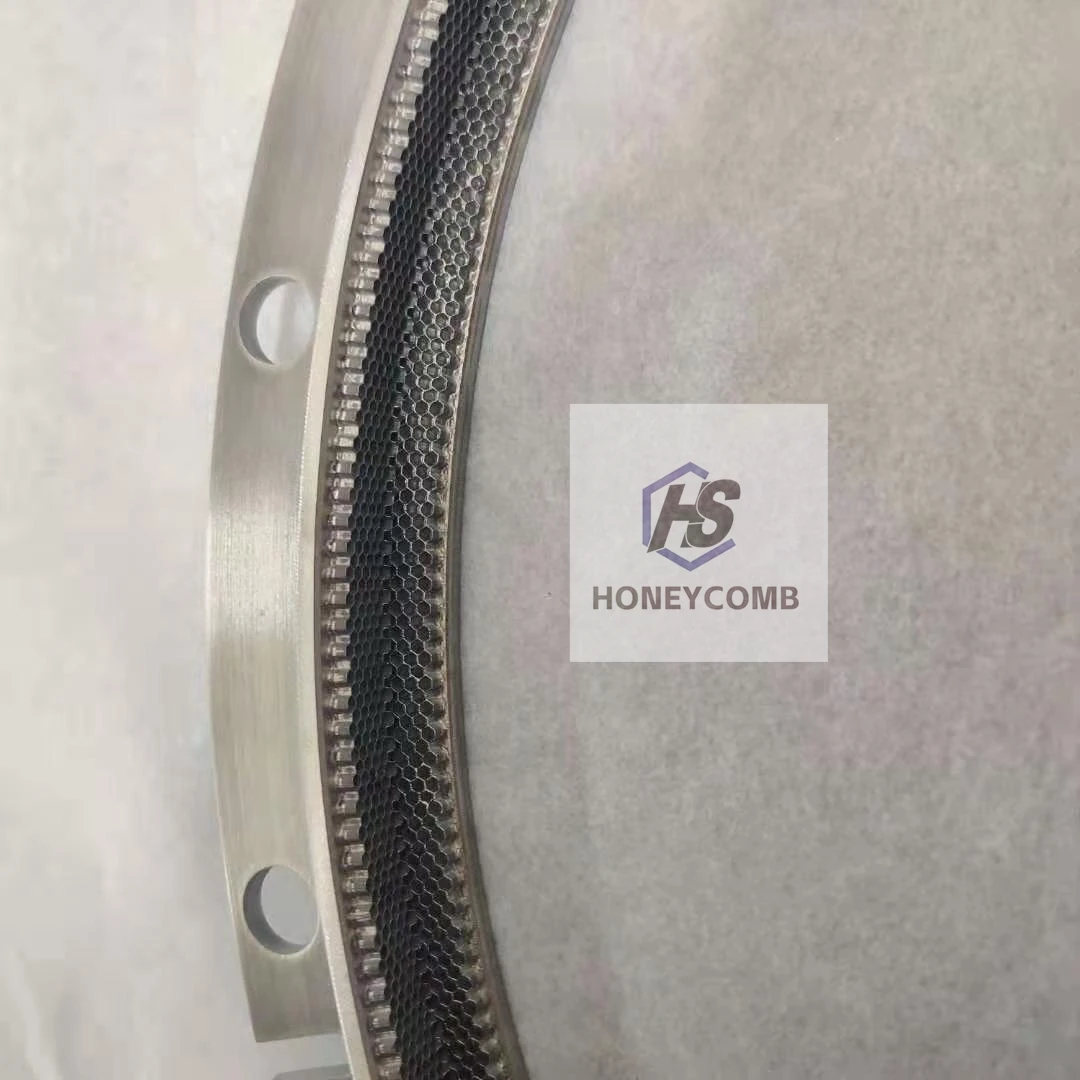
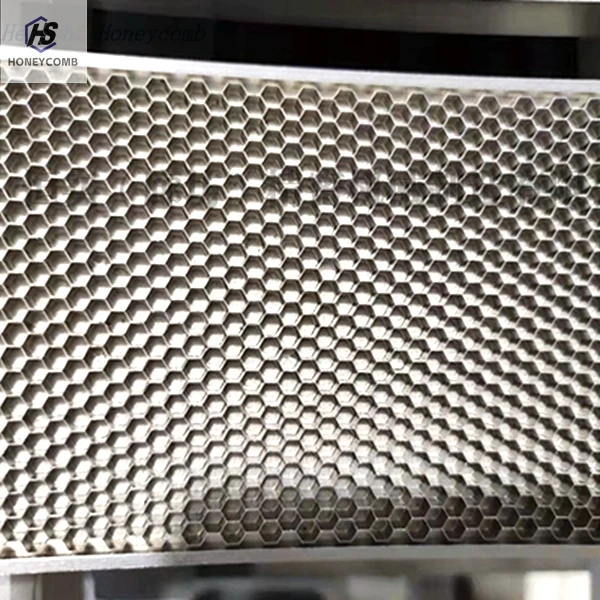
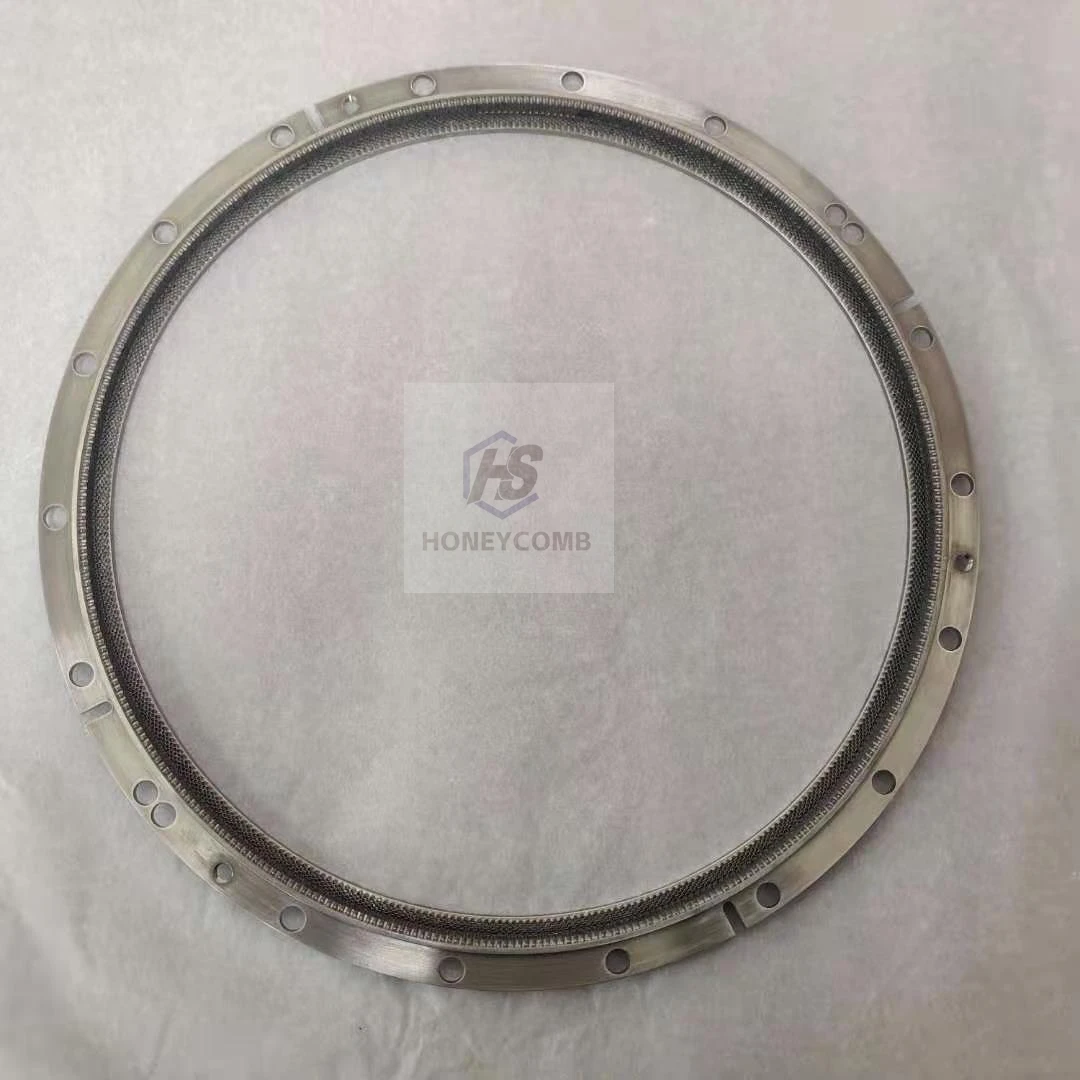
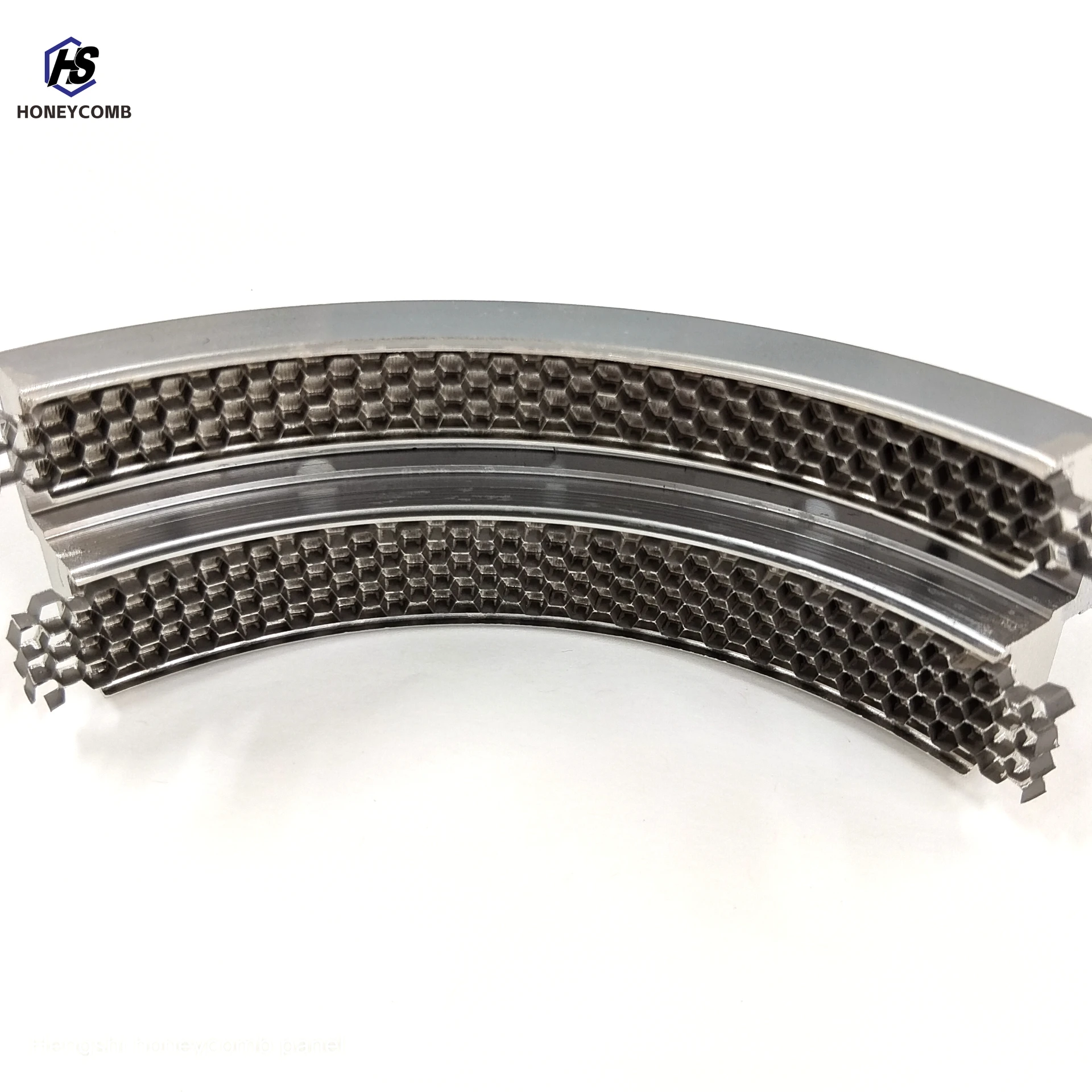
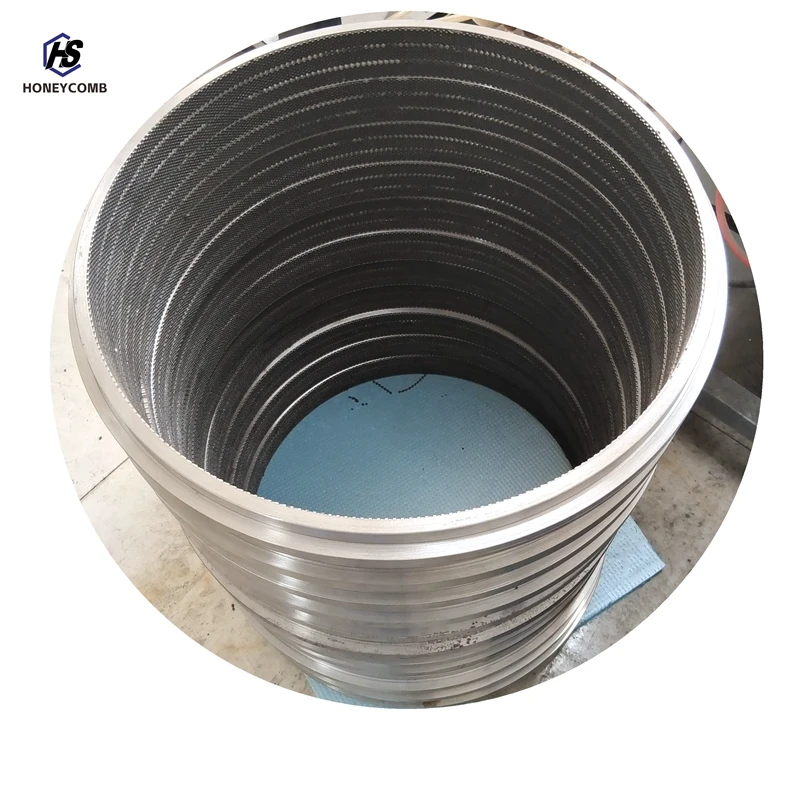
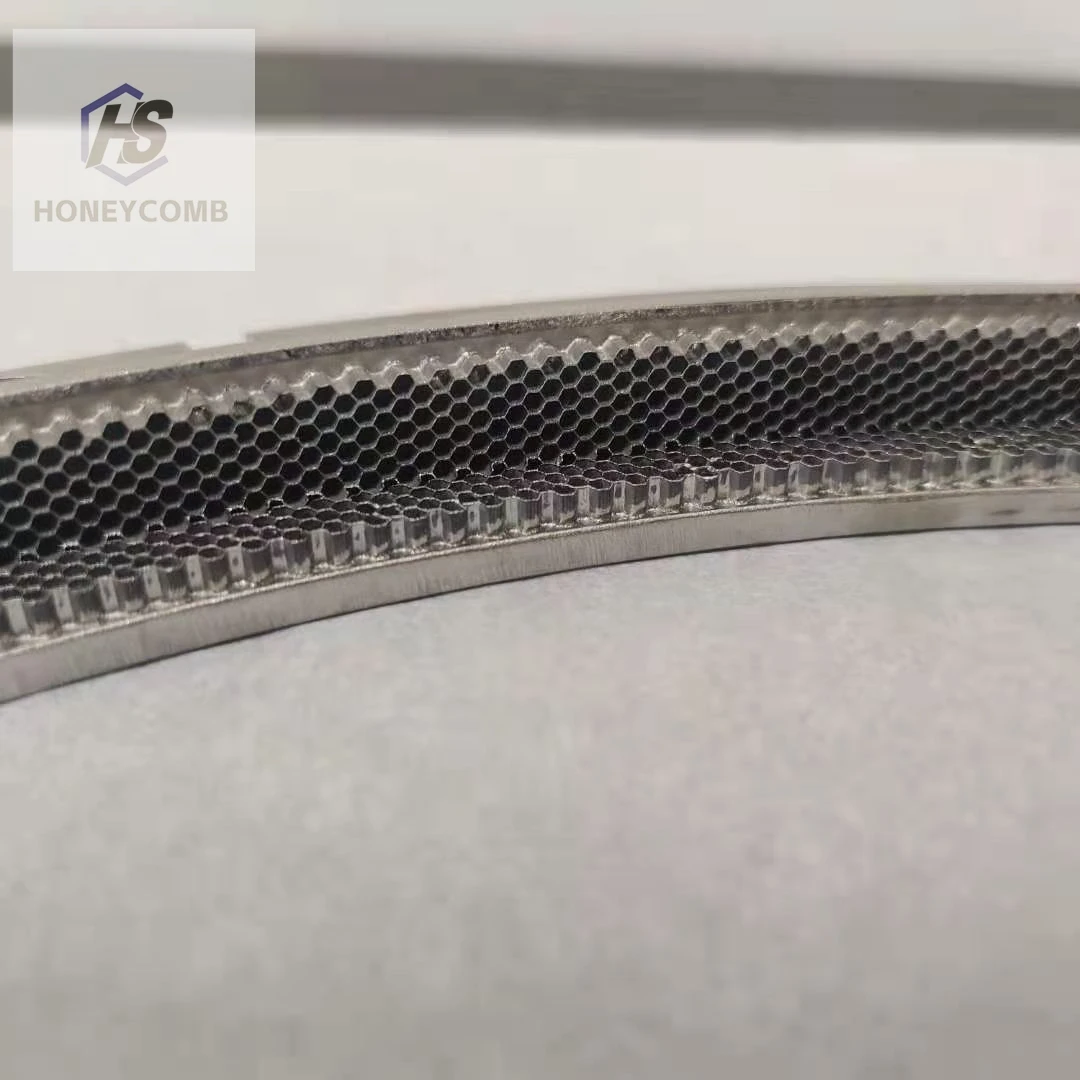
Breaking it down simply: struchtúr honeycomb alúmanaim is a layered panel structure with hexagonally shaped aluminum cells sandwiched between flat aluminum sheets. Think of it as a lightweight “core” that provides outstanding strength-to-weight ratios.
It’s not just an abstract design, but something integral to modern manufacturing, supporting industries that need to save weight without sacrificing safety—like aircraft, trains, or even space-bound craft. In humanitarian uses, these panels can make rapid-deployment shelters more robust yet easily transportable.
Key Factors Behind Its Popularity
1. Durability and Strength
The six-sided honeycomb cells distribute force evenly, making the panels excellent for absorbing shock and resisting deformation. This structural integrity makes them invaluable in aerospace and military-grade applications.
2. Weight Reduction
Compared to solid metals or composite structures, aluminum honeycomb panels can reduce weight by up to 80% without compromising strength—a fact many engineers find simply revolutionary.
3. Thermal and Acoustic Insulation
The air trapped inside the honeycomb cells acts as a natural insulator, improving energy efficiency in buildings and reducing noise in transportation.
4. Cost Efficiency Through Material Savings
Using less raw aluminum means cheaper production and easier transport logistics, translating into tangible cost savings, especially in scale manufacturing.
5. Sustainability
Aluminum is highly recyclable, and this structure encourages reuse and reduces waste—a key factor as industries seek to meet global carbon targets.
Product Specification Table: Typical struchtúr honeycomb alúmanaim Panel
| Specification | Value |
|---|---|
| Cell Size | 3–10 mm |
| Thickness | 5–50 mm |
| Panel Width | Up to 1500 mm |
| Density | Around 66 kg/m³ |
| Material Grade | 3003-H24 Aluminum Alloy |
Global Applications & Use Cases
Globally, multiple sectors and regions rely on struchtúr honeycomb alúmanaim. For example:
- Aerospace: Boeing and Airbus incorporate honeycomb cores to reduce aircraft weight, boosting fuel efficiency.
- Automotive: Electric vehicle manufacturers are experimenting with honeycomb panels for chassis to extend battery range.
- Architecture: In urban megacities, lightweight façade panels withstand wind loads and reduce structural bulk.
- Disaster Relief: Organizations deploying shelters in post-disaster zones value aluminum honeycomb for rapid set-up, durability, and transport ease.
- Energy: Renewable energy platforms, such as offshore wind turbines, use these structures for corrosion resistance and durability.
In fact, in news reports from UN disaster operations, struchtúr honeycomb alúmanaim-based shelters helped significantly improve living conditions after cyclones and earthquakes. The balance between minimum weight and maximum protection makes them excellent in these high-stakes environments.
Vendor Comparison: Leading Suppliers of struchtúr honeycomb alúmanaim
| Vendor | Panel Range (mm) | Customization | Lead Time | Eco Certification |
|---|---|---|---|---|
| AluHoney Europe | 5–40 | High (custom core sizes) | 4 weeks | ISO 14001 |
| HoneyAl Tech (Asia) | 3–50 | Medium | 6 weeks | None yet |
| HS Shihoneycomb | 5–45 | Very high (prototype support) | 3 weeks | ISO 9001 & 14001 |
Advantages & Long-Term Value
Saving weight isn’t just a technical benefit; it translates to fuel savings or easier logistics, which frankly impacts budgets and carbon footprints. Additionally, the robustness of struchtúr honeycomb alúmanaim means fewer replacements and a longer lifecycle—promoting sustainability.
On a social level, when these materials help build resilient housing for people affected by crises, they contribute dignity and safety amid upheaval. So, there’s a kind of emotional impact layered in the very metal cells.
Future Trends & Innovations
Innovations continue around materials and fabrication techniques. Researchers are eyeing hybrid honeycomb cores mixing aluminum with bio-based resins or composites, pushing the boundaries in green energy and circular economy models.
Automation and digitalization also allow for precision manufacturing, decreasing waste and allowing rapid customization. For example, 3D printing honeycomb cores at small scales is on the horizon, which bodes well for specialized applications.
Challenges & Solutions
One challenge is cost competitiveness versus traditional materials, especially in regions with less industrial infrastructure. Additionally, joining honeycomb panels requires careful quality control to avoid weak points, thus raising complexity.
Experts recommend partnerships with vendors like struchtúr honeycomb alúmanaim suppliers who provide technical support and certification. Also, scalability improvements—such as modular assembly lines—help bring down prices.
FAQ: Frequently Asked Questions About struchtúr honeycomb alúmanaim
- Q: How durable are aluminum honeycomb panels in harsh environments?
A: They are highly durable, resisting corrosion, impact, and weathering, especially when coated or anodized properly, making them suitable for outdoor and marine uses. - Q: Can these structures be customized for specific load or thermal requirements?
A: Absolutely. Vendors can adjust cell size, thickness, and alloy type to meet specialized requirements, which makes them versatile across industries. - Q: Are honeycomb panels recyclable?
A: Yes, aluminum is among the most recyclable metals with minimal degradation in properties. The panel structures can be recycled completely, aligning with sustainability goals. - Q: How easy is it to ship and assemble honeycomb panel structures on-site?
A: Since panels are lightweight and can be prefabricated in large sheets, they simplify logistics and speed up assembly, which is why they are favored in rapid deployment projects. - Q: What industries currently lead in adopting struchtúr honeycomb alúmanaim?
A: Aerospace, automotive, construction, and humanitarian sectors are front runners. The aviation industry’s strict performance requirements often pioneer new developments.
Conclusion: Why Invest in struchtúr honeycomb alúmanaim?
To sum it up, struchtúr honeycomb alúmanaim represents a clever marriage of design, engineering, and sustainability. It solves the perennial challenge of balancing lightweight structures with strength and resilience, serving industries as varied as aerospace and humanitarian relief. Coming to grips with its benefits means embracing a solution that is both modern and rooted in nature’s wise geometry.
Whether you’re an engineer, policymaker, or logistics manager, learning more about the latest developments in aluminum honeycomb can unlock smarter, more sustainable choices. Don’t just take my word on it—explore further and connect with suppliers like struchtúr honeycomb alúmanaim providers for tailored solutions.
Ready to innovate? Visit https://www.hshihoneycomb.com to dive deeper into how these structures can empower your projects.
Mini takeaway: Aluminum honeycomb structures turn simplicity into strength, sustainability, and flexibility—qualities every growing industry needs today.
References

-
Manufacturer Supply 10mm Stainless Steel 304 Honeycomb for Wind Tunnels Air Flow Testing: Selection ChecksNewsNov.23,2026
-
EMI honeycomb filter comparison for wind and water tunnel flow controlNewsNov.20,2026
-
How to Choose a Vented Aluminum Honeycomb for a 120 × 120 mm FanNewsNov.10,2026
-
High Performance EMI Honeycomb Vent for Sale: Buyer FAQsNewsNov.03,2026
-
Comparing Customized Hexagonal 316 Stainless Steel Honeycomb Core For Sewage Treatment Options: Specifications, Materials and Supplier DocumentationNewsOct.28,2026
-
High Precision Metal Honeycomb Seals buy turbine core datasheetNewsJul.01,2026
-
High Performance Military Grade Metal Honeycomb Core for SaleNewsJun.29,2026






 English
 Afrikaans
 Albanian
 Amharic
 Arabic
 Armenian
 Azerbaijani
 Basque
 Belarusian
 Bengali
 Bosnian
 Bulgarian
 Catalan
 Cebuano
 China
 China (Taiwan)
 Corsican
 Croatian
 Czech
 Danish
 Dutch
 Esperanto
 Estonian
 Finnish
 French
 Frisian
 Galician
 Georgian
 German
 Greek
 Gujarati
 Haitian Creole
 Hausa
 Hawaiian
 Hebrew
 Hindi
 Miao
 Indonesian
 Italian
 Japanese
 Javanese
 Malay
 Persian
 Portuguese
 Punjabi
 Russian
 Spanish
 Swahili
 Telugu
 Vietnamese