


Comprehensive Guide to Nid d'Abeille en Acier – Strength Meets Sustainability
Understanding the Global Importance of Nid d'Abeille en Acier
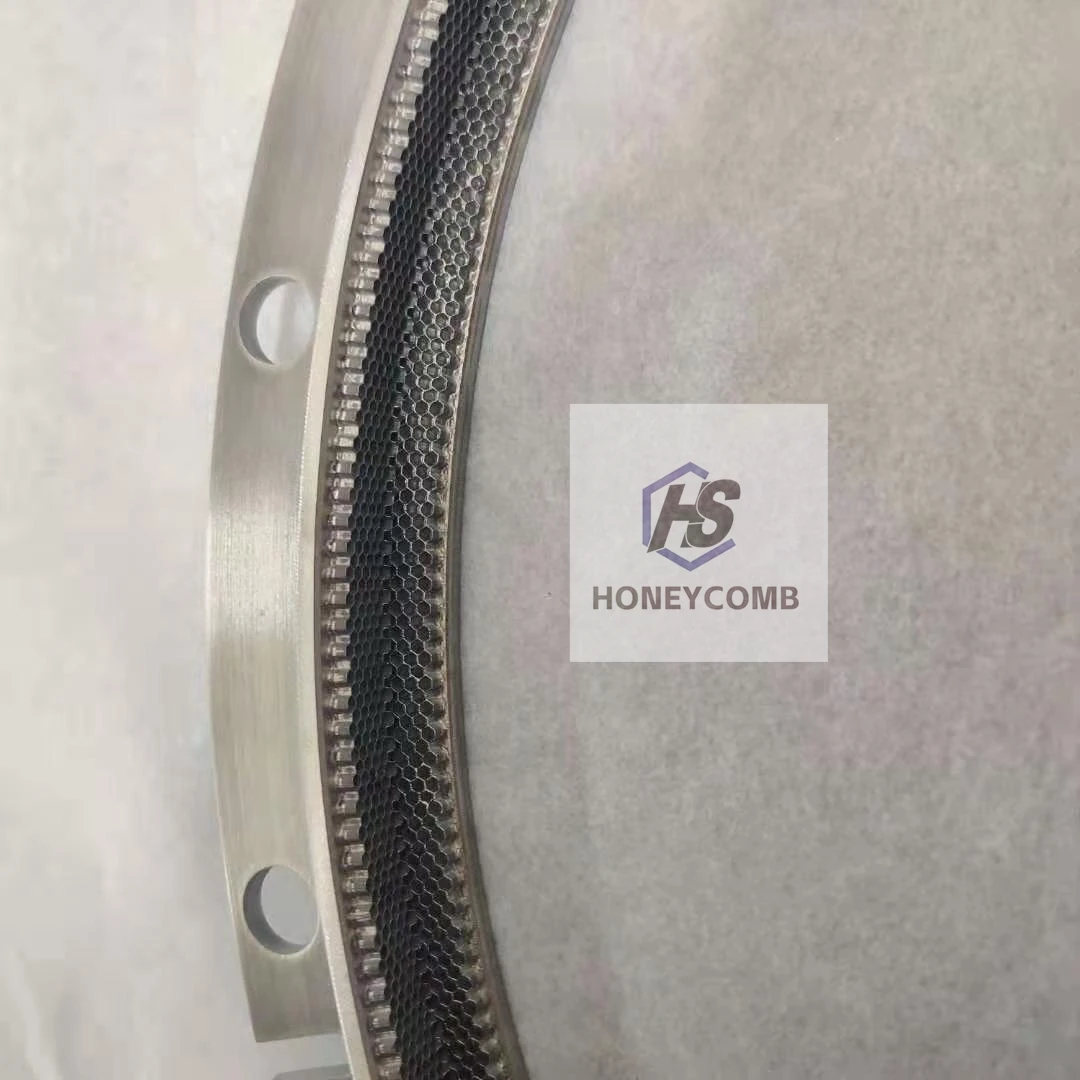
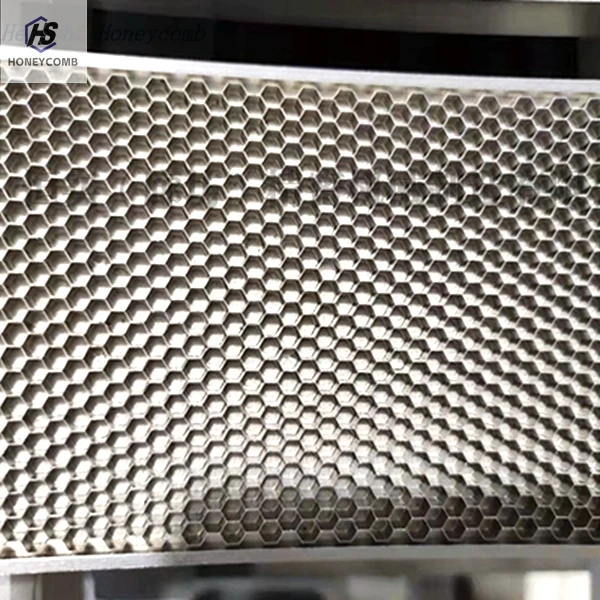
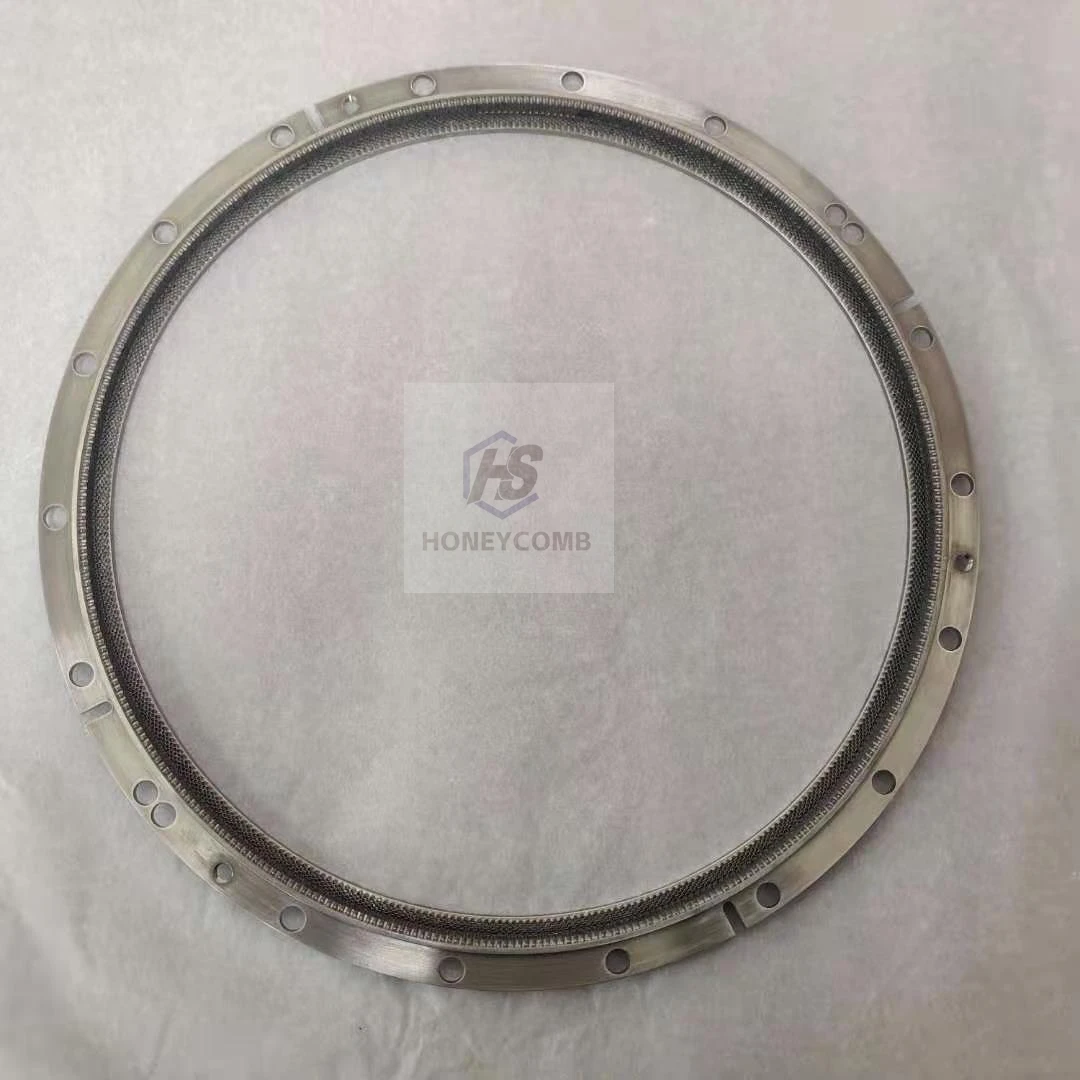
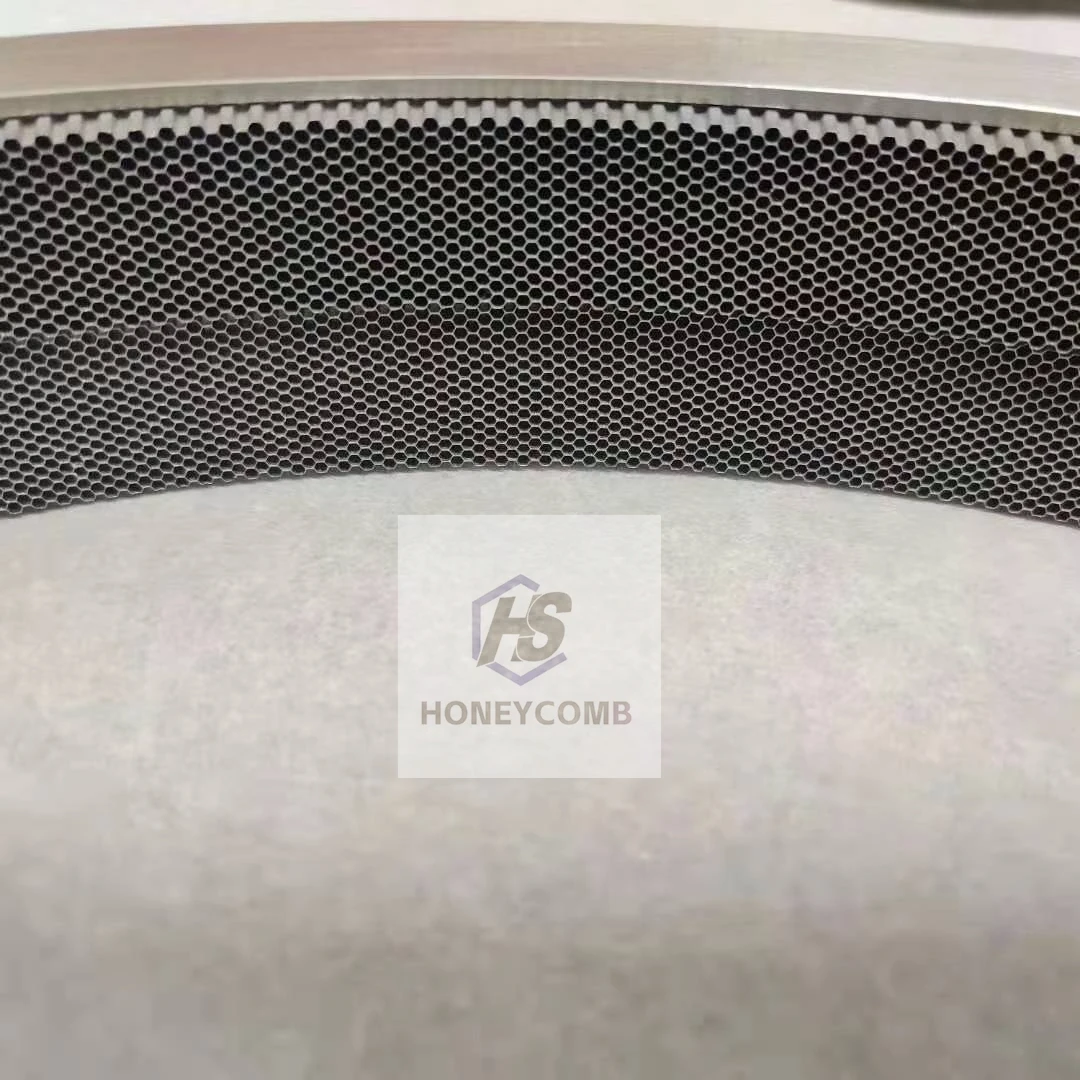
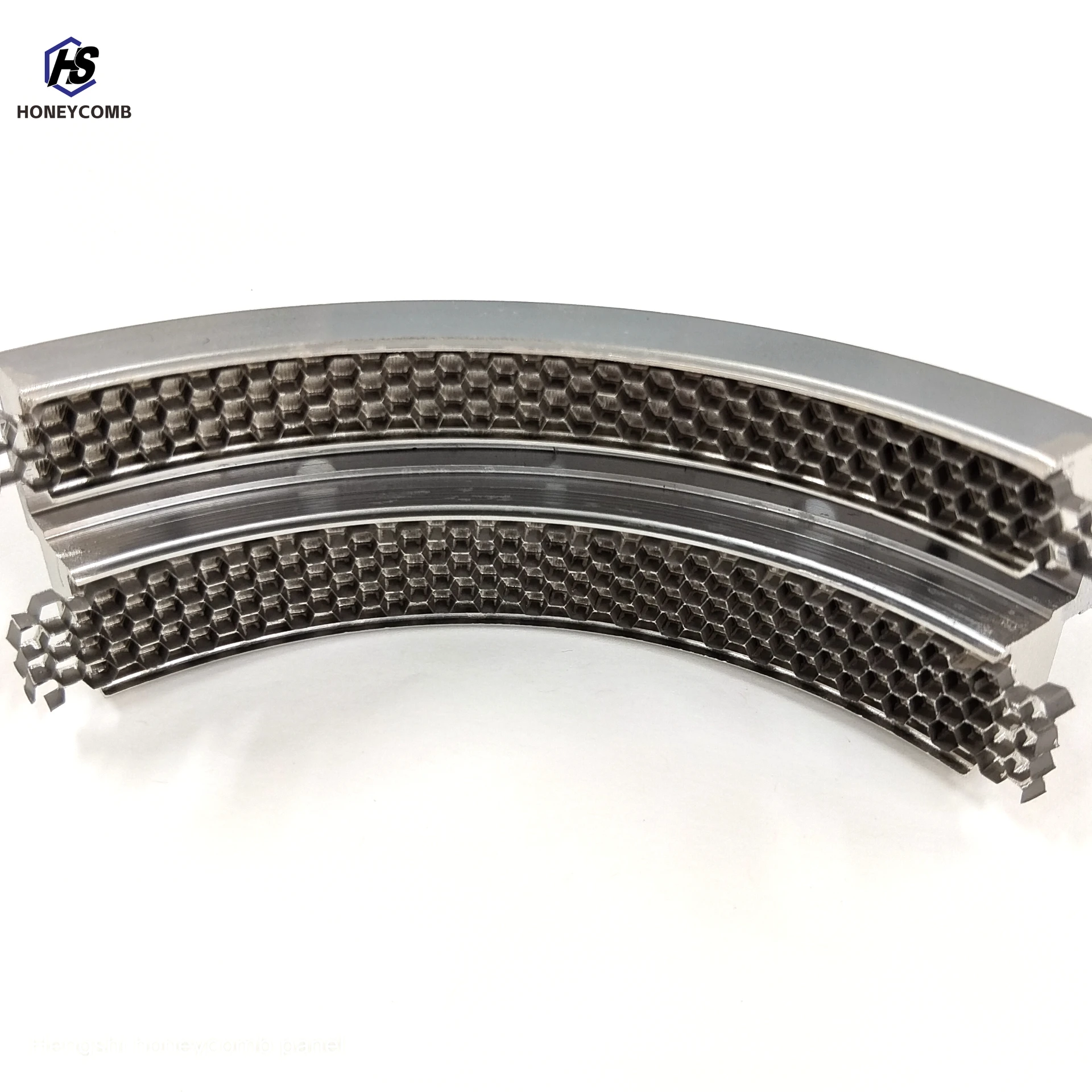
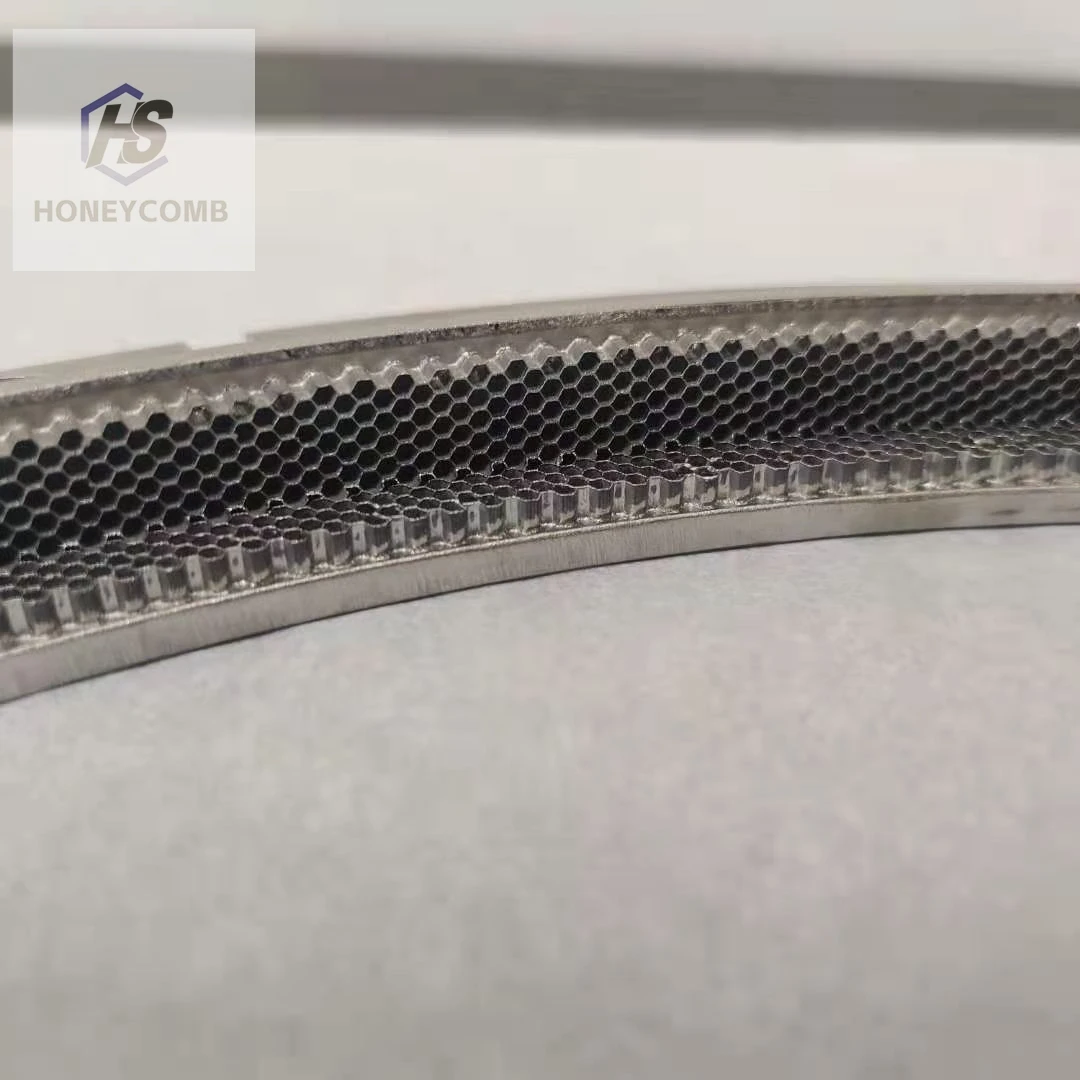
So, what exactly is nid d'abeille en acier, and why are industries worldwide buzzing about it? At its core, this term — French for "steel honeycomb" — refers to a unique lightweight yet incredibly strong panel system that mimics the hexagonal honeycomb structure found in nature. Like bees engineering their hives for maximum efficiency, humans have adapted this pattern in steel to create materials that are simultaneously light and durable. With sustainability and efficiency dominating global conversations, understanding this technology isn’t just academic; it’s pivotal in sectors ranging from aerospace to construction, even humanitarian efforts.
According to recent ISO standards (ISO 9001:2015) on materials management and data from the World Steel Association, incorporating honeycomb steel structures can reduce material costs by up to 30% while maintaining structural integrity. This contributes to both economic savings and environmental benefits — a win-win in today’s resource-conscious climate.
Introducing Nid d'Abeille en Acier: Structure and Significance
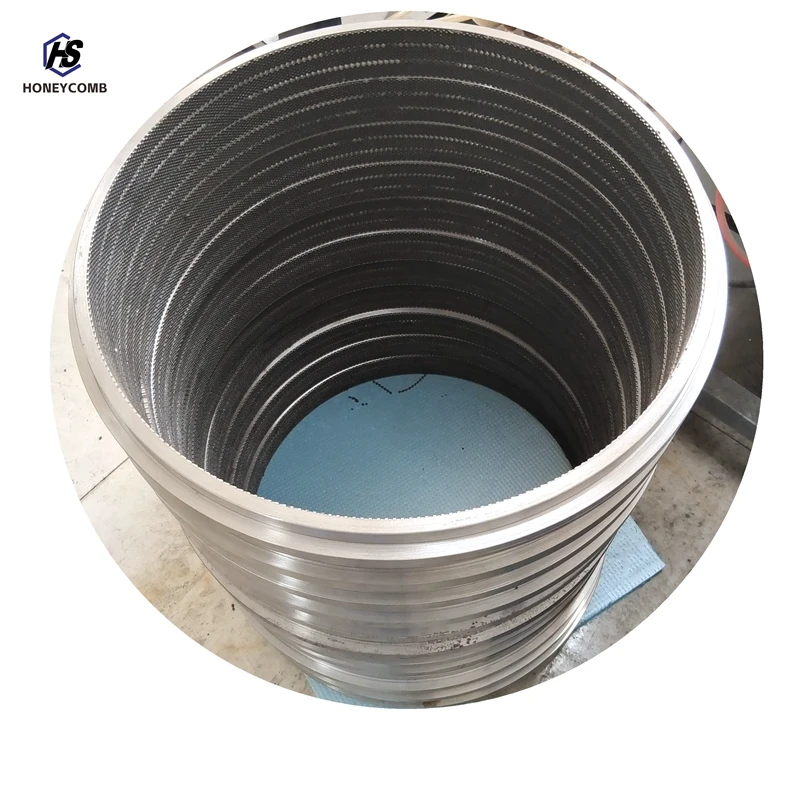
Imagine a sheet of steel - but instead of being solid or flat, it's structured internally like a honeycomb. That’s nid d'abeille en acier. This architecture distributes weight evenly and provides impressive resistance against compression, bending, and shear forces. It’s a favorite in applications where strength-to-weight ratio is crucial.
Industries relying on large-scale infrastructure like bridge construction or clean energy installations can’t overlook these panels. Especially when setup speed and durability in harsh environments matter — refugee shelters or post-disaster construction zones, for example. The connection to humanitarian needs is important here: lightweight steel honeycomb panels are easier to transport and assemble, scaling relief efforts significantly.
Core Components Defining Steel Honeycomb Panels
Durability
The steel used in these honeycomb panels is often galvanized or stainless, boasting excellent corrosion resistance. This protects them in salty marine climates or industrial settings where chemical exposure is frequent.
Scalability
From tiny modular parts to massive panels spanning meters, these panels can be tailored in size without losing their load-bearing prowess. It's this flexibility that makes them a designer’s delight.
Cost Efficiency
By using less raw material to achieve the same—sometimes better—structural performance, producers and buyers benefit from lower fabrication and transportation costs. The thinner but stronger structure means shipping lighter loads, which also cuts carbon footprints.
Thermal and Acoustic Insulation
Because of the hollow hexagonal cells, nid d'abeille en acier panels provide decent insulation against heat and sound. This feature is essential in modern office buildings or industrial plants where both comfort and energy efficiency matter.
Modularity
These panels can be combined, layered, or mounted easily, ensuring they fit various assembly lines or prefabricated structures, leading to minimal onsite labor requirements.
Real-World Applications of Nid d'Abeille en Acier
If you’re wondering where you’d find these panels in action, the answer is pretty much everywhere that demands smart engineering solutions:
- Aerospace and Automotive: In aircraft interiors and vehicle chassis, saving weight directly translates to fuel efficiency.
- Architecture and Construction: Facades, partitions, and roofing — all benefiting from structural strength without the backbreaking weight.
- Humanitarian Aid: Especially in remote or disaster-affected regions, rapid-assembly steel honeycomb panels form the basis for emergency shelters, safer and longer-lasting than traditional tents.
- Energy Sector: Wind turbine blades and solar panel mounts use these lightweight materials to enhance performance and reduce strain.
For example, after the 2010 Haitian earthquake, several NGOs favored steel honeycomb-based modular shelters because they could be shipped flat, carried manually by relief workers, and quickly assembled — saving precious hours when every minute mattered.
Product Specification Table: Typical Nid d'Abeille en Acier Panels
| Specification | Typical Value | Notes |
|---|---|---|
| Material | Galvanized Steel / Stainless Steel | Depending on environment |
| Panel Thickness | 10–50 mm | Adjustable by core height |
| Cell Size | 3–10 mm (edge length of hexagon) | Affects strength & weight |
| Panel Weight | 4–8 kg/m² | Varies by thickness & material |
| Compressive Strength | Up to 12 MPa | Depends on application |
| Thermal Conductivity | 0.03 W/m·K (with filling) | With polymer or mineral core |
Comparing Key Vendors Offering Nid d'Abeille en Acier
| Vendor | Core Technologies | Price Range | Customization | Lead Time |
|---|---|---|---|---|
| SteelTech Industries | Galvanized steel honeycomb; composite cores | $$$ | High (core size, coatings, panel sizes) | 4–6 weeks |
| HexaCore Metals | Stainless steel honeycomb, eco coatings | $$$$ | Medium (standard sizes with some customization) | 6–8 weeks |
| RapidForm Panels | Galvanized steel, fast assembly joints | $$ | Low (mostly catalog products) | 2–3 weeks |
The Advantages and Lasting Value of Steel Honeycomb Structures
The benefits of choosing nid d'abeille en acier aren’t just technical jargon but translate into practical gains:
- Cost Savings: Less steel, less weight, reduced shipping and installation costs.
- Environmental Footprint: Sustainable fabrication and lightweight logistics help cut CO₂ emissions.
- Enhanced Safety: Strong, resilient shelters or constructions that better protect people and assets.
- Longevity: Corrosion-resistant coatings mean structures last longer, reducing replacement needs.
- Innovative Appearance: Agencies and brands value the modern, clean aesthetics of honeycomb panels.
Frankly, investing in this technology often pays off in peace of mind. A company I spoke with recently highlighted how these panels improved their delivery timelines and reduced on-site accidents. For humanitarian workers, the emotional uplift of providing dignified, lasting shelter is just as powerful as the technical specs.
Looking Ahead: Trends and Innovations in Steel Honeycomb
What’s next for nid d'abeille en acier? A few trends seem set to dominate:
- Green Energy Integration: Embedding solar cells or thermal panels within honeycomb panels.
- Digital Manufacturing: Using robotics and AI for precision cutting and assembly.
- Advanced Materials: Combining steel with composites or biodegradable cores to improve recyclability.
- Automation in Disaster Relief: Faster fabrication and transport mechanisms, making emergency shelter setup even safer and simpler.
OEMs are experimenting with smart coatings that adapt to temperature changes and self-heal minor scratches, which sounds a bit futuristic, but it’s edging into real-world use.
Challenges and Ways Forward
No innovation is without its bumps. With nid d'abeille en acier, some hurdles include:
- Cost Barriers: Initial setup and manufacturing require precision machinery, which might be pricey for smaller firms.
- Corrosion in Harsh Settings: While coatings help, extreme marine or chemical conditions still need specialized solutions.
- Recycling and Disposal: Recovering and separating steel from composite cores can be tricky.
Experts suggest that advances in recyclable polymer cores and industry-wide standards for coatings will ease these issues over time. After all, it’s a relatively young technology, and incremental improvements tend to come fast once a critical mass of adoption hits.
FAQ: Practical Questions About Nid d'Abeille en Acier
Q1: How does nid d'abeille en acier compare to traditional solid steel panels in strength?
Steel honeycomb panels typically offer similar or better strength-to-weight ratios compared to solid steel panels. Because of their geometric structure, they resist bending and compression efficiently while using less material, making them lighter and often more cost-effective.
Q2: Is steel honeycomb environmentally friendly?
Yes, especially when using recycled steel and eco-friendly coatings. Their light weight reduces transportation emissions, and their long lifespan means less frequent replacements, which overall lowers environmental impact compared to heavier, more wasteful alternatives.
Q3: Can nid d'abeille en acier panels be customized for specific climate conditions?
Absolutely. Manufacturers can adjust the core cell size, steel type, and protective coatings to make panels suitable for everything from humid tropical zones to arid deserts or cold mountainous regions.
Q4: How quickly can these panels be delivered and installed on-site?
Depending on vendor and customization, lead times range from 2 to 8 weeks, with installation typically faster than traditional panels due to the lightweight modular design — sometimes cut in half.
Q5: Are these panels suitable for emergency disaster relief housing?
Definitely. Their lightweight, easy assembly, and durability make them a preferred choice for NGOs working in post-disaster zones, offering safer and more dignified temporary shelters compared to tents or wooden structures.
Wrapping Up: Why Nid d'Abeille en Acier is More Than Just Steel
At the end of the day, nid d'abeille en acier represents a smart fusion of design, materials science, and practical humanity. Its widespread adoption signals a future where lightweight doesn’t mean fragile, and sustainability doesn’t cost the Earth.
Interested in curious panels that help build worlds — literally and metaphorically? Visit nid d'abeille en acier for more details, samples, and expert insights tailored to your next project.
References:
1. World Steel Association, Steel Industry Data 2023.
2. ISO 9001:2015 - Quality management systems.
3. UN Office for Disaster Risk Reduction, 2022 Report on Building Resilient Infrastructure.
-
Manufacturer Supply 10mm Stainless Steel 304 Honeycomb for Wind Tunnels Air Flow Testing: Selection ChecksNewsNov.23,2026
-
EMI honeycomb filter comparison for wind and water tunnel flow controlNewsNov.20,2026
-
How to Choose a Vented Aluminum Honeycomb for a 120 × 120 mm FanNewsNov.10,2026
-
High Performance EMI Honeycomb Vent for Sale: Buyer FAQsNewsNov.03,2026
-
Comparing Customized Hexagonal 316 Stainless Steel Honeycomb Core For Sewage Treatment Options: Specifications, Materials and Supplier DocumentationNewsOct.28,2026
-
High Precision Metal Honeycomb Seals buy turbine core datasheetNewsJul.01,2026
-
High Performance Military Grade Metal Honeycomb Core for SaleNewsJun.29,2026






 English
 Afrikaans
 Albanian
 Amharic
 Arabic
 Armenian
 Azerbaijani
 Basque
 Belarusian
 Bengali
 Bosnian
 Bulgarian
 Catalan
 Cebuano
 China
 China (Taiwan)
 Corsican
 Croatian
 Czech
 Danish
 Dutch
 Esperanto
 Estonian
 Finnish
 French
 Frisian
 Galician
 Georgian
 German
 Greek
 Gujarati
 Haitian Creole
 Hausa
 Hawaiian
 Hebrew
 Hindi
 Miao
 Indonesian
 Italian
 Japanese
 Javanese
 Malay
 Persian
 Portuguese
 Punjabi
 Russian
 Spanish
 Swahili
 Telugu
 Vietnamese