


3.2mm Honeycomb Rings: High Surface Area Filter Media?
3.2mm Honeycomb Rings: what’s really driving seal upgrades in 2025
If you spend time around gas turbines or high-speed compressors (I do, too often, honestly), you hear the same refrain: leakage steals efficiency. That’s why 3.2mm Honeycomb Rings keep showing up in overhaul specs and new-build RFQs. They’re lightweight, forgiving under rub events, and—when properly brazed—remarkably stable across brutal thermal cycles.
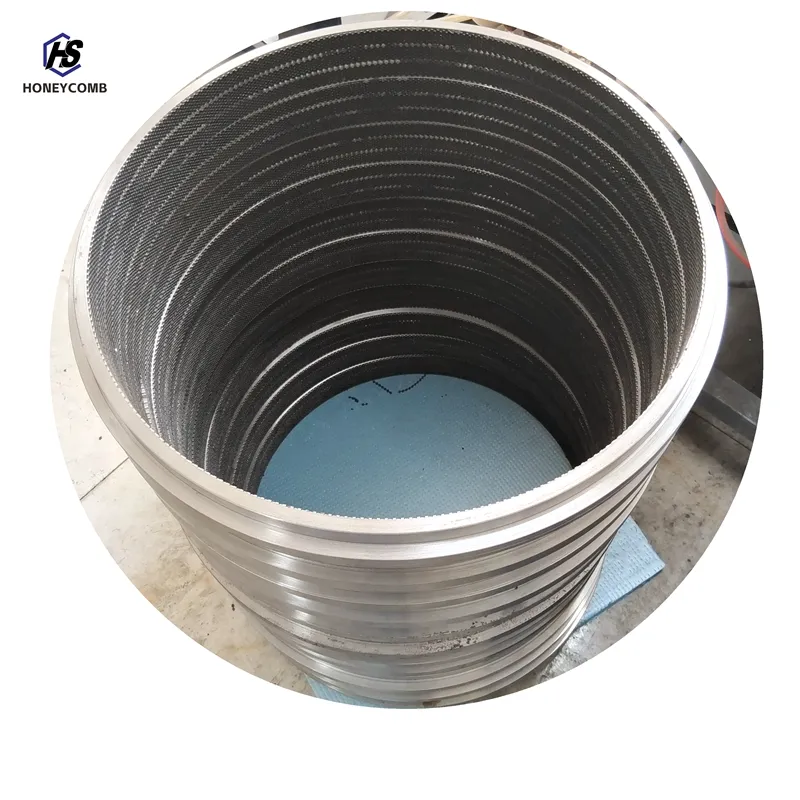
What they are, why they matter
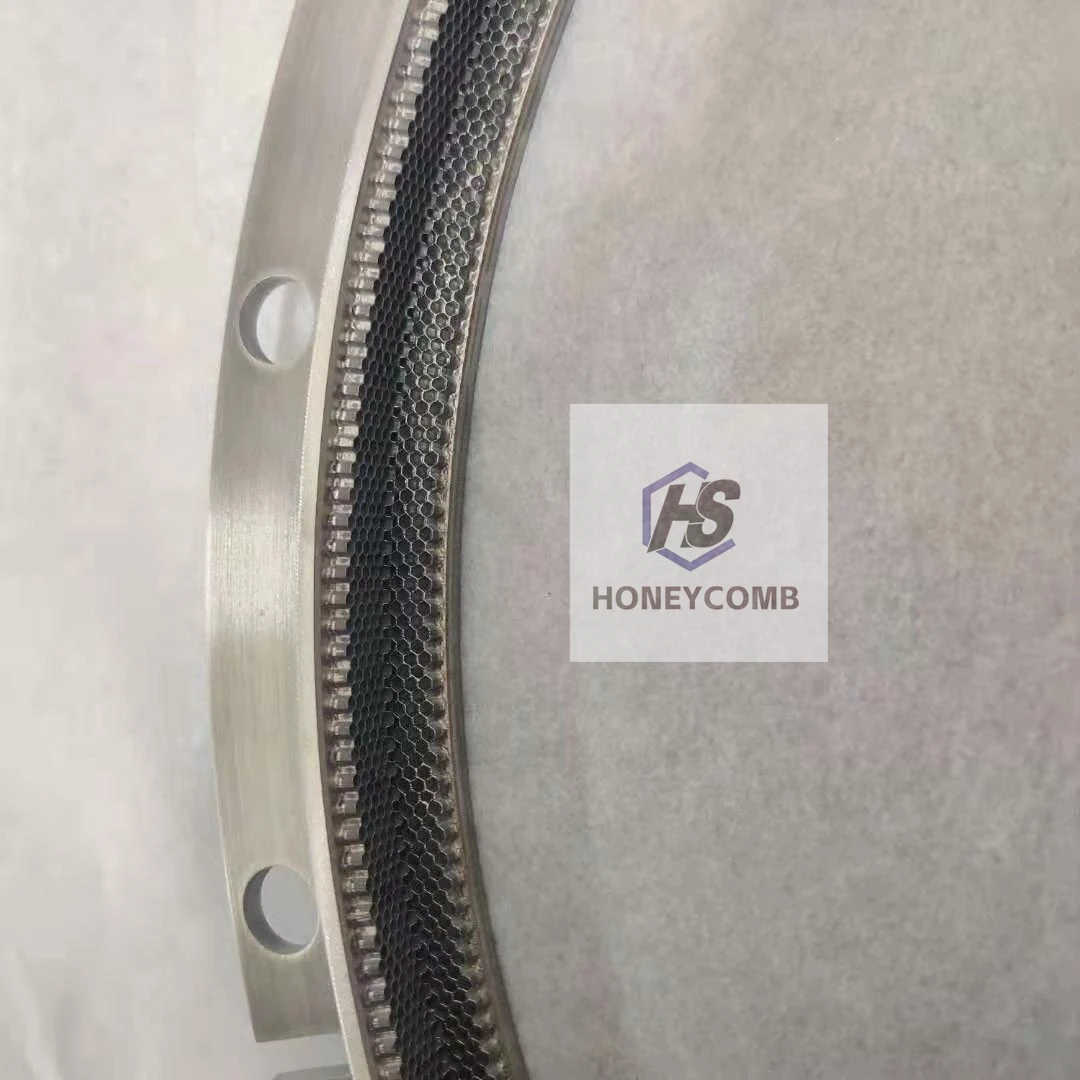
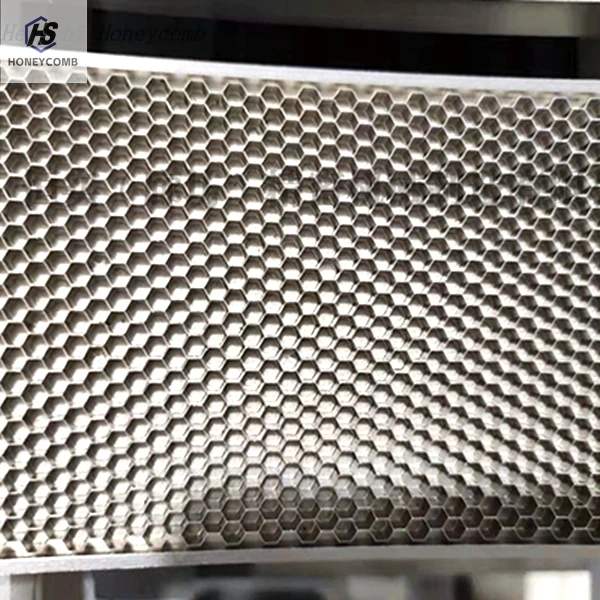
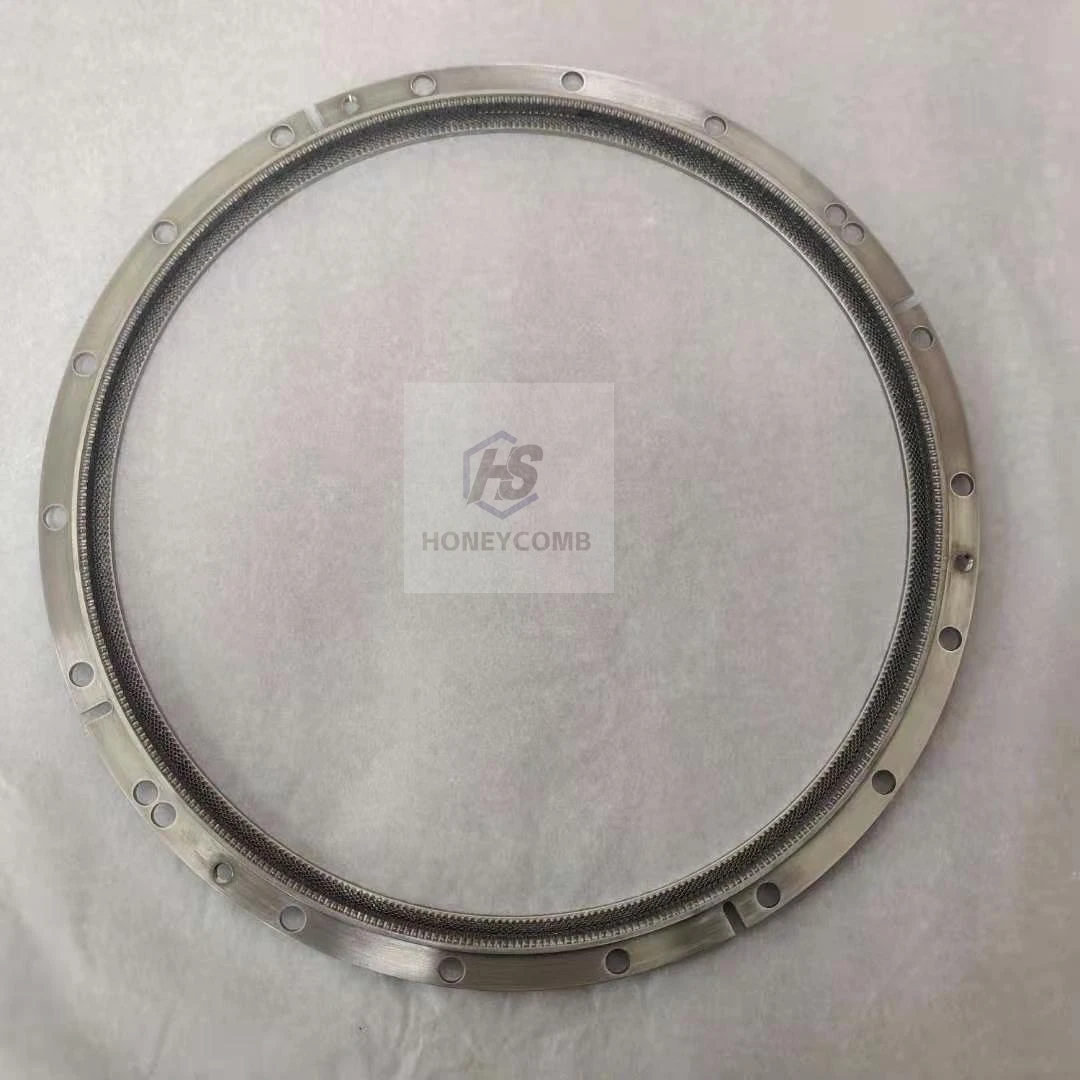
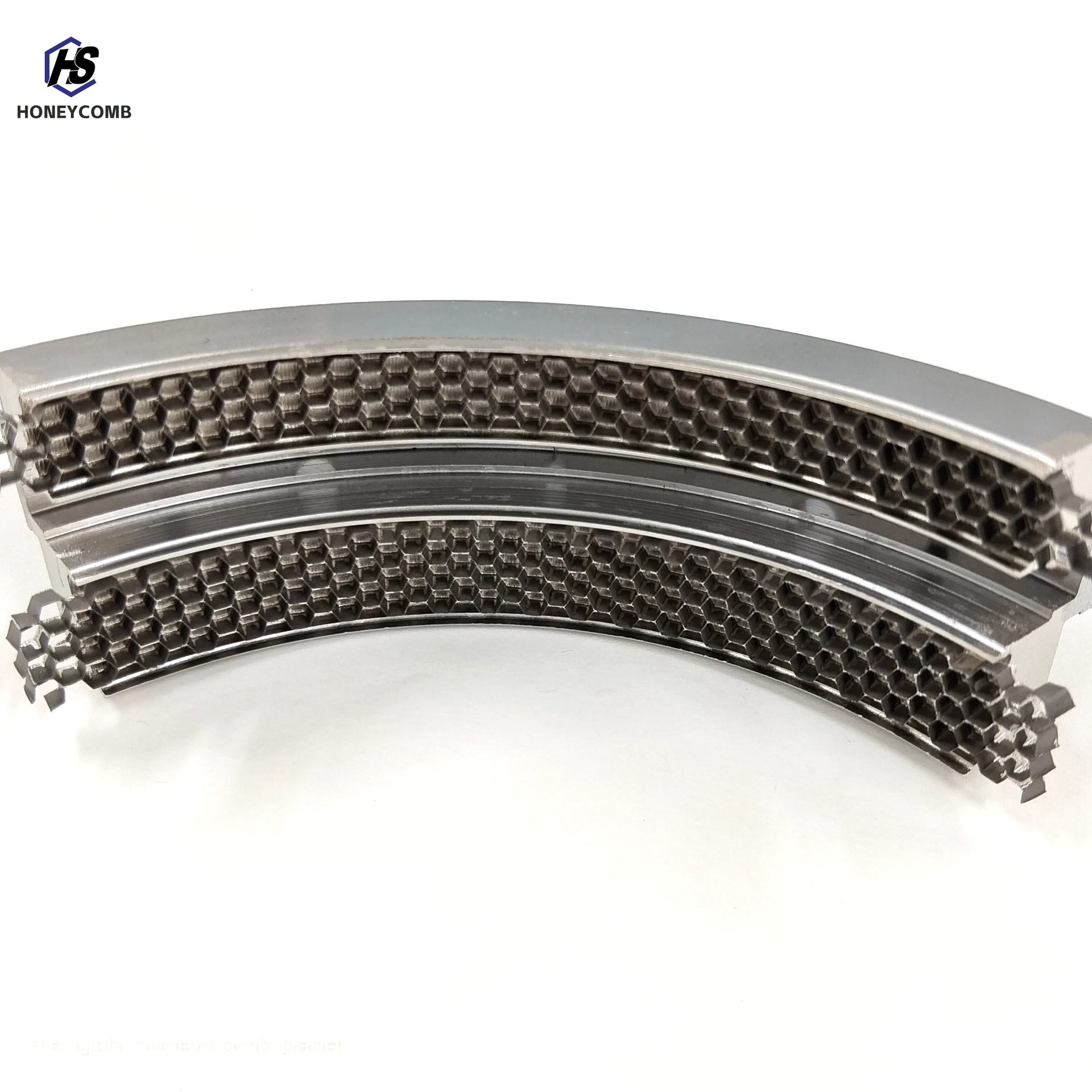
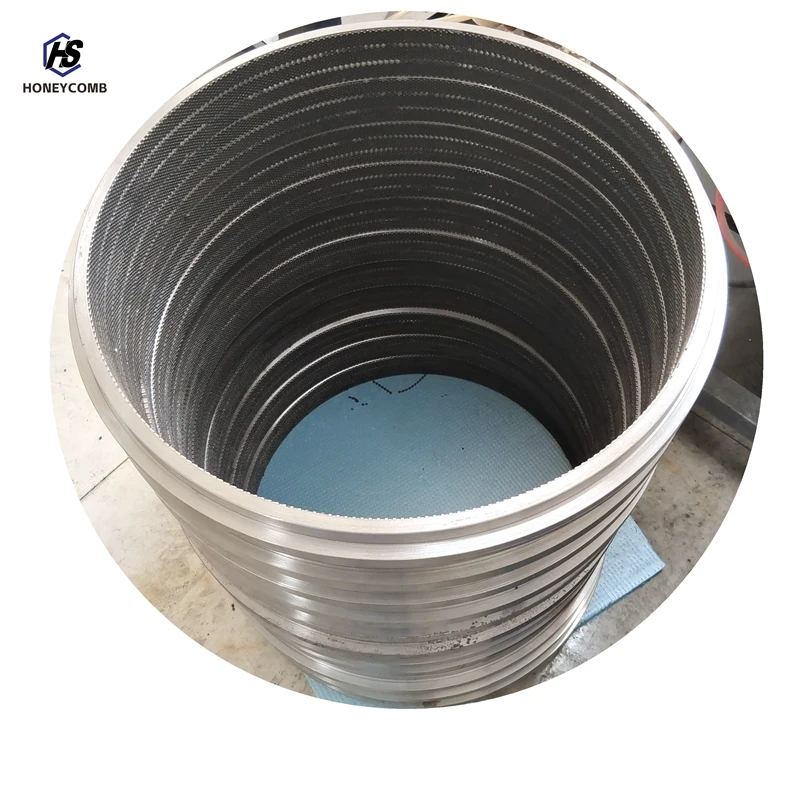
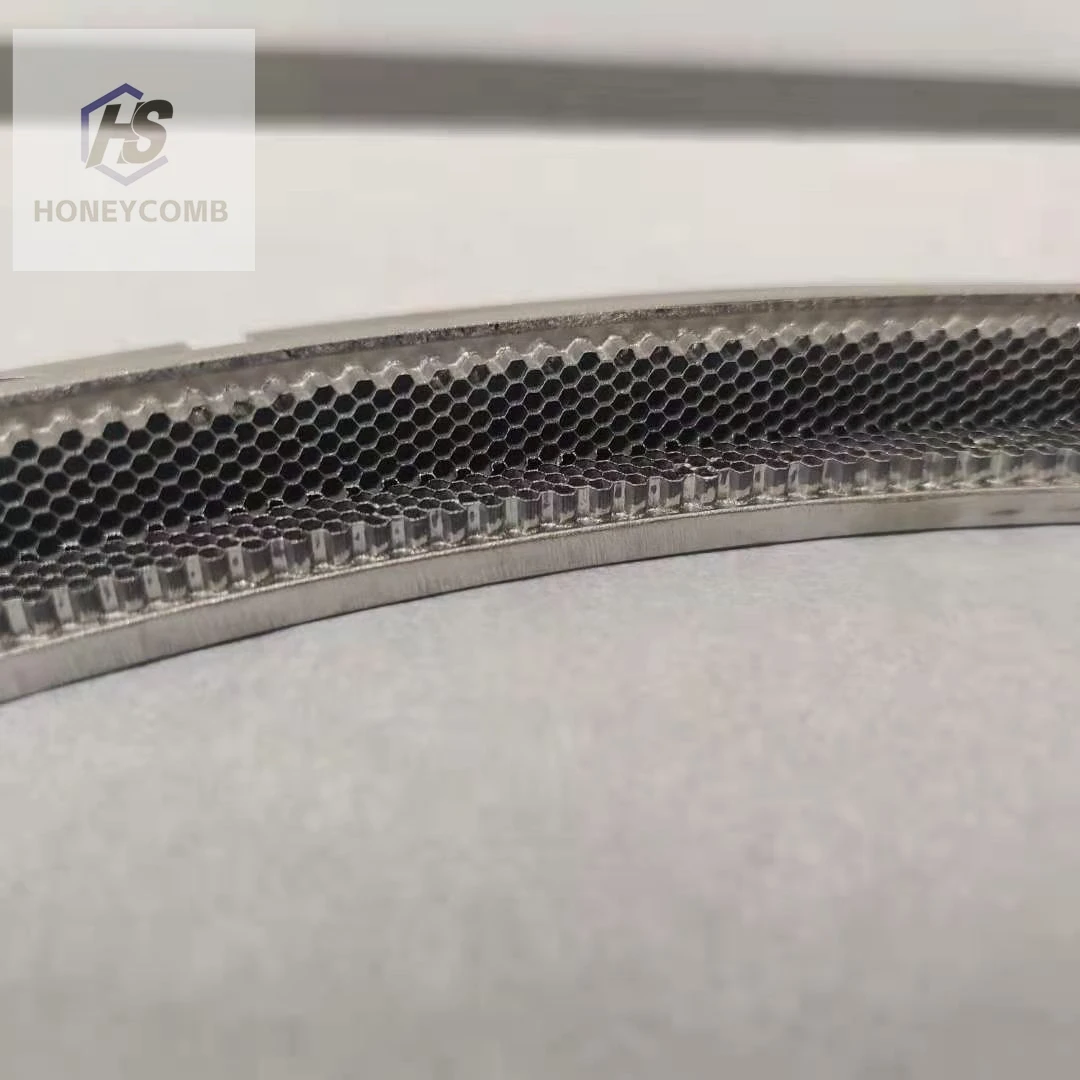
3.2mm Honeycomb Rings use a cellular metal core to create a tortuous leakage path. In practice, that means lower clearances with reduced risk: if a rotor kisses the seal, cells collapse in a controlled way instead of chewing up blades. Many customers say they see faster restarts and steadier efficiency after retrofits. To be honest, the quieter vibration plots are the giveaway.
Typical applications
- Axial/centrifugal compressors (API 617 class)
- Gas and steam turbines (stationary and rotating seal carriers)
- Jet engine secondary air systems and buffer seals
- High-speed rotating machinery in petrochemical and power gen
Product snapshot
| Parameter | Spec (nominal) | Notes |
|---|---|---|
| Cell size | 3.2 mm (≈1/8") | Common balance of leakage control vs. rub tolerance |
| Wall thickness | ≈0.05–0.15 mm | Depends on alloy and duty cycle |
| Alloys | Inconel 718, Hastelloy X, SS 321/316L | Per AMS 5662 / ASTM A240 or equivalent |
| Brazing | Vacuum or controlled-atmosphere | AWS C3.6M/C3.6 quality criteria |
| Roundness/flatness | ≈±0.03–0.08 mm (real-world may vary) | ISO 2768-mK unless otherwise specified |
| Service life | ~40,000–80,000 operating hours | Strongly duty/cycle dependent |
Process flow and testing (how it’s built right)
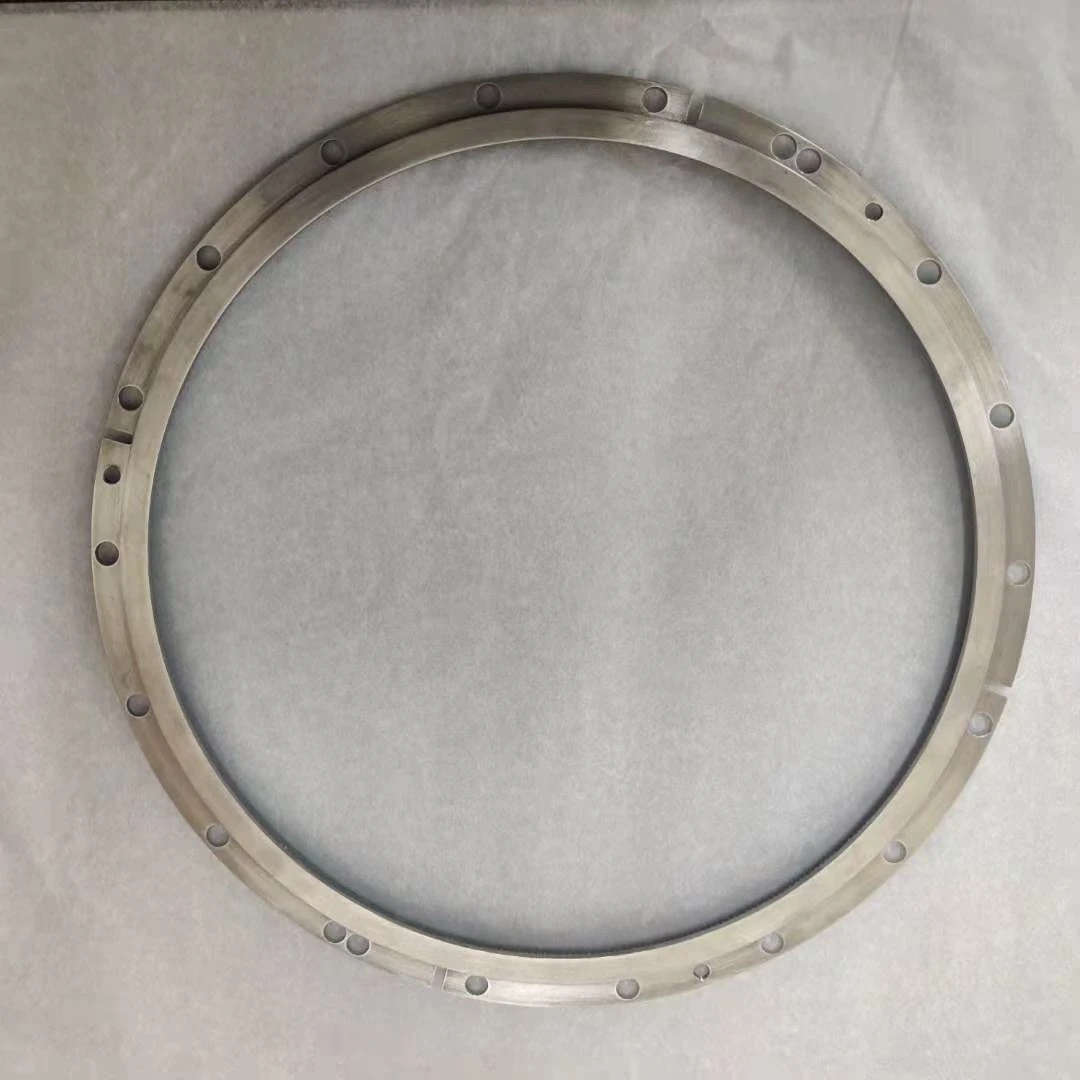
Materials are cut and formed into the honeycomb core, then bonded to a backing ring via vacuum brazing (flux-free; better joint integrity). Machining follows—CNC turning, EDM where needed—to final geometry. Inspection uses CMM, surface finish per ISO 4287, and dimensional checks per ISO 2768. Leak checking often uses mass-spectrometer helium methods (ASTM E498/E499), and assemblies for high-speed service are verified against compressor requirements in API 617 / ISO 10439. For rotating carriers, balance targets follow ISO 21940-11, typically G2.5 or tighter.
Real-world performance
Lab rigs show ≈15–30% leakage reduction vs. smooth-land seals at comparable clearances, with rub-in events producing stable running clearances after a short bedding period. One combined-cycle plant (Middle East) reported ~0.6–0.8% heat-rate improvement after a compressor section retrofit with 3.2mm Honeycomb Rings. Anecdotal? Sure—but the fuel ledger agreed.
Vendor landscape (quick view)
| Supplier | Origin | Alloys | Tolerance (≈) | Lead time | Certs |
|---|---|---|---|---|---|
| HSHI Honeycomb | Hebei, China (No.2 Tongda St., Gu'an) | 718, Hastelloy X, SS 321/316L | ±0.03–0.08 mm | 4–8 weeks (typ.) | ISO 9001 (commonly required) |
| Global OEM A | EU | High-temp Ni alloys | ±0.02–0.05 mm | 6–12 weeks | AS9100, ISO 9001 |
| Regional Shop B | North America | SS + select Ni alloys | ±0.05–0.10 mm | 3–6 weeks | ISO 9001 |
Notes: Data is indicative; real-world capability varies by drawing class, lot size, and alloy availability.
Customization checklist
- Alloy selection vs. temperature and corrosion media
- Cell size and wall gauge trade-offs (leakage vs. rub-in)
- Braze alloy compatibility and joint gap design
- Carrier geometry, anti-rotation features, and assembly stack-up
- Inspection plan: CMM points, leak-test threshold, NDT (dye-penetrant on braze fillets)
What users say
“We saw cleaner startup transients and less rotor whine after swapping in 3.2mm Honeycomb Rings—the rub-in was controlled, then it just settled,” a maintenance lead told me after their steam turbine major. Not a lab quote, but it tracks with the data.
Bottom line
If your KPIs include heat rate, power density, or mean time between overhauls, 3.2mm Honeycomb Rings deserve a spot on the shortlist. The tech is mature, the tests are codified, and the efficiency gains—while plant-specific—are real more often than not.
Authoritative references
- API Standard 617: Axial and Centrifugal Compressors and Expander-compressors, latest ed.
- ISO 10439-1: Centrifugal compressors for petroleum, petrochemical and natural gas industries.
- AWS C3.6M/C3.6: Specification for Furnace Brazing.
- ISO 4287: Geometrical Product Specifications (GPS) — Surface texture.
- ISO 21940-11: Mechanical vibration — Rotor balancing — Part 11.
- AMS 5662 (Inconel 718) and ASTM A240 (stainless plate/sheet) material standards.

-
Industrial Airflow Guide for maf воздушная правильная машинаNewsApr.16,2026
-
Best maf струйно правильная машина for Industrial EfficiencyNewsApr.09,2026
-
Сотовая правильная машина A Comprehensive Guide to Honey Packing AutomationNewsApr.07,2026
-
Build Your Own DIY газоправильная Машина A Comprehensive Guide to Gas CorrectionNewsApr.04,2026
-
Understanding Кондиционер отопления Systems for Efficient and Comfortable HeatingNewsMar.31,2026
-
Comprehensive Guide to Cellular Blinds Installation Установка сотовых жалюзиNewsMar.28,2026
-
Mobile Aerodynamic Tunnel Design A Comprehensive Guide to Applications and ImplementationNewsMar.26,2026






 English
  Afrikaans
  Albanian
  Amharic
  Arabic
  Armenian
  Azerbaijani
  Basque
  Belarusian
  Bengali
  Bosnian
  Bulgarian
  Catalan
  Cebuano
  China
China  China (Taiwan)
  Corsican
  Croatian
  Czech
Czech  Danish
  Dutch
Dutch  Esperanto
  Estonian
  Finnish
  French
  Frisian
  Galician
  Georgian
  German
  Greek
Greek  Gujarati
  Haitian Creole
  Hausa
Hausa  Hawaiian
  Hebrew
  Hindi
Hindi  Miao
Miao  Indonesian
  Italian
  Japanese
  Javanese
  Malay
Malay  Persian
  Portuguese
  Punjabi
  Russian
  Spanish
  Swahili
  Telugu
  Vietnamese