


Mobile Aerodynamic Tunnel Design A Comprehensive Guide to Applications and Implementation
Мобильное проектирование аэродинамической трубы: A Comprehensive Guide
Mobile aerodynamic tunnel design represents a cutting-edge approach to aerodynamic testing, offering flexibility and cost-effectiveness. This article provides a detailed overview of this technology, its applications, benefits, and key considerations for implementation. From research and development to optimization of vehicle performance, mobile aerodynamic tunnels are becoming increasingly important. We'll explore how HSHI Honeycomb provides innovative solutions for these specialized requirements.

Understanding Mobile Aerodynamic Tunnel Design
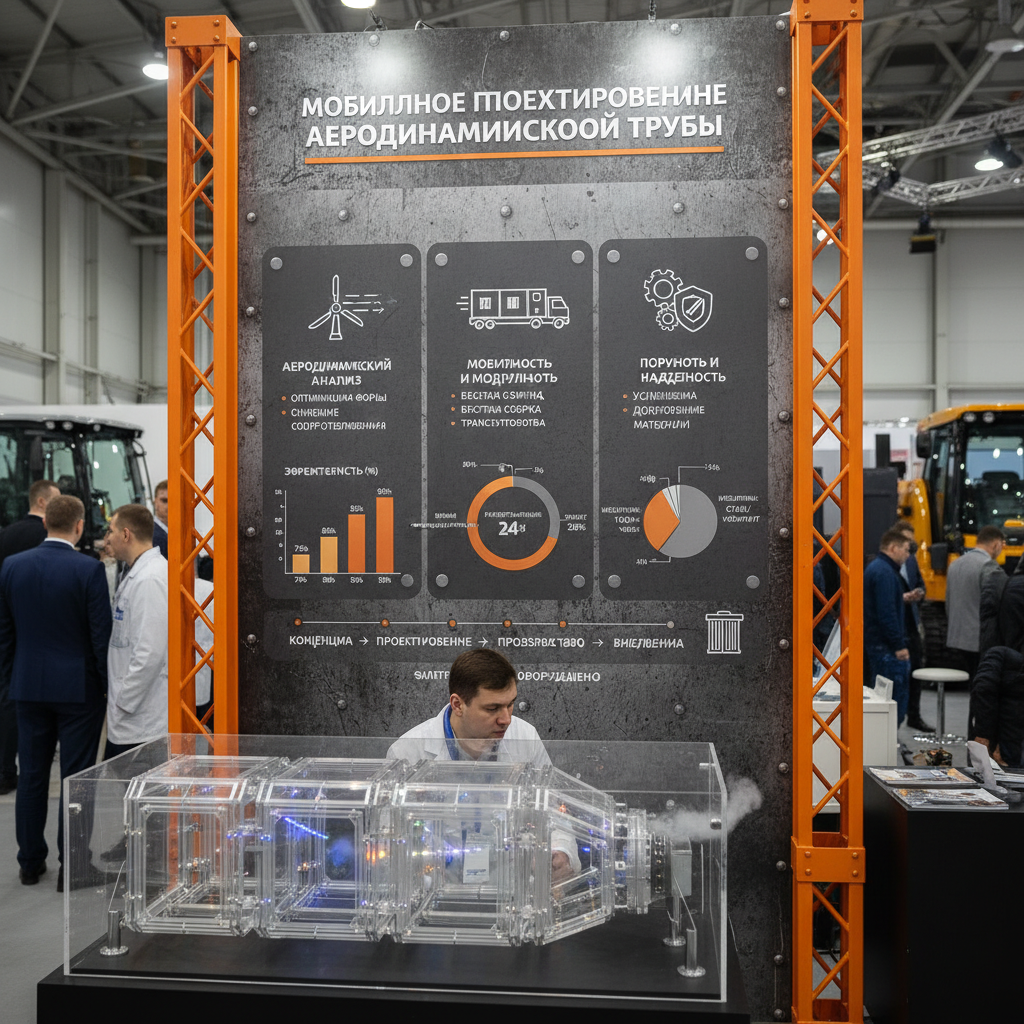
Unlike traditional, fixed aerodynamic tunnels, mobile designs offer the advantage of bringing the testing facility to the object being tested. This is particularly useful for large-scale objects like vehicles, aircraft components, and buildings. Mobile tunnels typically employ a trailer-mounted or truck-mounted configuration, allowing for on-site testing without the need for transporting the object to a centralized facility. The key components include a fan system, settling chamber, test section, and instrumentation for data acquisition. A crucial element is the efficient and precise control of airflow, which requires advanced engineering and careful material selection. HSHI Honeycomb specializes in providing lightweight, high-strength honeycomb structures vital for these applications.
Key Highlights: Mobile aerodynamic tunnels offer flexibility, reduced transportation costs, and the ability to test objects in their natural environment.
Applications of Мобильное проектирование аэродинамической трубы
The applications for mobile aerodynamic tunnels are diverse and growing. They are heavily utilized in the automotive industry for testing vehicle aerodynamics, improving fuel efficiency, and reducing drag. Aerospace companies employ them to validate aircraft designs and optimize wing profiles. Furthermore, they find use in building design to assess wind loads and ensure structural stability. Sports equipment manufacturers also leverage mobile tunnels to enhance the performance of products like bicycles, helmets, and sporting apparel. Accurate data acquisition and analysis are critical, and this requires sophisticated sensors and control systems. The ability to conduct tests in real-world conditions provides invaluable insights that are difficult to obtain in traditional lab settings.
Application Areas:
• Automotive Aerodynamics
• Aerospace Design Validation
• Building Wind Load Analysis
• Sports Equipment Optimization
Мобильное проектирование аэродинамической трубы vs. Traditional Wind Tunnels: A Comparison
While traditional wind tunnels offer a controlled laboratory environment, mobile tunnels provide unique advantages in terms of flexibility and accessibility. The initial investment for a mobile tunnel can be lower than building a fixed facility. Transportation of the test article is eliminated, saving both time and cost. Furthermore, testing can be conducted in the actual operating environment, providing more realistic data. However, mobile tunnels may have limitations in terms of airflow control and maximum speed compared to larger, fixed-facility tunnels. The choice between the two depends heavily on the specific testing requirements and budget constraints.
The Role of Honeycomb Structures in Мобильное проектирование аэродинамической трубы
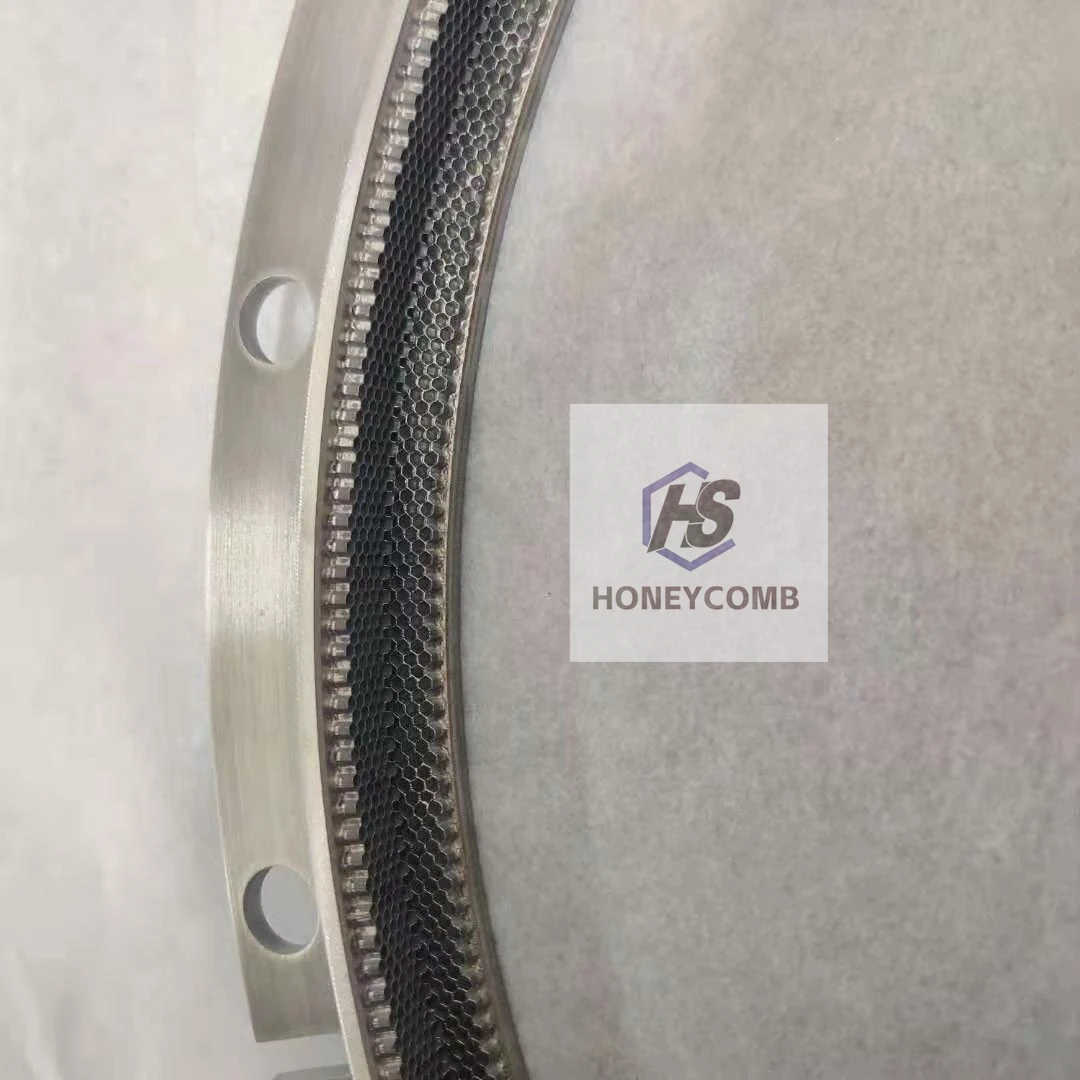
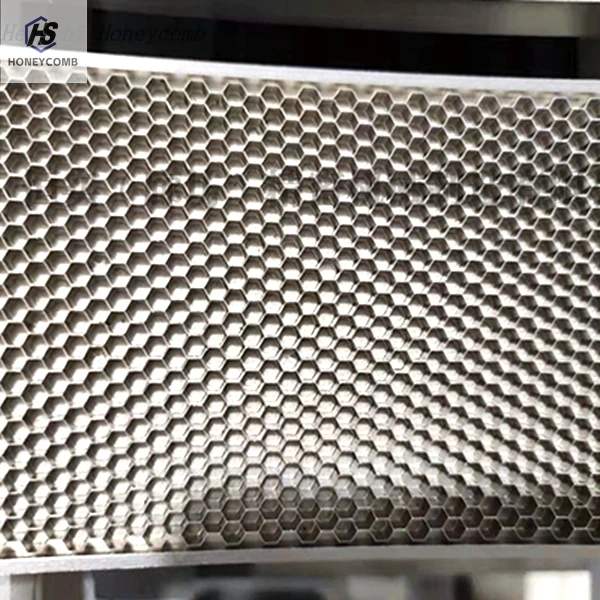
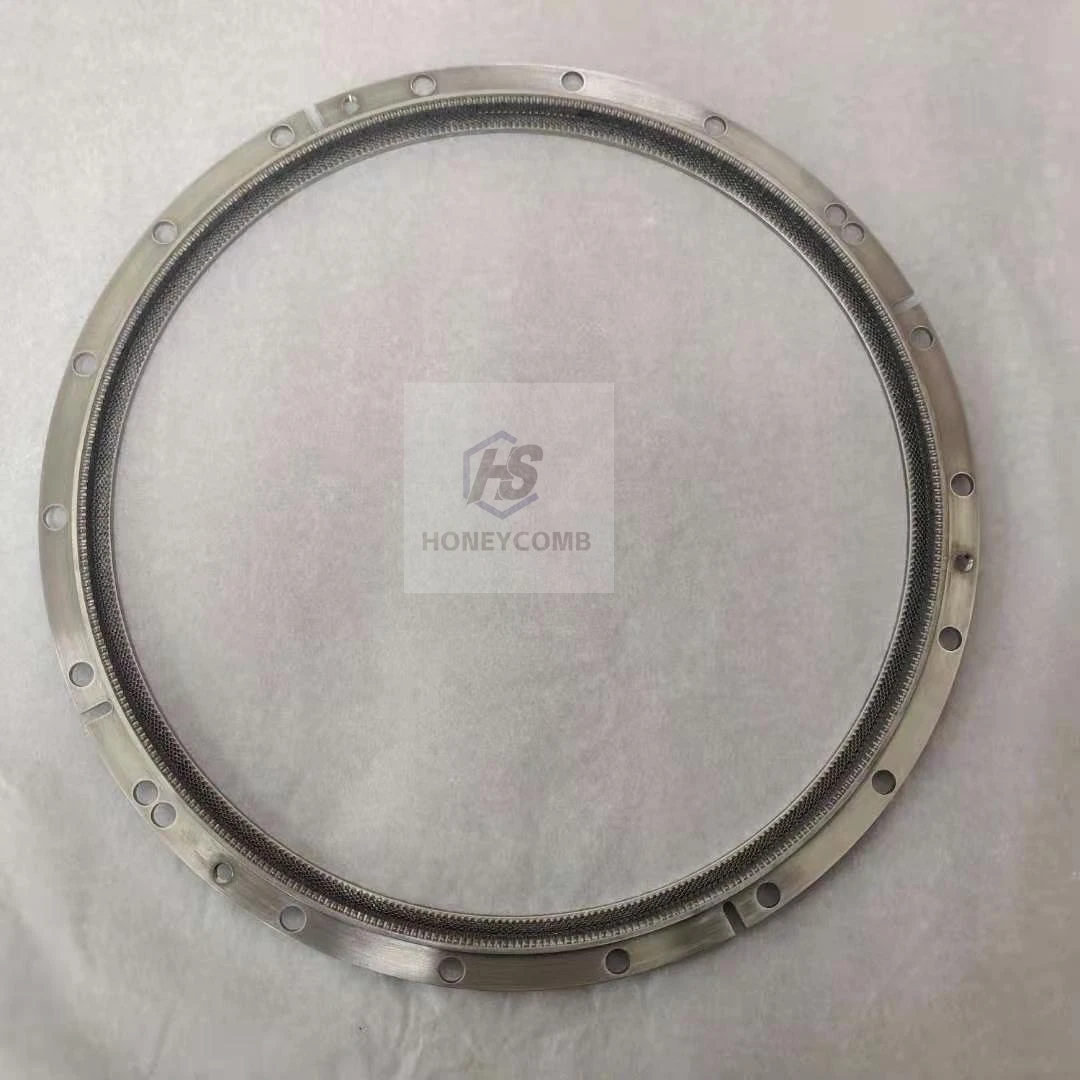
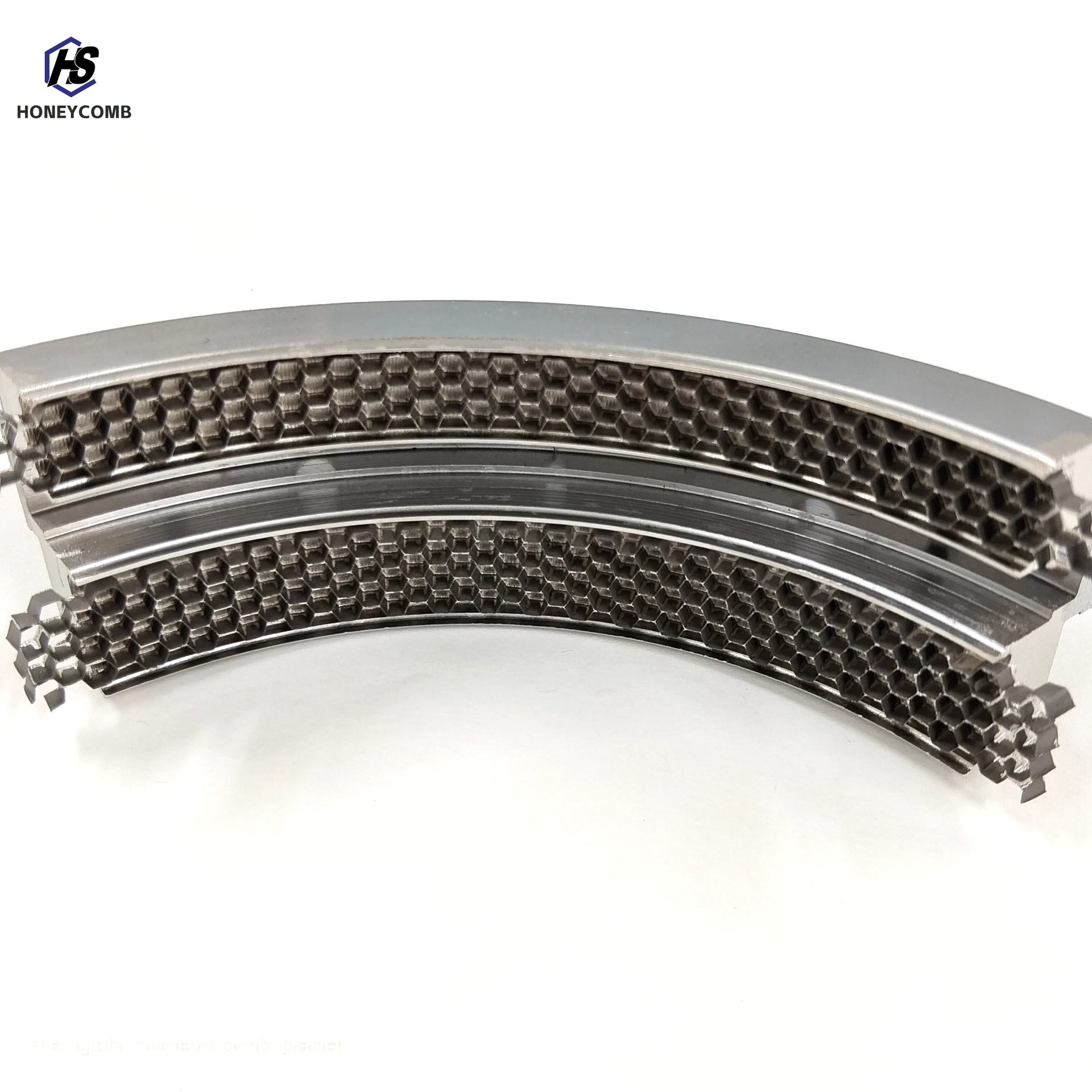
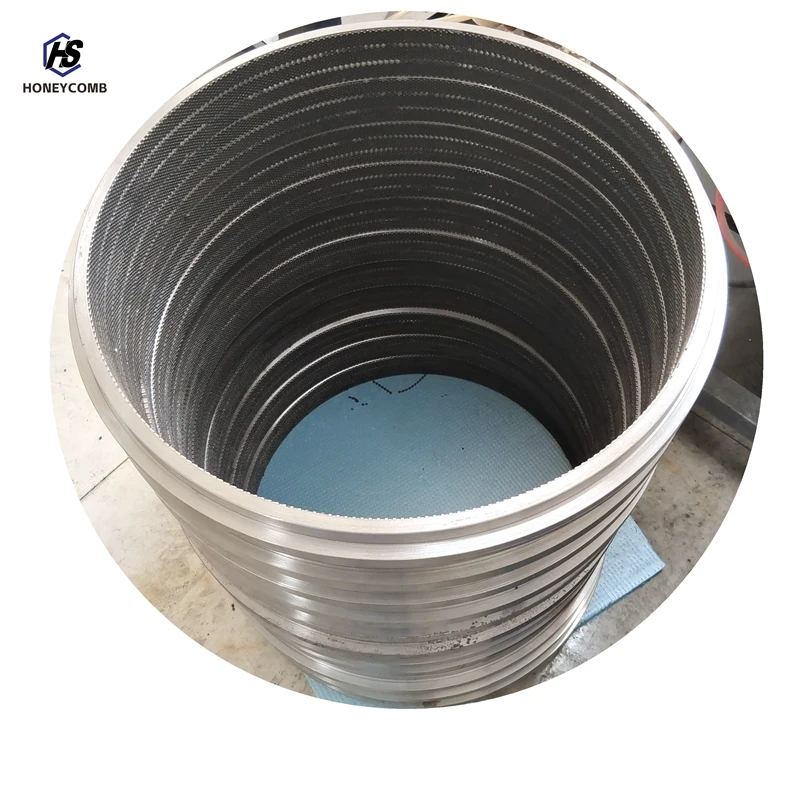
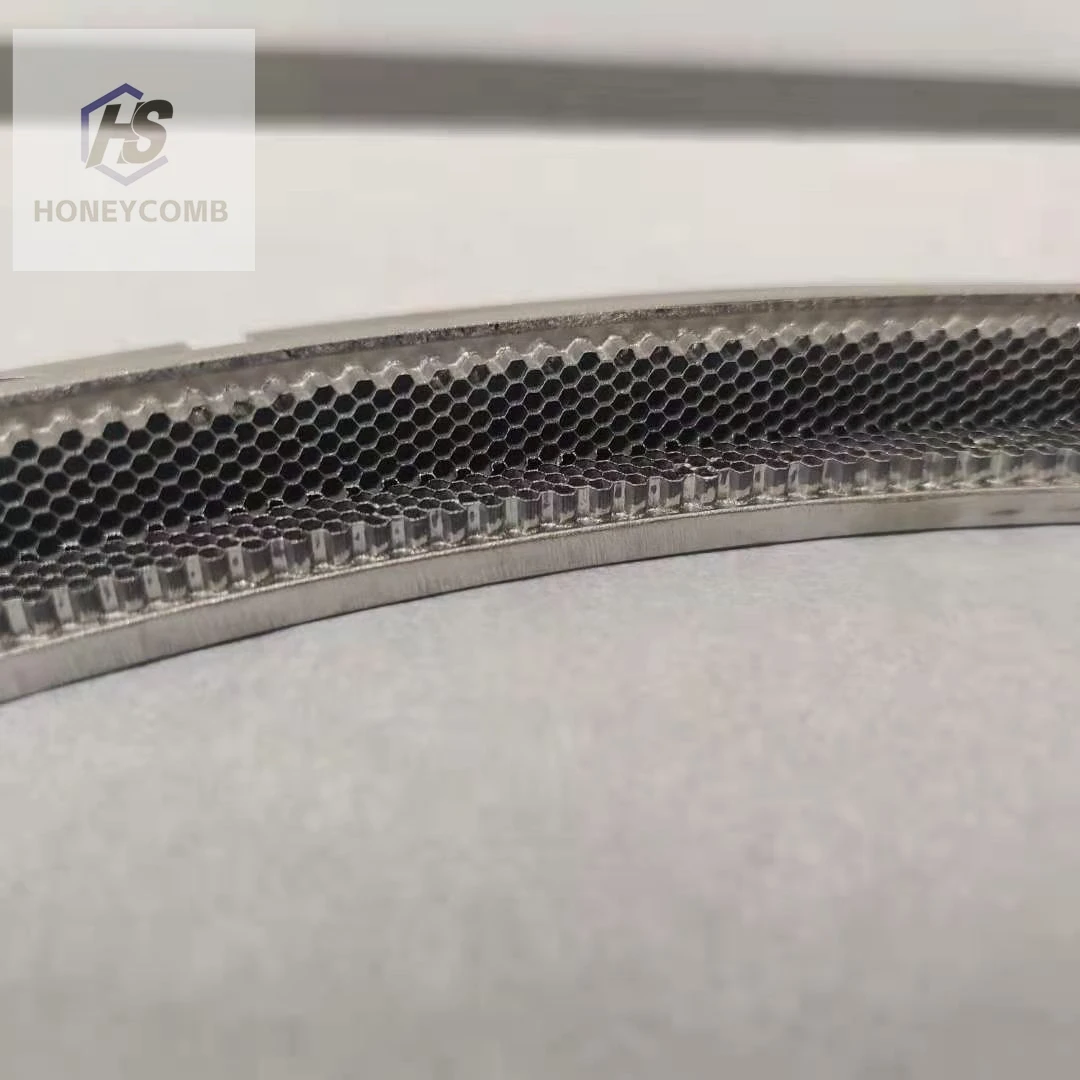
Honeycomb core materials play a critical role in building lightweight yet structurally sound mobile aerodynamic tunnels. They are used extensively in the construction of walls, floors, and aerodynamic surfaces to maximize strength-to-weight ratio. HSHI Honeycomb offers a variety of honeycomb core materials including aluminum, Nomex, and fiberglass, tailored to meet the specific demands of these applications. Choosing the right honeycomb material is essential for optimizing performance and ensuring durability. The material's density, cell size, and construction method all impact the tunnel's aerodynamic characteristics and structural integrity.
Future Trends in Mobile Aerodynamic Tunnel Technology
The future of mobile aerodynamic tunnel technology is focused on increasing accuracy, automation, and data analysis capabilities. Advancements in sensor technology, computational fluid dynamics (CFD), and machine learning are driving these improvements. We can anticipate the development of smaller, more portable tunnels with enhanced data acquisition systems. The integration of virtual reality (VR) and augmented reality (AR) technologies will further enhance the testing process, allowing for real-time visualization of airflow patterns and performance characteristics. HSHI Honeycomb is committed to staying at the forefront of these innovations, providing cutting-edge materials and solutions for the evolving needs of the industry.
Conclusion: Advancing Aerodynamic Testing with Innovation
Mobile aerodynamic tunnels are transforming the way we approach aerodynamic testing, offering unparalleled flexibility and cost-effectiveness. The strategic use of lightweight, high-performance materials like those offered by HSHI Honeycomb is crucial for optimizing tunnel performance and ensuring structural integrity. As technology continues to advance, mobile aerodynamic tunnels will play an increasingly vital role in driving innovation across a wide range of industries.
Frequently Asked Questions (FAQs)
What are the key considerations when designing a mobile aerodynamic tunnel?
Several factors are crucial in designing a mobile aerodynamic tunnel. First, the structural integrity of the tunnel must be maintained during transport and operation. Lightweight materials, such as honeycomb structures, are essential for achieving this. Second, the fan system must be powerful enough to generate the desired airflow while being compact and efficient. Third, the test section needs to be appropriately sized and shaped to accommodate the objects being tested. Finally, a robust data acquisition system is vital for collecting accurate and reliable measurements. Careful consideration of these factors is essential for ensuring the tunnel’s performance and reliability.
What types of sensors are used in a mobile aerodynamic tunnel?
A variety of sensors are employed in mobile aerodynamic tunnels to measure different parameters. These include pressure sensors to measure static and dynamic pressure, hot-wire anemometers to measure airflow velocity, load cells to measure forces and moments, and temperature sensors to monitor airflow temperature. Strain gauges can also be used to measure structural deformation. The selection of sensors depends on the specific testing requirements and the desired level of accuracy. High-precision sensors are essential for obtaining reliable data.
How does HSHI Honeycomb contribute to the performance of mobile aerodynamic tunnels?
HSHI Honeycomb provides lightweight, high-strength honeycomb core materials that are critical for constructing the tunnel’s structure. Our materials significantly reduce weight without compromising structural integrity, enabling easier transportation and improved performance. The honeycomb structure also provides excellent stiffness and damping properties, minimizing vibrations and ensuring accurate measurements. We offer customized honeycomb solutions tailored to meet the specific needs of each tunnel design.
What are the maintenance requirements for a mobile aerodynamic tunnel?
Regular maintenance is crucial for ensuring the long-term performance and reliability of a mobile aerodynamic tunnel. This includes inspecting the fan system for wear and tear, checking the sensors for calibration drift, and maintaining the structural integrity of the tunnel. The honeycomb structures should be inspected for any damage or delamination. Proper storage and transportation procedures are also essential to prevent damage during transit. Following the manufacturer's recommendations for maintenance is highly recommended.

-
Industrial Airflow Guide for maf воздушная правильная машинаNewsApr.16,2026
-
Best maf струйно правильная машина for Industrial EfficiencyNewsApr.09,2026
-
Сотовая правильная машина A Comprehensive Guide to Honey Packing AutomationNewsApr.07,2026
-
Build Your Own DIY газоправильная Машина A Comprehensive Guide to Gas CorrectionNewsApr.04,2026
-
Understanding Кондиционер отопления Systems for Efficient and Comfortable HeatingNewsMar.31,2026
-
Comprehensive Guide to Cellular Blinds Installation Установка сотовых жалюзиNewsMar.28,2026
-
Honeycomb Structures in Wind Tunnels Соты в аэродинамической трубе Applications and BenefitsNewsMar.24,2026






 English
  Afrikaans
  Albanian
  Amharic
  Arabic
  Armenian
  Azerbaijani
  Basque
  Belarusian
  Bengali
  Bosnian
  Bulgarian
  Catalan
  Cebuano
  China
China  China (Taiwan)
  Corsican
  Croatian
  Czech
Czech  Danish
  Dutch
Dutch  Esperanto
  Estonian
  Finnish
  French
  Frisian
  Galician
  Georgian
  German
  Greek
Greek  Gujarati
  Haitian Creole
  Hausa
Hausa  Hawaiian
  Hebrew
  Hindi
Hindi  Miao
Miao  Indonesian
  Italian
  Japanese
  Javanese
  Malay
Malay  Persian
  Portuguese
  Punjabi
  Russian
  Spanish
  Swahili
  Telugu
  Vietnamese