


Honeycomb Structures in Wind Tunnels Соты в аэродинамической трубе Applications and Benefits
Соты в аэродинамической трубе: Application and Benefits
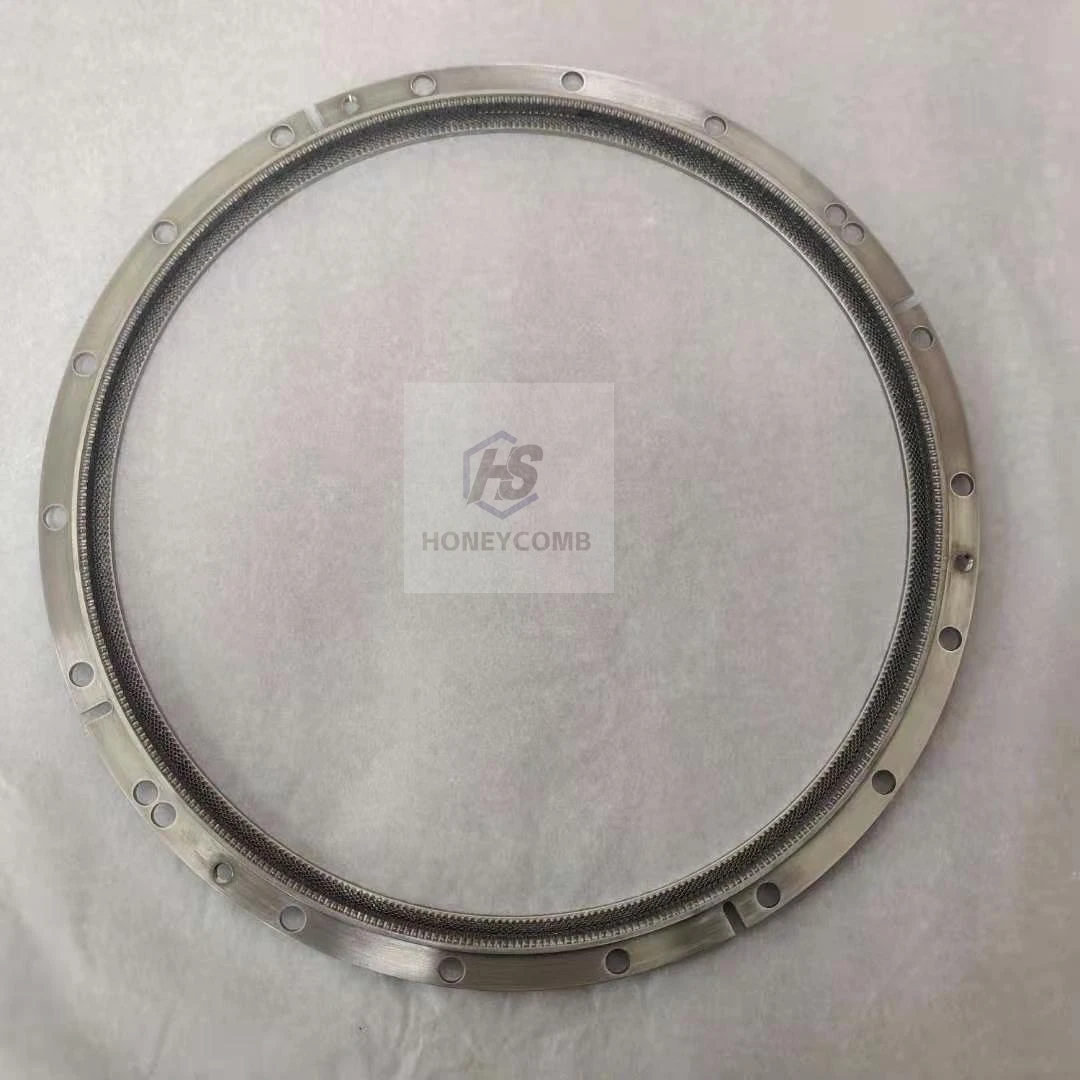
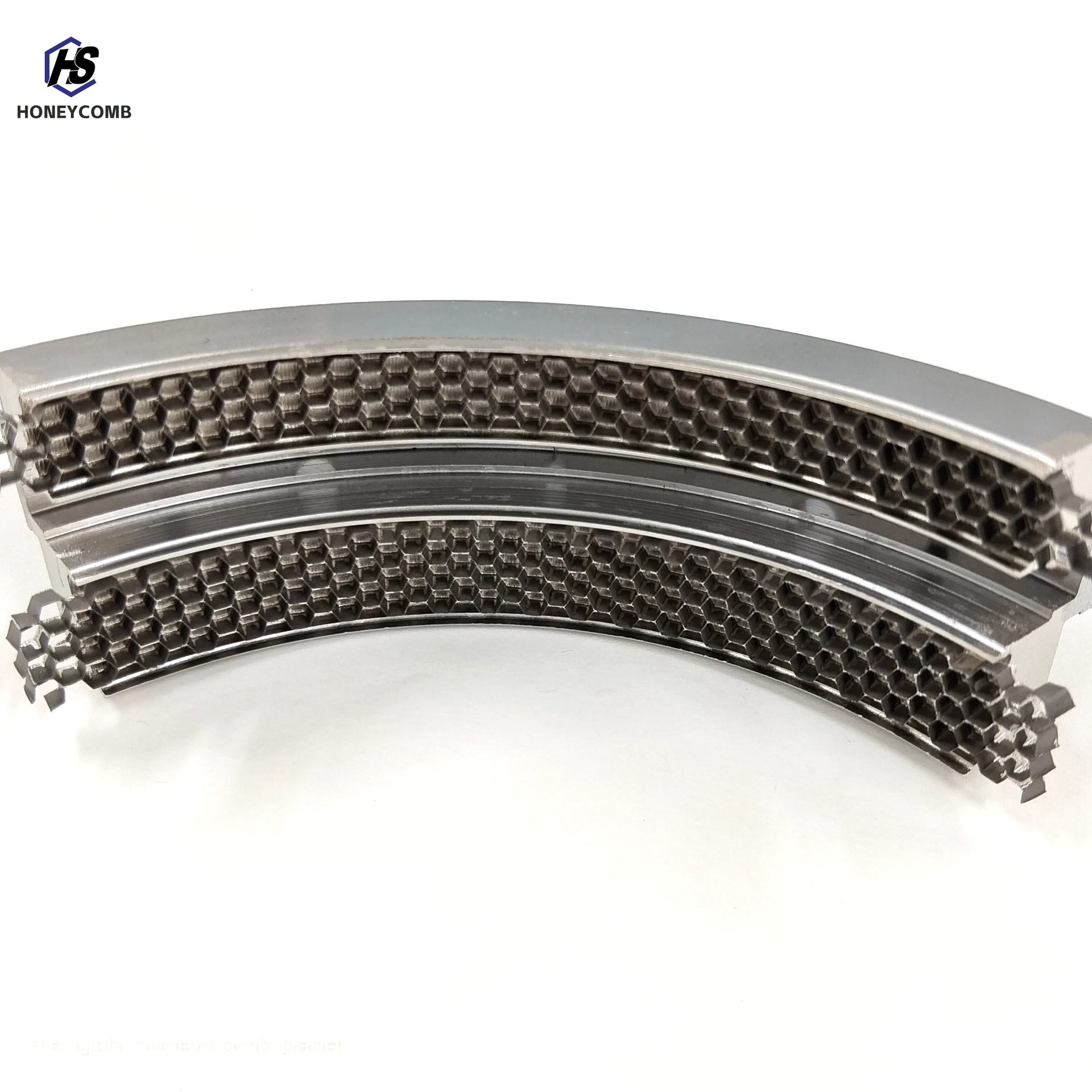
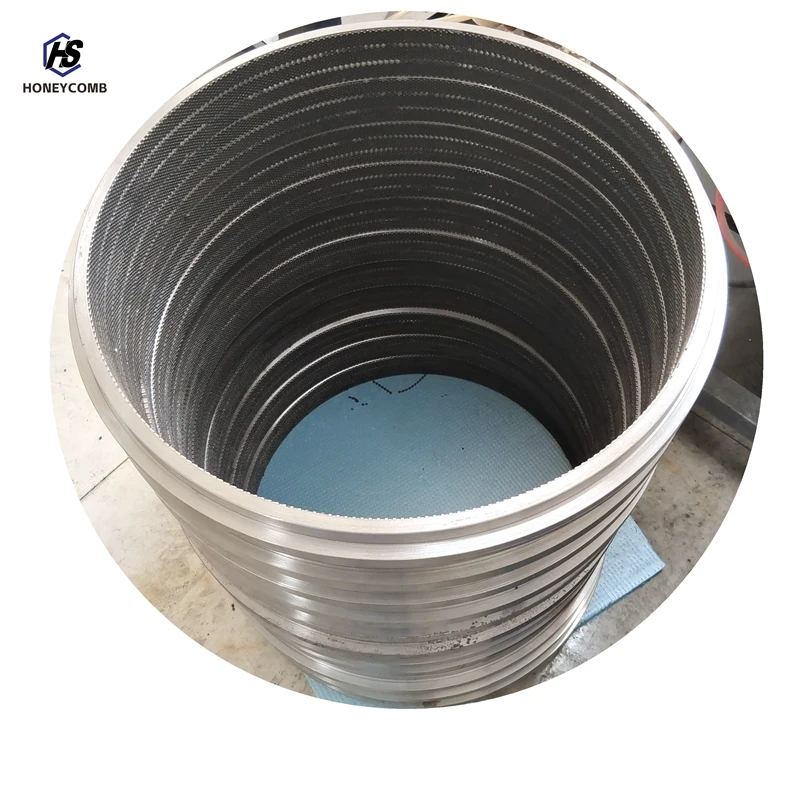
Honeycomb structures, particularly those used in aerodynamic testing and wind tunnels, represent a fascinating intersection of engineering and material science. Their unique properties make them invaluable for analyzing airflow, optimizing designs, and understanding complex aerodynamic phenomena. This article will delve into the use of honeycomb structures in wind tunnels, exploring their advantages, manufacturing processes, and diverse applications. Understanding these applications is crucial for anyone involved in aerospace, automotive, or fluid dynamics research. We'll highlight why HSHI honeycomb is a leading choice for these demanding applications.
The Role of Honeycomb Structures in Aerodynamic Testing
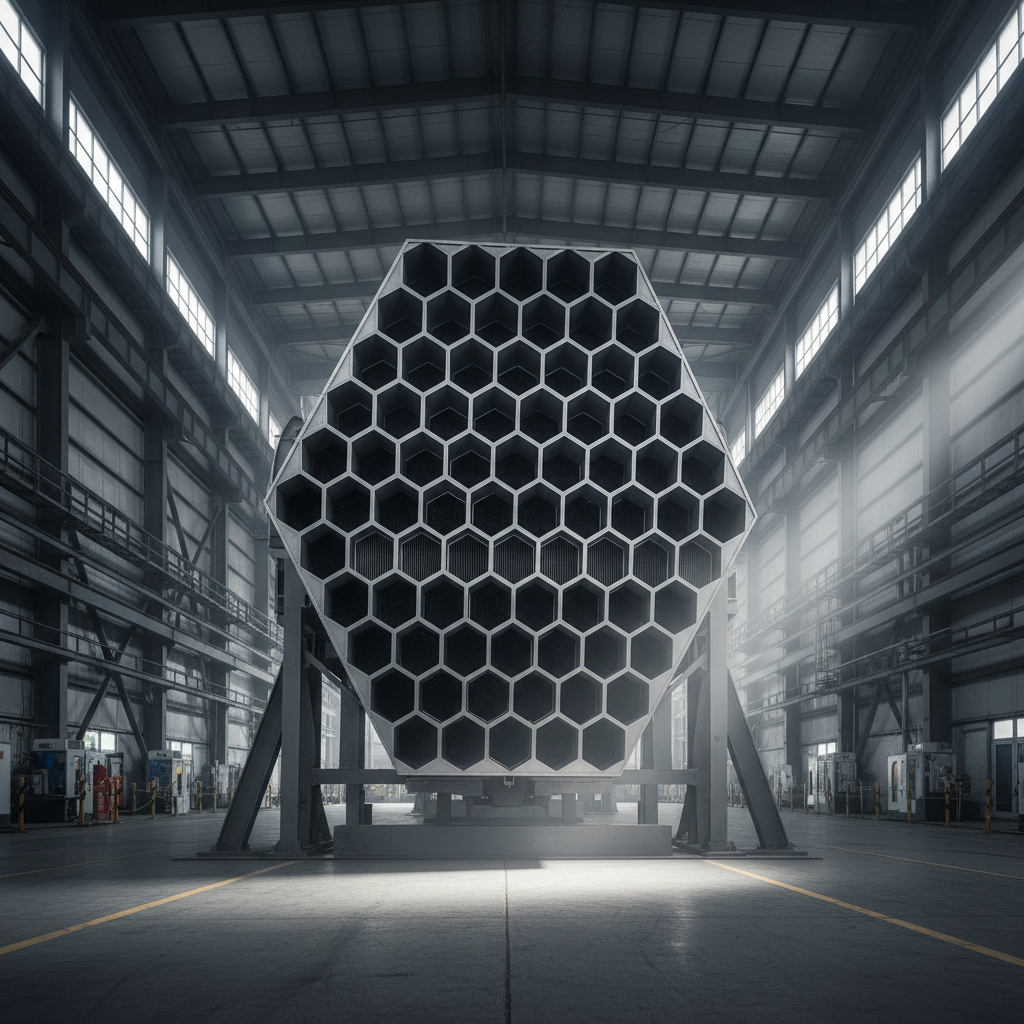
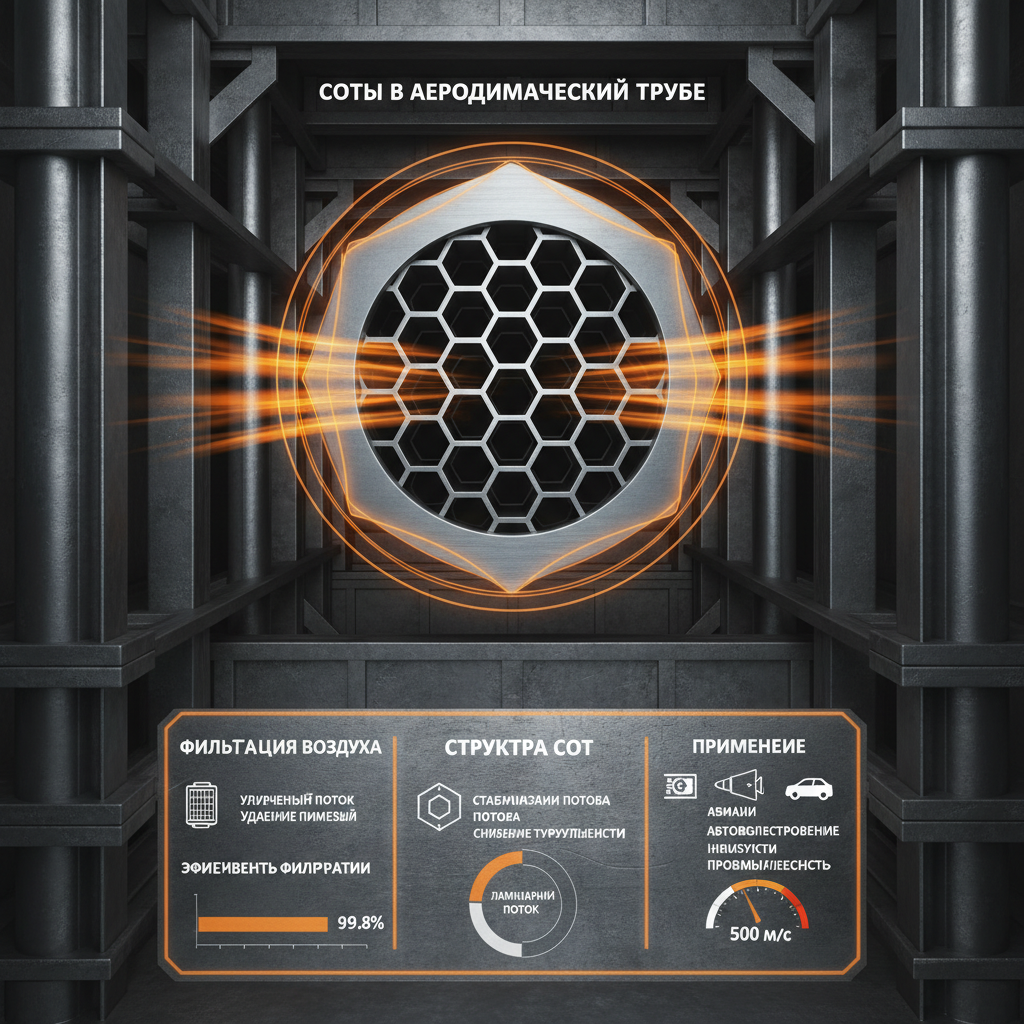
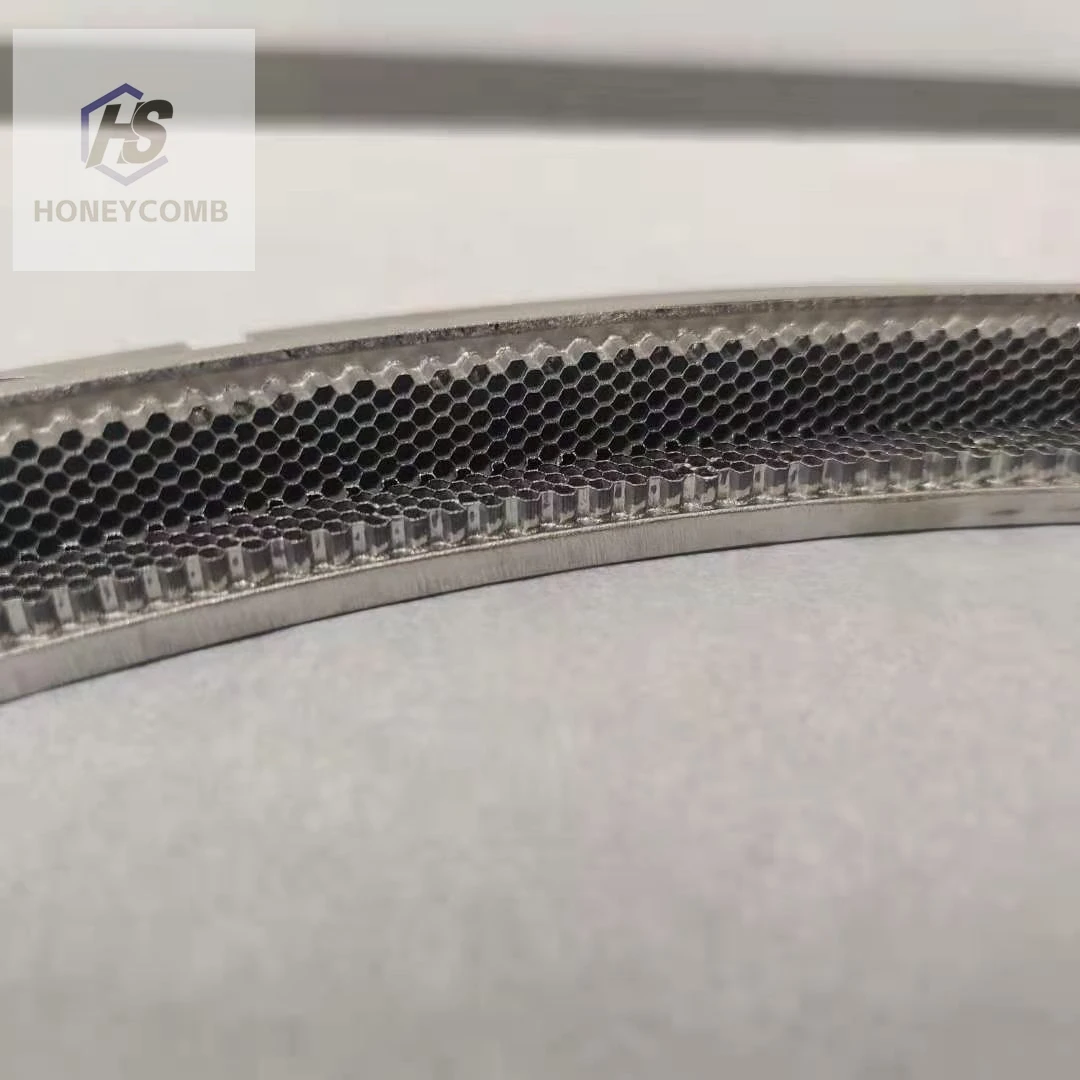
Honeycomb structures are frequently used in aerodynamic testing as flow straighteners and flow conditioners. They reduce turbulence and swirl in the airflow entering the test section of a wind tunnel, ensuring accurate and repeatable measurements. The hexagonal cell geometry provides a high degree of rigidity with minimal weight, making them ideal for these applications. The cells disrupt large-scale vortices, promoting a uniform and laminar flow profile. This is especially important when testing scale models of aircraft, vehicles, or other objects where precise airflow data is critical. HSHI honeycomb delivers superior performance in these demanding environments.
Key Benefits: High rigidity-to-weight ratio, reduction of turbulence, uniform flow profile, and accurate testing results.
Соты в аэродинамической трубе: Materials and Manufacturing
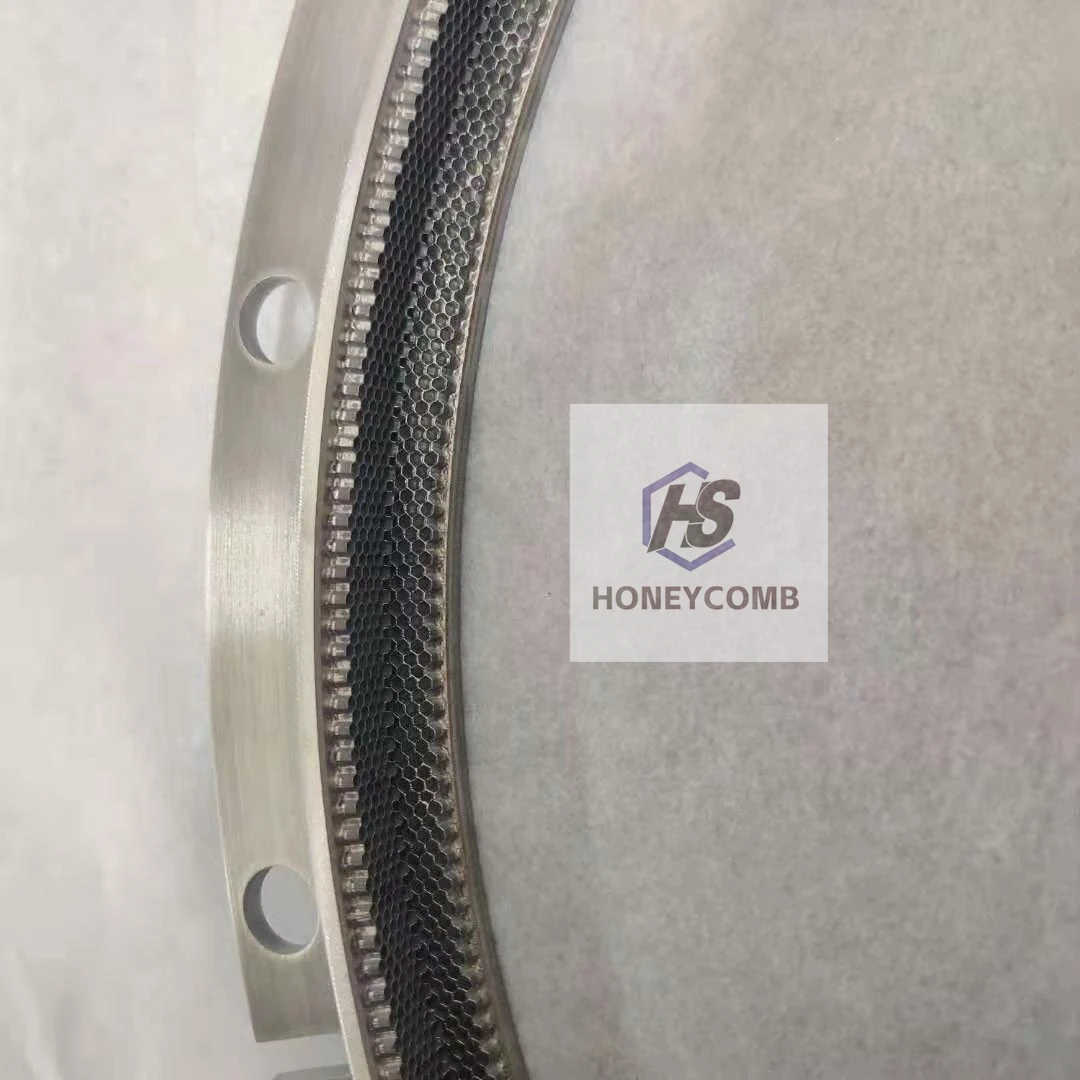
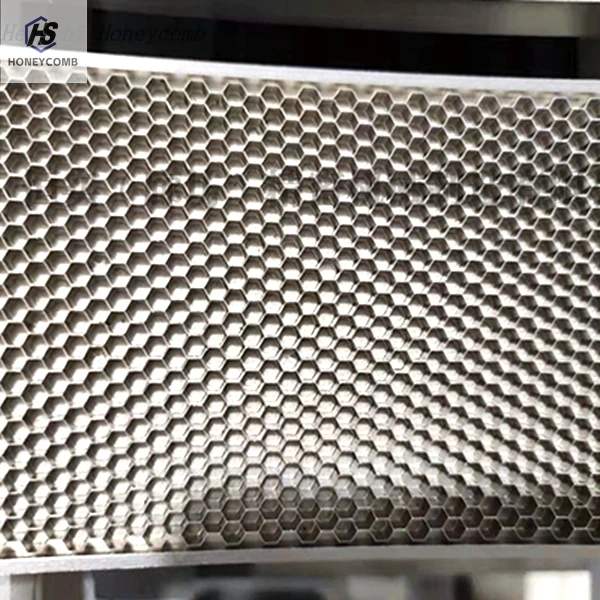
Honeycomb cores are commonly made from aluminum, paper, or composite materials. Aluminum honeycomb is favored for its high strength and durability, while paper honeycomb offers a cost-effective solution for less demanding applications. Composite honeycomb, often utilizing carbon fiber or fiberglass, provides an exceptional strength-to-weight ratio. Manufacturing processes include adhesive bonding, expansion techniques, and thermoforming. Precise control over cell size, density, and material properties is crucial to ensure optimal performance. HSHI honeycomb employs advanced manufacturing processes to deliver consistently high-quality products.
Material Selection Considerations:
• Strength and Stiffness: Required load-bearing capacity.
• Weight: Minimizing weight for optimal performance.
• Cost: Balancing performance with budgetary constraints.
• Environmental Conditions: Resistance to temperature, humidity, and chemicals.
Honeycomb Core Density and Cell Size: Impact on Performance
The density and cell size of the honeycomb core significantly influence its performance characteristics. Higher density cores offer increased strength and stiffness but also add weight. Smaller cell sizes provide better flow conditioning and turbulence reduction but can increase pressure drop. Selecting the optimal density and cell size requires careful consideration of the specific application requirements. HSHI honeycomb offers a wide range of densities and cell sizes to meet diverse customer needs.
Applications Beyond Wind Tunnels: Соты в аэродинамической трубе
While primarily used in aerodynamic testing, honeycomb structures find applications in diverse fields. These include aerospace components (aircraft wings, control surfaces), automotive structures (impact absorbers, lightweight panels), and architectural designs (energy-efficient panels). The ability to provide high strength-to-weight ratio and excellent energy absorption makes them a valuable material in these industries. HSHI honeycomb supports a wide range of these applications.
HSHI Honeycomb: Quality and Customization
HSHI honeycomb is dedicated to providing high-quality honeycomb cores for demanding applications. We offer a wide range of materials, densities, and cell sizes, along with custom design and manufacturing services. Our commitment to precision and quality ensures that our products meet the strictest performance standards. We work closely with our clients to understand their specific needs and deliver tailored solutions. Our advanced manufacturing capabilities allow us to produce honeycomb cores to exact specifications, ensuring optimal performance in your application.
Conclusion: Choosing the Right Honeycomb Solution
Investing in high-quality honeycomb structures, like those offered by HSHI honeycomb, is crucial for achieving accurate and reliable results in aerodynamic testing and beyond. With a focus on precision, customization, and superior materials, we provide solutions that meet the demanding requirements of diverse industries. Contact us today to discuss your specific needs.
Frequently Asked Questions (FAQs)
What are the primary benefits of using aluminum honeycomb in wind tunnels?
Aluminum honeycomb offers an excellent balance of strength, stiffness, and weight, making it ideal for flow conditioning in wind tunnels. It effectively reduces turbulence and swirl, resulting in a more uniform and accurate airflow. Its durability and resistance to deformation ensure consistent performance over extended use. Furthermore, aluminum is a readily available and cost-effective material, making it a practical choice for many wind tunnel applications. Using quality aluminum honeycomb, like HSHI honeycomb, maximizes these benefits.
What is the typical cell size range for honeycomb used in aerodynamic testing?
Typical cell sizes for honeycomb used in aerodynamic testing range from 1/8 inch (3.175 mm) to 1/4 inch (6.35 mm). Smaller cell sizes (1/8 inch) provide more effective flow conditioning and turbulence reduction but can result in a higher pressure drop. Larger cell sizes (1/4 inch) offer lower pressure drop but may compromise flow quality. The optimal cell size depends on the specific requirements of the wind tunnel and the type of testing being conducted.
Can honeycomb structures be repaired if damaged?
Repairing honeycomb structures can be challenging, especially if the damage is extensive. Minor dents or punctures can sometimes be repaired with adhesive and patching materials. However, significant damage compromising the structural integrity of the core generally requires replacement. It’s crucial to inspect honeycomb structures regularly and address any damage promptly to prevent further deterioration. HSHI honeycomb provides durable solutions to minimize the need for repairs.

-
Industrial Airflow Guide for maf воздушная правильная машинаNewsApr.16,2026
-
Best maf струйно правильная машина for Industrial EfficiencyNewsApr.09,2026
-
Сотовая правильная машина A Comprehensive Guide to Honey Packing AutomationNewsApr.07,2026
-
Build Your Own DIY газоправильная Машина A Comprehensive Guide to Gas CorrectionNewsApr.04,2026
-
Understanding Кондиционер отопления Systems for Efficient and Comfortable HeatingNewsMar.31,2026
-
Comprehensive Guide to Cellular Blinds Installation Установка сотовых жалюзиNewsMar.28,2026
-
Mobile Aerodynamic Tunnel Design A Comprehensive Guide to Applications and ImplementationNewsMar.26,2026






 English
  Afrikaans
  Albanian
  Amharic
  Arabic
  Armenian
  Azerbaijani
  Basque
  Belarusian
  Bengali
  Bosnian
  Bulgarian
  Catalan
  Cebuano
  China
China  China (Taiwan)
  Corsican
  Croatian
  Czech
Czech  Danish
  Dutch
Dutch  Esperanto
  Estonian
  Finnish
  French
  Frisian
  Galician
  Georgian
  German
  Greek
Greek  Gujarati
  Haitian Creole
  Hausa
Hausa  Hawaiian
  Hebrew
  Hindi
Hindi  Miao
Miao  Indonesian
  Italian
  Japanese
  Javanese
  Malay
Malay  Persian
  Portuguese
  Punjabi
  Russian
  Spanish
  Swahili
  Telugu
  Vietnamese