

5052 Aluminium Bikakekärna: Durable, Lightweight Honeycomb Core
Exploring the 5052 Aluminium Bikakekärna: A Durable Core for Industrial Solutions
Having spent over a decade in the industrial equipment sector, I've seen my fair share of materials touted as “game changers.” Yet, the 5052 aluminium bikakekärna reliably holds its ground as a highly versatile, corrosion-resistant, and lightweight core material—particularly favored where weight-to-strength ratios matter most.
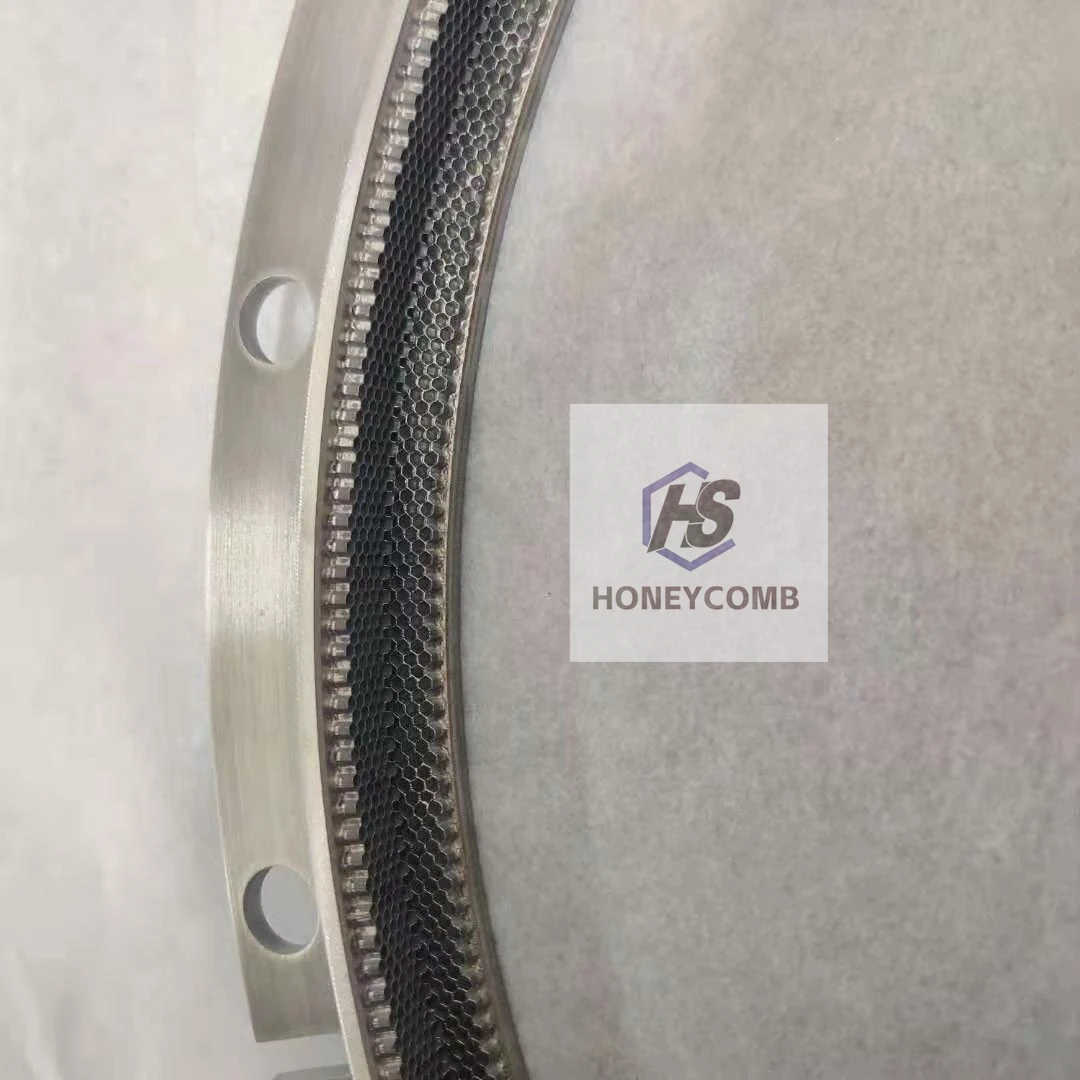
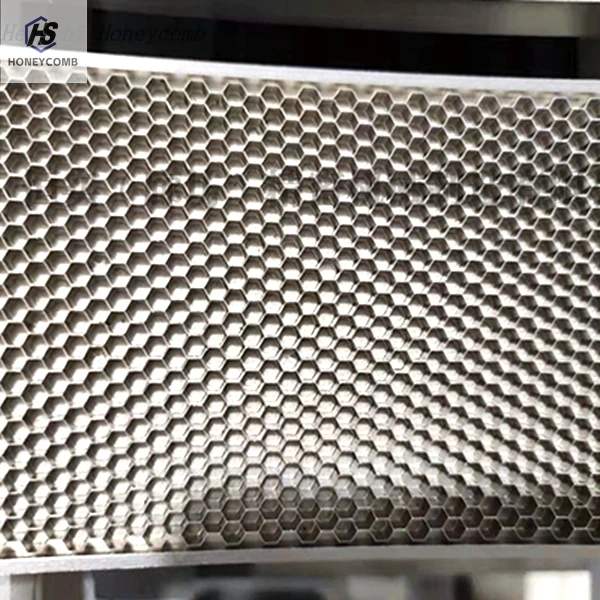
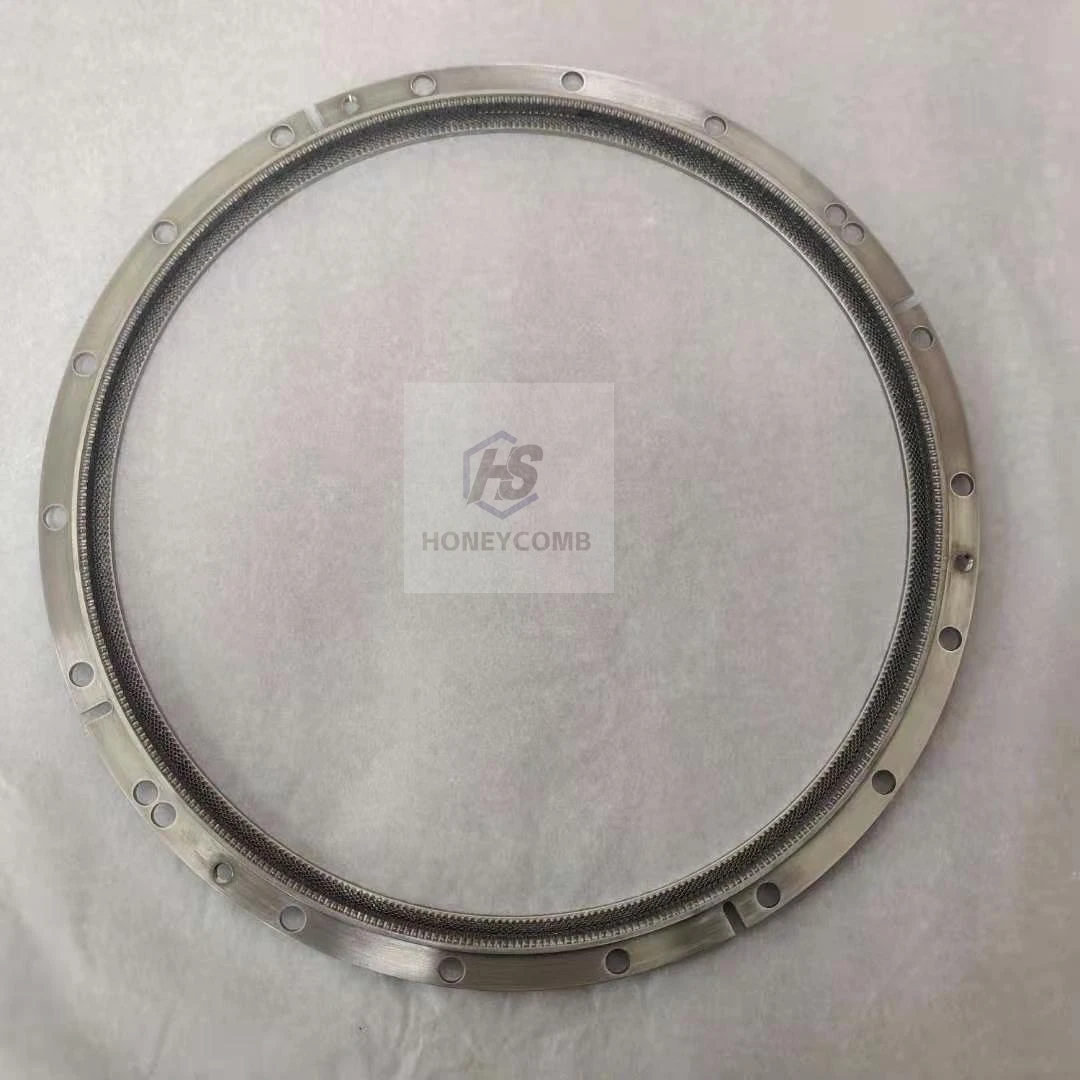
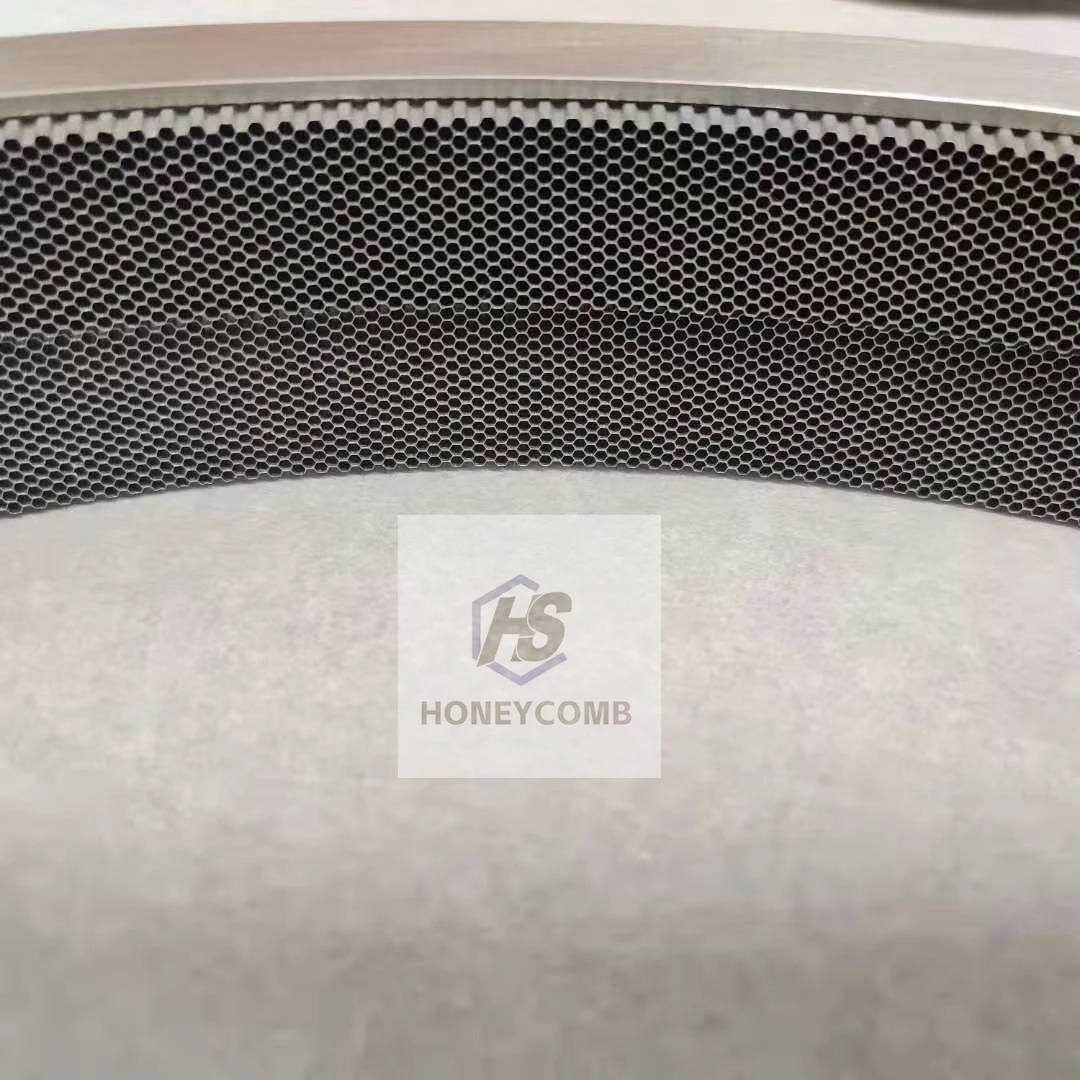
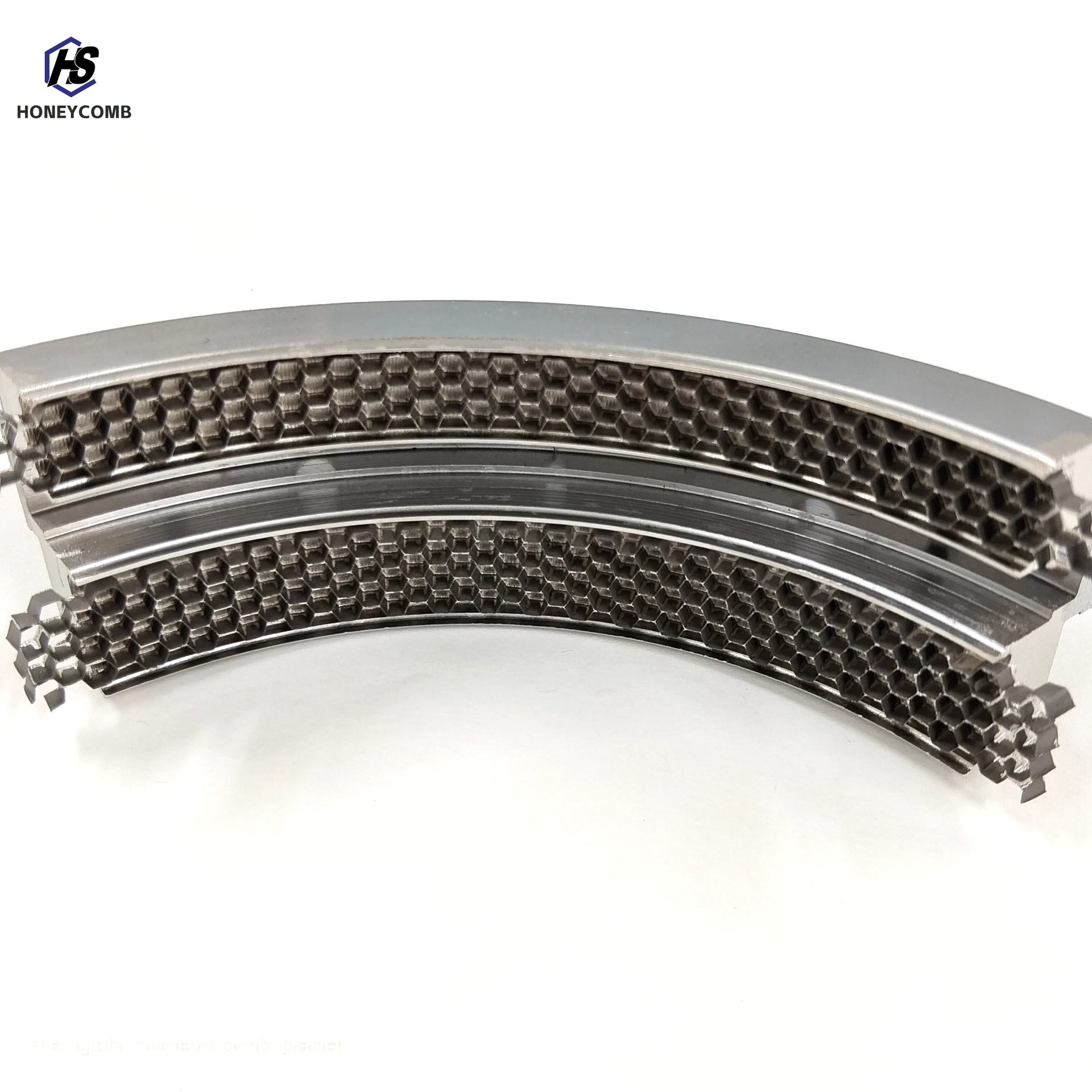
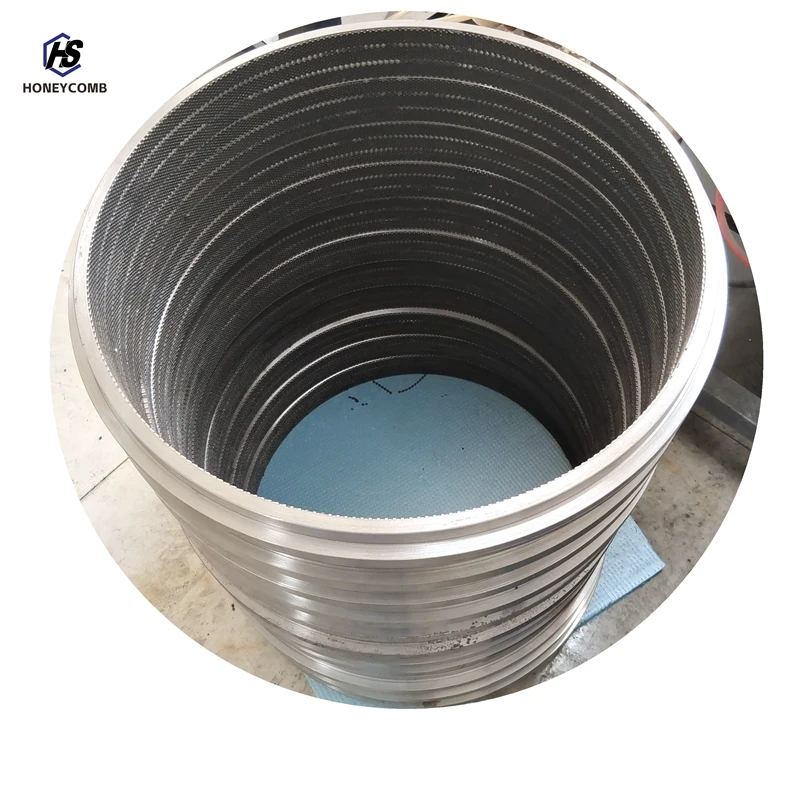
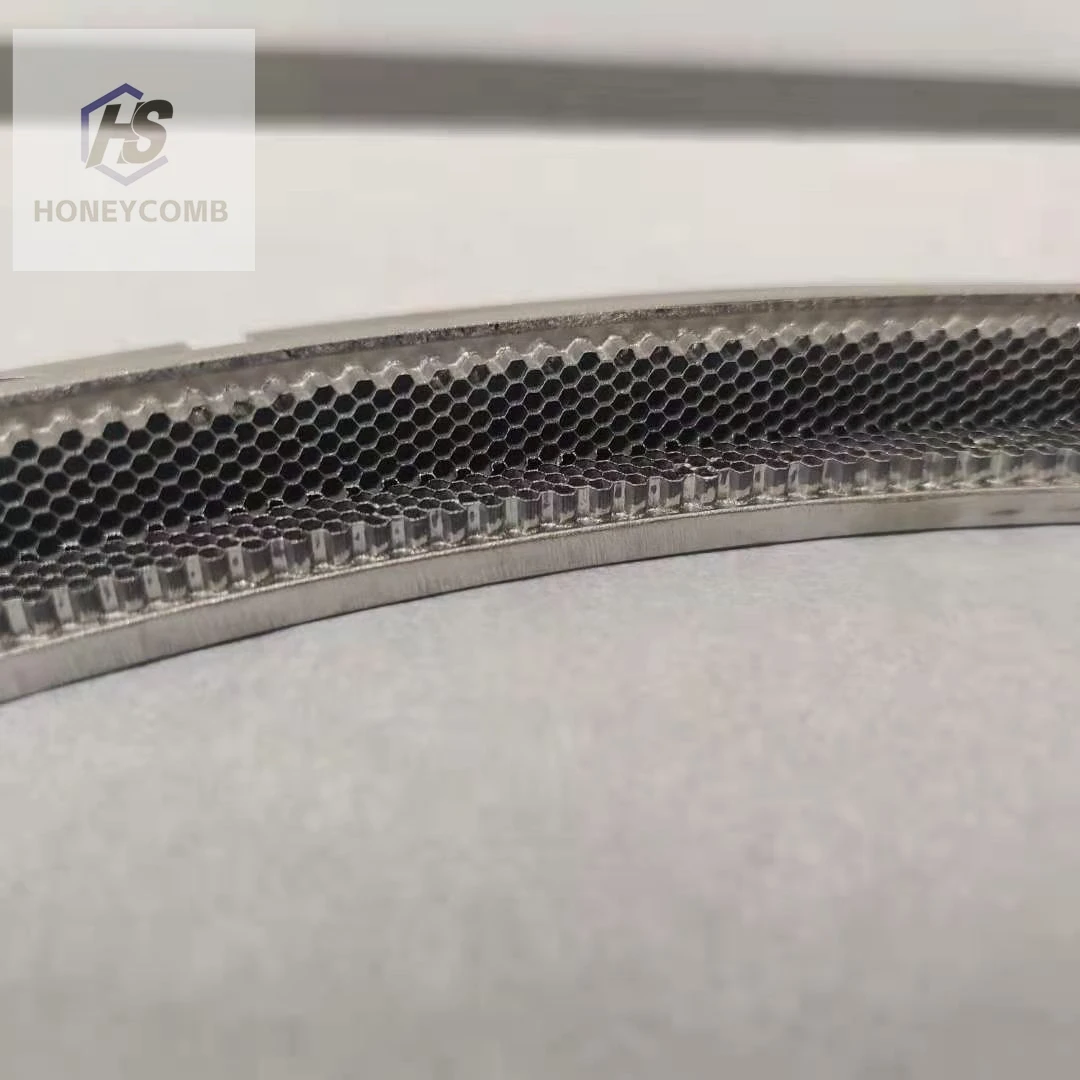
Now, “bikakekärna” might sound a little exotic if you’re not familiar with Nordic or Finnish terminology—it simply means "honeycomb core", which visually resembles a beehive’s pattern. This honeycomb structure, made from marine-grade 5052 aluminium alloy, is praised for its combination of flexibility and ruggedness, crucial in applications ranging from aerospace panels to transportation and industrial machinery.
Before we get into the nitty-gritty, it’s worth noting: the 5052 alloy isn’t brand new in the industrial world. It’s been around since the 1940s, and frankly, the consistency of its strength and corrosion resistance keeps bringing it back into new designs. Oddly enough, not every engineer immediately reaches for aluminium when picking honeycomb cores, but those who do seem to swear by 5052's balance of machinability and fatigue resistance.
Key Product Specs of 5052 Aluminium Bikakekärna
| Specification | Detail |
|---|---|
| Material Alloy | 5052 Aluminium |
| Thickness Range | 3mm to 10mm |
| Cell Size | 3/8", 1/2", Custom |
| Core Density | 48 - 120 kg/m³ |
| Corrosion Resistance | Excellent (Saltwater resistant) |
| Thermal Conductivity | 121 W/m·K |
| Typical Applications | Aerospace, Marine, Transportation, Architectural Panels |
In real terms, what this means is you get a core that’s not only light but also able to withstand harsh environments, including direct exposure to saltwater or humid conditions without corroding prematurely. One practical instance I recall was a client in Scandinavia replacing traditional steel honeycomb panels with 5052 aluminium cores—this switch noticeably extended maintenance cycles and reduced downtime.
How Does 5052 Compare To Other Honeycomb Core Vendors?
| Feature | 5052 Aluminium Bikakekärna | Nomex Honeycomb Core | Stainless Steel Honeycomb Core |
|---|---|---|---|
| Weight | Lightweight (2.68 g/cm³) | Lightest | Heavy |
| Corrosion Resistance | Excellent | Moderate | Very Good |
| Thermal Resistance | High | Limited | Excellent |
| Cost | Moderate | High | Higher |
| Customization | Highly configurable (cell size, thickness) | Limited options | Moderate options |
In my experience, selecting a honeycomb core usually boils down to a careful balance of cost, weight, and environmental requirements. For example, the choice between Nomex (a synthetic fiber paper-based core) and aluminium such as 5052 is often about fire resistance and weight, but aluminium gains more points where mechanical durability and corrosion resistance come first. I suppose it's not surprising many engineers gravitate towards 5052 aluminium in structural panels that must perform reliably over years—especially where routine maintenance is a challenge.
Speaking of challenges, I once worked on a marine vessel refurbishment where the original honeycomb had begun to degrade in the test deployment phase due to salt spray. After switching to a 5052 aluminium core, the client reported substantially improved resilience just six months in. Anecdotes like that remind me that, despite new materials popping up every year, proven alloys like 5052 remain a cornerstone in industrial design.
If you're in the market for a robust, customizable honeycomb core that combines the advantages of aluminium with solid corrosion resistance, looking into 5052 aluminium bikakekärna makes good sense. Especially so if you're handling moisture-heavy or marine applications.
One last thing—always ensure the vendor can support your specific cell geometry and thickness needs. The right fit goes beyond specs on paper; it’s about matching your application's thermal, mechanical, and cost demands precisely.
In the end, materials like 5052 aluminium bikakekärna still teach us that simple, well-engineered solutions often outperform trendy upgrades. For all its age, this alloy’s versatility keeps it robust—and frankly, pretty fascinating.
References:
1. ASM International Handbook on Aluminium and Aluminium Alloys
2. HSHI Honeycomb Technical Data Sheets
3. Naval Engineering Longevity Case Studies, 2018-2022
-
Industrial Airflow Guide for maf воздушная правильная машинаNewsApr.16,2026
-
Best maf струйно правильная машина for Industrial EfficiencyNewsApr.09,2026
-
Сотовая правильная машина A Comprehensive Guide to Honey Packing AutomationNewsApr.07,2026
-
Build Your Own DIY газоправильная Машина A Comprehensive Guide to Gas CorrectionNewsApr.04,2026
-
Understanding Кондиционер отопления Systems for Efficient and Comfortable HeatingNewsMar.31,2026
-
Comprehensive Guide to Cellular Blinds Installation Установка сотовых жалюзиNewsMar.28,2026
-
Mobile Aerodynamic Tunnel Design A Comprehensive Guide to Applications and ImplementationNewsMar.26,2026






 English
  Afrikaans
  Albanian
  Amharic
  Arabic
  Armenian
  Azerbaijani
  Basque
  Belarusian
  Bengali
  Bosnian
  Bulgarian
  Catalan
  Cebuano
  China
China  China (Taiwan)
  Corsican
  Croatian
  Czech
Czech  Danish
  Dutch
Dutch  Esperanto
  Estonian
  Finnish
  French
  Frisian
  Galician
  Georgian
  German
  Greek
Greek  Gujarati
  Haitian Creole
  Hausa
Hausa  Hawaiian
  Hebrew
  Hindi
Hindi  Miao
Miao  Indonesian
  Italian
  Japanese
  Javanese
  Malay
Malay  Persian
  Portuguese
  Punjabi
  Russian
  Spanish
  Swahili
  Telugu
  Vietnamese