


Air Flow Straightener: Boost Accuracy & Efficiency—Why Buy?
Filter Straightener for Wind and Water Tunnel Testing: what actually works in the real world
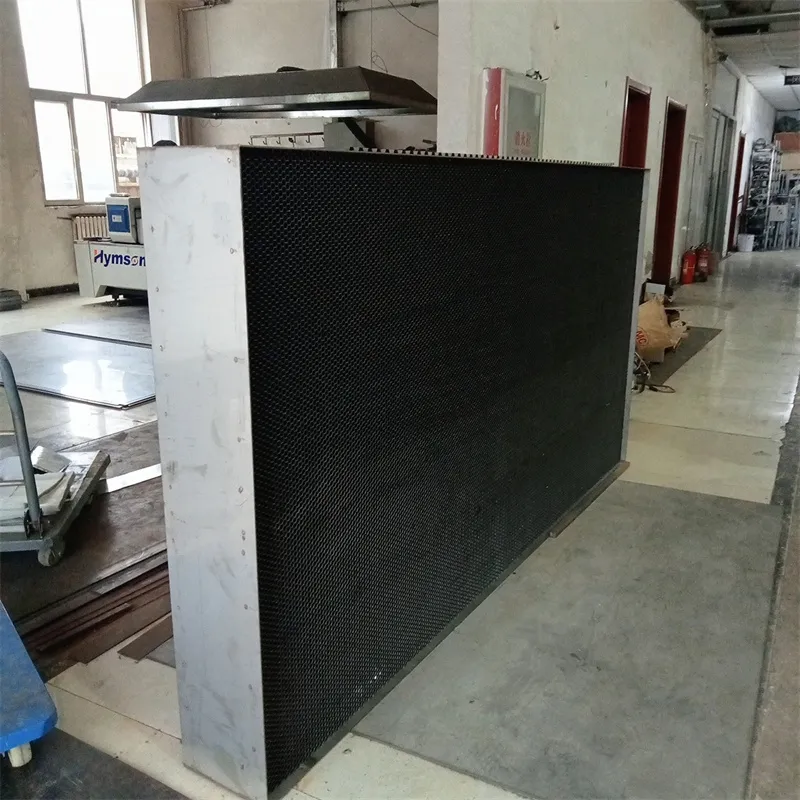
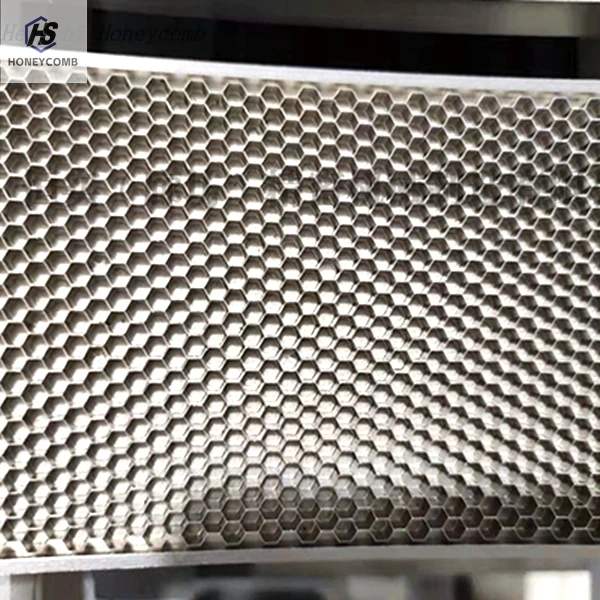
If you spend time in wind or water tunnels, you quickly learn that the quietest part of the lab is the upstream hardware that tames chaos. That starts with the humble air flow straightener—the honeycomb heart that pulls vortices into line so your data doesn’t lie. I’ve seen teams fight turbulence for weeks, then drop in a good unit and—boom—uniformity stabilizes in an afternoon.
Why this category is trending
Across aerospace, EV aero, HVAC labs, and hydrodynamics, tighter budgets and faster iteration cycles mean less tolerance for noisy baselines. The newest air flow straightener designs push for lower turbulence intensity (TI) with shorter footprints. Many customers say they’re chasing TI below 0.5% and section uniformity within ±1–2%, but don’t have infinite length upstream. Honeycomb depth-to-cell (L/D) optimization is where the magic (and tradeoffs) live.
Product at a glance
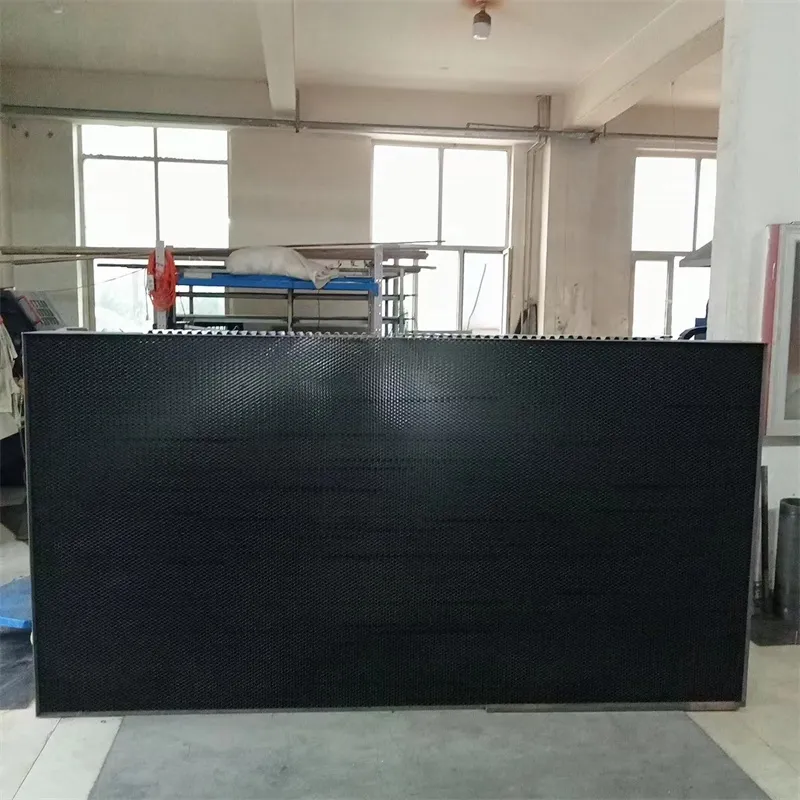
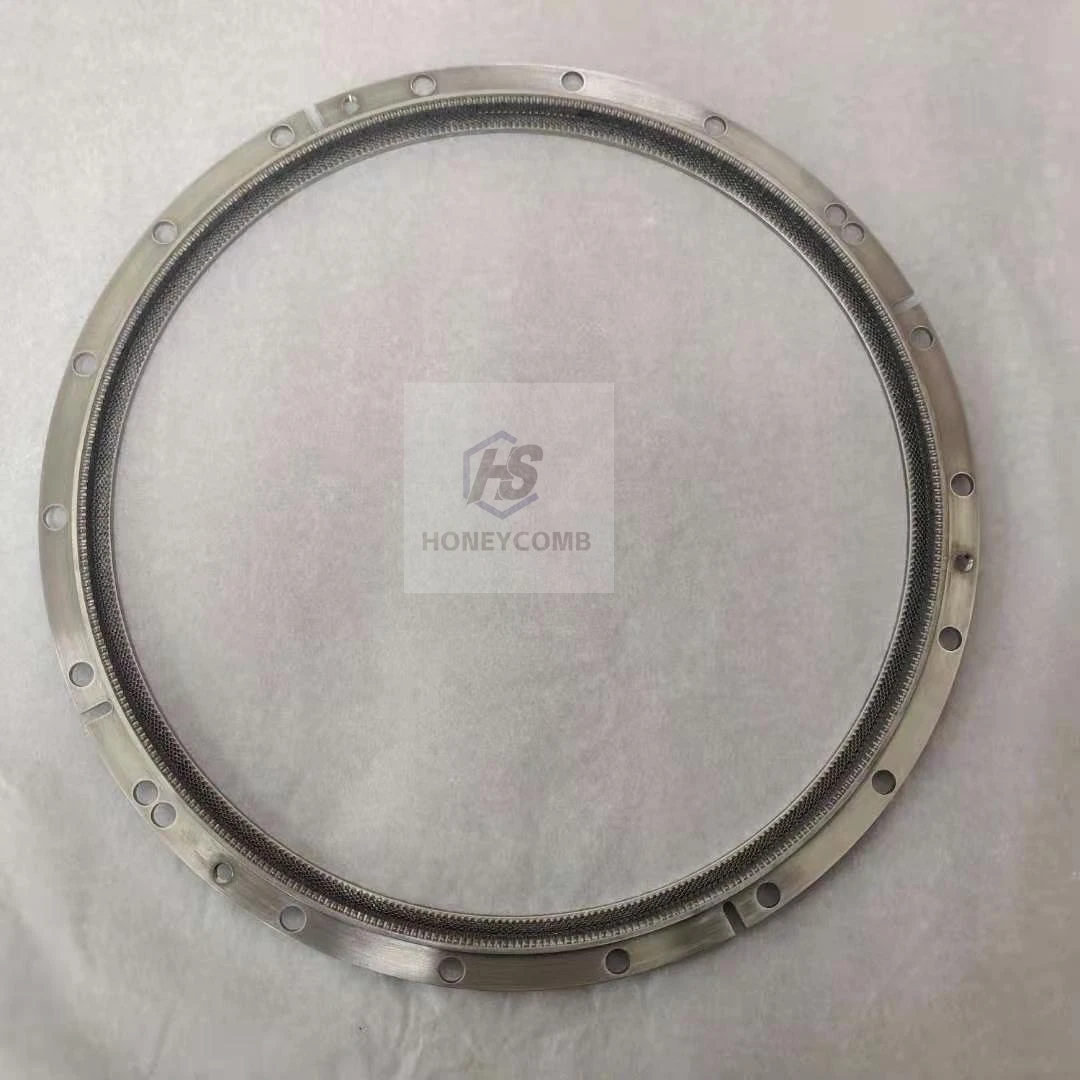
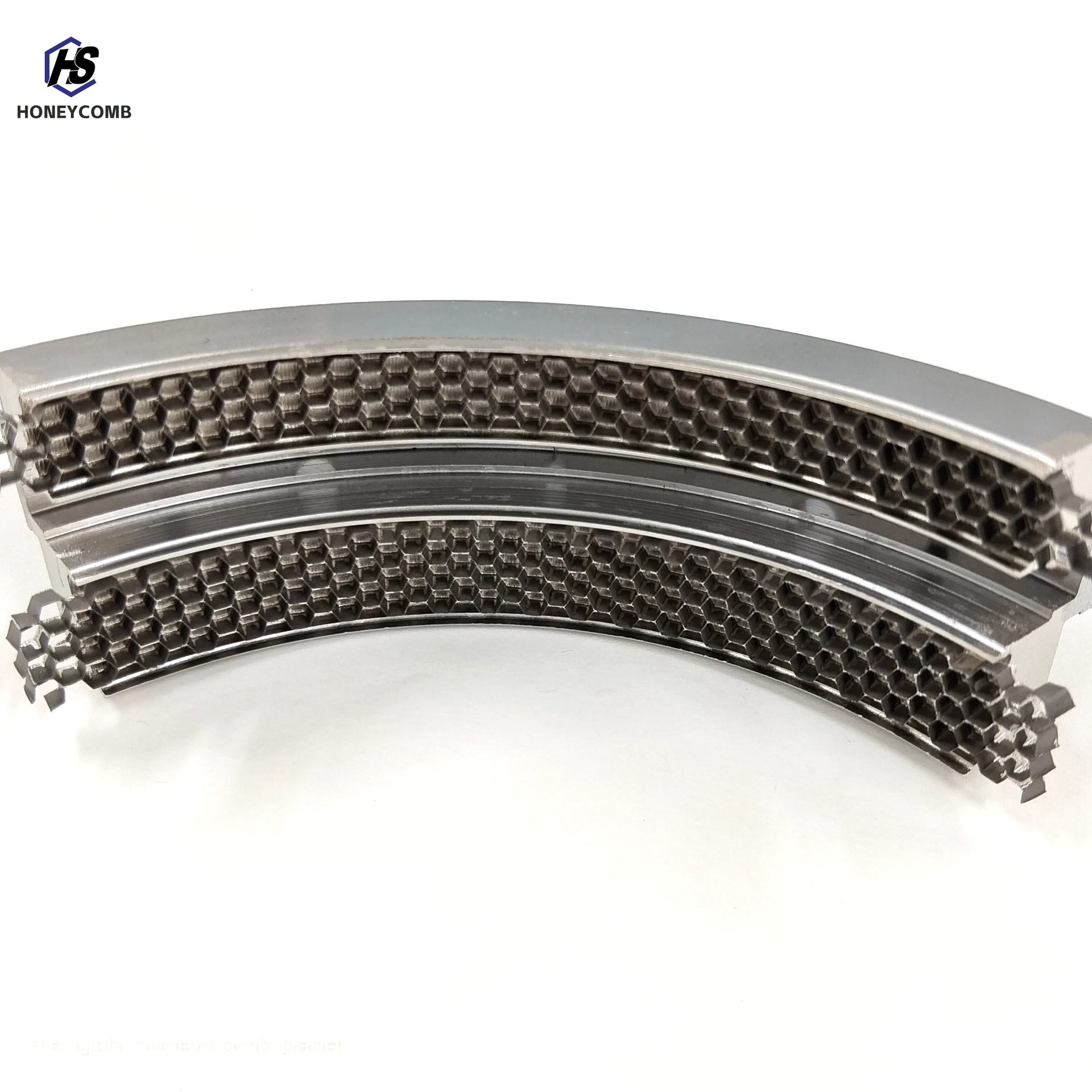
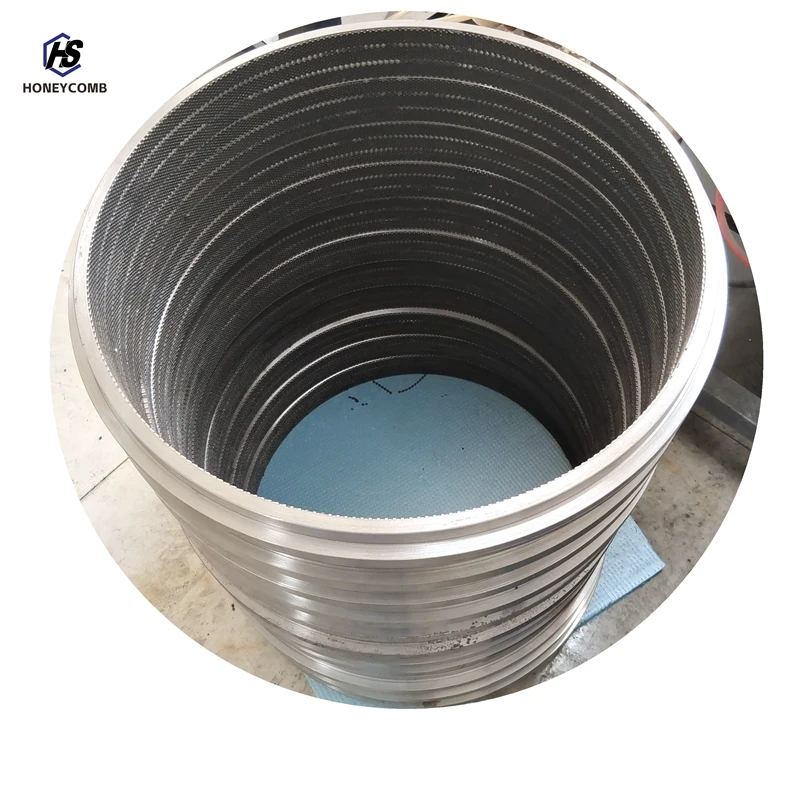
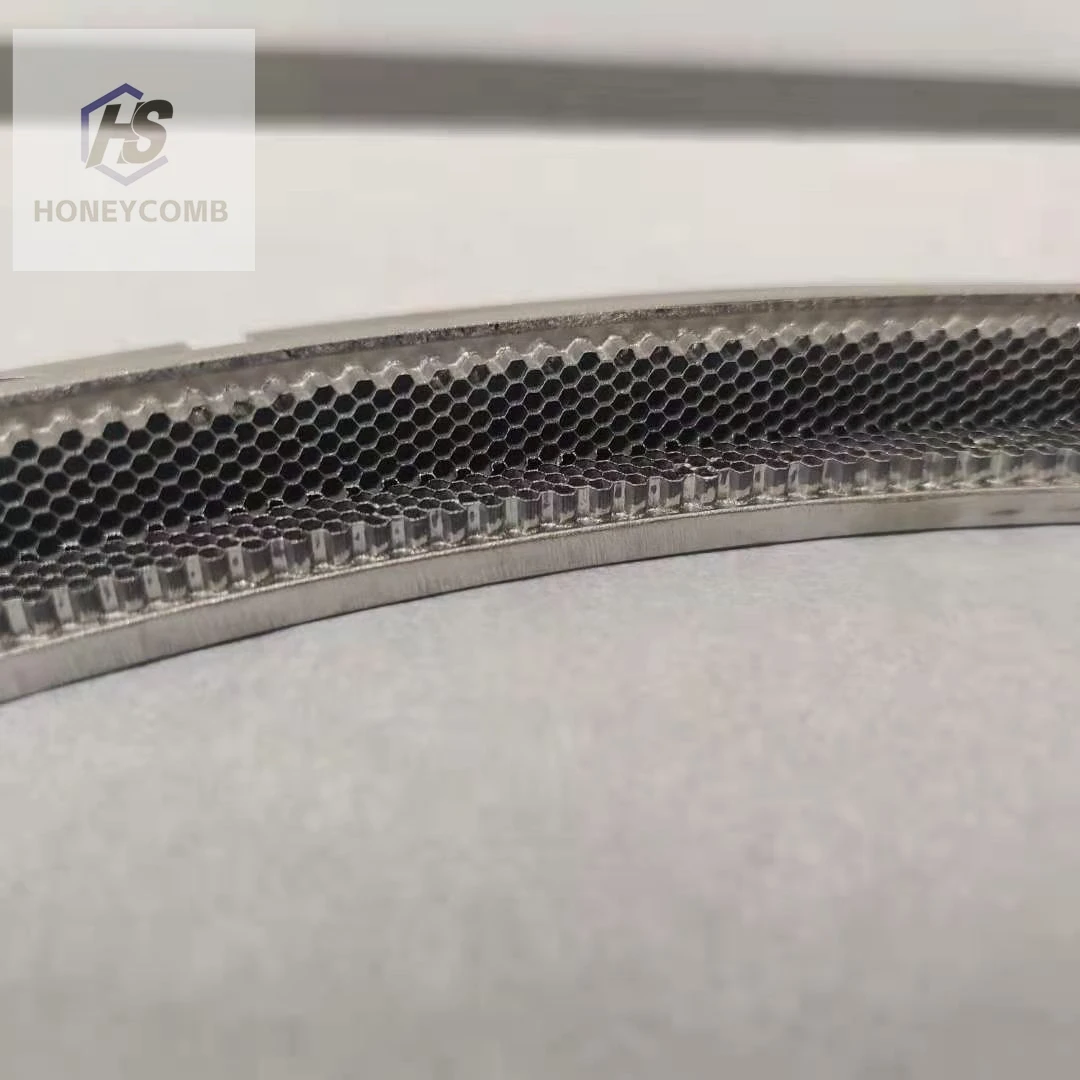
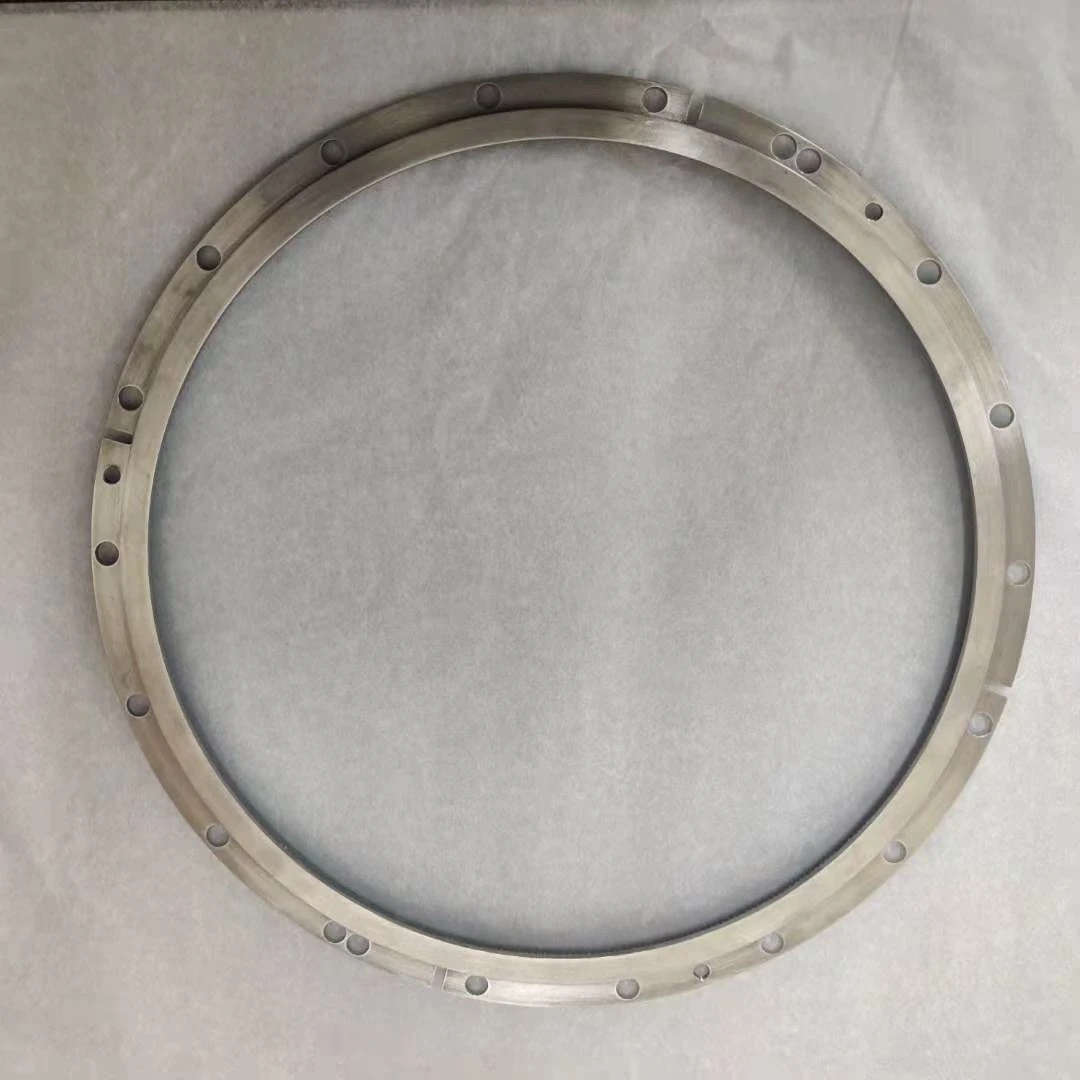
Product: Filter Straightener Widely Used in Various Flow Field Wind Tunnel Water Tunnel for Testing Design (origin: No.2, Tongda Street, High-tech area Gu'an County, Langfang, 065500, Hebei China). It’s built to stabilize flow fields for design validation—wind tunnels, water flumes, even long-duct test stands.
| Parameter | Typical Spec (≈ / real-world may vary) |
|---|---|
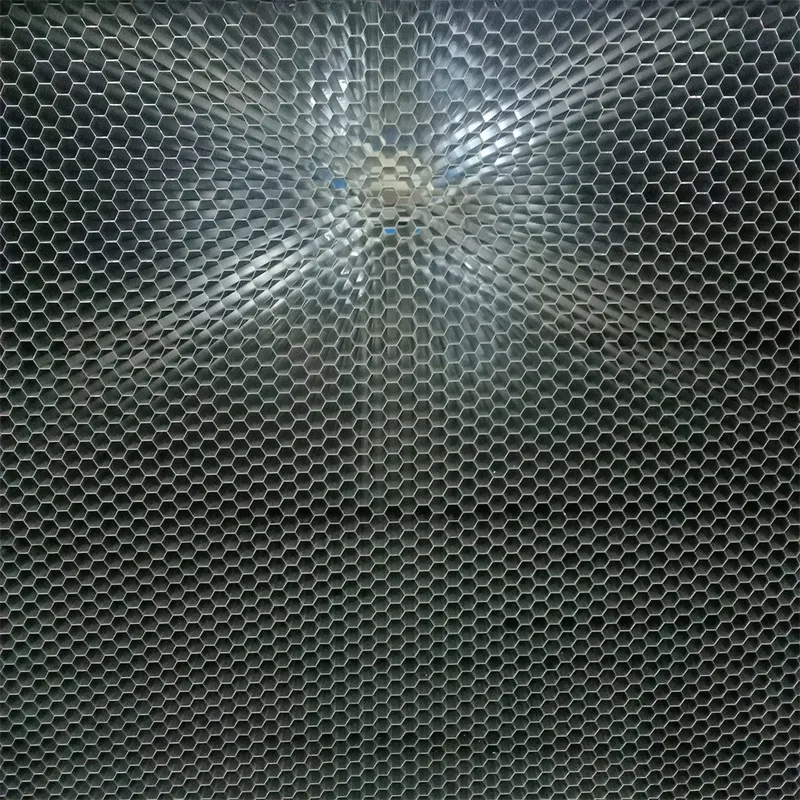
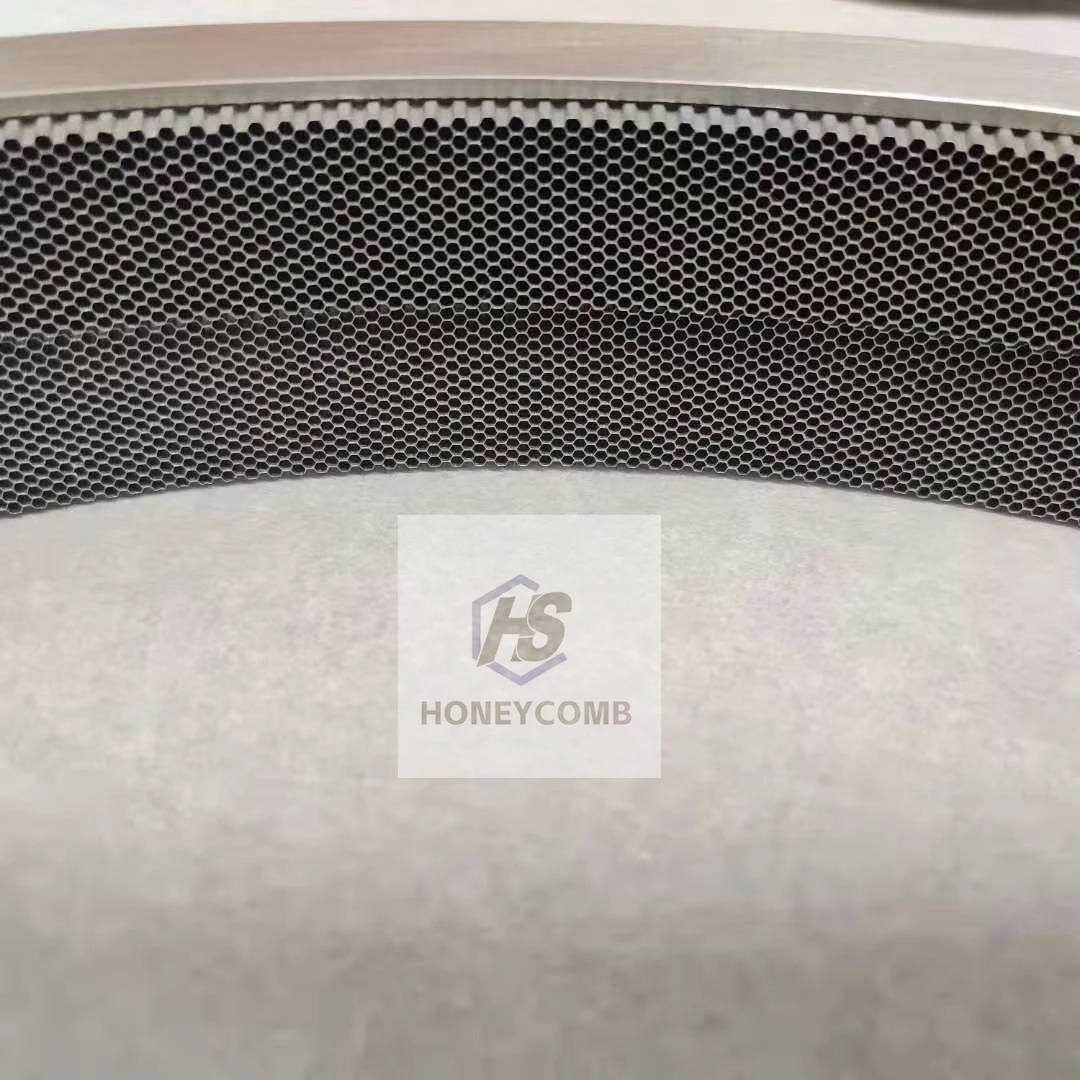
| Core material | Aluminum honeycomb (3003/5052), optional stainless or polymer |
| Cell size | 3–10 mm (custom up to 20 mm) |
| Foil thickness | 0.03–0.06 mm |
| Depth (L) | 50–300 mm (L/D tuned per TI target) |
| Open area ratio | ≈ 92–97% |
| Temp range | -20 to 120°C (aluminum); higher with stainless |
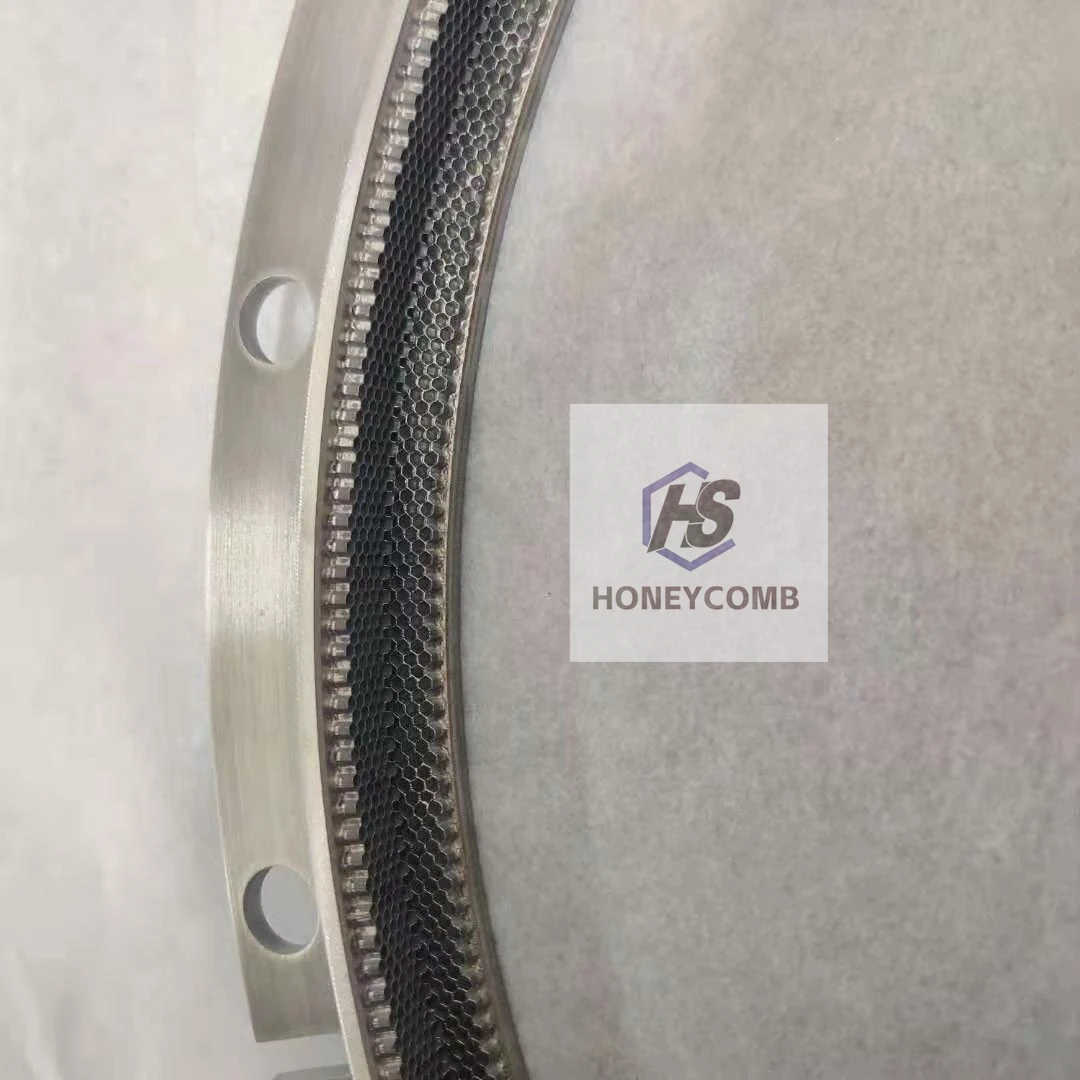
| Finish | Anodized or epoxy-coated edges; sealed frame |
Process flow and testing
- Materials: 3003/5052 Al honeycomb, precision-expanded; frames in 6061-T6 or 304 SS for water work.
- Methods: Expansion/corrugation, adhesive bonding, CNC trimming; L/D matched to contraction ratio and screen plan.
- Quality checks: Flatness and squareness ≤ 0.5 mm per 500 mm; open-area verification via optical scan.
- Testing: TI and uniformity measured by hot-wire or multi-hole probe; fan-stand verification per ISO 5801; instrumentation practices per ASME PTC 19.5.
- Service life: around 8–15 years in clean air; shorter in corrosive or wet duty unless coated.
- Certifications: ISO 9001:2015 QMS; RoHS material declaration on request; lab calibration to ISO/IEC 17025 traceability where applicable.
Where it’s used
- Wind tunnel inlets and between screens; upstream of fans to suppress swirl; in metering runs before orifice plates and ultrasonic meters; water tunnels and tow tanks. I guess the surprise is how often a air flow straightener cures yaw bias that looked like a sensor fault.
Case notes and data
Automotive aero lab, 1.5 m test section: swapping in a 6 mm cell, 120 mm depth air flow straightener plus one screen cut TI from ≈3.2% to 0.35% at 30 m/s; mean velocity uniformity improved to ±1.4% across 85% span. Hydrodynamics rig (freshwater): polymer-coated honeycomb stabilized free-surface ripple, boosting repeatability by ~18% in drag coefficient tests. To be honest, the low noise floor made the biggest difference to iteration speed.
Vendor snapshot (quick compare)
| Vendor | Core | Cell / L | Open Area | Lead Time | Notes |
|---|---|---|---|---|---|
| HSHI Honeycomb (this product) | Al / SS / polymer | 3–10 mm / 50–300 mm | 92–97% | ≈ 2–5 weeks | Custom frames; water-duty coatings |
| Generic Vendor A | Al only | 6–12 mm / 80–150 mm | 90–95% | 4–8 weeks | Limited water options |
| OEM B (EU) | Al / composite | 4–8 mm / 60–200 mm | 93–98% | ≈ 6–10 weeks | High-end finish, higher cost |
Customization tips
- Aim L/D between 8–12 for general work; go 12–20 when chasing ultra-low TI. Pair with 1–3 screens (progressive mesh) in high-precision tunnels. For water, pick sealed frames and corrosion-resistant foils. And yes, square it carefully—tiny skew shows up as yaw.
Citations
- ISO 5167-1: Measurement of fluid flow by means of pressure differential devices (latest edition).
- ISO 5801: Fans — Performance testing using standardized airways.
- Mehta, R.D., Bradshaw, P. “Design Rules for Small Low-Speed Wind Tunnels,” The Aeronautical Journal, 1979.
- ASME PTC 19.5: Instruments and Apparatus — Application, Part I (latest edition).
-
Industrial Airflow Guide for maf воздушная правильная машинаNewsApr.16,2026
-
Best maf струйно правильная машина for Industrial EfficiencyNewsApr.09,2026
-
Сотовая правильная машина A Comprehensive Guide to Honey Packing AutomationNewsApr.07,2026
-
Build Your Own DIY газоправильная Машина A Comprehensive Guide to Gas CorrectionNewsApr.04,2026
-
Understanding Кондиционер отопления Systems for Efficient and Comfortable HeatingNewsMar.31,2026
-
Comprehensive Guide to Cellular Blinds Installation Установка сотовых жалюзиNewsMar.28,2026
-
Mobile Aerodynamic Tunnel Design A Comprehensive Guide to Applications and ImplementationNewsMar.26,2026






 English
  Afrikaans
  Albanian
  Amharic
  Arabic
  Armenian
  Azerbaijani
  Basque
  Belarusian
  Bengali
  Bosnian
  Bulgarian
  Catalan
  Cebuano
  China
China  China (Taiwan)
  Corsican
  Croatian
  Czech
Czech  Danish
  Dutch
Dutch  Esperanto
  Estonian
  Finnish
  French
  Frisian
  Galician
  Georgian
  German
  Greek
Greek  Gujarati
  Haitian Creole
  Hausa
Hausa  Hawaiian
  Hebrew
  Hindi
Hindi  Miao
Miao  Indonesian
  Italian
  Japanese
  Javanese
  Malay
Malay  Persian
  Portuguese
  Punjabi
  Russian
  Spanish
  Swahili
  Telugu
  Vietnamese