


Air Flow Straightener: Cut Turbulence, Improve Accuracy?
Why an air flow straightener still decides your test accuracy in 2025
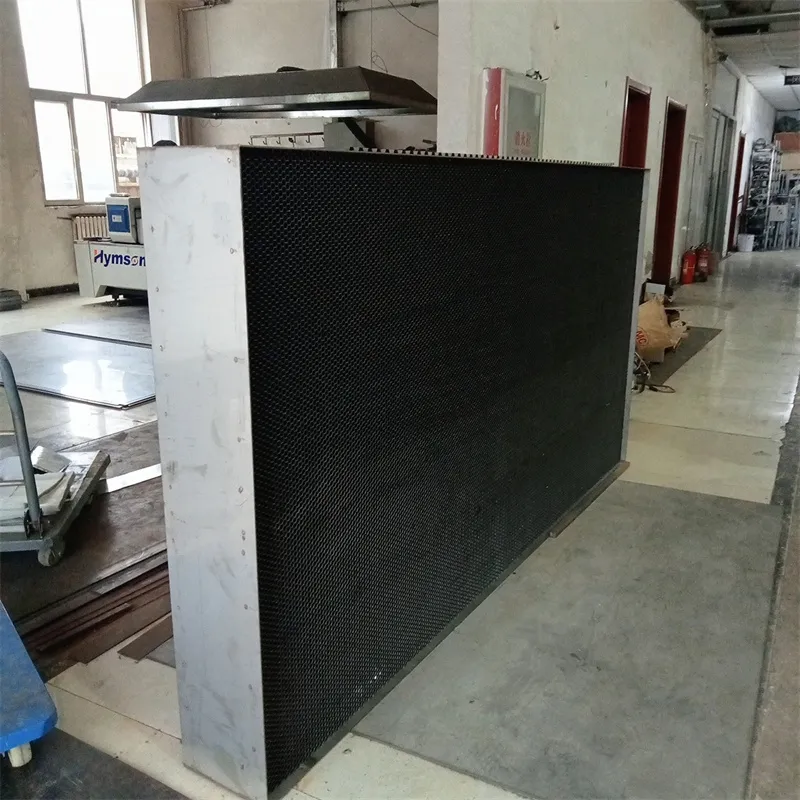
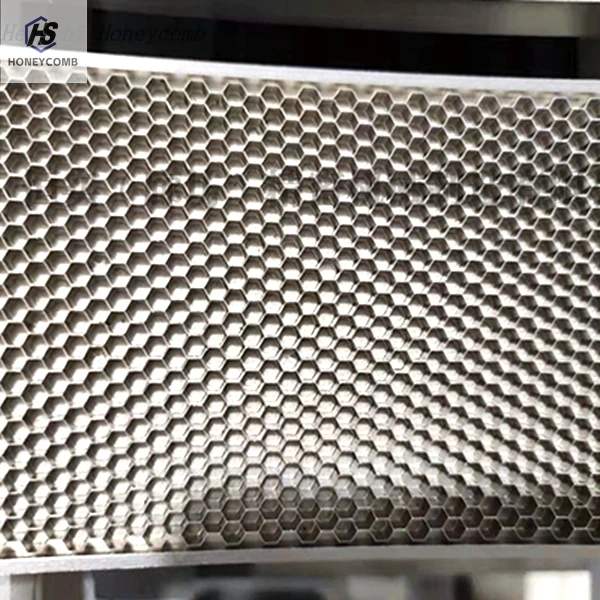
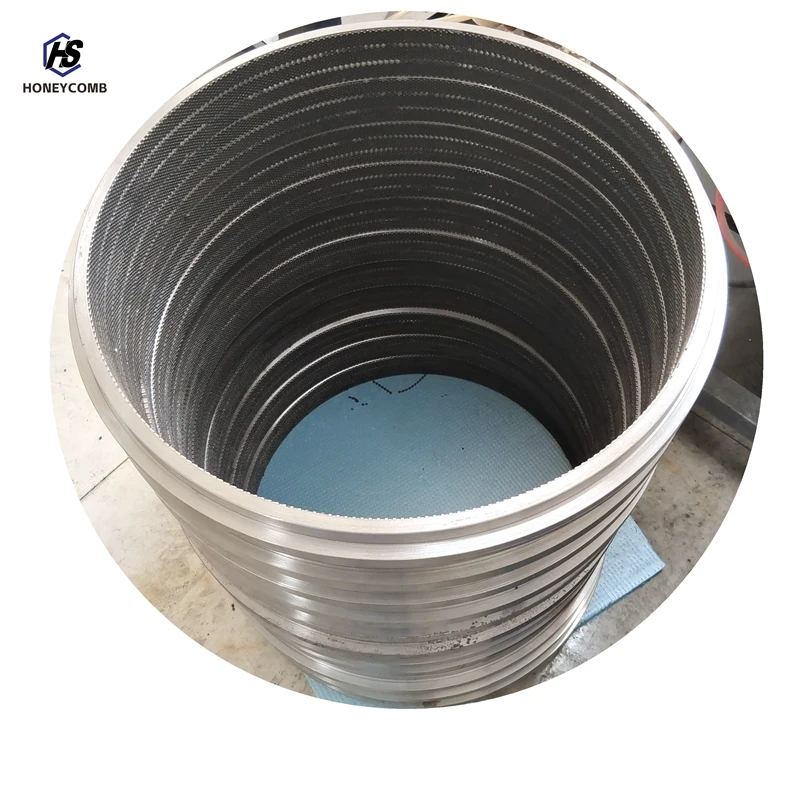
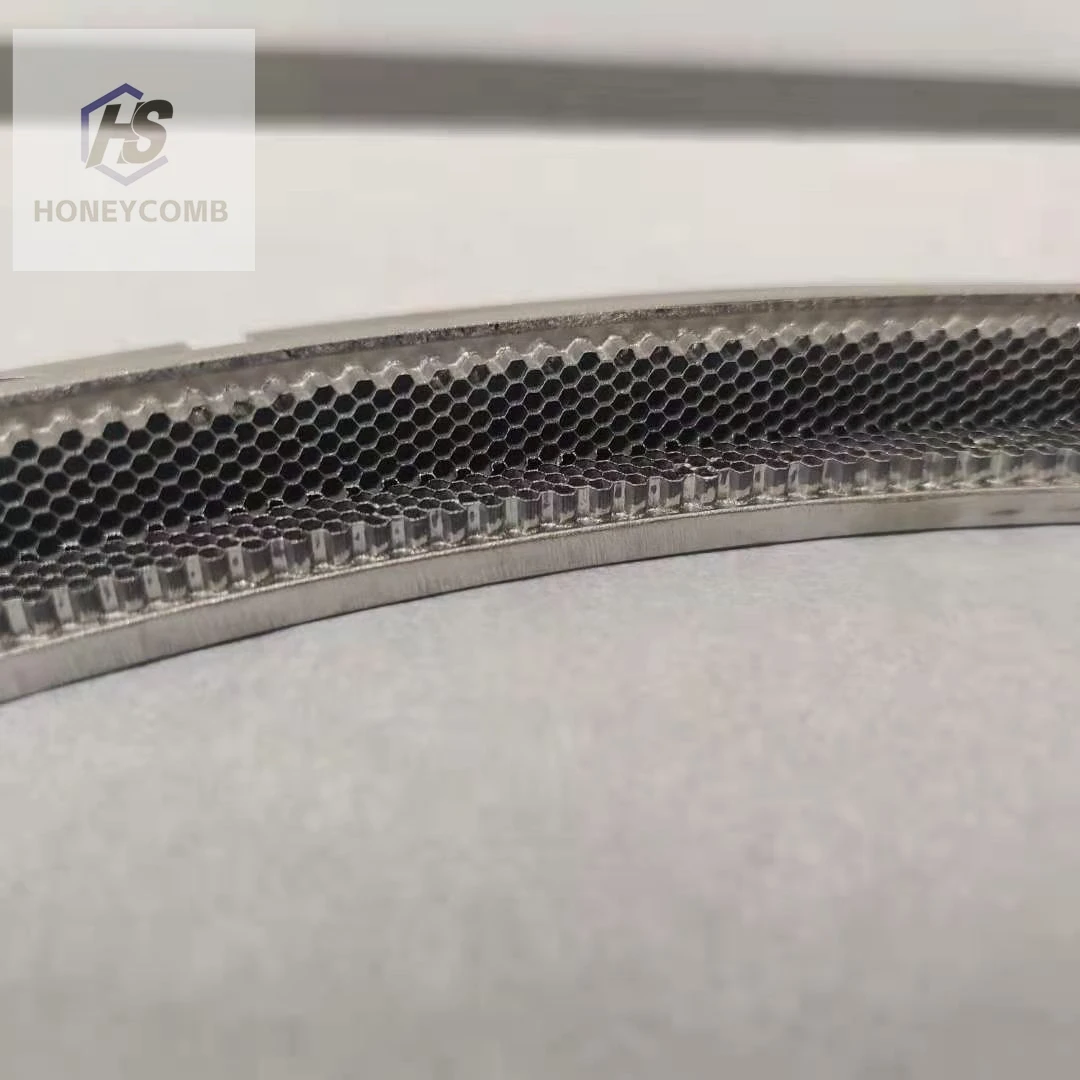
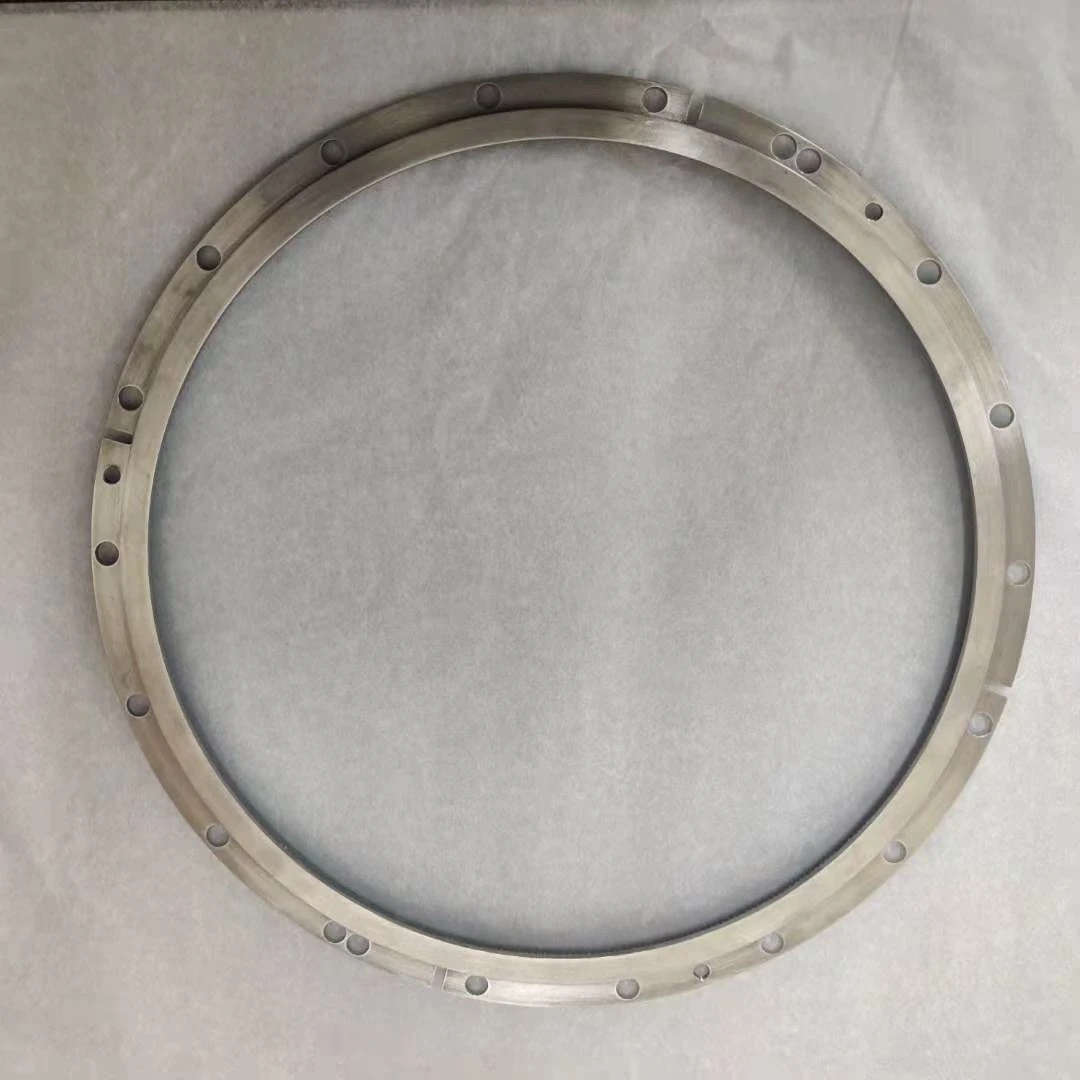
I’ve spent a fair share of late nights in wind tunnels where a small swirl ruined a perfectly good data set. So when I first handled the Filter Straightener Widely Used in Various Flow Field Wind Tunnel Water Tunnel for Testing Design, it felt… reassuring. It’s a quiet enabler. No drama, just clean, straightened flow so your sensors report what’s actually happening, not what turbulence wants you to believe.
Industry snapshot
Wind tunnels for eVTOL and UAV, plus university water tunnels validating hydrodynamics, are asking for lower turbulence intensity (TI ≤ 0.5%), higher repeatability, and modular retrofits that don’t blow the budget. The surprise? Buyers increasingly want documented calibration against recognized standards—no more “trust us” PDFs.
Product at a glance
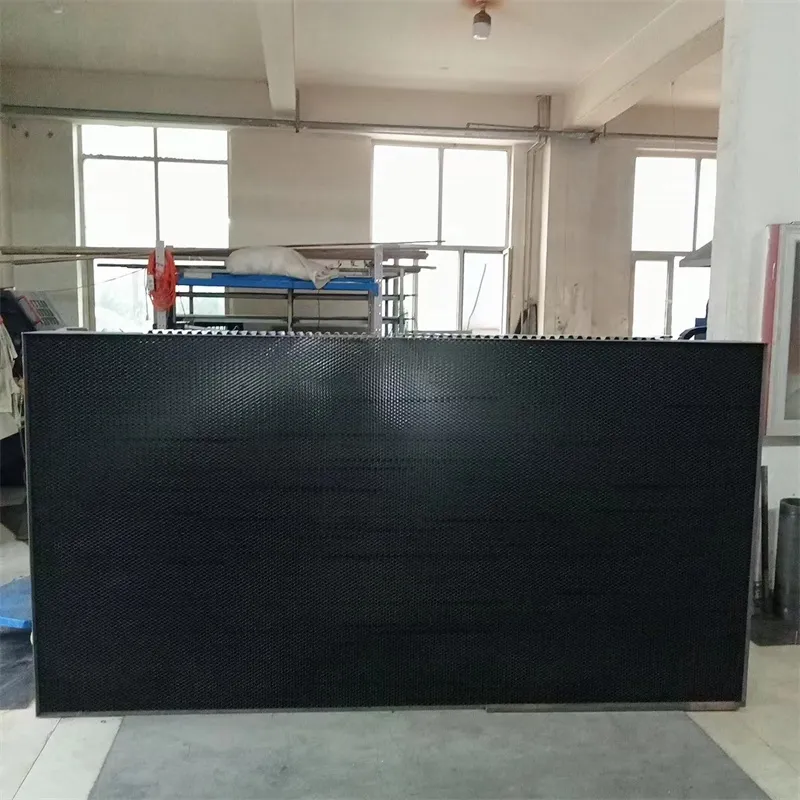
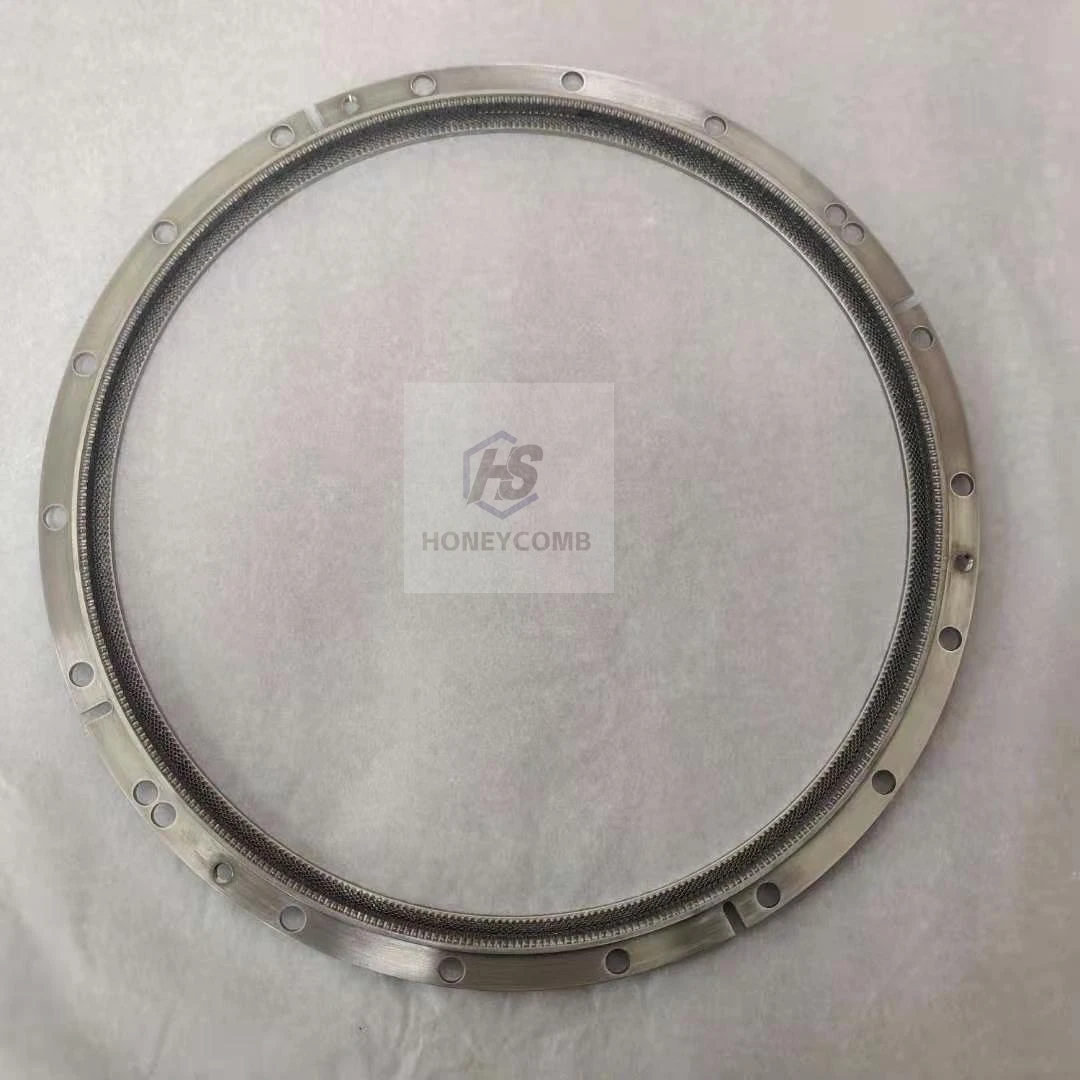
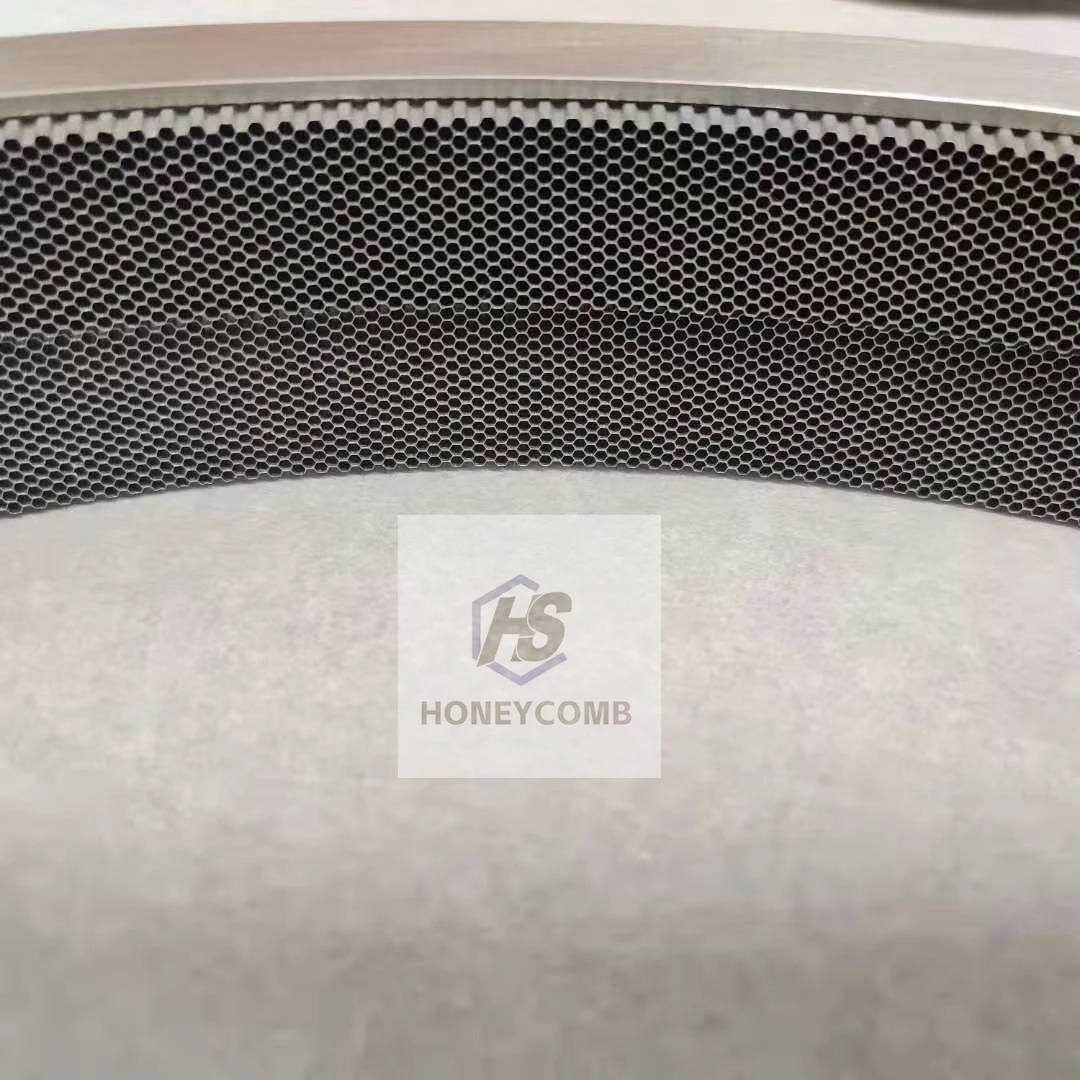
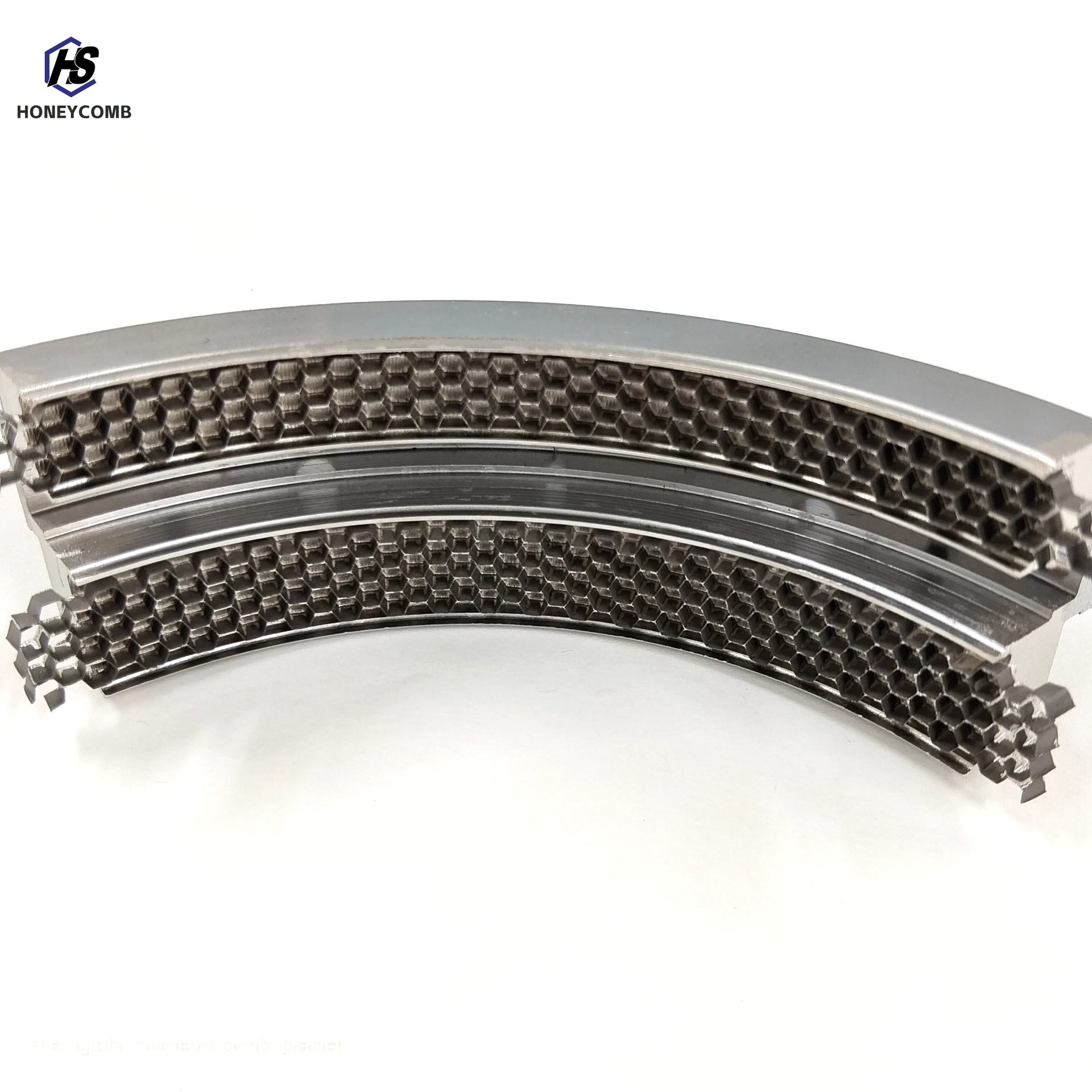
HSHI Honeycomb’s filter straightener is built for both wind and water tunnels—think of it as the reliable gatekeeper before your test section. Origin: No.2, Tongda Street, High-tech area Gu'an County, Langfang, 065500, Hebei, China.
| Spec | Typical value (≈, real-world may vary) |
|---|---|
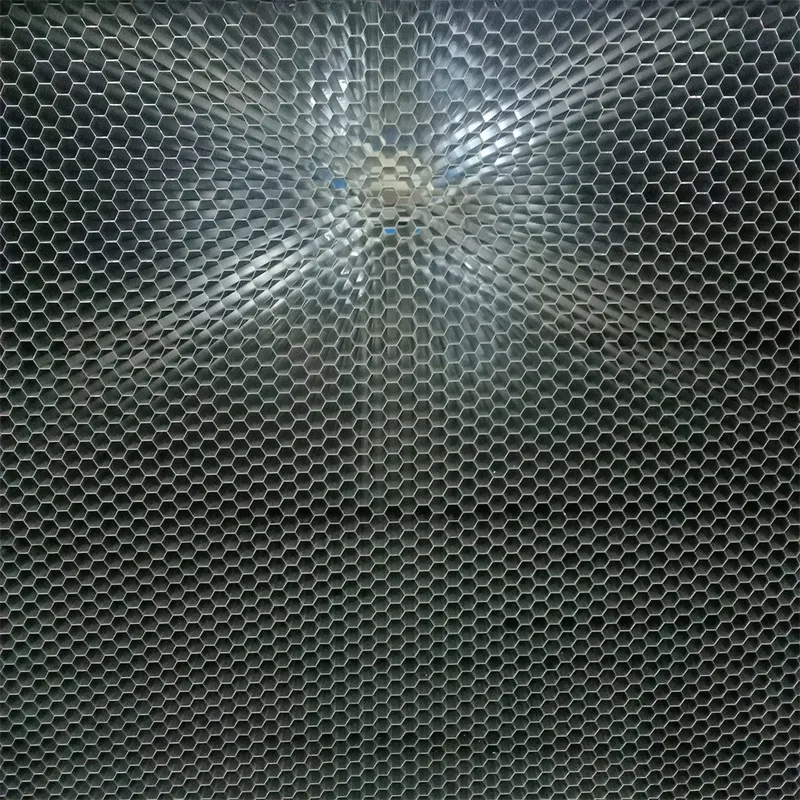
| Cell size (L) | 3–12 mm honeycomb; custom 1.6–25 mm |
| Foil thickness | 0.04–0.08 mm Al 5052/3003; SS304 on request |
| Panel thickness | 20–200 mm |
| Open area ratio | > 95% |
| TI after panel | ≤ 0.3% (per ISO 5167 installation good practice) |
| Residual swirl angle | ≤ 0.5° measured at 1–2L downstream |
| Pressure drop ζ | 0.6–1.1 depending on Re, L/D, porosity |
| Temp/chem | -40 to 120°C (Al); higher with SS304; water compatible |
| Service life | 8–15 years with routine cleaning |
Process and QA (short version)
- Materials: Aluminum 5052/3003 foil or SS304; epoxy or braze bonds for wetted service.
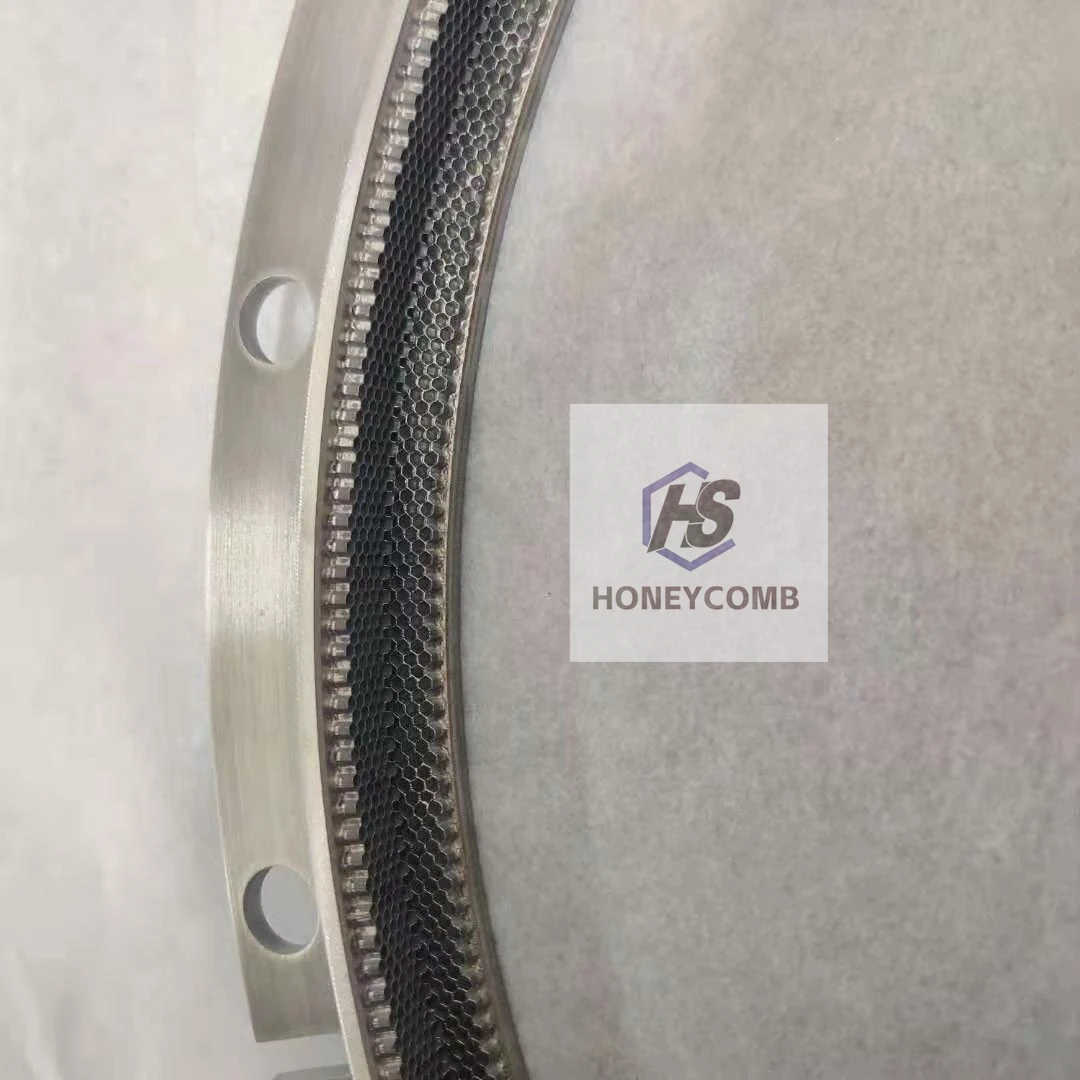
- Methods: Expansion, precision trimming, CNC frame fit, anti-vibration potting (optional).
- Testing: TI and swirl mapping vs pitot rake; ΔP curve; flatness and cell alignment checks.
- Standards referenced: ISO 5167 installation practices; AIAA S-071A uncertainty; ISO/IEC 17025 lab calibration.
Where it’s used
- Low-speed and subsonic wind tunnels (automotive, UAV, eVTOL).
- Water tunnels for propulsor and hydrofoil tests.
- Fan test rigs per ISO 5801; HVAC labs; metrology lines before orifice/venturi sections.
Real test data from a recent university retrofit: inlet TI ~3.5% was reduced to 0.28% at test-section entrance; swirl
Vendor comparison (quick, not exhaustive)
| Feature | HSHI Honeycomb | Vendor A | Vendor B |
|---|---|---|---|
| Cell range | 1.6–25 mm | 3–10 mm | 6–20 mm |
| Materials | Al, SS304 | Al only | Al, polymer |
| Max panel size | Up to ≈2.2 × 2.2 m | 1.5 × 1.5 m | 2.0 × 2.0 m |
| Certs | ISO 9001 plant; RoHS/REACH materials | ISO 9001 | — |
| Lead time | 2–5 weeks | 6–8 weeks | 4–6 weeks |
| MOQ | 1 panel | 3 panels | 2 panels |
| Notes | Good custom frames | Budget option | Polymer for wet rigs |
Customization and installation tips
- Choose L/D ≈ 6–10 for aggressive swirl cleanup; add screens upstream for noise shaping.
- Specify stainless frames for water tunnels; removable cartridges help cleaning.
- Calibrate TI and swirl with pitot or multi-hole probes; log ΔP vs velocity for future audits.
air flow straightener benefits, in plain language: fewer retests, calmer velocity fields, and happier uncertainty budgets. Many customers say model-to-model repeatability improved immediately—no heroic data filtering required.
Two quick case notes
- Automotive subsonic tunnel: Retrofit of air flow straightener + screen pack cut TI from 1.8% to 0.35%; correlation with CFD improved, saved ~12% test hours in Q2.
- University water tunnel: Stainless air flow straightener stabilized cavitation onset measurements; repeatability ±0.2% in thrust coefficient over 30 runs.
Certifications and QA docs available on request: ISO 9001:2015 manufacturing, materials RoHS/REACH, lab reports aligned with ISO/IEC 17025 practices.
Authoritative references
- ISO 5167-1: Measurement of fluid flow by means of pressure differential devices.
- ASME MFC-3M: Measurement of Fluid Flow in Pipes Using Orifice, Nozzle, and Venturi.
- AIAA S-071A: Assessment of Experimental Uncertainty with Application to Wind Tunnel Testing.
- ISO 5801: Fans — Performance testing using standardized airways.
-
Industrial Airflow Guide for maf воздушная правильная машинаNewsApr.16,2026
-
Best maf струйно правильная машина for Industrial EfficiencyNewsApr.09,2026
-
Сотовая правильная машина A Comprehensive Guide to Honey Packing AutomationNewsApr.07,2026
-
Build Your Own DIY газоправильная Машина A Comprehensive Guide to Gas CorrectionNewsApr.04,2026
-
Understanding Кондиционер отопления Systems for Efficient and Comfortable HeatingNewsMar.31,2026
-
Comprehensive Guide to Cellular Blinds Installation Установка сотовых жалюзиNewsMar.28,2026
-
Mobile Aerodynamic Tunnel Design A Comprehensive Guide to Applications and ImplementationNewsMar.26,2026






 English
  Afrikaans
  Albanian
  Amharic
  Arabic
  Armenian
  Azerbaijani
  Basque
  Belarusian
  Bengali
  Bosnian
  Bulgarian
  Catalan
  Cebuano
  China
China  China (Taiwan)
  Corsican
  Croatian
  Czech
Czech  Danish
  Dutch
Dutch  Esperanto
  Estonian
  Finnish
  French
  Frisian
  Galician
  Georgian
  German
  Greek
Greek  Gujarati
  Haitian Creole
  Hausa
Hausa  Hawaiian
  Hebrew
  Hindi
Hindi  Miao
Miao  Indonesian
  Italian
  Japanese
  Javanese
  Malay
Malay  Persian
  Portuguese
  Punjabi
  Russian
  Spanish
  Swahili
  Telugu
  Vietnamese