


Air Straightener Intake: SS Honeycomb Mesh for Optimal Flow
The Crucial Role of Air Straightener Intake in Advanced Industrial Systems
In a myriad of industrial applications ranging from aerospace and automotive to HVAC and cleanroom technology, precise control over airflow dynamics is paramount. The integrity and efficiency of a system often hinge on the ability to deliver laminar, uniform air streams, free from turbulence. This is where a high-performance air straightener intake becomes indispensable. These specialized components, particularly those featuring advanced honeycomb structures, are engineered to transform chaotic airflow into a streamlined, predictable pattern, optimizing performance, reducing energy consumption, and enhancing system reliability.
Our focus delves into the technical intricacies, manufacturing excellence, and diverse applications of these critical components, emphasizing the superior properties derived from their materials and design. The demand for increasingly sophisticated air management solutions, especially those that offer dual functionality like EMI/EMC/RF shielding, is driving innovation in this sector.
Current Industry Trends and Technological Advancements
The landscape of industrial air management is continually evolving, driven by demands for greater efficiency, stringent environmental regulations, and enhanced operational integrity. Key trends shaping the development and adoption of advanced airflow components include:
- Energy Efficiency: Industries are increasingly seeking components that minimize pressure drop while maximizing airflow uniformity, directly contributing to reduced fan power consumption and operational costs.
- EMI/EMC/RF Shielding Integration: With the proliferation of sensitive electronic equipment, particularly in data centers, medical facilities, and defense, the ability of an air straightener intake to simultaneously condition airflow and provide electromagnetic interference (EMI), electromagnetic compatibility (EMC), and radio frequency (RF) shielding is a critical advantage. This is often achieved through conductive materials like stainless steel honeycomb mesh.
- Material Innovation: The move towards advanced alloys, such as specific grades of stainless steel (e.g., SS304, SS316L), enhances corrosion resistance, high-temperature performance, and overall service life, crucial for harsh operating environments.
- Smart Manufacturing & IoT Integration: Future systems may incorporate sensors within or adjacent to air straighteners to provide real-time data on airflow, pressure, and temperature, facilitating predictive maintenance and optimized control.
- Miniaturization & Customization: As equipment becomes more compact, there's a growing need for smaller, more precisely engineered straighteners that can be fully customized to unique space and performance requirements.
These trends underscore the importance of robust, multi-functional airflow solutions that not only fulfill their primary role of straightening air but also address broader system-level challenges like electromagnetic compatibility.
Manufacturing Process Flow of an Air Straightener Intake
The production of a high-performance air straightener intake, especially one incorporating stainless steel honeycomb mesh for EMI/EMC shielding, is a meticulous process demanding precision engineering and adherence to strict quality control standards. The typical process flow involves several critical stages:
1. Material Selection & Preparation
High-grade stainless steel (e.g., SS304, SS316L) is selected for its superior corrosion resistance, mechanical strength, and electrical conductivity crucial for EMI shielding. Raw material is typically supplied in thin foil or sheet form, rigorously checked against industry standards like ASTM A240.
2. Honeycomb Core Fabrication
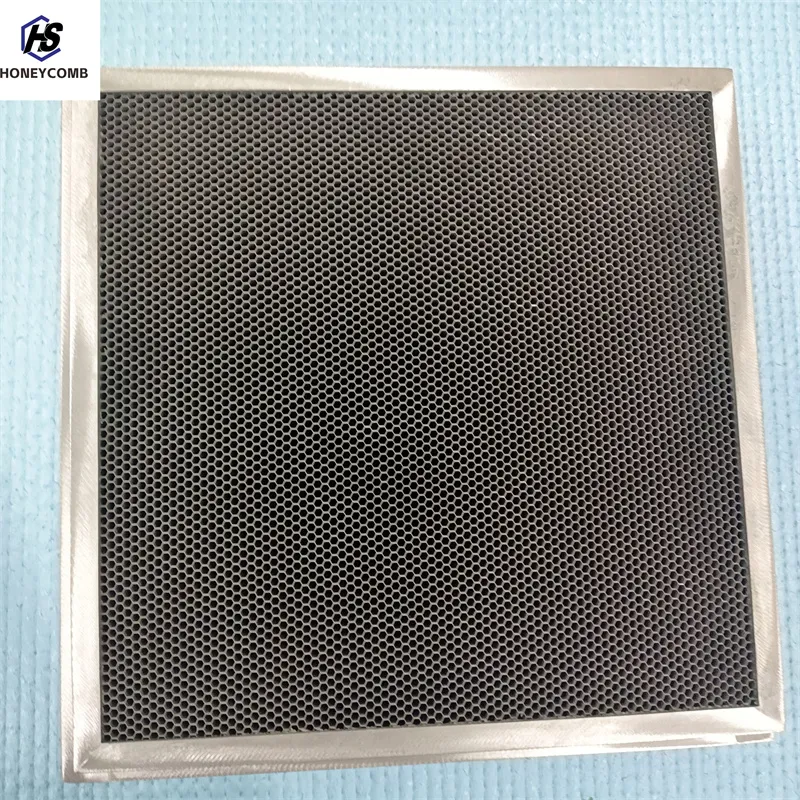
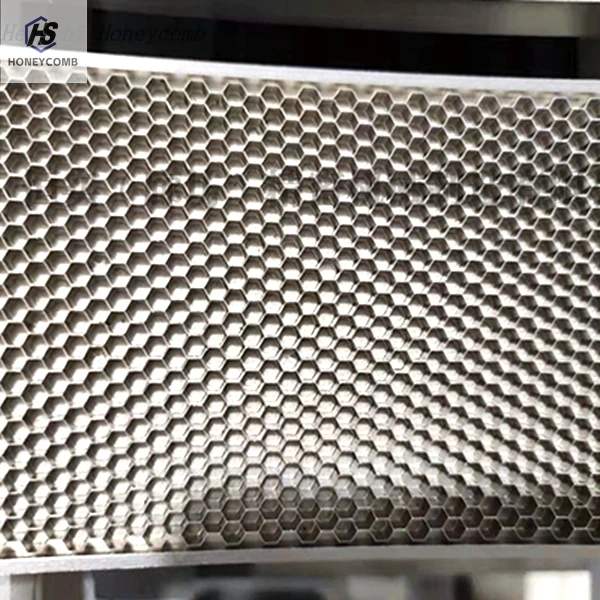
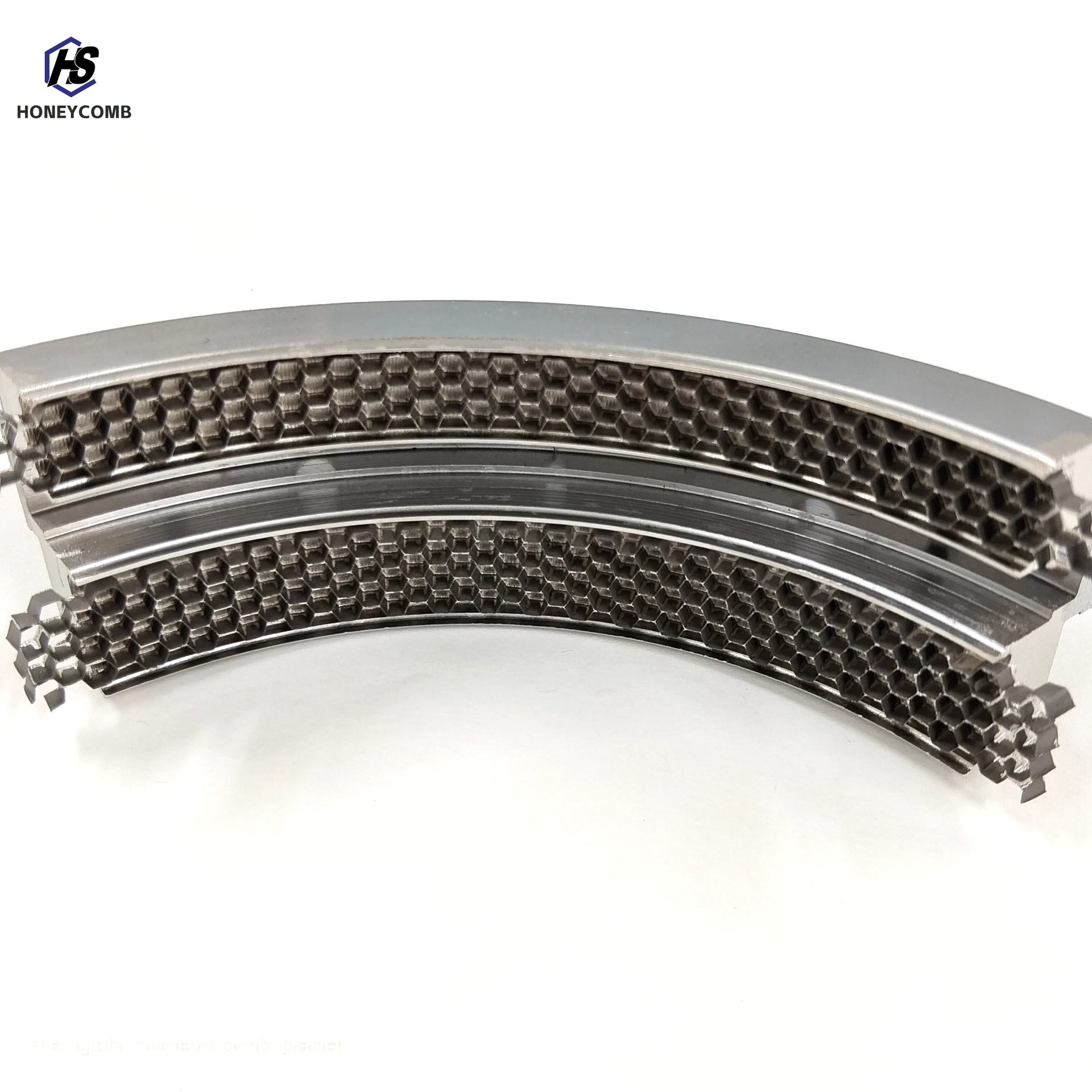
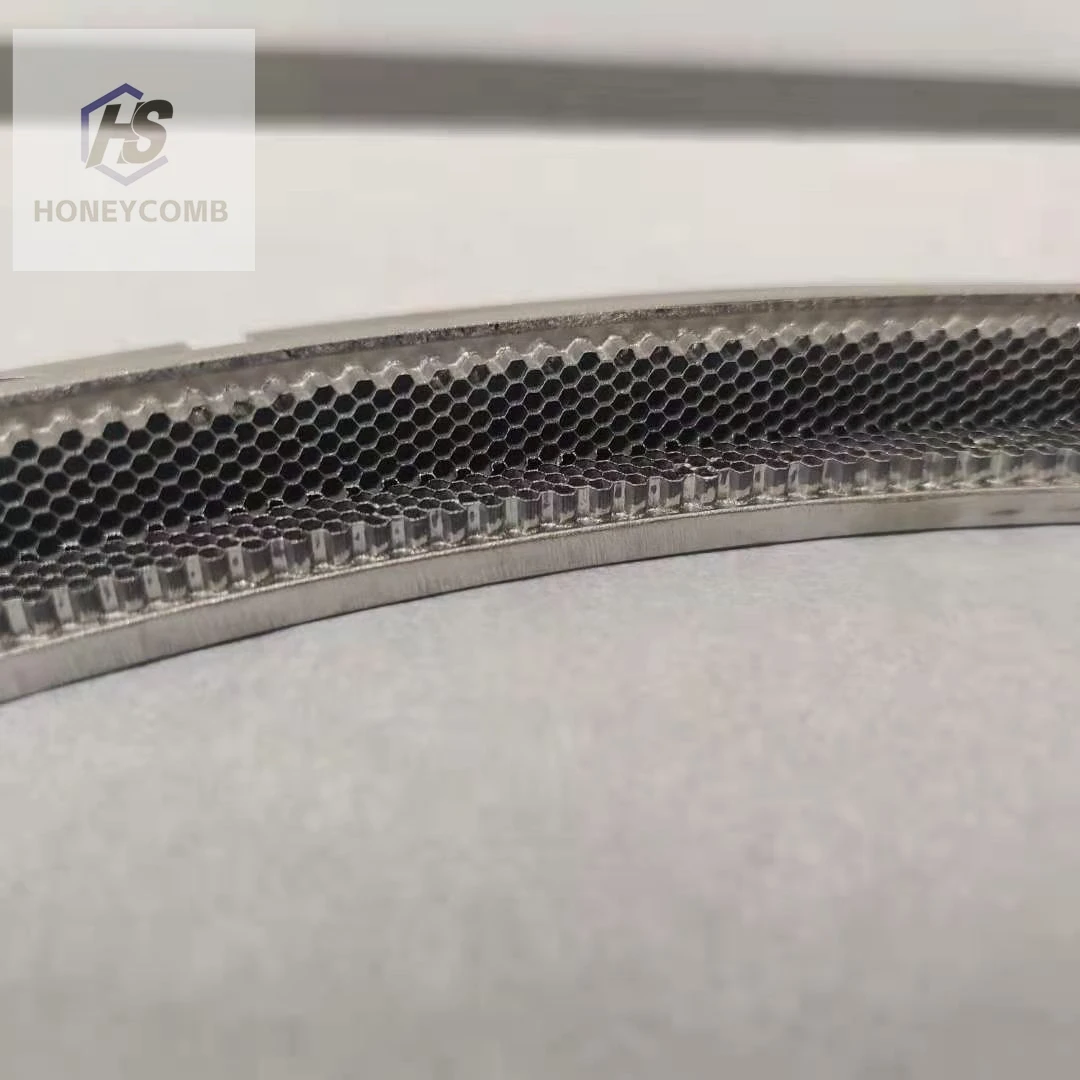
Thin stainless steel foils are precisely corrugated and bonded together to form the hexagonal honeycomb cell structure. This involves specialized equipment for precise pleating and a high-temperature brazing or welding process to create a robust, uniform core. This stage is critical for the structural integrity and airflow characteristics.
3. Frame & Housing Manufacturing
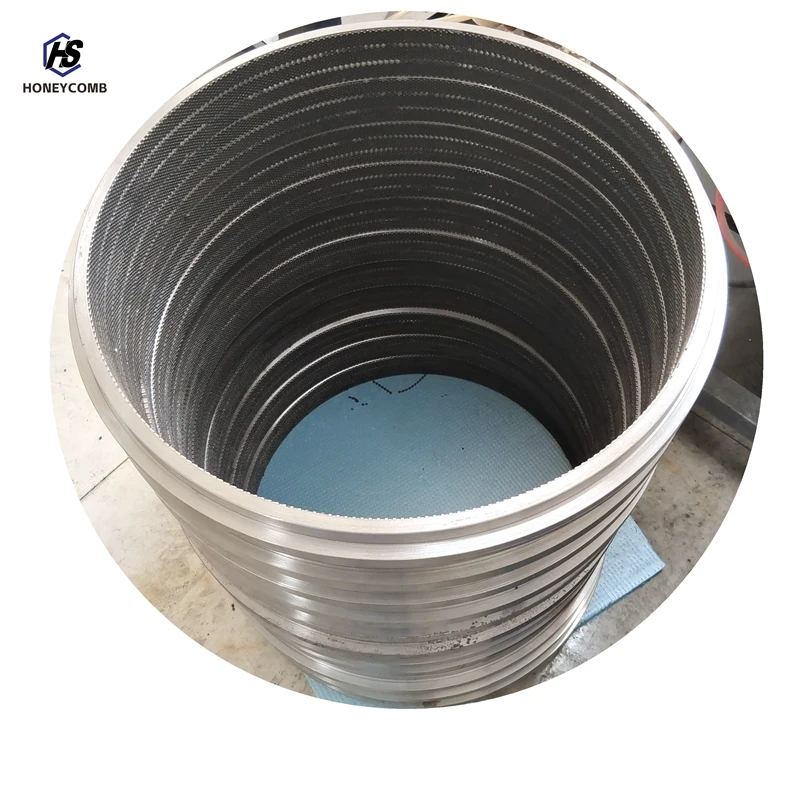
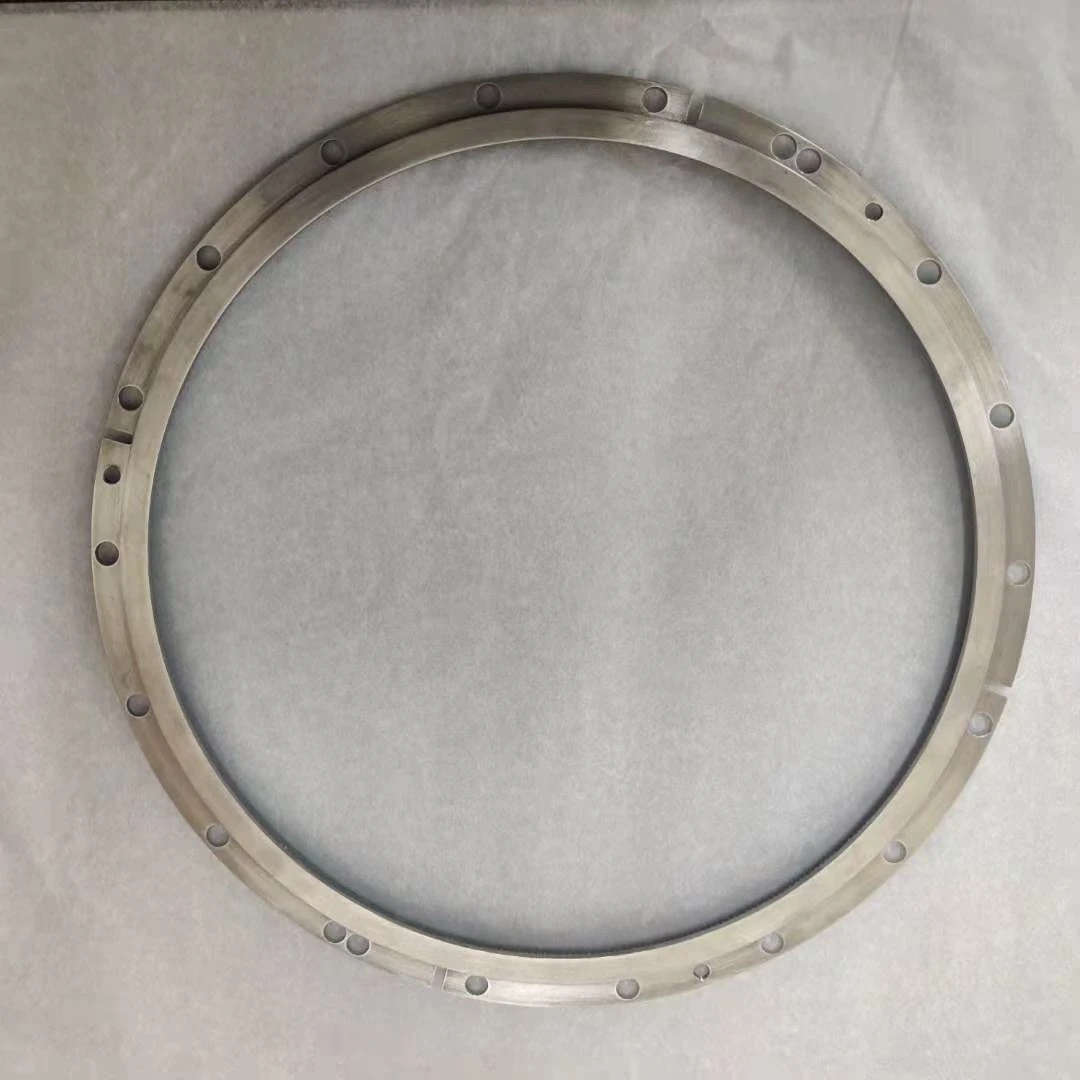
The outer frame, often also stainless steel, is fabricated using techniques like CNC machining, laser cutting, and precision welding. This ensures exact dimensions and compatibility with the system it will integrate into. The frame provides structural support and a mounting interface.
4. Assembly & Integration
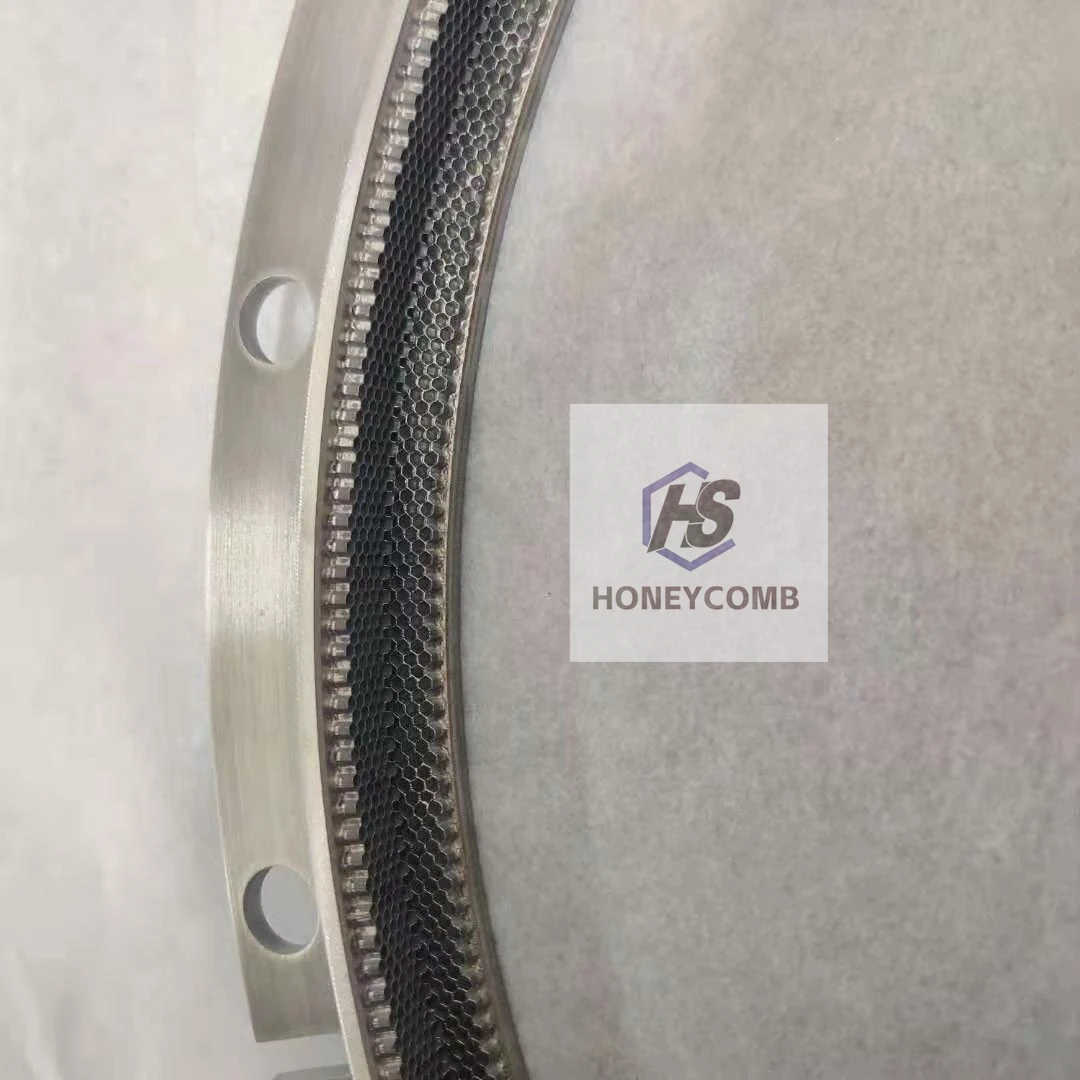
The pre-fabricated honeycomb core is carefully inserted and secured within the housing. This assembly can involve further welding, brazing, or specialized adhesive bonding to ensure electrical continuity for EMI shielding and mechanical stability.
5. Surface Treatment & Finishing
Depending on the application, the assembly may undergo passivation to enhance corrosion resistance, or specialized coatings for specific environmental protections. This ensures the longevity and performance of the component.
6. Quality Control & Testing
Each air straightener intake undergoes rigorous testing. This includes visual inspection, dimensional checks, airflow uniformity testing (often per AMCA 210 or ISO 5801), pressure drop measurements, and critically, EMI/EMC shielding effectiveness testing in accordance with IEEE 299 or MIL-STD-285. This ensures compliance with ISO 9001 quality management standards.
The target industries for these components are broad, encompassing petrochemical, metallurgy, power generation, water supply & drainage, HVAC, aerospace, defense, and medical sectors. Advantages in typical application scenarios include significant energy saving through reduced turbulence and pressure loss, superior corrosion resistance due to the stainless steel construction, and critical protection against electromagnetic interference.
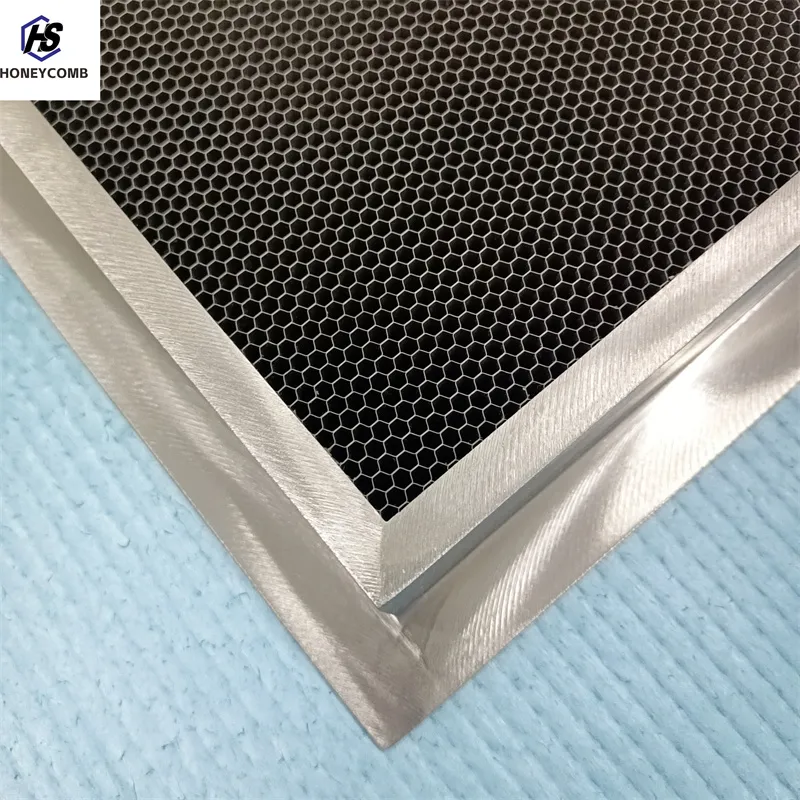
Technical Specifications: Stainless Steel 1/8mm EMI/EMC/RF Shielded Honeycomb Vent
Understanding the precise technical parameters is crucial for engineers and procurement specialists when selecting an appropriate air straightener intake. Our Stainless Steel 1/8mm EMI/EMC/RF Shielded Honeycomb Vent exemplifies the high-performance capabilities required in demanding environments.
| Parameter | Specification | Notes |
|---|---|---|
| Product Name | Stainless Steel 1/8mm EMI/EMC/RF Shielded Honeycomb Vent | Optimized for dual functionality: airflow & shielding |
| Material | Stainless Steel (typically SS304 or SS316L) | Excellent corrosion resistance, high strength, electrical conductivity |
| Cell Size (Honeycomb) | 1/8 inch (approx. 3.175 mm) | Optimized balance for airflow straightness and shielding effectiveness |
| Foil Thickness | Typically 0.05 mm - 0.1 mm | Dictates cell wall thickness and overall rigidity |
| Honeycomb Thickness (Depth) | 6.35 mm (1/4 inch) to 25.4 mm (1 inch) and customizable | Affects pressure drop and shielding performance (L/D ratio) |
| EMI Shielding Effectiveness | 60-100 dB across 100 MHz to 10 GHz (IEEE 299) | Frequency-dependent; higher depth generally yields better shielding |
| Pressure Drop | Minimal (application-dependent, typically | Optimized design for energy efficiency |
| Operating Temperature Range | -50°C to +250°C (Material dependent, up to 400°C for some alloys) | Suitable for diverse industrial environments |
| Frame Material | Stainless Steel or Aluminum | Customizable based on structural and environmental needs |
| Conformance | ISO 9001:2015, IEEE 299, MIL-STD-285 | Ensures quality and performance standards are met |
These specifications are crucial for ensuring the component meets the rigorous demands of applications requiring precise airflow control and robust EMI/EMC shielding. The selection of stainless steel honeycomb sheet directly contributes to these performance metrics, providing a durable and effective solution.
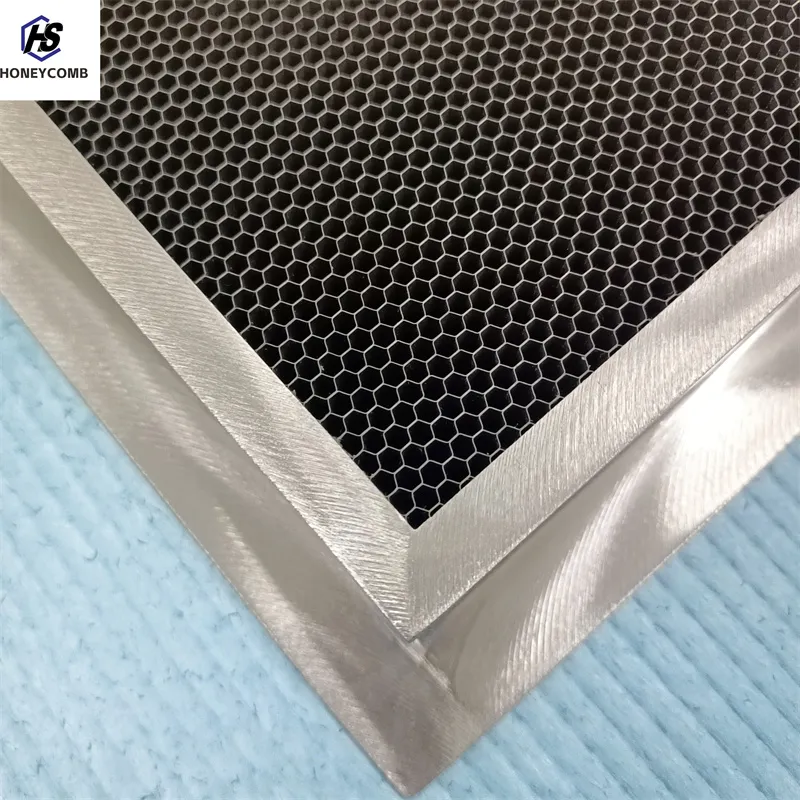
Diverse Application Scenarios
The versatility and high performance of a robust air straightener intake make it essential across a wide spectrum of industries. Its ability to create uniform airflow and provide critical EMI/EMC shielding enables optimal operation in sensitive and high-demand environments:
- Data Centers and Server Rooms: Ensuring efficient and even cooling of racks and equipment, preventing hot spots, and simultaneously shielding against electromagnetic interference that could disrupt data transmission.
- Medical Imaging and Diagnostic Equipment: Critical for precise temperature control of sensitive electronics while providing EMI/RFI shielding to prevent interference with imaging processes (e.g., MRI, CT scanners) and patient monitoring systems.
- Aerospace and Defense: Used in avionics cooling, engine test cells, and shielded enclosures for sensitive electronic warfare equipment, where both airflow control and robust EMI/EMC protection are non-negotiable.
- Cleanroom and HVAC Systems: Achieving laminar airflow for contamination control in pharmaceutical manufacturing, semiconductor fabrication, and biological research facilities. It ensures consistent particulate removal and environmental stability.
- Automotive Test Benches: Providing highly uniform air streams for engine intake simulation, aerodynamic testing, and emissions testing, where precise conditions are vital for accurate results.
- Industrial Process Control: In sectors like petrochemical and chemical processing, regulating airflow within reactors, drying ovens, or ventilation systems to enhance process efficiency and safety.
- Telecommunications Infrastructure: Protecting sensitive communication equipment from external electromagnetic noise while ensuring adequate cooling.
Each application leverages the unique properties of stainless steel honeycomb structures to address complex environmental and operational challenges, affirming their critical role in modern industrial infrastructure.
Technical Advantages of Stainless Steel Honeycomb Air Straighteners
The adoption of stainless steel honeycomb mesh for air straighteners offers a compelling array of technical advantages over traditional methods, particularly for high-performance and critical applications:
- Superior Airflow Laminarization: The hexagonal cell structure of the honeycomb provides an optimal length-to-diameter (L/D) ratio, effectively breaking down turbulent eddies and generating highly uniform, laminar airflow. This is crucial for precise measurements, efficient heat transfer, and contaminant control.
- Excellent EMI/EMC/RF Shielding: Conductive stainless steel honeycomb sheet, when properly grounded, creates a waveguide-beyond-cutoff effect. This significantly attenuates electromagnetic waves entering or exiting an enclosure while allowing air passage. Shielding effectiveness typically ranges from 60 dB to over 100 dB across a broad frequency spectrum, vital for protecting sensitive electronics.
- High Strength-to-Weight Ratio: The cellular structure inherent to honeycomb design offers exceptional rigidity and structural integrity with minimal material usage, resulting in a lightweight yet robust component capable of withstanding operational stresses.
- Corrosion and Chemical Resistance: Stainless steel, particularly grades like SS316L, provides outstanding resistance to oxidation, corrosion from harsh chemicals, and moisture, ensuring a long service life in aggressive industrial environments.
- Low Pressure Drop: The precisely engineered, open cell structure minimizes resistance to airflow, resulting in a very low pressure drop. This translates directly into energy savings by reducing the power required for fans and blowers.
- Wide Operating Temperature Range: Stainless steel maintains its mechanical properties and structural integrity across a broad temperature range, making these straighteners suitable for both cryogenic and high-temperature applications.
- Durability and Longevity: Built from robust materials and precision manufacturing, these components offer exceptional durability, requiring minimal maintenance and boasting an extended operational lifespan, reducing total cost of ownership.
These advantages collectively position the air straightener intake as a high-value investment for systems where performance, reliability, and electromagnetic compatibility are critical.
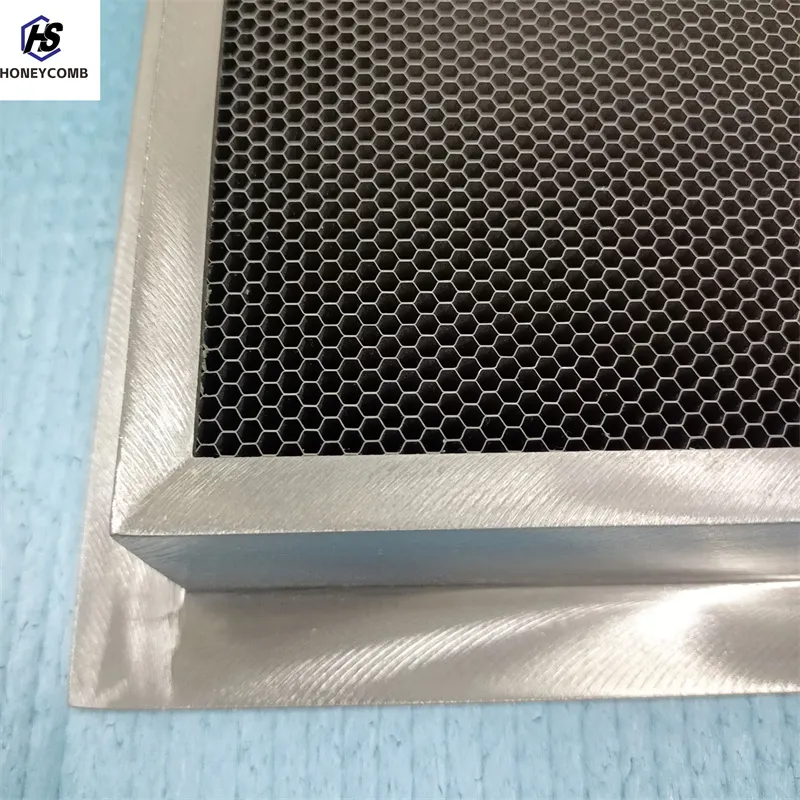
Vendor Comparison: Honeycomb vs. Traditional Air Straighteners
When selecting an air straightener intake, it's essential to compare the performance characteristics of different designs. The honeycomb structure, particularly when fabricated from stainless steel, offers distinct advantages over older, less optimized solutions such as perforated plates or simple guide vanes.
| Feature/Metric | Stainless Steel Honeycomb Straightener | Perforated Plate/Mesh Screen | Guide Vanes/Baffles |
|---|---|---|---|
| Airflow Uniformity | Excellent (Highly laminar, minimizes turbulence) | Fair to Good (Can still generate turbulence downstream) | Moderate (Primarily redirects flow, limited straightening) |
| Pressure Drop | Very Low (Optimized open area ratio) | Moderate to High (Depends on open area, can be restrictive) | Low to Moderate (Can increase due to eddy currents) |
| EMI/EMC Shielding | Excellent (Waveguide-beyond-cutoff, 60-100 dB) | Poor to Moderate (Limited effectiveness at higher frequencies) | None (Typically non-conductive or poor continuity) |
| Material Versatility | High (Various SS grades, aluminum, custom alloys) | Moderate (Standard metals, plastics) | High (Plastics, metals, composites) |
| Structural Rigidity | High (Excellent strength-to-weight ratio) | Moderate (Can be flimsy if thin) | Moderate (Requires robust mounting) |
| Maintenance & Longevity | Low maintenance, long service life (Corrosion resistant) | Can clog, less durable in harsh conditions | Can accumulate dust, potential for wear/vibration issues |
This comparison highlights that for applications demanding high performance in both airflow conditioning and electromagnetic compatibility, the stainless steel honeycomb mesh design consistently outperforms traditional alternatives. This translates to superior system efficiency, reduced operational costs, and enhanced reliability, justifying the investment for mission-critical operations.
Customized Solutions for Unique Requirements
Recognizing that no two industrial applications are exactly alike, we specialize in providing highly customized solutions for air straightener intake components. Our engineering team works closely with clients to tailor every aspect of the design to specific operational parameters and integration needs:
- Material Selection: Beyond standard SS304 and SS316L, we offer exotic alloys for extreme temperature or corrosive environments, ensuring optimal performance and longevity.
- Cell Size and Depth: Customization of honeycomb cell size (e.g., 1/16", 1/4", 1/2") and depth allows for precise tuning of airflow uniformity, pressure drop, and EMI shielding effectiveness to meet specific requirements.
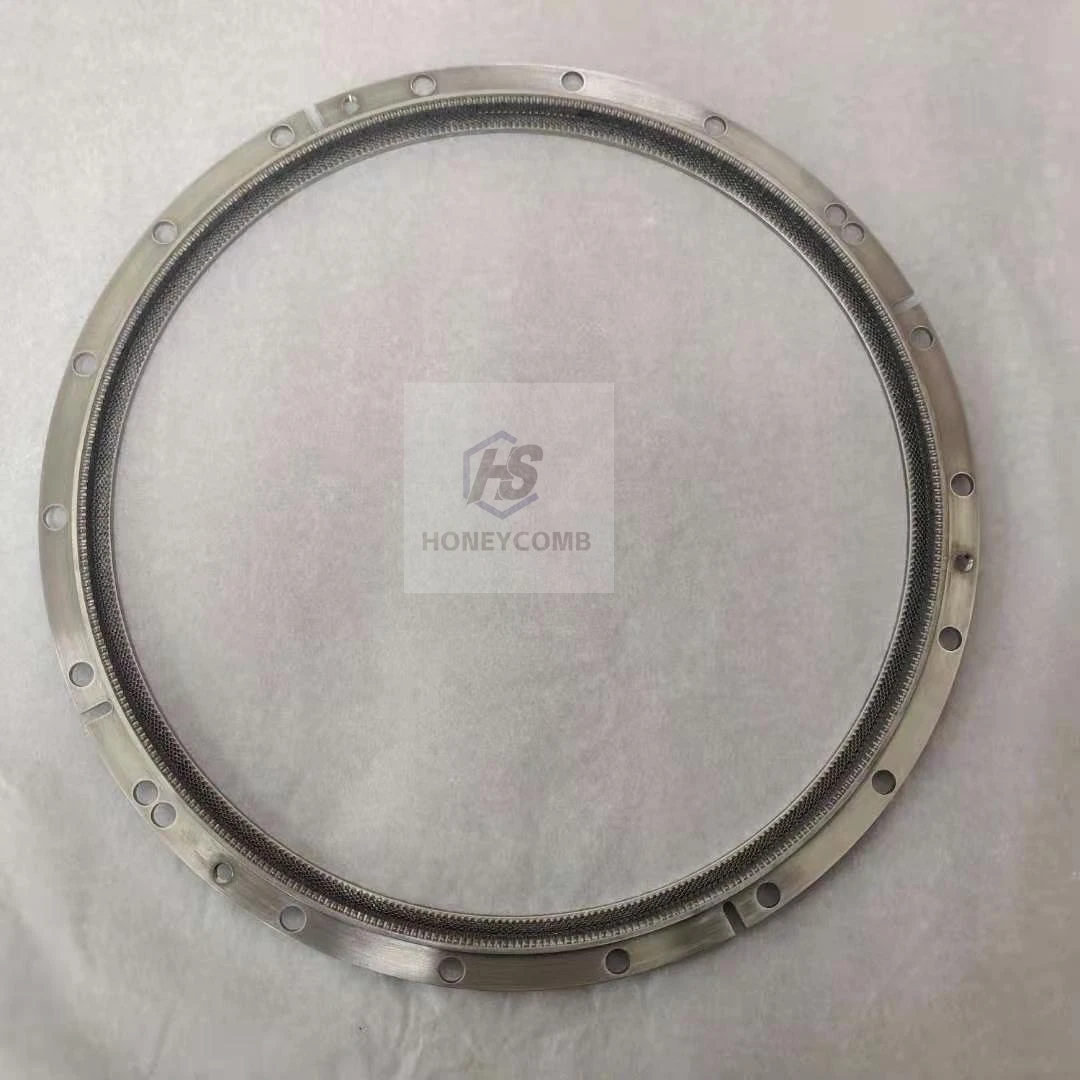
- Frame Configurations: From flanged designs for easy mounting to frameless structures for integration into existing channels, or custom-shaped frames for non-standard openings, our fabrication capabilities are extensive.
- Dimensions and Geometry: Whether rectangular, circular, or irregular shapes, we can produce components to exact dimensional specifications, fitting seamlessly into complex system architectures.
- Surface Treatments and Coatings: Specialized finishes, such as Electroless Nickel Plating for enhanced conductivity or specific paint coatings for environmental protection, can be applied to meet unique operational demands.
- Integrated Solutions: We can integrate the air straightener intake with other components such as filters, gaskets, or mounting hardware to provide a complete, ready-to-install module, simplifying procurement and assembly for our partners.
Our commitment to flexibility and precision engineering ensures that even the most challenging design specifications can be met, providing a truly bespoke solution that maximizes efficiency and compliance.
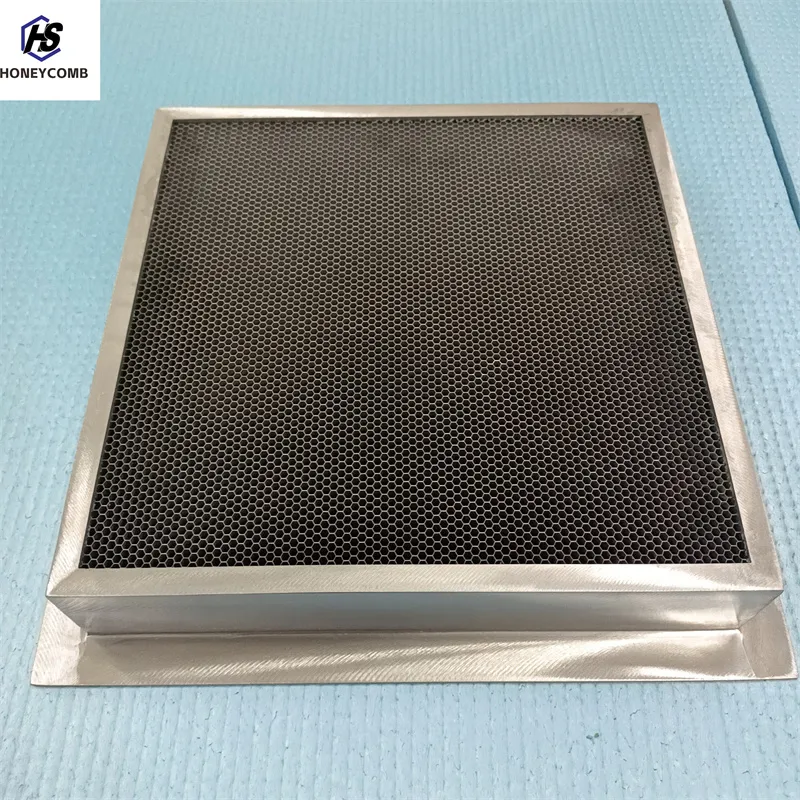
Real-World Application Case Studies
Our air straightener intake solutions have been successfully deployed in various high-stakes industrial scenarios, demonstrating tangible benefits and validating our commitment to quality and performance.
Case Study 1: Data Center Cooling Optimization
A leading global IT infrastructure provider faced challenges with uneven temperature distribution in their high-density server racks, leading to localized hot spots and increased cooling energy consumption. Traditional perforated panels offered insufficient airflow uniformity and minimal EMI protection.
- Solution: We provided custom-designed Stainless Steel 1/8mm EMI/EMC/RF Shielded Honeycomb Vents, integrating them into the intake plenums of their CRAC (Computer Room Air Conditioner) units and server cabinets.
- Outcome: Post-implementation, thermal imaging revealed a >30% improvement in air temperature uniformity across server racks. The client reported a 12% reduction in cooling energy costs and a notable decrease in data corruption incidents attributed to enhanced EMI shielding, leading to an impressive ROI within 18 months.
Case Study 2: Aerospace Engine Test Cell Upgrade
An aerospace engine manufacturer required highly laminar airflow at the intake of their jet engine test cells to ensure accurate thrust measurements and consistent engine performance evaluation. Their existing baffle-plate system introduced unacceptable levels of turbulence, affecting data reliability.
- Solution: Large-format stainless steel honeycomb mesh straighteners were designed and manufactured to fit the precise dimensions of the test cell intake ducts. These were engineered for minimal pressure drop and maximum airflow straightness.
- Outcome: CFD analysis and pitot tube traverses confirmed a significant reduction in turbulence intensity (over 70%) and an improvement in velocity profile uniformity (to within 1.5% deviation) at the engine intake. This led to more reliable test data, reduced variability in engine tuning, and faster certification processes.
Case Study 3: Medical Equipment EMC Compliance
A manufacturer of high-precision medical diagnostic equipment struggled to meet stringent IEC 60601-1-2 EMC standards for their new product line. Their ventilation openings were acting as conduits for electromagnetic emissions.
- Solution: Small, intricately designed Stainless Steel 1/8mm EMI/EMC/RF Shielded Honeycomb Vents were integrated into all ventilation apertures of the equipment chassis. These were combined with conductive gaskets to ensure complete electrical continuity.
- Outcome: The product successfully passed all required EMC immunity and emission tests, achieving compliance with critical medical device standards. The shielding provided by the stainless steel honeycomb sheet was paramount in mitigating radiated emissions while maintaining necessary cooling, allowing for market release.
These cases underscore the tangible benefits and critical importance of selecting advanced airflow management solutions for demanding industrial and scientific applications.
Frequently Asked Questions (FAQ)
- Q: What is the primary function of an air straightener intake?
- A: Its primary function is to convert turbulent airflow into a smooth, laminar, and uniform flow pattern, which is essential for precise measurements, efficient cooling, and optimized system performance. In many cases, it also provides EMI/EMC/RF shielding.
- Q: Why choose a honeycomb structure over other designs?
- A: Honeycomb structures offer superior airflow laminarization due to their optimal cell length-to-diameter ratio. They also provide excellent EMI/EMC shielding when made from conductive materials like stainless steel, and they maintain low pressure drop and high structural integrity compared to simple screens or baffles.
- Q: How does stainless steel honeycomb mesh provide EMI/EMC shielding?
- A: When a conductive honeycomb mesh is properly grounded, its individual cells act as miniature waveguides beyond cutoff. This means that electromagnetic waves above a certain frequency cannot pass through the cells effectively, leading to significant attenuation and shielding effectiveness.
- Q: Can these straighteners withstand harsh environments?
- A: Yes, using high-grade stainless steel (e.g., SS316L) ensures excellent resistance to corrosion, high temperatures, and various chemicals, making them ideal for petrochemical, marine, and other aggressive industrial settings.
- Q: What is the typical lead time for custom orders?
- A: Standard products typically ship within 2-4 weeks. For custom-designed air straightener intake solutions, lead times can range from 6-12 weeks depending on complexity, material availability, and order volume. We provide detailed lead time estimates upon quote approval.
Lead Time, Warranty, and Customer Support
Lead Time and Fulfillment
We understand the critical timelines in industrial projects. For our standard Stainless Steel 1/8mm EMI/EMC/RF Shielded Honeycomb Vent and similar catalog items, typical lead times range from 2 to 4 weeks, depending on stock and order volume. Customized air straightener intake solutions, due to their bespoke design and manufacturing process, generally have a lead time of 6 to 12 weeks. We utilize robust logistics networks to ensure efficient and reliable global delivery, with detailed tracking provided for all shipments. Expedited options are available upon request.
Warranty Commitments
All our products, including the advanced stainless steel honeycomb mesh air straighteners, are backed by a comprehensive 1-year limited warranty against defects in materials and workmanship from the date of purchase. This warranty reflects our confidence in the quality and durability of our engineering and manufacturing processes, adhering to international standards such as ISO 9001:2015. Specific terms and conditions are provided with each order, and extended warranty options may be available for large-scale projects or critical applications.
Dedicated Customer Support
Our commitment extends beyond product delivery. We offer unparalleled technical support and after-sales service. Our team of experienced engineers is available to assist with product selection, integration challenges, performance optimization, and any troubleshooting that may arise. For inquiries, technical assistance, or support requests, please contact us via:
- Email: sales@hshihoneycomb.com (placeholder)
- Phone: +1-XXX-XXX-XXXX (placeholder)
- Website: www.hshihoneycomb.com
We pride ourselves on responsive and knowledgeable support, ensuring our clients achieve maximum value and operational excellence from our solutions.
Conclusion
The modern industrial landscape demands components that are not only highly functional but also robust, efficient, and capable of addressing multi-faceted challenges. The air straightener intake, particularly those employing advanced stainless steel honeycomb structures, stands as a testament to this evolution. By providing unparalleled airflow laminarization coupled with critical EMI/EMC/RF shielding, these components are indispensable for achieving optimal performance, energy efficiency, and regulatory compliance in a diverse array of high-tech and demanding applications. Our commitment to precision engineering, material excellence, and comprehensive customer support ensures that our solutions meet the highest standards of quality and reliability, empowering our partners to innovate and excel.
References
- IEEE Std 299-2006, "Standard for Measuring the Effectiveness of Electromagnetic Shielding Enclosures." Institute of Electrical and Electronics Engineers, 2006.
- ISO 5801:2017, "Industrial fans — Performance testing using standardized airways." International Organization for Standardization, 2017.
- AMCA 210-16, "Laboratory Methods of Testing Fans for Aerodynamic Performance Rating." Air Movement and Control Association International, 2016.
- MIL-STD-285, "Military Standard: Attenuation Measurements for Enclosures, Electromagnetic Shielding, for Electronic Test Purposes." U.S. Department of Defense, 1956.
- ASM International. "ASM Handbook, Volume 1: Properties and Selection: Irons, Steels, and High-Performance Alloys." ASM International, 1990.

-
Industrial Airflow Guide for maf воздушная правильная машинаNewsApr.16,2026
-
Best maf струйно правильная машина for Industrial EfficiencyNewsApr.09,2026
-
Сотовая правильная машина A Comprehensive Guide to Honey Packing AutomationNewsApr.07,2026
-
Build Your Own DIY газоправильная Машина A Comprehensive Guide to Gas CorrectionNewsApr.04,2026
-
Understanding Кондиционер отопления Systems for Efficient and Comfortable HeatingNewsMar.31,2026
-
Comprehensive Guide to Cellular Blinds Installation Установка сотовых жалюзиNewsMar.28,2026
-
Mobile Aerodynamic Tunnel Design A Comprehensive Guide to Applications and ImplementationNewsMar.26,2026






 English
  Afrikaans
  Albanian
  Amharic
  Arabic
  Armenian
  Azerbaijani
  Basque
  Belarusian
  Bengali
  Bosnian
  Bulgarian
  Catalan
  Cebuano
  China
China  China (Taiwan)
  Corsican
  Croatian
  Czech
Czech  Danish
  Dutch
Dutch  Esperanto
  Estonian
  Finnish
  French
  Frisian
  Galician
  Georgian
  German
  Greek
Greek  Gujarati
  Haitian Creole
  Hausa
Hausa  Hawaiian
  Hebrew
  Hindi
Hindi  Miao
Miao  Indonesian
  Italian
  Japanese
  Javanese
  Malay
Malay  Persian
  Portuguese
  Punjabi
  Russian
  Spanish
  Swahili
  Telugu
  Vietnamese