


Aluminium Honingraat Structuur: Strength and Versatility in Industry
Understanding Aluminium Honingraat Structuur: A Practical Insight
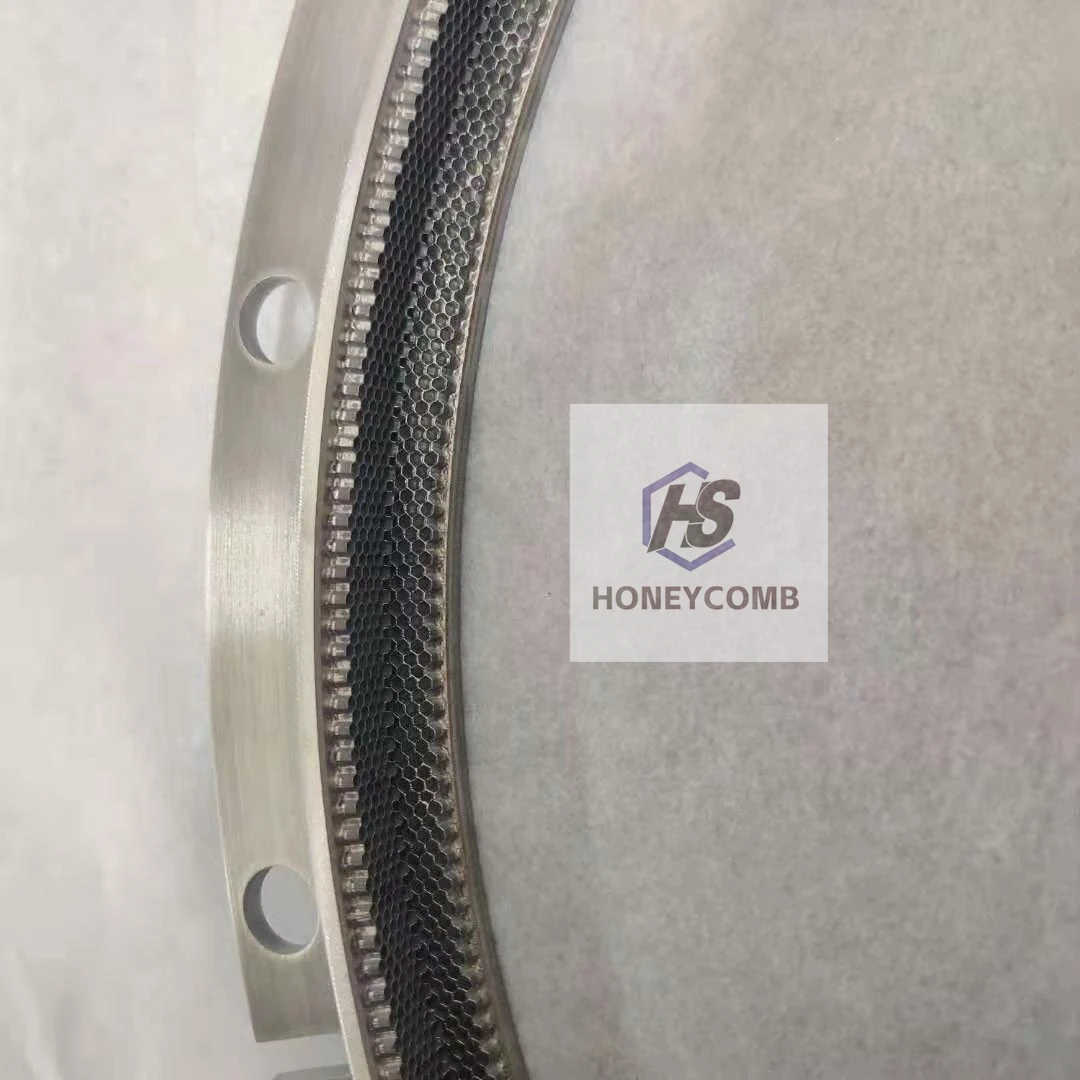
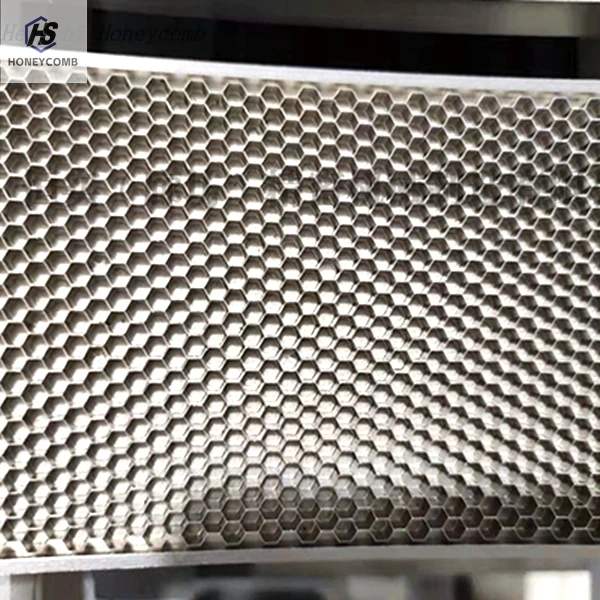
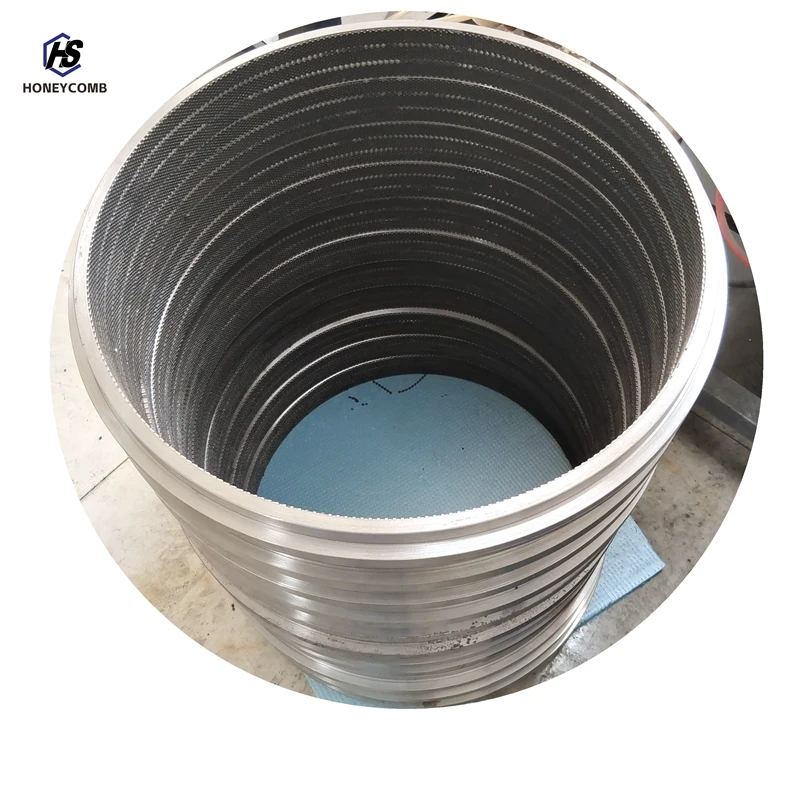
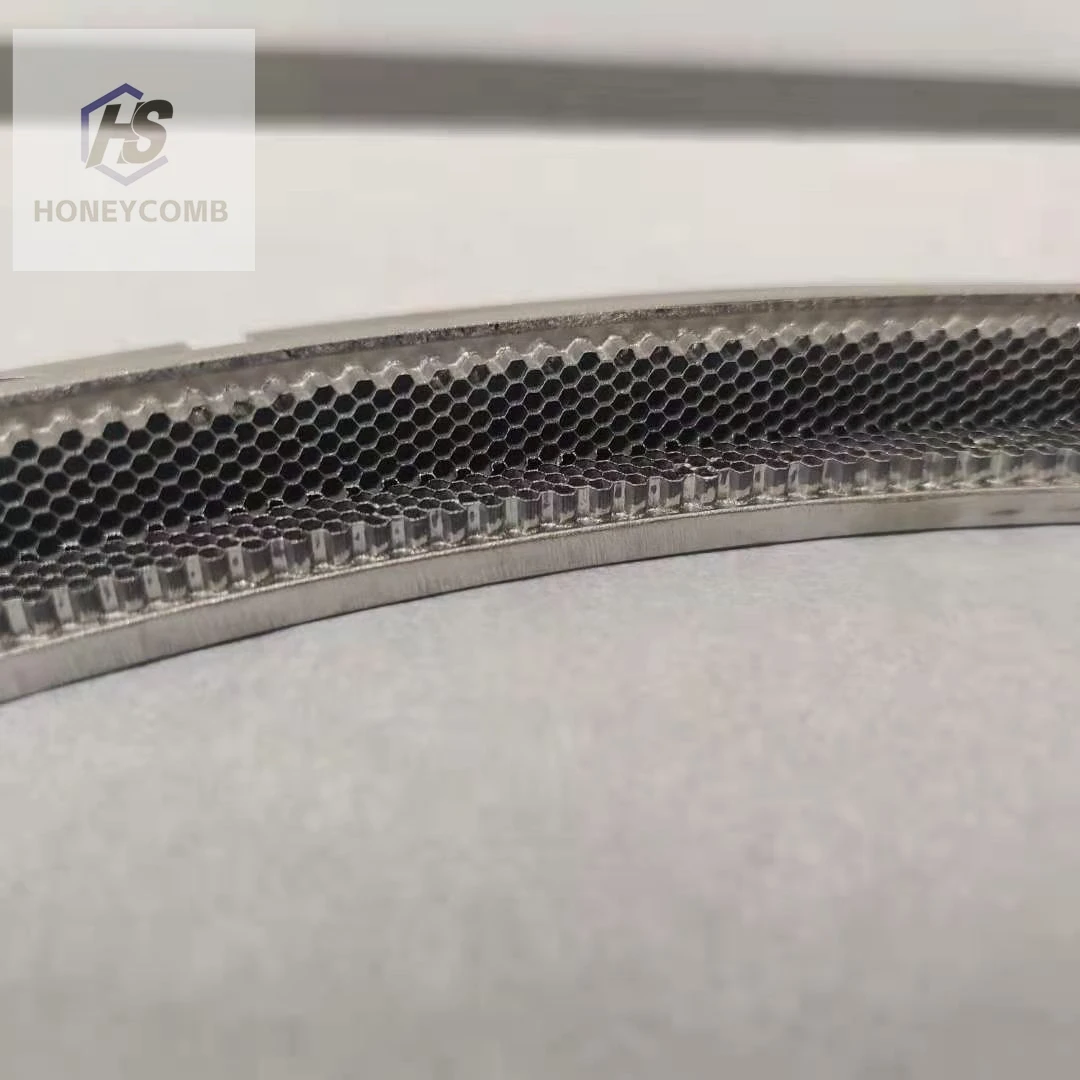
If you've ever worked in industrial equipment or manufacturing, the phrase aluminium honingraat structuur probably rings a bell. Frankly, I find it fascinating how this honeycomb pattern — which at first glance seems simple, almost deceptively so — underpins a whole range of heavy-duty applications. It's those little hexagonal cells that make all the difference not just cosmetically but structurally.
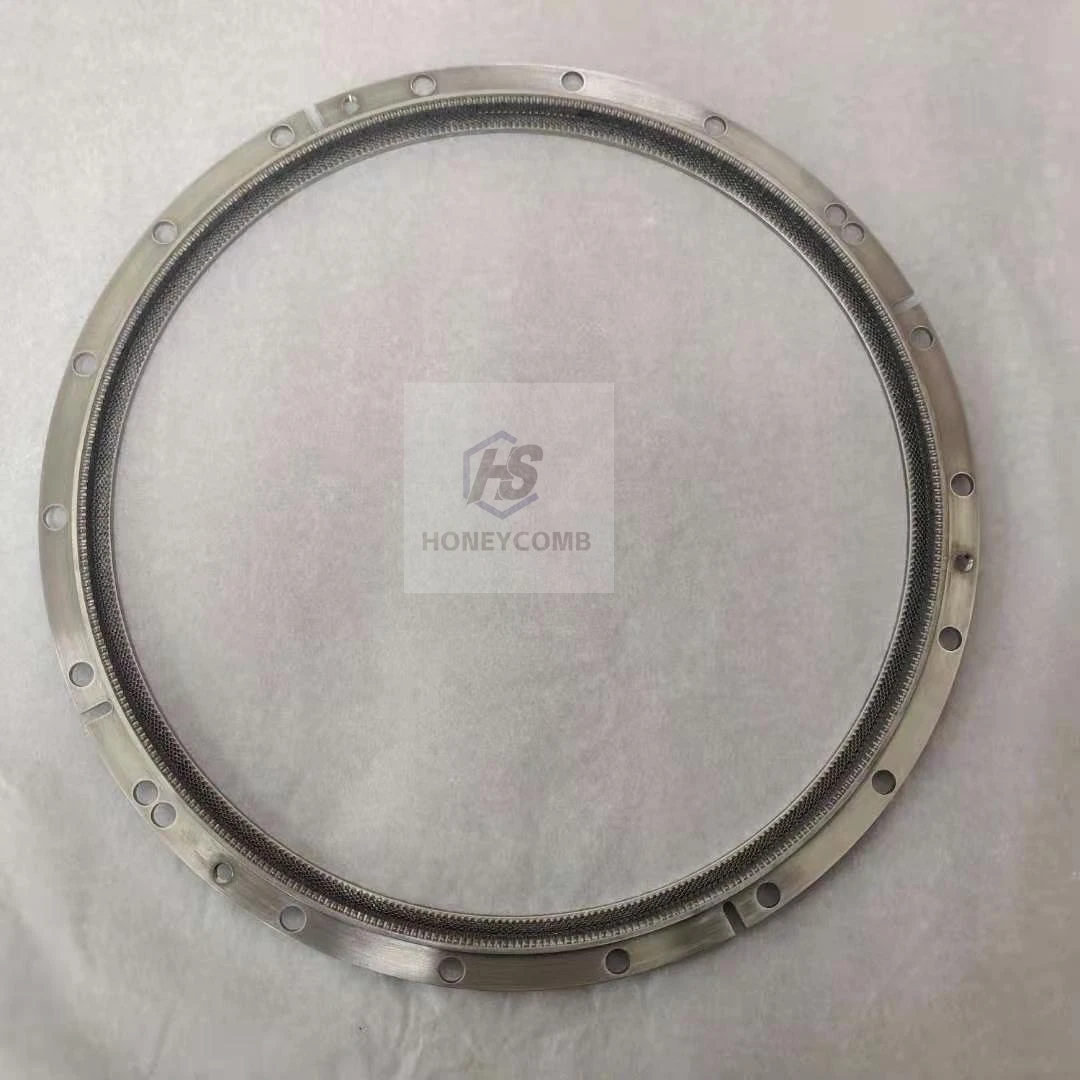
I’ve spent a chunk of my career around aerospace parts and industrial panels where this kind of aluminium honeycomb structure really shines. Oddly enough, while designers and engineers might obsess over weight reduction and rigidity, the honeycomb pattern quietly checks both boxes with high efficiency. It’s like nature’s blueprint — strong but lightweight.
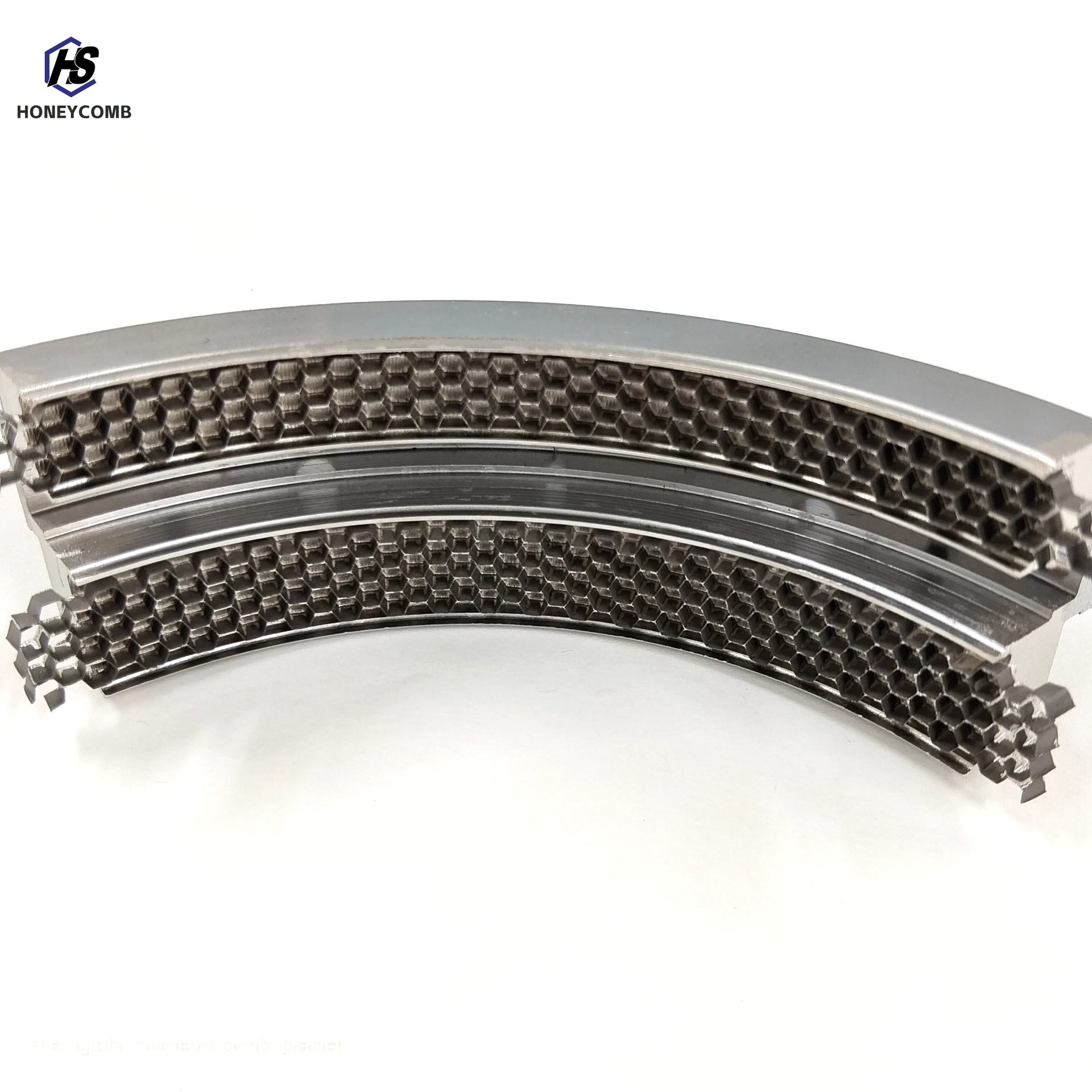
What struck me during various plant tours was how the manufacturing process behind these aluminium panels involves a fine balance of precision and material science. The aluminium sheets are bonded and expanded into an intricate honeycomb, giving the finished product impressive stiffness without the bulk. It’s not just about the metal, but also about how it’s formed and layered.
In real terms, panels with this honingraat structuur can be found in airplane fuselages, automotive bodies, construction materials, and even energy-absorbing barriers. Many engineers say it’s the go-to solution when you want top-notch strength-to-weight ratios, and honestly, I can’t disagree. The structure dissipates force efficiently, making it perfect for impact resistance as well.
Customization is another thing – companies can adjust cell size, thickness, and aluminium grade depending on the load requirements or environmental conditions. I recall a customer from the transit industry who needed a lightweight yet resilient floor panel for trains. After testing different variants, the aluminium honeycomb solution was favored because it reduced weight by 30% versus solid panels while maintaining durability.
| Parameter | Value | Unit |
|---|---|---|
| Cell Size (Hex Width) | 6, 9, 12 | mm |
| Core Thickness | 3 to 50 | mm |
| Material Grade | 3003-H18, 5052-H32 | - |
| Density | Approx. 0.08 | g/cm³ |
| Compressive Strength | 0.6 to 1.5 | MPa |
Of course, when considering vendors, you want to look at not just price but also consistency, lead times, and customization options. Below, I put together a quick comparison of three well-known suppliers I’ve interacted with.
| Vendor | Standard Cell Sizes (mm) | Customization | Typical Lead Time | Industry Focus |
|---|---|---|---|---|
| HSHI Honeycomb | 6,9,12 | Highly Flexible | 2–4 weeks | Aerospace & Industrial |
| AluCell | 9,12 | Moderate | 3–6 weeks | Transportation & Construction |
| HexaMet | 6,10,15 | Limited | 4–8 weeks | Marine & Defense |
Last time I checked, aluminium honingraat structuur remains the quiet superstar in material engineering circles — not flashy, but reliable. And sometimes, that’s exactly what you want. It’s great to know we have these versatile, durable solutions that can be fine-tuned for the job at hand, without breaking the bank or the schedule.
Honestly, if you’re involved in product design or production where weight and strength collide, this is one of those “go-to” materials you’ll want to keep on the radar. It’s been proven over decades, and I suspect it’ll remain a staple for years to come.
Cheers to the hexagons — the unsung structural heroes of industry.
References:
1. "Aluminium Honeycomb Structures for Aerospace Applications," Journal of Light Metals, 2022.
2. Manufacturer technical datasheets, HSHI Honeycomb, 2023.
3. Industry interviews, various manufacturing plants, 2018-2023.

-
Industrial Airflow Guide for maf воздушная правильная машинаNewsApr.16,2026
-
Best maf струйно правильная машина for Industrial EfficiencyNewsApr.09,2026
-
Сотовая правильная машина A Comprehensive Guide to Honey Packing AutomationNewsApr.07,2026
-
Build Your Own DIY газоправильная Машина A Comprehensive Guide to Gas CorrectionNewsApr.04,2026
-
Understanding Кондиционер отопления Systems for Efficient and Comfortable HeatingNewsMar.31,2026
-
Comprehensive Guide to Cellular Blinds Installation Установка сотовых жалюзиNewsMar.28,2026
-
Mobile Aerodynamic Tunnel Design A Comprehensive Guide to Applications and ImplementationNewsMar.26,2026






 English
  Afrikaans
  Albanian
  Amharic
  Arabic
  Armenian
  Azerbaijani
  Basque
  Belarusian
  Bengali
  Bosnian
  Bulgarian
  Catalan
  Cebuano
  China
China  China (Taiwan)
  Corsican
  Croatian
  Czech
Czech  Danish
  Dutch
Dutch  Esperanto
  Estonian
  Finnish
  French
  Frisian
  Galician
  Georgian
  German
  Greek
Greek  Gujarati
  Haitian Creole
  Hausa
Hausa  Hawaiian
  Hebrew
  Hindi
Hindi  Miao
Miao  Indonesian
  Italian
  Japanese
  Javanese
  Malay
Malay  Persian
  Portuguese
  Punjabi
  Russian
  Spanish
  Swahili
  Telugu
  Vietnamese