


Brazed Honeycomb Seal: Tight Clearances, Higher Efficiency?
Field Notes on the Brazed Honeycomb Seal: why this quiet hero keeps turbines honest
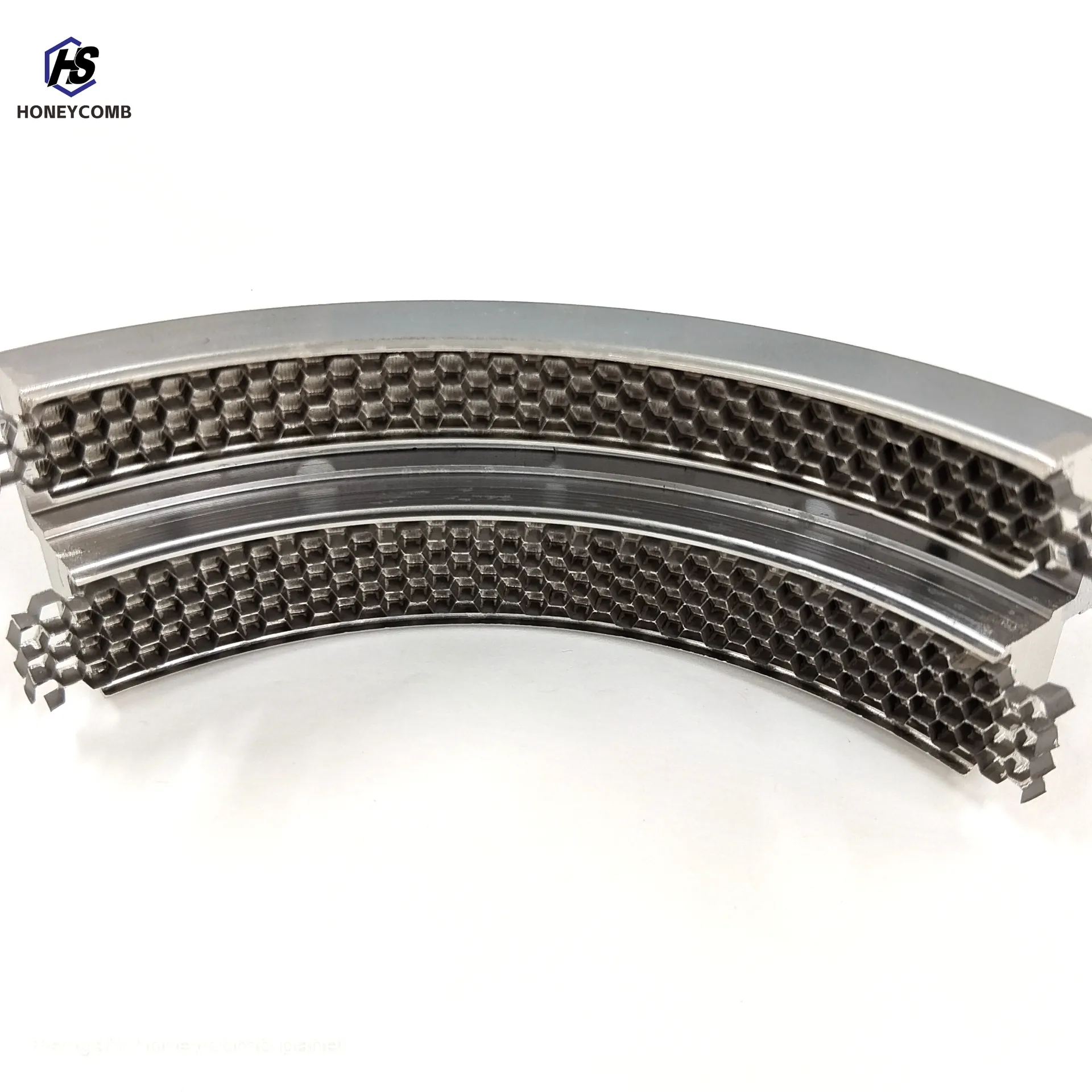
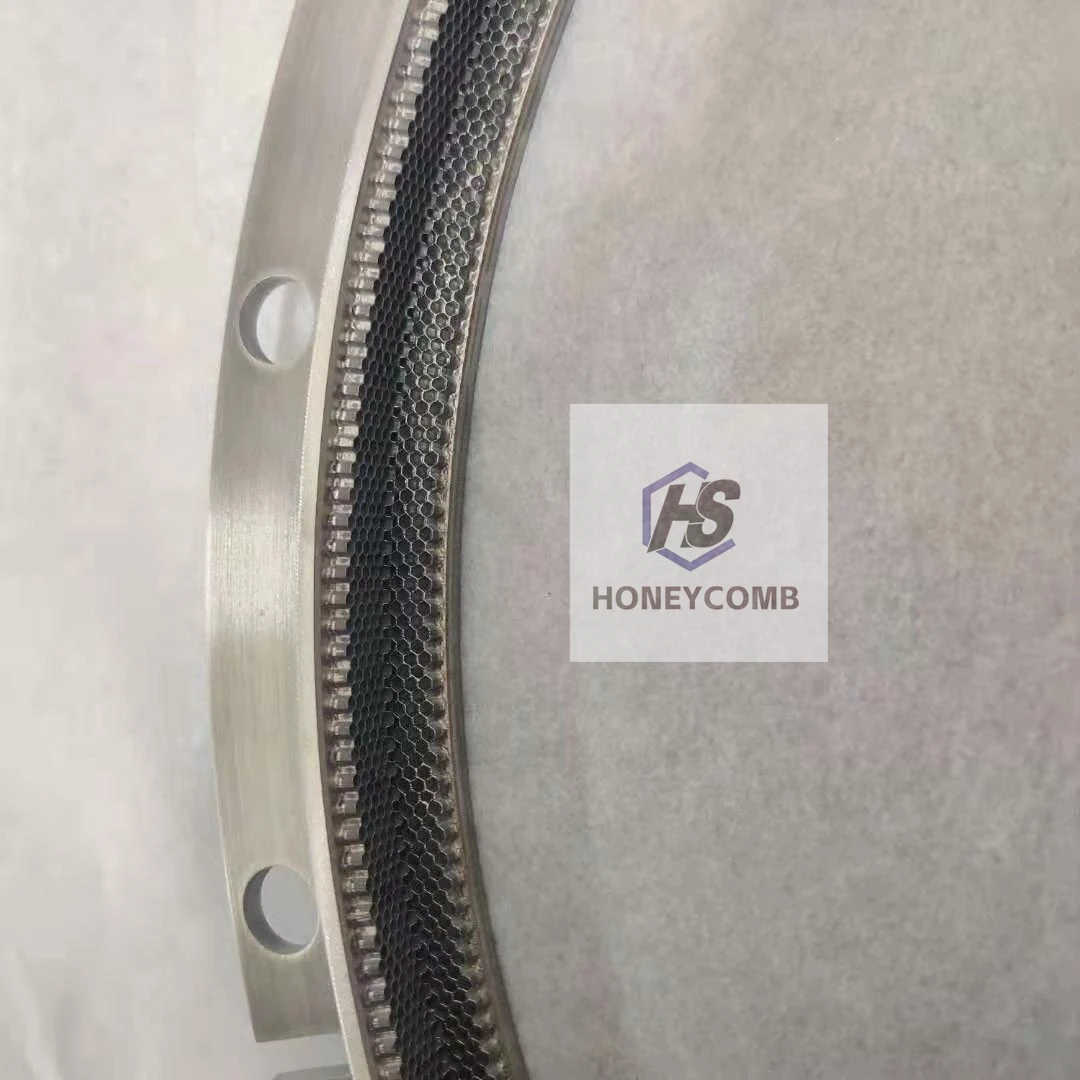
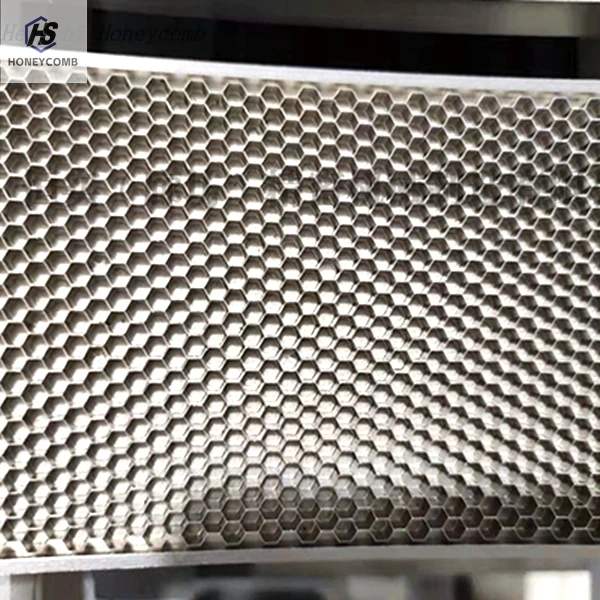
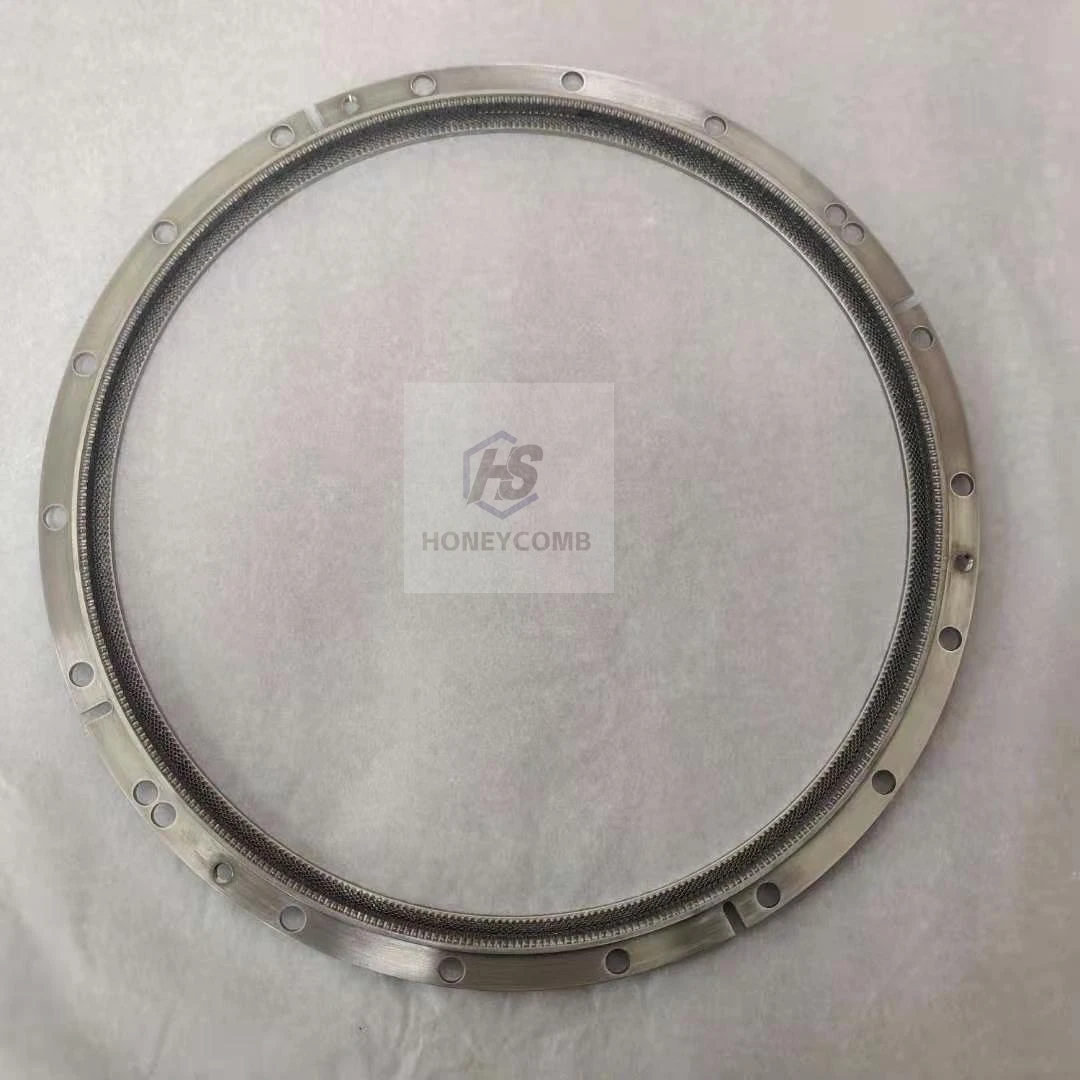
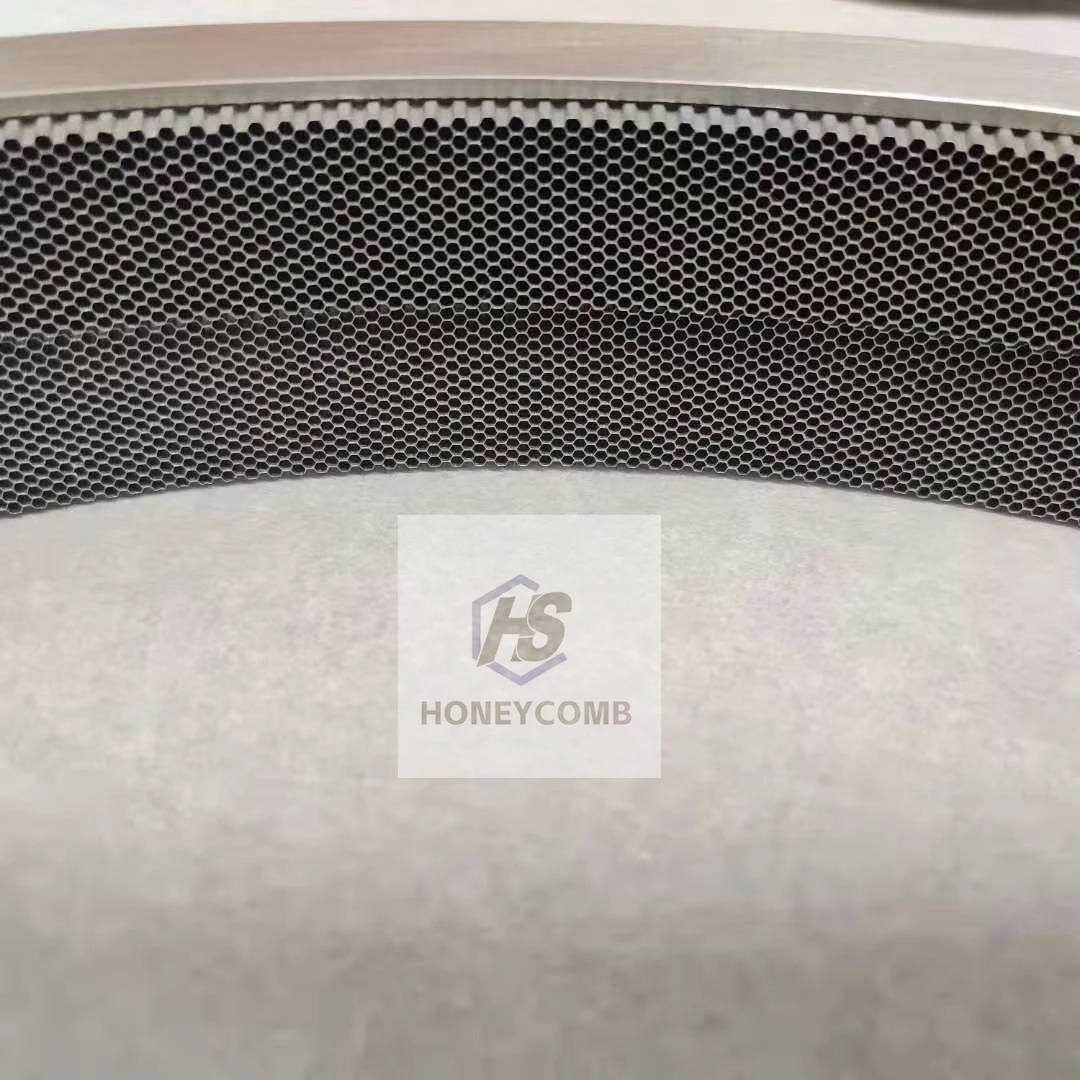
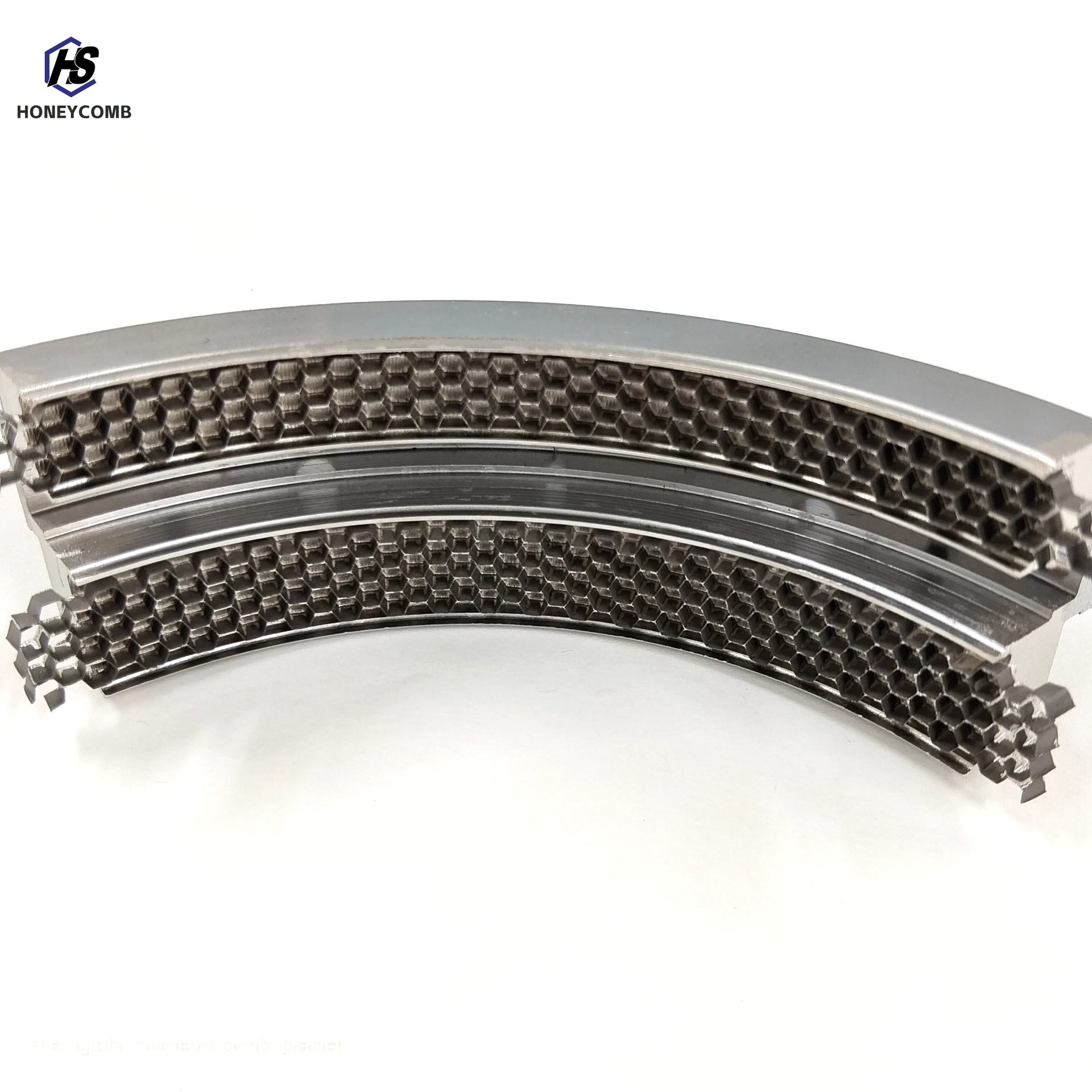
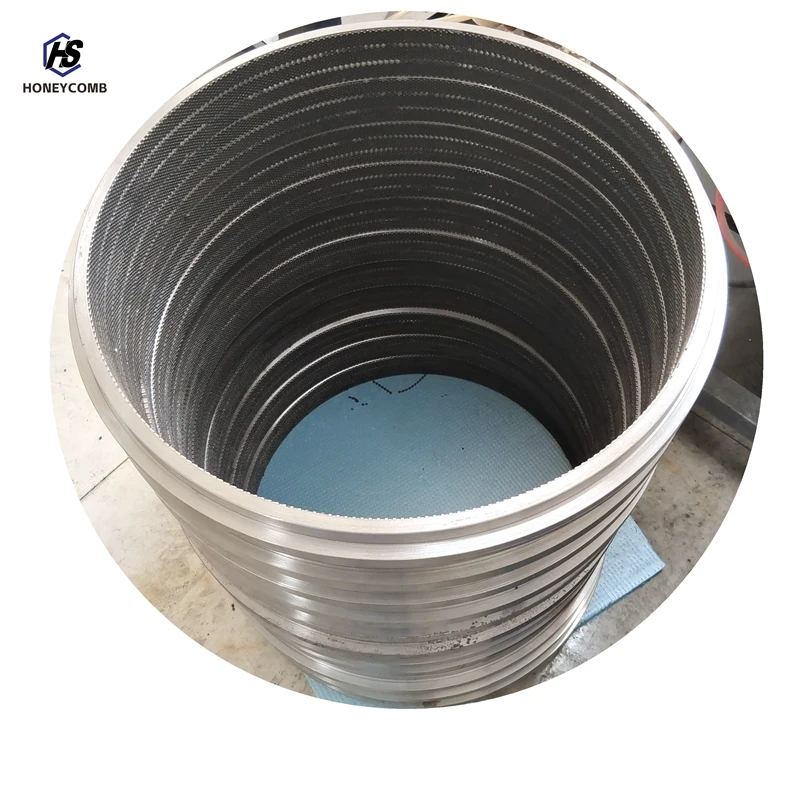
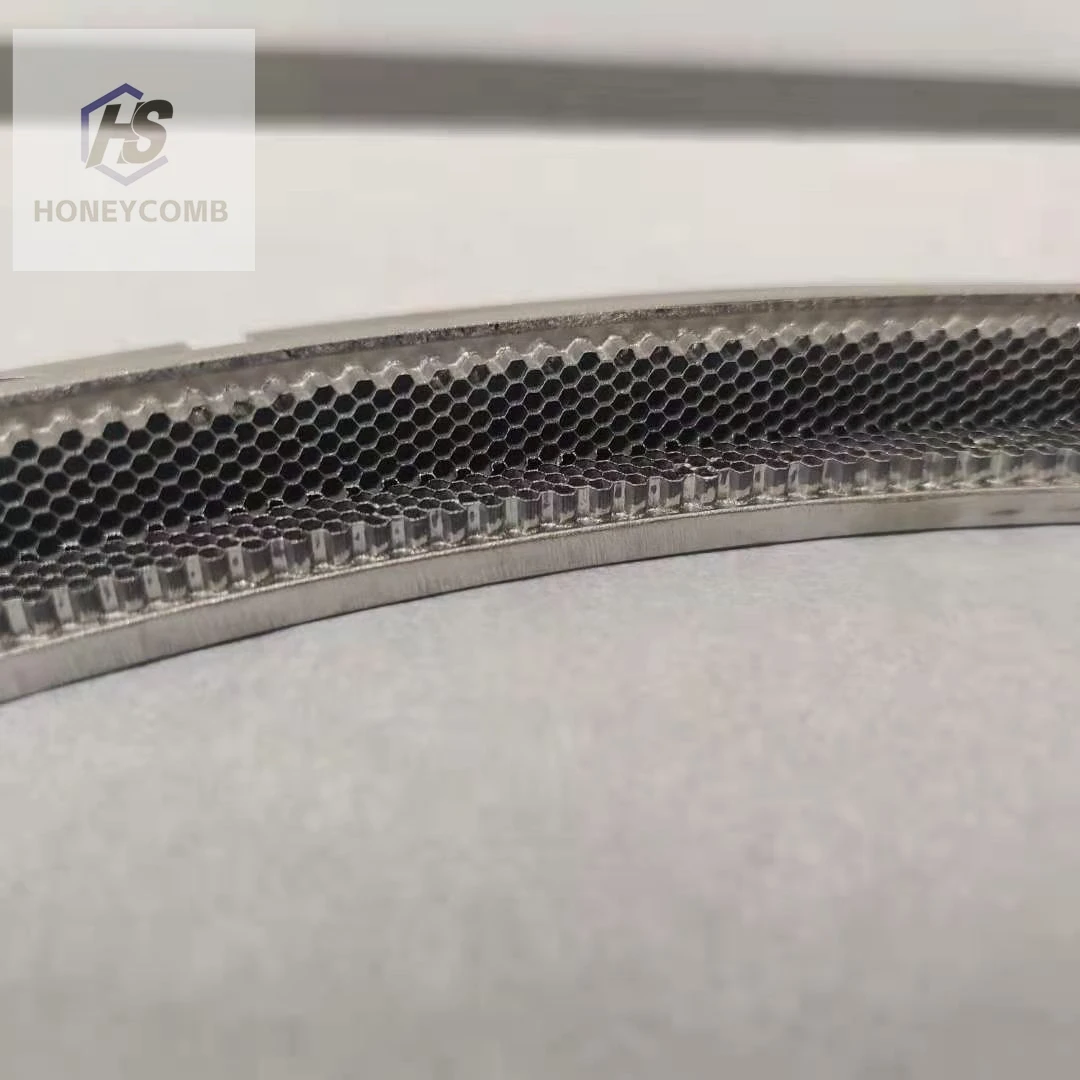
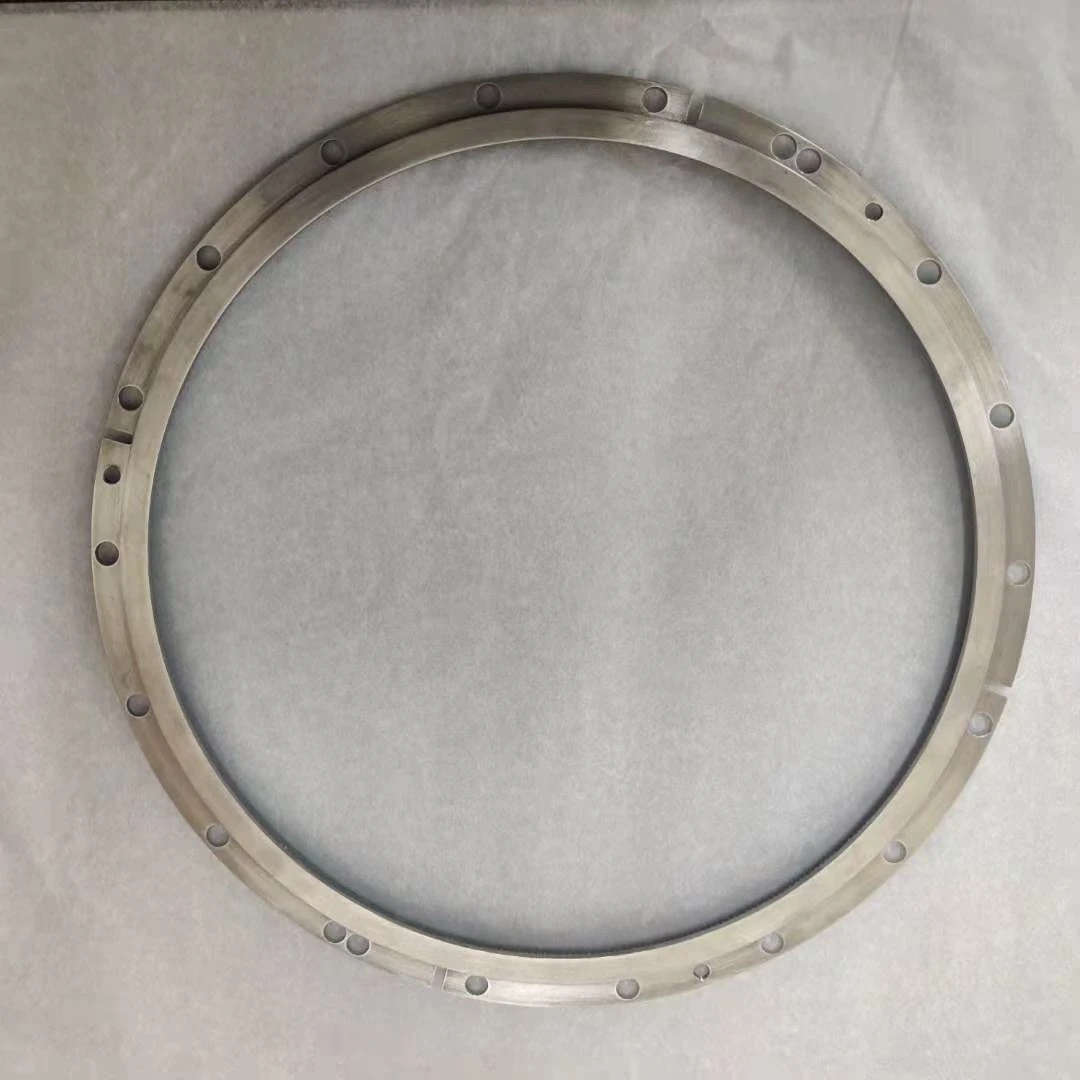
I’ve spent enough time around hot sections to know: seals make or break efficiency. The Brazed Honeycomb Seal is one of those components people don’t brag about at trade shows, yet crews will tell you—sometimes in a whisper—that it saved a maintenance window. It’s a rub-tolerant, abradable stator liner that pairs with rotor teeth to slash leakage in gas turbines, jet engines, steam turbines, and high-speed compressors. In fact, the honeycomb cells deform predictably during a brush event, protecting rotor hardware and preserving clearances.
What’s trending
Two clear trends: tighter clearances and hotter cores. OEMs are pushing for lower specific fuel consumption; operators want uptime. The Brazed Honeycomb Seal sits in the sweet spot—high-temperature alloys, vacuum-brazed integrity, and predictable wear. Surprisingly, we’re seeing upgrades on legacy frames too, not just the latest H/J-class machines.
Typical specifications (shop-level, real-world)
| Honeycomb material | Inconel 625/718, Hastelloy X (selection by duty cycle) |
| Braze alloy | Ni-Cr-B-Si (e.g., BNi-2 class), furnace brazed per AWS specs |
| Cell size | ≈0.8–1.6 mm; wall 0.05–0.15 mm |
| Operating temperature | Up to ~980°C (alloy- and coating-dependent) |
| Radial clearances | Around 0.2–0.5 mm by stage and rotor growth model |
| Balance/flatness | Assemblies balanced to ISO 21940 (G2.5 typical) |
| Service life | ≈40,000–60,000 hours; real-world use may vary |
Process flow, briefly
- Material selection and coupon validation (metallography & hardness).
- Honeycomb forming and tack placement; ring or segment build.
- Vacuum/controlled-atmosphere brazing per AWS C3.6M; braze stop-off managed carefully.
- Post-braze machining/EDM trimming; optional aluminide/thermal coating.
- Inspection: dye penetrant (ASTM E165), helium leak test (ASTM E498/E499), dimensional CMM.
- Spin/fit checks; assembly balance per ISO 21940; documentation pack.
Applications and advantages
Power gen, oil & gas compression, aero test cells, even cryo-expanders. Operators report 0.5–1.5% heat-rate improvements after upgrading to a Brazed Honeycomb Seal set—modest on paper, big on fuel bills. It’s rub-tolerant, thermally stable, and far more predictable than cast abradables at high temperature.
Vendor snapshots (what buyers actually compare)
| Vendor | Max Ø | Brazing | Certs | Lead time | Notes |
|---|---|---|---|---|---|
| HSHI Honeycomb (Hebei, China) | ≈2.2 m | Vacuum furnace | ISO 9001; AS9100 on request | 4–8 weeks | Cost-effective, good documentation |
| Global Brand X | ≈1.8 m | Vacuum/partial pressure | AS9100, NADCAP brazing | 8–14 weeks | Aero pedigree; higher price |
| OEM Repair Shop | Model-specific | OEM process route | OEM-specific | Varies | Tightest fit-to-fleet integration |
Performance, testing, and field notes
Shop test data I reviewed showed leakage reductions of 30–50% versus straight labyrinths in similar clearances, with stable rotordynamic coefficients (yes, honeycomb damping helps). One overspeed rub trial held 900°C for ~20 s; wear depth came in around 0.12 mm and remained uniform—exactly what maintenance teams like to see. Compliance with API 617/616 envelopes is standard fare; the good ones also log helium leak rates and braze fillet quality per AWS.
Customization
- Segmented rings, full rings, or shrouded segments.
- Cell geometry tuned for stage pressure ratio and swirl.
- Material swaps for sulfur or chloride environments.
- Coatings: aluminide/ceramic topcoats; oxidation barriers.
Two quick case notes
A 30 MW gas turbine in the Middle East saw ≈0.7% heat-rate improvement after a full hot-section refresh with Brazed Honeycomb Seal segments—operators also mentioned steadier starts. In a refinery’s FCCU main air compressor, upgraded seals plus balance trim added 1.2% polytropic efficiency and pushed an outage by six months. To be honest, that’s money in the bank.
Origin: No.2, Tongda Street, High-tech area Gu'an County, Langfang, 065500, Hebei, China
References
- API Standard 617: Axial and Centrifugal Compressors and Expander-compressors, 10th Ed., American Petroleum Institute, 2020.
- API Standard 616: Gas Turbines for the Petroleum, Chemical, and Gas Industry Services, American Petroleum Institute, latest edition.
- AWS C3.6M/C3.6: Specification for Furnace Brazing, American Welding Society.
- ISO 21940 (series): Mechanical vibration — Rotor balance quality requirements, ISO, 2016 and later.
- Childs, D. W., Rotordynamic coefficients of honeycomb seals, NASA TM-107280, 1997.
- ASTM E498/E499: Mass Spectrometer Leak Testing Methods, ASTM International.
-
Industrial Airflow Guide for maf воздушная правильная машинаNewsApr.16,2026
-
Best maf струйно правильная машина for Industrial EfficiencyNewsApr.09,2026
-
Сотовая правильная машина A Comprehensive Guide to Honey Packing AutomationNewsApr.07,2026
-
Build Your Own DIY газоправильная Машина A Comprehensive Guide to Gas CorrectionNewsApr.04,2026
-
Understanding Кондиционер отопления Systems for Efficient and Comfortable HeatingNewsMar.31,2026
-
Comprehensive Guide to Cellular Blinds Installation Установка сотовых жалюзиNewsMar.28,2026
-
Mobile Aerodynamic Tunnel Design A Comprehensive Guide to Applications and ImplementationNewsMar.26,2026






 English
  Afrikaans
  Albanian
  Amharic
  Arabic
  Armenian
  Azerbaijani
  Basque
  Belarusian
  Bengali
  Bosnian
  Bulgarian
  Catalan
  Cebuano
  China
China  China (Taiwan)
  Corsican
  Croatian
  Czech
Czech  Danish
  Dutch
Dutch  Esperanto
  Estonian
  Finnish
  French
  Frisian
  Galician
  Georgian
  German
  Greek
Greek  Gujarati
  Haitian Creole
  Hausa
Hausa  Hawaiian
  Hebrew
  Hindi
Hindi  Miao
Miao  Indonesian
  Italian
  Japanese
  Javanese
  Malay
Malay  Persian
  Portuguese
  Punjabi
  Russian
  Spanish
  Swahili
  Telugu
  Vietnamese