


Comprehensive Guide on emi-hf-geschirmte wellenleiter-luftlüftungsöffnungen for EMI Shielding Solutions
Understanding emi-hf-geschirmte wellenleiter-luftlüftungsöffnungen: What They Are and Why They Matter
At first glance, the phrase emi-hf-geschirmte wellenleiter-luftlüftungsöffnungen might sound like a mouthful — and honestly, it often trips people up outside very specific engineering circles. But peel back the layers, and you find something pretty fascinating: components designed to control electromagnetic interference (EMI) in waveguide ventilation openings. Why is this important? Well, in a world increasingly dependent on reliable wireless communications, radar, and industrial electronics, maintaining signal integrity while managing system heat is vital. If you think about the possible disruptions caused by EMI, these shielded waveguide vent openings become a real-world solution — safeguarding performance and durability in sensitive equipment worldwide.
Globally, industries face a growing challenge balancing cooling needs with electromagnetic compatibility, especially as electronics get smaller and more powerful. Getting familiar with these specialized components isn’t just technical trivia; it’s a key step toward smarter, safer, and more efficient electronic design and infrastructure.
Global Context: Why EMI-Shielded Waveguide Ventilation Openings Are More Relevant Than Ever
From telecommunications hubs in Asia to aerospace applications in Europe and defense tech across the Americas, the need to manage electromagnetic interference without compromising airflow is increasingly urgent. The UN’s International Telecommunication Union (ITU) highlights surging wireless data transmission demands — an estimated 60% year-on-year growth in some regions — requiring more resilient infrastructure.[1] Meanwhile, ISO norms concerning electromagnetic compatibility (EMC) push manufacturers worldwide toward tighter EMI controls.
But there’s a tricky tradeoff: electronic devices generate heat and require airflow to stay reliable, yet openings for airflow create potential leakage points for EMI. Enter the emi-hf-geschirmte wellenleiter-luftlüftungsöffnungen, or EMI-HF shielded waveguide ventilation openings. They bridge the gap between efficient cooling and EMI prevention — a delicate balance faced by industries from defense to high-frequency data centers.
Breaking It Down: What Exactly Are emi-hf-geschirmte wellenleiter-luftlüftungsöffnungen?
Simply put, emi-hf-geschirmte wellenleiter-luftlüftungsöffnungen are precision-engineered ventilation openings designed specifically for waveguide systems. ‘Wellenleiter’ means ‘waveguide’ — the metallic tube or structure directing electromagnetic waves, typically microwaves or radio frequencies. The ‘emi-hf-geschirmte’ part means the openings are shielded against high-frequency electromagnetic interference.
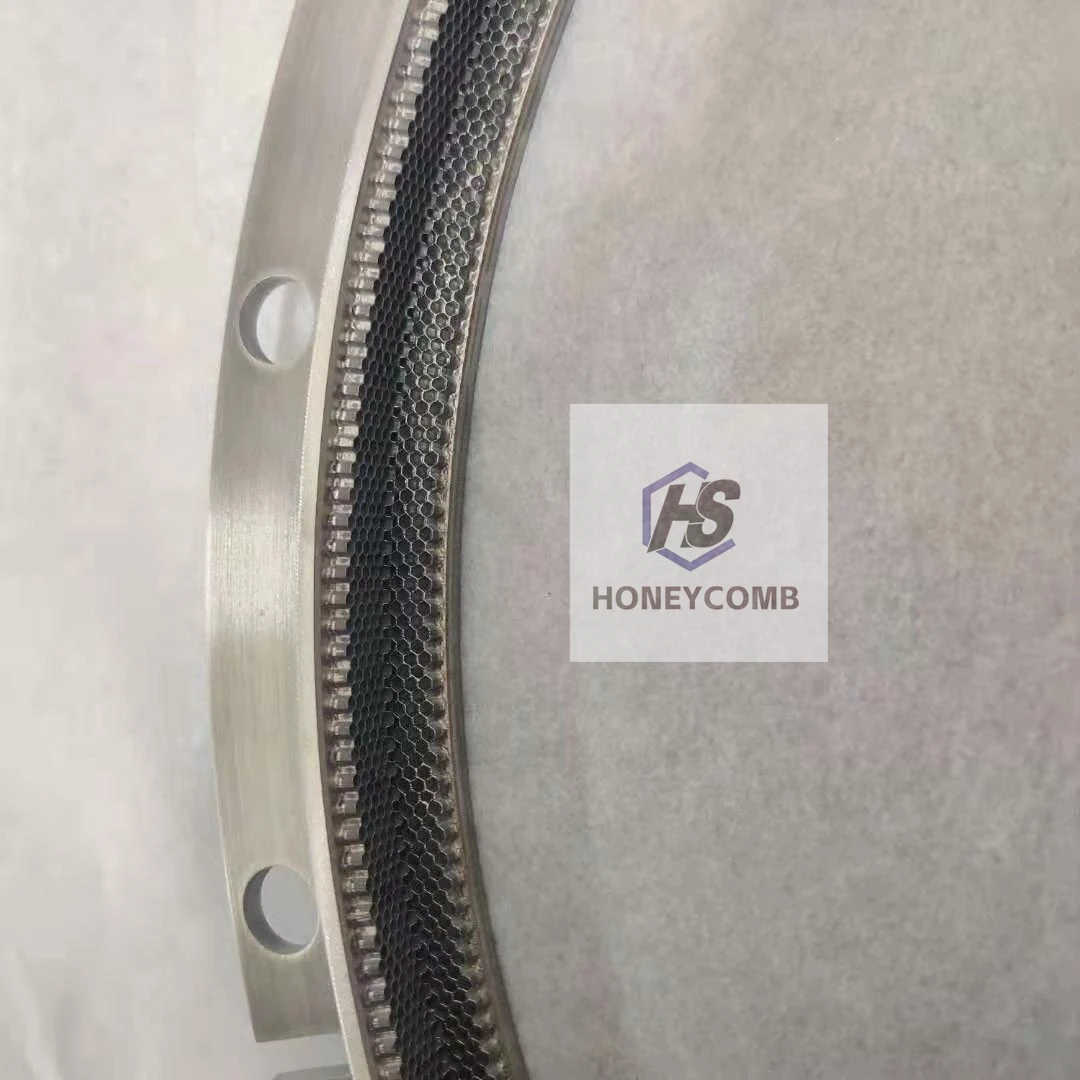
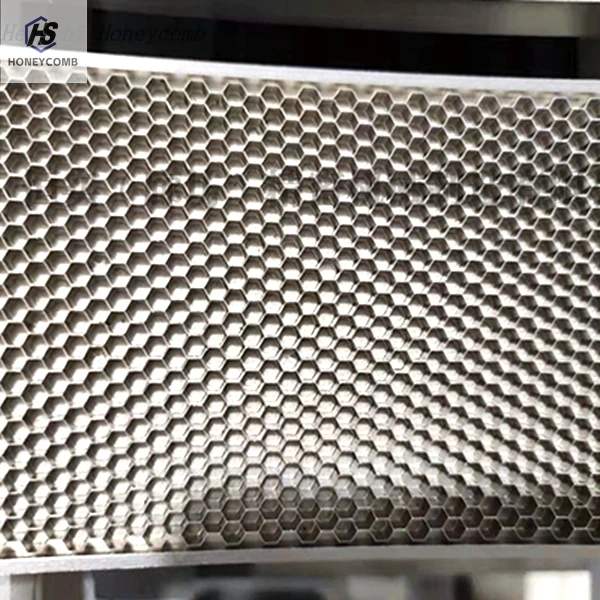
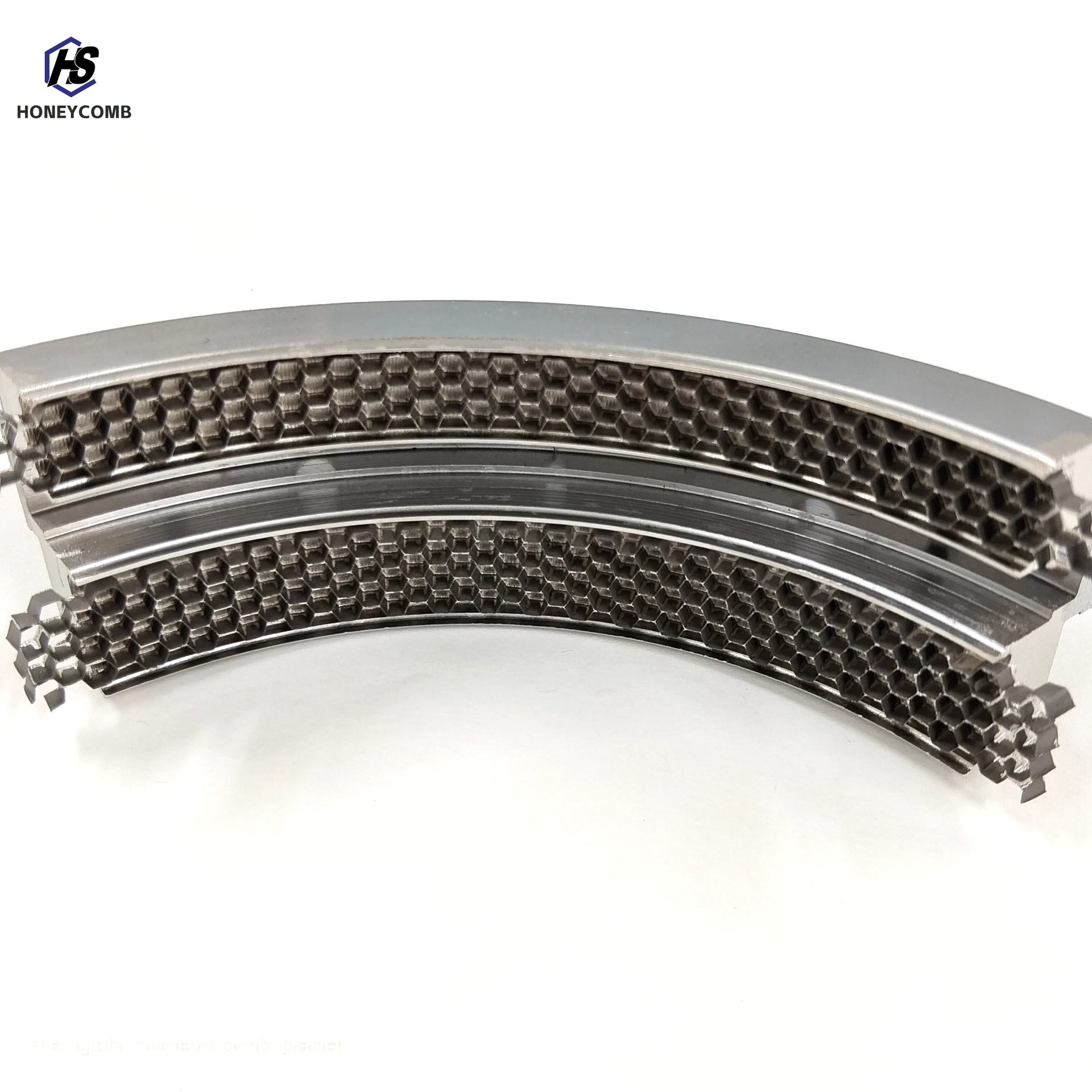
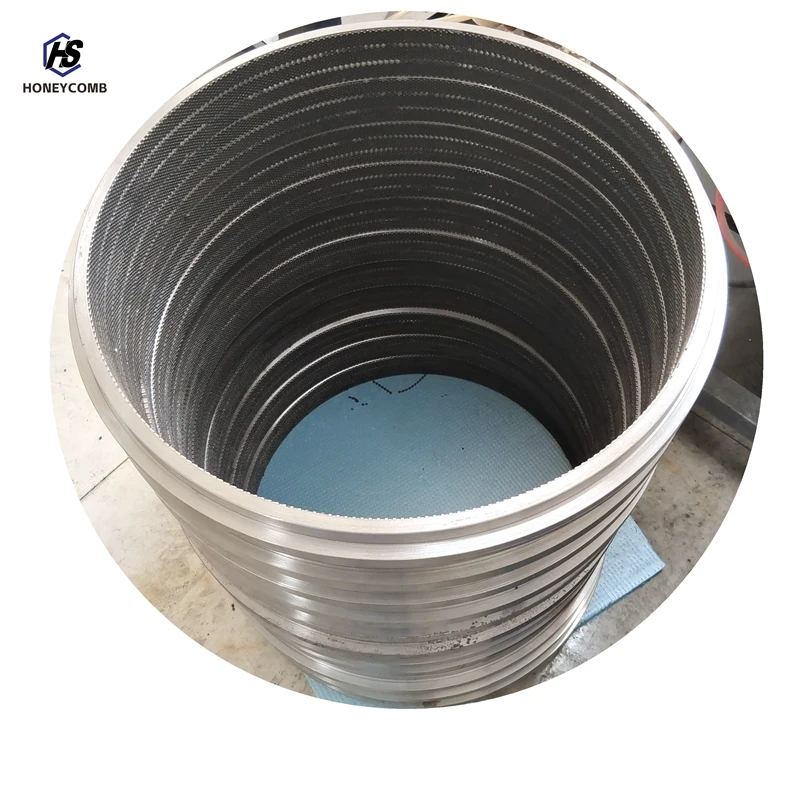
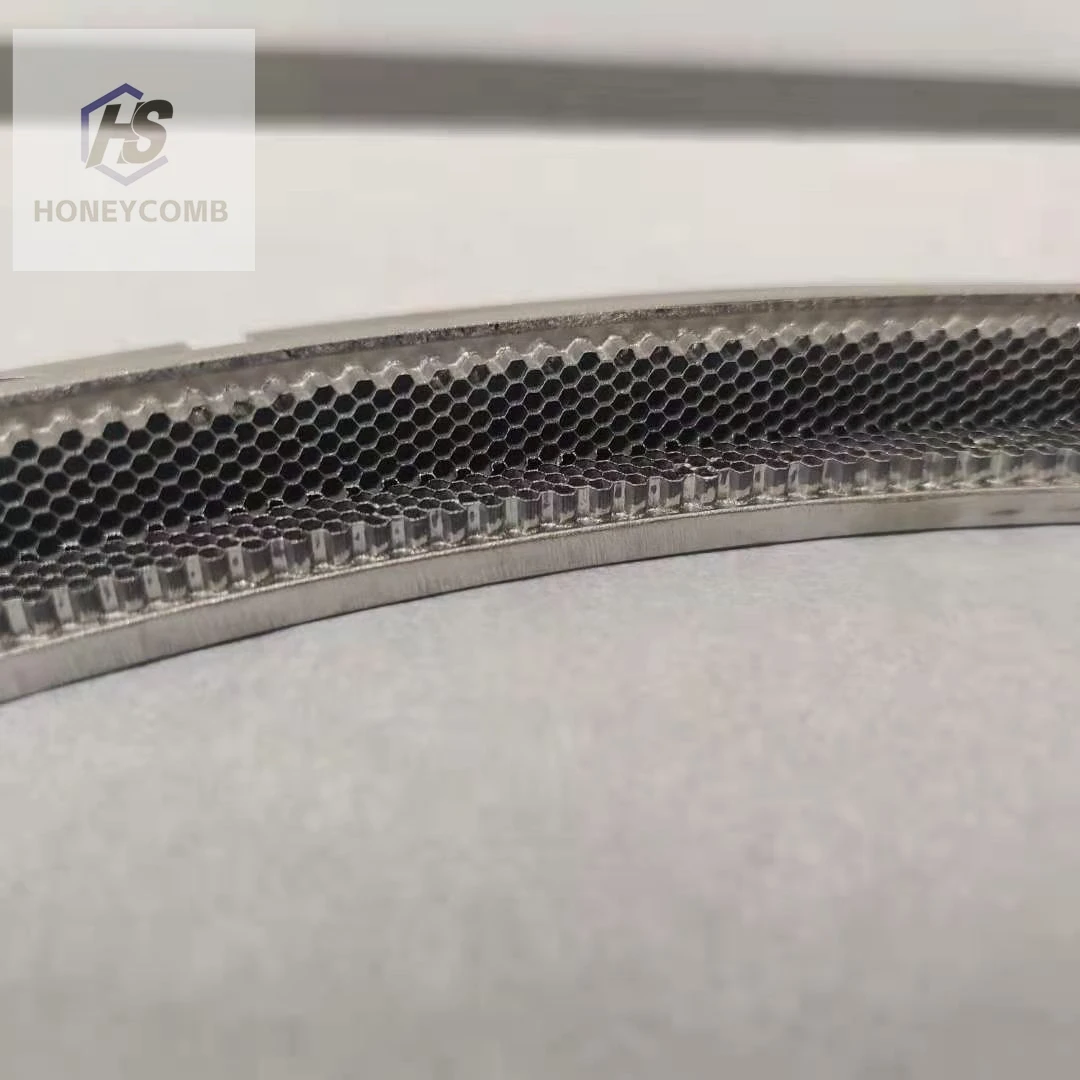
Imagine you have essential equipment like radar or satellite communications housed in cabinets that get hot. You need air to flow through these cabinets without letting stray electromagnetic signals leak in or out — possibly jamming nearby devices or degrading system function. These shielded vents allow airflow but block EMI effectively, thanks to specially designed mesh layers, labyrinth paths, or conductive coatings embedded into their surfaces.
This isn’t just about keeping things cool; it’s about keeping the signals clean and predictable, a huge deal in industrial sectors requiring stringent EMC compliance.
Key Aspects of emi-hf-geschirmte wellenleiter-luftlüftungsöffnungen
1. Durability and Material Quality
These components are often exposed to outdoor elements or harsh industrial environments. Stainless steel meshes, corrosion-resistant coatings, and robust housings ensure years of consistent performance. Many engineers note that material fatigue is one of the silent killers of EMC effectiveness over time.
2. Electromagnetic Shielding Effectiveness
The core function is to block unwanted EMI without disrupting airflow. Shielding effectiveness of 60 dB or more at targeted frequency bands (GHz ranges common) is typical for premium models. The mesh size and labyrinth shape are optimized for this delicate balance.
3. Airflow Efficiency
Vents must allow sufficient airflow to avoid overheating sensitive electronics. Designers focus on minimizing pressure drop, usually keeping it below 50 Pa at typical ventilation rates, so cooling systems don’t need excessive power.
4. Scalability and Custom Designs
Different applications require unique sizes, shapes, and designs — from small waveguide connectors on telecom antennas to large server room coolers. Vendors often offer modular or customizable options tailored to the client’s frequencies and airflow needs.
5. Ease of Installation and Maintenance
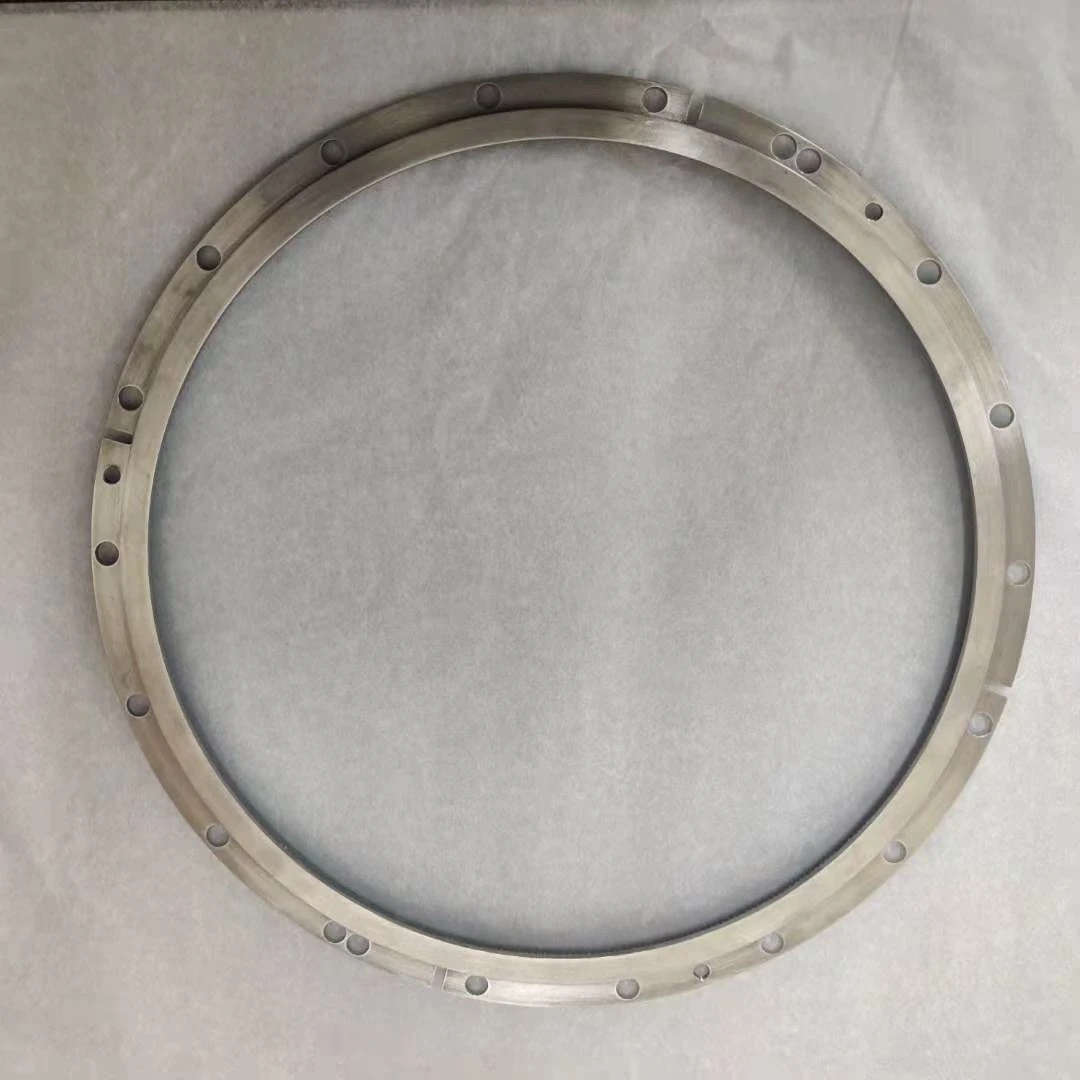
Anti-corrosion fasteners and modular designs help technicians replace or repair vents without dismantling entire systems, saving downtime and operational headaches.
| Specification | Typical Value | Remarks |
|---|---|---|
| Shielding Effectiveness | >60 dB @ 1-18 GHz | Sufficient for most telecom and defense needs |
| Airflow Rate | Up to 1200 m³/h | Supports heavy cooling loads |
| Operating Temperature | -40°C to +85°C | Suitability for outdoor and harsh environments |
| Material | 316 Stainless Steel Mesh | Corrosion resistant |
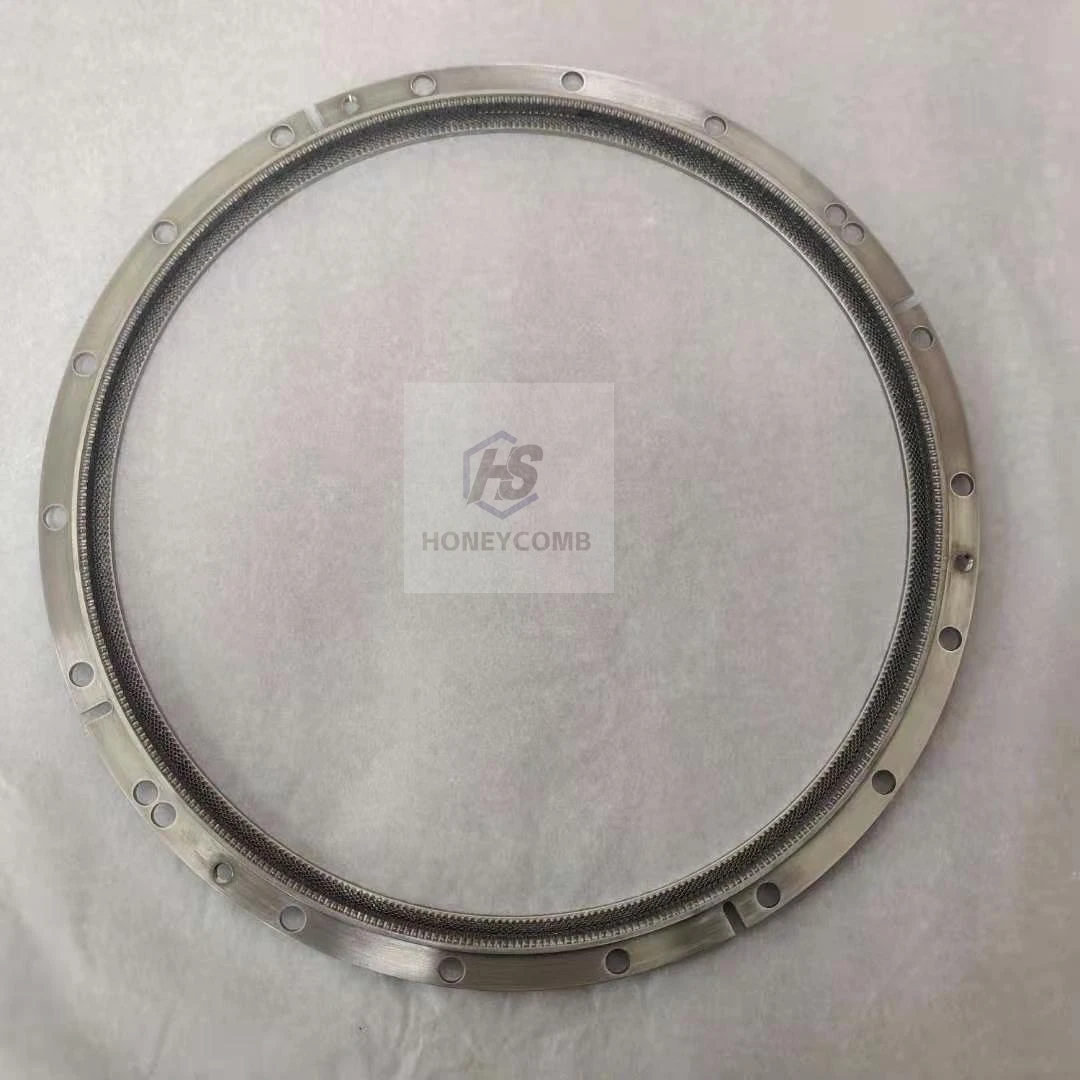
| Installation Type | Flanged / Screw-on | Flexible mounting |
Worldwide Applications of emi-hf-geschirmte wellenleiter-luftlüftungsöffnungen
These ventilation openings find homes in a surprising variety of fields. Here are a few real-world perspectives:
- Telecommunications: Base stations and data centers across Europe, Asia, and North America depend heavily on shielded vents to cool microwave equipment while maintaining signal integrity.
- Defense and Aerospace: Military radar systems and airborne communication pods require superior EMI shielding to avoid jamming or interception risks.
- Industrial Automation: Remote manufacturing plants use shielded vents in control cabinets to ensure both cooling and electromagnetic compliance.
- Humanitarian and Emergency Deployments: In disaster relief scenarios, quickly installed communication gear with these vents allows reliable coordination without interference, even in chaotic EMI environments.
Oddly enough, some NGOs have started specifying emi-hf-geschirmte wellenleiter-luftlüftungsöffnungen in their portable antenna shelters to improve resilience during field operations — an example of high-tech meeting humanitarian pragmatism.
The Advantages Every Engineer Should Know
The advantages of incorporating EMI-HF shielded waveguide ventilation openings into systems are numerous, but here are a few standouts:
- Robust EMI Mitigation: These vents minimize electromagnetic noise leakage, resulting in more reliable signals and data.
- Energy Efficiency: Effective airflow reduces reliance on active cooling, cutting operational costs and carbon footprints.
- Safety and Regulatory Compliance: Meeting EMC standards reduces risk of system failures or costly penalties.
- Social Impact: Better telecom infrastructure and emergency communications enhance community resilience and even dignity during crises.
There’s also a trust factor here — engineers and operators feel confident when quality vents protect their systems. It’s that quiet assurance you don’t notice until it’s missing.
The Road Ahead: Trends and Innovations in EMI Shielded Ventilation
Innovation in materials science is edging these vents toward lighter weight, higher shielding performance, and even self-cleaning coatings that repel dust and moisture. Digital monitoring integration is another frontier—imagine vents equipped with sensors reporting on airflow and EMI integrity in real time. That’s part of the broader Industry 4.0 wave transforming industrial hardware maintenance.
Moreover, environmental sustainability is gaining momentum, with manufacturers exploring bio-based composites and low-impact manufacturing methods. Given global commitments to green energy and smart infrastructure, emi-hf-geschirmte wellenleiter-luftlüftungsöffnungen won’t just keep up — they’ll likely lead as a small but vital tech piece of a bigger puzzle.
Challenges and Practical Solutions
Despite their value, these ventilation openings face typical challenges:
- Cost Considerations: Premium materials and precise manufacturing bump prices above standard vents, sometimes causing hesitation.
- Customization Complexities: Architects and engineers need tailored solutions, but long lead times delay deployment.
- Maintenance Requirements: Meshes can clog or suffer corrosion if not maintained well, risking reduced airflow and EMI failure.
Experts recommend strong vendor partnerships offering design collaboration and local after-sales support. Some companies now provide modular replacement parts and onsite training—clear ways to reduce downtime and ease logistic bottlenecks.
| Vendor | Shielding Range (dB) | Customization Options | Price Range | Lead Time |
|---|---|---|---|---|
| ShieldTech GmbH | 55-70 dB | High (custom sizes, materials) | $$$ | 4-6 weeks |
| WaveVent Solutions | 60-65 dB | Medium (modular kits) | $$ | 2-3 weeks |
| ElectroShield Corp. | 50-60 dB | Low (standard sizes only) | $ | 1-2 weeks |
FAQ: Common Questions About emi-hf-geschirmte wellenleiter-luftlüftungsöffnungen
Q1: How do emi-hf-geschirmte wellenleiter-luftlüftungsöffnungen differ from standard ventilation openings?
A1: Unlike regular vents that focus solely on airflow, EMI-shielded versions integrate specialized mesh and geometry to block electromagnetic signals, maintaining signal purity in sensitive environments, while still allowing needed cooling airflow.
Q2: What industries benefit most from these shielded vents?
A2: Telecom, military, aerospace, industrial automation, and emergency communications sectors rely heavily on EMI-shielded waveguide ventilation to ensure equipment resilience and compliance with EMC regulations.
Q3: Can these vents be retrofitted into existing equipment?
A3: Often, yes. Many manufacturers design modular or flanged mounts to facilitate upgrades or replacements in legacy systems — though custom fitting may be required to match waveguide sizes and frequencies.
Q4: How do environmental factors impact the lifespan of these vents?
A4: Exposure to moisture, dust, and corrosion can degrade mesh performance if not attentively maintained. High-quality material selection and routine inspection are key to sustaining shielding and airflow properties over time.
Q5: Is it possible to purchase emi-hf-geschirmte wellenleiter-luftlüftungsöffnungen internationally?
A5: Definitely. Global vendors often handle export logistics and documentation to ensure smooth international procurement. NGOs and industrial buyers should check certifications and compliance with local standards.
Wrapping Up: The Quiet Backbone of Reliable Signal and Cooling Systems
To sum it all up, emi-hf-geschirmte wellenleiter-luftlüftungsöffnungen might not be headline grabbers, but they’re fundamental in piecing together the complex puzzle of modern electromagnetic systems. Their ability to protect sensitive waveguide setups from interference while enabling essential cooling makes them indispensable across global industries.
Looking ahead, smart materials and digital integration promise to make these vents even smarter allies in managing the invisible, tricky balance between airflow and electromagnetic harmony.
If your projects demand top-notch EMI shielding combined with reliable airflow, take a closer look at the options available — including customizable solutions from trusted vendors online. Don’t just take my word for it; explore real product selections at emi-hf-geschirmte wellenleiter-luftlüftungsöffnungen.
Because in a world that runs on signals and data, the best unseen protectors often make all the difference.
References:

-
Industrial Airflow Guide for maf воздушная правильная машинаNewsApr.16,2026
-
Best maf струйно правильная машина for Industrial EfficiencyNewsApr.09,2026
-
Сотовая правильная машина A Comprehensive Guide to Honey Packing AutomationNewsApr.07,2026
-
Build Your Own DIY газоправильная Машина A Comprehensive Guide to Gas CorrectionNewsApr.04,2026
-
Understanding Кондиционер отопления Systems for Efficient and Comfortable HeatingNewsMar.31,2026
-
Comprehensive Guide to Cellular Blinds Installation Установка сотовых жалюзиNewsMar.28,2026
-
Mobile Aerodynamic Tunnel Design A Comprehensive Guide to Applications and ImplementationNewsMar.26,2026






 English
  Afrikaans
  Albanian
  Amharic
  Arabic
  Armenian
  Azerbaijani
  Basque
  Belarusian
  Bengali
  Bosnian
  Bulgarian
  Catalan
  Cebuano
  China
China  China (Taiwan)
  Corsican
  Croatian
  Czech
Czech  Danish
  Dutch
Dutch  Esperanto
  Estonian
  Finnish
  French
  Frisian
  Galician
  Georgian
  German
  Greek
Greek  Gujarati
  Haitian Creole
  Hausa
Hausa  Hawaiian
  Hebrew
  Hindi
Hindi  Miao
Miao  Indonesian
  Italian
  Japanese
  Javanese
  Malay
Malay  Persian
  Portuguese
  Punjabi
  Russian
  Spanish
  Swahili
  Telugu
  Vietnamese