


Comprehensive Guide to Maille en Nid d'Abeille en Acier Inoxydable: Applications & Benefits
Understanding Maille en Nid d'Abeille en Acier Inoxydable: Why It Matters Globally
In a world hungry for stronger, lighter, and more sustainable materials, maille en nid d'abeille en acier inoxydable — or stainless steel honeycomb mesh — is emerging as a subtle yet powerful player. Its unique structure mimics the natural hexagonal honeycomb found in beehives, combining exceptional strength and rigidity with reduced weight and high corrosion resistance. This multifunctional material finds niches in aerospace, construction, energy, and even humanitarian sectors.
Why should anyone outside of niche industries care? Honestly, this technology is quietly shaping how buildings resist natural disasters, how vehicles become more fuel-efficient, and even how emergency shelters are deployed quickly and sustainably after calamities. Understanding what it is and its real-world benefits sheds light on a tiny part of the giant machinery moving industry and innovation forward.
Introduction: The Global Relevance of Maille en Nid d'Abeille en Acier Inoxydable
The global market for advanced composite materials, which includes honeycomb structures, has been growing steadily. According to a recent ISO report, demand for lightweight, corrosion-resistant materials has increased by over 7% annually worldwide. The World Bank emphasizes sustainable infrastructure as a priority for emerging economies, many of which look to materials like stainless steel honeycomb mesh for resilient constructions.
One key challenge that these materials address is improving load-bearing capacity without adding weight — critical in aircraft or bridge design, but also vital in disaster-prone regions needing fast, durable building solutions. Without materials like stainless steel honeycomb, engineers would have to make tough trade-offs between strength, cost, and longevity.
Defining Maille en Nid d'Abeille en Acier Inoxydable
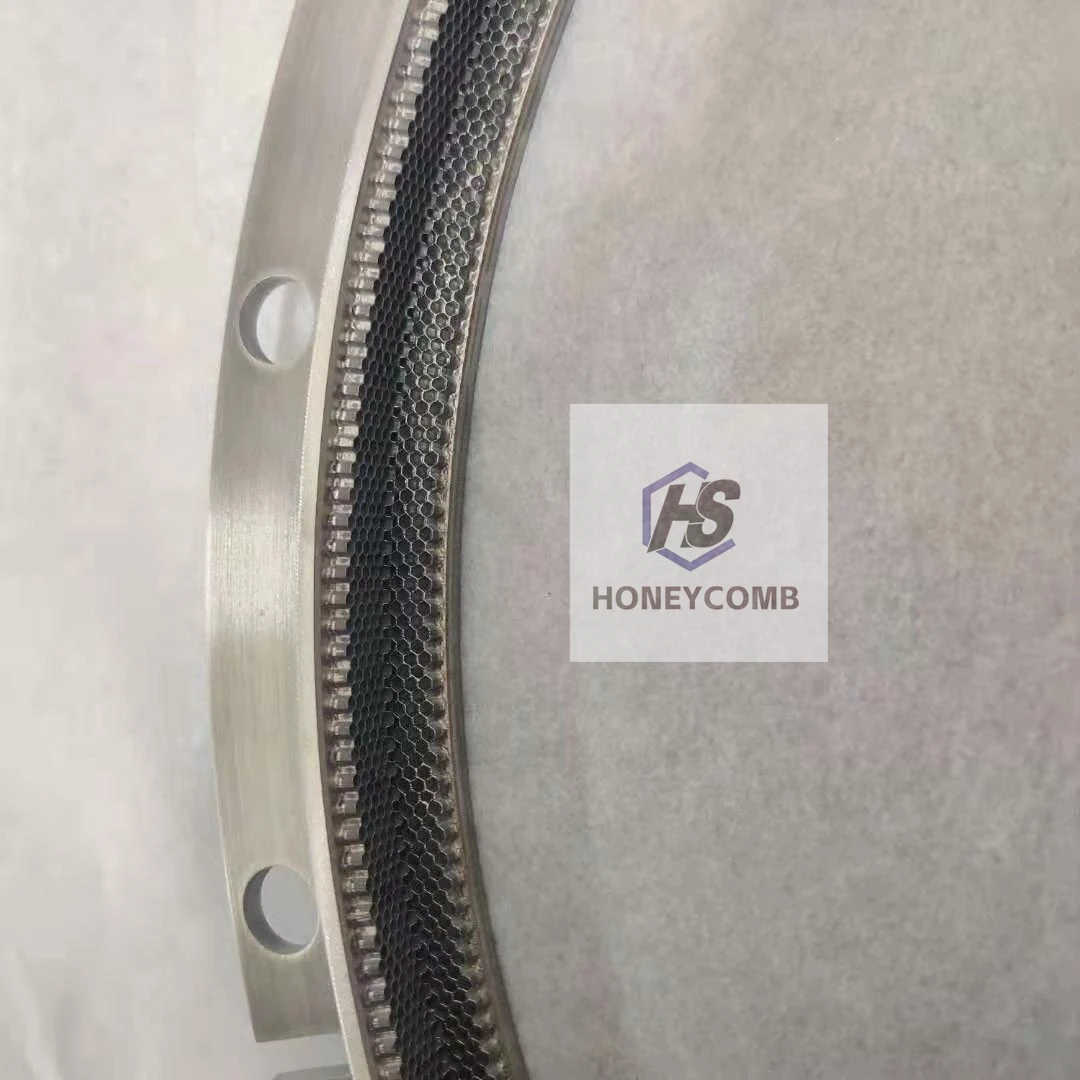
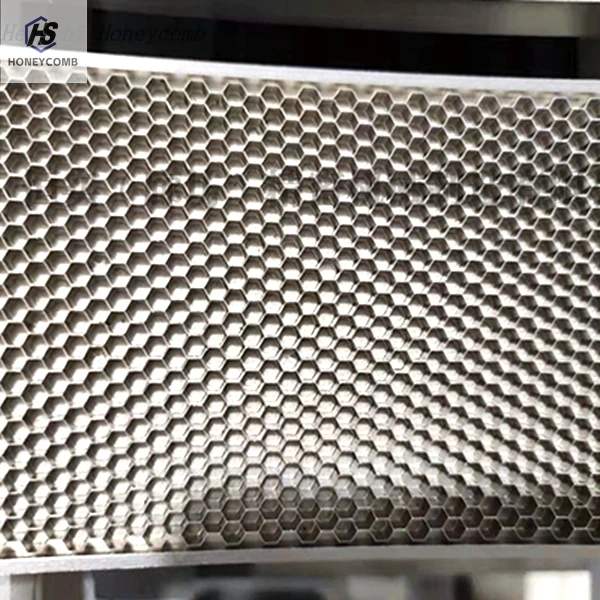
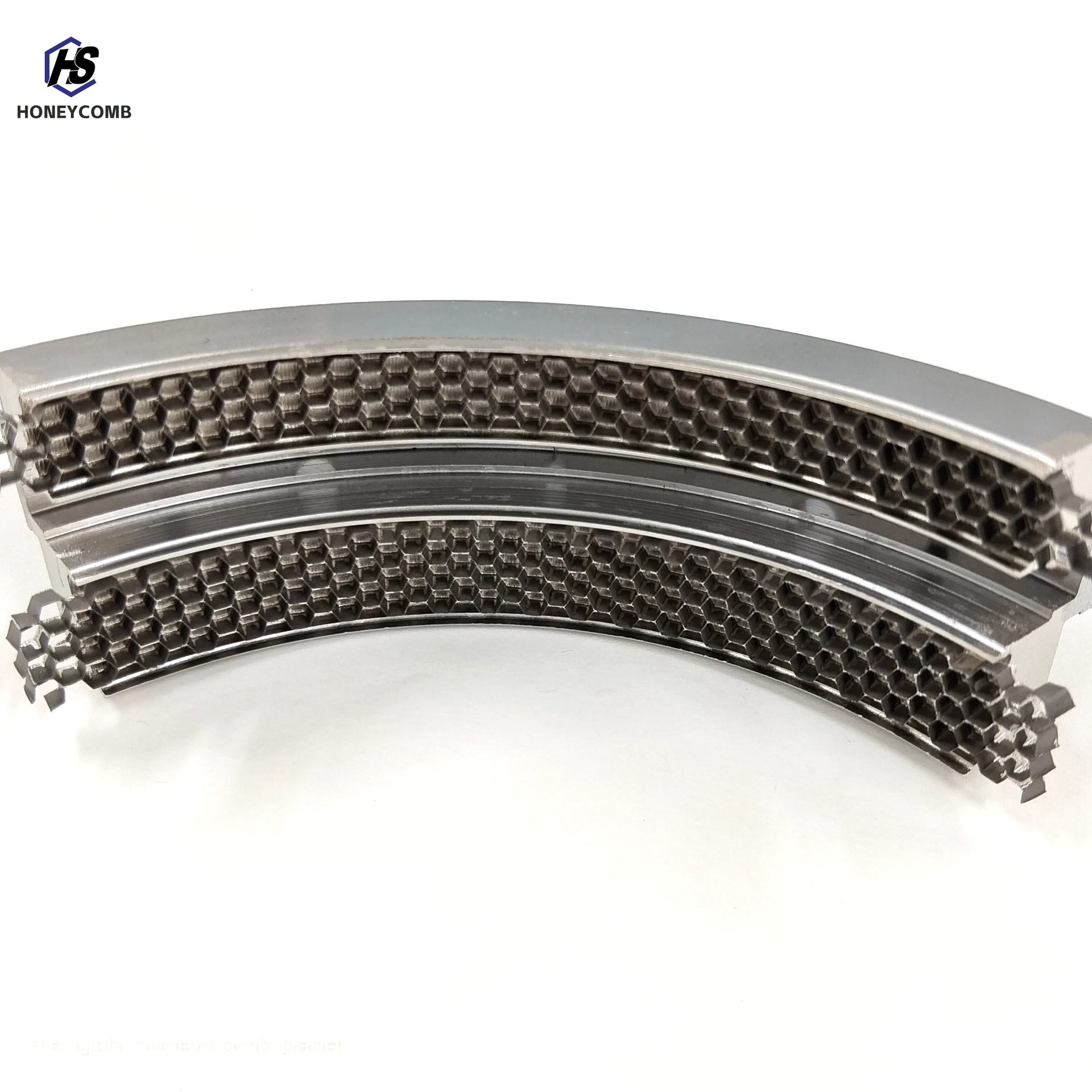
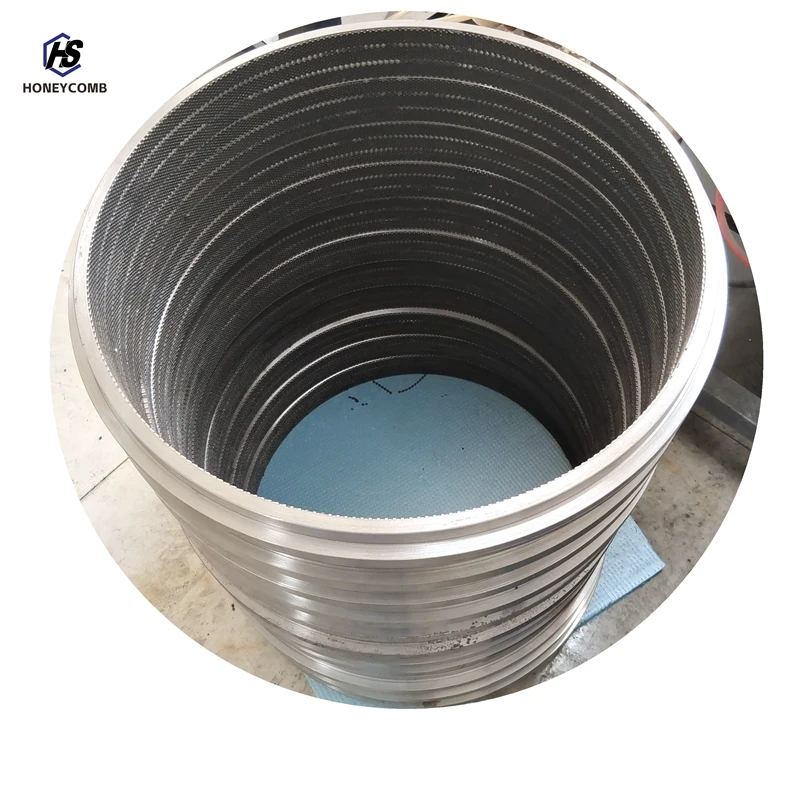
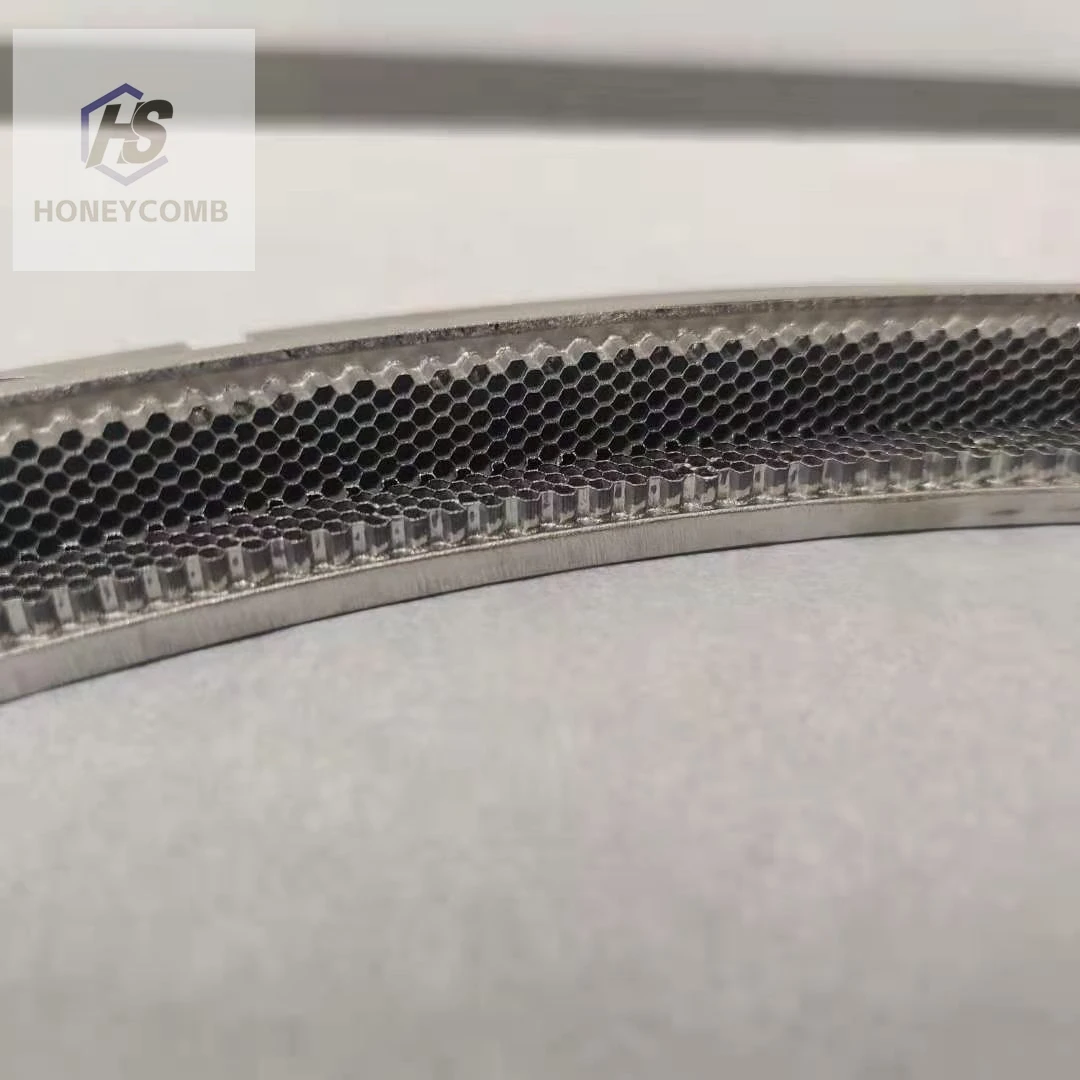
At its core, "maille en nid d'abeille en acier inoxydable" literally translates to “stainless steel honeycomb mesh.” Think of it as a lattice formed from thin stainless steel strips, woven or welded into repetitive hexagonal cells. It’s kind of like the honeycomb you see in nature, but made with metal, offering superior mechanical properties. This combination of design and material makes it lightweight yet incredibly resistant to corrosion, impact, and wear.
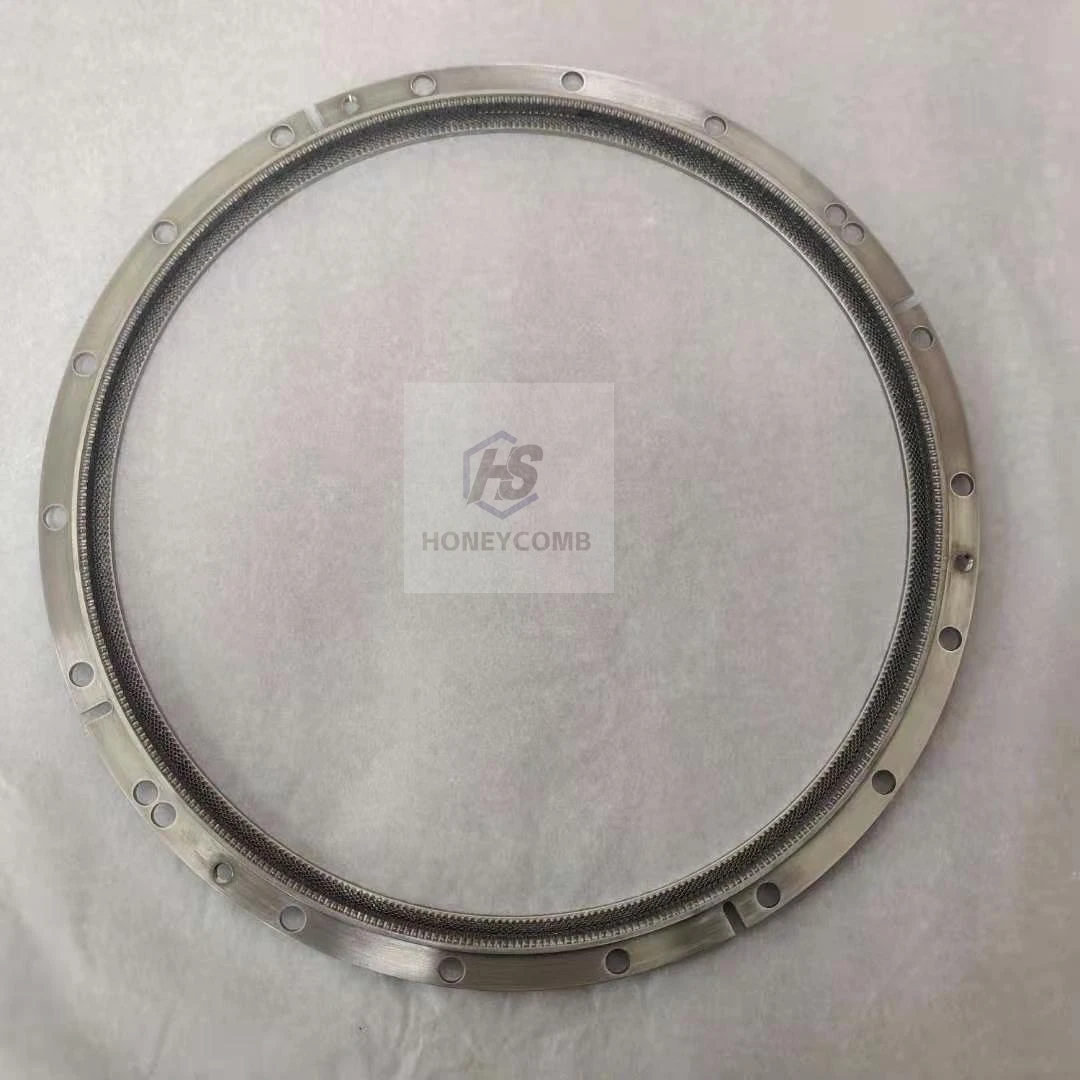
Industrially, it’s often used as core material in sandwich panels, offering thermal insulation, vibration damping, and structural strength. Humanitarian efforts also benefit from this: its durability and modularity make it perfect for quickly assembled shelters that stand the test of time and weather.
Key Factors of Stainless Steel Honeycomb Mesh
Durability and Corrosion Resistance
Stainless steel is celebrated for resisting rust and chemical damage. When fashioned into honeycomb mesh, it further gains physical toughness by spreading impact forces across the mesh’s geometry, not a single surface. This means longer lifespan, especially in harsh environments — say coastal buildings or industrial machinery.
Lightweight Strength
The honeycomb shape provides an excellent strength-to-weight ratio, allowing designers to reduce overall mass without compromising integrity. This is crucial in aerospace, automotive, and even prefabricated architectural panels.
Thermal and Acoustic Insulation
Due to trapped air pockets and the cell geometry, these meshes serve well in controlling heat transfer and sound insulation. This dual functionality is a bonus in building facades and industrial equipment housings.
Cost Efficiency and Scalability
While stainless steel isn't the cheapest metal, the efficiency in material use (thin strips shaped into cells) and the product’s longevity often offset upfront costs. Plus, production scales well—from custom, small-batch panels to industrial runs, making it versatile for many sectors.
Environmental Sustainability
Recyclability of stainless steel and the reduced material use thanks to the honeycomb structure contribute to a greener footprint. Given rising environmental regulations, this is more than a nice-to-have; it’s becoming integral.
Global Applications & Use Cases
- In aerospace, maille en nid d'abeille en acier inoxydable is used as core material in aircraft floor panels and bulkheads, contributing to lighter planes and fuel savings.
- Industrial sectors adopt it for machine guards and filtration systems, especially where chemical exposure is frequent.
- In architecture, it’s gaining popularity in facades and roofing where combined lightness and strength matter.
- Post-disaster relief uses modular honeycomb panels for quick-deploy shelters with weather resistance and durability, notably in Asia and Africa.
Frankly, the ability to tailor this mesh for different densities and thicknesses lets engineers customize solutions for various environmental and structural demands.
Advantages & Long-Term Value
From a straightforward cost-benefit standpoint, stainless steel honeycomb mesh reduces installation time, maintenance, and material wastage. Its robustness provides safety and dignified housing or infrastructure, especially in regions vulnerable to climate change or resource scarcity. On a human level, it feels reassuring to know that a shelter or bridge made with maille en nid d'abeille will last longer with less upkeep, supporting trust between engineers, populations, and governments.
Upcoming Trends & Innovations
The future looks bright — manufacturers are experimenting with hybrid honeycombs combining stainless steel with carbon fiber or aluminum to optimize strength further. Digital twin technologies allow virtual stress-testing of honeycomb panels before production. Sustainability policies are driving innovation toward even greener raw materials and circular economy models.
Automation in mesh weaving and welding improves precision and lowers labor costs, making these solutions more accessible worldwide. And oddly enough, as 3D printing advances, customized honeycomb cores might soon be printable on demand—bridging traditional metallurgy and cutting-edge manufacturing.
Challenges & Solutions
There are hurdles, of course. Producing uniform hexagonal cells at scale needs precision machining which can be costly. Transport and installation require careful handling to avoid deformation. Yet, innovations in robotic assembly lines and improved modular designs keep solving these pain points.
Expert engineers often suggest integrating smart materials for real-time monitoring or combining coatings that enhance corrosion resistance further. Hence, the evolution is steady but sure.
Frequently Asked Questions About Maille En Nid D'Abeille En Acier Inoxydable
- Q: How does stainless steel honeycomb mesh improve structural safety?
A: Its hexagonal geometry efficiently distributes forces, reducing localized stress and preventing deformation. The stainless steel ensures resistance to corrosion and wear for long-term safety. - Q: Is this material suitable for outdoor applications in harsh climates?
A: Absolutely. Thanks to stainless steel’s corrosion resistance and the mesh’s robustness, it performs well even in coastal, industrial, or high-humidity environments. - Q: Can modular shelters made with this material be deployed quickly?
A: Yes, the lightweight yet strong honeycomb panels simplify transportation and assembly, which is ideal for emergency relief in disaster-affected zones. - Q: What makes honeycomb mesh more sustainable than solid panels?
A: Less material usage combined with recyclability reduces environmental impact. Its durability means fewer replacements and less waste over time. - Q: Are there customization options for thickness or density?
A: Definitely. Manufacturers can adjust cell size, thickness, and bonding techniques to tailor for specific load, thermal, or acoustic requirements.
Product Specification Table
| Specification | Details |
|---|---|
| Material | 304/316 Grade Stainless Steel |
| Cell Size | 3 mm to 50 mm (customizable) |
| Thickness | 0.1 mm to 1.0 mm |
| Density | Up to 96% void ratio |
| Max Operating Temp | 800°C |
| Typical Applications | Aerospace, construction panels, filtration, shelter cores |
Vendor Comparison Table
| Vendor | Customization | Lead Time | Price Range | Certifications |
|---|---|---|---|---|
| HoneySteel Corp. | High (custom cell sizes) | 4-6 weeks | $$$ | ISO 9001, RoHS |
| AeroMesh Ltd. | Medium (standard sizes w/ minor mods) | 2-4 weeks | $$ | AS9100, REACH |
| EcoHoney Mesh | Low (mostly stock products) | 1-2 weeks | $ | ISO 14001 |
Mini reflection: Diving into maille en nid d'abeille en acier inoxydable is like opening a door to a quiet revolution in materials science. It’s not flashy, but it’s practical, sustainable, and tomorrow-ready.

-
Industrial Airflow Guide for maf воздушная правильная машинаNewsApr.16,2026
-
Best maf струйно правильная машина for Industrial EfficiencyNewsApr.09,2026
-
Сотовая правильная машина A Comprehensive Guide to Honey Packing AutomationNewsApr.07,2026
-
Build Your Own DIY газоправильная Машина A Comprehensive Guide to Gas CorrectionNewsApr.04,2026
-
Understanding Кондиционер отопления Systems for Efficient and Comfortable HeatingNewsMar.31,2026
-
Comprehensive Guide to Cellular Blinds Installation Установка сотовых жалюзиNewsMar.28,2026
-
Mobile Aerodynamic Tunnel Design A Comprehensive Guide to Applications and ImplementationNewsMar.26,2026






 English
  Afrikaans
  Albanian
  Amharic
  Arabic
  Armenian
  Azerbaijani
  Basque
  Belarusian
  Bengali
  Bosnian
  Bulgarian
  Catalan
  Cebuano
  China
China  China (Taiwan)
  Corsican
  Croatian
  Czech
Czech  Danish
  Dutch
Dutch  Esperanto
  Estonian
  Finnish
  French
  Frisian
  Galician
  Georgian
  German
  Greek
Greek  Gujarati
  Haitian Creole
  Hausa
Hausa  Hawaiian
  Hebrew
  Hindi
Hindi  Miao
Miao  Indonesian
  Italian
  Japanese
  Javanese
  Malay
Malay  Persian
  Portuguese
  Punjabi
  Russian
  Spanish
  Swahili
  Telugu
  Vietnamese