


Comprehensive Guide to Support en Nid d'Abeille en Acier Inoxydable for Durable and Sustainable Structural Solutions
Understanding Support en Nid d'Abeille en Acier Inoxydable: Essential Backbone for Modern Structural Solutions
When you first hear support en nid d'abeille en acier inoxydable, or stainless steel honeycomb support, it might sound a bit abstract. But these structures are quietly foundational to many industries worldwide, from aerospace to construction, and even humanitarian relief. Globally, their lightweight strength and durability help us overcome challenges like reducing material waste, improving energy efficiency, and building resilient infrastructure. Honestly, getting a handle on this concept is becoming more important as sustainability and rapid deployment needs grow.
Introduction: Why Stainless Steel Honeycomb Supports Matter Globally
Look around the globe — the construction sector alone accounts for nearly 40% of global energy-related carbon emissions (IEA, 2023). Solutions that cut down on weight without compromising strength, such as support en nid d'abeille en acier inoxydable, play a key role in this transformation. The honeycomb structure, modeled after nature’s hexagonal marvel, offers vast surface area with minimal bulk, balancing strength and lightness. It’s widely used to improve efficiency and sustainability.
Especially important are the challenges of building fast, strong, and reusable structures. Whether it’s an offshore wind turbine platform or temporary shelters after a natural disaster, having a support that stands the test of time, corrosion, and heavy loads is critical. Stainless steel honeycomb cores provide exactly that.
What is Support en Nid d'Abeille en Acier Inoxydable?
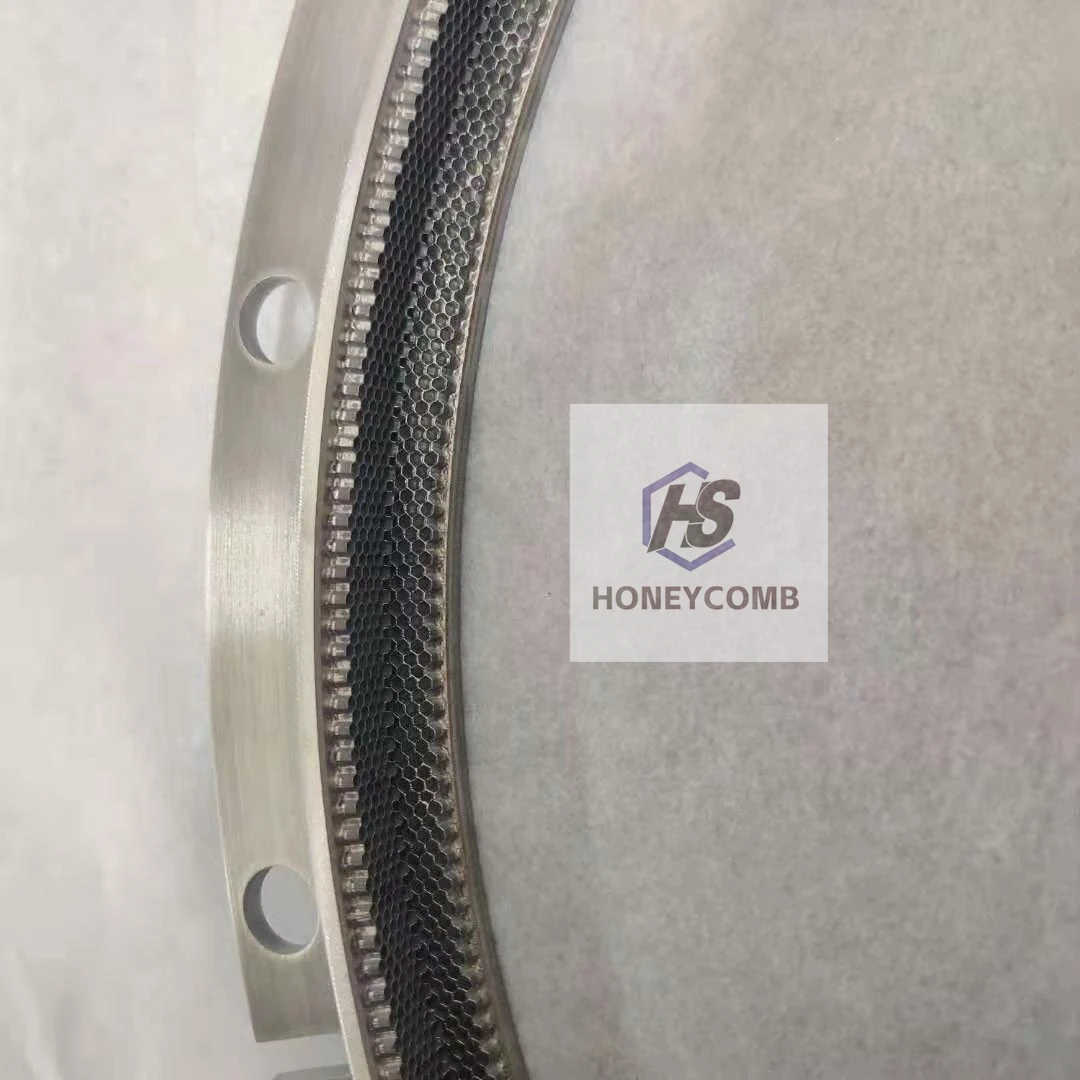
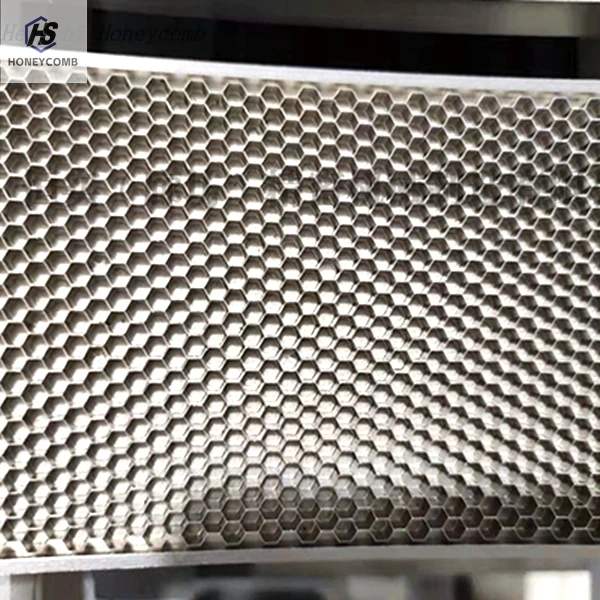
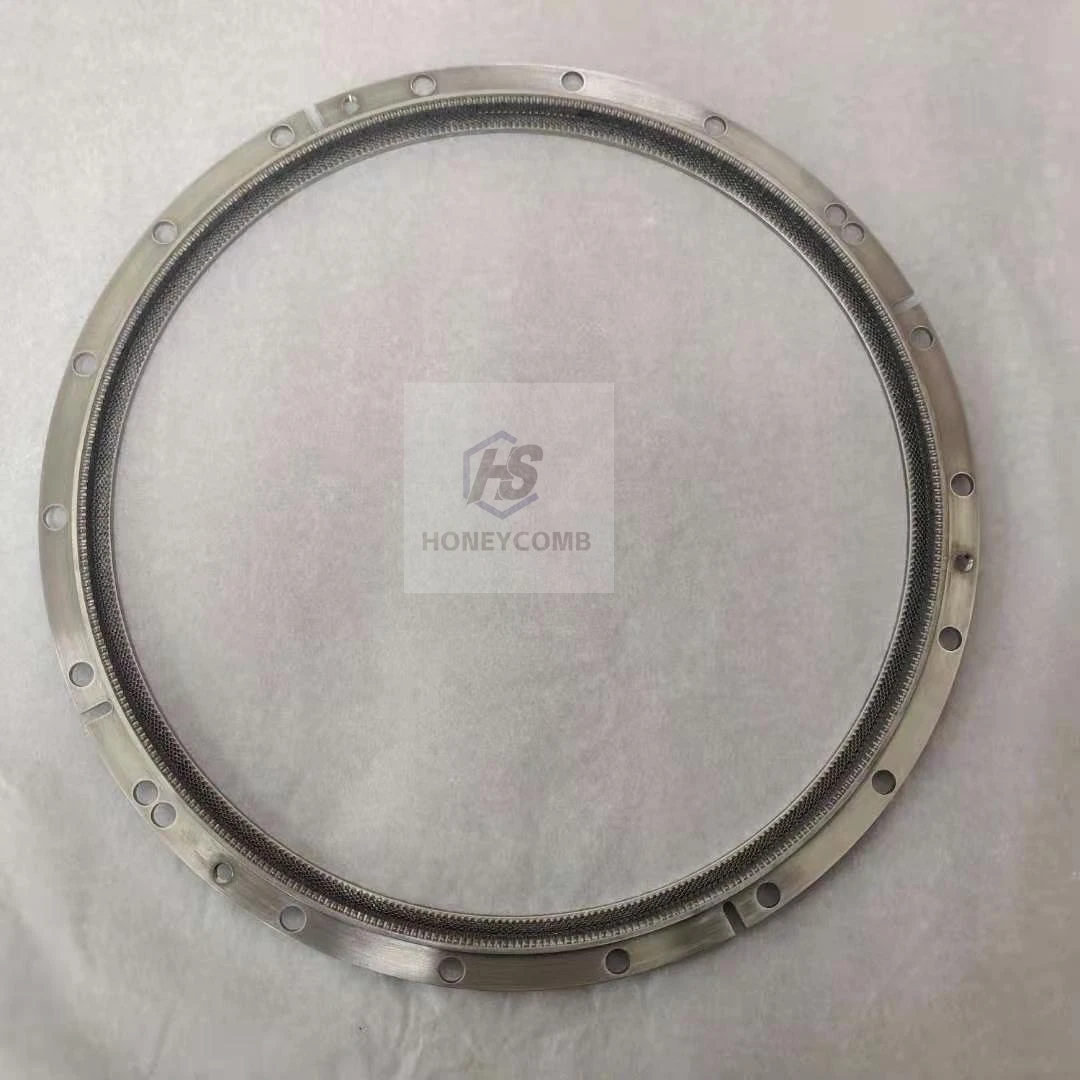
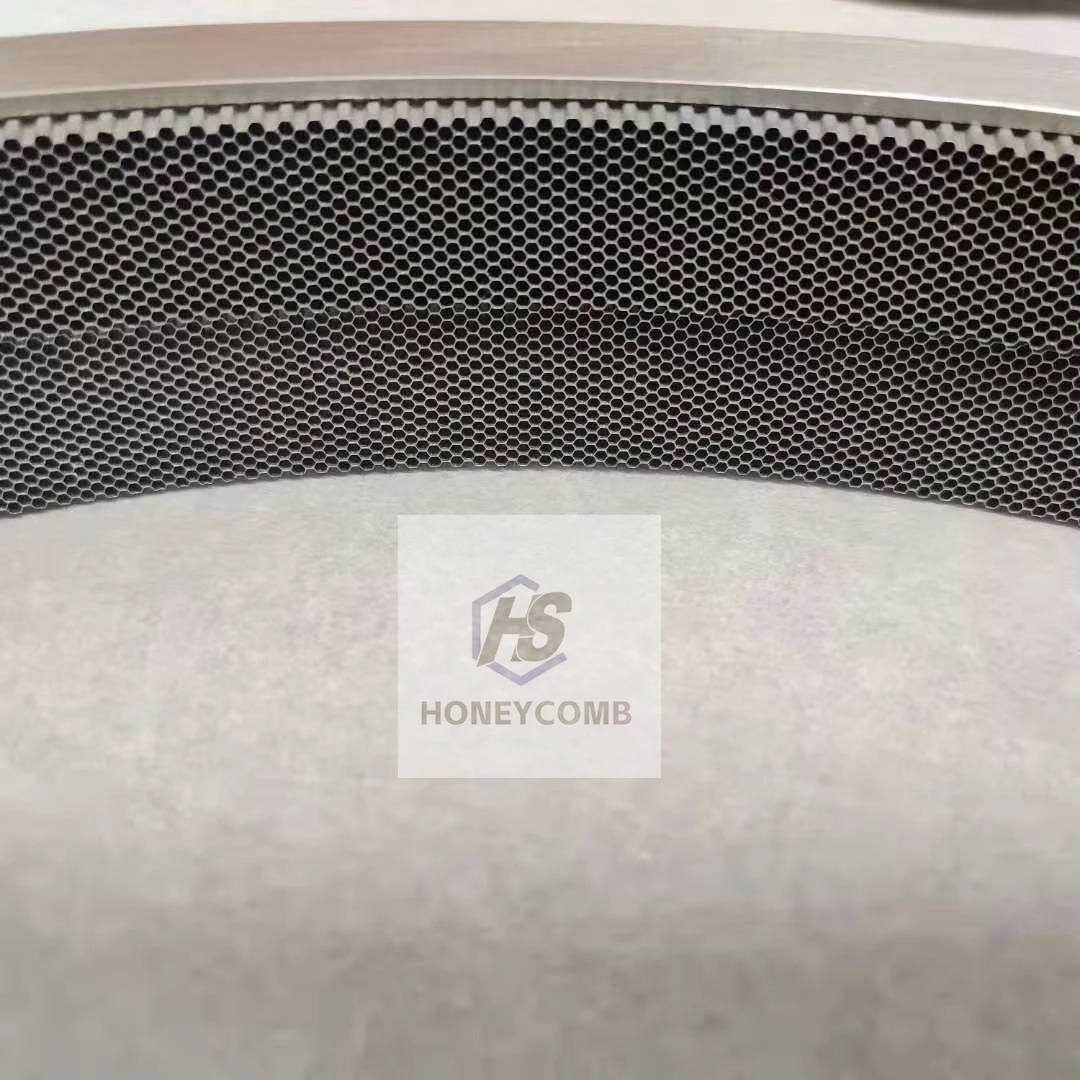
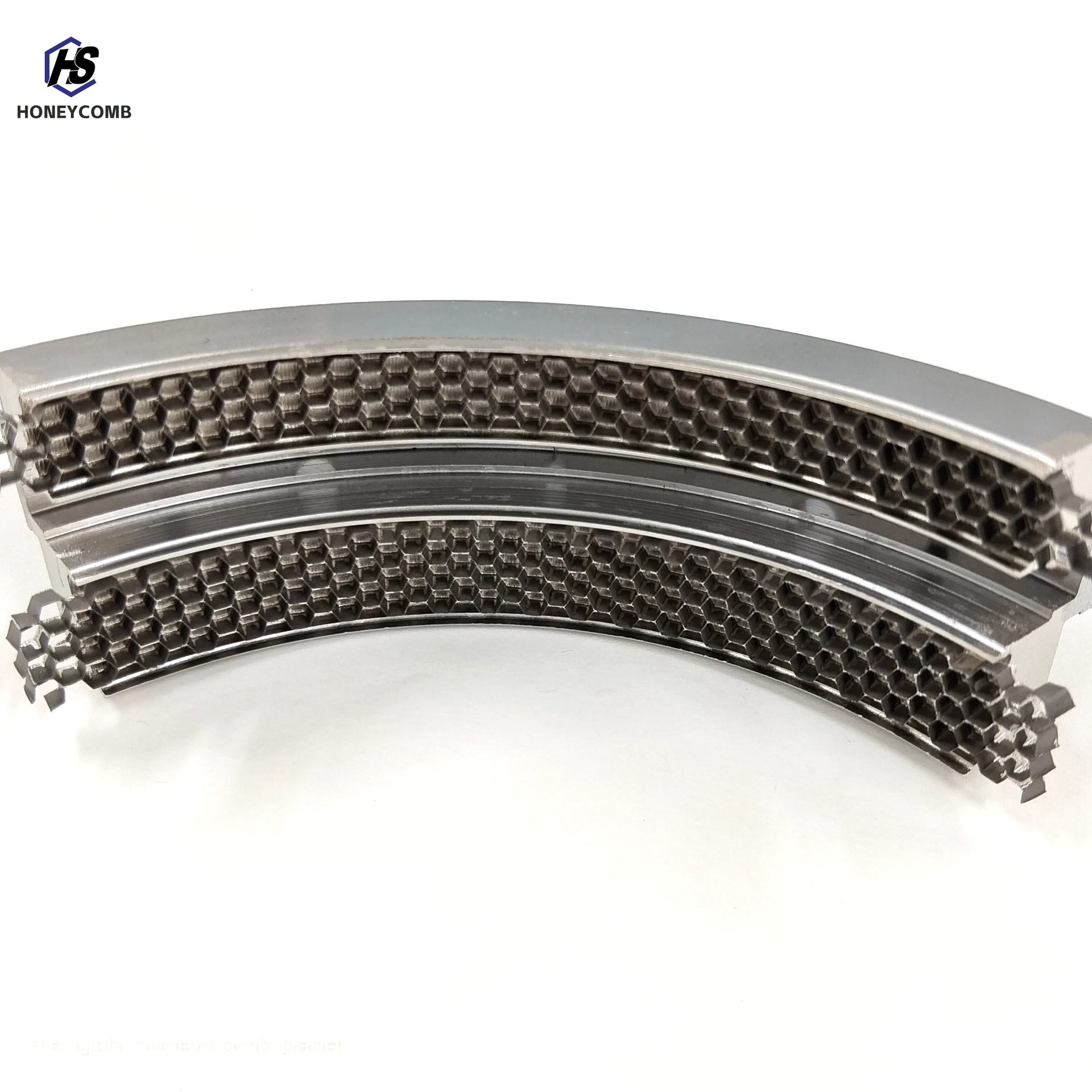
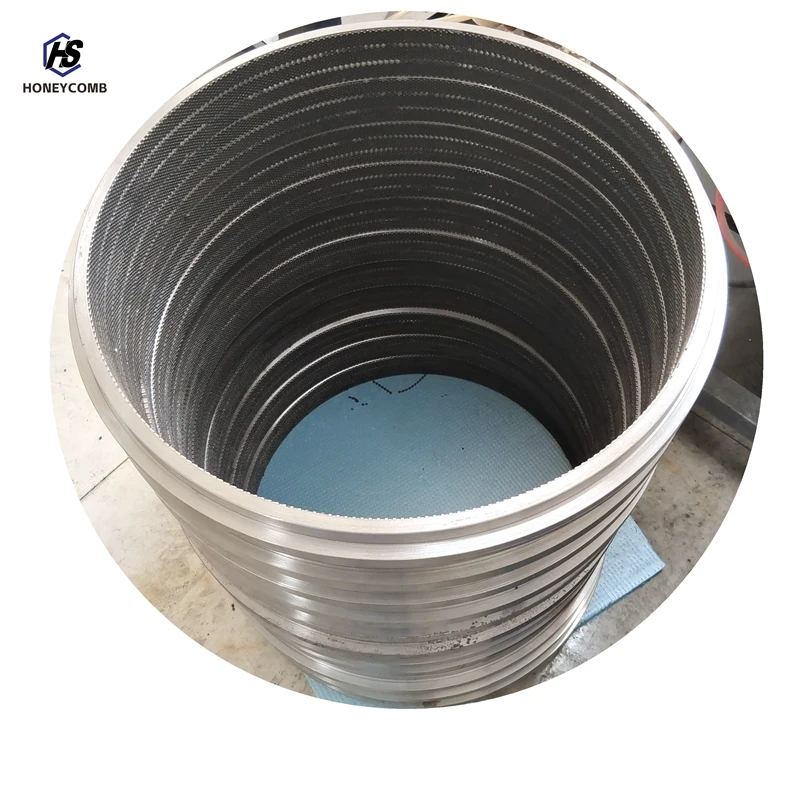
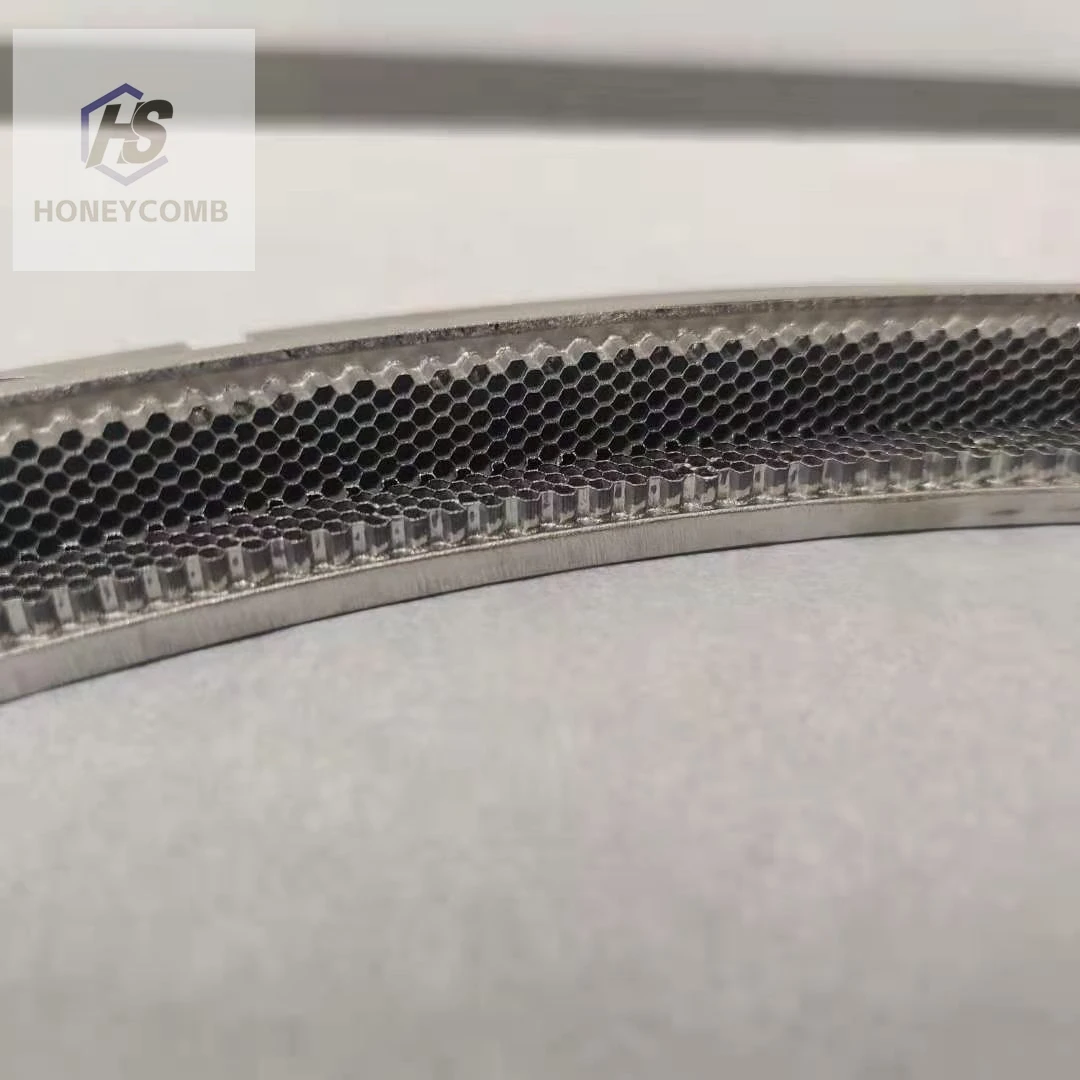
Simply put, this is a support panel or component using a honeycomb pattern made from stainless steel. Imagine the inside of a beehive but re-created at an industrial scale. This hexagonal matrix resists compression and shear forces excellently while staying lightweight. The stainless steel aspect means high corrosion resistance and good longevity even in harsh environments — think marine or chemical plants.
In terms of industry, it’s invaluable for creating panels, sandwich structures, and reinforcements that hold up under stress without adding unnecessary bulk. And in humanitarian contexts, it offers a reusable, sturdy infrastructure component for shelters and systems where durability and speed of setup matter.
Key Factors of Stainless Steel Honeycomb Supports
Durability and Corrosion Resistance
The inherent corrosion resistance of stainless steel means support en nid d'abeille en acier inoxydable lasts longer — even under moisture, salt spray, or temperature swings. This reduces maintenance costs and downtime.
Lightweight Yet Strong
The honeycomb pattern distributes loads efficiently, reducing material use without losing strength. This balance allows for easier transport and installation, which frankly can be game-changing on remote sites.
Thermal and Acoustic Insulation
The air pockets within honeycomb structures provide additional insulation properties, an unexpected bonus. This reduces energy needs for heating/cooling when used in building panels.
Environmental Sustainability
Because the structure needs less stainless steel than a solid panel of equivalent strength, it cuts raw material consumption. Plus, stainless steel is highly recyclable, closing the loop on sustainability.
Modularity and Scalability
These supports can be manufactured in various thicknesses and cell sizes, fitting different engineering requirements — from tiny aerospace components to large architectural panels.
Global Applications & Use Cases
- Aerospace and Automotive: Lightweight panels improve fuel efficiency and structural integrity. NASA uses honeycomb supports in shuttle components.
- Construction and Architecture: Facades, floors, and roofing use stainless steel honeycomb panels for aesthetic strength and insulation.
- Humanitarian Relief: Rapid-deploy shelters reinforced with such cores withstand harsh weather and repeated use.
- Marine and Offshore: Stainless steel honeycomb used in ship decks and offshore platforms, resisting corrosion.
For example, after the 2010 Haiti earthquake, modular shelters featuring lightweight honeycomb panels provided quick, durable housing solutions in difficult terrain. You can find detailed technical info about these panels at support en nid d'abeille en acier inoxydable.
Advantages & Long-Term Value
This technology isn’t just about the strength-to-weight ratio. Emotionally, it inspires trust — structures “feel” solid yet nimble. Logically, the long lifespan and low maintenance costs save millions over time, making investments easier to justify.
Plus, its contribution to sustainability — through reduced emissions and material efficiency — aligns with today’s corporate social responsibility goals. In industries where safety and innovation are paramount, stainless steel honeycomb supports strike the right chord.
| Parameter | Value/Range | Notes |
|---|---|---|
| Material Grade | 304, 316 Stainless Steel | Grade 316 preferred for marine/aerospace |
| Cell Size | 3 mm – 25 mm (hexagonal cells) | Smaller for aerospace, larger for construction |
| Thickness | 5 mm – 50 mm | Customizable by application |
| Density | ~96% void space | Ultra-lightweight design |
| Tensile Strength | Up to 700 MPa (depending on grade) | Supports heavy loads |
Future Trends & Innovations
We’re beginning to see the integration of smart coatings that can self-heal from micro-corrosion, enhancing stainless steel honeycomb supports’ longevity in extreme climates. Also, additive manufacturing (3D metal printing) is pushing the envelope, allowing complex honeycomb geometries optimized for specific stress profiles.
On policy fronts, regulations encouraging green construction and circular economies push for materials like these. Automation in production is reducing costs, making such advanced supports more accessible to emerging markets.
Challenges and Solutions
Fairly speaking, challenges exist. One is manufacturing consistency — tiny defects can weaken a honeycomb panel’s structure. Also, stainless steel is pricier compared to aluminum or composites initially.
Innovations like robotic welding and better quality control help mitigate defects. Plus, lifecycle cost benefits usually outweigh upfront prices. Designers also combine honeycomb supports with polymer layers to reduce weight and cost without losing performance.
| Vendor | Material Options | Lead Time | Customization | Sustainability Initiatives |
|---|---|---|---|---|
| HSHI Honeycomb Co. | 304, 316 SS | 3-4 weeks | Full geometry & thickness | Recycling & green packaging |
| MetalCore Solutions | Various SS & alloys | 4-6 weeks | Pre-set cell sizes | Focus on carbon footprint reduction |
| EcoHoneycomb Inc. | 316 stainless & recycled steel | 2-3 weeks | Limited options, modular only | High recycled content products |
Frequently Asked Questions About Support en Nid d'Abeille en Acier Inoxydable
- Q: How does stainless steel honeycomb support compare with aluminum alternatives?
A: While aluminum honeycomb is lighter, stainless steel offers superior corrosion resistance and strength, especially useful in marine or chemically aggressive environments. It’s a tradeoff depending on your project needs. - Q: Can I customize the thickness and cell size of these honeycomb supports?
A: Absolutely. Most suppliers allow specification of cell size and panel thickness to meet unique load and insulation requirements — essential for high-performance applications. - Q: Are these supports suitable for rapid deployment shelters?
A: Yes, their lightweight and durable nature makes them ideal for fast-assembly shelters that demand both strength and reusability, reducing logistical fuss in disaster zones. - Q: What maintenance is needed for stainless steel honeycomb panels?
A: Thanks to stainless steel’s corrosion resistance, routine cleaning and inspections are usually sufficient. Unlike painted or coated panels, there’s less risk of degradation over time. - Q: How can NGOs or firms source these supports internationally?
A: Many vendors offer global shipping and assistance with certification compliance. It's best to engage early and specify quantities and technical requirements for smooth importation.
Conclusion
In real terms, support en nid d'abeille en acier inoxydable represents an elegant engineering solution—light yet strong, sustainable yet cutting-edge. It’s transforming sectors by offering material efficiency and durability while aligning with global sustainability goals. Whether you work in aerospace, construction, or humanitarian aid, understanding and using these advanced honeycomb supports adds real value.
Curious to explore further? Visit our website: support en nid d'abeille en acier inoxydable and discover how modern honeycomb technology can power your next project.
Mini takeaway: Stainless steel honeycomb is more than a trendy material — it’s a strategic asset for robust, sustainable infrastructure worldwide.
References
-
Industrial Airflow Guide for maf воздушная правильная машинаNewsApr.16,2026
-
Best maf струйно правильная машина for Industrial EfficiencyNewsApr.09,2026
-
Сотовая правильная машина A Comprehensive Guide to Honey Packing AutomationNewsApr.07,2026
-
Build Your Own DIY газоправильная Машина A Comprehensive Guide to Gas CorrectionNewsApr.04,2026
-
Understanding Кондиционер отопления Systems for Efficient and Comfortable HeatingNewsMar.31,2026
-
Comprehensive Guide to Cellular Blinds Installation Установка сотовых жалюзиNewsMar.28,2026
-
Mobile Aerodynamic Tunnel Design A Comprehensive Guide to Applications and ImplementationNewsMar.26,2026






 English
  Afrikaans
  Albanian
  Amharic
  Arabic
  Armenian
  Azerbaijani
  Basque
  Belarusian
  Bengali
  Bosnian
  Bulgarian
  Catalan
  Cebuano
  China
China  China (Taiwan)
  Corsican
  Croatian
  Czech
Czech  Danish
  Dutch
Dutch  Esperanto
  Estonian
  Finnish
  French
  Frisian
  Galician
  Georgian
  German
  Greek
Greek  Gujarati
  Haitian Creole
  Hausa
Hausa  Hawaiian
  Hebrew
  Hindi
Hindi  Miao
Miao  Indonesian
  Italian
  Japanese
  Javanese
  Malay
Malay  Persian
  Portuguese
  Punjabi
  Russian
  Spanish
  Swahili
  Telugu
  Vietnamese