


Discover the Benefits of Belüftete Aluminiumwabe – Ventilated Aluminum Honeycomb Panels for Modern Construction
What Is a Belüftete Aluminiumwabe and Why It Matters Today
In the world of modern construction and material engineering, belüftete aluminiumwabe — literally "ventilated aluminum honeycomb" — has quietly become a cornerstone innovation. It sounds a bit technical, sure, but diving into what it means unlocks insights relevant globally. Why? Because it combines strength, lightweight design, and breathability, ticking boxes for environmental sustainability and structural needs across industries.
From aerospace to emergency housing, understanding this material's value means embracing solutions that are efficient, adaptable, and increasingly necessary as the world faces rapid urbanization, climate challenges, and resource shortages.
A Global Look: Why Belüftete Aluminiumwabe Is Gaining Ground
On a macro scale, ventilated aluminum honeycomb solutions respond directly to demands laid out by major organizations like the ISO and the UN. For instance, energy-efficient building materials have seen a 25% rise globally since 2015 according to the World Bank, and sustainable lightweight construction solutions are driving much of this.
However, a persistent challenge exists: how to marry durability with ventilation to prevent moisture buildup, reducing corrosion and extending lifespan. This is critical in environments ranging from humid tropical regions to icy northern climates. The belüftete aluminiumwabe concept addresses this elegantly.
Breaking It Down: What Exactly Is Belüftete Aluminiumwabe?
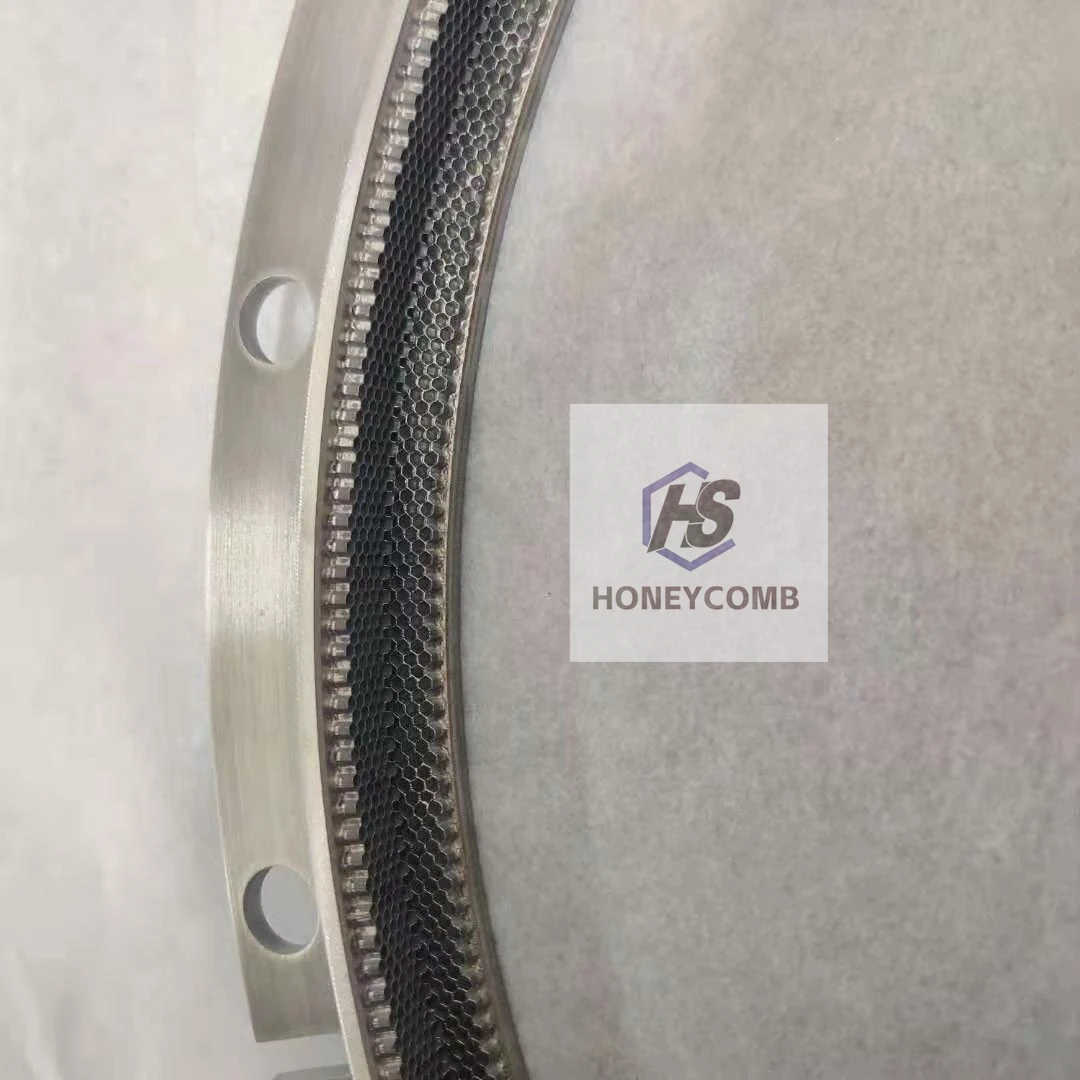
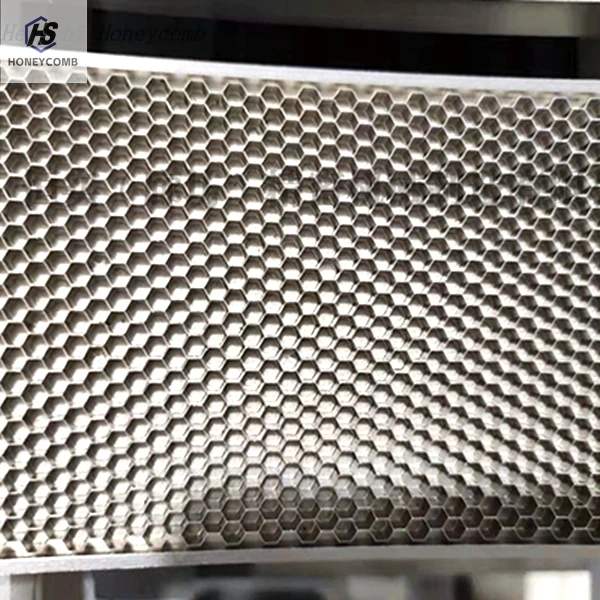
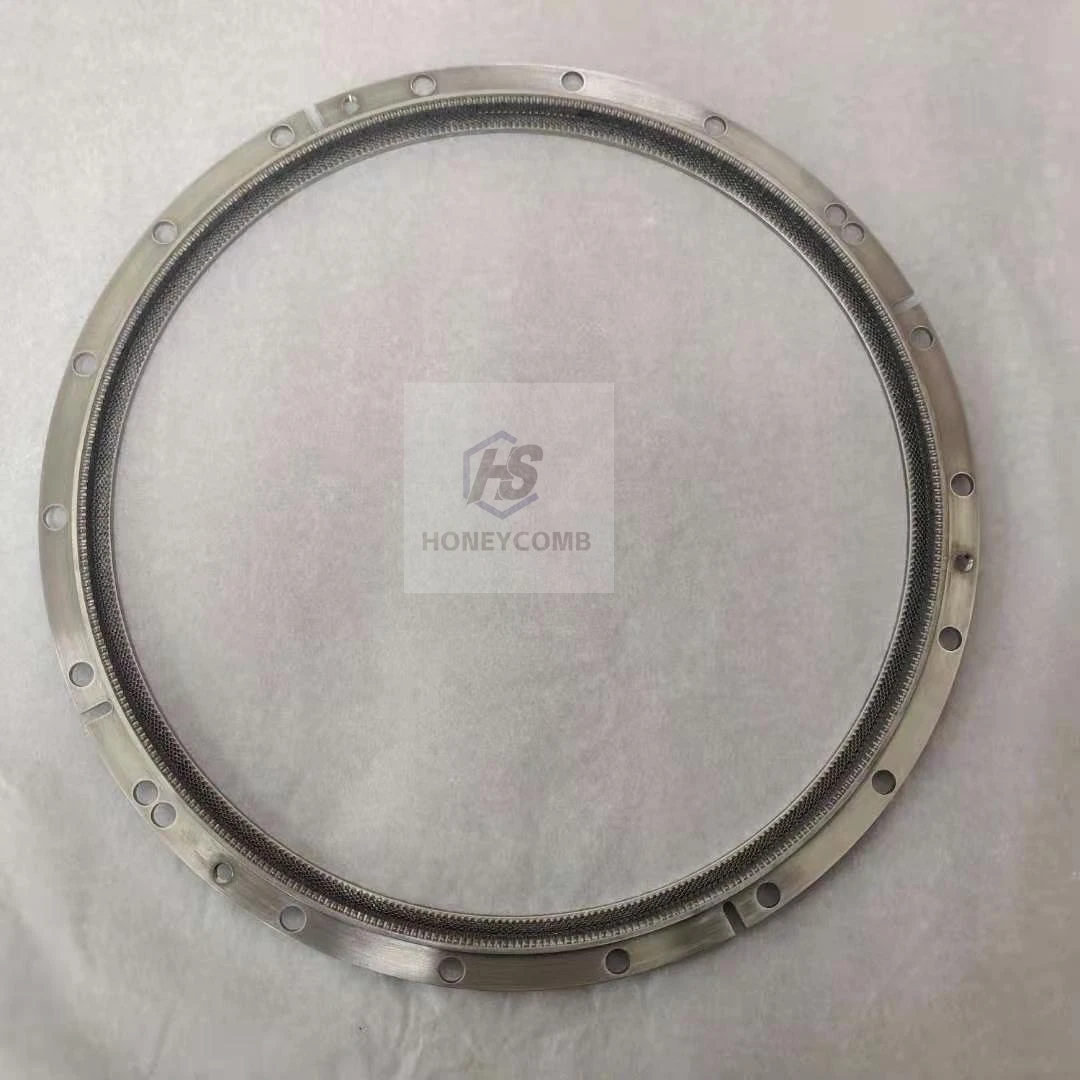
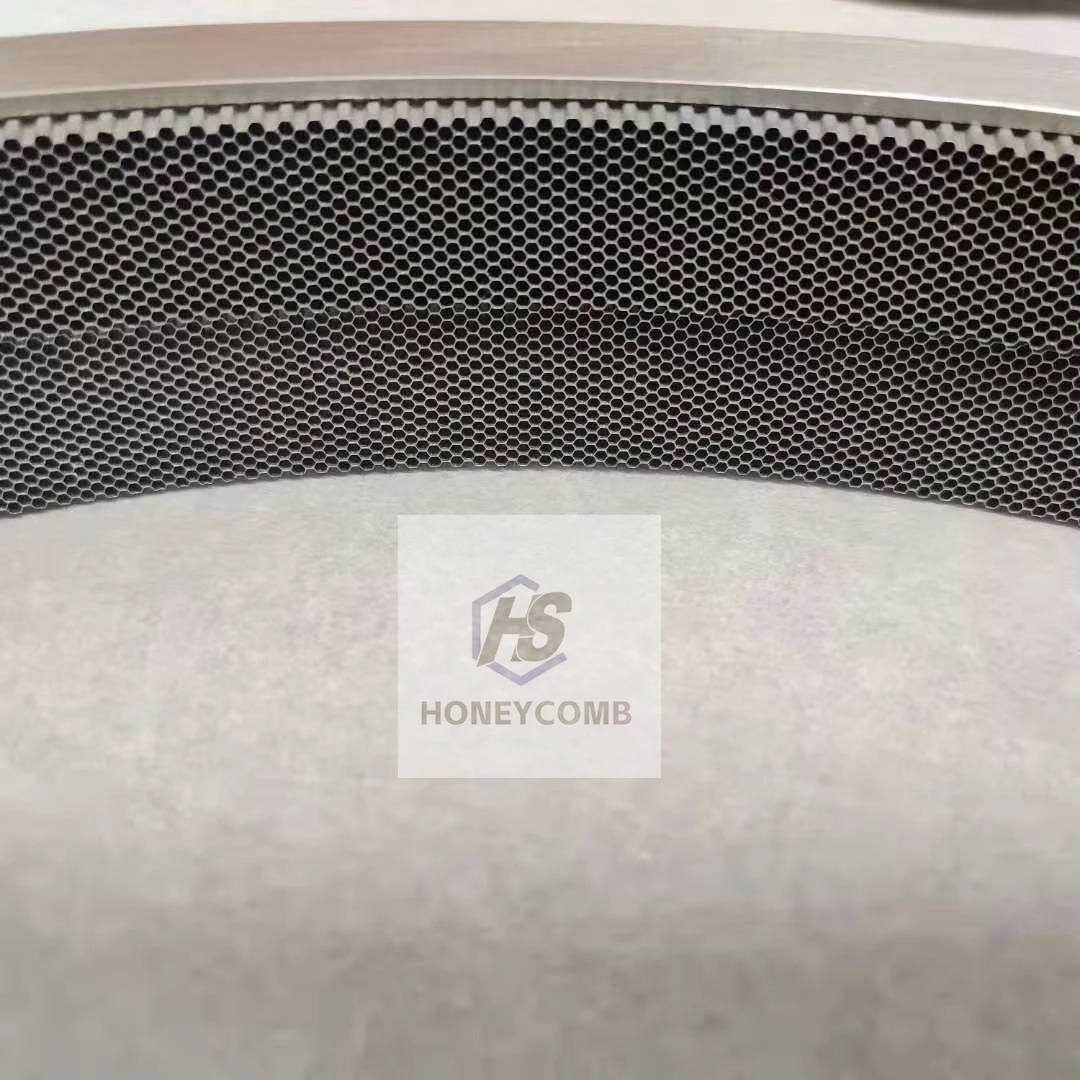
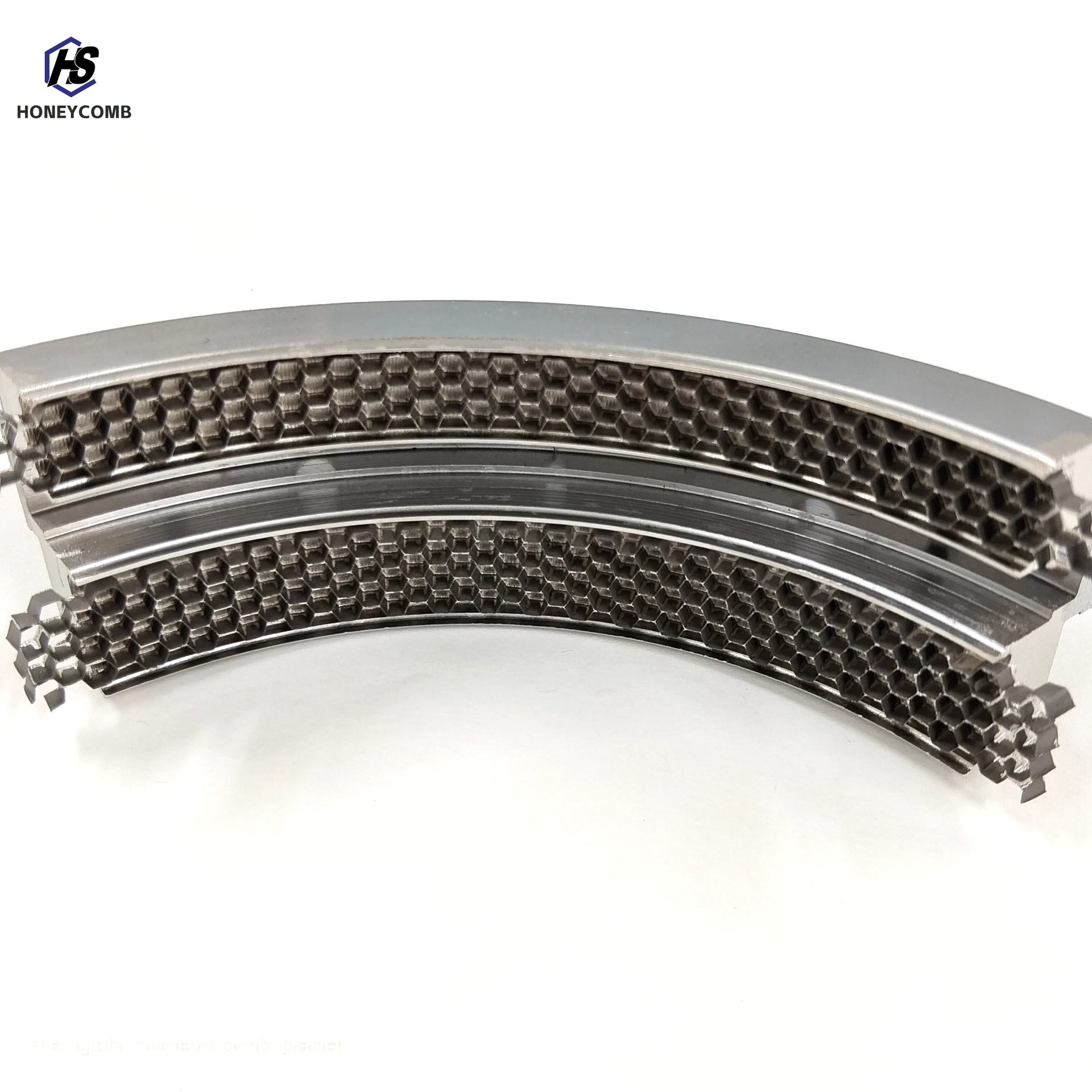
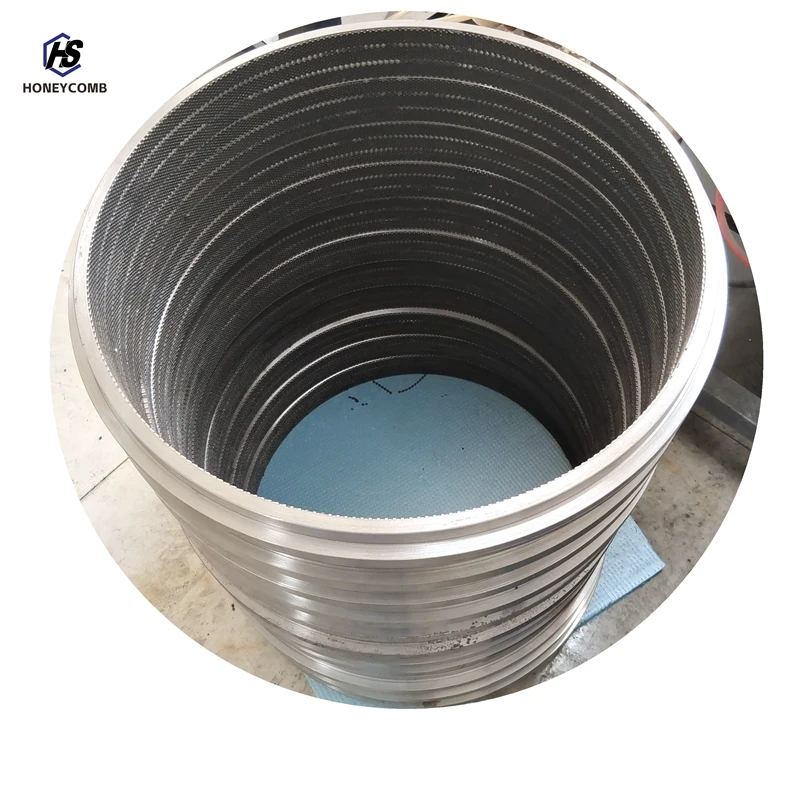
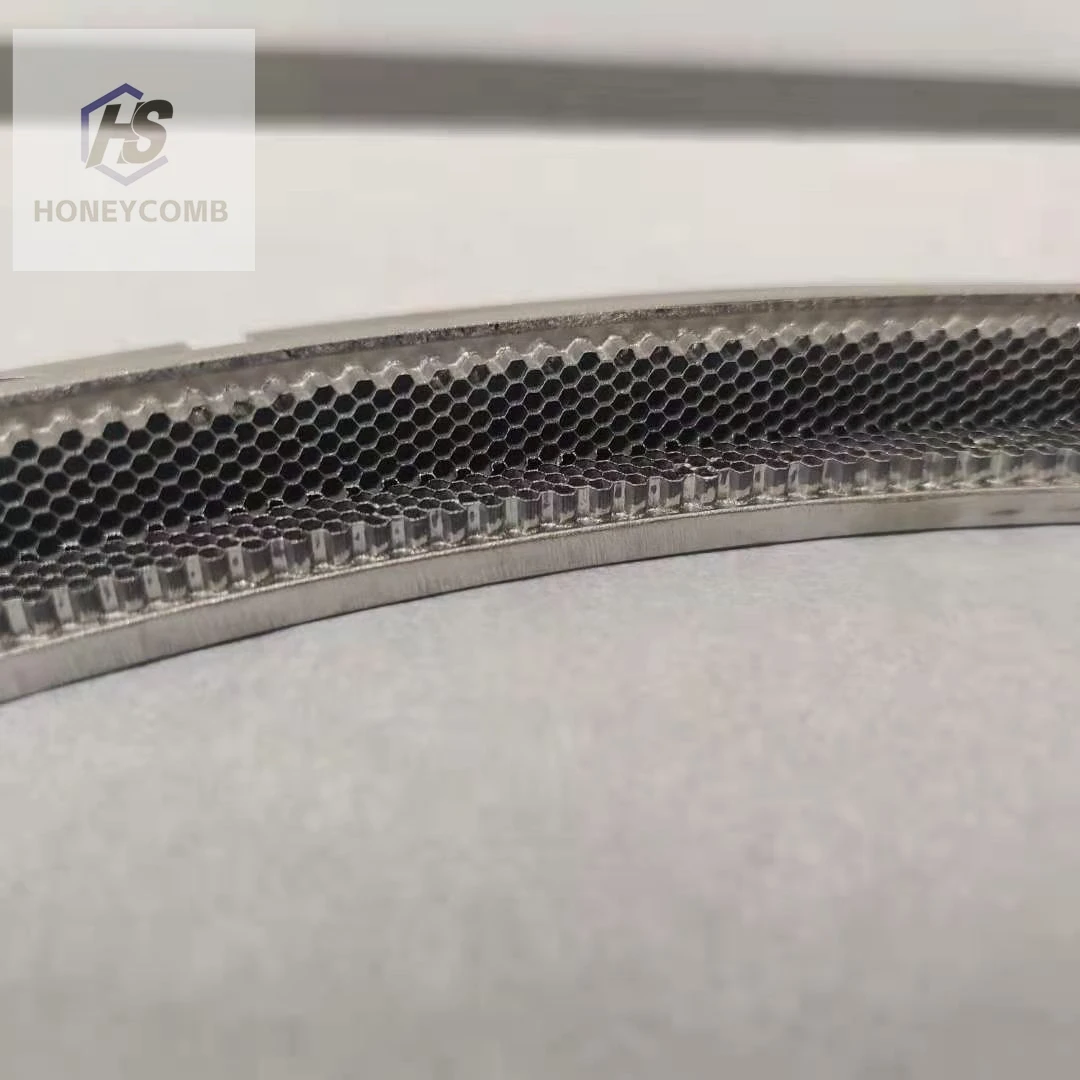
At its core, belüftete aluminiumwabe is a type of structured panel made by forming aluminum into a honeycomb shape that includes purposeful airflow channels. The honeycomb design itself is borrowed from nature—bees do it for strength and space efficiency, and engineers do the same to save weight without sacrificing rigidity.
But add "belüftete" — ventilation — and you get materials that avoid trapping moisture, which can cause rust, mold, and weakening over time. This tweak comes from modern needs in construction, transport, and even humanitarian shelters, where airflow and weight are both critical considerations.
Key Components That Make These Panels Work
1. Lightweight But Robust Material
One of the perks of aluminum honeycomb cores is the excellent strength-to-weight ratio. This reduces transportation costs and supports faster assembly on site — a big plus in remote or disaster-struck regions.
2. Ventilation Channels
The added vents or perforations allow air to circulate, preventing dampness and minimizing the risk of corrosion. This is a lifeline for long-term durability, especially outdoors or in humid climates.
3. Corrosion Resistance
Clean aluminum inherently resists rust, but the ventilated design ensures moisture isn’t trapped. This results in much longer service life compared to solid aluminum panels or non-ventilated honeycombs.
4. Thermal Regulation
Ventilation also helps regulate temperature, acting somewhat like a breathable membrane. In practical terms, buildings or vehicles using these panels tend to stay cooler or avoid condensation issues.
5. Modular Scalability
Thanks to standardized sizes and forms, these panels integrate easily with other materials or frameworks, making customization a breeze — perfect for rapidly evolving project needs.
Where Does This Material Really Shine?
In real-world applications, belüftete aluminiumwabe has found homes across continents and industries:
- Post-disaster emergency housing: Lightweight shelters assembled quickly to provide safe, airy, and durable spaces.
- Aerospace and automotive: Panels reduce vehicle weight while maintaining high structural integrity.
- Construction: Ventilated facades and partitions for better indoor air quality and moisture management.
- Industrial zones in humid or coastal regions: Long-lasting barrier walls and storage facility cladding.
For example, NGOs deploying relief in Southeast Asia value belüftete aluminiumwabe panels for their ease of transport and quick setup, which underpins faster recovery efforts and enhanced shelter durability.
The Tangible Benefits: Why Pick Belüftete Aluminiumwabe?
Looking beyond specs, here are the advantages that make this a smart choice:
- Cost Efficiency: Low material weight cuts transport and labor expenses over time.
- Environmental Impact: Aluminum is highly recyclable; the ventilation reduces the need for chemical anti-corrosion treatments.
- Reliability & Safety: Its structural strength keeps occupants safe, while breathability preserves material integrity.
- Social Value: In humanitarian contexts, improved ventilation means better health outcomes, dignity, and comfort.
- Innovation Edge: It fits well with digital-building trends like BIM and prefabrication.
Looking Forward: Trends Shaping the Future of Belüftete Aluminiumwabe
It’s an exciting time for this technology. Green building certifications now reward materials with enhanced airflow and thermal control, boosting demand. Research into nanocoatings that further protect aluminum surfaces from corrosion is ongoing. Digital manufacturing methods, including 3D printing, promise even more precise honeycomb geometries tailored for specific load or airflow requirements.
Moreover, the push towards net-zero carbon buildings pushes ventilation-integrated materials into the spotlight, with subsidized projects popping up worldwide.
Facing the Challenges Head-On
Of course, it’s not all perfect. Some logistical hurdles remain:
- Manufacturing Complexity: Producing widespread, rigorously ventilated panels adds steps that increase upfront costs.
- Installation Expertise: Poor installation risks negating ventilation benefits.
- Material Costs: Aluminum prices fluctuate with global markets, affecting pricing predictability.
Best practices now involve blended workflows where architects and engineers coordinate closely with vendors, ensuring these panels perform as expected. Training for onsite workers is ramping up too — with noticeable improvements in recent years.
Product Specifications: Typical Belüftete Aluminiumwabe Panel
| Feature | Specification |
|---|---|
| Core Material | Aluminum ASTM 3003 H14 |
| Honeycomb Cell Size | 6mm - 12mm (customizable) |
| Panel Thickness | 10mm - 50mm |
| Ventilation Rate | Approx. 30% open area |
| Weight | 0.5 - 1.2 kg/m² |
| Typical Applications | Facade panels, emergency shelters, vehicle components |
Vendor Snapshot: Comparing Leading Providers
| Vendor | Specialty | Pricing | Customization | Lead Time |
|---|---|---|---|---|
| AluVent Tech | High-performance aerospace grade panels | $$$ | Extensive | 6-8 weeks |
| EcoHoneycombs | Sustainable building applications | $$ | Moderate | 4-6 weeks |
| VentAlu Systems | Custom ventilated panels for extreme climates | $$$$ | High | 8-10 weeks |
FAQ: Common Questions About Belüftete Aluminiumwabe
- Q: How does belüftete aluminiumwabe improve building longevity compared to solid panels?
- A: The ventilated design prevents moisture accumulation that leads to corrosion and mold, which dramatically extends the panel’s lifespan, especially in humid environments. This means fewer repairs and replacements over time.
- Q: Is the ventilated honeycomb panel suitable for seismic zones?
- Absolutely. Because of its high strength-to-weight ratio and energy absorption properties, belüftete aluminiumwabe panels are often used in earthquake-resistant structures, providing both flexibility and durability.
- Q: Can these panels be recycled or repurposed after use?
- Yes. Aluminum is one of the most recyclable materials on the planet. At the end of their service life, these panels can be melted down and transformed into new products, reducing environmental impact.
- Q: What installation considerations are unique to ventilated aluminum honeycomb?
- Installers must ensure proper sealing and support to maintain ventilation pathways. Over-sealing can block airflow, so training and precise application techniques are vital for optimum performance.
Wrapping Up: Why Belüftete Aluminiumwabe Is Worth Your Attention
At the intersection of innovation, sustainability, and practical design sits belüftete aluminiumwabe — a modest hero in modern material science. Its balance of strength, breathability, and lightweight design is changing the game in how we build, move, and shelter ourselves worldwide.
If you want to explore this further and see what these panels can do for your next project, feel free to visit our website. The future of ventilated aluminum honeycomb is bright, promising both efficiency and resilience in equal measure.
Mini takeaway: When it comes to sustainable, resilient, and lightweight construction materials, belüftete aluminiumwabe edges out many competitors — because ventilation isn’t just a feature; it’s a game-changer.
References:
-
Industrial Airflow Guide for maf воздушная правильная машинаNewsApr.16,2026
-
Best maf струйно правильная машина for Industrial EfficiencyNewsApr.09,2026
-
Сотовая правильная машина A Comprehensive Guide to Honey Packing AutomationNewsApr.07,2026
-
Build Your Own DIY газоправильная Машина A Comprehensive Guide to Gas CorrectionNewsApr.04,2026
-
Understanding Кондиционер отопления Systems for Efficient and Comfortable HeatingNewsMar.31,2026
-
Comprehensive Guide to Cellular Blinds Installation Установка сотовых жалюзиNewsMar.28,2026
-
Mobile Aerodynamic Tunnel Design A Comprehensive Guide to Applications and ImplementationNewsMar.26,2026






 English
  Afrikaans
  Albanian
  Amharic
  Arabic
  Armenian
  Azerbaijani
  Basque
  Belarusian
  Bengali
  Bosnian
  Bulgarian
  Catalan
  Cebuano
  China
China  China (Taiwan)
  Corsican
  Croatian
  Czech
Czech  Danish
  Dutch
Dutch  Esperanto
  Estonian
  Finnish
  French
  Frisian
  Galician
  Georgian
  German
  Greek
Greek  Gujarati
  Haitian Creole
  Hausa
Hausa  Hawaiian
  Hebrew
  Hindi
Hindi  Miao
Miao  Indonesian
  Italian
  Japanese
  Javanese
  Malay
Malay  Persian
  Portuguese
  Punjabi
  Russian
  Spanish
  Swahili
  Telugu
  Vietnamese