


Effective Flow Control with Honingraat Stromingsrichter | Industrial Insights
Understanding the honingraat stromingsrichter: The Unsung Hero of Industrial Flow Control
Having spent a good chunk of my career buried in the nitty-gritty of industrial equipment, I can say that sometimes the small, easily overlooked components are what truly make or break a system. The honingraat stromingsrichter, or honeycomb flow straightener in English, is one such subtle but indispensable player. Oddly enough, it's not always in the spotlight but understanding its design and role is critical for achieving efficient fluid dynamics in many industrial processes.
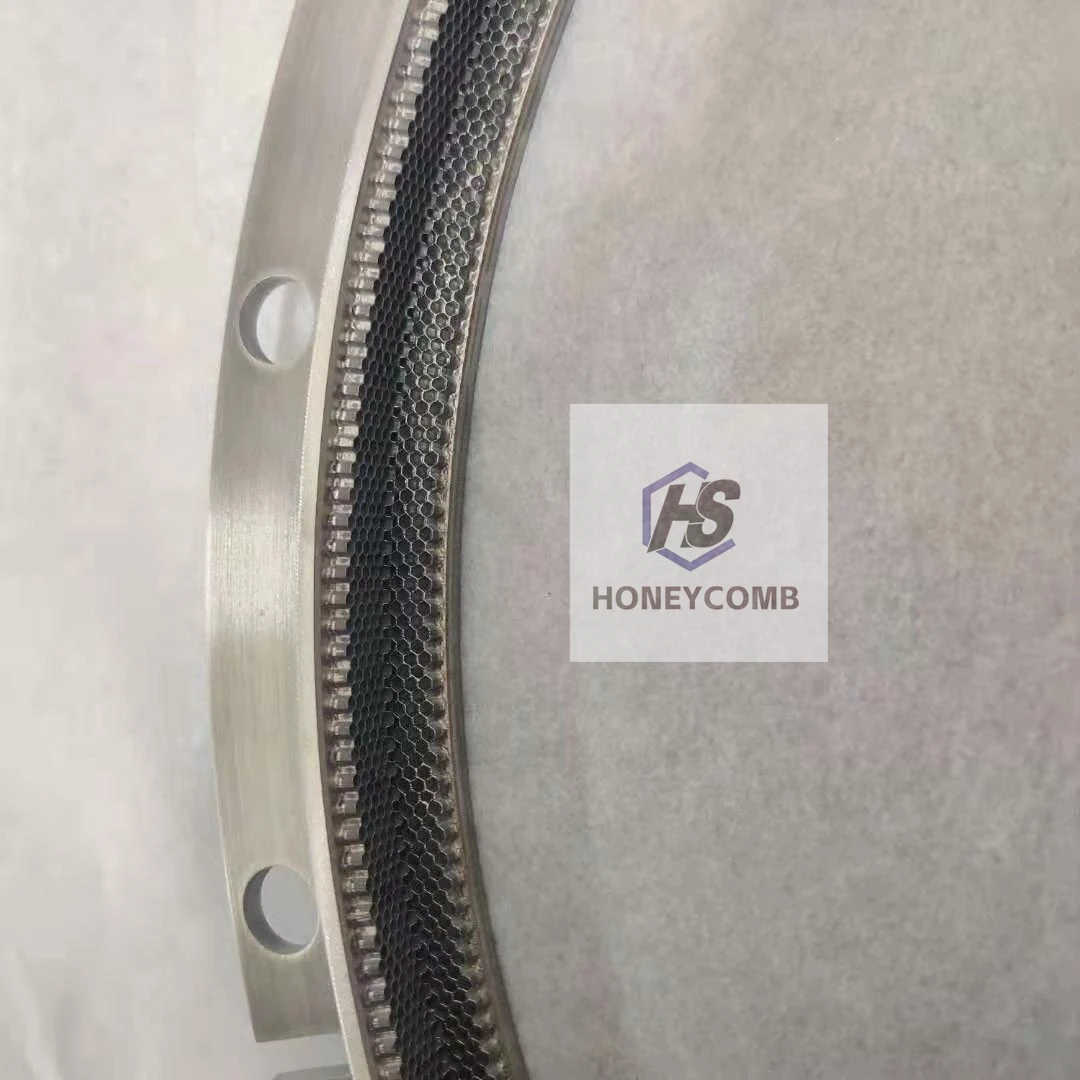
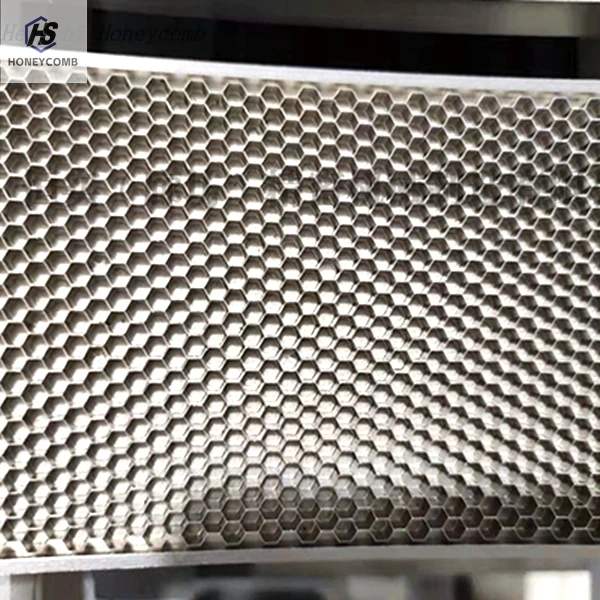
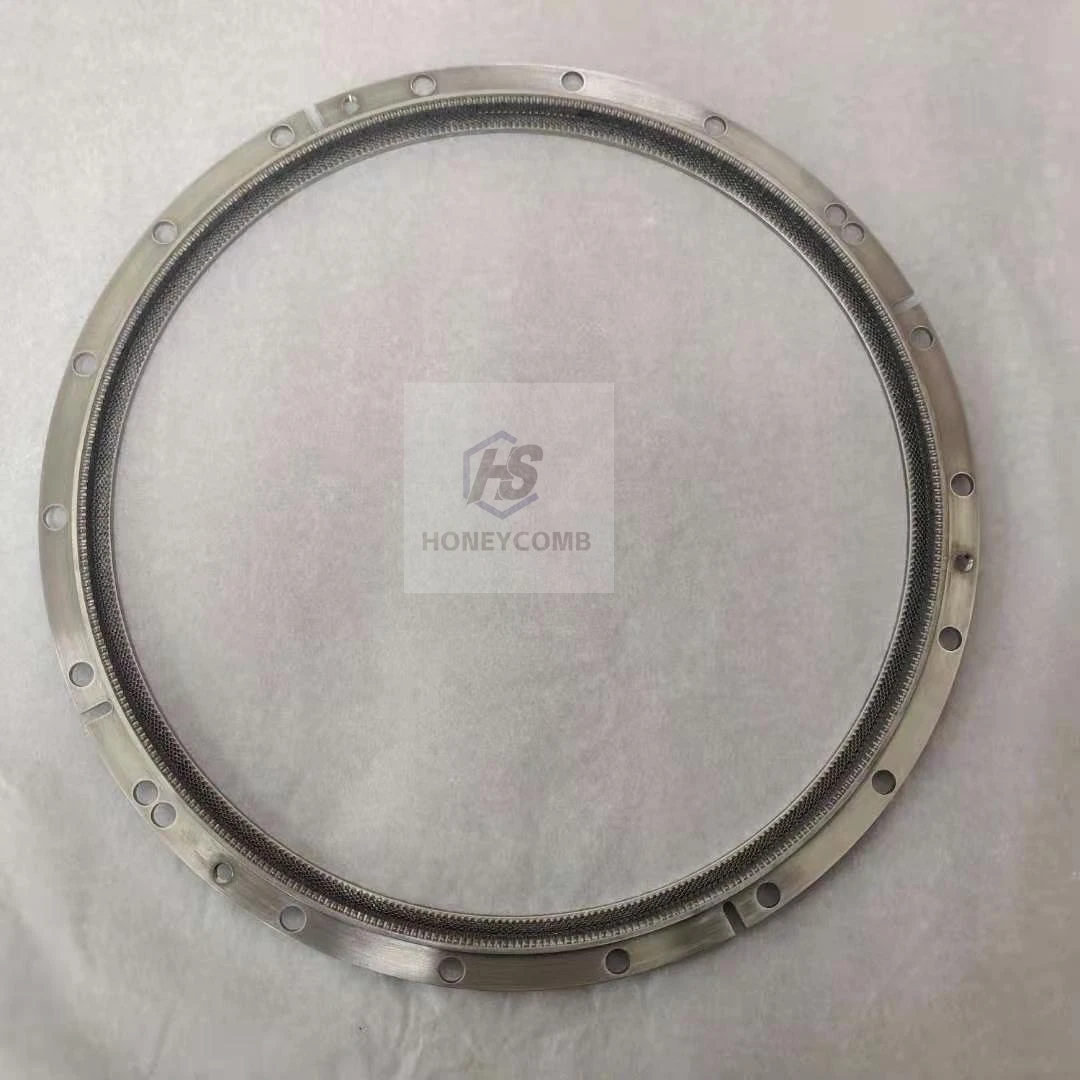
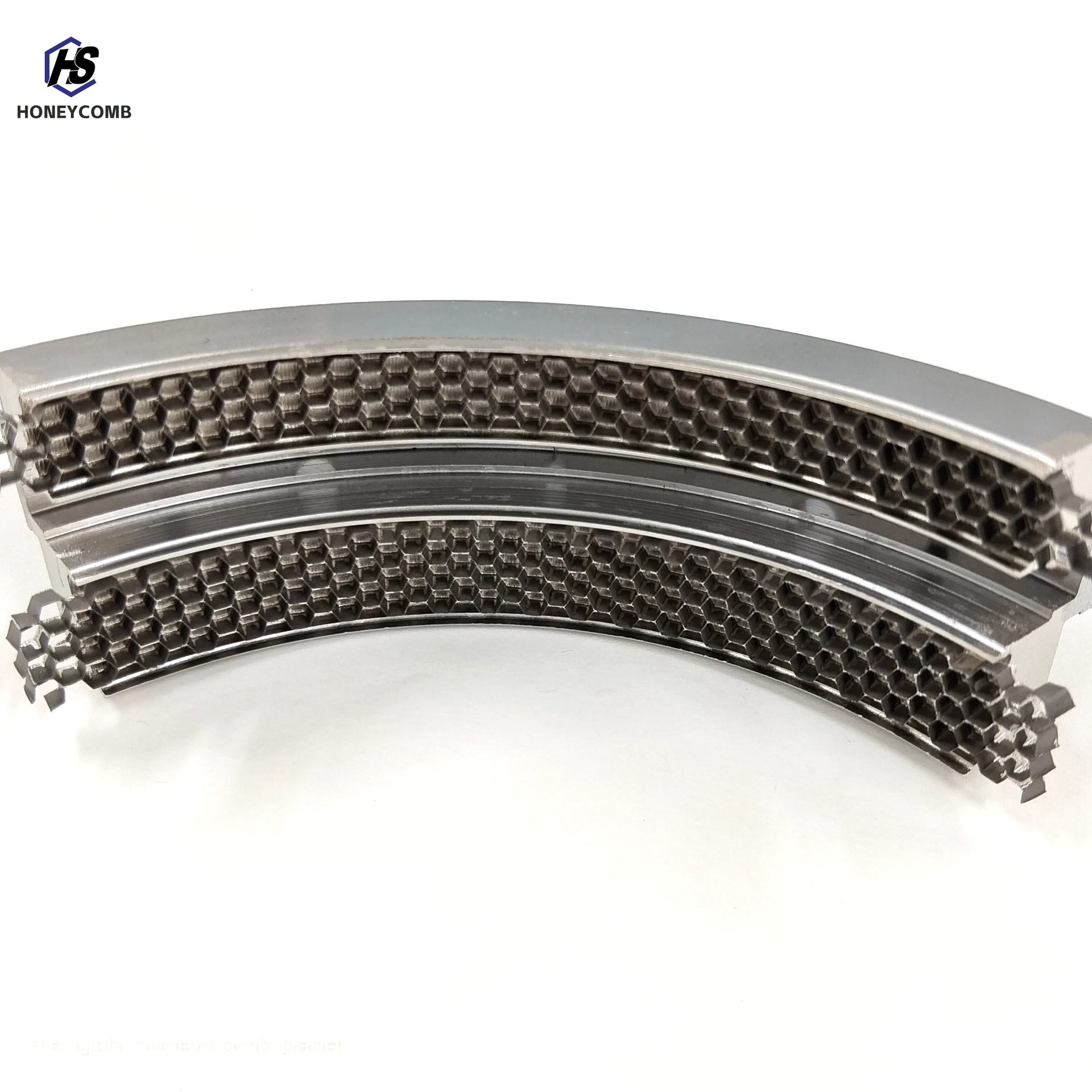
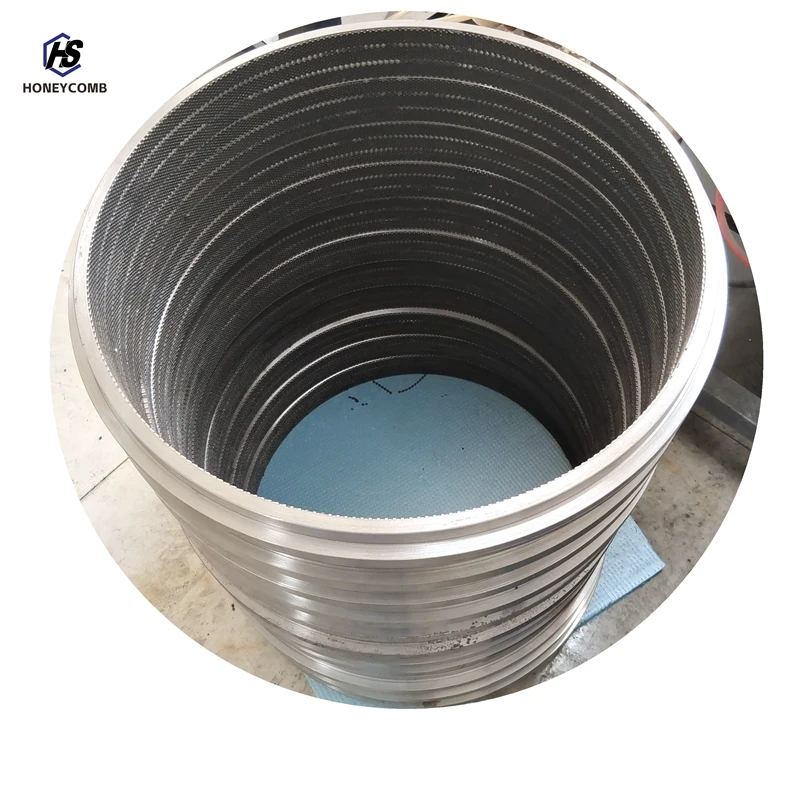
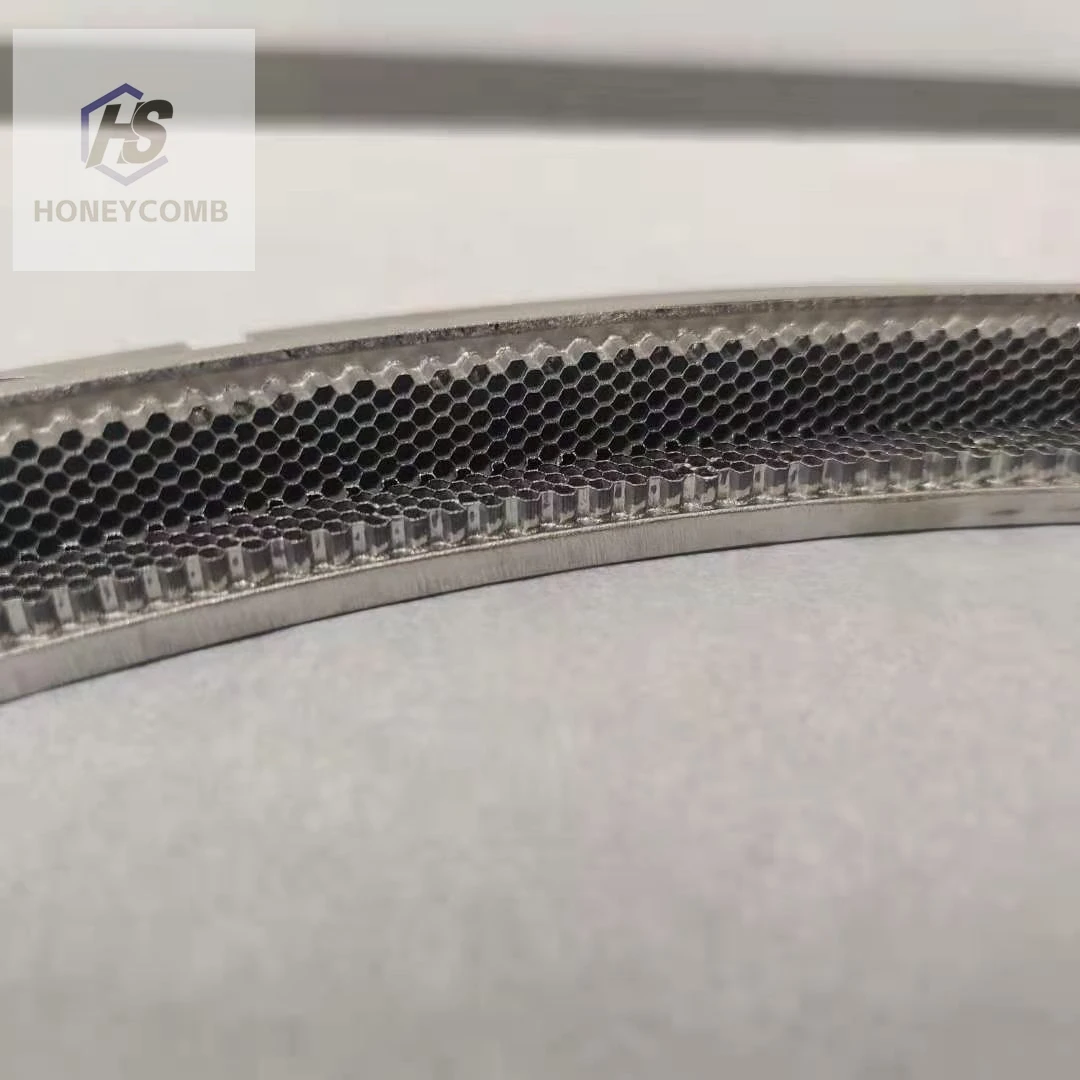
So what exactly is this device? At its core, the honingraat stromingsrichter is a structured honeycomb block made from materials like aluminum, stainless steel, or composites. It acts as a flow straightener, taming the turbulence inside piping or ducts and creating a more laminar, uniform flow downstream. Frankly, anyone involved in fluid mechanics, HVAC, or even gas turbine engineering knows the value of controlling flow irregularities.
From my experience, the most impressive aspect is the precision with which these honeycomb structures are manufactured. The cells usually have a hexagonal cross-section—hence "honingraat," Dutch for honeycomb—that optimize surface area while minimizing pressure drop. They are designed taking into account the dimensionless Reynolds number for given flow rates to ensure the right balance between flow straightening and energy efficiency.
Talking about materials, stainless steel versions tend to dominate for industrial applications, given their strength and corrosion resistance. However, aluminum honeycombs are lightweight and ideal where weight savings matter. There are also more exotic composite variants available for corrosive or high-temperature environments. Given that these components are often subject to rigorous testing for durability and performance stability, vendors usually supply detailed test reports covering flow resistance, vibration resistance, and temperature tolerance.
Just last year, I worked with a refinery client who switched from a generic wire mesh flow straightener to a customized honingraat stromingsrichter. The difference was dramatic—not just in the reduction of pressure drop but in how stable the downstream flow was. The engineers noted improved efficiency of their gas-fired burners due to decreased swirl and turbulence, which frankly surprised some of the design veterans on the team.
| Parameter | Typical Value | Notes |
|---|---|---|
| Cell Diameter | 3 - 10 mm | Depends on flow velocity |
| Material | Stainless Steel, Aluminum, Composite | Selected per environment |
| Length | 50 - 300 mm | Customizable |
| Operating Temperature | -40°C to 600°C | Material-dependent |
| Pressure Drop | 0.5 - 3 kPa | Varies by flow rate & design |
But, as with all gear, not all honingraat stromingsrichters are created equal. Choosing a reputable vendor is pretty important because the manufacturing precision and material quality directly impact performance. Some manufacturers offer standard catalog products, while others—more specialized companies—deliver customized solutions, which include tailored cell size, material choice, and dimensions to suit specific system demands. I've seen that going the custom route generally pays off, especially in high-stakes installations.
| Vendor | Material Options | Custom Sizes | Product Certification | Typical Lead Time |
|---|---|---|---|---|
| HS Hi Honeycomb | Stainless steel, aluminum, composites | Yes | ISO 9001, RoHS | 4-6 weeks |
| FlowTech Solutions | Mostly stainless steel | Limited | ISO 9001 | 6-8 weeks |
| AirFlow Dynamics | Aluminum and composites | Yes, but price premium | RoHS | 5-7 weeks |
One thing engineers often don’t account for is how installation orientation and block length influence performance. A shorter honeycomb may save space, but the flow straightening effect isn’t as robust. Conversely, longer lengths increase pressure drop but provide superior flow uniformity. A balancing act, to be sure – something I’ve had to discuss countless times on-site.
Also worth noting, the durability of these flow straighteners is impressive. I've seen units last for years in tough chemical plants where corrosion and erosion could quickly degrade lesser designs. For anyone specifying one, I'd recommend getting a sense of the vendor’s quality control processes and if possible, asking for performance data from real-world installations.
In real terms, adopting a high-quality honingraat stromingsrichter isn't just technical prudence — it often translates into longer equipment life, improved process consistency, and operational savings. That combination is hard to beat in heavy industry.
All in all, if you haven't given much thought to the humble honingraat stromingsrichter, now might be a good time. It feels like such a minor piece, yet it quietly shapes the entire flow regime. And from experience, that matters a lot.
References:
- Industrial Fluid Mechanics, David S. Miller, 2016
- HS Hi Honeycomb Product Catalog, 2023
- Personal project experience in refinery equipment (2023)

-
Industrial Airflow Guide for maf воздушная правильная машинаNewsApr.16,2026
-
Best maf струйно правильная машина for Industrial EfficiencyNewsApr.09,2026
-
Сотовая правильная машина A Comprehensive Guide to Honey Packing AutomationNewsApr.07,2026
-
Build Your Own DIY газоправильная Машина A Comprehensive Guide to Gas CorrectionNewsApr.04,2026
-
Understanding Кондиционер отопления Systems for Efficient and Comfortable HeatingNewsMar.31,2026
-
Comprehensive Guide to Cellular Blinds Installation Установка сотовых жалюзиNewsMar.28,2026
-
Mobile Aerodynamic Tunnel Design A Comprehensive Guide to Applications and ImplementationNewsMar.26,2026






 English
  Afrikaans
  Albanian
  Amharic
  Arabic
  Armenian
  Azerbaijani
  Basque
  Belarusian
  Bengali
  Bosnian
  Bulgarian
  Catalan
  Cebuano
  China
China  China (Taiwan)
  Corsican
  Croatian
  Czech
Czech  Danish
  Dutch
Dutch  Esperanto
  Estonian
  Finnish
  French
  Frisian
  Galician
  Georgian
  German
  Greek
Greek  Gujarati
  Haitian Creole
  Hausa
Hausa  Hawaiian
  Hebrew
  Hindi
Hindi  Miao
Miao  Indonesian
  Italian
  Japanese
  Javanese
  Malay
Malay  Persian
  Portuguese
  Punjabi
  Russian
  Spanish
  Swahili
  Telugu
  Vietnamese