


Eficiência e Versatilidade da Estrutura em Favo de Mel de Alumínio
Unlocking the Potential of estrutura em favo de mel de alumínio in Industrial Applications
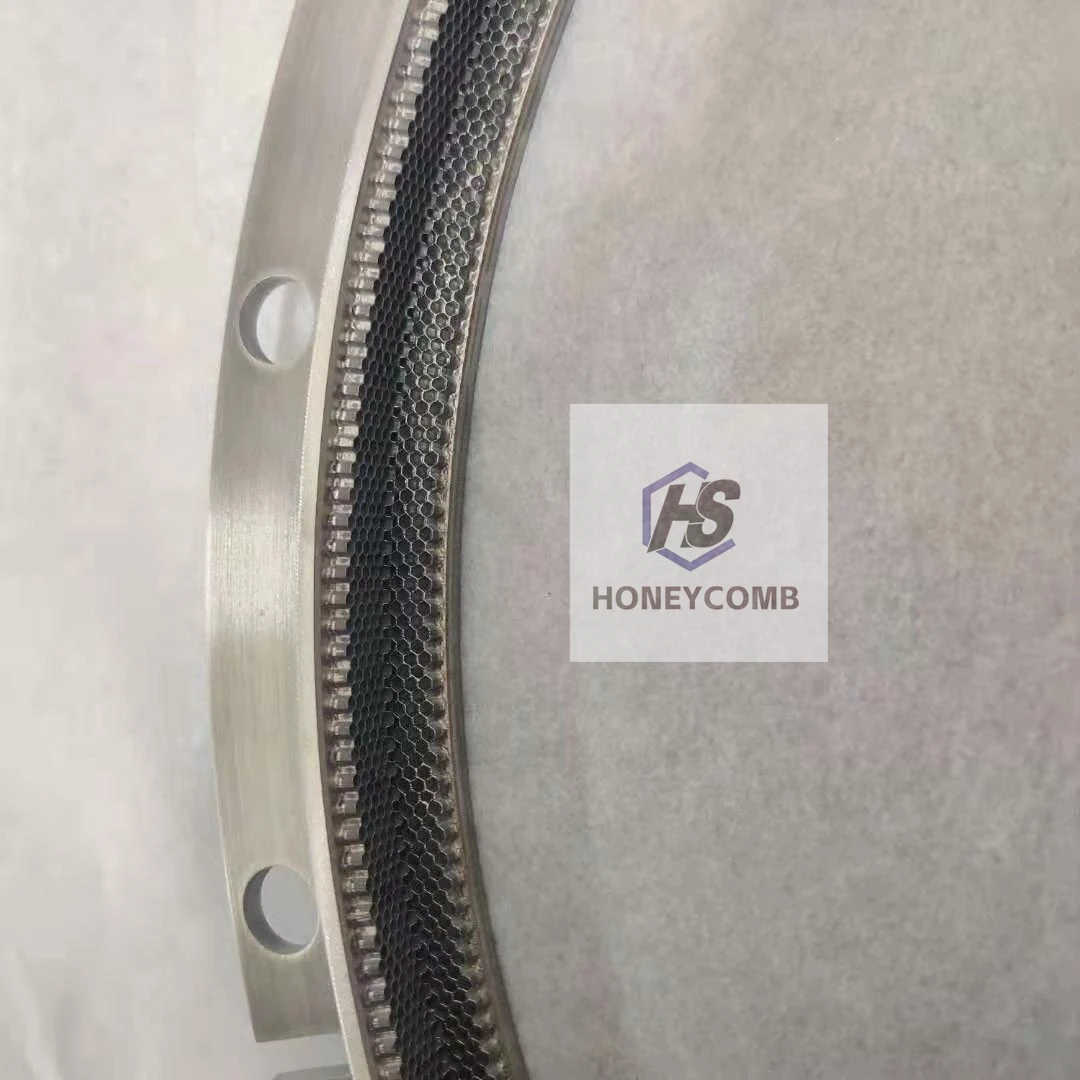
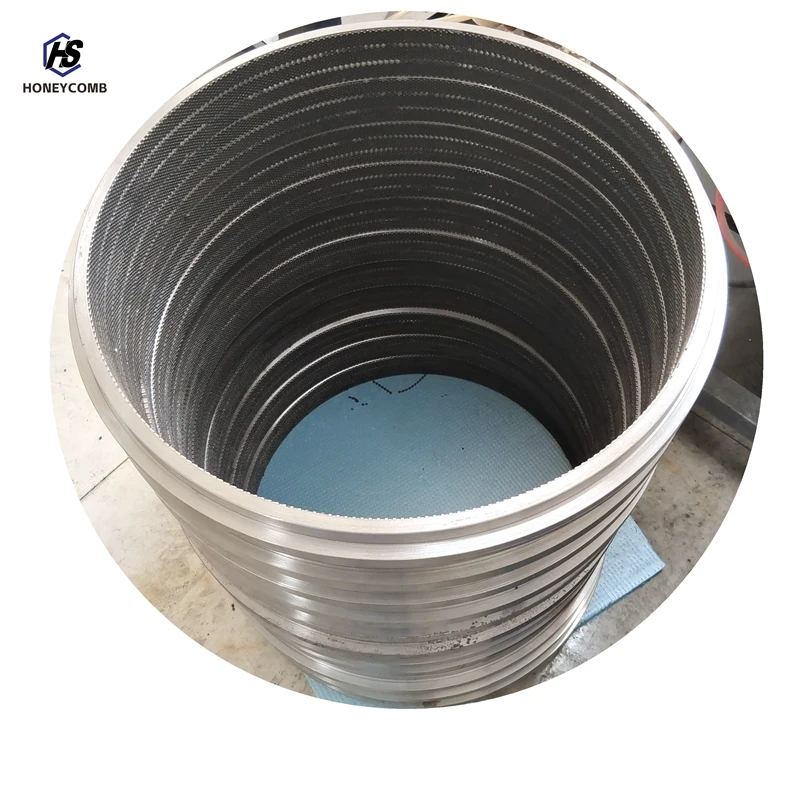
Having spent a good chunk of my career around industrial equipment—often knee-deep in materials and how they perform under pressure—I can tell you that the aluminum honeycomb structure (estrutura em favo de mel de alumínio) is one of those deceptively simple innovations that quietly revolutionized many industries.
You see, the honeycomb form is inspired by nature, which is a classic case of biomimicry done right. It manages to pack an incredible strength-to-weight ratio into a compact design. I recall a project where our team was tasked with redesigning a lightweight machine frame. We switched to aluminum honeycomb panels, and honestly, the difference was night and day—significant weight savings without compromising structural integrity. And yes, the client noticed the improved fuel efficiency, too.
Oddly enough, many engineers still overlook just how versatile these honeycomb structures are. They’re not only lightweight and strong but also offer excellent energy absorption. That's precisely why you’ll find estrutura em favo de mel de alumínio used extensively in aerospace, automotive, and industrial machinery. Frankly, it feels like a Swiss Army knife for engineers looking for tough yet light components.
Material and Design Nuances
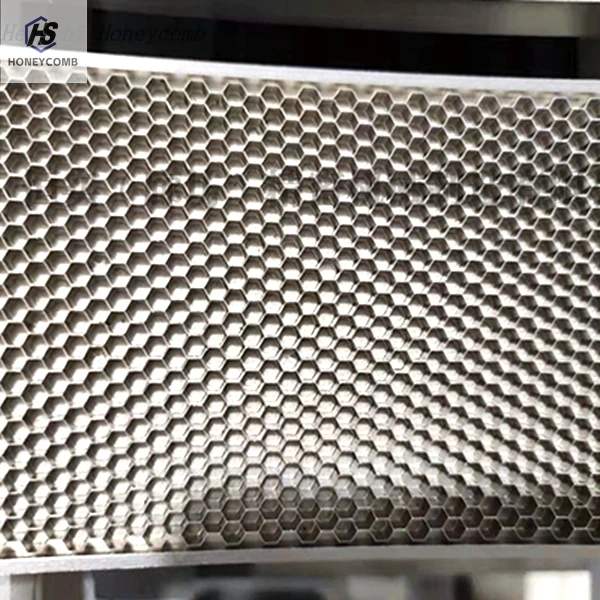
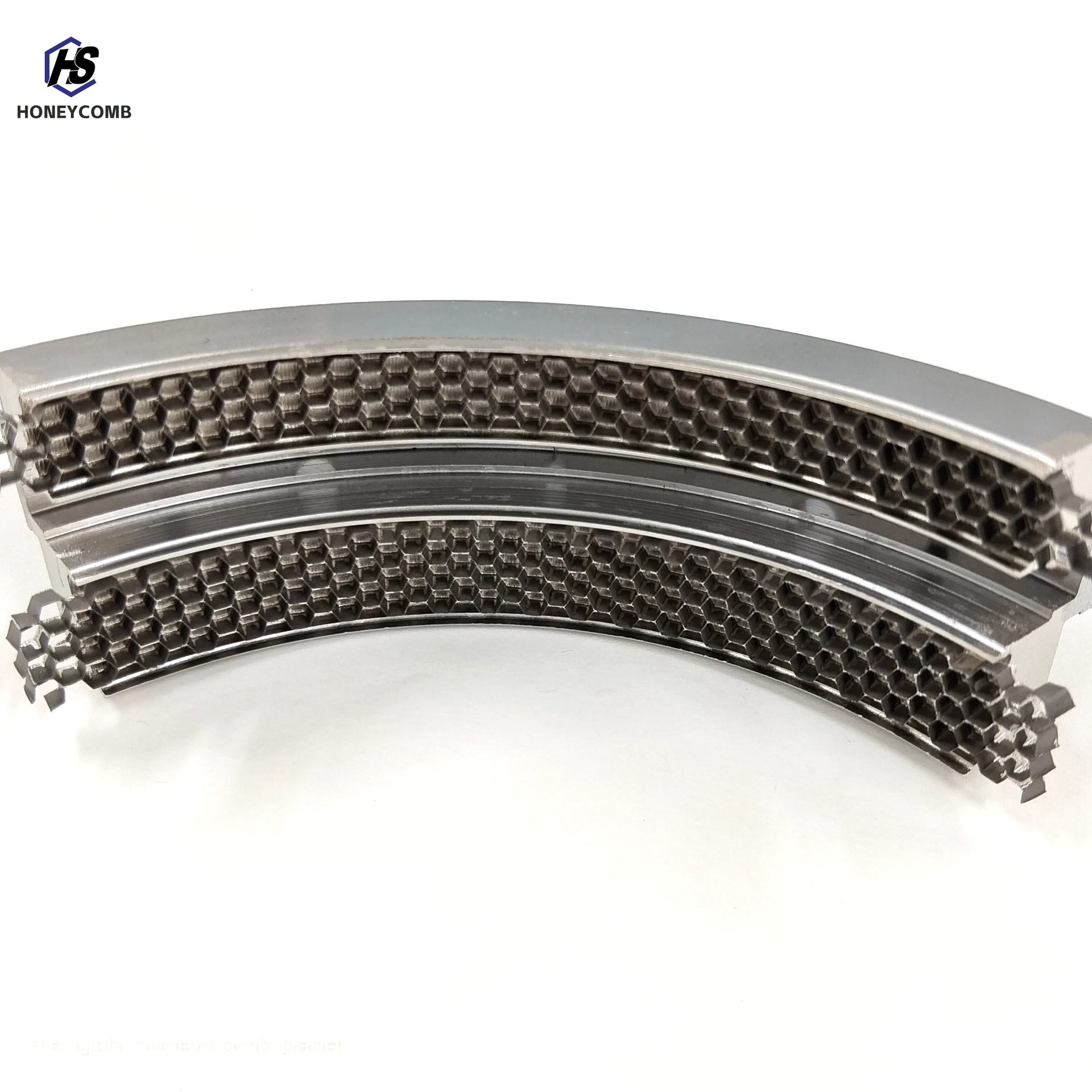
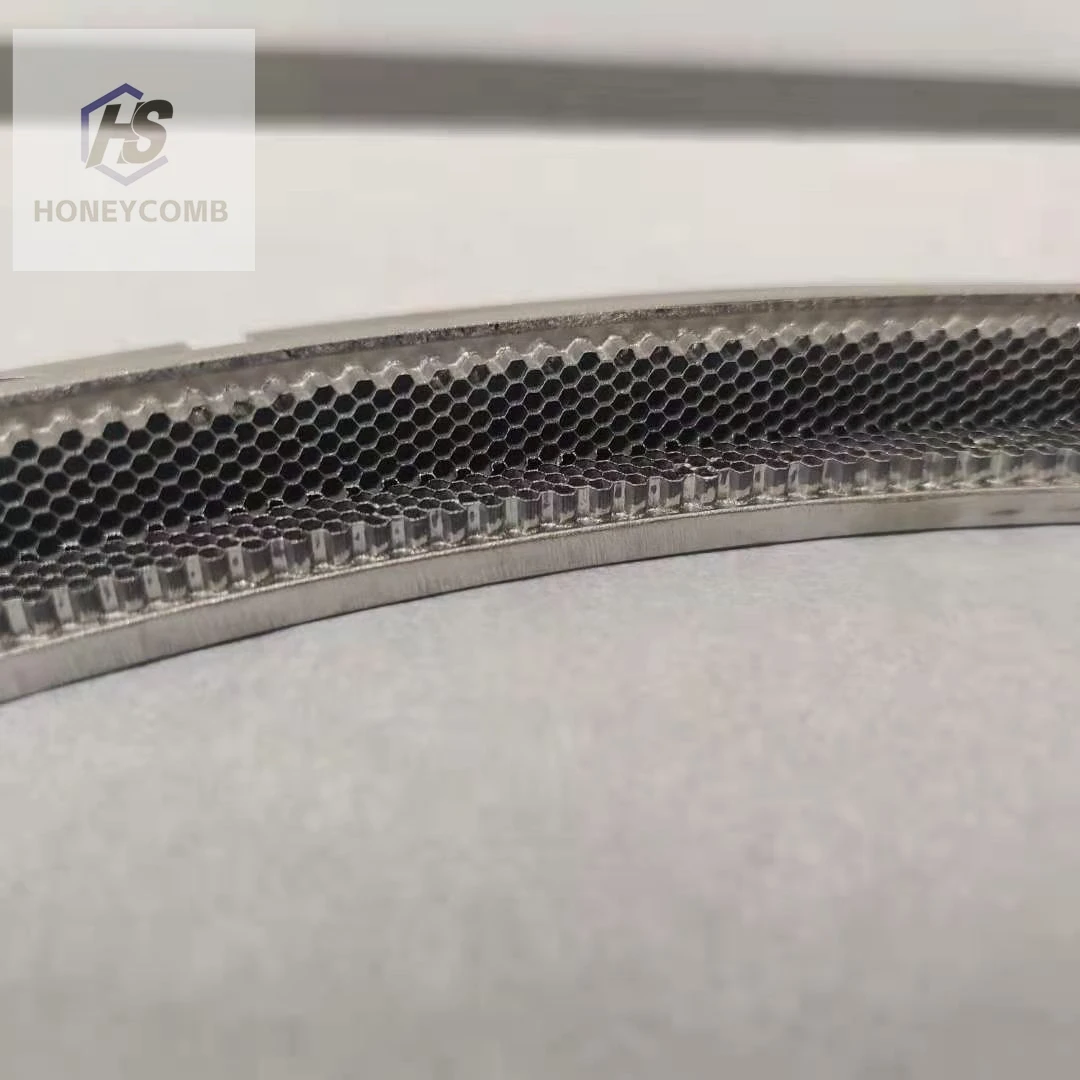
The base material is usually high-grade aluminum alloys—think 5052 or 3003 series—known for corrosion resistance and good mechanical strength. The honeycomb cells themselves are often hexagonal, mimicking the natural beehive pattern, which is why it’s called “favo de mel” in Portuguese.
One subtlety I’ve noticed over the years is how the cell size and core thickness influence performance. Smaller cells yield higher stiffness but can add cost. Conversely, larger cells can reduce weight—good for non-load bearing panels. You can get this stuff with different face sheet options, like aluminum foil or prepreg composites, depending on your application.
Testing? Absolutely rigorous. Drop tests, compression, shear strength tests—the honeycomb composites often outperform conventional flat panels several times over. I remember one testing session where a small panel resisted crushing loads that would typically snap traditional steel sheets.
Common Industrial Uses and Customization
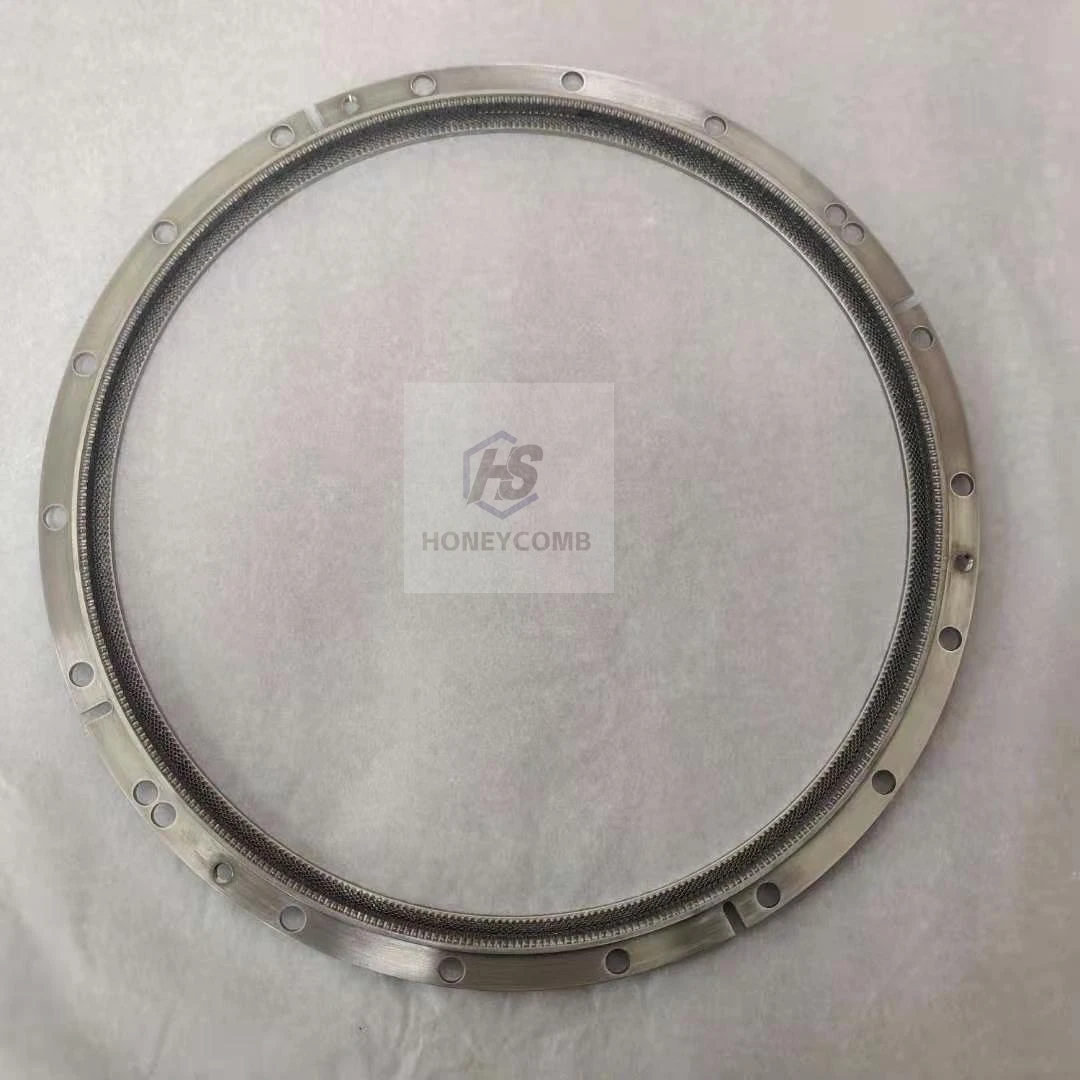
In real terms, you’re looking at applications ranging from aircraft bulkheads to elevator panels, even cleanroom walls. Many companies prefer customizing the cell density and sheet thicknesses to suit their specific needs, which HSHI Honeycomb (the link above is honestly a great resource) handles with admirable flexibility.
I spoke recently to a plant manager in Brazil who mentioned how shifting to aluminum honeycomb pallets improved his material handling efficiency—lighter pallets meant less energy spent on moving goods around, but still tough enough for heavy loads. Those are tangible benefits beyond just specs and charts.
Product Specification Table
| Specification | Details |
|---|---|
| Material | Aluminum Alloy 5052 / 3003 |
| Cell Size | 3 mm – 25 mm |
| Core Thickness | 4 mm – 100 mm |
| Face Sheets | Aluminum foil, prepreg laminate, stainless steel |
| Density | 40 – 120 kg/m³ |
| Thermal Conductivity | ~150 W/m·K |
Vendor Comparison
| Vendor | Customization | Delivery Time | Pricing | Quality Certification |
|---|---|---|---|---|
| HSHI Honeycomb | High (cell size, thickness, face sheets) | 2-4 weeks | Competitive | ISO 9001, MIL-I-24768 |
| Alcoa | Medium | 3-6 weeks | Premium | ISO 9001, AS9100 |
| Mitsubishi Chemical | High | 4-5 weeks | High | ISO 9001 |
Overall, if you’re working on a project that demands lightweight, durable, and customizable paneling or cores, the estrutura em favo de mel de alumínio really deserves your attention. You get a solid balance of performance, production flexibility, and cost-effectiveness.
That’s just my takeaway after many years in the field. Fancy marketing aside, it genuinely feels like one of the smarter materials out there—and that’s powerful when your project’s success depends on every gram and every Newton. If you think about it, nature’s ingenuity here is something we basically borrow—and that kind of collaboration never gets old.
References:
- ASM Handbook, Volume 21: Composites, ASM International
- HSHI Honeycomb Product Brochure, 2023
- “Mechanical Properties of Aluminum Honeycomb Structures,” Journal of Materials Engineering, 2022

-
Industrial Airflow Guide for maf воздушная правильная машинаNewsApr.16,2026
-
Best maf струйно правильная машина for Industrial EfficiencyNewsApr.09,2026
-
Сотовая правильная машина A Comprehensive Guide to Honey Packing AutomationNewsApr.07,2026
-
Build Your Own DIY газоправильная Машина A Comprehensive Guide to Gas CorrectionNewsApr.04,2026
-
Understanding Кондиционер отопления Systems for Efficient and Comfortable HeatingNewsMar.31,2026
-
Comprehensive Guide to Cellular Blinds Installation Установка сотовых жалюзиNewsMar.28,2026
-
Mobile Aerodynamic Tunnel Design A Comprehensive Guide to Applications and ImplementationNewsMar.26,2026






 English
  Afrikaans
  Albanian
  Amharic
  Arabic
  Armenian
  Azerbaijani
  Basque
  Belarusian
  Bengali
  Bosnian
  Bulgarian
  Catalan
  Cebuano
  China
China  China (Taiwan)
  Corsican
  Croatian
  Czech
Czech  Danish
  Dutch
Dutch  Esperanto
  Estonian
  Finnish
  French
  Frisian
  Galician
  Georgian
  German
  Greek
Greek  Gujarati
  Haitian Creole
  Hausa
Hausa  Hawaiian
  Hebrew
  Hindi
Hindi  Miao
Miao  Indonesian
  Italian
  Japanese
  Javanese
  Malay
Malay  Persian
  Portuguese
  Punjabi
  Russian
  Spanish
  Swahili
  Telugu
  Vietnamese