


Emi Honeycomb Vents: The Perfect Combination of Electromagnetic Protection and Efficient Ventilation
With the increasing popularity of electronic devices, electromagnetic interference has become a key factor affecting device performance and stability. At the same time, the heat generated by the operation of the equipment also urgently needs to be efficiently discharged to ensure its normal operation. EMI Honeycomb Vents, as an innovative product, accurately solves these two major problems and achieves a perfect integration of electromagnetic protection and efficient ventilation.
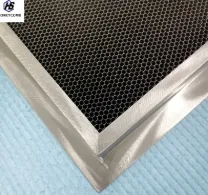
The unique structure of EMI Honeycomb Vents is the cornerstone of its outstanding performance
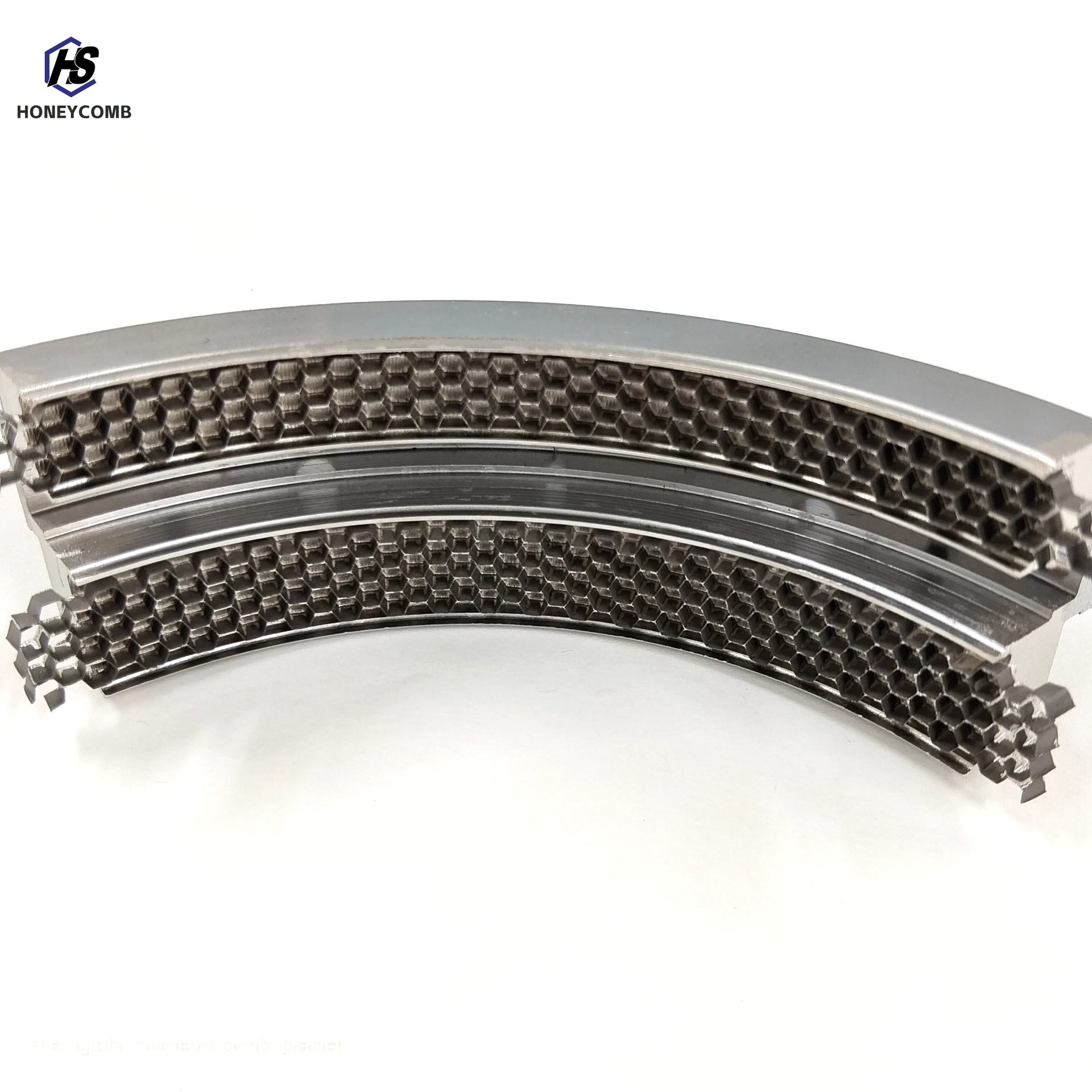
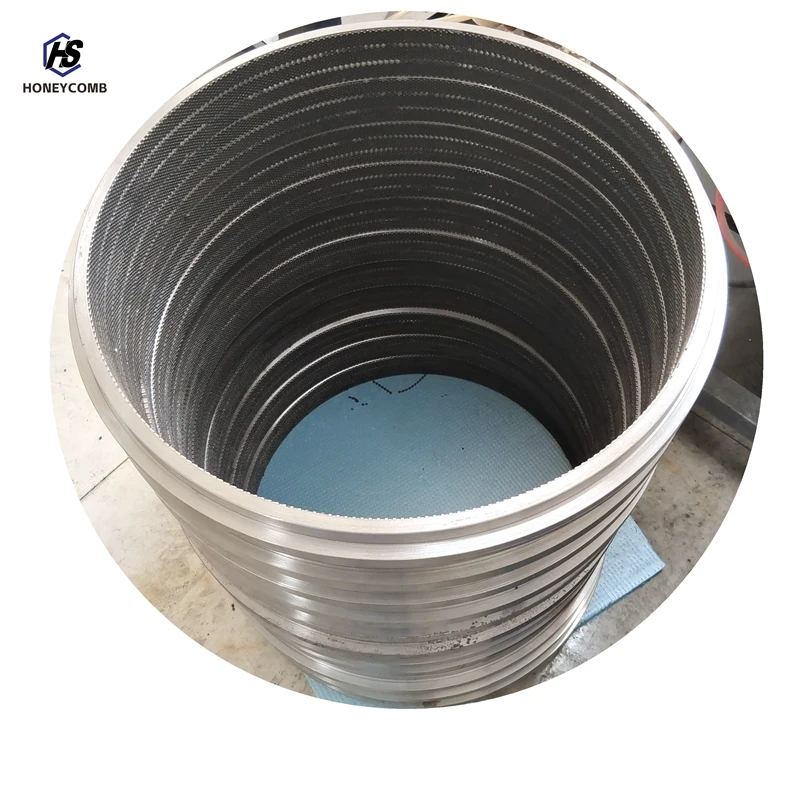
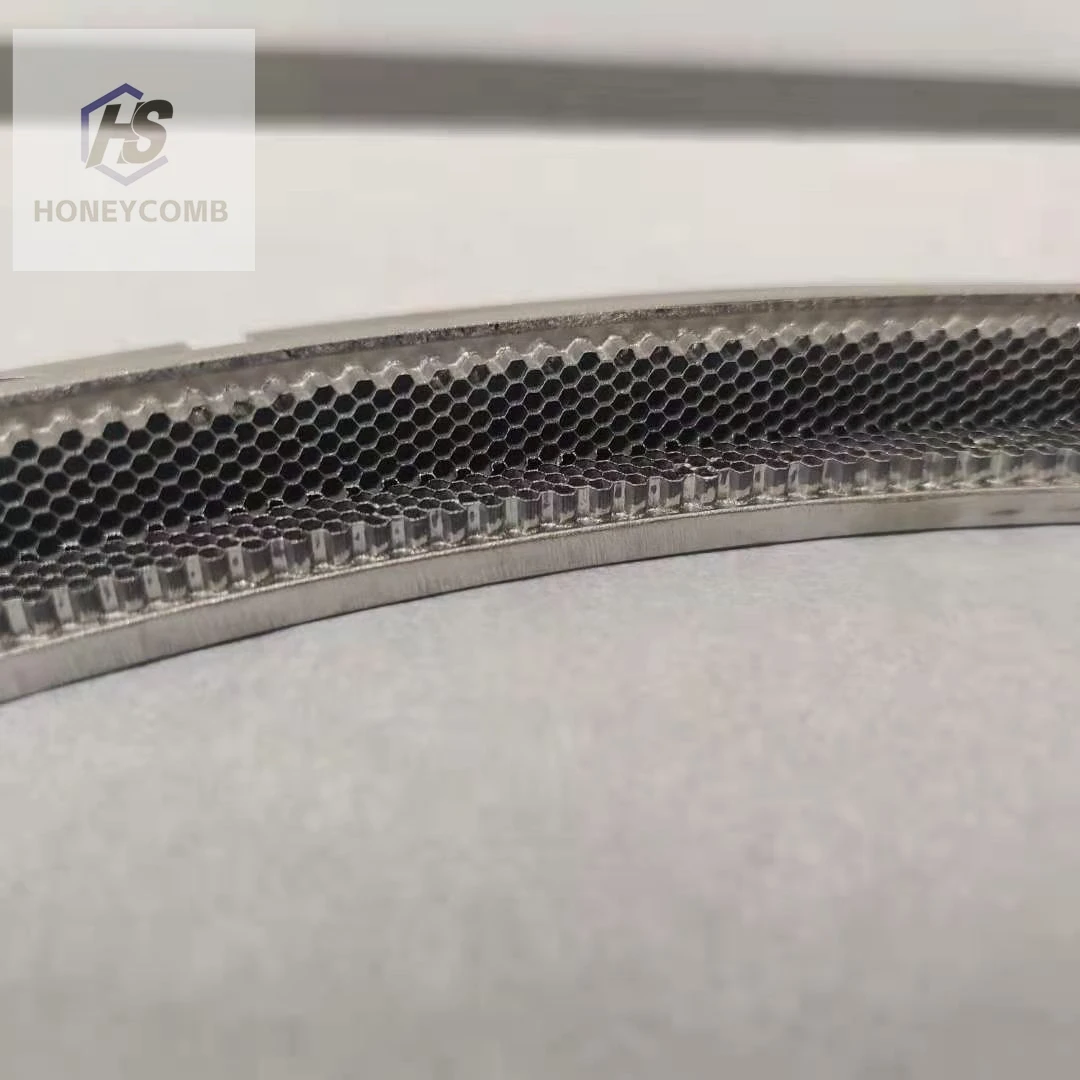
EMI Honeycomb Vents are composed of numerous hexagonal honeycomb units arranged in a regular pattern, typically made of metallic materials such as aluminum, steel, or copper. The wall of the honeycomb unit forms a natural waveguide structure. According to the principle of electromagnetic shielding, when electromagnetic waves enter the interior of the honeycomb, they will continuously reflect and attenuate in the waveguide, thus being effectively shielded. At the same time, the open design of the honeycomb structure ensures sufficient ventilation space, allowing air to pass smoothly and achieving efficient heat dissipation. The units are tightly connected to form a stable whole, which has a certain mechanical strength while ensuring shielding and ventilation functions.
On the performance level, EMI Honeycomb Vents perform exceptionally well
In terms of electromagnetic shielding, EMI Honeycomb Vents can provide shielding effectiveness of up to 100dB or even higher (depending on the product and frequency band), effectively blocking electromagnetic interference in a wide frequency range from 100kHz to 18GHz, creating a pure electromagnetic environment for electronic devices. The ventilation and heat dissipation performance is also excellent, with a high porosity and low air flow resistance, which can quickly remove the heat generated by the equipment, maintain the suitable working temperature of the equipment, and prevent performance degradation and failure caused by overheating. In addition, the ventilation opening also has good durability. The metal material combined with special processing technology enables it to adapt to complex environments such as high temperature, humidity, and corrosion, and operate stably for a long time.
EMI Honeycomb Vents have a wide range of applications in various scenarios
In communication base stations, a large number of electronic devices operate densely, requiring strict requirements for electromagnetic environment and heat dissipation. Cellular ventilation openings can be installed in equipment cabinets, machine room walls, and other locations to prevent electromagnetic interference between internal devices in the base station, while efficiently dissipating heat and ensuring stable transmission of communication signals. In the field of medical equipment, such as magnetic resonance imaging (MRI) devices, CT scanners, etc., high electromagnetic shielding requirements are required, and equipment operation generates a large amount of heat. EMI Honeycomb Vents can achieve good ventilation and heat dissipation while ensuring precise electromagnetic protection, ensuring the accuracy of medical diagnosis and the reliability of equipment. In the aerospace field, the internal electronic systems of aircraft are complex, space is limited, and sensitive to equipment weight. The lightweight design and efficient performance of honeycomb vents make them an ideal choice for ventilation and electromagnetic protection in aircraft electronic equipment cabins.
With the continuous advancement of technology, EMI Honeycomb Vents is also continuously innovating and developing
On the one hand, the manufacturing process is continuously optimized by improving welding, stamping and other technologies to enhance the connection accuracy and strength between honeycomb units, further improving shielding and ventilation performance. On the other hand, new breakthroughs have been made in material research and development, and the application of new composite materials is expected to achieve lighter weight, higher strength, and better weather resistance while ensuring performance. In addition, intelligent EMI Honeycomb Vents are also under development. By integrating sensors and intelligent control systems, the ventilation volume can be automatically adjusted according to the operating status and environmental changes of the equipment, achieving more accurate electromagnetic shielding and heat dissipation management.
In summary, EMI Honeycomb Vents occupy an important position in the field of electronic device protection and heat dissipation due to their unique structural design, excellent electromagnetic shielding and ventilation performance, wide application areas, and continuous technological innovation. It not only provides strong support for the stable operation of various electronic devices, but also promotes the development of related industries towards higher performance and intelligence. I believe that in the future, with the deepening development of technology, EMI Honeycomb Vents will continue to upgrade and improve, play a key role in more fields, and contribute to the continuous progress of the electronic information age.
EMI Honeycomb Vents FAQs
What is the main function of EMI Honeycomb Vents?
EMI Honeycomb Vents are mainly used to balance the ventilation requirements and electromagnetic shielding performance inside equipment. Its specially designed honeycomb structure can effectively block high-frequency electromagnetic interference (EMI) while ensuring air circulation and avoiding equipment overheating. This design is particularly important in the fields of electronic equipment, communication cabinets, and aerospace, as it meets the requirements of heat dissipation and prevents electromagnetic leakage or external interference from affecting equipment operation.
Why does EMI Honeycomb Vents adopt a hexagonal structure?
The hexagonal honeycomb structure has the advantages of high strength and lightweight in material mechanics, while maximizing the ventilation area. From the perspective of electromagnetic shielding, this continuous porous design can form a waveguide effect, limiting high-frequency electromagnetic waves to decay within the pores, while low-frequency magnetic fields are absorbed or reflected through the conductivity of the material, thus meeting the dual requirements of ventilation and shielding.
How to choose the appropriate EMI Honeycomb Vents material?
The selection of materials should comprehensively consider shielding effectiveness, environmental adaptability, and cost. Aluminum alloy has become a common choice due to its lightweight, high conductivity, and corrosion resistance; If higher shielding performance is required, copper plated or nickel plated steel can be selected. In corrosive environments, stainless steel or materials with anodized surfaces can better ensure long-term stability, while composite materials may be used in cost sensitive scenarios.
What are the precautions for installing EMI Honeycomb Vents?
During installation, it is necessary to ensure that the ventilation plate is in close contact with the equipment casing to avoid electromagnetic leakage caused by gaps. Usually, conductive pads or welding are used for fixation, and the joints need to be sealed with conductive adhesive. In addition, the installation position should be designed according to the direction of airflow to avoid blocking other heat dissipation components, and regular checks should be conducted to ensure that there is no looseness due to vibration or aging.
Can EMI Honeycomb Vents achieve both waterproof and dustproof functions?
Three proof requirements can be achieved through special processes. For example, embedding microporous filters or hydrophobic coatings in honeycomb holes can prevent dust and moisture from entering without significantly affecting ventilation efficiency. However, it should be noted that adding a protective layer may slightly reduce shielding effectiveness, so it is necessary to balance various performance indicators based on actual environmental testing.

-
Industrial Airflow Guide for maf воздушная правильная машинаNewsApr.16,2026
-
Best maf струйно правильная машина for Industrial EfficiencyNewsApr.09,2026
-
Сотовая правильная машина A Comprehensive Guide to Honey Packing AutomationNewsApr.07,2026
-
Build Your Own DIY газоправильная Машина A Comprehensive Guide to Gas CorrectionNewsApr.04,2026
-
Understanding Кондиционер отопления Systems for Efficient and Comfortable HeatingNewsMar.31,2026
-
Comprehensive Guide to Cellular Blinds Installation Установка сотовых жалюзиNewsMar.28,2026
-
Mobile Aerodynamic Tunnel Design A Comprehensive Guide to Applications and ImplementationNewsMar.26,2026






 English
  Afrikaans
  Albanian
  Amharic
  Arabic
  Armenian
  Azerbaijani
  Basque
  Belarusian
  Bengali
  Bosnian
  Bulgarian
  Catalan
  Cebuano
  China
China  China (Taiwan)
  Corsican
  Croatian
  Czech
Czech  Danish
  Dutch
Dutch  Esperanto
  Estonian
  Finnish
  French
  Frisian
  Galician
  Georgian
  German
  Greek
Greek  Gujarati
  Haitian Creole
  Hausa
Hausa  Hawaiian
  Hebrew
  Hindi
Hindi  Miao
Miao  Indonesian
  Italian
  Japanese
  Javanese
  Malay
Malay  Persian
  Portuguese
  Punjabi
  Russian
  Spanish
  Swahili
  Telugu
  Vietnamese