


EMI Honingraat Ventilatieopeningen: Essential Industrial Ventilation Solutions
Why EMI Honingraat Ventilatieopeningen Are a Game Changer in Industrial Ventilation
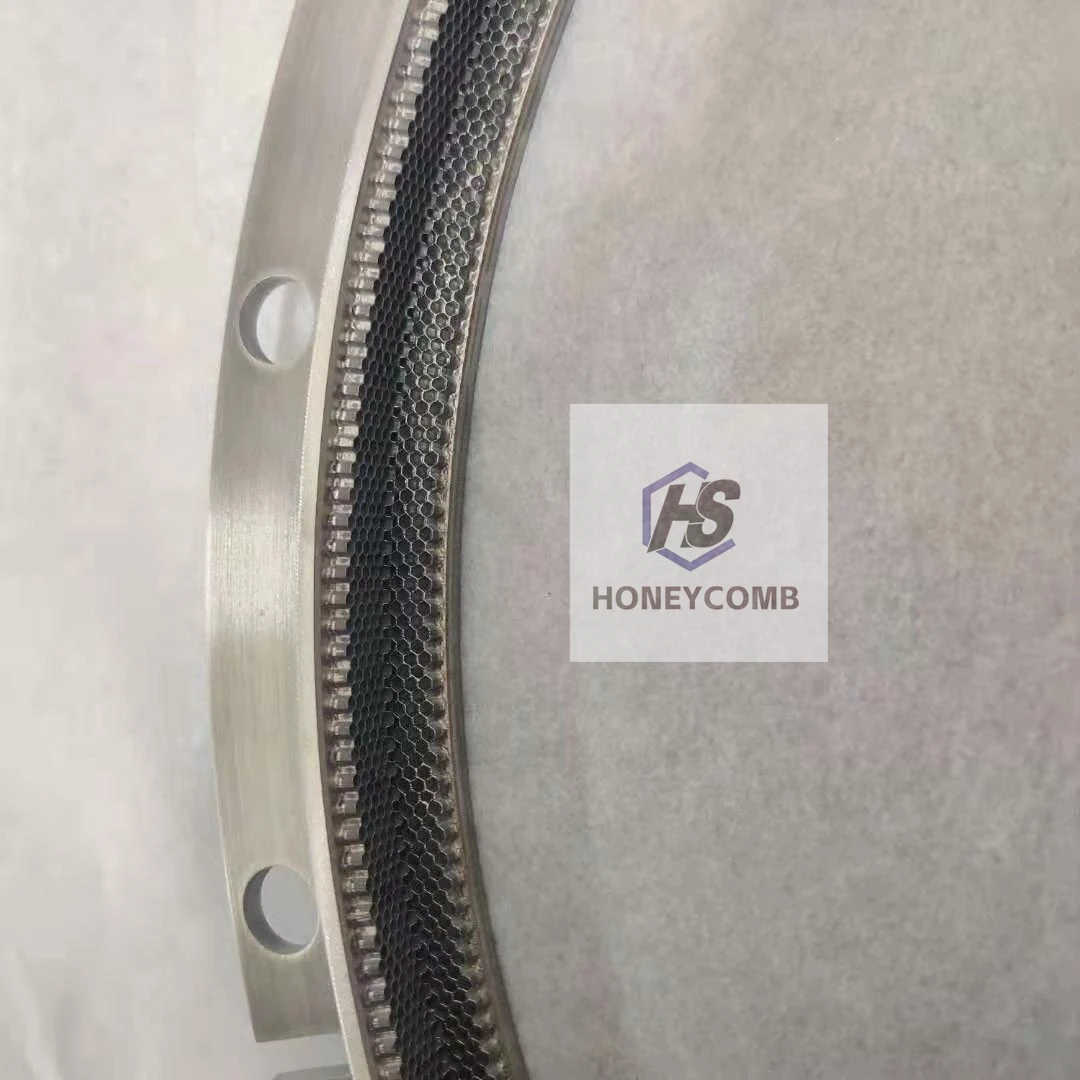
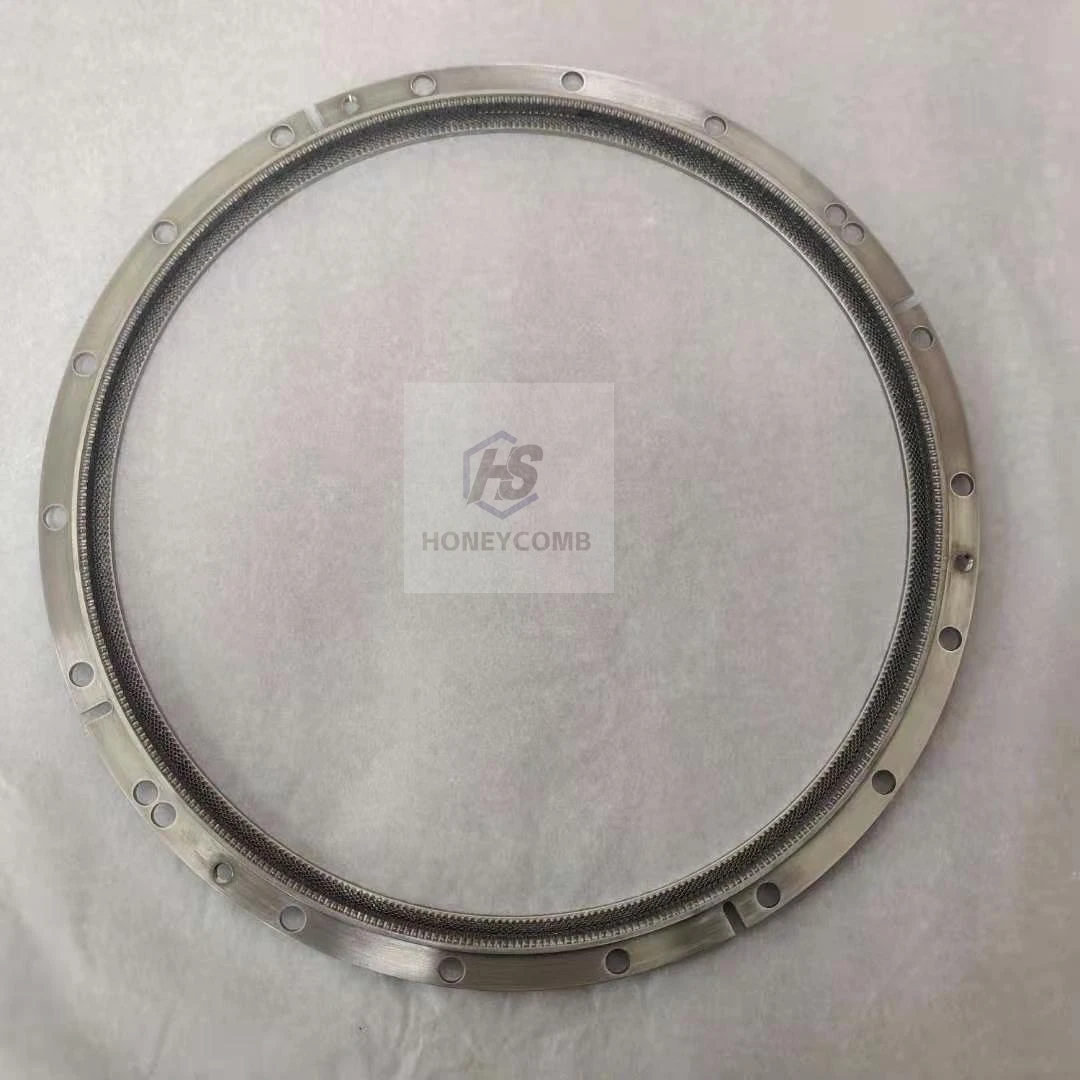
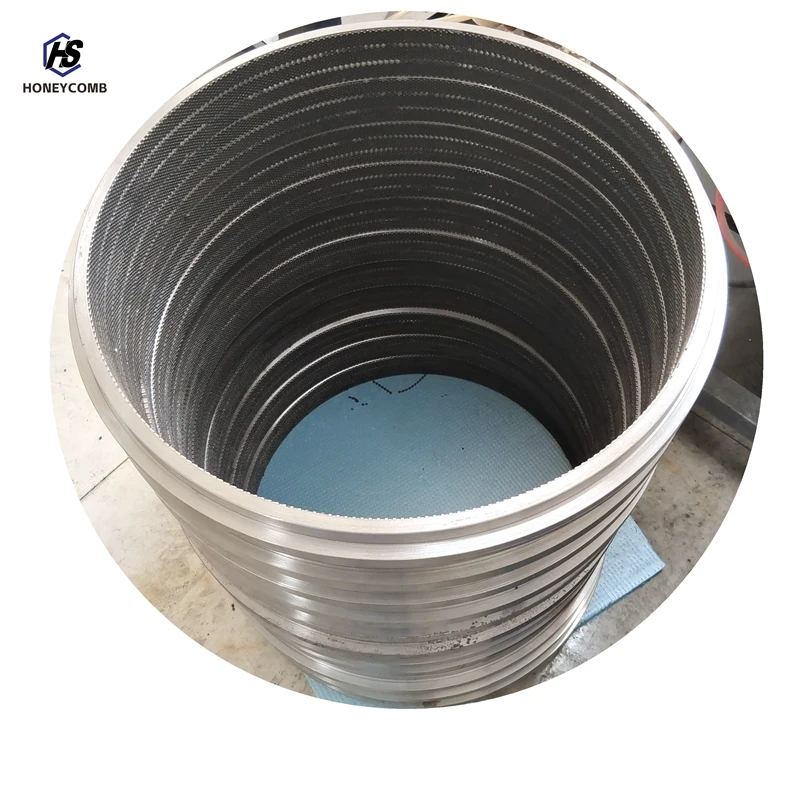
Having spent over a decade working hands-on in the industrial equipment sector, I've seen my fair share of ventilation solutions come and go. But there’s something quietly impressive about EMI honingraat ventilatieopeningen (that’s ‘honeycomb ventilation openings’ in case you were wondering). They might not grab headlines like flashy new motors or automation gizmos, but these ventilatieopeningen — honeycomb vents, essentially — have a way of blending performance with reliability that engineers really appreciate.
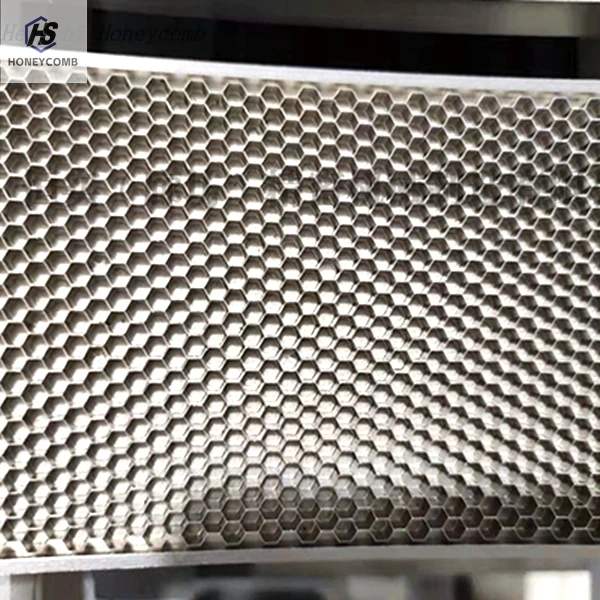
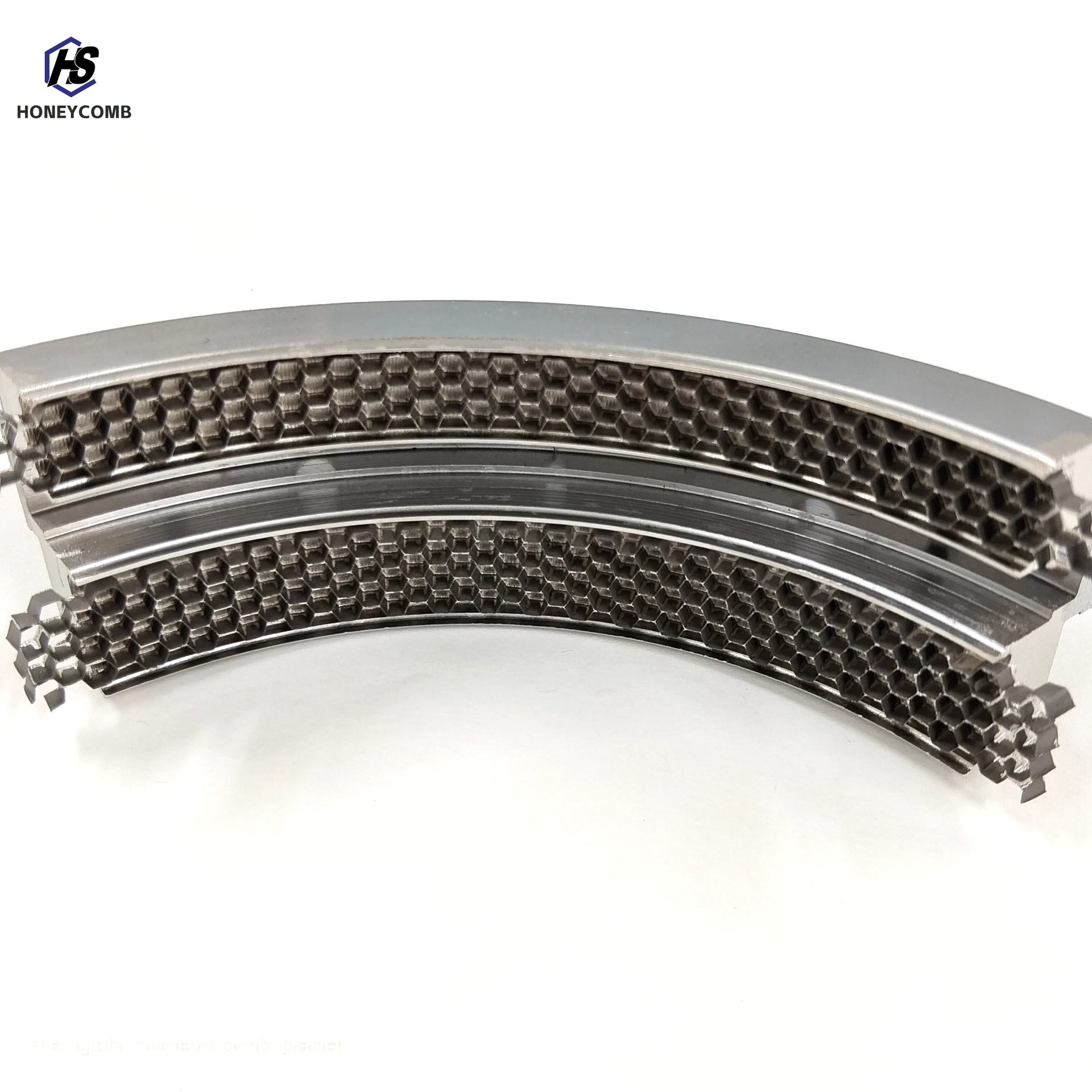
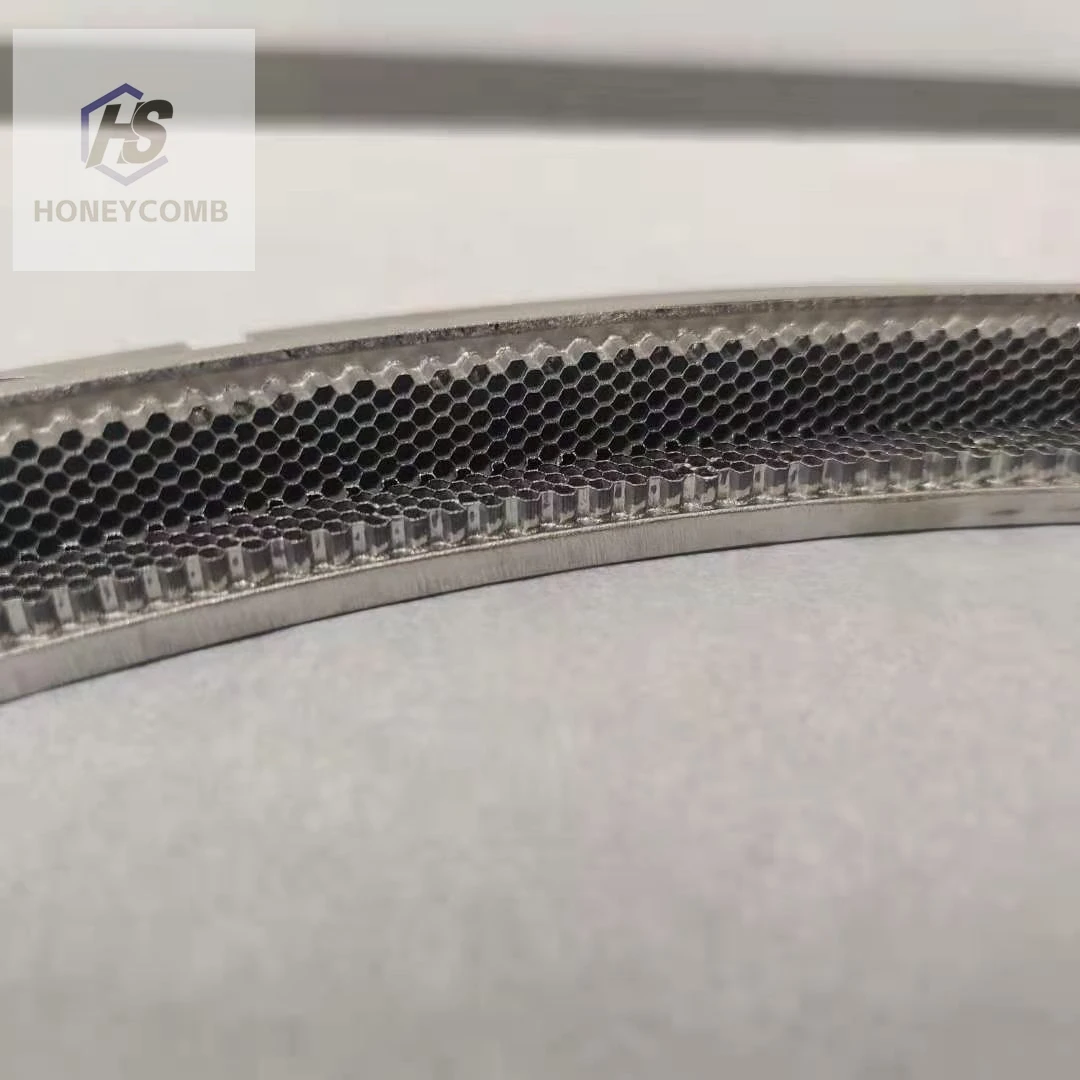
From my experience, EMI honingraat ventilatieopeningen are not just about letting air through. They are about controlling electromagnetic interference while maintaining optimal airflow, which, frankly, is not an easy balance to strike. The honeycomb structure works as a sort of sieve—not just filtering air, but diffusing and blocking EMI noise that can otherwise wreak havoc on sensitive equipment.
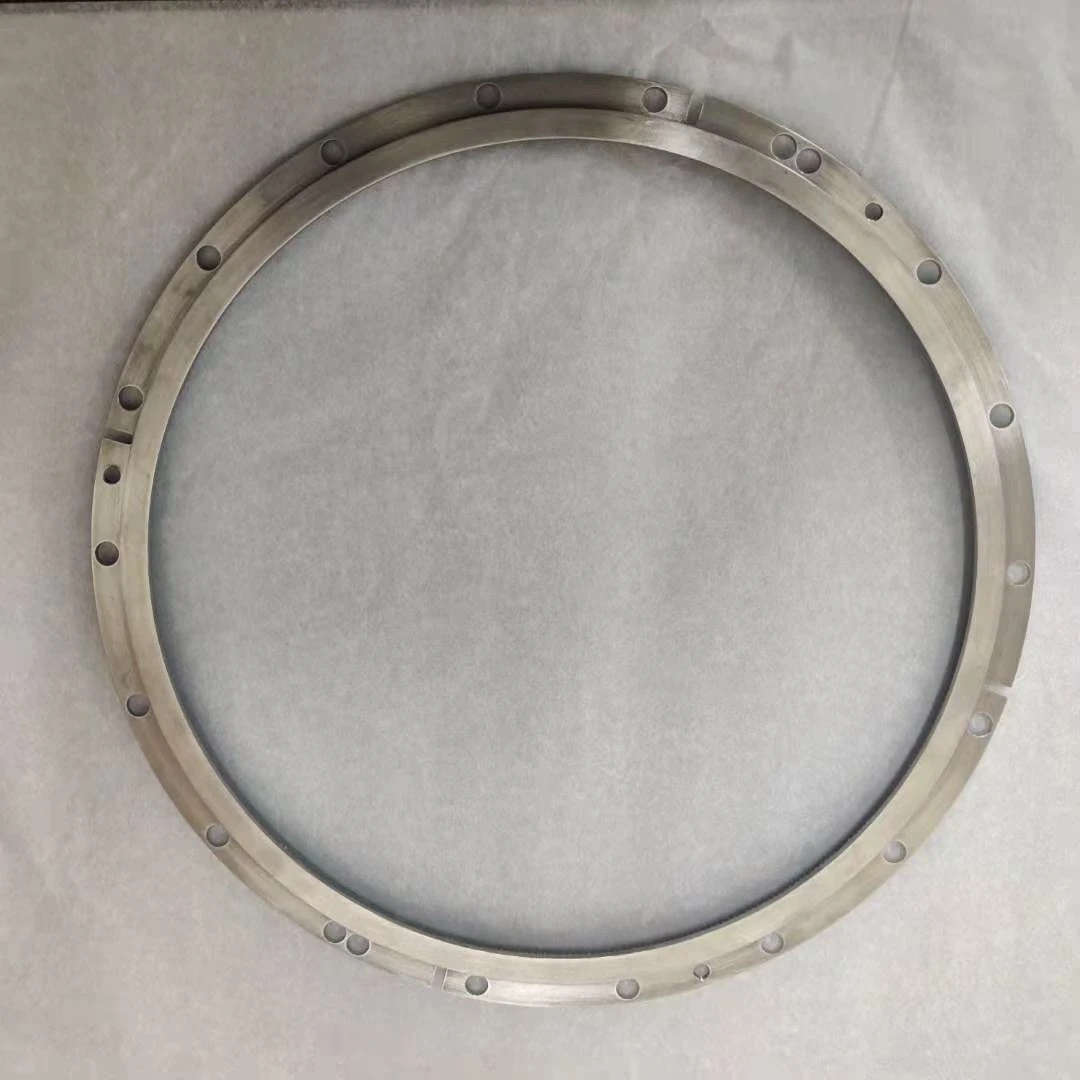
Now, why do industries prefer this? For one, the material. Most of these ventilatieopeningen are constructed from high-grade aluminum or stainless steel, which means corrosion resistance and long-lasting durability. I’ve noticed that when these are installed on ventilation panels or electronic enclosures, there’s a significant reduction in EMI-induced disruptions.
What caught my attention initially was how customizable these honingraat patterns can be. Some clients want tighter cell sizes for better EMI suppression, while others prioritize airflow for cooling. It’s a balancing act. Many engineers I know swear by the fact that you can tweak those cell dimensions, thickness, and plating to fit almost any specification.
Of course, real-world testing is vital. In one project for a telecommunications firm, we installed EMI honingraat ventilatieopeningen on server racks in a notoriously noisy environment. The difference was tangible—the signal clarity improved and maintenance calls dropped noticeably. These vents don’t just look like honeycombs—they perform like one, spreading interference across a wider area, reducing the EMI impact.
Below is a quick spec rundown of typical EMI honingraat ventilatieopeningen to give you an idea of what’s under the hood:
| Feature | Value / Range |
|---|---|
| Cell Size | 3–12 mm (customizable) |
| Material Options | Aluminum, Stainless Steel, Galvanized Steel |
| Thickness | 0.4 – 1.5 mm |
| EMI Shielding Effectiveness | Up to 90 dB attenuation |
| Operating Temperature | -40°C to +125°C |
| Customization | Available (cut-to-size, plating options) |
With so many options out there, it’s natural to wonder how different suppliers stack up. Here’s a quick vendor overview from what I’ve gathered in the field — I like to think it’s a fair take based on real projects and conversations with users:
| Vendor | Product Quality | Customization | Lead Time | Typical Use Cases |
|---|---|---|---|---|
| HSHI Honeycomb | Excellent – tight tolerances | Highly flexible | 2–4 weeks | Telecom, aerospace, industrial enclosures |
| InduVent Systems | Good – robust steel options | Moderate | 3–6 weeks | Heavy industry, automotive |
| AeroVent Co. | Very good – lightweight alloys | Limited | 4–5 weeks | Aviation, military |
I suppose what I’m trying to say is that EMI honingraat ventilatieopeningen might seem like a small detail on paper. But in real terms, they’re a cornerstone of ensuring your sensitive equipment works reliably—and without the constant headache of interference issues.
And if you’ll forgive a quick anecdote: once, during a late site visit, the client’s maintenance engineer pulled me aside and said, “You know, since we installed these honeycomb vents, it’s almost like the machines breathe easier.” Oddly enough, that pretty much sums it up.
In the end, it’s the subtle things that count—and these honingraat ventilatieopeningen fit right into that sweet spot between function and finesse.
References:
1. EMI Shielding Handbook, 2021 Edition
2. Industrial Ventilation Best Practices, TechPress 2022
3. Interview with Chief Engineer, Telecom Solutions Inc., 2023

-
Industrial Airflow Guide for maf воздушная правильная машинаNewsApr.16,2026
-
Best maf струйно правильная машина for Industrial EfficiencyNewsApr.09,2026
-
Сотовая правильная машина A Comprehensive Guide to Honey Packing AutomationNewsApr.07,2026
-
Build Your Own DIY газоправильная Машина A Comprehensive Guide to Gas CorrectionNewsApr.04,2026
-
Understanding Кондиционер отопления Systems for Efficient and Comfortable HeatingNewsMar.31,2026
-
Comprehensive Guide to Cellular Blinds Installation Установка сотовых жалюзиNewsMar.28,2026
-
Mobile Aerodynamic Tunnel Design A Comprehensive Guide to Applications and ImplementationNewsMar.26,2026






 English
  Afrikaans
  Albanian
  Amharic
  Arabic
  Armenian
  Azerbaijani
  Basque
  Belarusian
  Bengali
  Bosnian
  Bulgarian
  Catalan
  Cebuano
  China
China  China (Taiwan)
  Corsican
  Croatian
  Czech
Czech  Danish
  Dutch
Dutch  Esperanto
  Estonian
  Finnish
  French
  Frisian
  Galician
  Georgian
  German
  Greek
Greek  Gujarati
  Haitian Creole
  Hausa
Hausa  Hawaiian
  Hebrew
  Hindi
Hindi  Miao
Miao  Indonesian
  Italian
  Japanese
  Javanese
  Malay
Malay  Persian
  Portuguese
  Punjabi
  Russian
  Spanish
  Swahili
  Telugu
  Vietnamese