You know, lately everyone's talking about lightweighting. It's all the rage, especially in automotive and aerospace. But it's not just about slapping some carbon fiber on everything, is it? It's gotta be practical. I’ve spent enough time on construction sites to know a fancy material that can’t handle a dropped wrench is just asking for trouble. To be honest, a lot of these new materials… they look good on paper, but real-world conditions are brutal.
Have you noticed how much everyone's obsessed with modularity now? Prefabrication, container homes, all that. It's a good idea, in theory – speed up construction, reduce waste – but the devil’s in the details. Getting those connections right, ensuring everything lines up perfectly... that's where things get tricky. I encountered this at a prefabrication plant in Jiangsu Province last time. They were using a new type of sealant, and it just… didn’t hold. The whole thing started peeling apart in the rain. A disaster.
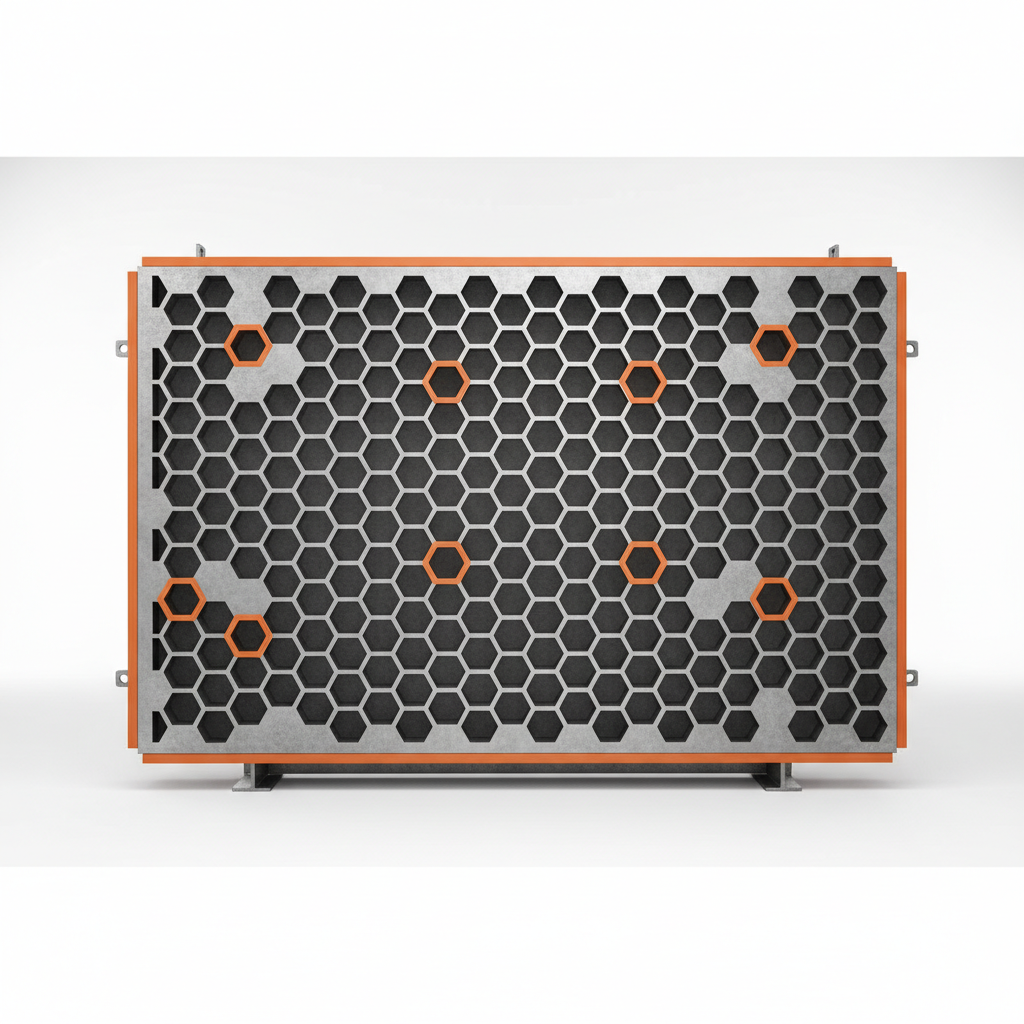
Metallic honeycomb – now that’s something I've been keeping an eye on. It’s surprisingly versatile.

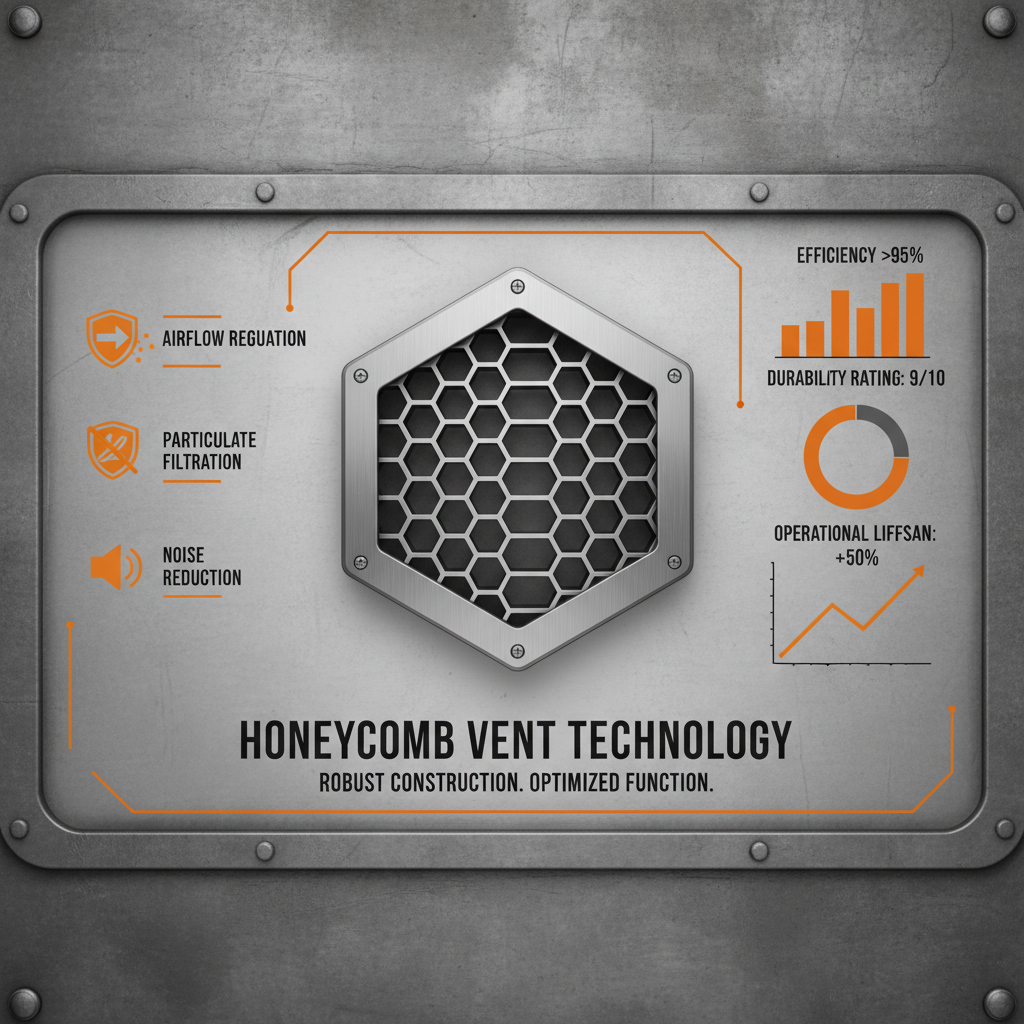
So, metallic honeycomb. It’s popping up everywhere, mostly because people need strength-to-weight ratios. It’s used for energy absorption, sandwich panels, structural reinforcement… the list goes on. But a lot of designers, they get caught up in the specs and forget about manufacturability. Trying to create overly complex cell geometries, for example? Nightmare to produce. I’ve seen factories spend weeks just trying to get the tooling right.
Strangely enough, everyone wants it thinner and lighter, but they don't always think about how it's going to be installed. I mean, if the worker can’t easily handle it without bending or denting it, what’s the point?
Corrosion is a major concern. While aluminum alloys offer some resistance, prolonged exposure to moisture and salt spray can lead to degradation. Proper surface treatments, like anodizing or painting, are crucial. But even then, you need to regularly inspect the material, especially in marine environments. It's not a "set it and forget it" type of thing. You need a maintenance plan. And honestly, stainless steel honeycomb is a better option for particularly harsh conditions, but it’s more expensive.
Smaller cell sizes generally mean higher energy absorption. It’s because there are more cells to crush and deform, dissipating the energy over a larger area. However, smaller cells also tend to be more expensive to manufacture. There's a sweet spot you need to find, balancing performance and cost. A lot of it depends on the specific application and the type of impact you're trying to mitigate. We usually run simulations to determine the optimal cell size for each project.
Epoxy adhesives are generally the go-to choice for bonding honeycomb to composites. They offer good strength and durability, but surface preparation is key. You need to ensure both surfaces are clean and properly primed. Polyurethane adhesives can also be used, but they tend to be less resistant to high temperatures. We've had good results with structural acrylic adhesives, too, but those require specialized application equipment. Honestly, it's best to do some testing with different adhesives to see what works best for your specific materials.
Yes, metallic honeycomb is recyclable, specifically the aluminum alloys. However, the process can be complex. Separating the aluminum foil from any bonding adhesives or composite materials can be difficult and costly. Many recycling facilities aren’t equipped to handle it efficiently, so it often ends up in landfills. There’s a growing effort to develop more efficient recycling processes, but it's still a challenge. We are looking into closed-loop recycling systems with some of our customers.
The manufacturing process significantly impacts cost. Mechanically expanded honeycomb is typically cheaper than chemically etched honeycomb. Cell size also plays a role - smaller cells require more processing and therefore cost more. The alloy used, the foil thickness, and the overall quantity ordered all factor into the price. And tooling costs can be substantial, especially for custom designs. It's a complex equation, and it's important to get quotes from multiple suppliers.
We’re seeing it pop up in some unexpected places. Bio-inspired architecture, for instance - using honeycomb structures to create lightweight, strong, and visually interesting building facades. There's also research into using it for energy storage, as a framework for electrodes in batteries. And even in some medical applications, like custom implants. It's exciting to see the material being used in such innovative ways. Frankly, it’s a good sign that there are more applications for our product.
Ultimately, metallic honeycomb is a powerful material with a lot to offer. It's not a silver bullet, and it’s not right for every application, but when you need a combination of lightweight, strength, and energy absorption, it’s hard to beat. Understanding the nuances of the material – the different manufacturing processes, the alloy options, the potential limitations – is key to successful implementation.
And, honestly, whether this thing works or not, the worker will know the moment he tightens the screw. If it feels right, it probably is. If it buckles or bends, you've got a problem. Don't overthink it. Get your hands dirty, do some testing, and listen to the guys on the ground. That’s where the real knowledge is.