


Honeycomb Gas Seal | Low Leakage, High Stability, Custom
What the industry gets right (and wrong) about the Honeycomb Gas Seal
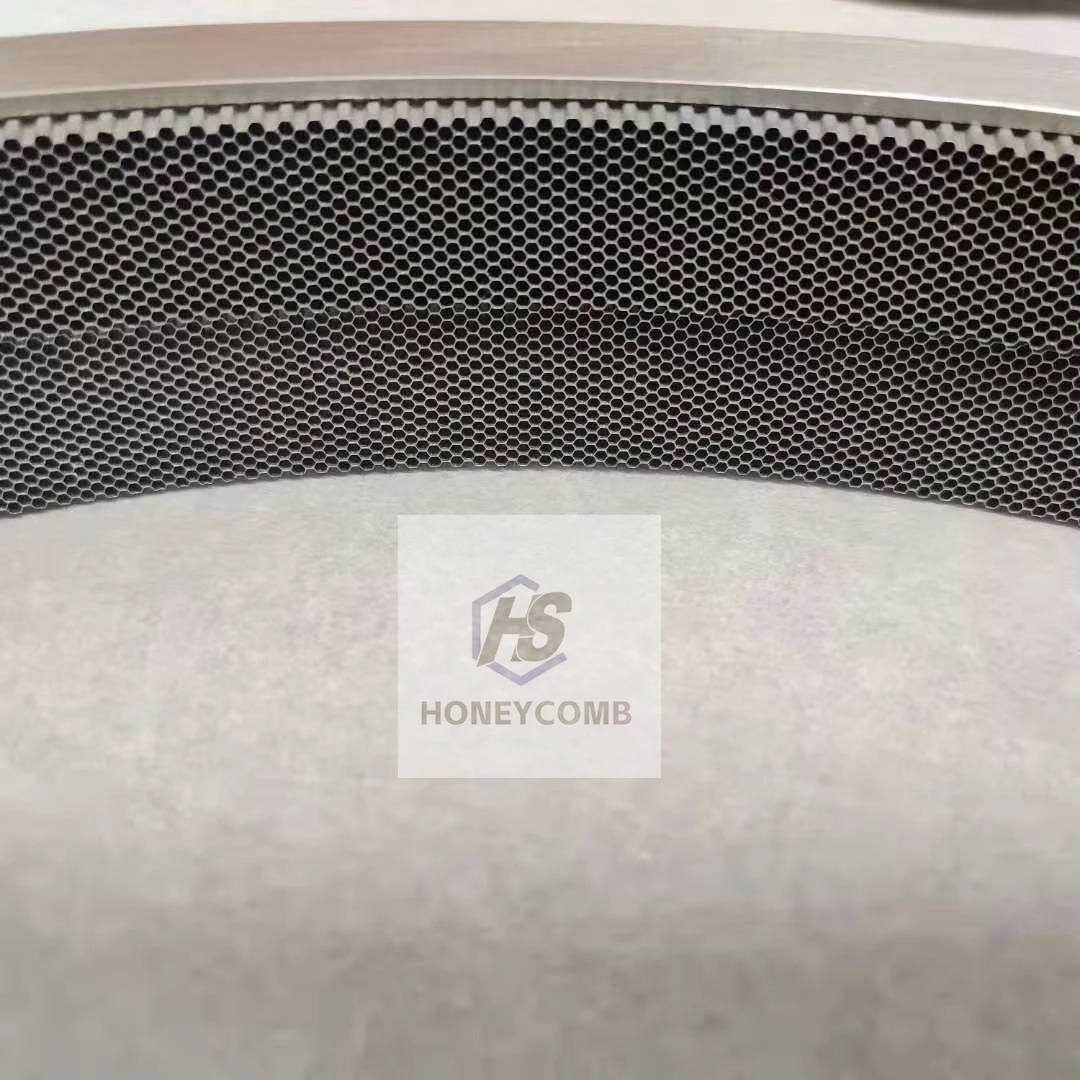
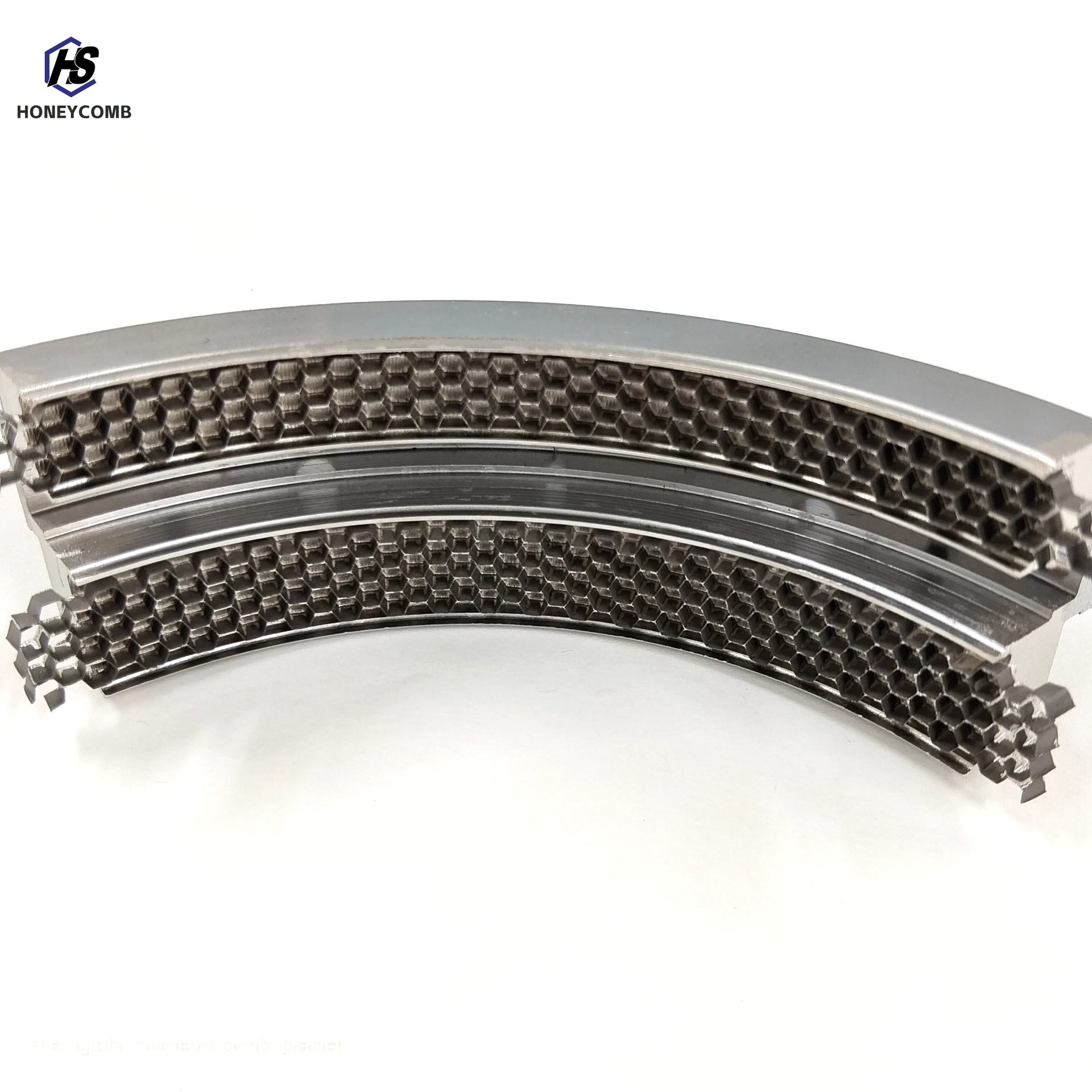
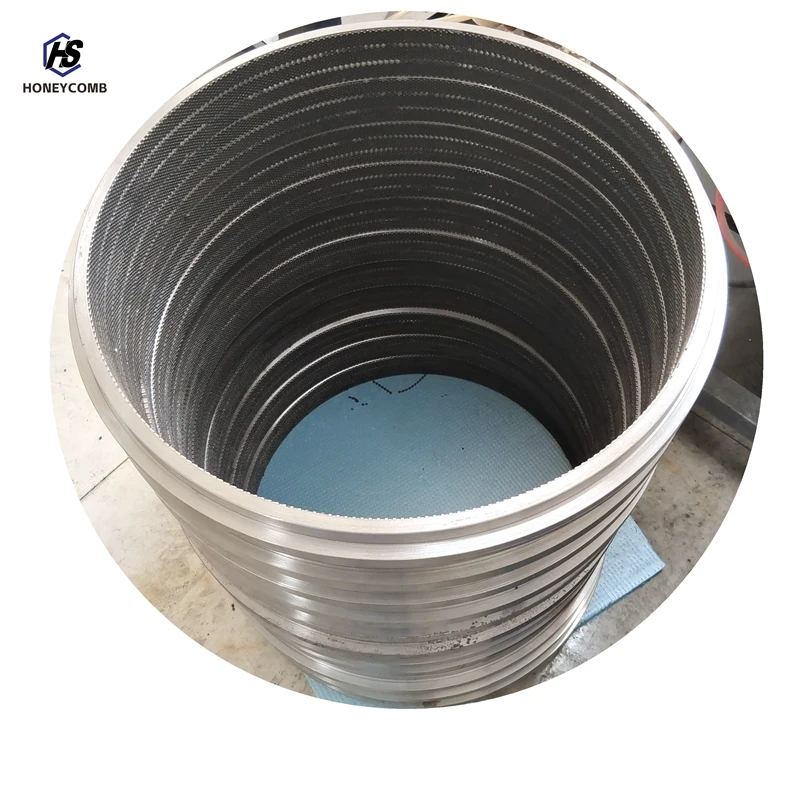
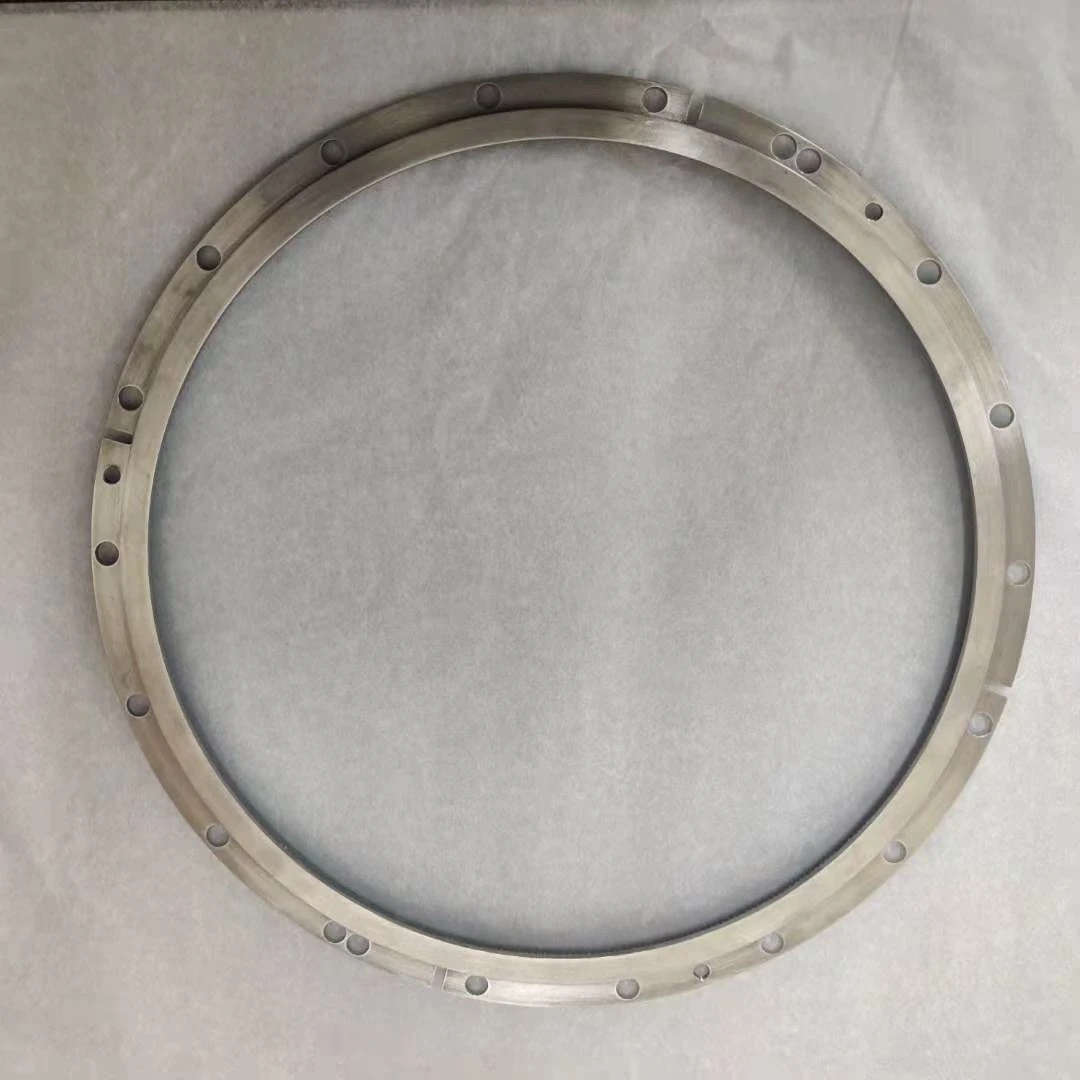
If you live around turbomachinery long enough, you notice a pattern: the small parts decide the big outcomes. The Honeycomb Gas Seal is one of those quietly decisive components—sitting in gas/steam turbines, jet engines, and compressors—shaping leakage, efficiency, and even rotordynamic stability. I’ve seen plants shave real energy costs by dialing in seal geometry, not just swapping a rotor.
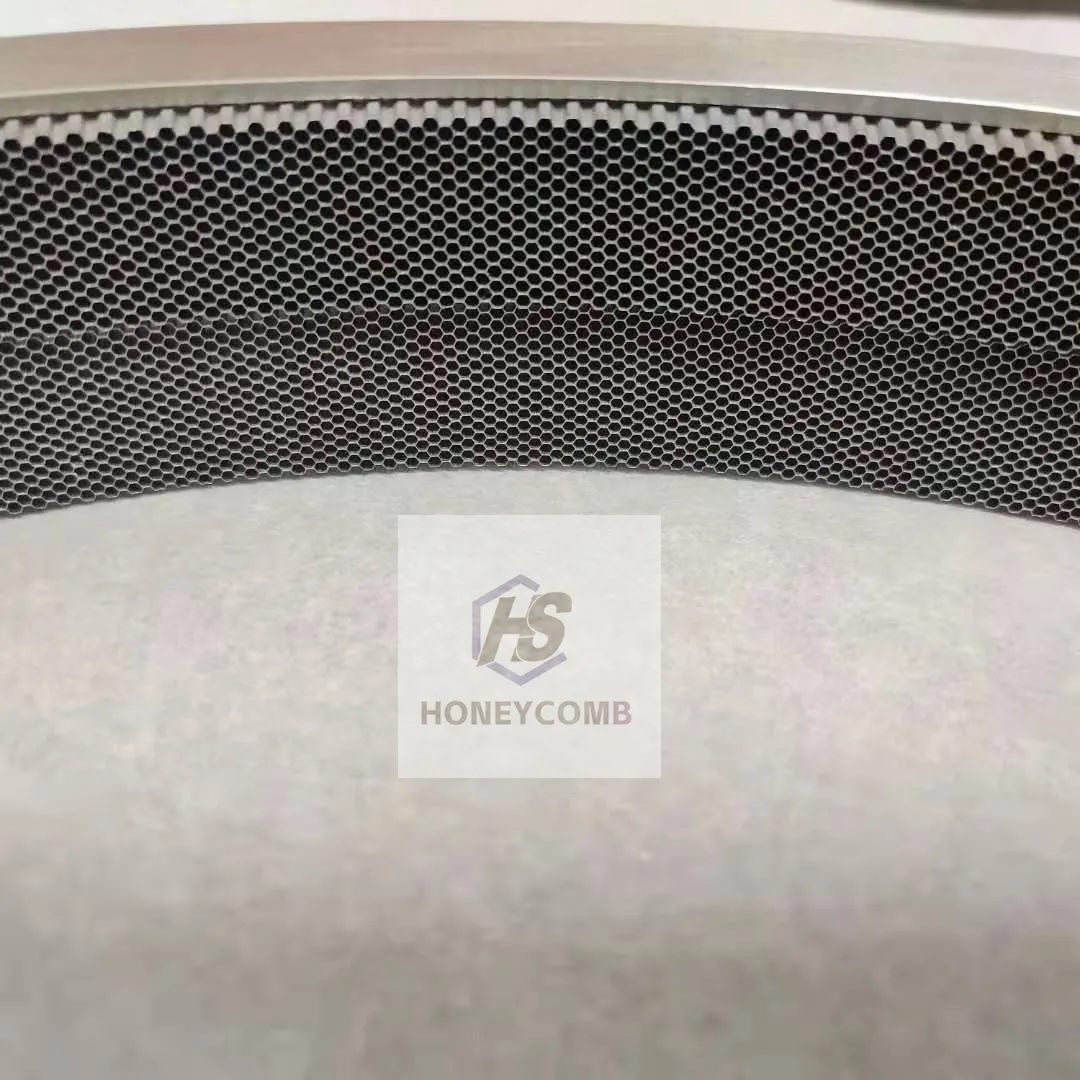
Why engineers pick Honeycomb Gas Seal today
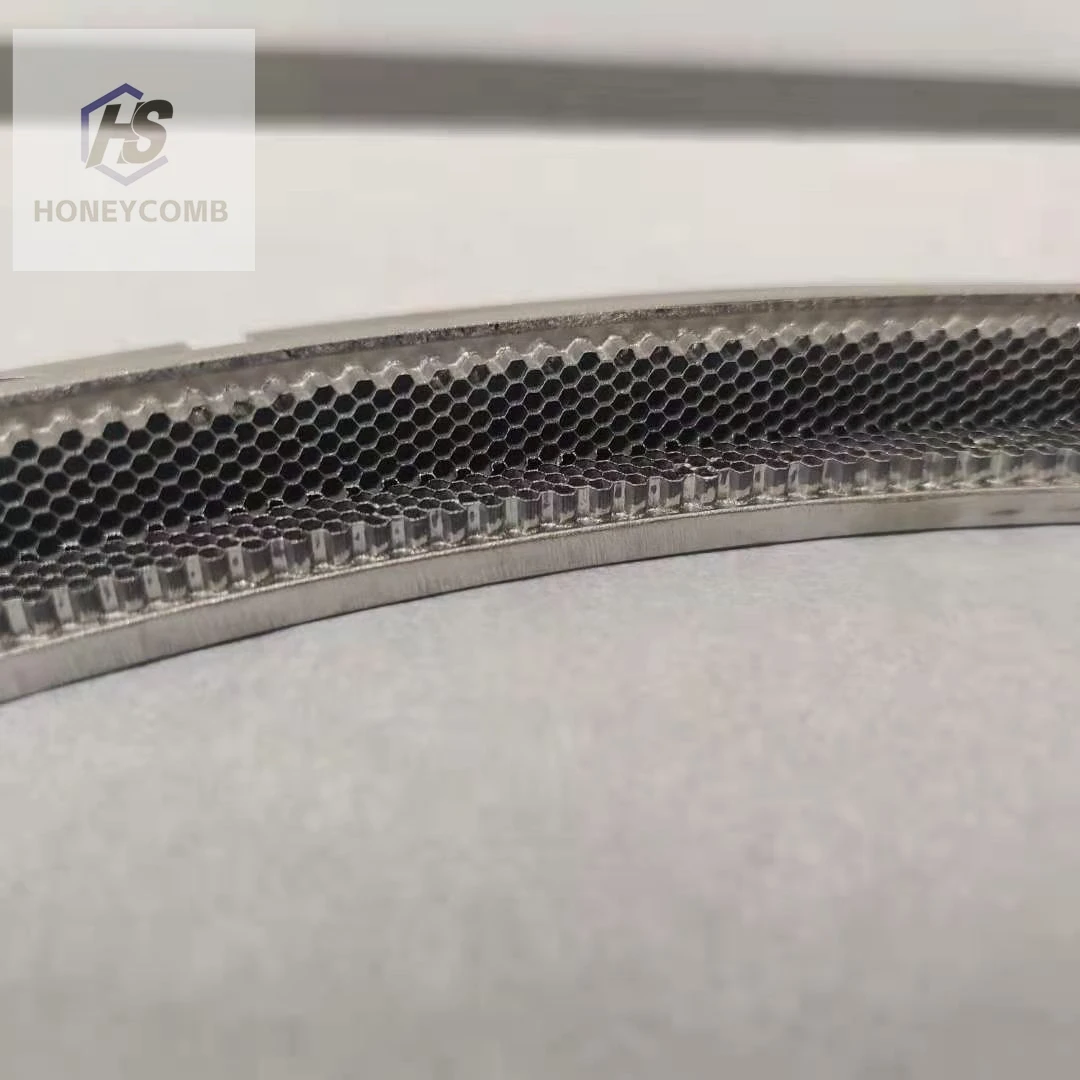
Two drivers: leakage control and stability. The honeycomb cell pattern creates shear and energy dissipation in the gas film, often cutting leakage versus straight labyrinths while damping cross-coupled forces that annoy vibration folks. Many customers say they see ≈10–25% leakage reduction in like-for-like retrofits; your mileage depends on clearance, cell size, and pressure ratio, of course.
Quick spec snapshot (typical, configurable)
| Base alloys | Inconel 718, Hastelloy X, Haynes 25 (≈L605); others on request |
| Cell size (pitch) | ≈0.8–1.6 mm |
| Cell depth | ≈3–6 mm |
| Foil thickness | ≈0.05–0.15 mm |
| Operating temp | Up to ≈650–700°C (alloy dependent) |
| ΔP capability | Commonly up to ≈2–3 MPa; real-world use may vary |
| Surface finish (ID) | Ra ≈0.8–1.6 μm (ISO 4287) |
| Service life | ≈40,000–80,000 operating hours, condition-based |
Manufacturing and QA flow (how it’s actually made)
- Materials: high-temp Ni/Co alloys, braze filler (e.g., AMS 4777 class), traceability EN 10204 3.1.
- Methods: precision foil forming, cell expansion, ring forming, and vacuum brazing (AWS C3.6M/C3.6).
- Finish: CNC machining of land faces, deburr, dimensional inspection to drawing GD&T.
- Testing: pressure/temperature checks per API 617 practices; balance and fit checks (ISO 21940); dye-penetrant on joints (ASTM E1417).
- Documentation: metallurgy/braze records, CMM reports, and runout/roundness logs.
Applications we keep seeing
- Gas turbines (combustion and compressor sections), steam turbines (hot reheat to LP stages).
- API 617 centrifugal compressors, pipeline boosters, petrochemical plants.
- Aerospace engines (selected stages), test rigs, high-speed expanders.
Vendor landscape (field-notes, not marketing)
| Vendor | Strengths | Watch-outs |
|---|---|---|
| HSHI (Hebei, China) | Competitive lead times; custom cell geometry; solid vacuum-braze capability; material certs | Confirm export packaging and rotor-fit tolerances per your spec |
| OEM Tier-1 | Full system integration, proven legacy drawings, test benches | Premium pricing; sometimes longer lead |
| Aftermarket Specialist | Reverse-engineer legacy units; flexible MOQ | Qualification depth varies—request data |
Customization checklist (what buyers actually tweak)
- Cell pitch/depth to hit leakage target vs stability margin.
- Alloy selection for temperature window; optional abradable overlays.
- Segmented vs. one-piece rings; anti-rotation features; hoop joints.
- Clearance strategy matched to rotor eccentricity and thermal growth model.
Mini case study (real plant, simplified)
A midstream compressor train swapped a 3-tooth labyrinth for a Honeycomb Gas Seal with 1.0 mm cells and ≈4 mm depth. On a 1.8 MPa stage, hot leakage dropped ≈18%, and stability margin (log dec) improved by ≈0.1–0.2 based on OEM rotordynamic runs. Operators reported smoother startup—nothing dramatic, but fewer alarms is still a win.
Test data and standards (short version)
- Leakage benchmarking vs labyrinths: typically −10% to −25% under matched clearances [1][2].
- Rotordynamic damping gains documented in NASA tests; honeycomb reduces cross-coupled stiffness [2].
- Conform to API 617 compressor practices; material/QA to ISO 9001; brazing under AWS C3.6; inspection to ISO 21940, ASTM E1417.
Practical notes from the shop floor
Actually, installation is half the battle. Check thermal fits, verify roundness after casing torque, and don’t skip blue-checks against the rotor. Many teams now request a pre-ship pressure/flow curve and a simple braze cross-section photo—small asks that prevent big headaches.
Origin: No.2, Tongda Street, High-tech area Gu'an County, Langfang, 065500, Hebei, China.
Citations
- API Standard 617: Axial and Centrifugal Compressors and Expander-compressors for Petroleum, Chemical and Gas Industry Services.
- NASA/Glenn Research: Honeycomb and hole-pattern seal rotordynamic performance technical memoranda (various reports).
- AWS C3.6M/C3.6: Specification for Furnace Brazing.
- ISO 21940 (Balance quality and vibration) and ISO 4287 (Surface texture). ASTM E1417 (Liquid Penetrant Testing).
-
Industrial Airflow Guide for maf воздушная правильная машинаNewsApr.16,2026
-
Best maf струйно правильная машина for Industrial EfficiencyNewsApr.09,2026
-
Сотовая правильная машина A Comprehensive Guide to Honey Packing AutomationNewsApr.07,2026
-
Build Your Own DIY газоправильная Машина A Comprehensive Guide to Gas CorrectionNewsApr.04,2026
-
Understanding Кондиционер отопления Systems for Efficient and Comfortable HeatingNewsMar.31,2026
-
Comprehensive Guide to Cellular Blinds Installation Установка сотовых жалюзиNewsMar.28,2026
-
Mobile Aerodynamic Tunnel Design A Comprehensive Guide to Applications and ImplementationNewsMar.26,2026






 English
  Afrikaans
  Albanian
  Amharic
  Arabic
  Armenian
  Azerbaijani
  Basque
  Belarusian
  Bengali
  Bosnian
  Bulgarian
  Catalan
  Cebuano
  China
China  China (Taiwan)
  Corsican
  Croatian
  Czech
Czech  Danish
  Dutch
Dutch  Esperanto
  Estonian
  Finnish
  French
  Frisian
  Galician
  Georgian
  German
  Greek
Greek  Gujarati
  Haitian Creole
  Hausa
Hausa  Hawaiian
  Hebrew
  Hindi
Hindi  Miao
Miao  Indonesian
  Italian
  Japanese
  Javanese
  Malay
Malay  Persian
  Portuguese
  Punjabi
  Russian
  Spanish
  Swahili
  Telugu
  Vietnamese