


Honeycomb Seal: A Model of Efficient Sealing and Outstanding Performance
Ensuring the sealing of equipment is crucial for maintaining its efficient and stable operation in many industrial fields. Honeycomb Seal, as an advanced sealing technology, plays an indispensable role in many critical equipment due to its unique structure and excellent performance.
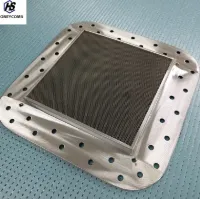
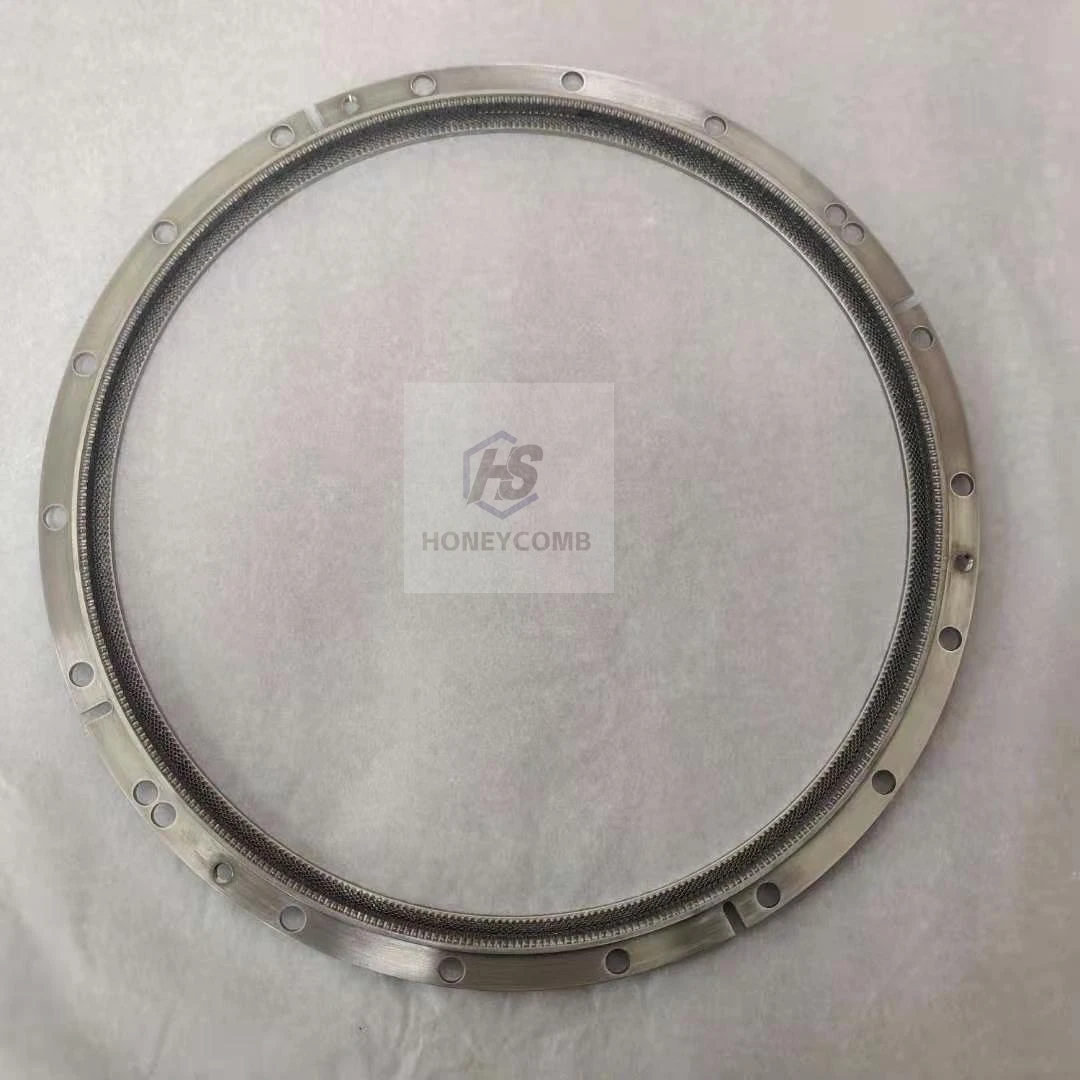
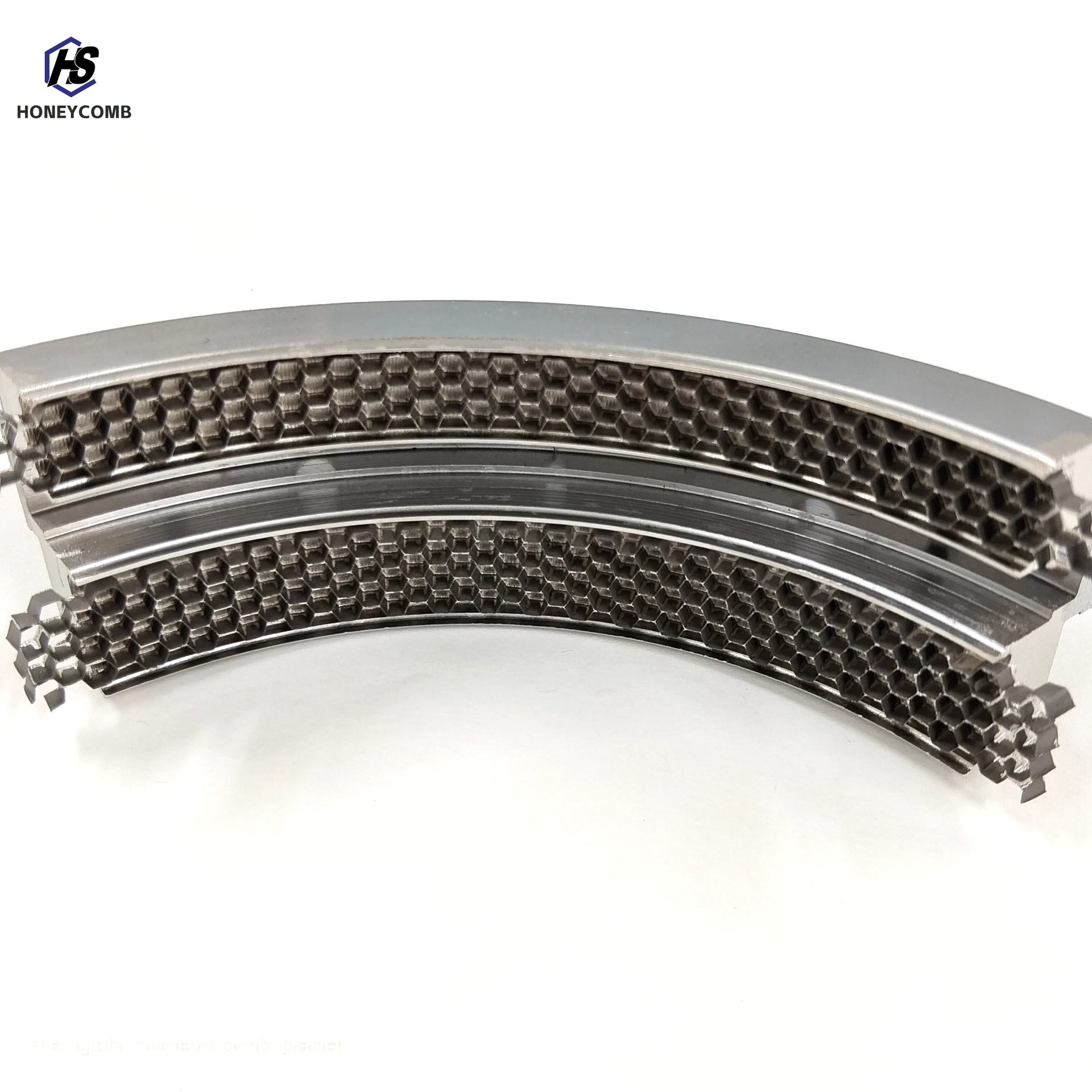
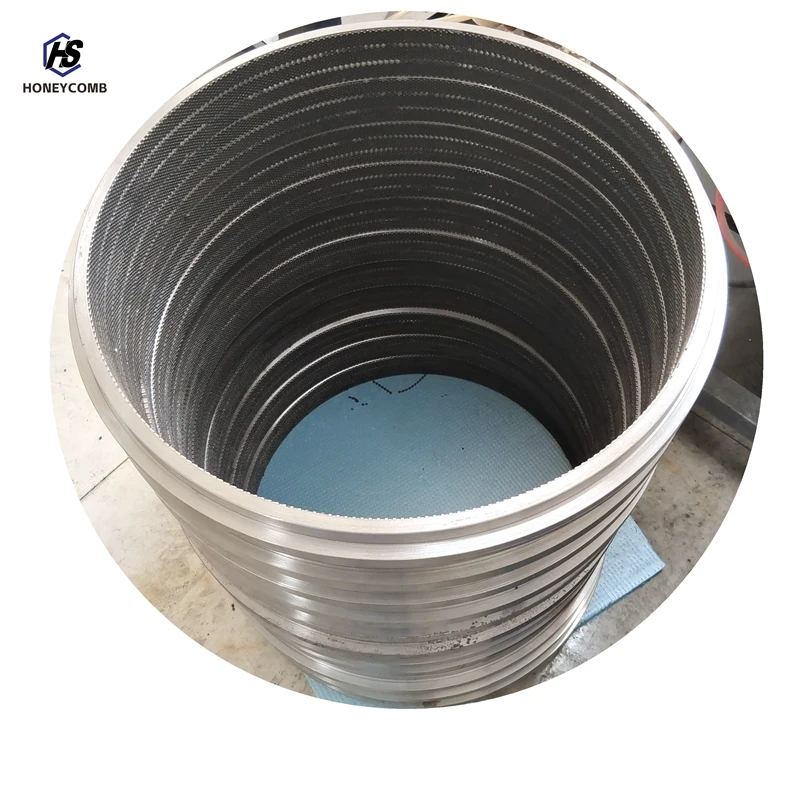
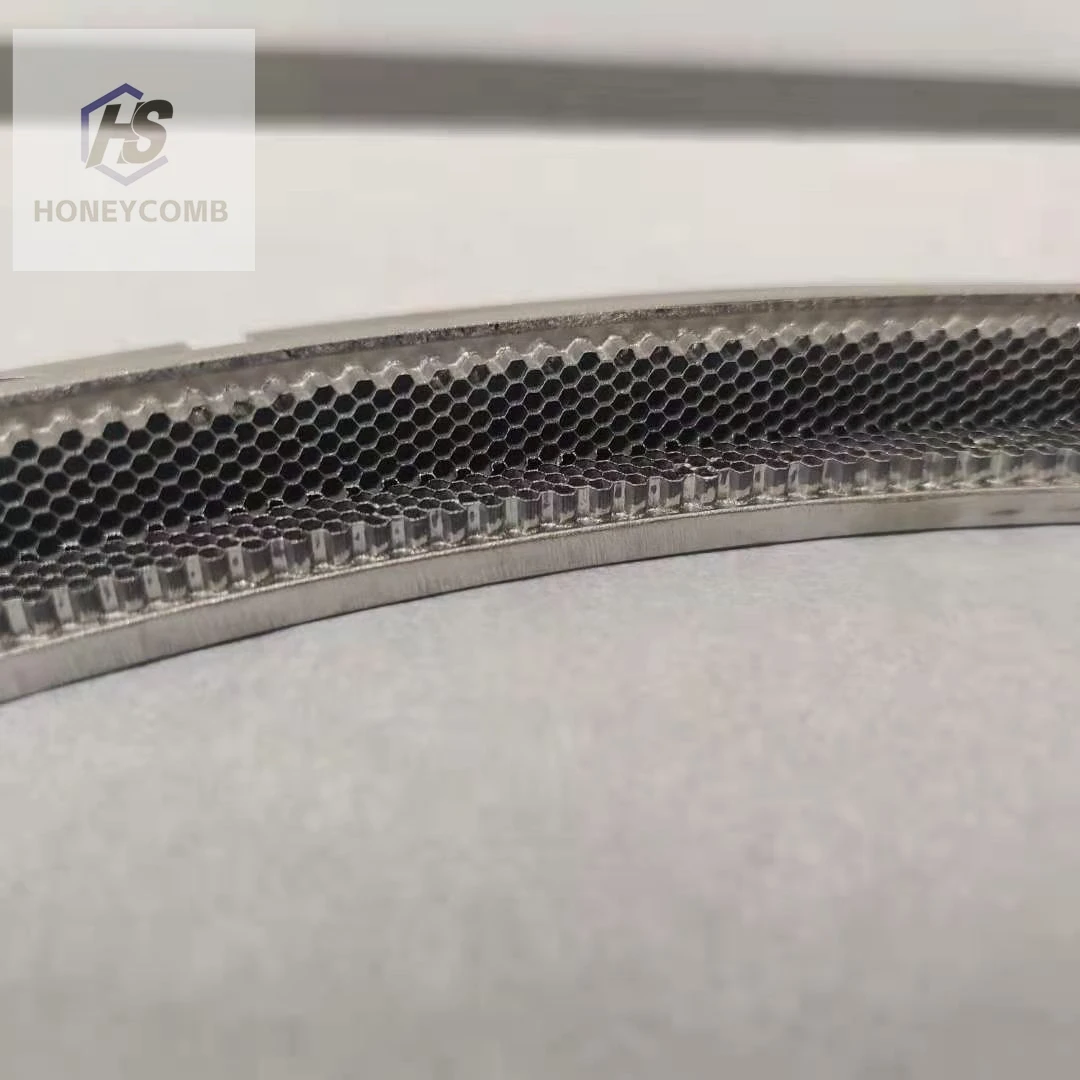
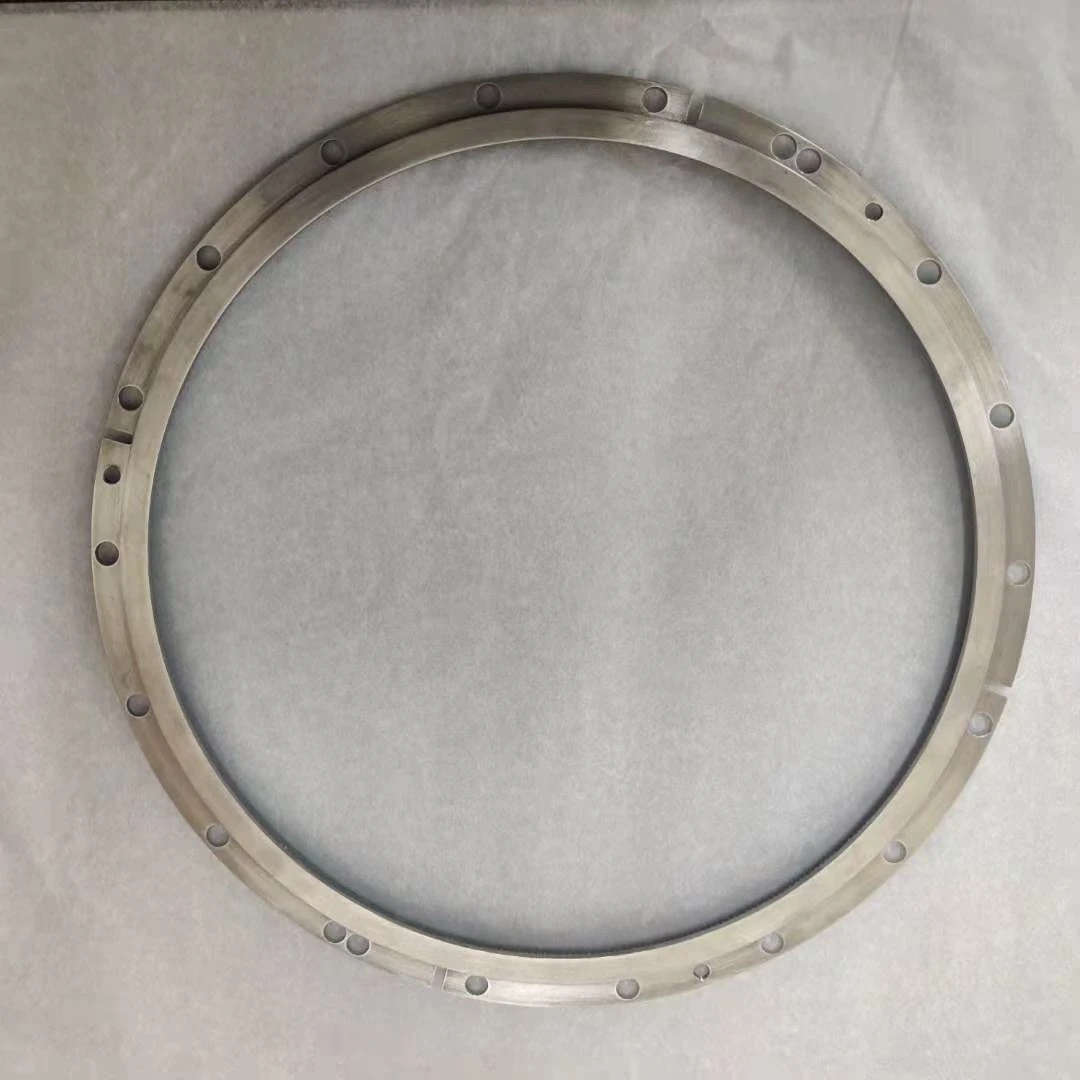
The structural design of Honeycomb Seal is ingenious, mainly composed of a sealing body and a honeycomb belt
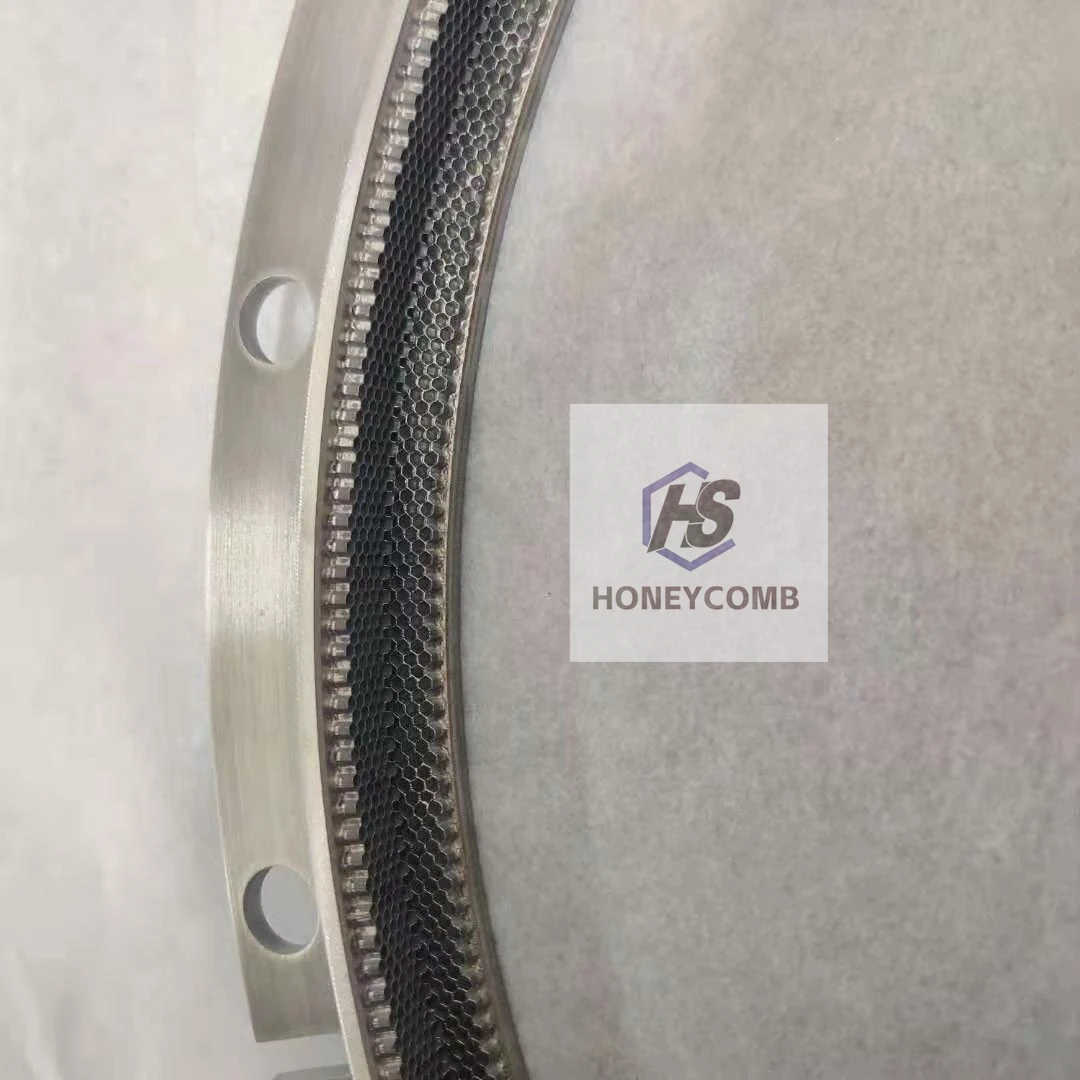
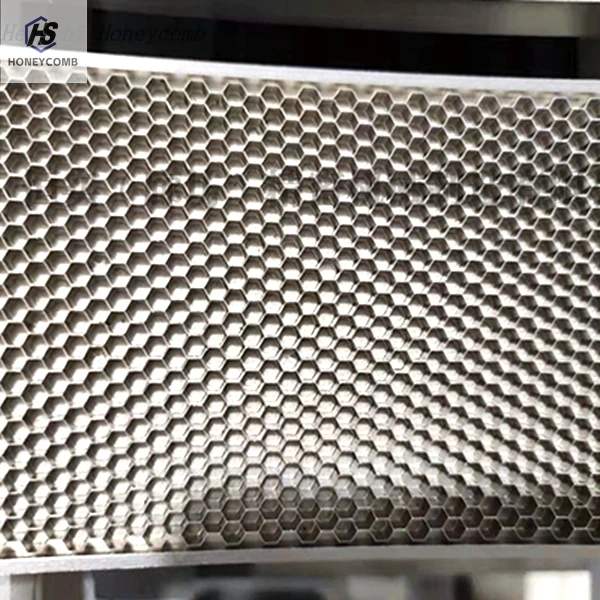
Sealed honeycomb is usually made of high-performance materials such as Hastelloy-X high-temperature alloy with a very thin thickness of about 0.05-0.10mm, and processed into a hexagonal honeycomb structure through special processes. These tightly arranged hexagonal honeycomb units form tiny sealed chambers. The sealing body is firmly combined with the honeycomb belt to form a complete sealing device. In practical applications, Honeycomb Seal can also be equipped with auxiliary structures such as magnetic columns on the sealing body according to different needs to further enhance the sealing effect.
Honeycomb Seal performs exceptionally well in terms of performance
The sealing mechanism of Honeycomb Seal Turbine is based on the strong eddy currents and barrier effects generated by the honeycomb structure. When the working medium attempts to leak through the sealing gap, a strong vortex is formed inside the honeycomb cavity, which greatly increases the flow resistance of the fluid, effectively preventing the medium from leaking and forming a large damping, achieving excellent sealing effect. Experiments have shown that Honeycomb Seal can significantly reduce leakage and save energy compared to traditional comb seals. In addition, Honeycomb seal gas turbine also has good wear resistance. Due to its structural characteristics, even slight friction with relative moving parts during equipment operation is not easy to cause damage to the equipment shaft, and the degree of self wear is low, which greatly extends the service life of the sealing device and the entire equipment. At the same time, Honeycomb Seal can still ensure the stable operation of the unit under extreme conditions of high pressure difference and small clearance, demonstrating excellent stability.
Honeycomb Seal has a wide range of applications
In the energy industry, whether it is key equipment such as steam turbines, gas turbines, or compressors, Honeycomb seals have demonstrated their capabilities. Taking a steam turbine as an example, installing Honeycomb Seal at the top of the last stage blades of the low-pressure cylinder can not only effectively reduce steam leakage and improve the thermal efficiency of the unit, but also absorb water droplets in the steam through the honeycomb mesh, providing dehumidification, protecting the blades from water erosion, and extending their service life. In the aerospace industry, Honeycomb Seal is even more indispensable. Aircraft engines operate under extreme conditions of high altitude and high speed, requiring extremely high sealing performance. Honeycomb Seal, with its excellent high temperature resistance, high pressure resistance, and good sealing performance, can ensure stable operation of the engine under complex working conditions, ensuring flight safety. In addition, Honeycomb Seal is also widely used in various rotating machinery in chemical, shipbuilding and other industries due to its excellent performance.
With the continuous advancement of technology, Honeycomb Seal technology is also constantly innovating and developing
On the one hand, the development of materials science has brought more choices for Honeycomb Seal. The research and application of new composite materials is expected to further enhance their high temperature resistance, corrosion resistance and other characteristics while ensuring sealing performance, and achieve lightweight design to meet the needs of weight sensitive fields such as aerospace. On the other hand, by optimizing the design of honeycomb structures, such as adjusting the size, shape, and arrangement of honeycomb units, combined with advanced manufacturing processes, the performance of Honeycomb Seal is continuously improved. At the same time, the intelligent Honeycomb Seal has also become a research hotspot. In the future, it is expected to achieve real-time adjustment of sealing parameters based on equipment operating status through the integration of sensors and intelligent control systems, further improving sealing efficiency and equipment operation reliability.
In summary, Honeycomb Seal occupies an important position in the field of industrial sealing due to its unique structure, excellent performance, wide range of applications, and continuous innovation capability. It not only provides reliable guarantees for the efficient and stable operation of various devices, but also promotes technological progress and development in related industries. I believe that in the future, with the deepening development of technology, Honeycomb Seal will continue to upgrade and improve, play a key role in more fields, and contribute greater strength to the process of industrial modernization.
Honeycomb Seal FAQs
What is Honeycomb Seal?
Honeycomb Seal is a sealing component used in high-temperature and high-pressure environments, typically made of metal or ceramic materials. Its core structure imitates the hexagonal grid design of a honeycomb, effectively blocking gases or liquids through densely arranged honeycomb units. This structure can withstand mechanical stress under extreme working conditions and has excellent wear resistance and thermal shock resistance. It is widely used in the dynamic and static sealing parts of high-end equipment such as aviation engines and gas turbines.
What are the advantages of Honeycomb Seal compared to traditional seals?
Traditional labyrinth seals or brush seals are prone to deformation and failure at high temperatures, while Honeycomb Seal can adaptively compensate for rotor deflection and thermal expansion differences through the elastic deformation ability of its honeycomb structure. Its porous nature can also form a uniform air film damping, reducing the risk of airflow excitation. Actual test data shows that at 800 ℃, the leakage of Honeycomb Seal is reduced by more than 40% compared to traditional design, and its service life is extended by 3-5 times.
What are the key points in the manufacturing process of Honeycomb Seal?
The core lies in the precision molding and welding technology of honeycomb units. It is necessary to use photolithography etching or laser cutting processes to ensure that the single hole size error is less than 0.05mm, and then connect hundreds of honeycomb units as a whole through vacuum brazing. During welding, it is necessary to accurately control the temperature curve to avoid grain boundary oxidation, and finally conduct helium mass spectrometry leak testing to ensure sealing. Some high-end products will also be coated with thermal barrier coatings on the surface to enhance temperature resistance.
How to check the service status of Honeycomb Seal?
Eddy current testing technology can be used for non-contact measurement of honeycomb wall thickness reduction, combined with infrared thermography to observe abnormal temperature field distribution. During regular shutdown maintenance, it is necessary to use an endoscope to check whether the honeycomb unit has collapsed or blocked, and at the same time collect wear powder for energy spectrum analysis to determine whether the material has undergone high-temperature oxidation. The online monitoring system can track the trend of sealing performance degradation in real time through differential pressure sensors.
What is the future development direction of Honeycomb Seal?
The next generation of products will explore the integration of additive manufacturing technology, combined with topology optimization design to achieve gradient porosity distribution. We are currently experimenting with nickel based single crystal alloys and ceramic based composite materials in terms of materials, with the goal of achieving a working temperature exceeding 1200 ℃. Intelligent sealing integrated fiber optic sensors are also a research hotspot, which can provide real-time feedback on dynamic changes in sealing gaps and provide data support for predictive maintenance.

-
Industrial Airflow Guide for maf воздушная правильная машинаNewsApr.16,2026
-
Best maf струйно правильная машина for Industrial EfficiencyNewsApr.09,2026
-
Сотовая правильная машина A Comprehensive Guide to Honey Packing AutomationNewsApr.07,2026
-
Build Your Own DIY газоправильная Машина A Comprehensive Guide to Gas CorrectionNewsApr.04,2026
-
Understanding Кондиционер отопления Systems for Efficient and Comfortable HeatingNewsMar.31,2026
-
Comprehensive Guide to Cellular Blinds Installation Установка сотовых жалюзиNewsMar.28,2026
-
Mobile Aerodynamic Tunnel Design A Comprehensive Guide to Applications and ImplementationNewsMar.26,2026






 English
  Afrikaans
  Albanian
  Amharic
  Arabic
  Armenian
  Azerbaijani
  Basque
  Belarusian
  Bengali
  Bosnian
  Bulgarian
  Catalan
  Cebuano
  China
China  China (Taiwan)
  Corsican
  Croatian
  Czech
Czech  Danish
  Dutch
Dutch  Esperanto
  Estonian
  Finnish
  French
  Frisian
  Galician
  Georgian
  German
  Greek
Greek  Gujarati
  Haitian Creole
  Hausa
Hausa  Hawaiian
  Hebrew
  Hindi
Hindi  Miao
Miao  Indonesian
  Italian
  Japanese
  Javanese
  Malay
Malay  Persian
  Portuguese
  Punjabi
  Russian
  Spanish
  Swahili
  Telugu
  Vietnamese