


Honeycomb Seal Turbin – Advanced Turbine Sealing Technologies for Maximum Efficiency
Understanding Honeycomb Seal Turbin: An Industrial Game-Changer
Let’s start with a quick snapshot: honeycomb seal turbins might sound like a mouthful of industrial jargon, but they’re quietly reshaping how turbines perform worldwide. Whether it’s in power generation, aviation, or manufacturing, these specialized seals ensure machines run smoother, safer, and more efficiently. At a global level, their impact is significant — think improved energy efficiency, reduced emissions, and longer equipment lifespan. Understanding this technology is less about deep engineering and more about appreciating how clever design keeps some of our most vital engines humming reliably.
Global Context: Why Honeycomb Seal Turbin Matters Now More Than Ever
Around the world, industries report a steady uptick in turbine deployments, especially in renewables and heavy manufacturing sectors. According to ISO standards and recent UN energy reports, rising energy demands and stricter emission rules mean turbines need better sealing technologies to minimize leakage and maximize output. The honeycomb seal turbin addresses these problems elegantly by combining advanced materials and intricate design. But the challenge remains: how to balance durability, efficiency, and cost while meeting varying industry needs? This seal technology is a big step forward.
Mini takeaway:
- Honeycomb seal turbins are critical for reliable turbine operation worldwide.
- They meet modern energy and emission challenges effectively.
What Exactly Is a Honeycomb Seal Turbin?
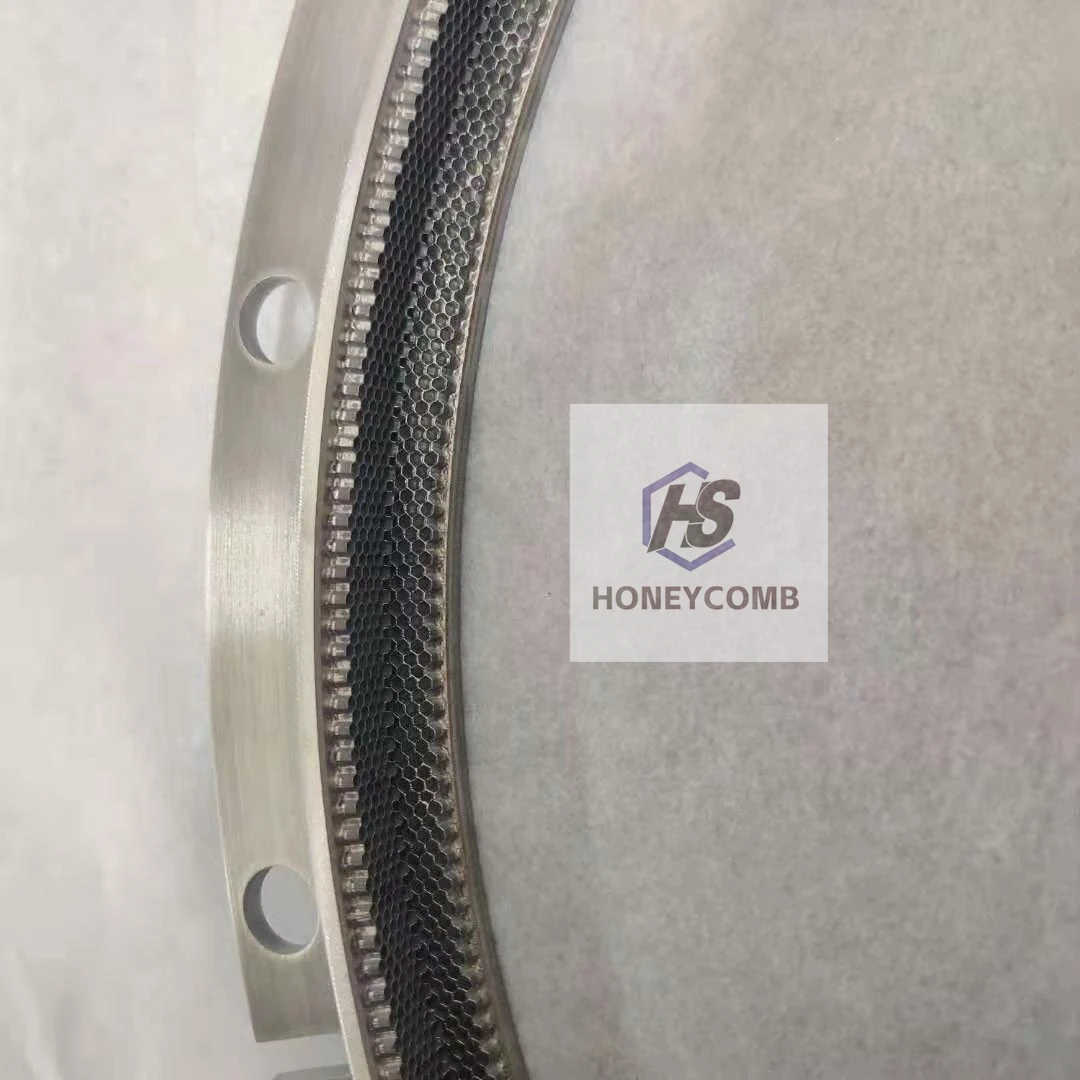
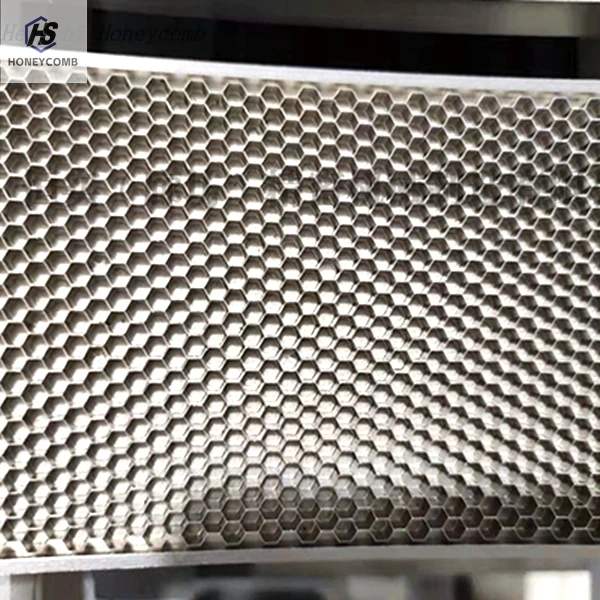
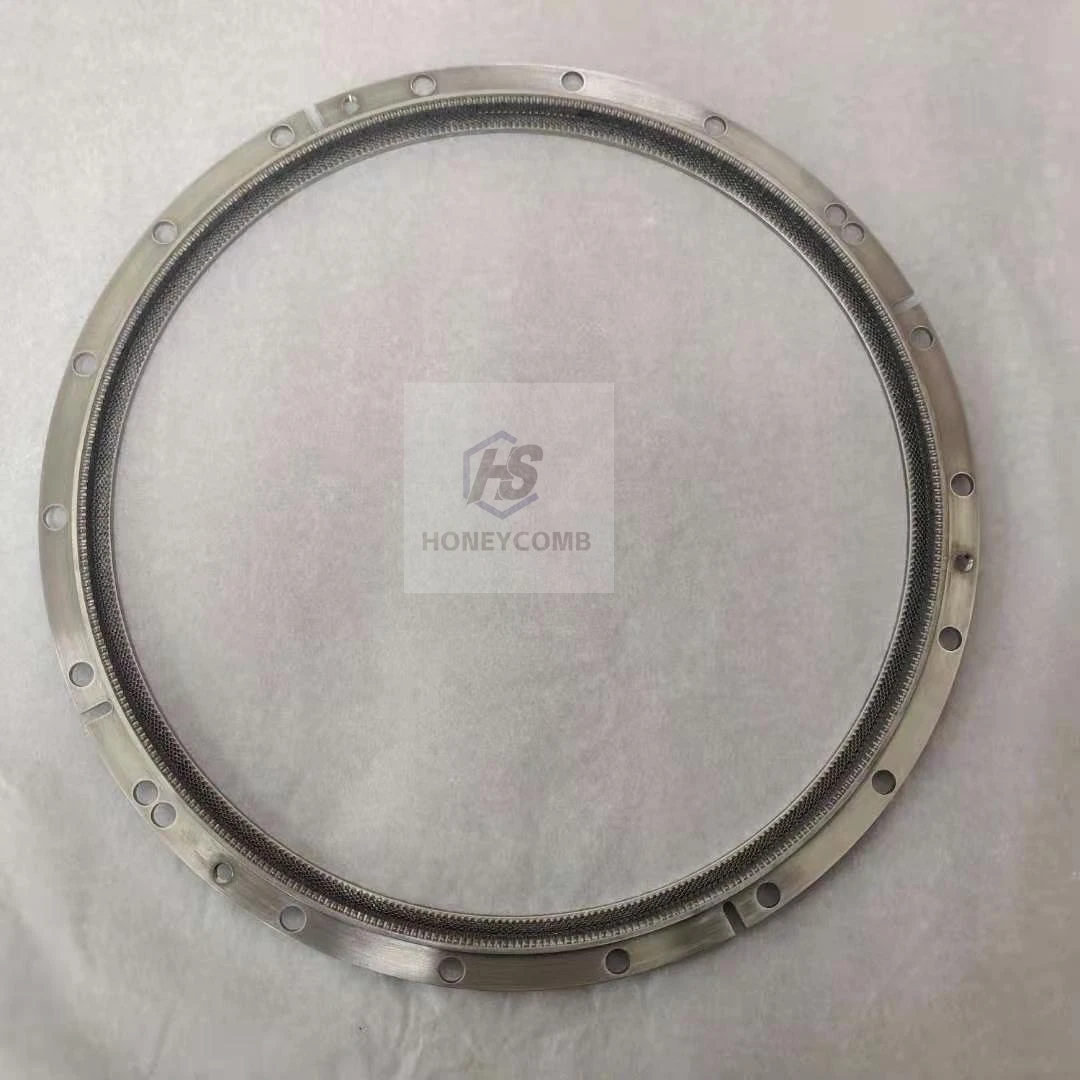
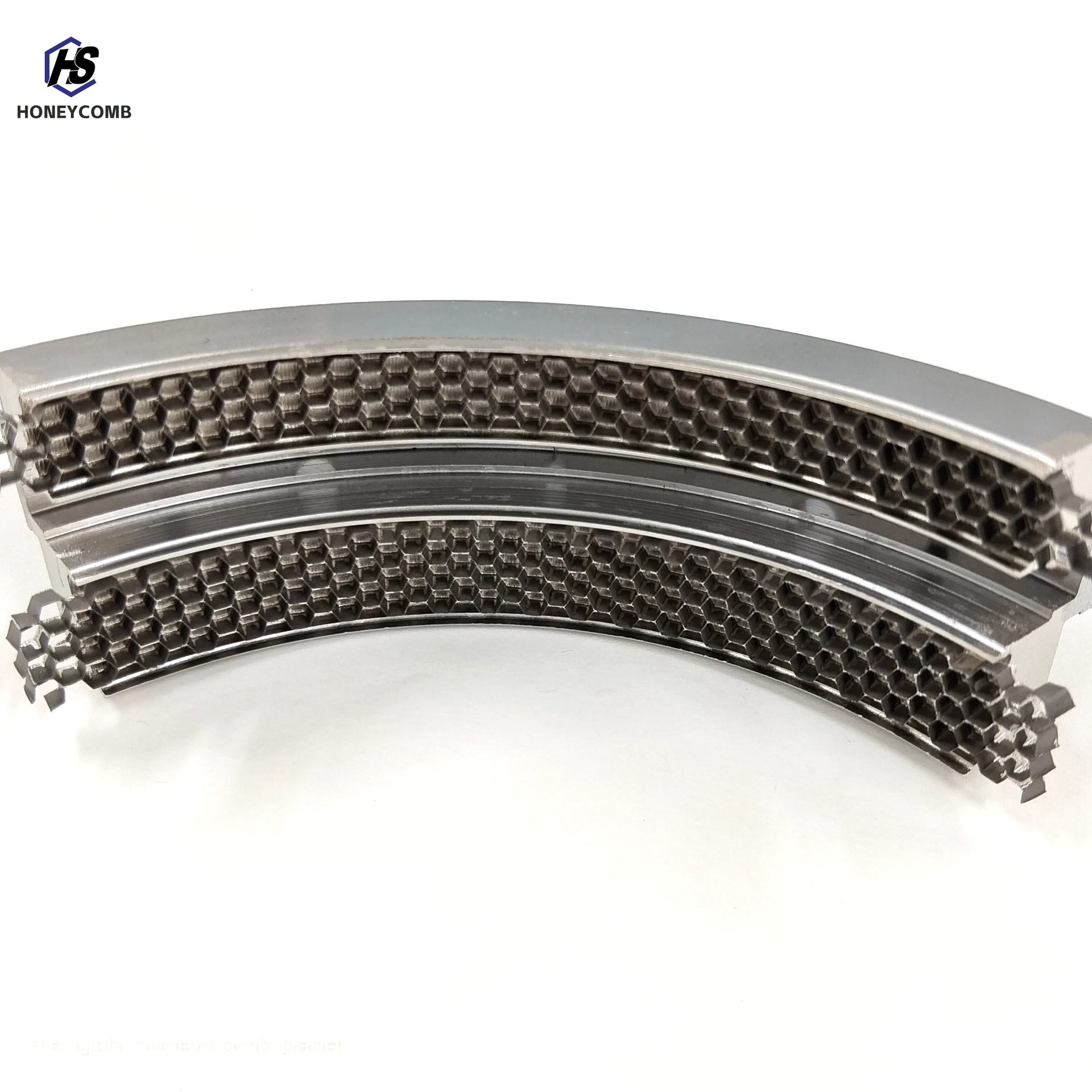
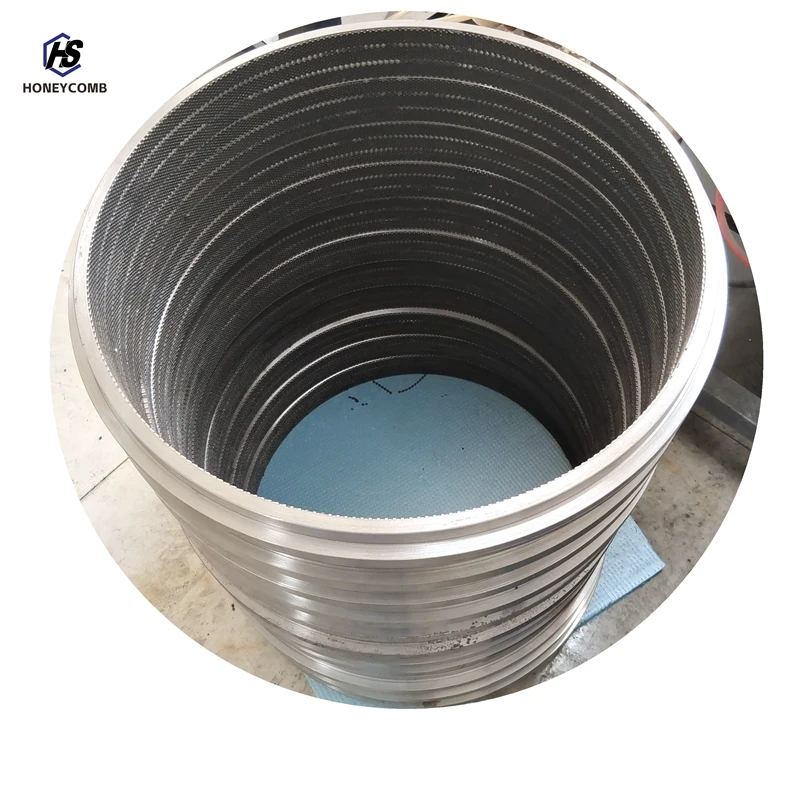
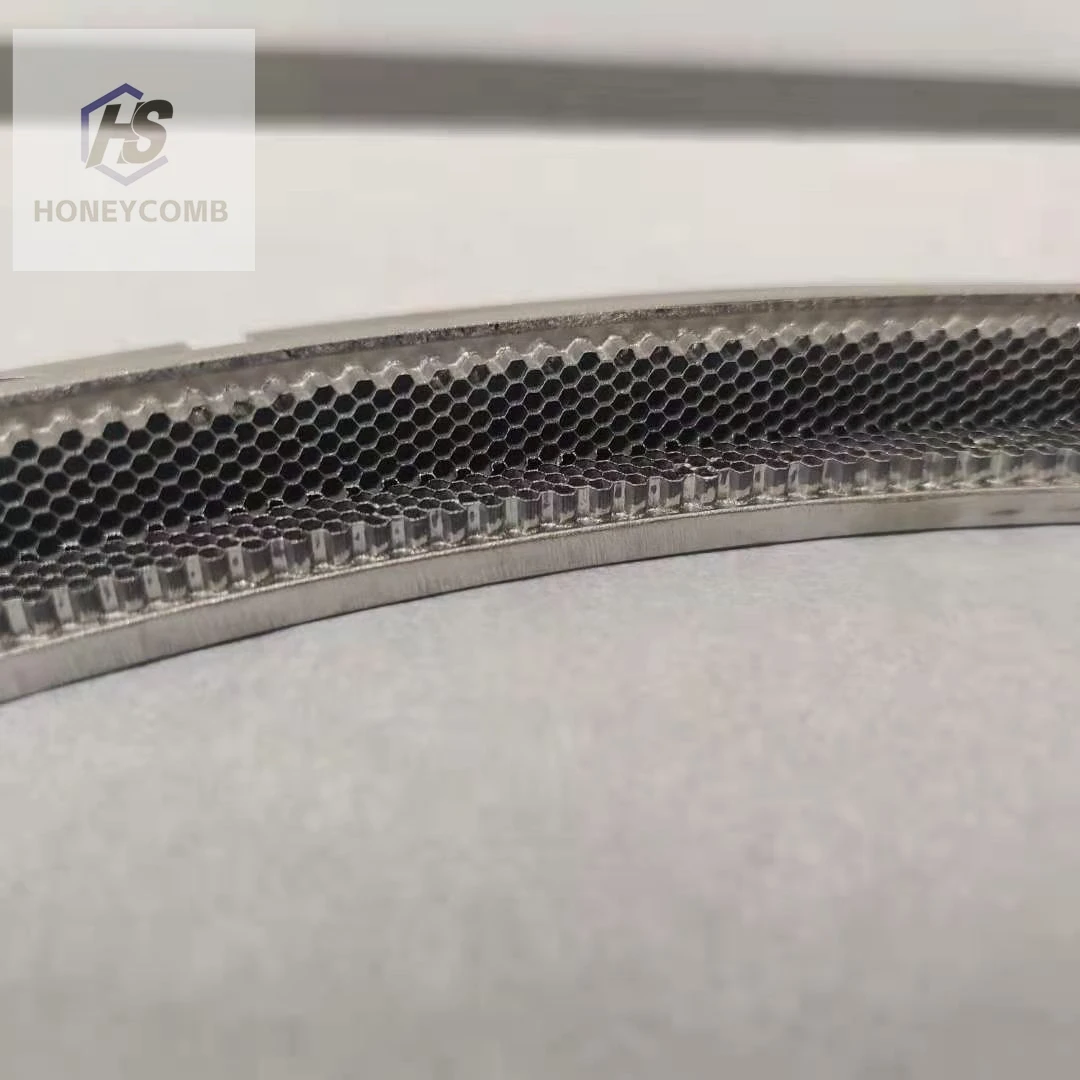
Put simply, a honeycomb seal turbin is a type of gas or steam turbine seal featuring a honeycomb-shaped structure that acts as a buffer against leakage and wear. Imagine a mesh of tiny hexagonal cells made from high-grade metal or composite alloys — this structure dissipates pressure differences, controls airflow, and reduces friction. It’s like giving turbines a breathable yet protective skin. This design not only improves performance but also enhances the turbine’s lifespan, which is crucial for industries relying on continuous, faultless operation.
Oddly enough, despite the name “honeycomb,” the seal isn’t about bees or nature, but rather inspired by nature’s efficient geometry — hexagons pack space so neatly, they make excellent seals in tight mechanical conditions.
Mini takeaway:
- The honeycomb seal uses hexagonal cells to reduce leakage.
- It enhances turbine durability and efficiency.
Core Components of the Honeycomb Seal Turbin
1. Material Composition
Typically made from stainless steel alloys or advanced composites, materials are chosen for heat resistance and low wear. Many engineers say this is where real gains happen — if the material fails, everything else falls apart.
2. Geometric Design
The hexagonal pattern isn't just aesthetic — it balances strength with airflow control. Its geometry reduces turbulence, a subtle but crucial factor.
3. Pressure and Temperature Resistance
Honeycomb seals are engineered for extremes, sometimes withstand 600°C or more in power turbines, ensuring stable operation under intense thermal conditions.
4. Ease of Installation and Maintenance
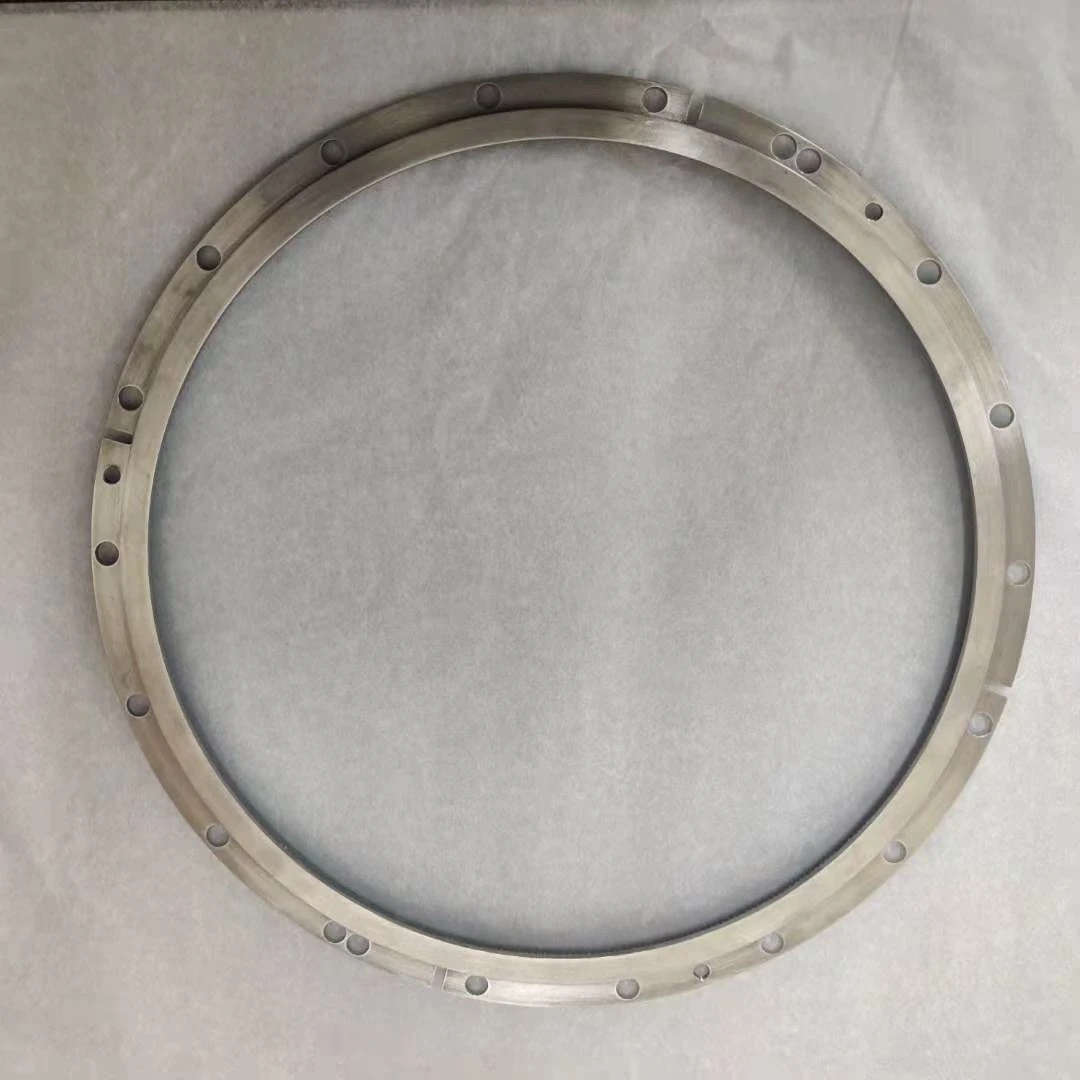
Their modular design means faster fitment and less downtime — a small but valuable edge in industrial settings.
Typical Product Specifications
| Specification | Typical Values |
|---|---|
| Material | Inconel 718, Stainless Steel 316, Composite Alloy |
| Operating Temperature Range | -40°C to 650°C |
| Pressure Range | Up to 20 bar |
| Cell Dimension | 0.5 to 1.5 mm per hex |
| Seal Width | 10–30 mm |
| Service Life | ~50,000 operating hours |
Global Real-World Applications and Use Cases
Honeycomb seal turbins aren’t just theoretical — they’re hard at work in places as varied as high-altitude hydroelectric plants in Switzerland to offshore wind farms in Denmark. In industrial zones across Southeast Asia, for example, these seals mitigate wear caused by humidity and particulate matter, which previously shortened turbine life cycles dramatically.
Oddly enough, some humanitarian relief agencies have even adopted turbine systems fitted with honeycomb seals for remote microgrids — these reliable, low-maintenance seals support power units in disaster-prone areas, helping communities regain electricity quickly.
Who benefits most?
- Energy producers (renewables & fossil fuel)
- Aircraft engine manufacturers
- Heavy industry (chemical plants, refineries)
- Remote and off-grid utilities
Mini takeaway:
This technology’s adaptability across climates and industries shows why it’s rising in prominence. It’s reliable, particularly where downtime costs are high.
Comparing Leading Honeycomb Seal Turbin Vendors
| Vendor | Material Options | Custom Sizes | Typical Lead Time | Pricing Tier |
|---|---|---|---|---|
| HS HiHoneycomb | Inconel, Stainless Steel | Yes, customizable to specs | 4-6 weeks | Mid |
| SealTech Global | Steel & Composite | Limited | 6-8 weeks | High |
| TurboSeal Industries | Primarily Steel | No | 3-5 weeks | Low |
Why Honeycomb Seal Turbin Offers Long-Term Value
From a pure cost perspective, these seals might initially seem pricier than standard labyrinth designs; however, their longer life and energy-saving performance quickly justify the investment. Sustainability-wise, the fact honeycomb seals improve turbine efficiency means lower fuel consumption and reduced emissions — really something given current global climate commitments.
On the social and operational side, workers report fewer shut-downs and less maintenance stress. It’s partly about safety and partly about the dignity of knowing your equipment won’t fail suddenly. Innovation, after all, isn’t just tech for tech’s sake — it’s trust built into every screw and weld.
Looking Ahead: Trends and Innovations in Honeycomb Seal Turbin
Going forward, expect materials like ceramic matrix composites and coating technologies to push operating temps even higher. Digital monitoring integrated with smart seals is also coming into play — real-time diagnostics means teams can predict failures before they happen. Plus, the rise of green energy plants puts a spotlight on optimizing every turbine component, honeycomb seals included.
Challenges and Clever Solutions
No tech is perfect, right? Honeycomb seals still face challenges, particularly with manufacturing complexity and cost in large turbine projects. But additive manufacturing — aka 3D printing — is helping make custom honeycomb structures more affordable. Also, researchers work on coatings that resist fouling and corrosion better under extreme environments, which could be a game changer.
Common Questions About Honeycomb Seal Turbin
- What makes honeycomb seals better than traditional labyrinth seals?
- Honeycomb seals reduce leakage more effectively by using their hexagonal cells to dissipate airflow pressures, leading to improved turbine efficiency and lower maintenance needs.
- How long do honeycomb seal turbins typically last in harsh industrial conditions?
- With proper installation and maintenance, they can last around 50,000 operating hours, significantly outlasting many conventional seal designs.
- Are honeycomb seals compatible with different turbine types?
- Yes, they are versatile and used in steam, gas, and even aircraft turbines, thanks to customizable materials and geometries.
- Can honeycomb seal turbins be sourced globally?
- Absolutely. Vendors like HS HiHoneycomb provide custom solutions worldwide, often assisting with logistics and compliance.
Wrapping Up: The Takeaway on Honeycomb Seal Turbin
So, it seems clear: honeycomb seal turbins may be behind-the-scenes, but they carry a lot of weight in keeping critical turbines efficient and trustworthy. Their growing adoption worldwide underscores this seal’s role in energy, aerospace, and industry, all while tackling stringent environmental goals. If you want to dig deeper or explore custom solutions, a visit to our website might be an excellent place to start.
References:
1. ISO Standards on Turbine Seals
2. Wikipedia: Turbine Seal
3. UN Energy Reports

-
Industrial Airflow Guide for maf воздушная правильная машинаNewsApr.16,2026
-
Best maf струйно правильная машина for Industrial EfficiencyNewsApr.09,2026
-
Сотовая правильная машина A Comprehensive Guide to Honey Packing AutomationNewsApr.07,2026
-
Build Your Own DIY газоправильная Машина A Comprehensive Guide to Gas CorrectionNewsApr.04,2026
-
Understanding Кондиционер отопления Systems for Efficient and Comfortable HeatingNewsMar.31,2026
-
Comprehensive Guide to Cellular Blinds Installation Установка сотовых жалюзиNewsMar.28,2026
-
Mobile Aerodynamic Tunnel Design A Comprehensive Guide to Applications and ImplementationNewsMar.26,2026






 English
  Afrikaans
  Albanian
  Amharic
  Arabic
  Armenian
  Azerbaijani
  Basque
  Belarusian
  Bengali
  Bosnian
  Bulgarian
  Catalan
  Cebuano
  China
China  China (Taiwan)
  Corsican
  Croatian
  Czech
Czech  Danish
  Dutch
Dutch  Esperanto
  Estonian
  Finnish
  French
  Frisian
  Galician
  Georgian
  German
  Greek
Greek  Gujarati
  Haitian Creole
  Hausa
Hausa  Hawaiian
  Hebrew
  Hindi
Hindi  Miao
Miao  Indonesian
  Italian
  Japanese
  Javanese
  Malay
Malay  Persian
  Portuguese
  Punjabi
  Russian
  Spanish
  Swahili
  Telugu
  Vietnamese