


Honeycomb Vent: EMI Shielding & Airflow—Why Choose Us?
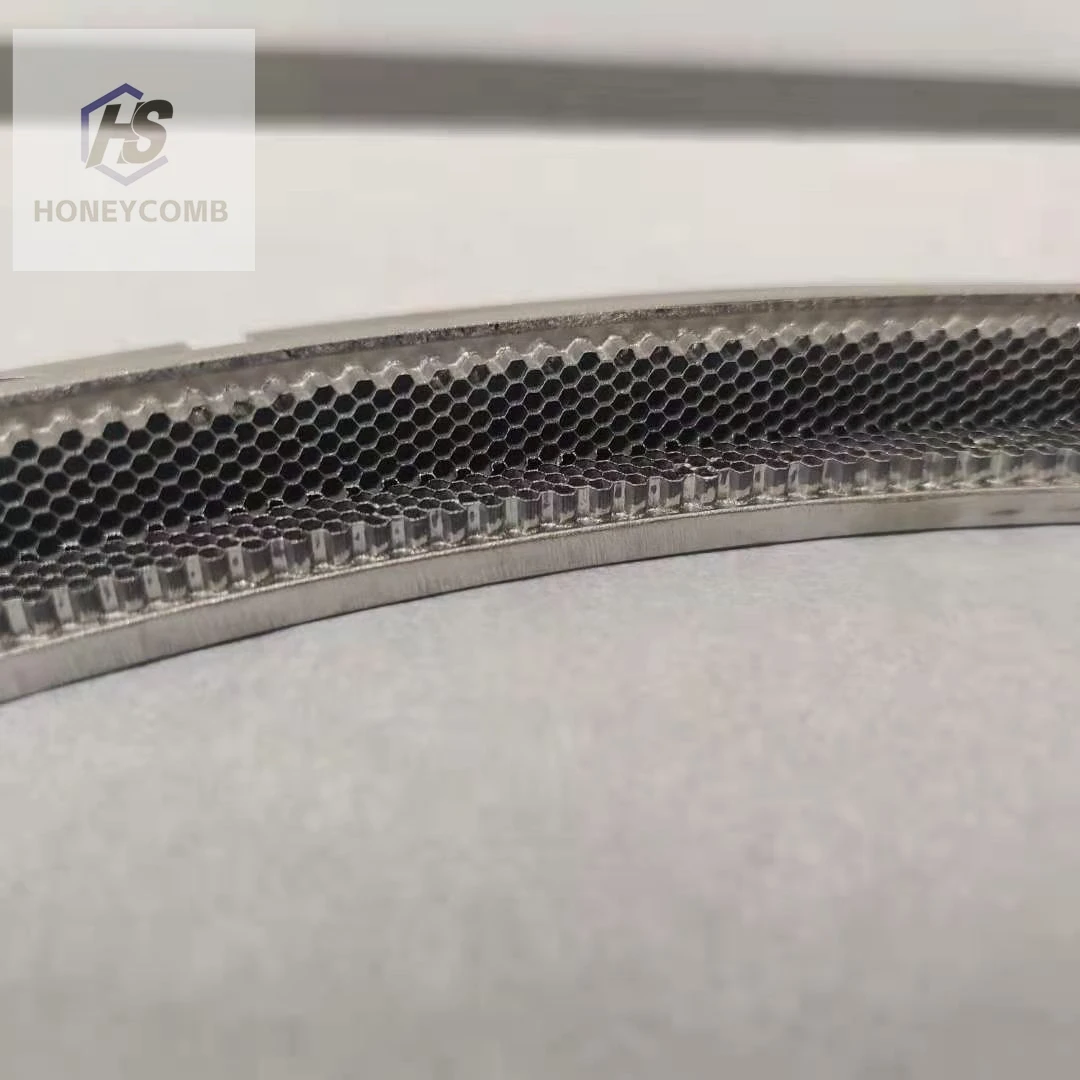
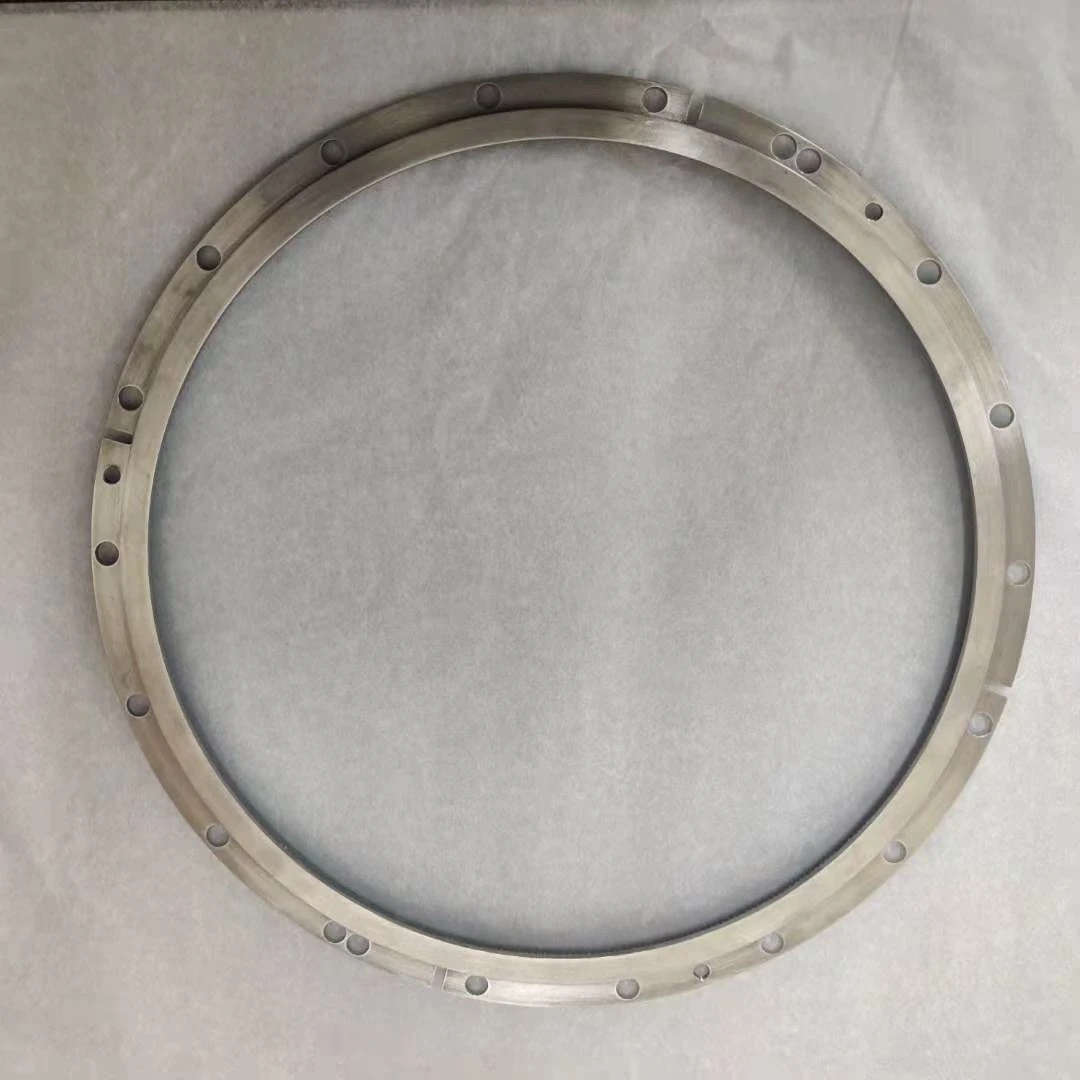
Aluminium EMC Shielded Honeycomb Vent for 120×120 mm Fan: field notes, specs, and what actually matters
If you work around RF, servers, or test racks, you already know the tug-of-war between airflow and shielding. That’s where a honeycomb vent earns its keep—letting fans breathe while keeping emissions and susceptibility in check. This model, built in No.2, Tongda Street, High-tech area Gu'an County, Langfang, 065500, Hebei China, has been making the rounds in labs I visit. And, to be honest, it surprised me on pressure drop.
Quick industry pulse
Two intersecting trends drive adoption: tighter EMC limits (especially around 5G and dense compute) and thermal budgets that leave no slack. Data centers, defense comms, and medical imaging push for higher shielding effectiveness without choking airflow. It seems that plated aluminum cores remain the sweet spot—cost-effective, strong, and conductive. Many customers say nickel plating gives the most repeatable performance under humidity and vibration.
Product snapshot
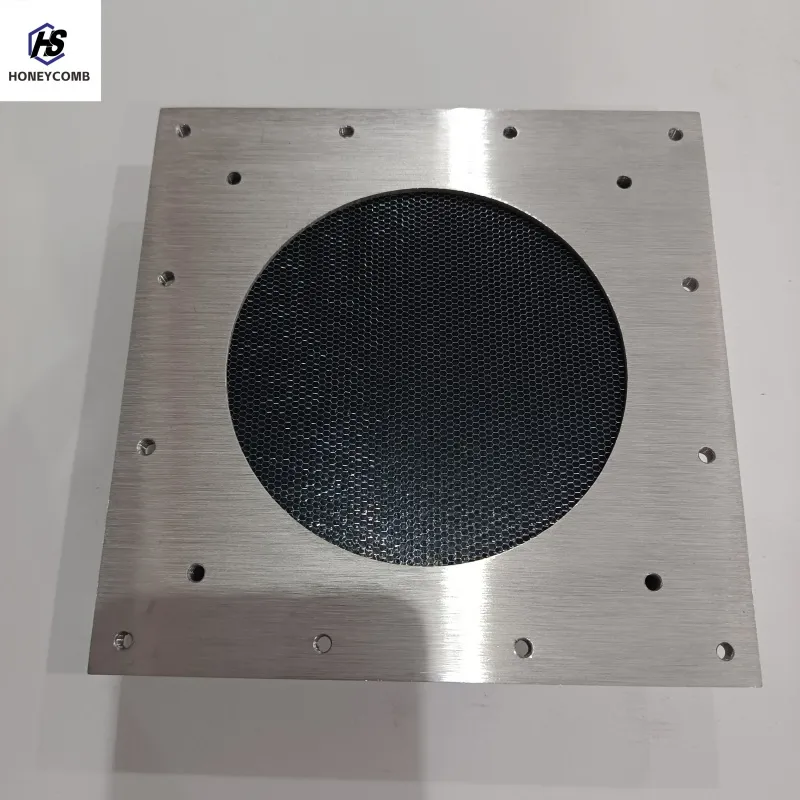
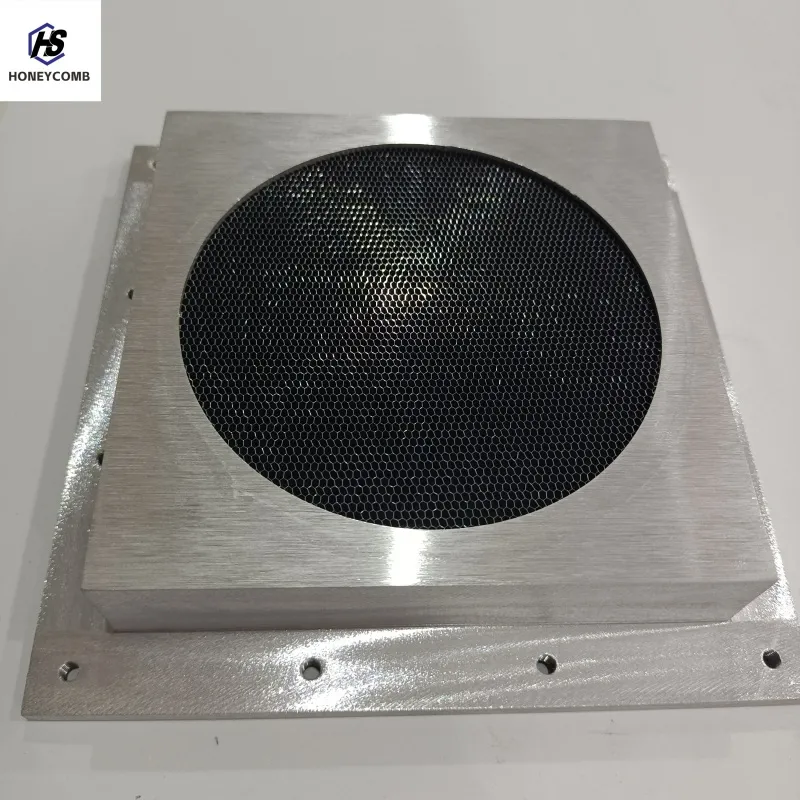
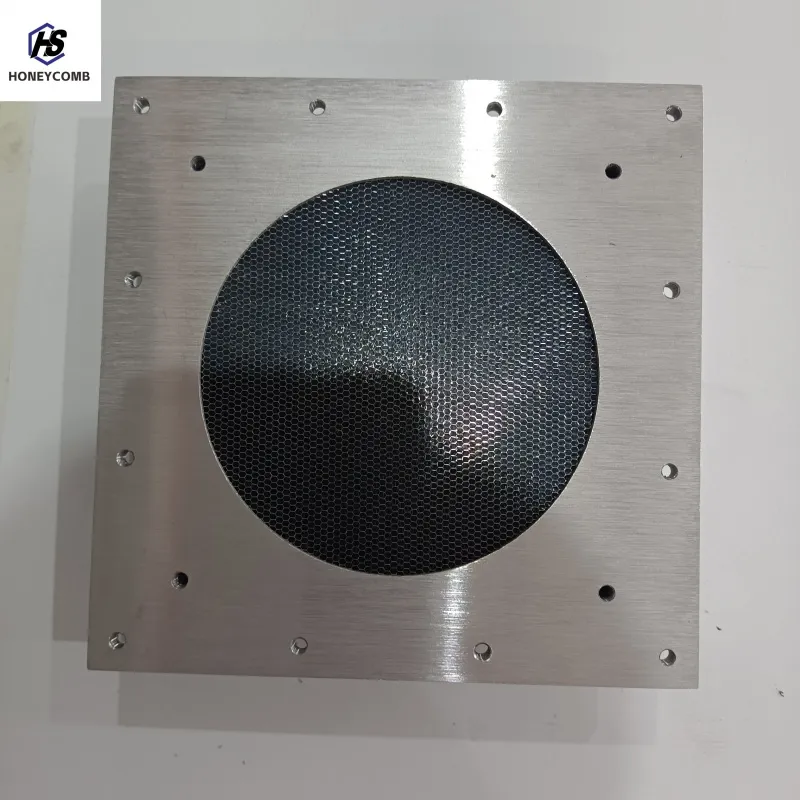
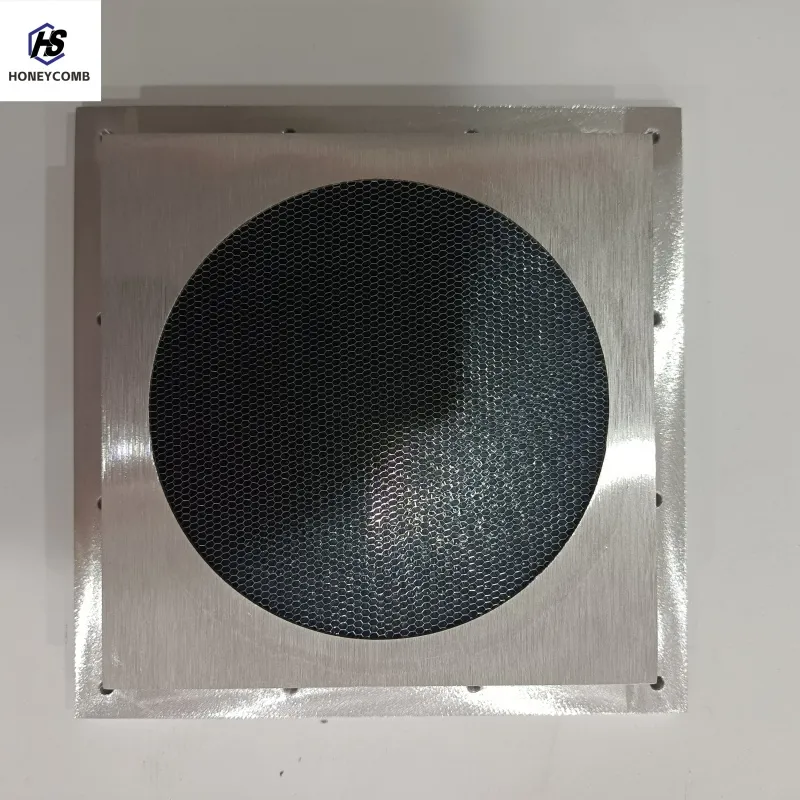
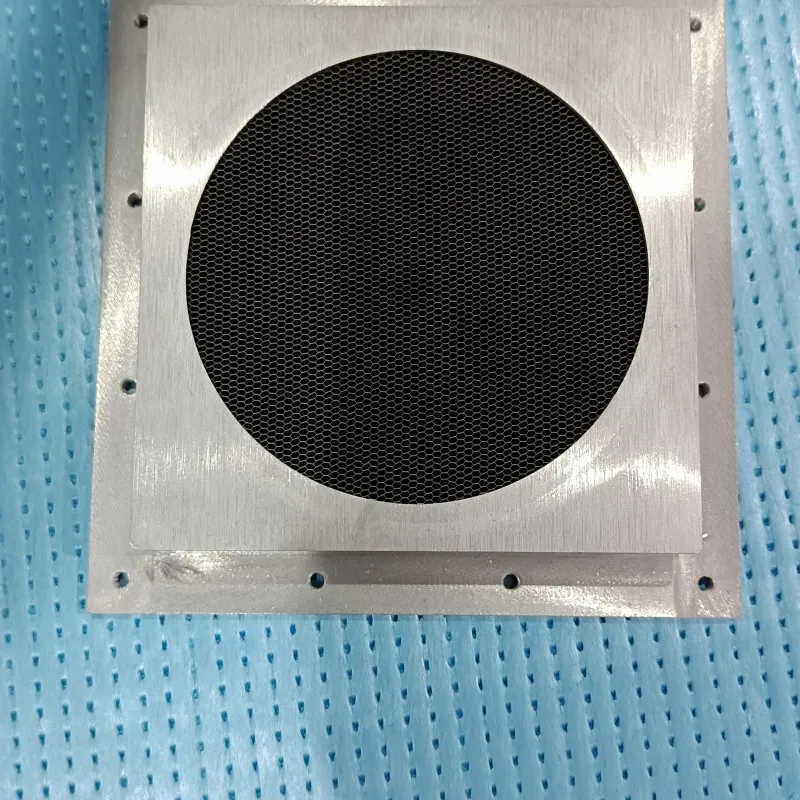
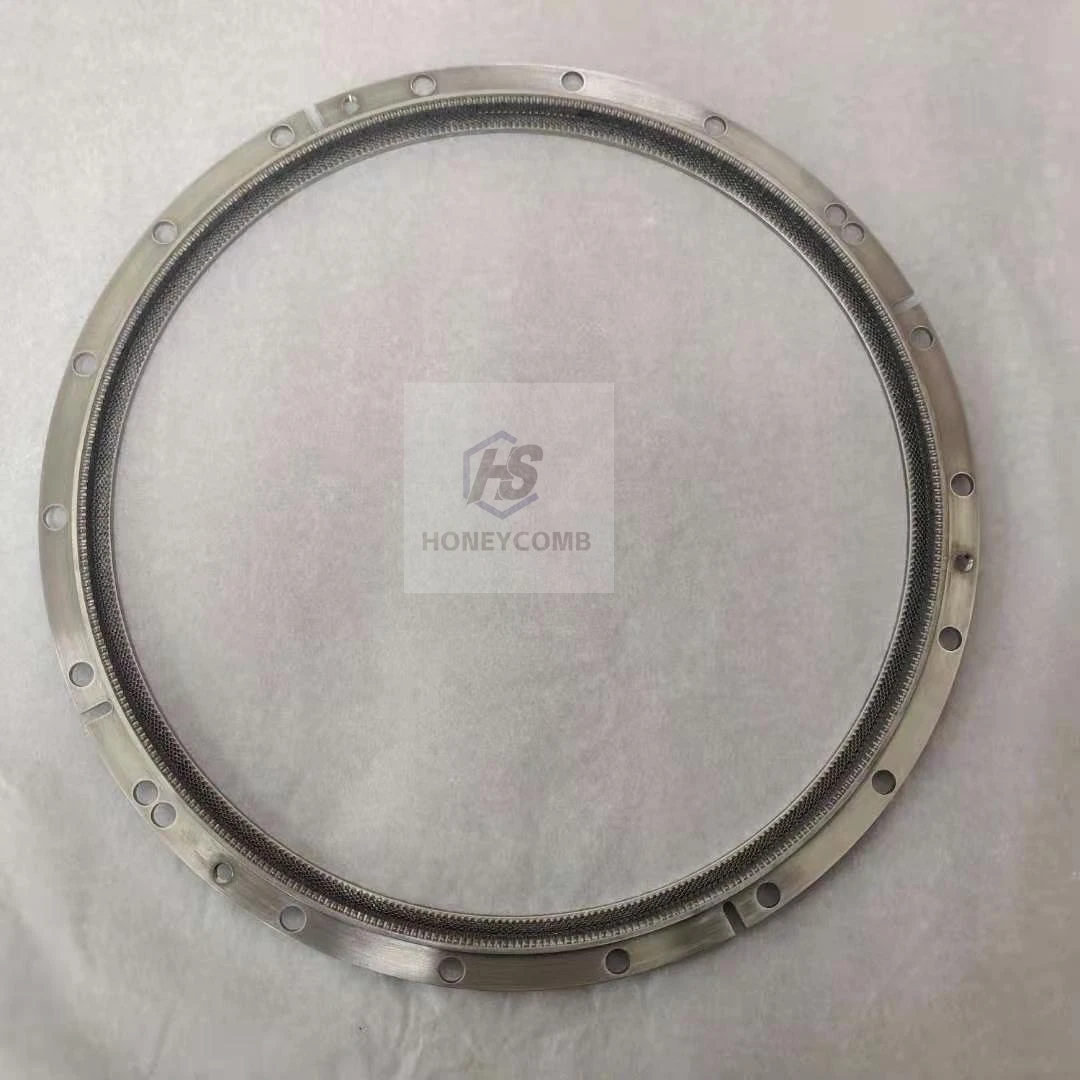
Product name: Aluminium EMC Shielded honeycomb vent for 120×120 mm fan. Designed for cabinet fans, routers, RF boxes, and mobile labs where you can’t afford EMI leaks or thermal throttling.
Core specifications
| Size | 120 × 120 mm (fan-mount pattern compatible) |
| Material | Aluminum alloy (≈ 5052/5056 core), conductive frame |
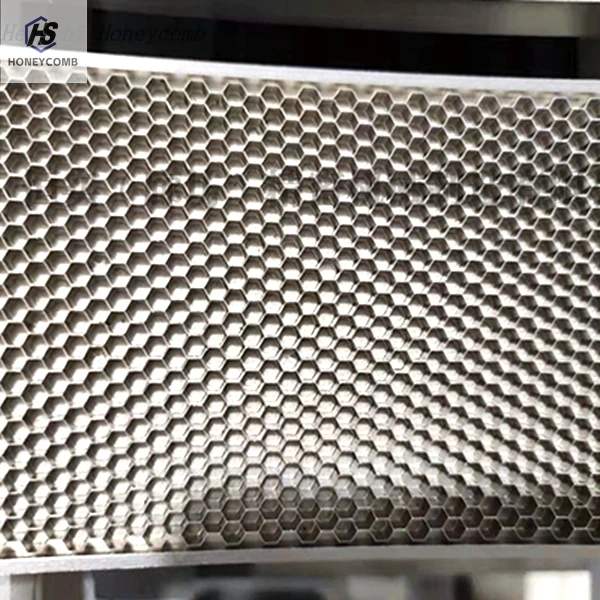
| Cell size / depth | ≈ 3.2 mm cells; 6.35–12.7 mm depth options |
| Finish | Nickel or tin plating for low surface resistance |
| Shielding effectiveness | 60–90 dB @ 30 MHz–10 GHz (per IEEE-299 methods; real-world use may vary) |
| Airflow impact | ≈10–18% CFM reduction vs. open fan; pressure drop ≈ 20–60 Pa @ 2 m/s |
| Operating temp | -40 to +85 °C (higher on request) |
| Compliance | MIL-STD-461, IEEE-299 test methods, RoHS, REACH; ISO 9001 facility |
| Service life | ≈10–15 years in typical enclosure duty |
How it’s built (short version)
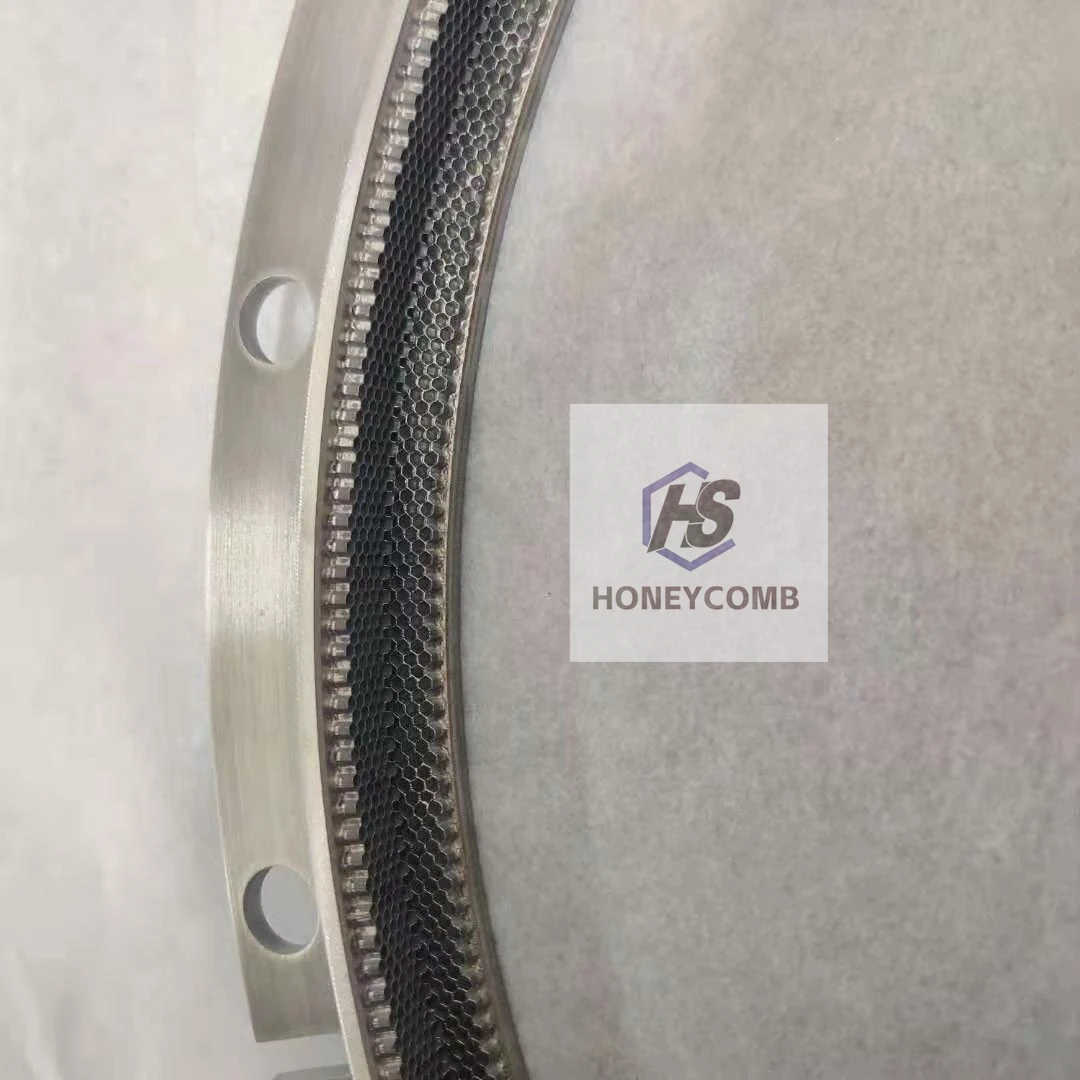
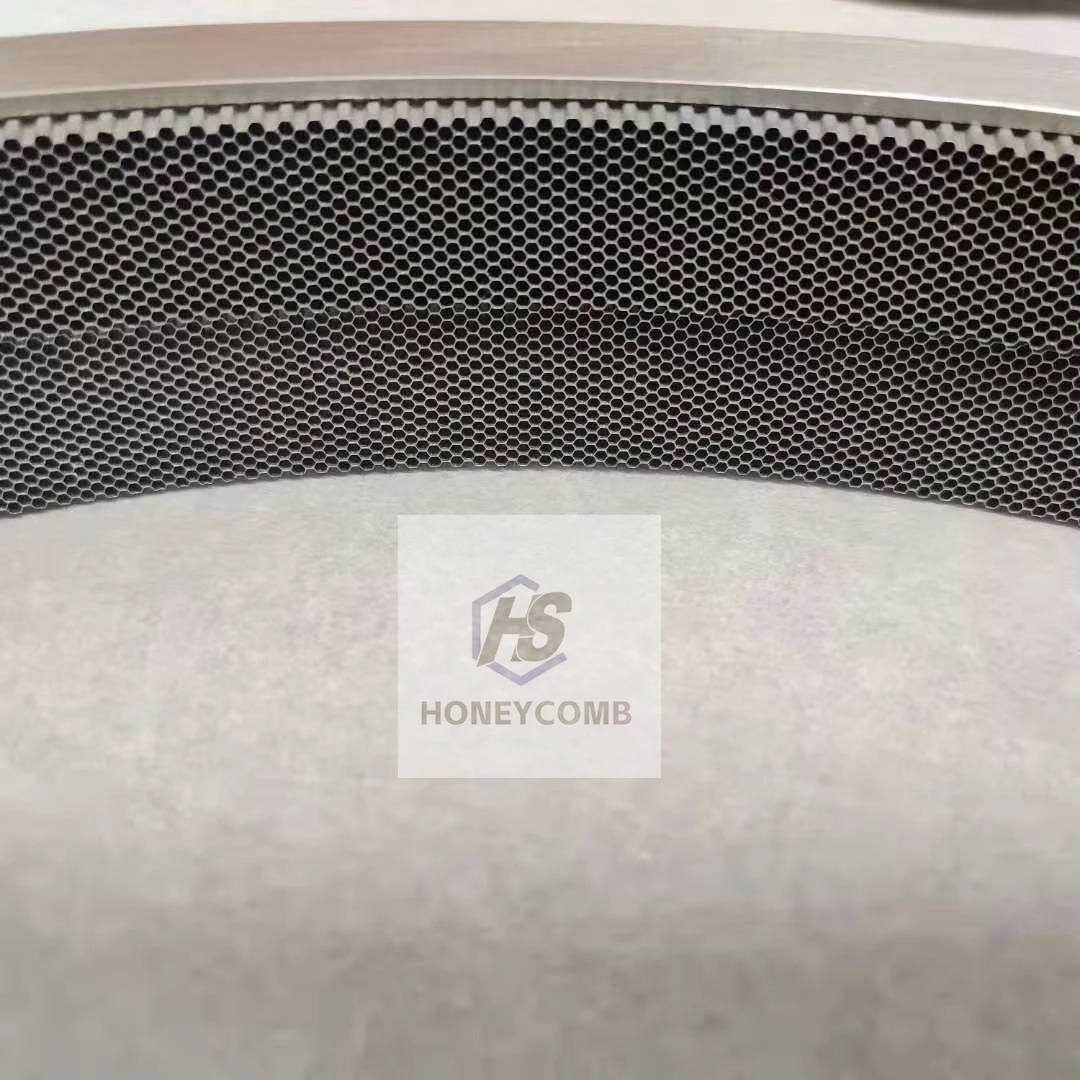
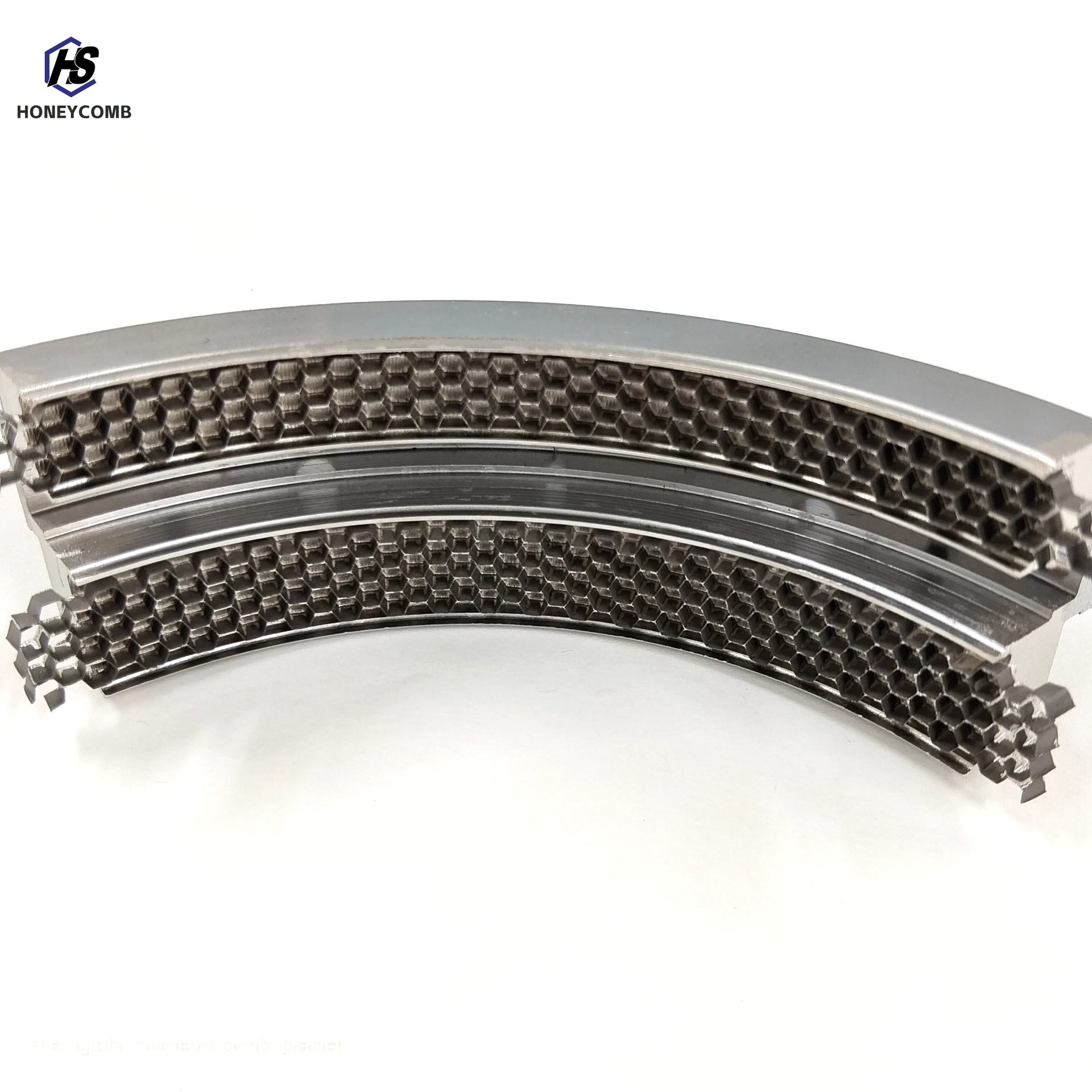
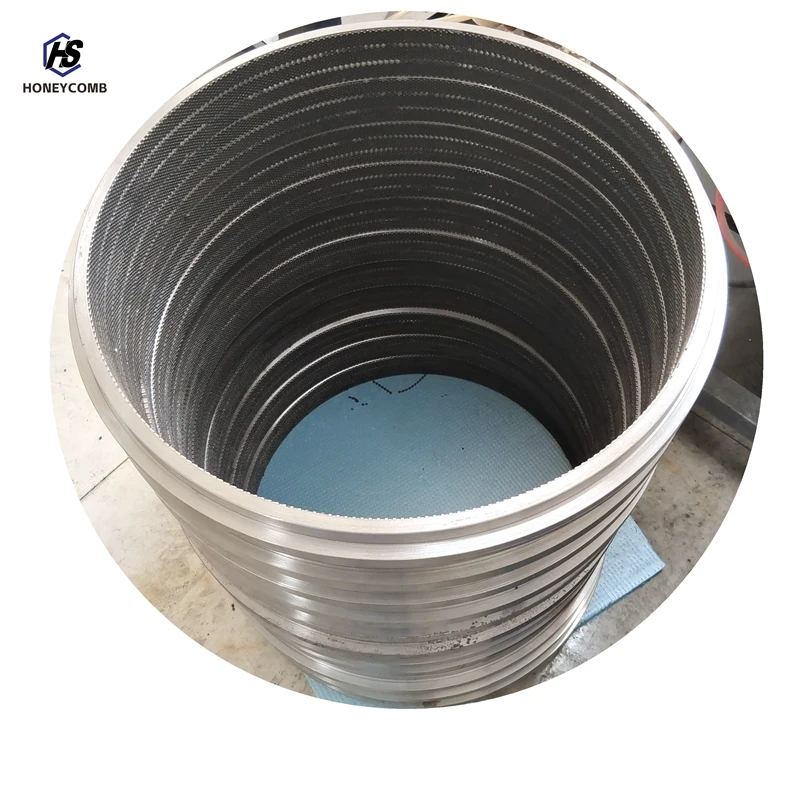
Materials are slit to foil, expanded to the honeycomb core, then stacked and bonded into a rigid panel. Frames are CNC-machined, cores trimmed, then plated (nickel is my go-to for corrosion and conductivity). Conductive gaskets are added where needed. Testing covers DC resistance, airflow/pressure drop, salt spray, and shielding effectiveness using IEEE-299-style fixtures. Honestly, more vendors should publish the actual dB curves; these folks do share representative sweeps on request.
Where it goes (and why)
- 5G baseband enclosures, edge compute nodes, firewall/SD-WAN racks
- Medical carts and imaging support gear where leakage limits are strict
- Defense radios, test sets, and portable RF cases needing rugged honeycomb vent airflow
- EMC test benches and screened cabinets in labs (quiet, serviceable)
Customer feedback: quieter fan curves (because backpressure is predictable) and noticeably lower radiated leakage around 1–3 GHz. One integrator told me their compliance retest passed with 6 dB margin after swapping in the plated honeycomb vent.
Customization options
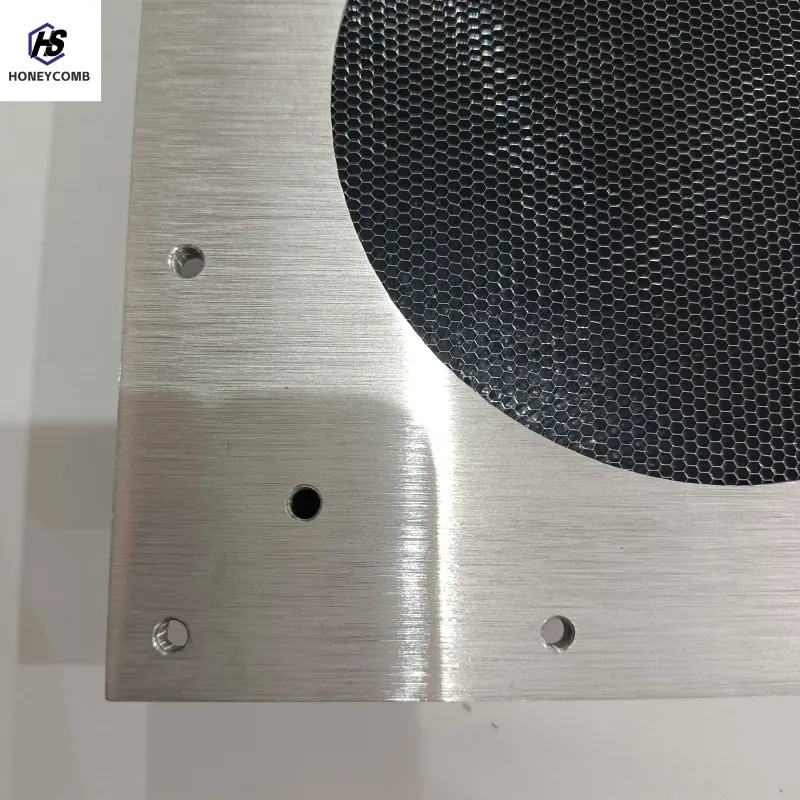
Depth, plating, gasket style (knitted wire, conductive foam), and hole patterns are all fair game. For telecom, I often suggest nickel plating + 12.7 mm depth for better attenuation above 2 GHz. For tight airflow budgets, 6.35 mm depth keeps pressure drop friendly.
Vendor landscape (my quick take)
| Vendor | Shielding (30 MHz–10 GHz) | Pressure Drop @2 m/s | Lead Time | Certs | Price Tier |
|---|---|---|---|---|---|
| HSHI (this model) | ≈60–90 dB | ≈20–60 Pa | 2–4 weeks | ISO 9001, RoHS, REACH | Mid |
| Vendor A | ≈55–80 dB | ≈30–75 Pa | 4–6 weeks | ISO 9001 | Mid–High |
| Vendor B | ≈50–75 dB | ≈35–85 Pa | 3–5 weeks | RoHS | Low–Mid |
Mini case notes
- Telecom rack: swapped legacy grille for plated honeycomb vent; radiated emission dropped ≈8 dB at 900 MHz; fan RPM reduced 6% to meet same temps.
- Medical cart: added gasketed honeycomb vent to pass IEC radiated immunity; no artifacting under 10 V/m, 80 MHz–2.7 GHz.
- Defense radio bay: nickel-plated, 12.7 mm depth; survived 96 h salt spray with no measurable rise in contact resistance.
What to check before you order
Confirm fan curve with added pressure drop, specify plating (I lean nickel), define gasket path and fasteners, and ask for IEEE-299-style attenuation data. Small steps, big wins.
Citations
- MIL-STD-461G: Requirements for the Control of Electromagnetic Interference Characteristics of Subsystems and Equipment.
- IEEE Std 299-2006: Standard Method for Measuring the Effectiveness of Electromagnetic Shielding Enclosures.
- IEC 61000-4-3: Radiated, radio-frequency, electromagnetic field immunity test.
- Directive 2011/65/EU (RoHS) as amended by (EU) 2015/863; REACH Regulation (EC) No 1907/2006.
-
Industrial Airflow Guide for maf воздушная правильная машинаNewsApr.16,2026
-
Best maf струйно правильная машина for Industrial EfficiencyNewsApr.09,2026
-
Сотовая правильная машина A Comprehensive Guide to Honey Packing AutomationNewsApr.07,2026
-
Build Your Own DIY газоправильная Машина A Comprehensive Guide to Gas CorrectionNewsApr.04,2026
-
Understanding Кондиционер отопления Systems for Efficient and Comfortable HeatingNewsMar.31,2026
-
Comprehensive Guide to Cellular Blinds Installation Установка сотовых жалюзиNewsMar.28,2026
-
Mobile Aerodynamic Tunnel Design A Comprehensive Guide to Applications and ImplementationNewsMar.26,2026






 English
  Afrikaans
  Albanian
  Amharic
  Arabic
  Armenian
  Azerbaijani
  Basque
  Belarusian
  Bengali
  Bosnian
  Bulgarian
  Catalan
  Cebuano
  China
China  China (Taiwan)
  Corsican
  Croatian
  Czech
Czech  Danish
  Dutch
Dutch  Esperanto
  Estonian
  Finnish
  French
  Frisian
  Galician
  Georgian
  German
  Greek
Greek  Gujarati
  Haitian Creole
  Hausa
Hausa  Hawaiian
  Hebrew
  Hindi
Hindi  Miao
Miao  Indonesian
  Italian
  Japanese
  Javanese
  Malay
Malay  Persian
  Portuguese
  Punjabi
  Russian
  Spanish
  Swahili
  Telugu
  Vietnamese