


Honeycomb Waveguide Air Vents: Optimal EMI Shielding & Airflow
Advanced EMI Shielding Solutions for Critical Infrastructure
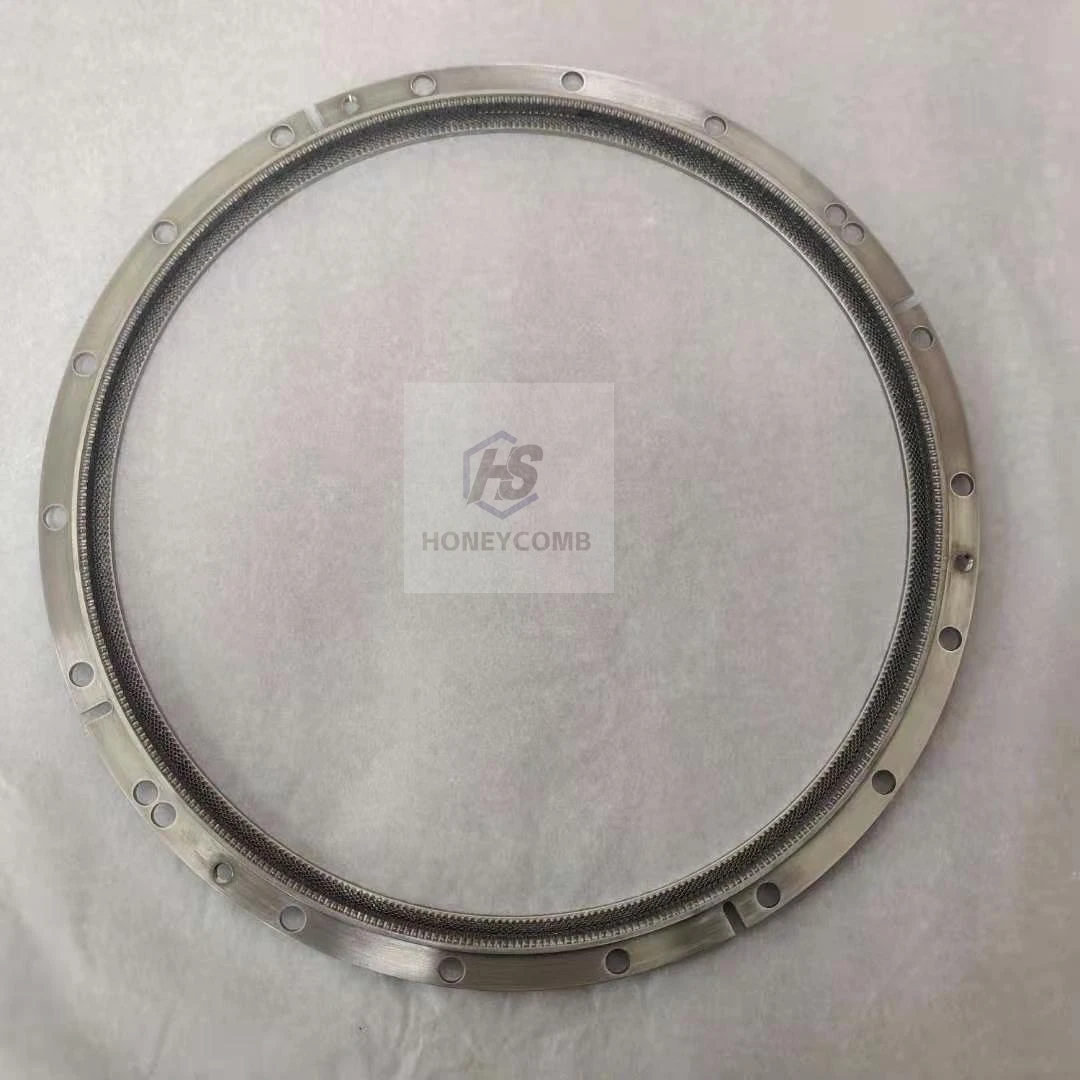
In today's electromagnetically congested environments, effective electromagnetic interference (EMI) shielding is paramount for the reliable operation of sensitive electronics and communication systems. Among the most effective solutions for allowing necessary airflow while maintaining high levels of EMI attenuation are honeycomb waveguide air vents. These specialized components are engineered to provide superior shielding performance by leveraging the "waveguide beyond cutoff" principle, ensuring that sensitive equipment remains protected from harmful electromagnetic radiation without impeding critical thermal management. This detailed overview will delve into the technical intricacies, applications, manufacturing processes, and strategic advantages of these essential B2B solutions.
Industry Trends and the Growing Demand for EMI Shielding
The proliferation of wireless technologies, high-frequency digital circuits, and increasing power densities in modern electronic systems has driven a significant increase in EMI levels. Industries such as aerospace, defense, telecommunications, medical, and data centers are particularly vulnerable to EMI-induced operational failures, data corruption, and safety hazards. Consequently, the demand for robust EMI shielding solutions, including highly efficient honeycomb waveguide air vents, is escalating. Market analysis indicates a Compound Annual Growth Rate (CAGR) of over 6% for the global EMI shielding market, projected to reach approximately $8 billion by 2027. This growth is largely fueled by stricter regulatory standards for electromagnetic compatibility (EMC) and the continuous miniaturization and integration of electronic components, which inherently increase their susceptibility to EMI. Advanced materials and precision manufacturing are crucial to meeting these evolving requirements.
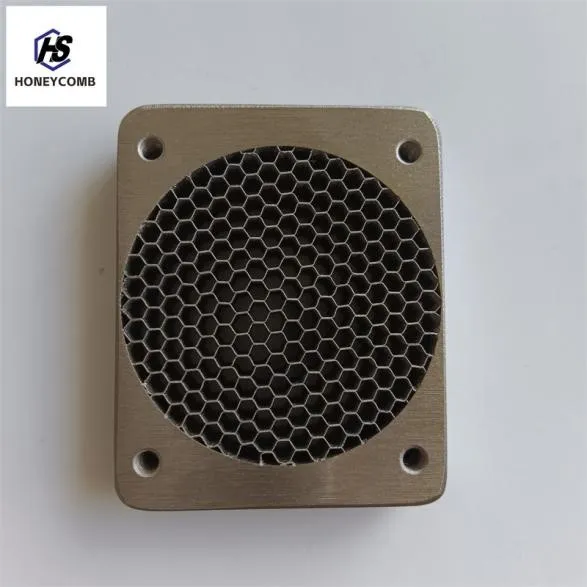
Technical Specifications and Performance Parameters
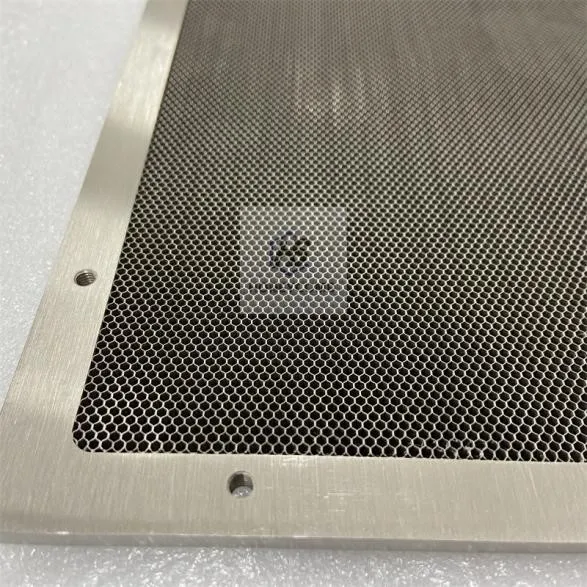
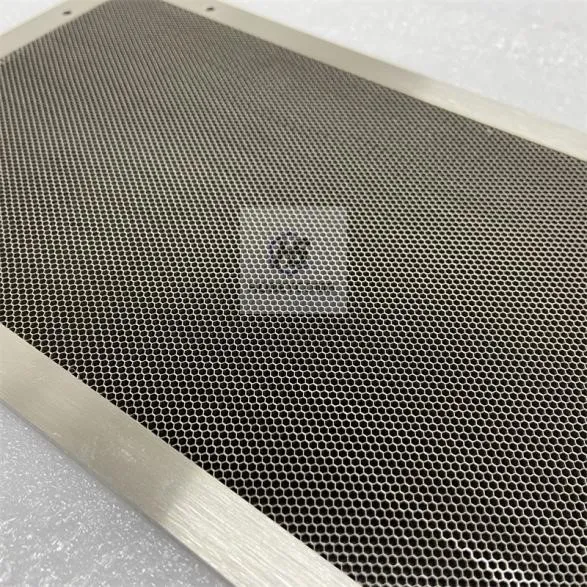
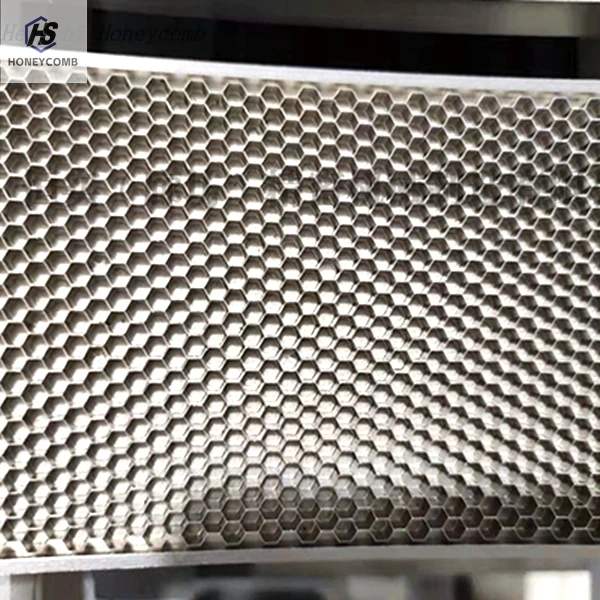
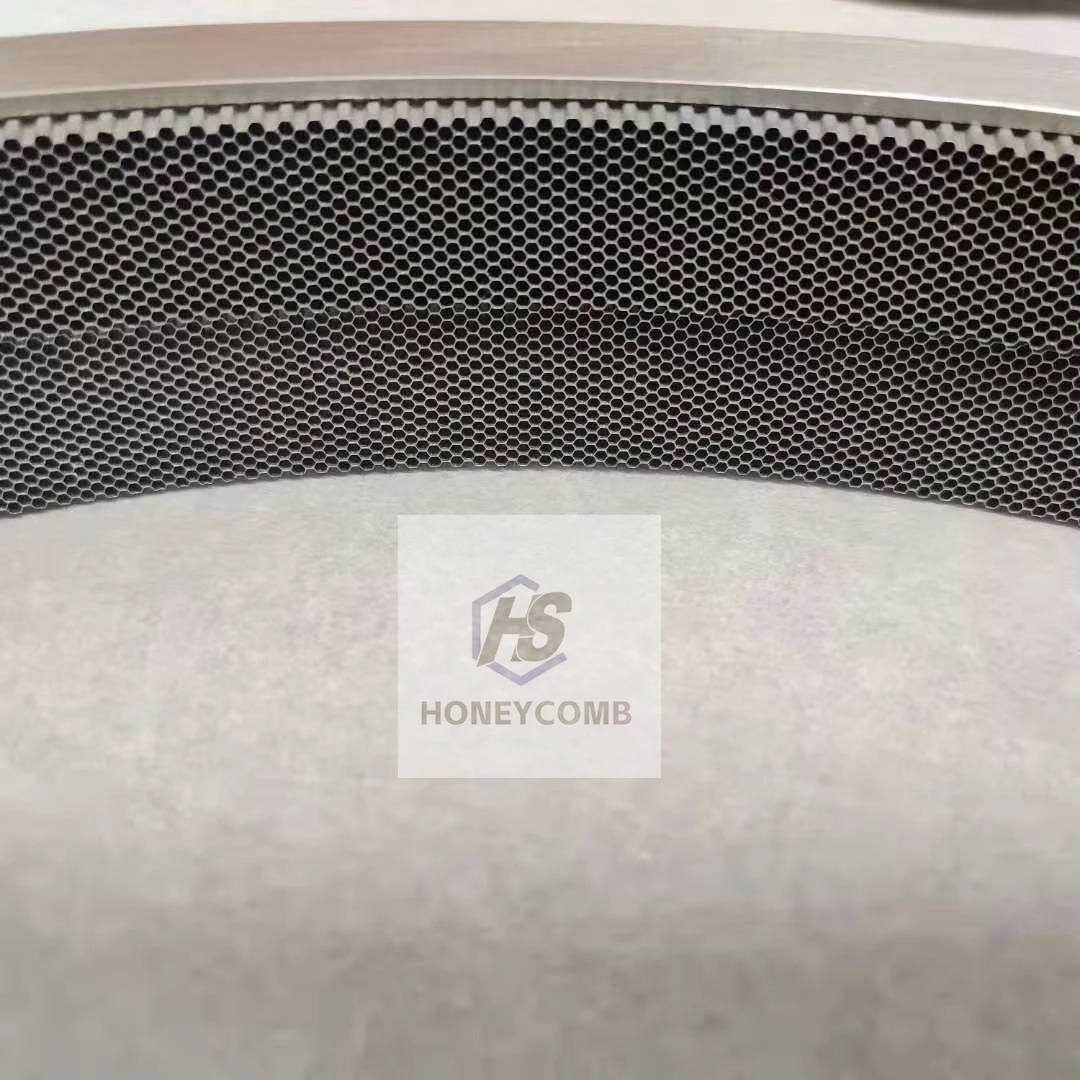
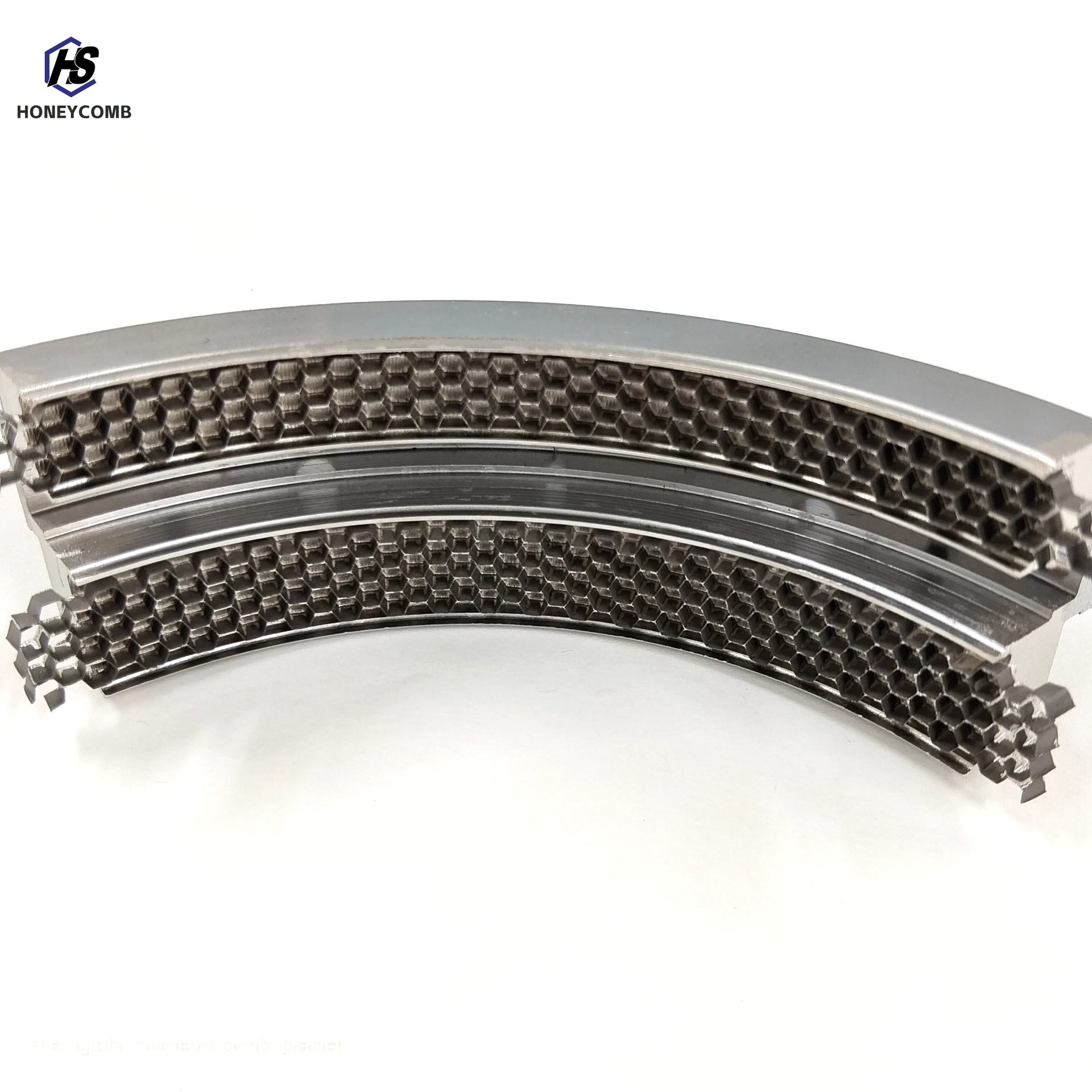
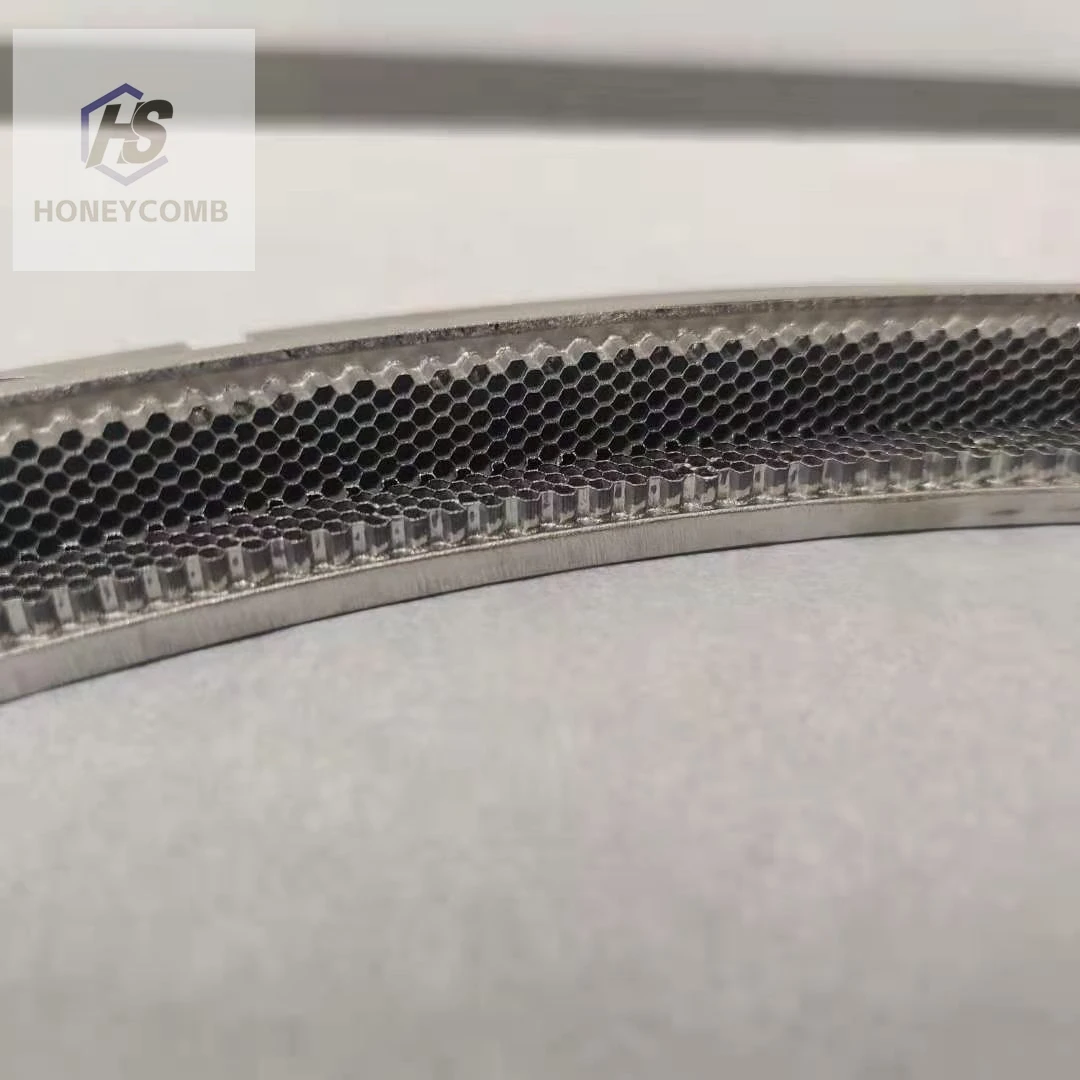
Honeycomb waveguide air vents are designed based on the principle that electromagnetic waves cannot propagate through apertures smaller than their wavelength (waveguide beyond cutoff). This is achieved by creating an array of small, conductive cells (honeycomb structure) that act as waveguides. Key technical specifications include material composition, cell size, thickness, and aspect ratio (length-to-diameter ratio of the cell).
Typical Product Specifications:
| Parameter | Description | Typical Value/Range |
|---|---|---|
| Material | Aluminum, Brass, Steel (Stainless/Galvanized), Copper | Alloy 3003, Brass C260, SUS304 |
| Cell Size (Hexagonal) | Distance across flats of individual cells | 1.6 mm to 6.4 mm (1/16" to 1/4") |
| Thickness (Panel Depth) | Overall thickness of the honeycomb panel | 6.35 mm to 25.4 mm (0.25" to 1.0") |
| Shielding Effectiveness | Attenuation of EM waves (tested per MIL-STD-285, IEEE 299) | 60 dB to 120 dB (up to 18 GHz, depending on configuration) |
| Airflow Resistance | Pressure drop across the vent at a given airflow rate | Typically very low, ensuring efficient cooling |
| Operating Temperature | Range over which the material maintains properties | -60°C to +200°C (material dependent) |
| Finish Options | Corrosion protection, conductivity enhancement | Chem Film (Alodine), Nickel Plating, Anodizing |
The effectiveness of an emi honeycomb panel is directly related to the aspect ratio of its cells. A higher aspect ratio (deeper cells relative to their width) provides greater attenuation. Careful selection of material and finish is also critical for specific environmental conditions, such as corrosive atmospheres or high-temperature applications.
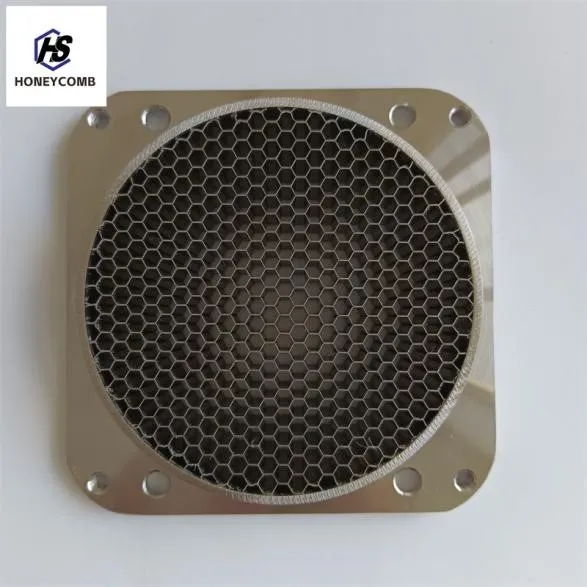
Diverse Application Scenarios
The versatility and high performance of honeycomb waveguide air vents make them indispensable across a wide array of demanding industries and applications where both airflow and EMI shielding are crucial.
- Aerospace & Defense: Essential for protecting avionics, radar systems, communication equipment, and control units from hostile electromagnetic environments. They maintain optimal operating temperatures while preventing radar signature leakage and interference with sensitive onboard electronics.
- Medical Devices: Used in MRI rooms, diagnostic imaging equipment, and patient monitoring systems to prevent interference that could compromise diagnosis accuracy or patient safety. The need for quiet, thermally regulated environments is perfectly met.
- Telecommunications: Critical for shielding data centers, server racks, base stations, and other network infrastructure from external EMI, ensuring signal integrity and data security. Efficient cooling is vital for high-density computing.
- Industrial Control Systems: Protecting PLCs, HMIs, and other automated control equipment in manufacturing plants, especially in environments with heavy machinery or RF welding equipment, from operational disruptions.
- Test & Measurement: Integral to EMI/EMC test chambers and anechoic chambers, providing controlled electromagnetic environments for accurate product testing and development.
- Petrochemical & Metallurgy: In these demanding sectors, the corrosion resistance of specific materials combined with EMI shielding protects critical sensor and control systems in explosive or highly corrosive atmospheres.
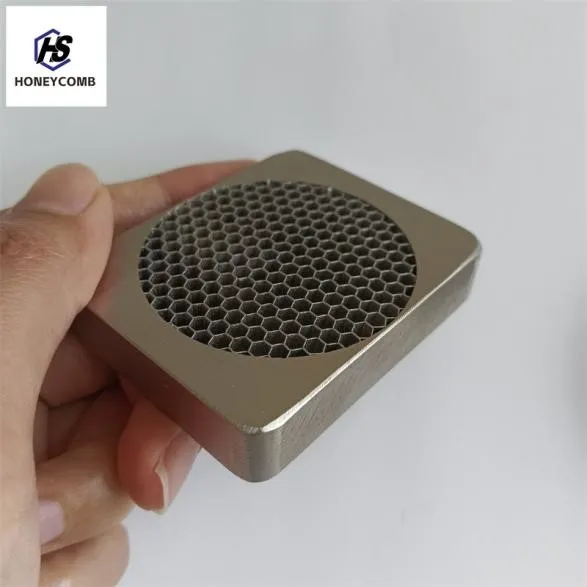
Key Technical Advantages
The design and material science behind honeycomb air vent solutions offer a unique combination of advantages critical for modern electronic enclosures:
- Superior EMI Shielding Effectiveness: Achieves high attenuation (often >100 dB) across a broad frequency spectrum (MHz to GHz) by functioning as a waveguide beyond cutoff, effectively preventing electromagnetic leakage or ingress.
- Excellent Airflow & Low Pressure Drop: The open cellular structure allows for efficient ventilation, critical for dissipating heat generated by electronic components, thereby improving system reliability and extending service life. This also translates to energy savings by reducing the load on cooling systems.
- Material Versatility & Corrosion Resistance: Available in various metals like aluminum, brass, and stainless steel, which can be further treated (e.g., chem film, nickel plating) for enhanced corrosion resistance in harsh environments. This is particularly beneficial in target industries such as petrochemical and maritime.
- Structural Integrity: The honeycomb structure inherently provides high strength-to-weight ratio, offering mechanical stability and durability even in vibration-prone applications.
- Customizable Dimensions: Can be manufactured to precise dimensions and shapes, ensuring a perfect fit for diverse enclosure designs and retrofit applications.
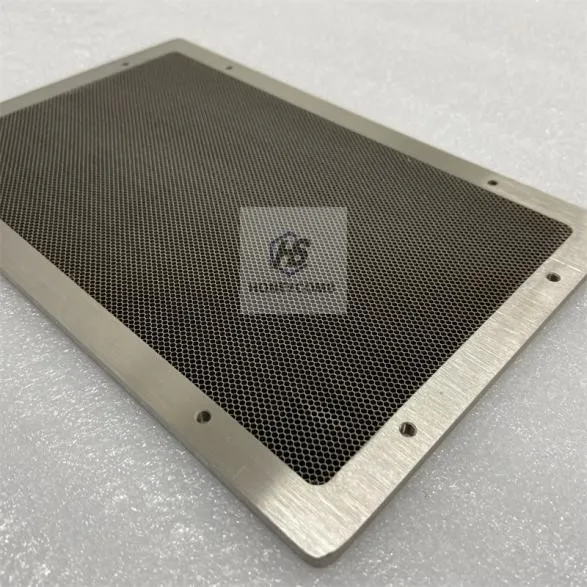
Manufacturing Process Flow of Honeycomb Waveguide Air Vents
The production of high-performance honeycomb waveguide air vents is a multi-stage process demanding precision engineering and adherence to strict quality control standards.
- Material Selection: Begins with selecting high-grade conductive metals such as aluminum alloys (e.g., 3003, 5052), brass, or stainless steel, chosen based on shielding requirements, environmental conditions (e.g., corrosion resistance), and mechanical properties.
- Foil Preparation: The selected metal is typically supplied as thin foil. This foil is precisely cut and sometimes corrugated or formed into a specific profile that will create the hexagonal cell structure.
- Core Assembly (Brazing/Adhesive Bonding): Multiple layers of the prepared foil are stacked and joined to form the honeycomb core. For metal honeycombs, this often involves a specialized brazing process in a controlled atmosphere furnace, ensuring strong, conductive bonds between cell walls. Alternatively, high-performance conductive adhesives can be used for certain applications.
- Slicing: The large honeycomb block is then precisely sliced to the required panel thickness using specialized saws, ensuring uniform cell depth across the entire vent.
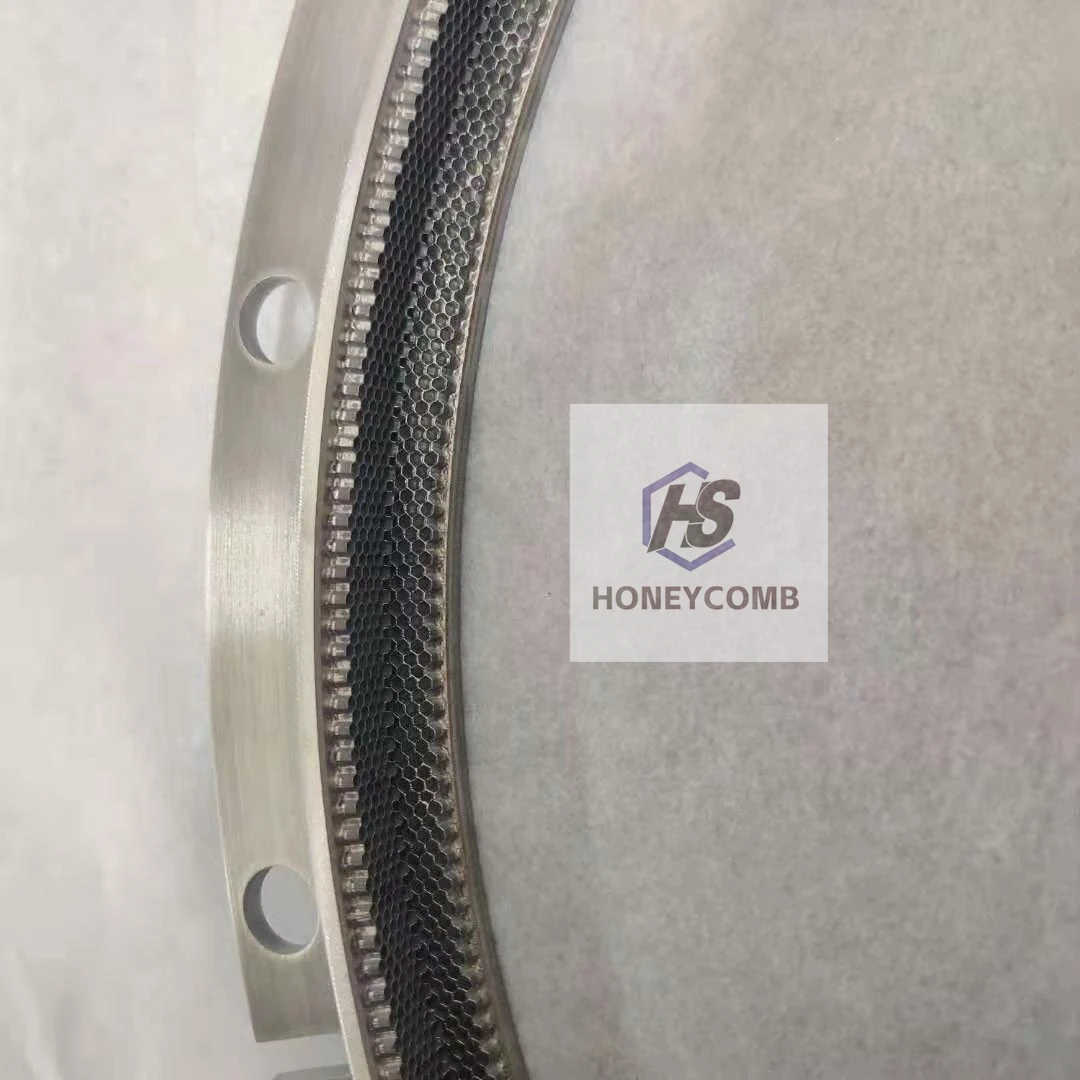
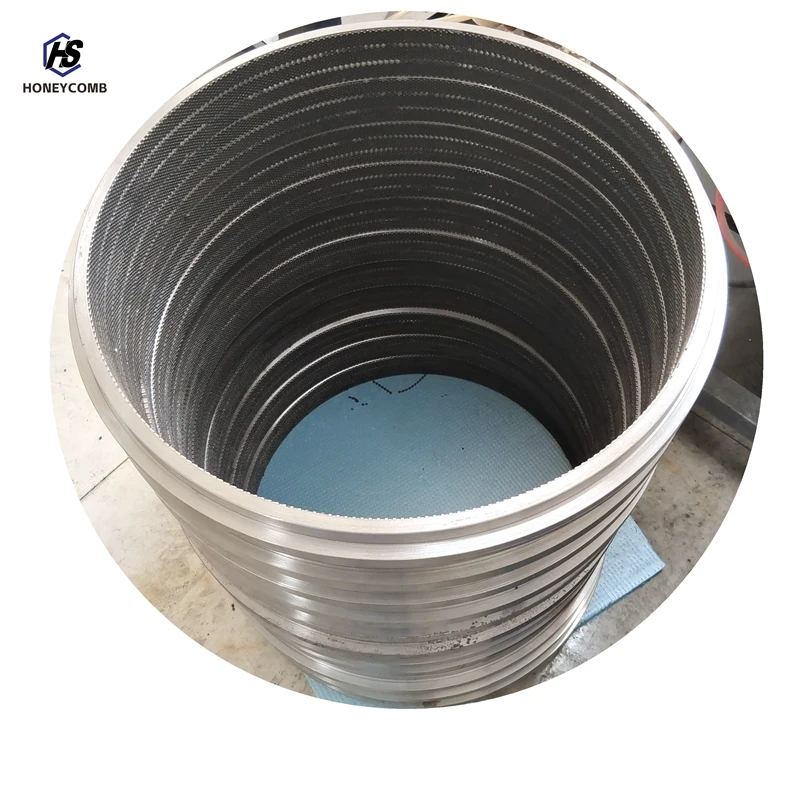
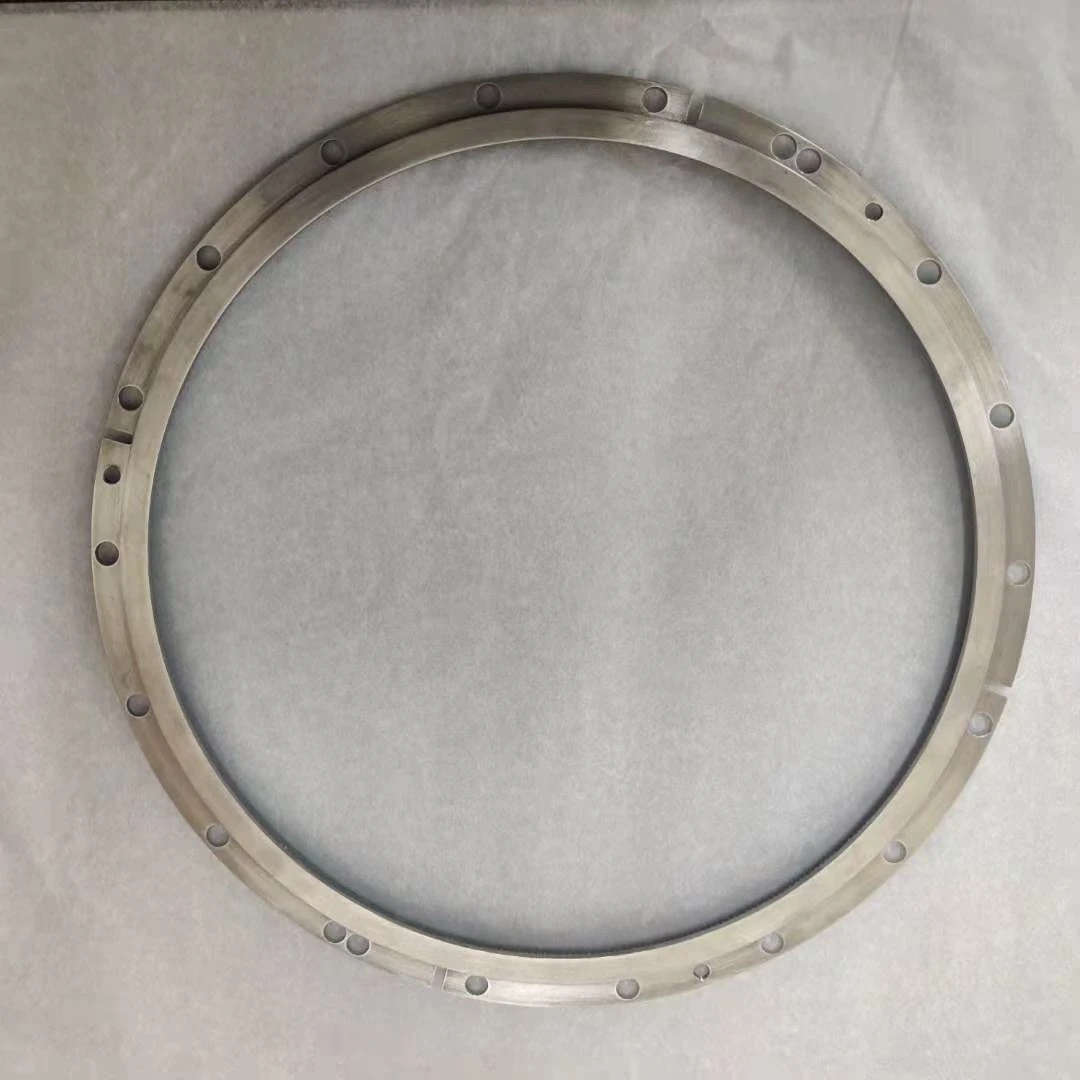
- Framing & Machining (CNC): The cut honeycomb core is often integrated into a frame, usually made from matching or compatible conductive material. CNC machining is extensively used at this stage for precise cutting of the overall panel dimensions, creating mounting holes, grooves, or custom shapes as per client specifications. This ensures a perfect fit into existing enclosures.
- Surface Treatment & Finishing: Depending on the application, panels undergo surface treatments such as chromate conversion coating (chem film, Alodine), nickel plating, or anodizing. These finishes enhance corrosion resistance, improve conductivity for grounding, or provide a specific aesthetic.
- Quality Control & Testing: Each panel undergoes rigorous testing against industry standards like MIL-STD-285, IEEE 299, and EN 50147-1. Tests include visual inspection, dimensional verification, airflow resistance measurement, and critically, EMI shielding effectiveness testing across a range of frequencies. ISO 9001 certified manufacturing processes ensure consistent product quality and reliability.
This meticulous process ensures that each honeycomb air vent provides optimal EMI shielding performance, robust mechanical integrity, and reliable service life, often exceeding 10-15 years in typical operational environments. Target industries such as petrochemical, metallurgy, and water supply & drainage benefit from the enhanced corrosion resistance and energy-saving thermal management these vents provide.

Vendor Comparison: Selecting the Right Partner
Choosing a supplier for honeycomb waveguide air vents involves evaluating several critical factors beyond just price. Reliability, customization capabilities, quality certifications, and technical support are paramount for B2B procurement.
Honeycomb Waveguide Vent Vendor Comparison:
| Feature/Criterion | Leading Manufacturer (e.g., HSHI Honeycomb) | Generic Vendor A | Generic Vendor B |
|---|---|---|---|
| EMI Shielding Effectiveness | Up to 120 dB (100 MHz - 18 GHz) | 70-90 dB (limited frequency range) | 80-100 dB (specific frequency bands) |
| Material Options | Aluminum, Brass, Steel, Copper (diverse alloys) | Primarily Aluminum | Aluminum, Stainless Steel |
| Customization (Shape, Size, Finish) | Extensive, full engineering support | Limited standard sizes only | Some custom sizes, basic finishes |
| Certifications (e.g., ISO 9001) | ISO 9001, RoHS, MIL-STD testing | Basic quality assurance | Some internal standards |
| Technical Support & R&D | Dedicated engineering team, simulation, prototyping | Standard product datasheets only | Limited consultation |
| Lead Time (Typical) | 2-4 weeks (standard), 4-6 weeks (custom) | 3-5 weeks | 4-8 weeks |
A reputable manufacturer provides not just components, but comprehensive solutions, including design consultation, material expertise, and rigorous testing to ensure optimal performance for specific operational environments. Longevity in the market and a proven track record with high-profile clients (e.g., aerospace, defense contractors) are strong indicators of a reliable partner.
Customized Solutions for Unique Requirements
Off-the-shelf solutions may not always meet the precise demands of complex B2B projects. Leading suppliers offer extensive customization options for honeycomb waveguide air vents to address specific shielding, airflow, and environmental requirements. This includes:
- Tailored Dimensions and Shapes: From large panels for data center walls to intricate custom-cut shapes for compact enclosures or curved surfaces.
- Material Optimization: Selecting specific alloys (e.g., copper for higher conductivity, stainless steel for extreme corrosion resistance) and appropriate finishes for unique operational environments.
- Integrated Gasketing: Pre-applied conductive EMI gaskets (e.g., wire mesh, conductive fabric-over-foam) to ensure a continuous EMI seal around the vent assembly.
- Mounting Options: Custom mounting frames, threaded inserts, or pre-drilled holes to facilitate easy and secure installation.
- Pressure Drop and Shielding Tuning: Adjustments to cell size and panel depth to achieve a precise balance between desired airflow and EMI attenuation for specific frequency ranges.
These tailored solutions are developed through collaborative engineering efforts, often involving CAD/CAM integration and rapid prototyping, ensuring that the final product seamlessly integrates into the client's system while delivering peak performance.
Application Case Studies
Real-world deployments demonstrate the tangible benefits and reliability of honeycomb waveguide air vents in critical applications.
Case Study 1: Aerospace Radar System Enclosure
A leading aerospace manufacturer required an EMI-shielded ventilation solution for a high-frequency airborne radar system. The challenge was to maintain critical airflow for cooling powerful RF components while preventing any electromagnetic leakage that could compromise the system's stealth capabilities or interfere with other sensitive avionics. Custom-designed aluminum honeycomb waveguide air vents with specific cell dimensions and nickel-plated finish were deployed. Testing confirmed >100 dB attenuation at frequencies up to 10 GHz, coupled with a minimal pressure drop, meeting stringent military specifications (MIL-STD-461) and ensuring long-term operational integrity in extreme atmospheric conditions. The vents contributed significantly to maintaining the system's operational efficiency and reducing its electromagnetic signature.
Case Study 2: Medical MRI Room Ventilation
A major hospital group sought to upgrade its MRI facilities, requiring EMI shielding that would not compromise the precise magnetic fields or sensitive diagnostic equipment. The MRI room ventilation system needed to allow significant airflow to manage temperature and humidity, but without allowing RF interference from external sources or leakage from the MRI scanner itself. Stainless steel honeycomb waveguide air vents, due to their excellent non-magnetic properties and high shielding effectiveness, were chosen. These were integrated into the HVAC ducting. Post-installation EMC testing confirmed negligible interference, allowing the MRI machine to operate at peak performance, enhancing image clarity and patient safety. The solution also ensured compliance with international medical device standards (e.g., IEC 60601).
Case Study 3: Data Center Server Rack Protection
A large enterprise data center faced challenges with localized EMI impacting high-speed networking equipment within its server racks, leading to intermittent data packet loss. Traditional mesh vents provided insufficient shielding. The solution involved replacing standard fan vents with specifically dimensioned aluminum honeycomb waveguide air vents on critical server racks. The low-profile design allowed for easy integration, and the high-efficiency airflow capability maintained optimal cooling of densely packed servers. The deployed honeycomb vents provided greater than 80 dB of EMI attenuation across the critical operating frequencies, drastically reducing packet loss rates and improving data integrity, leading to enhanced system uptime and operational reliability.
Frequently Asked Questions (FAQs)
- Q: What is the primary difference between a honeycomb waveguide vent and a standard mesh vent?
- A: Standard mesh vents attenuate EMI primarily through reflection and absorption, often providing moderate shielding. Honeycomb waveguide vents utilize the "waveguide beyond cutoff" principle, where the small, deep cells prevent the propagation of electromagnetic waves below a certain cutoff frequency. This offers significantly higher and more consistent EMI attenuation across a broader frequency range, especially at higher frequencies, while maintaining efficient airflow.
- Q: How do I determine the correct cell size and panel thickness for my application?
- A: The required cell size and panel thickness (aspect ratio) are critical parameters. They depend on the frequency range of the EMI to be shielded and the desired attenuation level. Smaller cell sizes and greater panel depths generally provide higher shielding effectiveness. It's best to consult with our engineering team, providing details on your frequency requirements and enclosure specifications, for precise recommendations.
- Q: Are these vents compatible with harsh environments, such as marine or chemical processing?
- A: Yes, material selection and surface finish are key. For harsh environments, stainless steel or aluminum with specialized corrosion-resistant coatings like nickel plating or chem film (e.g., Alodine) are recommended. We offer solutions specifically designed for petrochemical, marine, and other corrosive industrial settings.
- Q: Can honeycomb waveguide air vents be supplied with integrated conductive gaskets?
- A: Absolutely. To ensure a complete EMI seal, we can integrate various types of conductive gaskets, such as knitted wire mesh, conductive fabric-over-foam, or elastomer gaskets, directly into the vent's frame. This simplifies installation and guarantees maximum shielding integrity at the enclosure interface.
Lead Time, Fulfillment, and Warranty
We understand the critical nature of project timelines for our B2B clients. Our standard lead times for common honeycomb air vent configurations typically range from 2-4 weeks. For highly customized solutions or large-volume orders, lead times may extend to 4-6 weeks, with precise estimates provided upon quotation. We maintain efficient production schedules and robust supply chain management to ensure timely fulfillment. All our products are meticulously packaged to prevent damage during transit, ensuring they arrive ready for immediate integration.
We stand behind the quality and performance of our honeycomb waveguide air vents with a comprehensive warranty against manufacturing defects and material failures under normal operating conditions. Specific warranty periods and terms are detailed in our product documentation and sales agreements, demonstrating our commitment to client satisfaction and product reliability.
Dedicated Customer Support
Our commitment extends beyond product delivery. We provide comprehensive after-sales support to ensure the long-term success of your projects. Our dedicated technical support team, comprising experienced engineers, is available for:
- Installation guidance and best practices.
- Troubleshooting and performance optimization.
- Follow-up consultations for future expansions or new project requirements.
- Access to detailed product documentation, CAD files, and technical datasheets.
We pride ourselves on responsive communication and proactive assistance, building lasting partnerships with our clients. For any inquiries, our support team can be reached via phone, email, or our dedicated online portal.
Conclusion
As electronic systems become more complex and electromagnetic environments grow more challenging, the role of high-performance EMI shielding solutions like honeycomb waveguide air vents becomes increasingly vital. By offering an unparalleled combination of superior EMI attenuation, efficient airflow, material versatility, and extensive customization options, these components are indispensable for safeguarding critical equipment across diverse industries. Partnering with a specialized manufacturer ensures access to cutting-edge technology, rigorous quality assurance, and expert technical support, guaranteeing the reliability and longevity of your shielded enclosures.
References
- IEEE Std 299-2006, "IEEE Standard for Measuring the Effectiveness of Electromagnetic Shielding Enclosures."
- MIL-STD-285, "Military Standard for Attenuation Measurements for Enclosures, Electromagnetic Shielding, for Electronic Test Purposes."
- IEC 61000-4-3:2020, "Electromagnetic compatibility (EMC) - Part 4-3: Testing and measurement techniques - Radiated, radio-frequency, electromagnetic field immunity test."
- "Waveguide Theory and Its Application to EMI Shielding." Journal of Electromagnetic Engineering, Vol. 15, No. 3, 2018.
- "The Global EMI Shielding Market: Opportunities and Forecasts." Market Research Future, 2023.
-
Industrial Airflow Guide for maf воздушная правильная машинаNewsApr.16,2026
-
Best maf струйно правильная машина for Industrial EfficiencyNewsApr.09,2026
-
Сотовая правильная машина A Comprehensive Guide to Honey Packing AutomationNewsApr.07,2026
-
Build Your Own DIY газоправильная Машина A Comprehensive Guide to Gas CorrectionNewsApr.04,2026
-
Understanding Кондиционер отопления Systems for Efficient and Comfortable HeatingNewsMar.31,2026
-
Comprehensive Guide to Cellular Blinds Installation Установка сотовых жалюзиNewsMar.28,2026
-
Mobile Aerodynamic Tunnel Design A Comprehensive Guide to Applications and ImplementationNewsMar.26,2026






 English
  Afrikaans
  Albanian
  Amharic
  Arabic
  Armenian
  Azerbaijani
  Basque
  Belarusian
  Bengali
  Bosnian
  Bulgarian
  Catalan
  Cebuano
  China
China  China (Taiwan)
  Corsican
  Croatian
  Czech
Czech  Danish
  Dutch
Dutch  Esperanto
  Estonian
  Finnish
  French
  Frisian
  Galician
  Georgian
  German
  Greek
Greek  Gujarati
  Haitian Creole
  Hausa
Hausa  Hawaiian
  Hebrew
  Hindi
Hindi  Miao
Miao  Indonesian
  Italian
  Japanese
  Javanese
  Malay
Malay  Persian
  Portuguese
  Punjabi
  Russian
  Spanish
  Swahili
  Telugu
  Vietnamese