


Honingraat Aluminium Paneel: Lightweight Strength Solutions for Industry | HShihoneycomb
Honingraat Aluminium Paneel is a key solution in the industry, specifically within sectors requiring lightweight but super strong paneling options. This article explores how https://www.hshihoneycomb.com supports professionals with durable, high-performance products, and explains why this product is an ideal choice for businesses in these sectors.
Table of Contents
- Honingraat Aluminium Paneel Overview
- Benefits & Use Cases of Honingraat Aluminium Paneel
- Cost, Maintenance & User Experience
- Sustainability & Market Trends
Honingraat Aluminium Paneel Overview
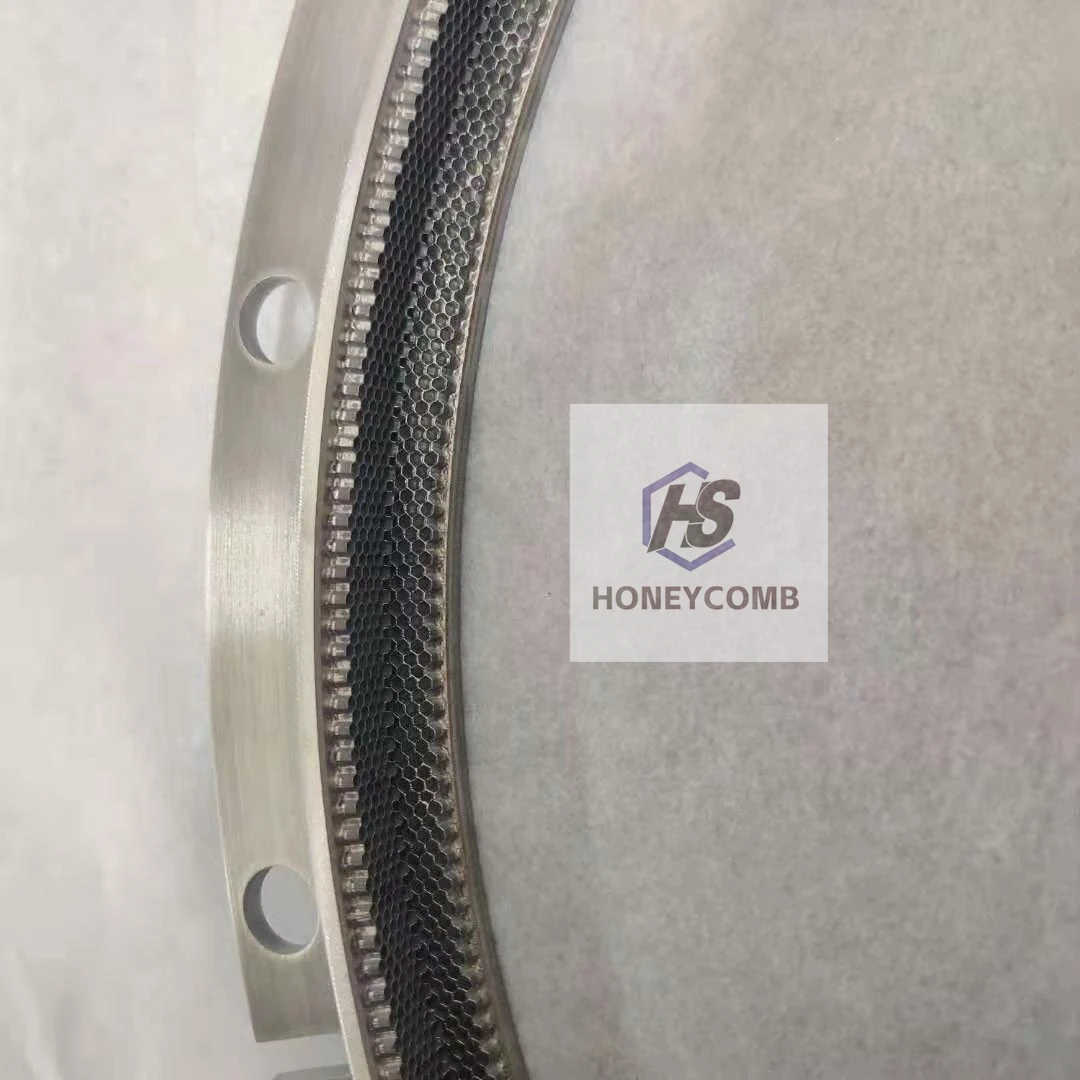
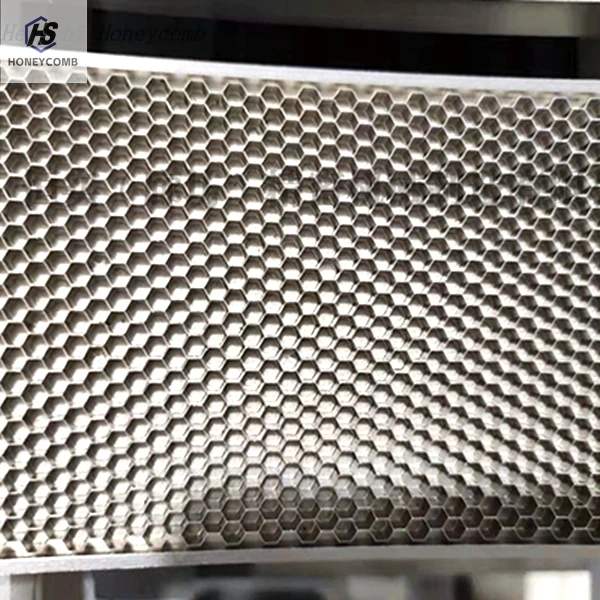
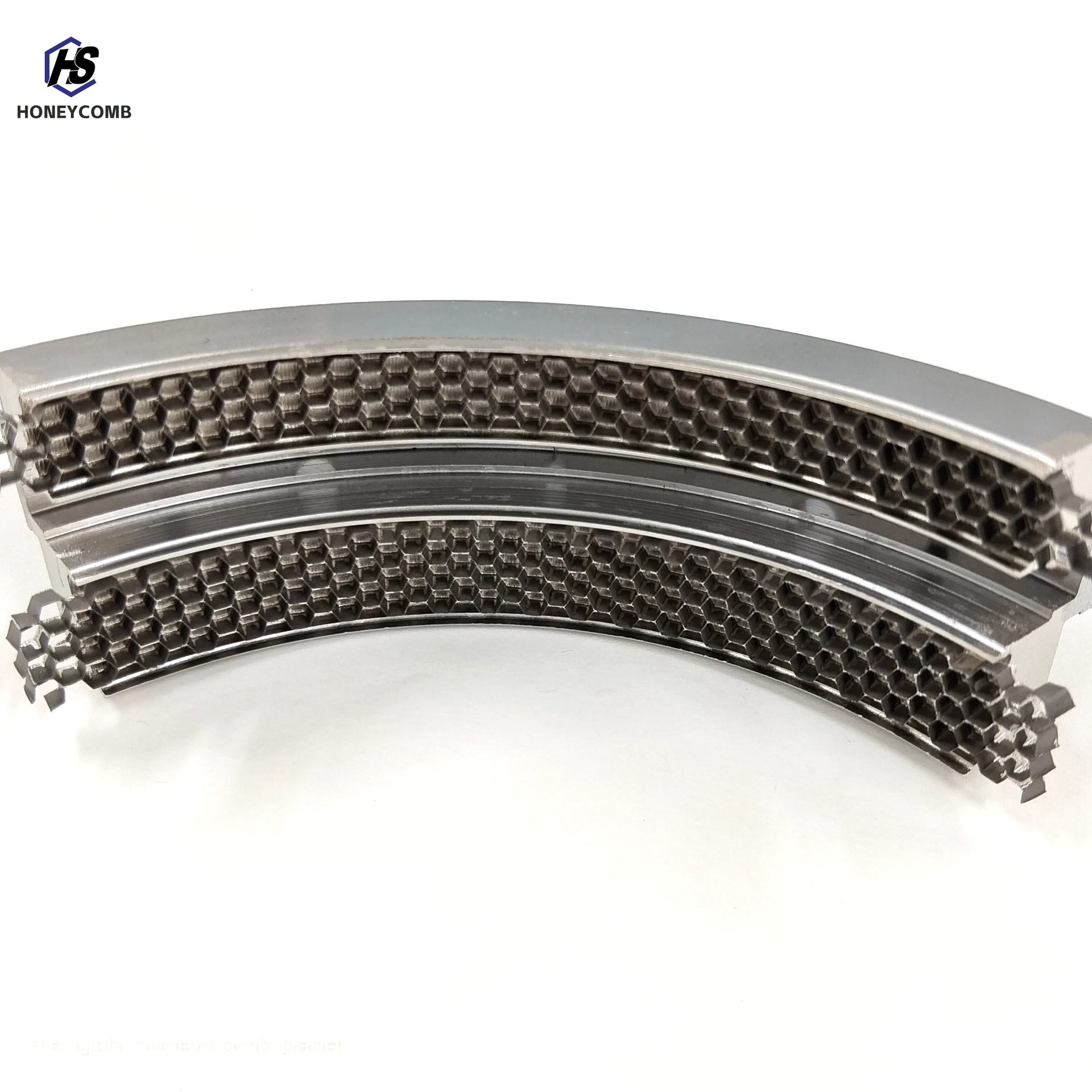
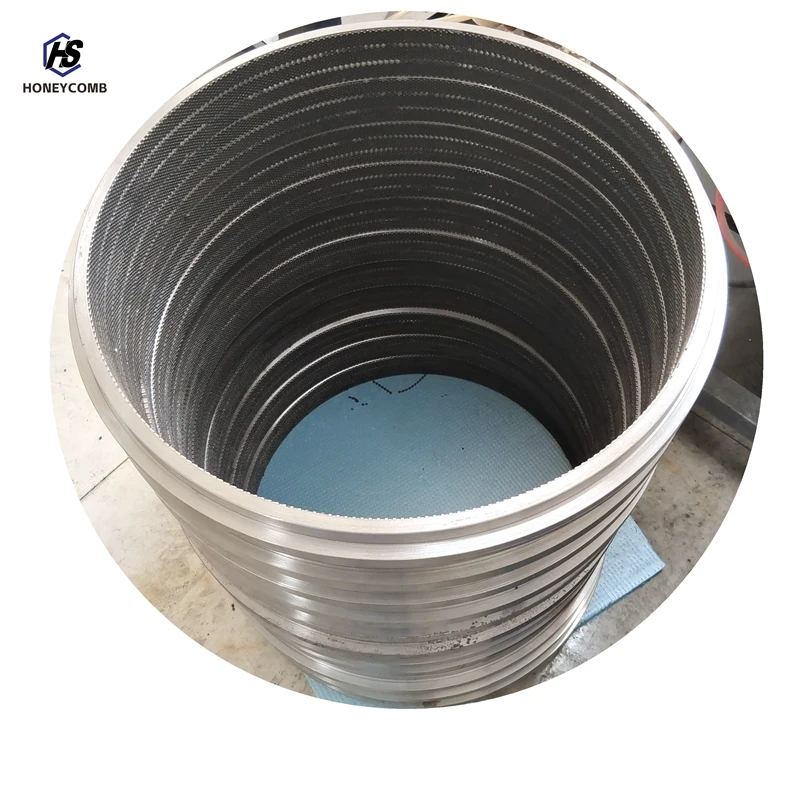
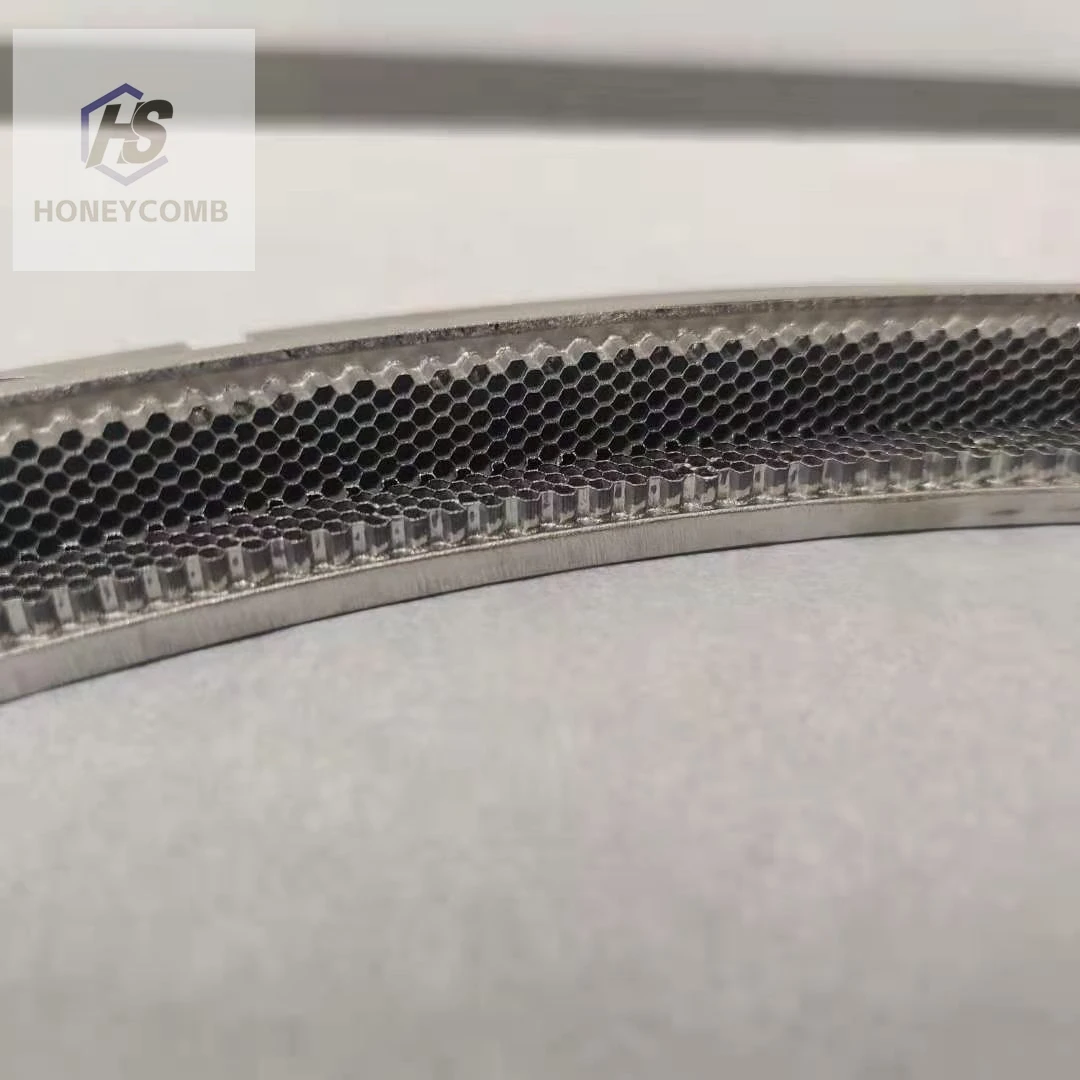
In simple terms, a Honingraat Aluminium Paneel — or honeycomb aluminum panel — is a sandwich panel composed of two thin aluminum sheets with a core structure resembling a honeycomb. This core takes inspiration from nature’s architecture, uniquely designed to balance strength with remarkable lightness. The real magic here is how a minimal amount of material can create a highly rigid structure. For B2B decision makers, this means optimizing structural strength without the usual heavy weight, which can be a game changer across construction, transport, aerospace, and interior design industries.
Technically speaking, these panels often feature aluminum alloy cores with hexagonal cells measuring roughly 3-6 mm in diameter, depending on custom specs. The sheets on either side are bonded to this core under heat and pressure. You can think of it as a ‘composite sandwich’ where the core distributes forces efficiently, and the face sheets handle tension and compression.
| Specification | Typical Range | Remarks |
|---|---|---|
| Core Material | Aluminum Alloy 3000/5000 series | Corrosion resistant, lightweight |
| Cell Size | 3–6 mm (diameter) | Customizable based on load requirements |
| Panel Thickness | 6–50 mm | Varies with application |
| Density | ~0.4–0.6 g/cm³ | Lighter than solid aluminum |
| Thermal Conductivity | 120–140 W/m·K | Good heat dissipation |
Benefits & Use Cases of Honingraat Aluminium Paneel
The real charm of the Honingraat Aluminium Paneel lies in its versatility paired with strength. If you’re in industries like automotive manufacturing, aerospace, marine, or even clean room architecture, you’ll appreciate what these panels bring to the table. They allow manufacturers to reduce weight without sacrificing strength or stability — a critical factor for fuel efficiency and payload optimization.
One less obvious but increasingly appreciated benefit is the panel’s acoustic damping. The honeycomb structure helps absorb vibrations and reduce noise, which engineers swear improves end-user comfort noticeably in vehicles or aircraft cabins. Also, because the panels can be easily cut, bent, or machined, they fit custom designs without the headache of customized core materials.
| Application | Key Benefits | Typical Industry |
|---|---|---|
| Aircraft flooring & panels | Lightweight, high impact resistance | Aerospace |
| Vehicle body panels | Improves fuel efficiency, durable | Automotive |
| Clean room walls & doors | Corrosion-resistant & hygienic | Pharmaceutical & Electronics |
| Ship and yacht interiors | Moisture-resistant, lightweight luxury | Marine |
Cost, Maintenance & User Experience
In real terms, the upfront cost of investing in Honingraat Aluminium Paneel may be higher than more traditional materials like plywood or foam cores, but many engineers I’ve talked to call that a “smart upfront investment.” Why? Because these panels last longer, resist corrosion, and reduce energy costs thanks to their insulation properties. The total cost of ownership is often lower than alternatives, especially when maintenance expenses are factored in. For example, unlike wood, these panels won’t rot or warp, and mild cleaning is usually sufficient to maintain their appearance.
Feedback from clients who source panels from HShihoneycomb often highlights how the lightweight nature reduces assembly times and even shipping costs. A transportation company once shared how switching to aluminum honeycomb panels cut vehicle weight by nearly 15%, directly impacting their fuel savings.
Sustainability & Market Trends
Sustainability is no longer optional — it’s becoming a bottom-line consideration. Thankfully, Honingraat Aluminium Paneel fits neatly into this trend. Aluminum is almost infinitely recyclable without degradation of its properties. Honeycomb panels often contain a high percentage of recycled aluminum, which lowers CO2 emissions compared to virgin materials.
Industry regulations, particularly in aerospace and automotive sectors, are increasingly incentivizing lighter and recyclable materials to reduce carbon footprints. Analysts forecast steady growth in the honeycomb panel market as more companies strive to comply with strict energy and weight reduction standards. Oddly enough, even fashion brands and furniture designers look at these panels now for sustainable yet stylish interior components…
| Vendor | Core Materials Used | Customization Options | Typical Delivery Time | Price Tier |
|---|---|---|---|---|
| HShihoneycomb | Aluminum 3000/5000 series | Cell size, thickness, face material | 2–4 weeks | Mid |
| Competitor A | Aluminum alloy with polymer core | Limited thickness options | 3–5 weeks | High |
| Competitor B | Steel honeycomb core | Custom cell sizes | 4–6 weeks | Low |
Frequently Asked Questions about Honingraat Aluminium Paneel
- What is Honingraat Aluminium Paneel and how does it work?
- It’s a layered composite panel featuring two aluminum sheets sandwiching a honeycomb-shaped aluminum core. This honeycomb core distributes forces evenly, offering high strength while keeping the panel lightweight—a bit like nature’s own smart design.
- What are the main benefits of using Honingraat Aluminium Paneel in industrial applications?
- Key benefits include exceptional strength-to-weight ratio, corrosion resistance, ease of customization, and improved acoustic and thermal insulation. These translate to cost savings and enhanced product performance in demanding industrial environments.
- How does Honingraat Aluminium Paneel compare to traditional alternatives?
- Compared to conventional materials like plywood or solid metals, honeycomb panels excel by being lighter and often stronger. Plus, their corrosion resistance and recyclable nature put them ahead in sustainability and lifecycle cost.
- What industries can benefit most from Honingraat Aluminium Paneel implementation?
- The aerospace, automotive, marine, pharmaceutical clean-room, and construction industries are front-runners. Each benefits from the panel’s lightness, durability, and adaptability—whether for reducing vehicle weight, improving structural integrity, or meeting hygiene standards.
Conclusion on Honingraat Aluminium Paneel from china
To wrap up, the Honingraat Aluminium Paneel offers an excellent blend of innovation and practicality, making it an indispensable material choice for modern industries focused on performance, cost-efficiency, and eco-conscious solutions. Its unique honeycomb structure provides lightness without compromising strength — a rare balance that has proven valuable time and time again. If you are scouting for materials that can really elevate your manufacturing or construction projects, it’s worth a closer look.
- Recap the value of Honingraat Aluminium Paneel.
- - Visit our website: https://www.hshihoneycomb.com
Reflecting on this, it’s fascinating how a concept as old as the honeycomb can still push the boundaries of today’s industrial design and sustainability goals. Sometimes, innovation really is about learning from nature…

-
Industrial Airflow Guide for maf воздушная правильная машинаNewsApr.16,2026
-
Best maf струйно правильная машина for Industrial EfficiencyNewsApr.09,2026
-
Сотовая правильная машина A Comprehensive Guide to Honey Packing AutomationNewsApr.07,2026
-
Build Your Own DIY газоправильная Машина A Comprehensive Guide to Gas CorrectionNewsApr.04,2026
-
Understanding Кондиционер отопления Systems for Efficient and Comfortable HeatingNewsMar.31,2026
-
Comprehensive Guide to Cellular Blinds Installation Установка сотовых жалюзиNewsMar.28,2026
-
Mobile Aerodynamic Tunnel Design A Comprehensive Guide to Applications and ImplementationNewsMar.26,2026






 English
  Afrikaans
  Albanian
  Amharic
  Arabic
  Armenian
  Azerbaijani
  Basque
  Belarusian
  Bengali
  Bosnian
  Bulgarian
  Catalan
  Cebuano
  China
China  China (Taiwan)
  Corsican
  Croatian
  Czech
Czech  Danish
  Dutch
Dutch  Esperanto
  Estonian
  Finnish
  French
  Frisian
  Galician
  Georgian
  German
  Greek
Greek  Gujarati
  Haitian Creole
  Hausa
Hausa  Hawaiian
  Hebrew
  Hindi
Hindi  Miao
Miao  Indonesian
  Italian
  Japanese
  Javanese
  Malay
Malay  Persian
  Portuguese
  Punjabi
  Russian
  Spanish
  Swahili
  Telugu
  Vietnamese