


Honingraatstroken: Durable Honeycomb Panels for Industry Use
Understanding Honingraatstroken in Industrial Applications
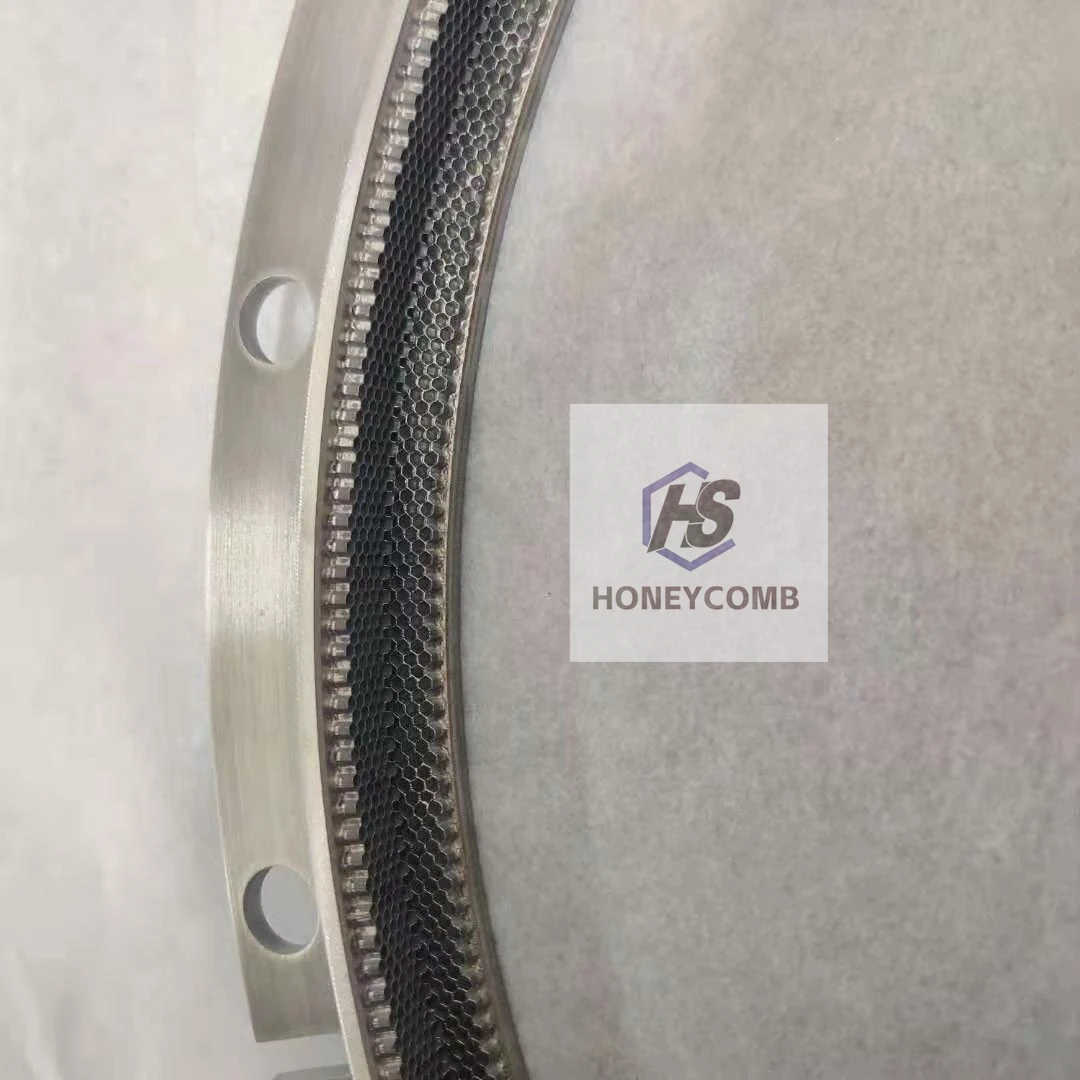
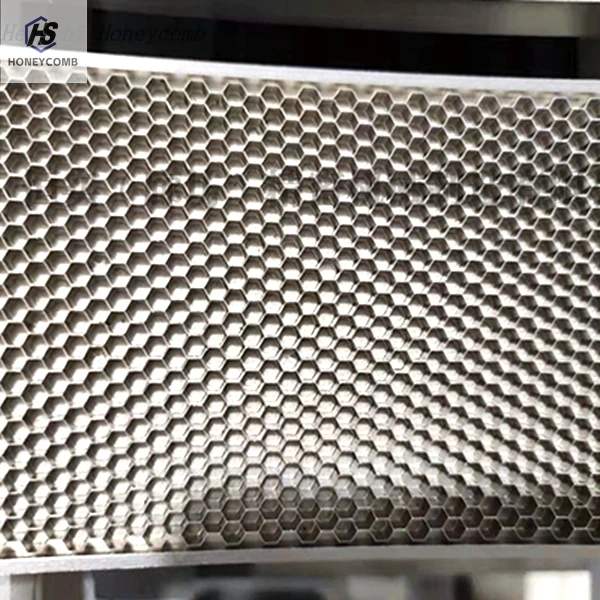
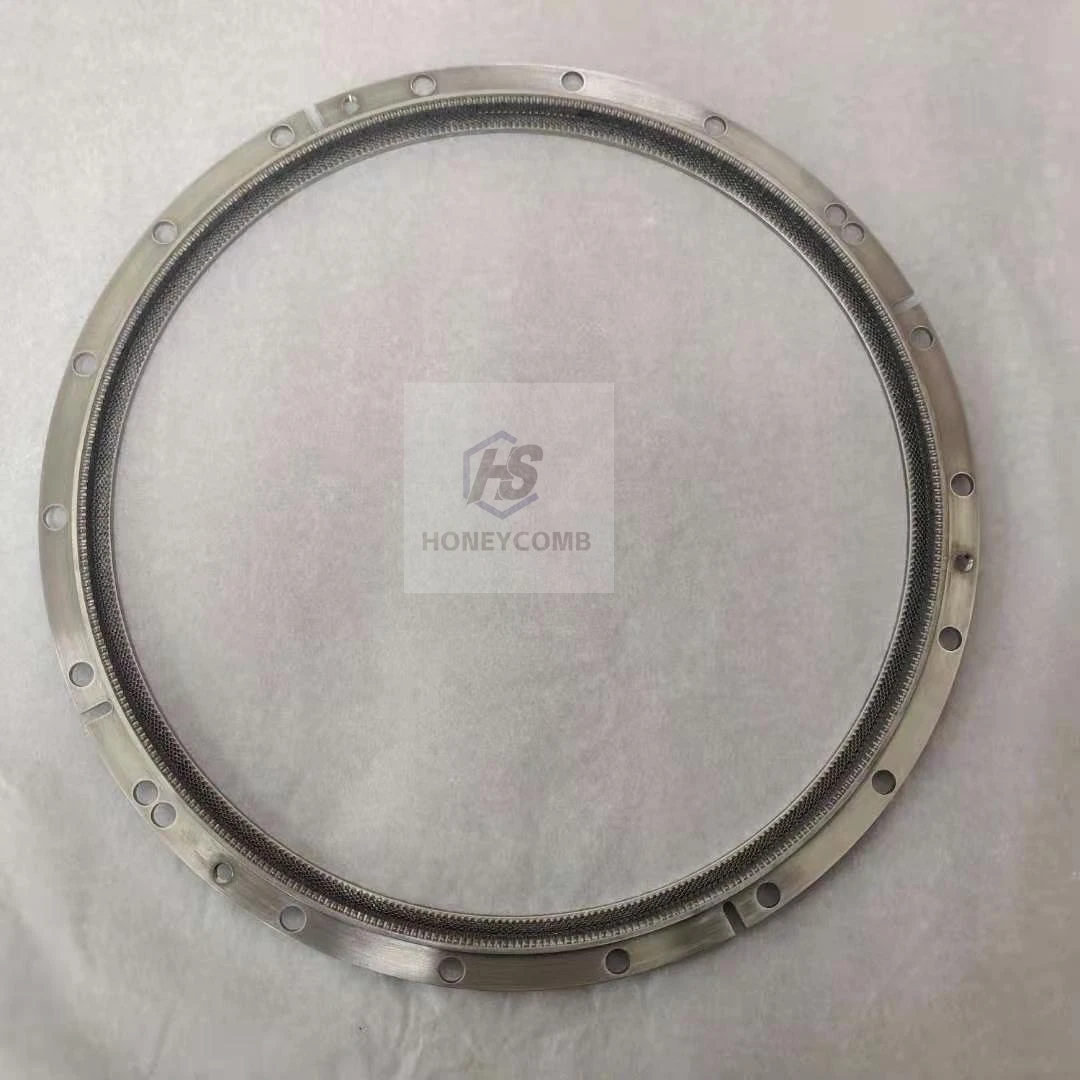
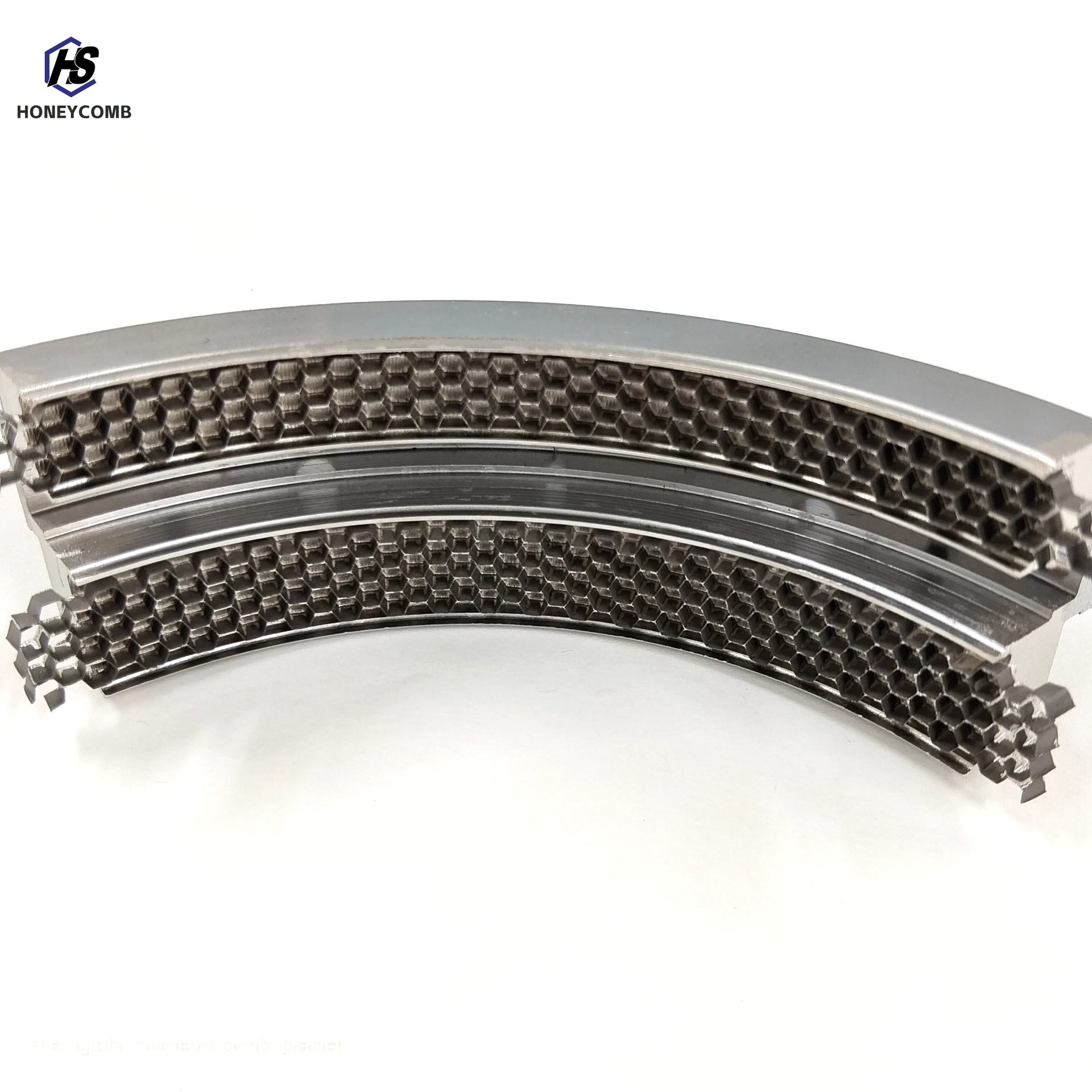
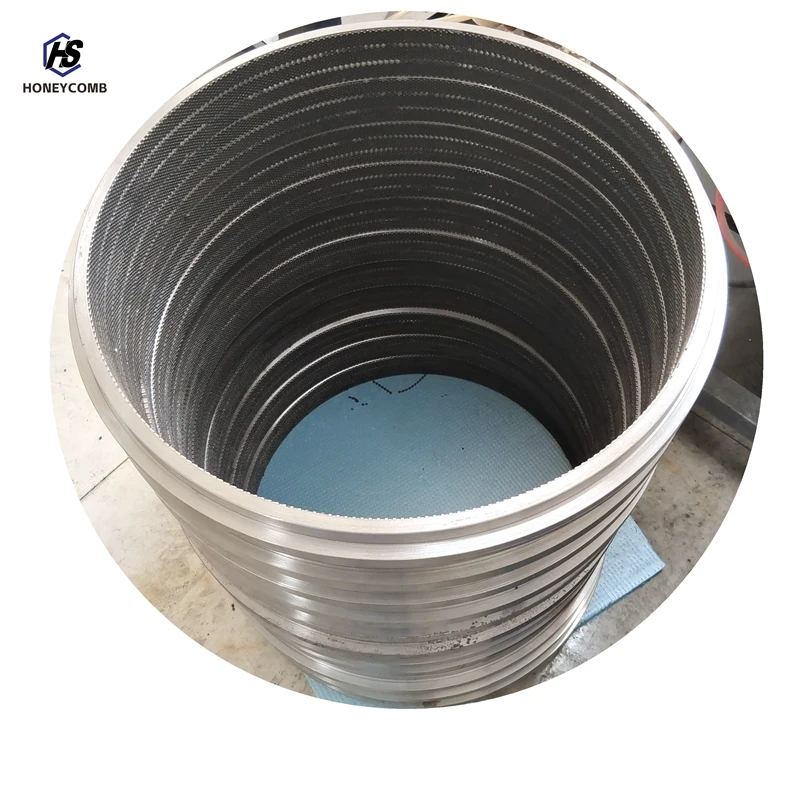
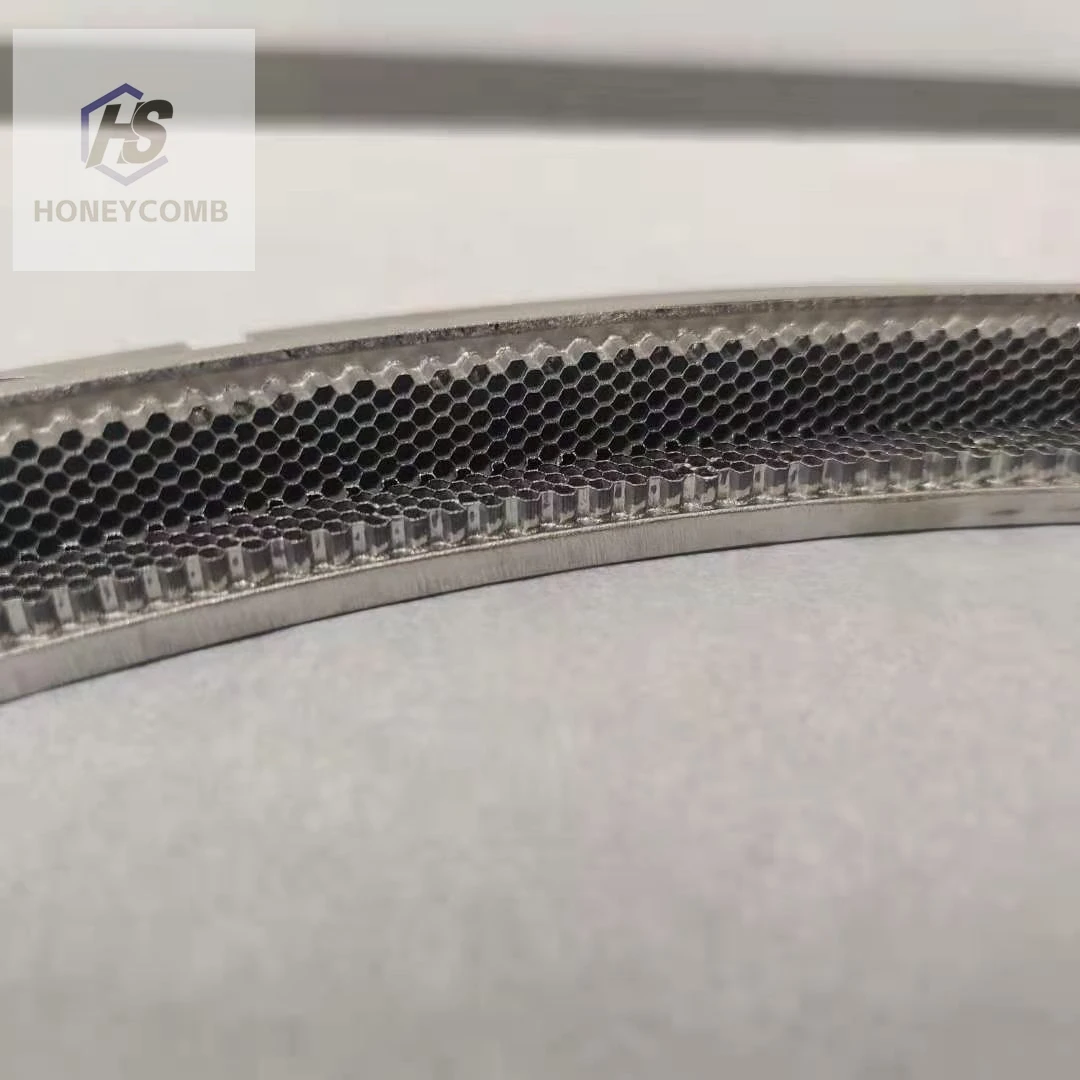
Having spent years around industrial equipment—machines humming, metal clanking—the importance of a material like honingraatstroken often flies under the radar. It’s one of those hidden heroes: nothing flashy, but essential when strength and lightness matter. For those not familiar, honingraatstroken are honeycomb-structured strips or panels commonly used for reinforcement, packaging cores, or lightweight structural elements. I’ve seen them save the day more than once by balancing durability with weight savings.
These honeycomb panels have surged in popularity as industries seek stronger but lighter materials. Oddly enough, they’re mostly made by sandwiching a honeycomb core—usually paper, aluminum, or composite—between flat sheets. This structure creates a neat combination of strength and minimal weight, which frankly is a gamechanger when designing conveyors or protective packaging.
Key Specifications of Honingraatstroken
Let’s talk numbers for a moment. What makes honingraatstroken stand out? Here’s a typical spec sheet I’ve seen floating in industrial catalogs:
| Specification | Typical Range | Notes |
|---|---|---|
| Material Core | Paper, Aluminum, Phenolic, Composite | Depends on use case |
| Cell Size | 3–10 mm (standard) | Affects compression resistance |
| Sheet Thickness | 2–6 mm per face sheet | Material dependent (e.g., aluminum vs. paper) |
| Panel Width | Up to 1200 mm | Customization available |
| Weight | 0.3–1.2 kg/m² | Extremely light vs solid panels |
Comparing Honingraatstroken Suppliers and Variants
Over the years, I’ve dealt with a handful of suppliers—and in this niche, quality and customization options can be wildly different. Here’s a quick look at how three typical vendors stack up (names anonymized to keep it fair):
| Vendor | Core Material Options | Customization | Lead Time | Typical Pricing |
|---|---|---|---|---|
| Vendor A | Paper & Composite | High customization (cell size, thickness) | 2–3 weeks | $$ |
| Vendor B | Aluminum only | Limited (standard sizes) | 1–2 weeks | $$$ |
| Vendor C | Mixed (Paper, Aluminum, Phenolic) | Moderate customization | 3–4 weeks | $ |
Why Honingraatstroken Has Earned Industrial Trust
In real terms, what keeps engineers going back to honingraatstroken? For one, the weight-to-strength ratio is just impressive. In applications like conveyor machine guards or packaging inserts, cutting weight by half can lead directly to energy savings and easier handling. I still remember a case where a client swapped their solid plywood inserts with honeycomb panels—they reported fewer workplace injuries (lighter to lift!) and cut costs on shipping. Efficiency and safety bundled into one.
Also, there’s something to be said for the adaptability. Honingraatstroken can be tailored for corrosion resistance, flame retardancy, or ultra-lightweight demands depending on the material and face sheets used. Plus, combining it with modern composites makes it even more robust.
Of course, not every project needs it. For heavy industrial flooring or extreme impact zones, a solid metal plate might hold court. But where moderate structural support needs to marry lightweight design, honingraatstroken is that secret sauce many of us rely on quietly.
And if you’re curious to explore or source them, the link above points to a solid supplier that offers an excellent range and customization. Their product range often surprises people by how far honeycomb tech has come since those early cardboard prototypes back in the day.
So yeah, honingraatstroken might just be the pièce de résistance in your next project, even if it feels like working backstage rather than center stage.

-
Industrial Airflow Guide for maf воздушная правильная машинаNewsApr.16,2026
-
Best maf струйно правильная машина for Industrial EfficiencyNewsApr.09,2026
-
Сотовая правильная машина A Comprehensive Guide to Honey Packing AutomationNewsApr.07,2026
-
Build Your Own DIY газоправильная Машина A Comprehensive Guide to Gas CorrectionNewsApr.04,2026
-
Understanding Кондиционер отопления Systems for Efficient and Comfortable HeatingNewsMar.31,2026
-
Comprehensive Guide to Cellular Blinds Installation Установка сотовых жалюзиNewsMar.28,2026
-
Mobile Aerodynamic Tunnel Design A Comprehensive Guide to Applications and ImplementationNewsMar.26,2026






 English
  Afrikaans
  Albanian
  Amharic
  Arabic
  Armenian
  Azerbaijani
  Basque
  Belarusian
  Bengali
  Bosnian
  Bulgarian
  Catalan
  Cebuano
  China
China  China (Taiwan)
  Corsican
  Croatian
  Czech
Czech  Danish
  Dutch
Dutch  Esperanto
  Estonian
  Finnish
  French
  Frisian
  Galician
  Georgian
  German
  Greek
Greek  Gujarati
  Haitian Creole
  Hausa
Hausa  Hawaiian
  Hebrew
  Hindi
Hindi  Miao
Miao  Indonesian
  Italian
  Japanese
  Javanese
  Malay
Malay  Persian
  Portuguese
  Punjabi
  Russian
  Spanish
  Swahili
  Telugu
  Vietnamese