


HVAC Air Flow Straightener: Boost Efficiency & Optimize Performance
Introduction to Advanced Airflow Management
In industrial and commercial HVAC systems, precise airflow management is critical for optimizing performance, energy efficiency, and operational longevity. Turbulences, flow non-uniformities, and pressure drops can severely compromise system efficacy. This is where the hvac air flow straightener emerges as an indispensable component. Designed to convert turbulent, erratic air streams into laminar, uniform flows, these devices significantly enhance the accuracy of sensors, improve heat exchange efficiency, and reduce noise and vibration within ducts and plenums.
Beyond traditional HVAC applications, the principles of flow straightening are vital in various sectors. For instance, in automotive engineering, a maf air straightener ensures accurate readings from Mass Air Flow (MAF) sensors, optimizing engine combustion and emissions control. Similarly, an intake air straightener is crucial for performance applications, providing a stable air supply to turbochargers or combustion chambers. Our focus delves into the specialized engineering and critical role of these solutions, particularly the high-performance stainless steel honeycomb core panels, which offer unparalleled precision and durability in demanding environments.
Industry Trends and Market Dynamics
The global market for advanced airflow control solutions is experiencing robust growth, driven by stringent energy efficiency regulations, the increasing complexity of HVAC systems, and the imperative for improved air quality. Industry reports indicate a compound annual growth rate (CAGR) of over 6% for industrial airflow management technologies from 2023 to 2030, with a significant segment attributed to flow straightening devices. Key trends include:
- Emphasis on Energy Efficiency: Optimized airflow reduces fan power consumption and improves heat exchange effectiveness, leading to substantial energy savings in large-scale HVAC operations and industrial processes.
- Integration with Smart Systems: Flow straighteners are becoming integral components in smart building management systems (BMS) and industrial automation, enabling more precise control and data acquisition.
- Demand for Corrosion-Resistant Materials: Industries like petrochemicals, marine, and wastewater treatment require components that can withstand aggressive chemical environments, driving demand for stainless steel and other high-grade alloys.
- Customization and Modularity: The need for tailored solutions for unique duct geometries and flow characteristics is increasing, favoring manufacturers offering extensive customization options.
The adoption of advanced materials like stainless steel honeycomb structures for hvac air flow straightener applications is on the rise due to their superior structural integrity, minimal pressure drop, and exceptional flow conditioning capabilities. This trend underscores a shift towards higher performance and longer service life components.
Technical Specifications and Principles
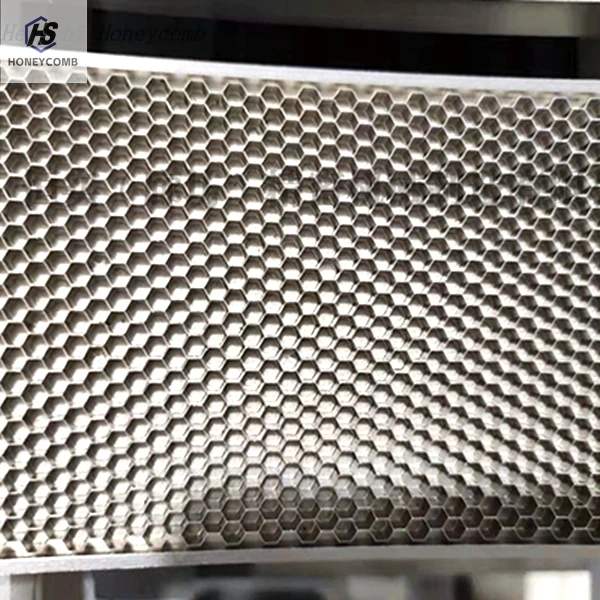
The efficacy of an hvac air flow straightener hinges on its ability to transform turbulent flow into a near-laminar state. Our 20mm Core Size Stainless Steel Honeycomb Core Panel achieves this through a precision-engineered cellular structure. The principle involves guiding the fluid through numerous small, parallel channels, effectively damping radial velocity components and aligning the flow axially.
Product Focus: 20mm Core Size Stainless Steel Honeycomb Core Panel
- Material: High-grade Stainless Steel (e.g., SS304, SS316, or customized alloys) for exceptional corrosion resistance and mechanical strength.
- Core Size (Cell Size): 20mm – optimized for balancing flow straightening effectiveness with minimal pressure drop across a wide range of flow velocities.
- Cell Wall Thickness: Typically between 0.05mm to 0.1mm, contributing to light weight and structural rigidity.
- Panel Thickness: Customizable, often ranging from 50mm to 300mm depending on the required flow conditioning length.
- Open Area: High open area (typically >90%) ensures low pressure loss.
- Operating Temperature Range: -200°C to +800°C, suitable for extreme industrial conditions.
This design is particularly effective in applications requiring highly uniform velocity profiles, such as wind tunnels for aerodynamic testing, or upstream of critical flow measurement devices where flow stability directly impacts accuracy. The honeycomb structure minimizes wake effects and provides superior structural integrity compared to perforated plates or vane-type straighteners, especially under high differential pressures or vibration.
Product Specification Table: 20mm Core Size Stainless Steel Honeycomb Panel
| Parameter | Specification | Unit |
|---|---|---|
| Core Material | Stainless Steel 304/316 (Custom available) | N/A |
| Core Cell Size (Hexagonal) | 20 | mm |
| Foil Thickness | 0.05 - 0.1 | mm |
| Panel Thickness (L) | 50 - 300 (Custom) | mm |
| Operating Temperature | -200 to +800 | °C |
| Pressure Drop (Typical) | Minimally Low | Pa |
| Open Area Ratio | >90 | % |
| Customization | Dimensions, Shape, Material, Surface Treatment | N/A |
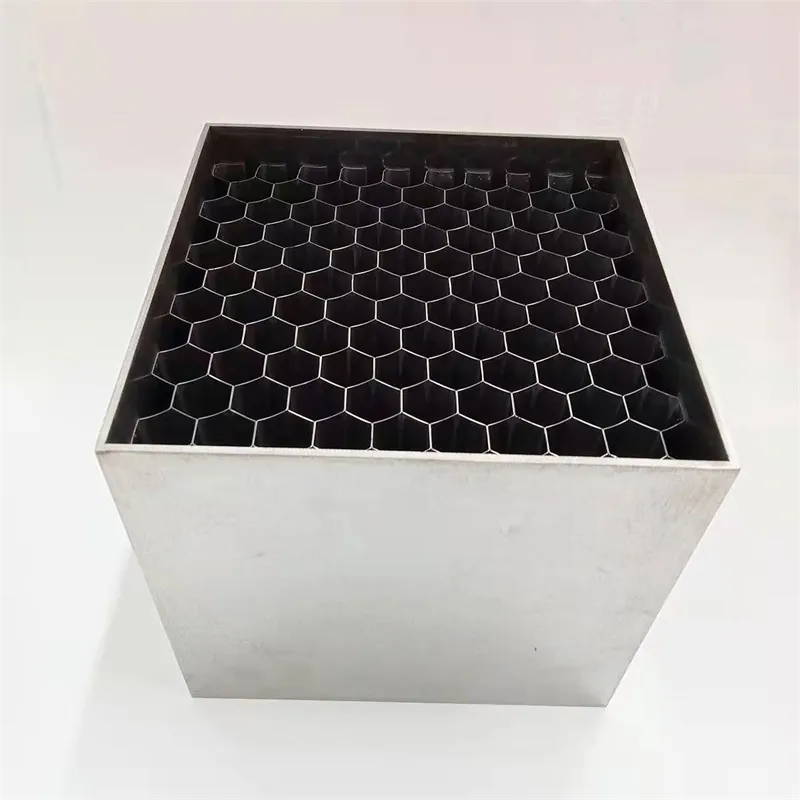
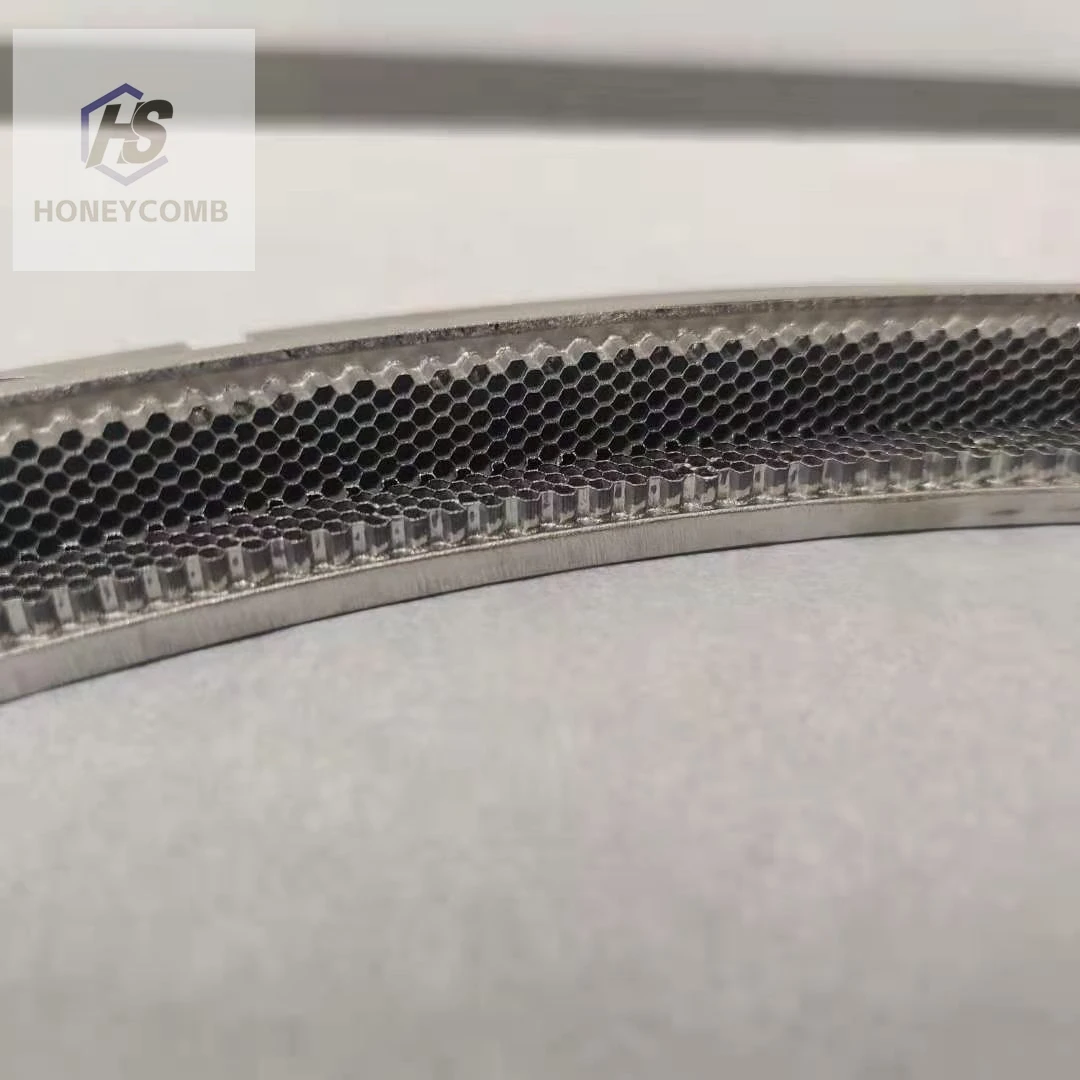
Figure 1: High-precision stainless steel honeycomb core panel.
Manufacturing Process Flow for HVAC Air Flow Straighteners
The production of a high-quality hvac air flow straightener involves a meticulous process, particularly for stainless steel honeycomb structures, ensuring superior performance and durability. Our commitment to ISO 9001 certified manufacturing ensures consistency and excellence at every stage.
-
Material Selection & Preparation:
High-grade stainless steel coils (SS304, SS316, or specialized alloys for specific corrosion/temperature requirements) are sourced from certified suppliers. These are then prepared through precision slitting to the required strip width, ensuring uniform dimensions for subsequent folding.
-
Corrugation/Forming:
The stainless steel strips undergo a specialized corrugation process using precision tooling. This forms the characteristic hexagonal (or other specified) cell shape. Unlike casting or forging, this method allows for very thin cell walls, maximizing open area and minimizing material usage, which is crucial for low pressure drop applications.
-
Assembly & Bonding:
The corrugated strips are then precisely stacked and bonded together. For stainless steel, this typically involves high-temperature brazing or resistance welding, creating robust metallurgical bonds between the cell walls. This ensures the structural integrity of the honeycomb core, preventing cell delamination even under extreme airflow conditions and thermal cycling. This process is far more intricate than simple CNC machining, requiring specialized equipment and expertise.
-
Cutting & Shaping:
The large honeycomb blocks are then cut to the precise dimensions and shapes required by the customer (e.g., circular, rectangular, custom profiles) using advanced CNC machining or waterjet cutting techniques. This stage allows for the integration into various ductwork or system designs.
-
Edge Banding/Framing (Optional):
Depending on the application, the honeycomb core may be fitted with an outer frame (e.g., stainless steel, aluminum) to facilitate mounting and provide additional structural support. This frame is typically welded or riveted to the core.
-
Surface Treatment (If required):
For certain applications, additional surface treatments like passivation (for enhanced corrosion resistance) or specialized coatings may be applied.
-
Quality Control & Testing:
Each completed unit undergoes rigorous quality control checks. This includes visual inspection for defects, dimensional verification against CAD drawings, and specific performance tests. Airflow uniformity and pressure drop characteristics are often tested using specialized test rigs to ensure compliance with design specifications and industry standards like ISO 5167 for flow measurement or relevant ANSI/ASHRAE standards for HVAC. Our products are designed for a service life of 10-20 years under typical operating conditions, significantly outperforming many plastic or aluminum alternatives in harsh environments.
-
Packaging & Delivery:
Products are carefully packaged to prevent damage during transit, ensuring they arrive in pristine condition.
This sophisticated manufacturing process, focusing on precise material handling and advanced joining techniques, underpins the high performance and reliability of our stainless steel honeycomb hvac air flow straightener products.
Technical Advantages and Performance Differentiation
The advantages of utilizing a high-quality hvac air flow straightener, particularly those constructed from stainless steel honeycomb, are profound:
- Superior Flow Uniformity: Reduces flow swirl and non-uniformity to less than 1% across the duct cross-section, which is critical for accurate sensor readings and efficient heat transfer. This outperforms most traditional vane or perforated plate designs which often leave residual turbulence.
- Minimal Pressure Drop: Despite its robust structure, the high open area ratio (>90%) of honeycomb straighteners ensures exceptionally low pressure loss, directly translating to energy savings by reducing the load on fans and pumps. Typical pressure drop values are often less than 5 Pa at moderate velocities (e.g., 5 m/s).
- Exceptional Corrosion Resistance: Stainless steel materials (SS304, SS316) offer unparalleled resistance to moisture, chemicals, and corrosive agents, significantly extending service life in harsh industrial environments like petrochemical plants or coastal HVAC installations.
- High Temperature Endurance: Capable of operating effectively in temperatures up to 800°C, making them suitable for exhaust systems, industrial ovens, and other high-heat applications where plastic or aluminum alternatives would fail.
- Structural Rigidity and Durability: The brazed or welded honeycomb structure provides high strength-to-weight ratio, resisting vibration, deformation, and damage over decades of continuous operation. This ensures consistent performance throughout its long service life.
- Reduced Noise and Vibration: By smoothing airflow, these straighteners contribute to quieter system operation and less mechanical stress on downstream components, reducing maintenance costs.
Comparison Table: Honeycomb vs. Vane/Perforated Plate Flow Straighteners
| Feature | Honeycomb Flow Straightener | Vane / Perforated Plate Straightener |
|---|---|---|
| Flow Uniformity | Excellent (<1% non-uniformity) | Good (5-10% non-uniformity) |
| Pressure Drop | Very Low | Moderate to High |
| Temperature Range | Wide (-200°C to +800°C) | Limited (depends on material, often <200°C) |
| Corrosion Resistance | Excellent (Stainless Steel) | Varies (can be low if aluminum/plastic) |
| Structural Stability | High, resistant to vibration | Moderate, prone to deformation |
| Customization | High (cell size, material, shape) | Limited (hole size, vane angle) |
| Service Life | Very Long (10-20 years+) | Medium (5-10 years) |
Application Scenarios and Target Industries
The versatility and high performance of our stainless steel honeycomb core panels make them ideal for a diverse range of critical applications:
- HVAC Systems (Commercial & Industrial): Used in large air handling units (AHUs), ductwork, and ventilation systems to ensure uniform airflow to coils, filters, and fans, enhancing efficiency and preventing localized hot/cold spots. Industries: Commercial real estate, data centers, hospitals, pharmaceutical manufacturing.
- Wind Tunnels & Aerodynamic Testing: Essential for producing highly laminar flow conditions necessary for accurate aerodynamic measurements and research in aerospace, automotive, and architectural sectors.
- Petrochemical and Chemical Processing: In flow reactors, combustion air supplies, and exhaust gas systems, where uniform flow is critical for reaction efficiency, safety, and pollution control. The corrosion resistance of stainless steel is paramount here.
- Metallurgy & Heavy Industry: For controlling airflow in furnaces, kilns, and quenching processes to ensure even heating or cooling, preventing material defects.
- Water Supply & Drainage Systems (Air Handling): In air scrubbers and ventilation systems for wastewater treatment plants, where corrosive gases are present.
- Automotive Intake Systems: As an intake air straightener or maf air straightener, these components are used upstream of MAF sensors or turbochargers to deliver a consistent, turbulence-free air stream, improving engine response, fuel efficiency, and emissions compliance.
- Cleanroom Environments: Ensuring laminar flow for ultra-clean air distribution, preventing particle deposition and contamination in semiconductor manufacturing, biotechnology, and sterile environments.
- Thermal Management & Electronics Cooling: Distributing cooling air evenly across sensitive electronic components or server racks to prevent hot spots and improve reliability.
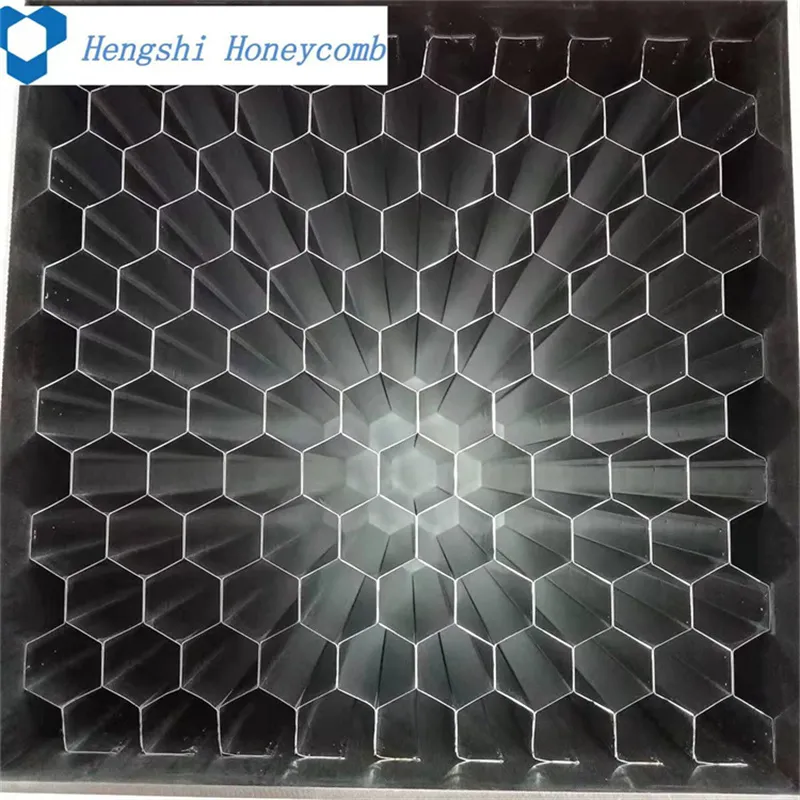
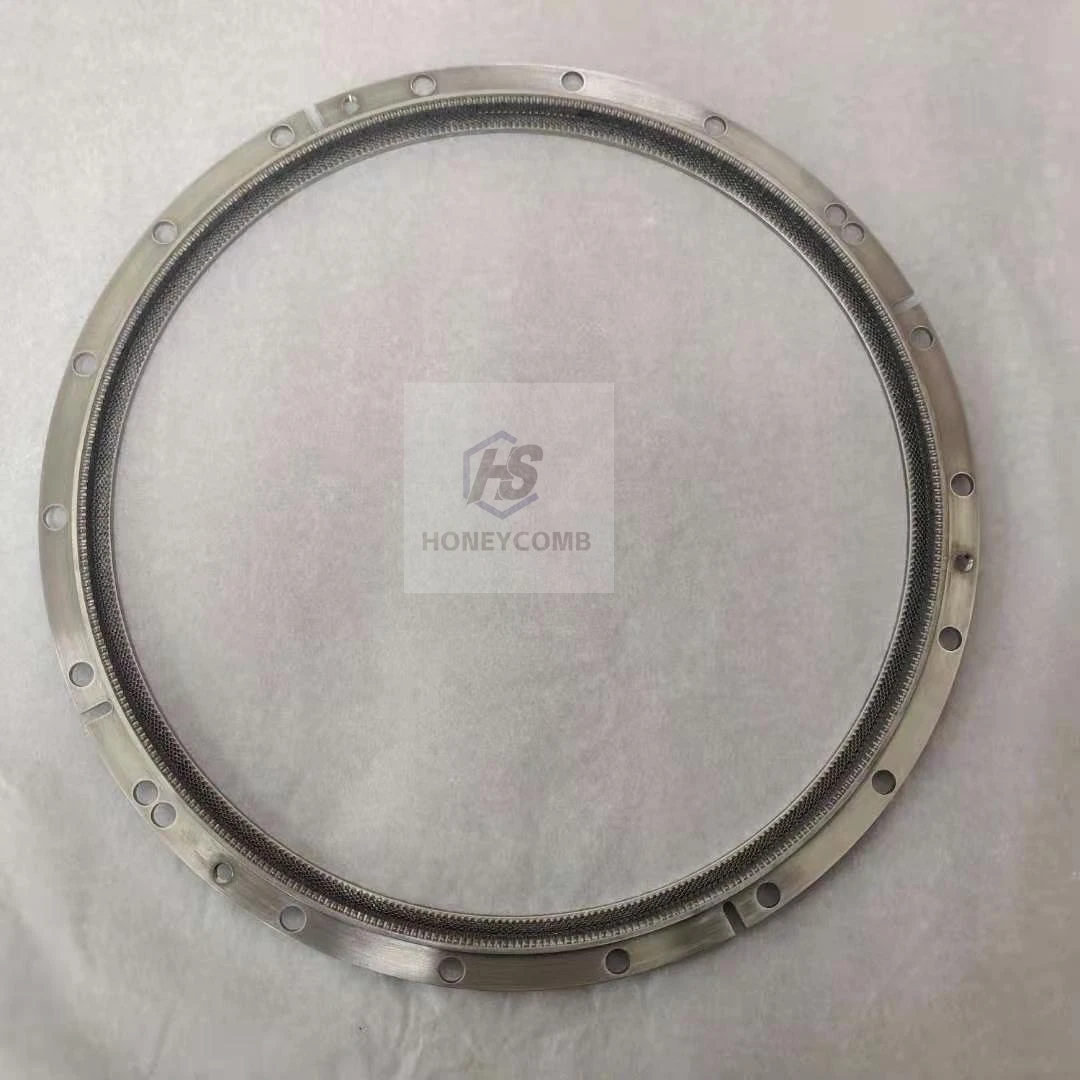
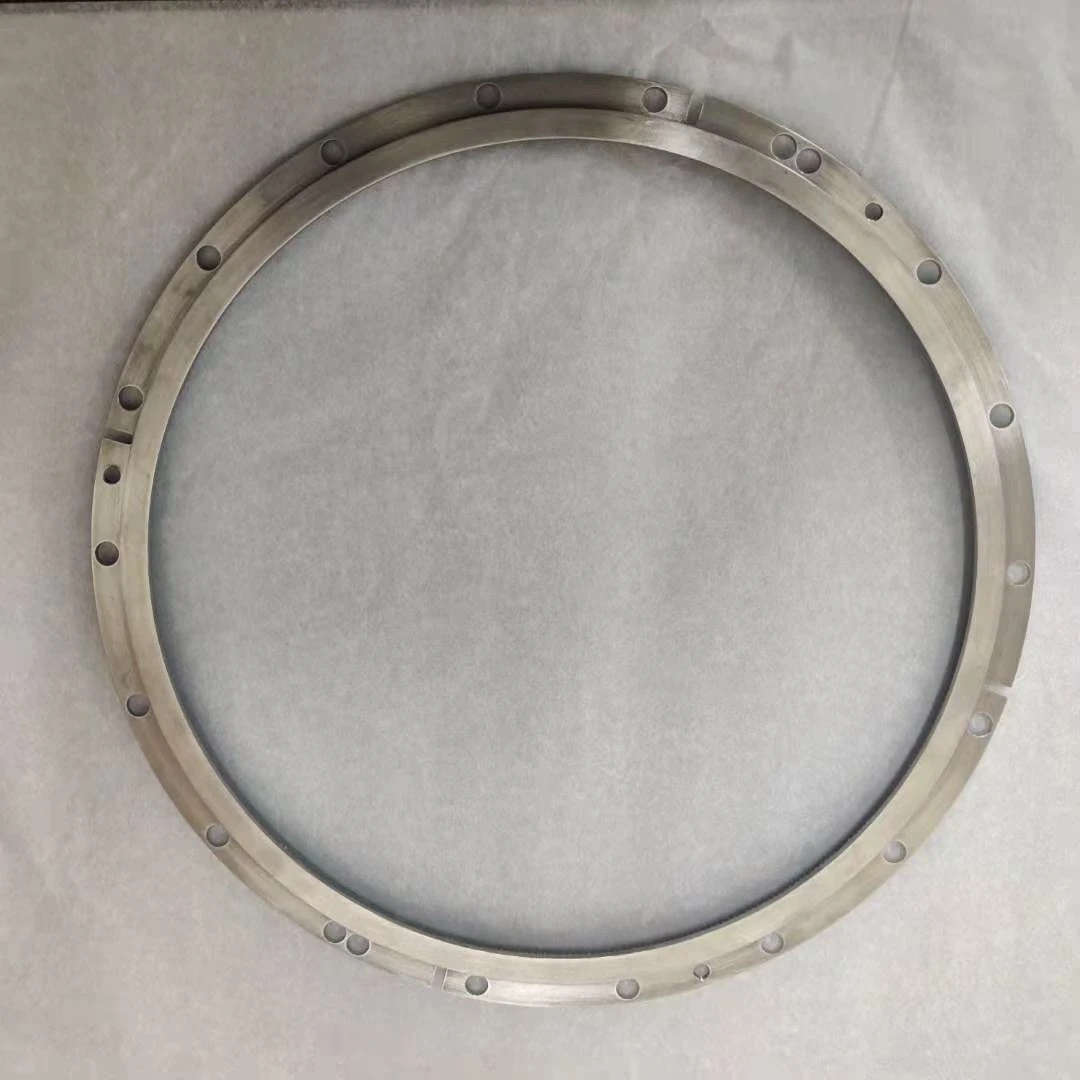
Figure 2: Custom-fabricated stainless steel honeycomb panels for industrial air flow control.
Vendor Comparison and Selection Criteria
Choosing the right supplier for a critical component like an hvac air flow straightener requires careful consideration beyond just price. Here are key criteria for vendor comparison:
- Manufacturing Expertise and Technology: Look for vendors with specialized capabilities in precision metal forming, high-temperature brazing or welding, and advanced CNC machining. Experience with complex geometries and exotic materials is a significant plus.
- Quality Certifications: ISO 9001 certification demonstrates a commitment to consistent quality management. Adherence to other relevant industry standards (e.g., ASTM for materials, ASME for pressure vessels) is also indicative of reliability.
- Customization Capabilities: The ability to tailor cell size, foil thickness, panel dimensions, material grades, and framing options is crucial for meeting unique project requirements.
- Technical Support and Engineering: A strong engineering team that can assist with design optimization, CFD analysis, and application-specific recommendations.
- Track Record and Client Portfolio: Evaluate the vendor's experience in similar projects and their roster of satisfied clients in relevant industries (e.g., aerospace, automotive, heavy industrial). Our company has over 15 years of experience in honeycomb core manufacturing, serving leading companies globally.
- Lead Time and Fulfillment Reliability: Consistent and predictable delivery schedules are vital for project timelines.
- Warranty and After-Sales Support: Clear warranty terms and responsive customer service indicate confidence in product quality and commitment to client satisfaction.
While many companies offer generic flow straighteners, few possess the specialized knowledge and manufacturing precision required for high-performance stainless steel honeycomb cores, especially those tailored for demanding applications like wind tunnels or corrosive industrial environments. Our focus on these specialized products positions us as a leading authority in this niche.
Customized Solutions
Off-the-shelf solutions rarely perfectly fit the nuanced requirements of complex industrial systems. This is particularly true for optimizing airflow. We specialize in providing bespoke hvac air flow straightener panels to precisely match your operational needs. Our customization capabilities include:
- Material Selection: Beyond standard SS304 and SS316, we can utilize specialized stainless steel grades (e.g., Duplex, Super Duplex for extreme corrosion resistance, or high-nickel alloys for ultra-high temperatures) or other metals like Inconel, Monel, Hastelloy, or even titanium for unique environmental challenges.
- Core Geometry and Dimensions: Customizable cell size (from 3.2mm to 25mm+), foil thickness, and panel thickness (length of the straightener) to optimize pressure drop and flow straightening effectiveness for specific volumetric flow rates and duct sizes. We can provide circular, rectangular, oval, or highly complex contoured shapes.
- Framing and Mounting: Integrated custom frames (flanged, slip-fit, bolt-on) to ensure seamless installation into existing ductwork or new system designs.
- Surface Finishes: Options for electropolishing, passivation, or specialized coatings for enhanced performance in specific corrosive or high-purity applications.
- Integrated Features: Design modifications to include sensor ports, inspection windows, or integration with other flow conditioning elements.
Our engineering team collaborates closely with clients, often starting with computational fluid dynamics (CFD) analysis to predict and optimize performance before manufacturing. This iterative approach ensures that the final product not only meets but often exceeds the intended performance benchmarks, providing a truly tailored solution for critical applications.
Application Case Studies
Real-world applications demonstrate the tangible benefits of our stainless steel honeycomb hvac air flow straightener panels:
Case Study 1: Large-Scale HVAC System Optimization for Data Center
Client: A leading global data center operator.
Challenge: Inconsistent cold aisle temperatures and elevated fan energy consumption due to turbulent airflow in the main supply ducts, leading to inefficient cooling and increased operational costs. Existing vane-type straighteners were inadequate.
Solution: We designed and supplied custom-sized SS304 honeycomb core panels (20mm cell size, 150mm thick) integrated directly into the primary air handling units and large distribution ducts. The panels were engineered for minimal pressure drop while achieving maximum flow uniformity.
Results: Post-installation CFD analysis and physical measurements showed a reduction in airflow non-uniformity from 12% to under 2%. This resulted in a measured 8% reduction in fan motor energy consumption, translating to annual savings of approximately $150,000 across their facility, along with more stable server rack temperatures and extended equipment lifespan. The client reported a significant improvement in overall cooling efficiency and reliability, proving the long-term value of the solution.
Case Study 2: Precision Air Intake for Automotive Test Bench
Client: A major automotive research and development institution.
Challenge: Inconsistent readings from Mass Air Flow (MAF) sensors on engine test benches due to residual turbulence in the intake manifold, leading to inaccuracies in engine performance tuning and emissions testing. Standard mesh screens failed to provide sufficient flow conditioning.
Solution: We provided compact SS316 honeycomb panels (10mm cell size, 50mm thick) specifically designed to act as an maf air straightener, placed immediately upstream of the MAF sensor. The smaller cell size was chosen for very high flow straightening capability in a constrained space, while SS316 offered excellent resistance to fuel vapors and corrosive elements.
Results: The institution reported a remarkable 75% reduction in MAF sensor signal variance, leading to significantly more accurate and repeatable test results. This improved the efficiency of their engine development cycles and ensured compliance with stringent emissions standards. The durability of the stainless steel also meant no degradation in performance over extensive testing periods, reinforcing confidence in the data collected.
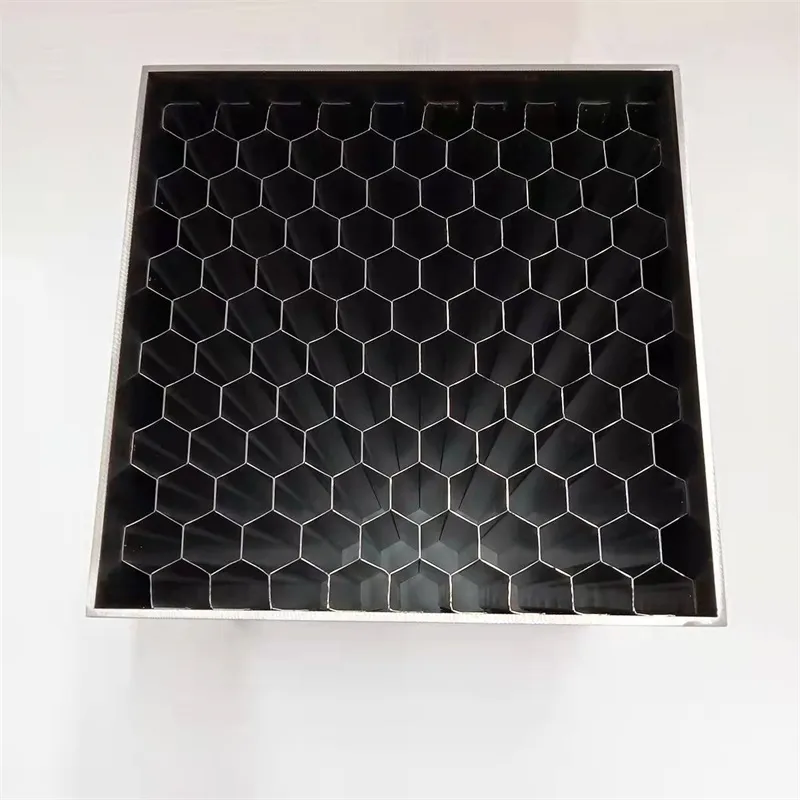
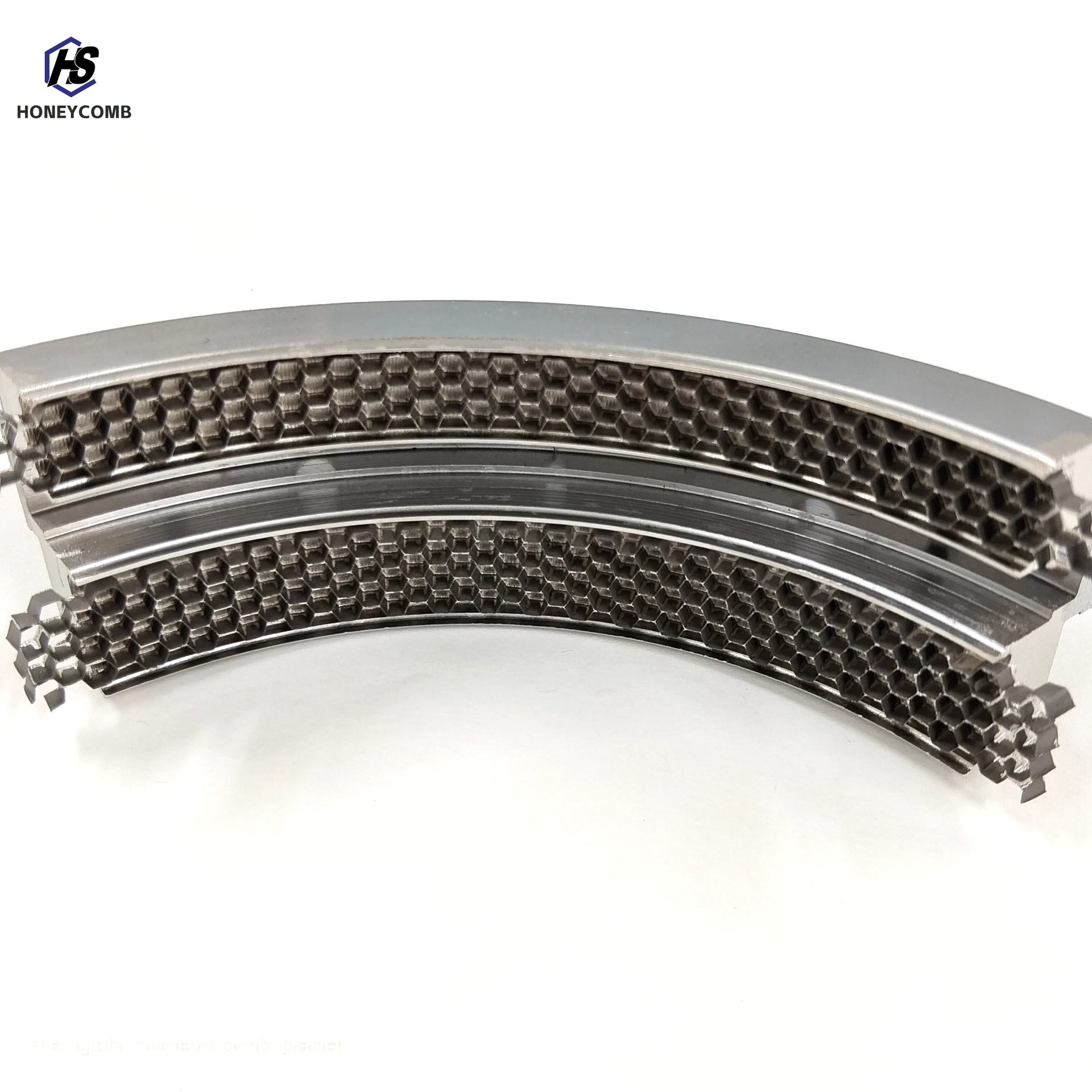
Figure 3: Customized stainless steel honeycomb panel for specific industrial integration.
Trust and Assurance: Our Commitment to Clients
Our reputation is built on delivering high-quality, reliable solutions. We adhere strictly to international standards and prioritize customer satisfaction through comprehensive support and transparency.
Frequently Asked Questions (FAQ)
Q: What is the primary benefit of using a stainless steel honeycomb core over other materials for an hvac air flow straightener?
A: Stainless steel offers superior corrosion resistance, high-temperature tolerance, and exceptional structural rigidity, making it ideal for demanding industrial and environmental conditions where other materials like aluminum or plastic would degrade. It ensures a longer service life and consistent performance.
Q: How do you ensure the precision and quality of your flow straighteners?
A: We operate under ISO 9001 certified quality management systems. Our manufacturing process involves precision forming, high-temperature brazing/welding, and rigorous multi-stage quality control checks, including dimensional verification and performance testing against specified flow parameters. We also utilize advanced simulation tools like CFD.
Q: Can your intake air straightener products be customized for specific engine applications?
A: Absolutely. We excel in custom solutions. We can tailor the cell size, panel thickness, material grade (e.g., SS316 for higher corrosion resistance), and overall dimensions and shape to integrate perfectly into your specific intake manifold or MAF sensor housing, optimizing performance for your engine type.
Lead Time and Fulfillment
Our standard lead time for custom stainless steel honeycomb core panels typically ranges from 3 to 6 weeks, depending on the complexity, material availability, and order volume. For urgent requirements, expedited production options may be available upon request. We maintain robust supply chain management to ensure timely delivery and work closely with clients to meet their project schedules.
Warranty Commitments
We stand behind the quality of our products. All our stainless steel honeycomb core panels come with a comprehensive 5-year limited warranty against manufacturing defects and material failures under normal operating conditions. Our products are designed for a service life of 10-20 years, significantly exceeding typical industry standards due to the inherent durability of stainless steel and our precise manufacturing techniques.
Customer Support and After-Sales Service
Our dedicated technical support team is available to assist with product selection, installation guidance, and any post-purchase inquiries. We provide expert engineering advice, including recommendations for optimal placement and integration of flow straighteners, to ensure maximum performance and longevity of your systems. Contact us via phone, email, or our website for prompt and professional assistance.
Conclusion
The strategic implementation of a high-performance hvac air flow straightener is no longer a luxury but a necessity for optimizing complex fluid dynamics in industrial and commercial applications. Stainless steel honeycomb core panels, with their unparalleled ability to deliver laminar, uniform airflow, offer significant advantages in energy efficiency, measurement accuracy, and system longevity. From critical wind tunnel applications to demanding petrochemical environments and precision automotive intake systems, these engineered solutions prove indispensable. By choosing a partner with deep technical expertise, robust manufacturing processes, and a commitment to customized solutions, businesses can unlock substantial operational efficiencies and enhance the reliability of their systems for years to come.
References
- ISO 5167-1:2003. Measurement of fluid flow by means of pressure differential devices inserted in circular cross-section conduits running full — Part 1: General principles and requirements. International Organization for Standardization.
- ASHRAE Handbook—Fundamentals. (2021). American Society of Heating, Refrigerating and Air-Conditioning Engineers.
- White, F. M. (2016). Fluid Mechanics. 8th ed. McGraw-Hill Education.
- Aerospace America. (Various Issues). American Institute of Aeronautics and Astronautics.
- Journal of Fluid Mechanics. (Various Issues). Cambridge University Press.

-
Industrial Airflow Guide for maf воздушная правильная машинаNewsApr.16,2026
-
Best maf струйно правильная машина for Industrial EfficiencyNewsApr.09,2026
-
Сотовая правильная машина A Comprehensive Guide to Honey Packing AutomationNewsApr.07,2026
-
Build Your Own DIY газоправильная Машина A Comprehensive Guide to Gas CorrectionNewsApr.04,2026
-
Understanding Кондиционер отопления Systems for Efficient and Comfortable HeatingNewsMar.31,2026
-
Comprehensive Guide to Cellular Blinds Installation Установка сотовых жалюзиNewsMar.28,2026
-
Mobile Aerodynamic Tunnel Design A Comprehensive Guide to Applications and ImplementationNewsMar.26,2026






 English
  Afrikaans
  Albanian
  Amharic
  Arabic
  Armenian
  Azerbaijani
  Basque
  Belarusian
  Bengali
  Bosnian
  Bulgarian
  Catalan
  Cebuano
  China
China  China (Taiwan)
  Corsican
  Croatian
  Czech
Czech  Danish
  Dutch
Dutch  Esperanto
  Estonian
  Finnish
  French
  Frisian
  Galician
  Georgian
  German
  Greek
Greek  Gujarati
  Haitian Creole
  Hausa
Hausa  Hawaiian
  Hebrew
  Hindi
Hindi  Miao
Miao  Indonesian
  Italian
  Japanese
  Javanese
  Malay
Malay  Persian
  Portuguese
  Punjabi
  Russian
  Spanish
  Swahili
  Telugu
  Vietnamese