


Industriell Honungskaka: Durable, Lightweight Industrial Honeycomb Panels
Understanding industriell honungskaka: The Backbone of Modern Industrial Panels
Having spent close to two decades working in the industrial equipment sector, I've grown quite fond of seemingly simple yet highly engineered components that quietly do the heavy lifting behind many advanced structures. Among these is the industriell honungskaka — or industrial honeycomb panel. Oddly enough, it’s a bit like the unsung hero in construction and manufacturing, supporting everything from aerospace parts to durable floors.
Now, if you're wondering why industrial honeycomb panels have caught on so fiercely in recent years, one good reason stands out: the combination of strength, weight savings, and customization. Frankly, when you hold a classic steel sheet against an aluminum honeycomb panel, the difference is almost like night and day. You get the rigidity often needed without lugging around unnecessary mass. That means better fuel efficiency in vehicles or easier installation on site.
What is Industriell Honungskaka?
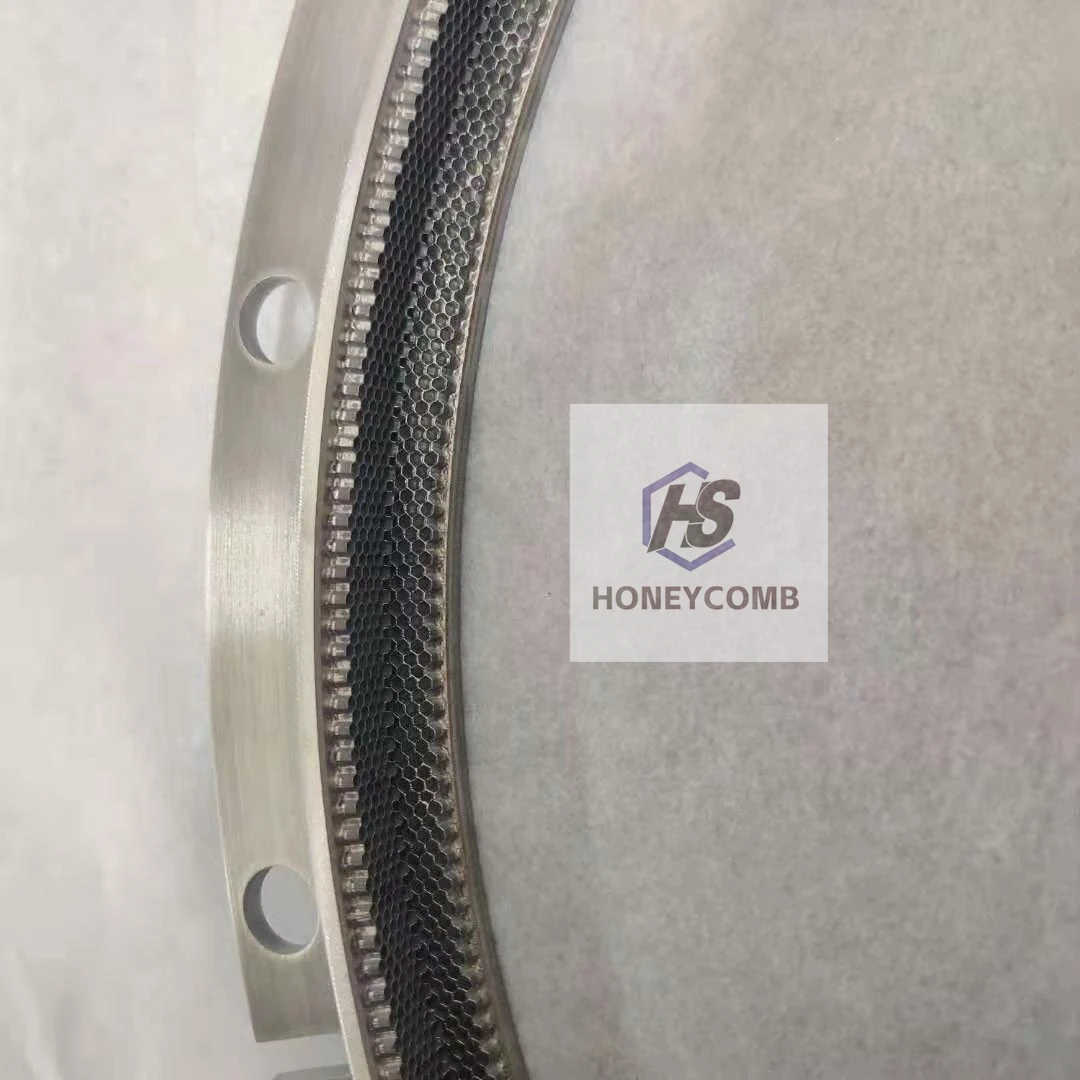
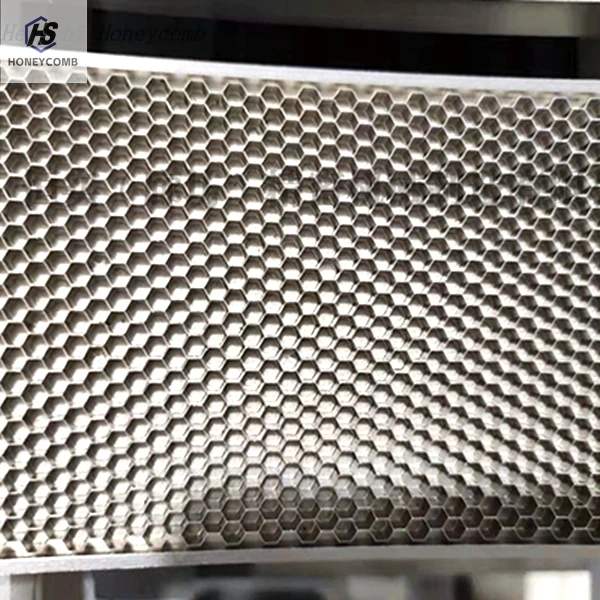
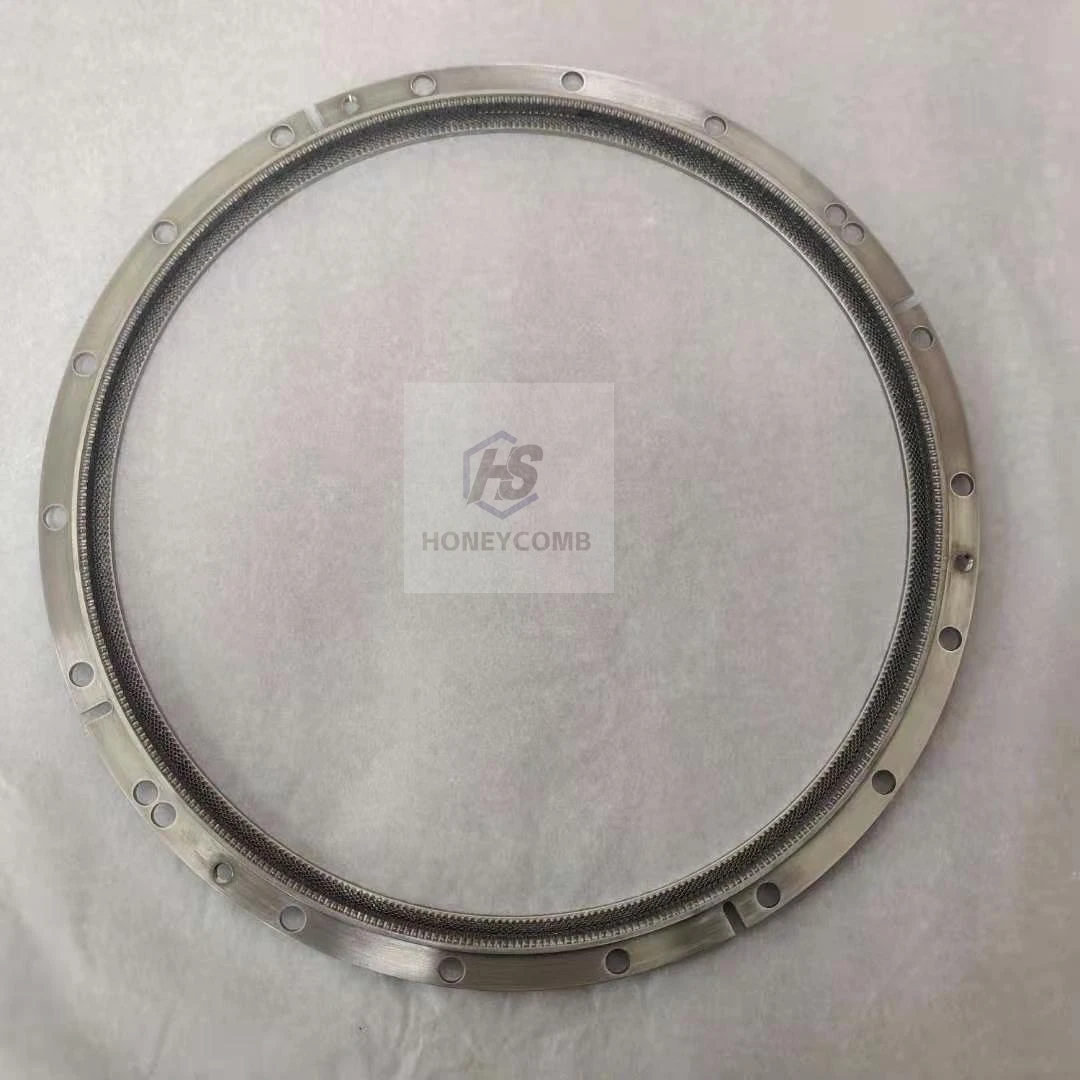
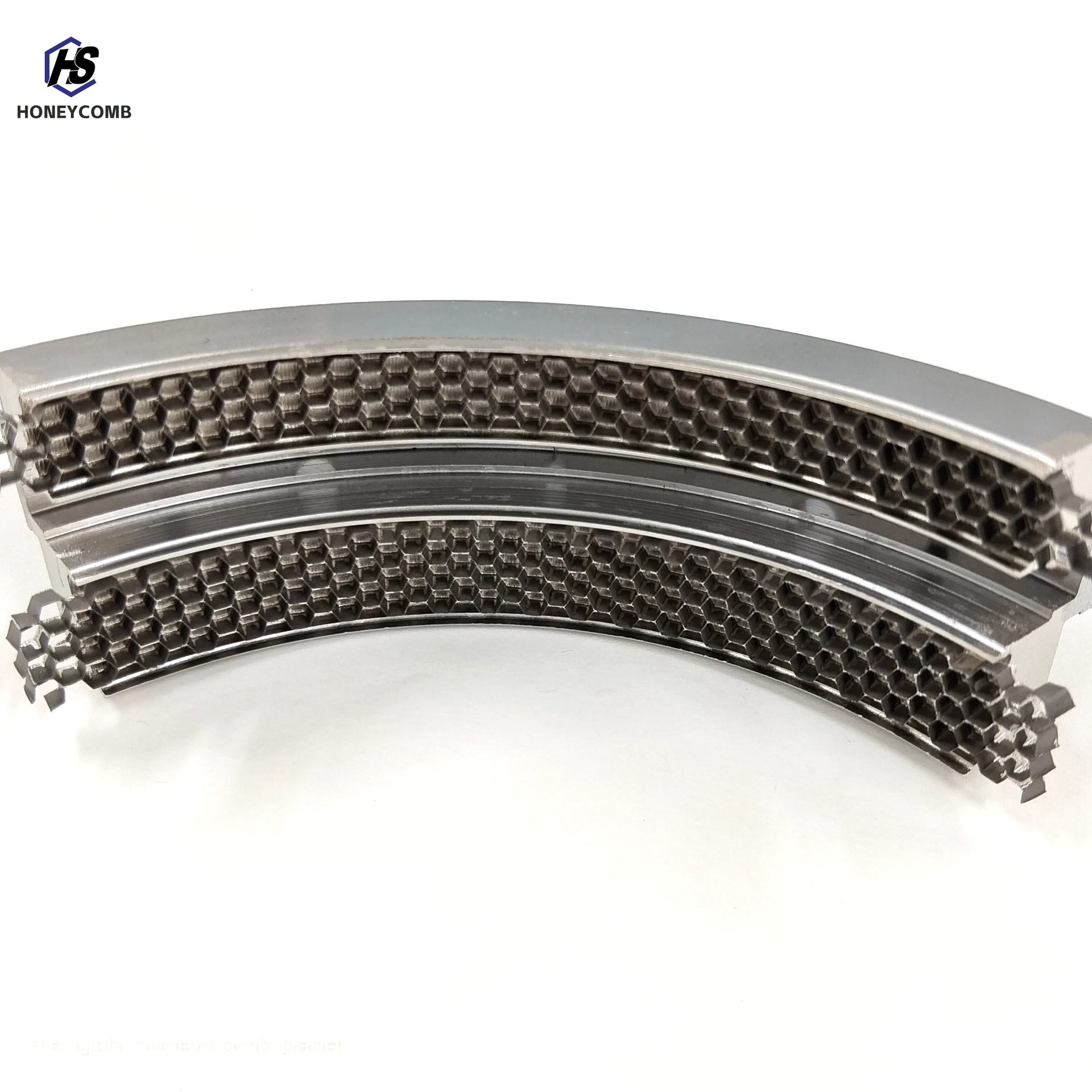
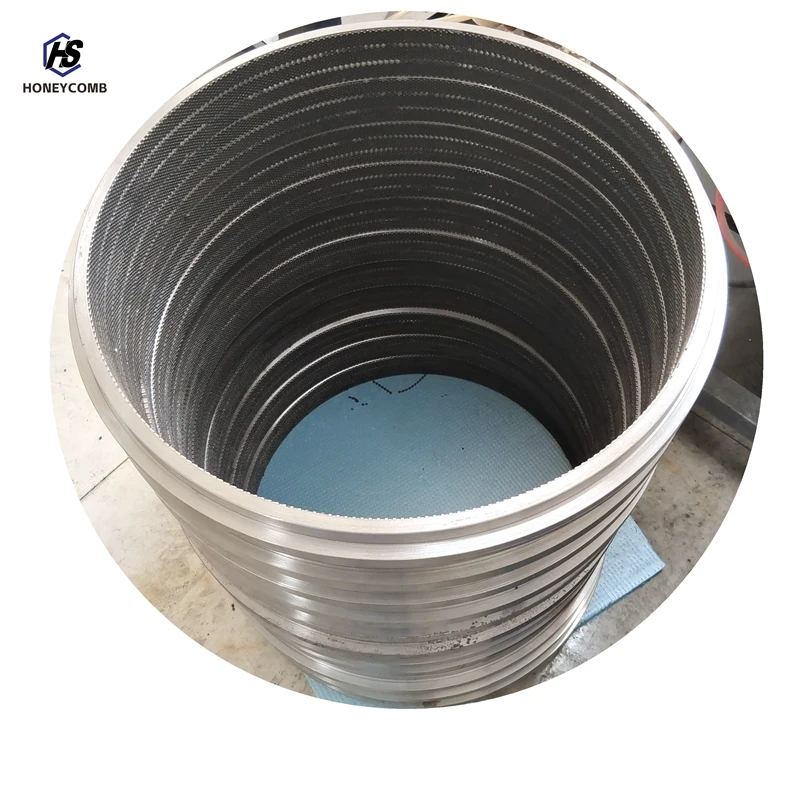
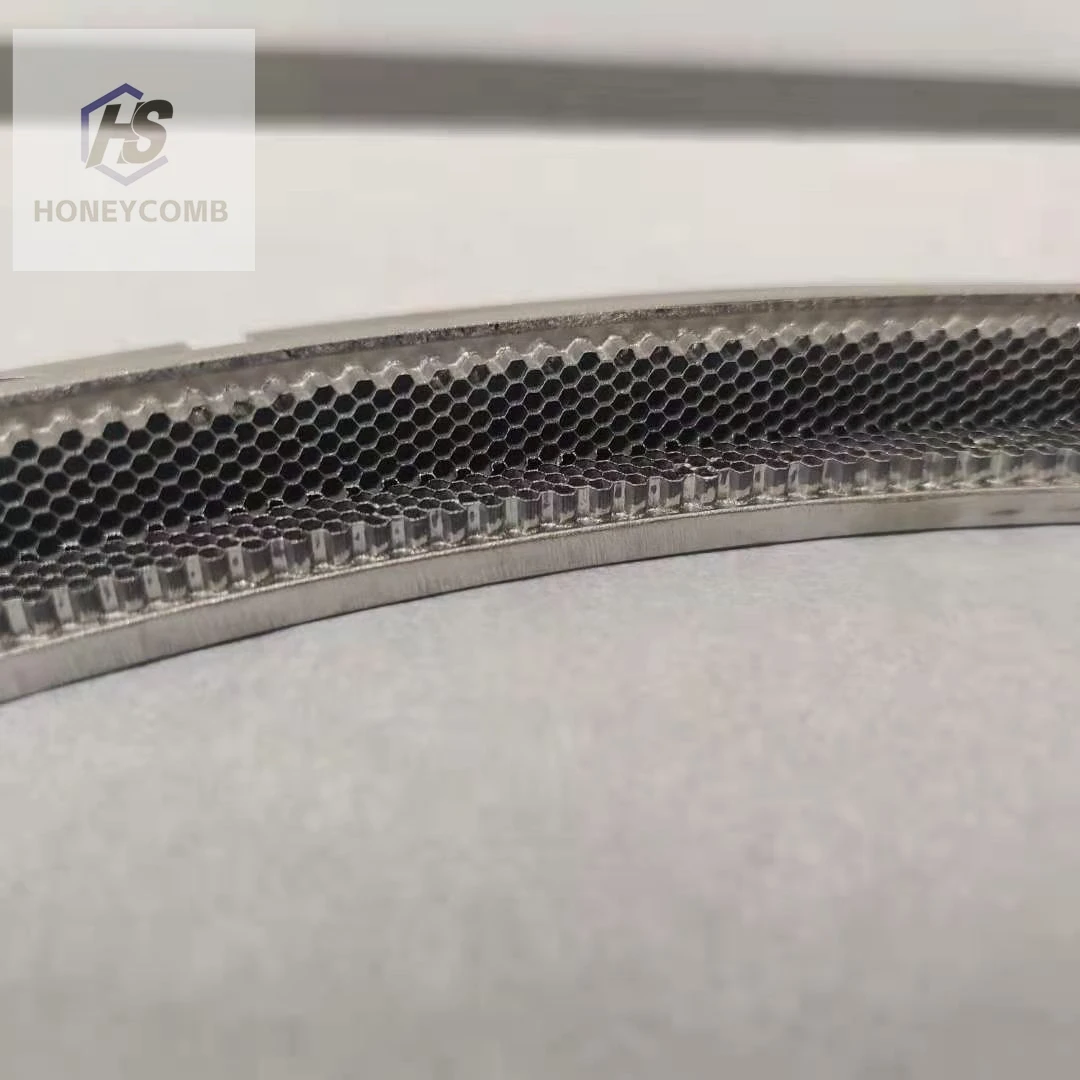
In real terms, an industriell honungskaka is a sandwich-structured panel that incorporates a hexagonal honeycomb core bonded between two face sheets. This honeycomb core is mostly made from lightweight and corrosion-resistant materials like aluminum, Nomex aramid paper, or even thermoplastics, depending on the demands of your project.
One neat thing I noticed over the years is how the core geometry itself—a network of hexagon cells—offers exceptional mechanical stability. This delivers high bending stiffness but keeps the weight low. Engineers often call this “high strength-to-weight ratio,” which might sound technical, but it simply means you get the best of both worlds in one package.
Key Product Specifications of Industrial Honeycomb Panels
| Specification | Typical Range | Units |
|---|---|---|
| Core Cell Size | 3 – 25 | mm |
| Panel Thickness | 6 – 50 | mm |
| Face Sheet Material | Aluminum Alloy 3003 / Steel / Composite | – |
| Density | 45 – 150 | kg/m³ |
| Operating Temperature | -50 to +120 | °C |
How Does It Stack Up Against Competitors?
Let me share a quick rundown comparing three popular vendors I’ve encountered — all supplying industriell honungskaka for heavy-duty applications. Each has their pros and quirks.
| Vendor | Material Options | Lead Time | Customization | Price Range |
|---|---|---|---|---|
| HSHI Honeycomb | Aluminum, Composite | 2-4 weeks | High (custom sizes, cores) | Mid-Range |
| Vendor B | Steel, Aluminum | 3-6 weeks | Medium | Budget |
| Vendor C | Nomex Aramid, Aluminum | 4-8 weeks | Low | Premium |
Usage & Real-World Advantages
From automotive to architectural cladding, the industriell honungskaka finds itself everywhere. I remember a project years ago where a client initially resisted switching from solid panels due to perceived complexity. But once they tested a prototype with a honeycomb core, the improvement in stiffness-to-weight made the decision obvious. The panels flexed less, resisted dents, and installation times dropped. Custom tooling wasn’t a problem either — many suppliers offer tailored cell sizes or combined face sheets depending on requirements.
In terms of testing, most vendors run rigorous evaluations, including crush, shear, and impact resistance tests. Some industrial honeycomb panels even meet FAA regulations for aerospace, which tells you they aren’t messing around.
If you ask me, the industry keeps moving toward these sandwich structures because they solve a problem every engineer hates: the tradeoff between weight and strength. And honestly, sometimes the solution comes from just looking at nature’s designs — who else but a bee could make something so light and strong?
So next time you’re considering materials for a project that needs toughness without bulk, take a moment to explore industriell honungskaka. It might just surprise you.
Stay curious, and occasionally marvel at the simple engineering wonders that keep our world turning.
References:
1. Manufacturing Technology for Aerospace Products, 2020 Edition.
2. Material Science Insights: Honeycomb Structures, 2019.
3. HSHI Honeycomb Product Datasheets, 2023.

-
Industrial Airflow Guide for maf воздушная правильная машинаNewsApr.16,2026
-
Best maf струйно правильная машина for Industrial EfficiencyNewsApr.09,2026
-
Сотовая правильная машина A Comprehensive Guide to Honey Packing AutomationNewsApr.07,2026
-
Build Your Own DIY газоправильная Машина A Comprehensive Guide to Gas CorrectionNewsApr.04,2026
-
Understanding Кондиционер отопления Systems for Efficient and Comfortable HeatingNewsMar.31,2026
-
Comprehensive Guide to Cellular Blinds Installation Установка сотовых жалюзиNewsMar.28,2026
-
Mobile Aerodynamic Tunnel Design A Comprehensive Guide to Applications and ImplementationNewsMar.26,2026






 English
  Afrikaans
  Albanian
  Amharic
  Arabic
  Armenian
  Azerbaijani
  Basque
  Belarusian
  Bengali
  Bosnian
  Bulgarian
  Catalan
  Cebuano
  China
China  China (Taiwan)
  Corsican
  Croatian
  Czech
Czech  Danish
  Dutch
Dutch  Esperanto
  Estonian
  Finnish
  French
  Frisian
  Galician
  Georgian
  German
  Greek
Greek  Gujarati
  Haitian Creole
  Hausa
Hausa  Hawaiian
  Hebrew
  Hindi
Hindi  Miao
Miao  Indonesian
  Italian
  Japanese
  Javanese
  Malay
Malay  Persian
  Portuguese
  Punjabi
  Russian
  Spanish
  Swahili
  Telugu
  Vietnamese