


MAF Honeycomb Screen: Improve Accuracy & Power—Worth It?
MAF Honeycomb Screen: What Pros Really Look For
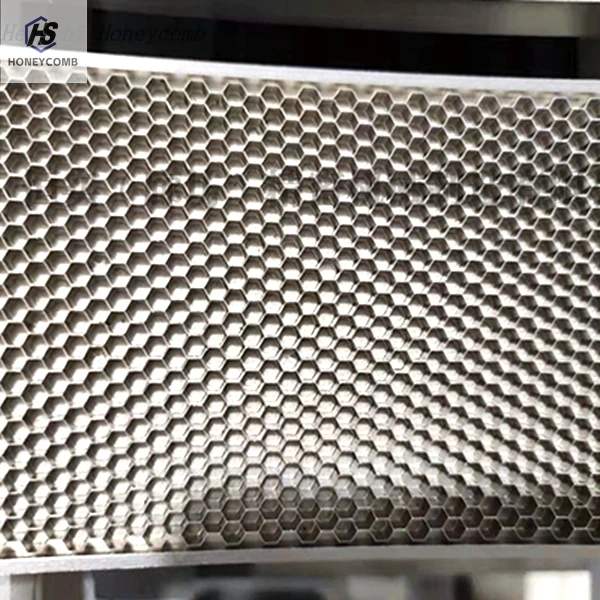
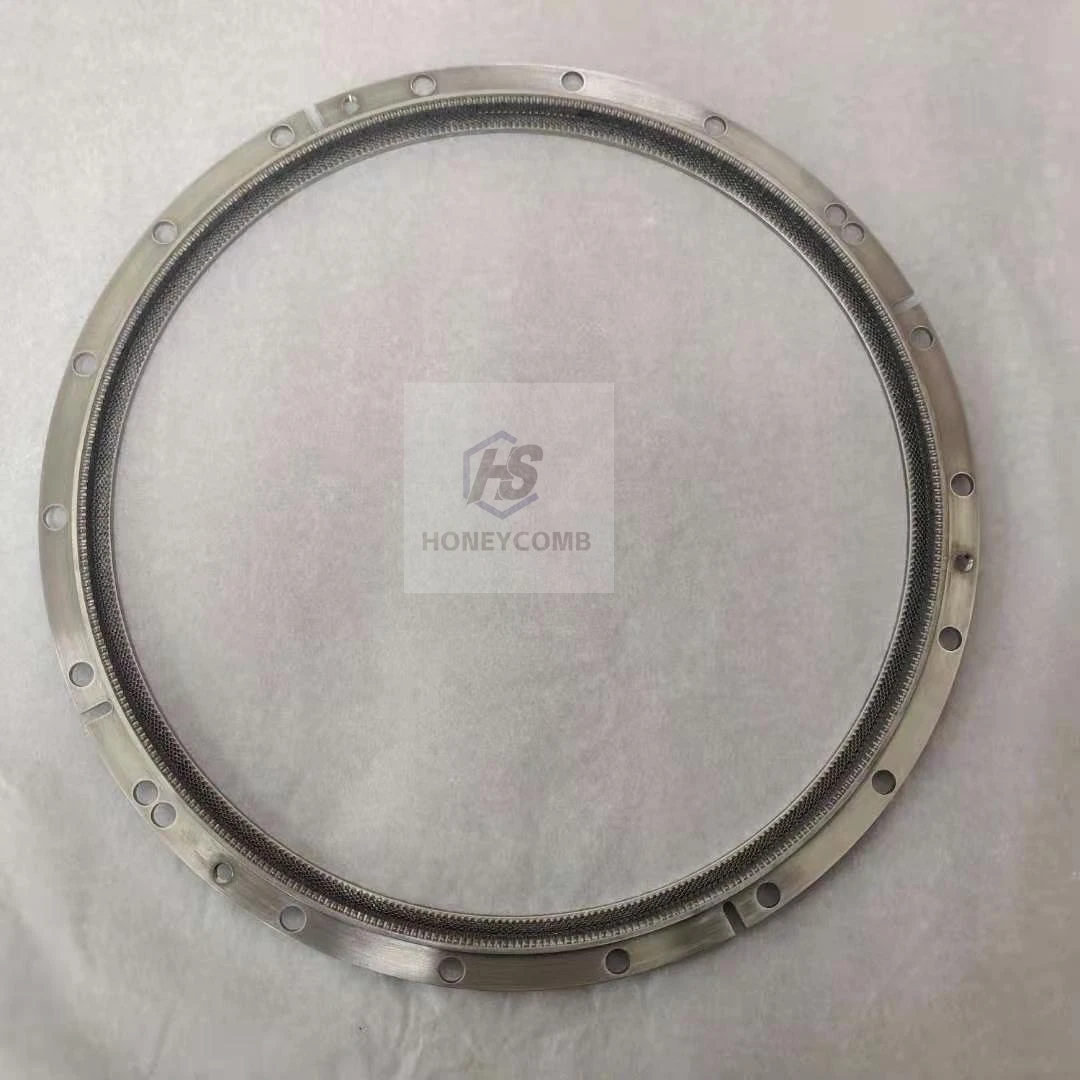
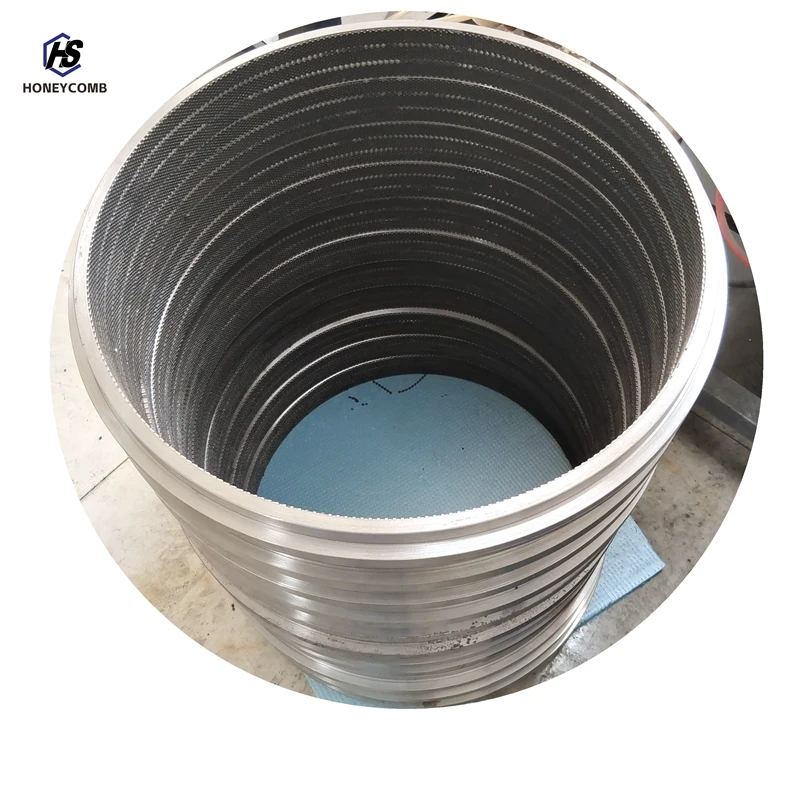
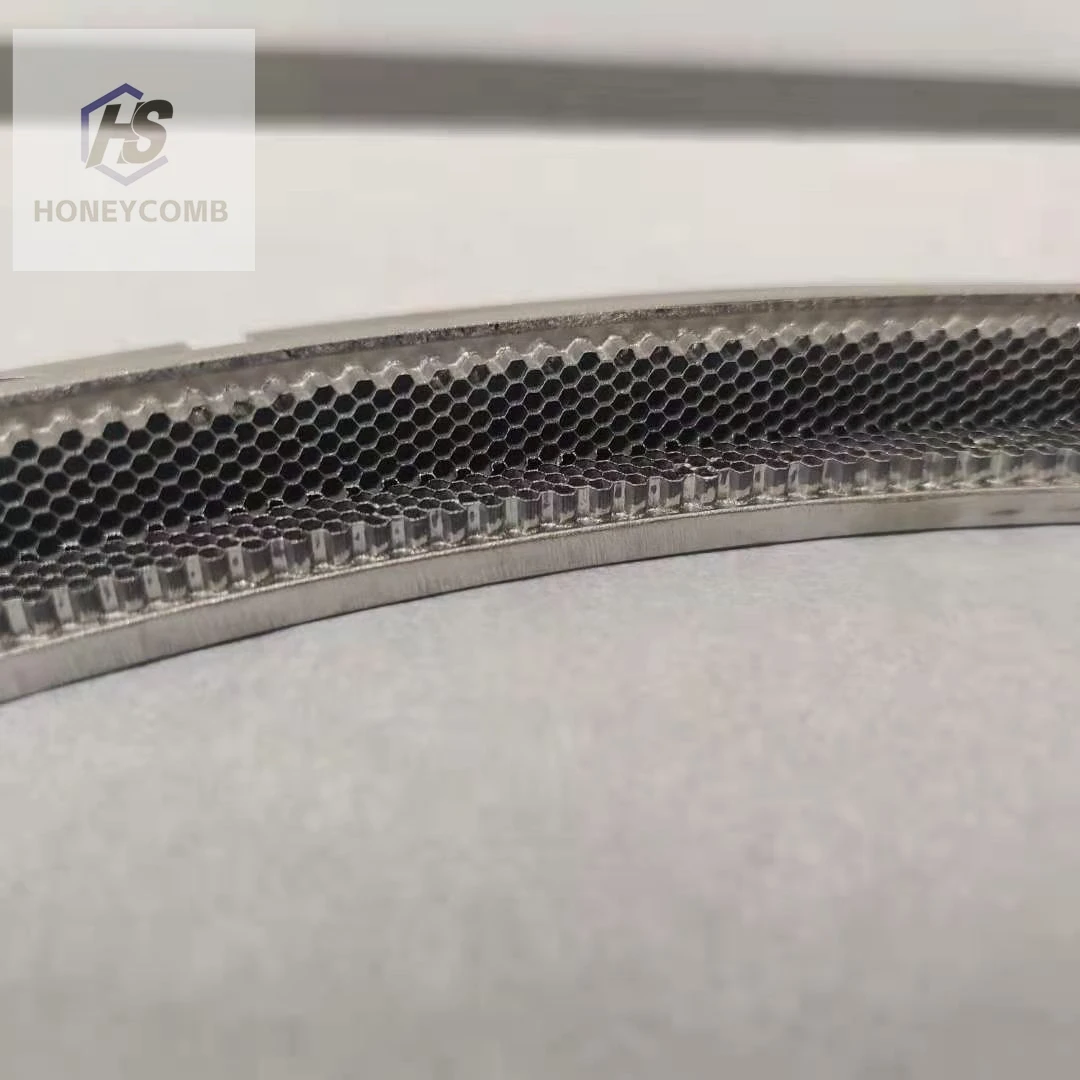
If you’re speccing a maf honeycomb screen for wind tunnel straightening or a test-cell intake, this Stainless Steel Hengshi Honeycomb Core is, frankly, the reference point many labs compare against. It’s built for wind tunnels, but the airflow discipline transfers perfectly to MAF housings, dyno rooms, even UAV intakes. Origin matters too: produced in No.2, Tongda Street, High-tech area Gu'an County, Langfang, 065500, Hebei, China.
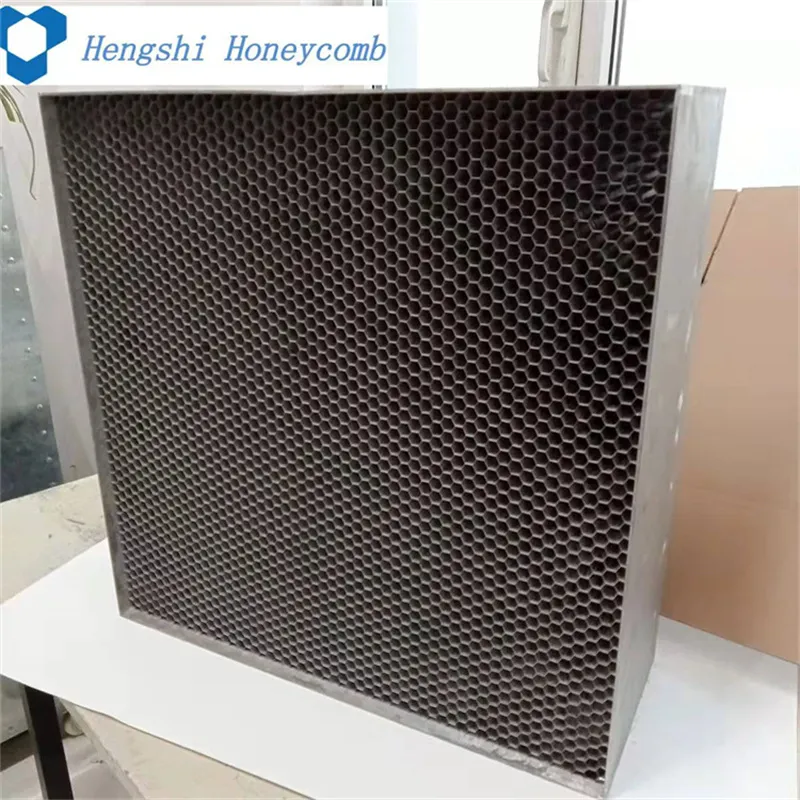
Industry trend check
Labs and OEMs are pushing for tighter flow uniformity with lower turbulence intensity (TI) while keeping pressure drop civilized. Stainless cores are back in fashion—thanks to heat tolerance, rigidity, and easy cleaning—after a decade of lightweight aluminum dominance. In EV and aeroacoustics testing, consistency beats grams, to be honest.
How it’s built (short version)
Materials: 304/316L stainless foil; optional 310S for high-temp benches. Methods: precision slitting → sinusoidal corrugation → stacking/expansion → resistance spot welding or vacuum brazing → flattening and edge treatment. Testing: flatness and cell uniformity, then mechanical checks per ASTM C365 (compression) and ASTM C273 (shear). Typical service life: around 8–12 years in wind tunnels with periodic ultrasonic cleaning; longer in MAF housings if filtered upstream.
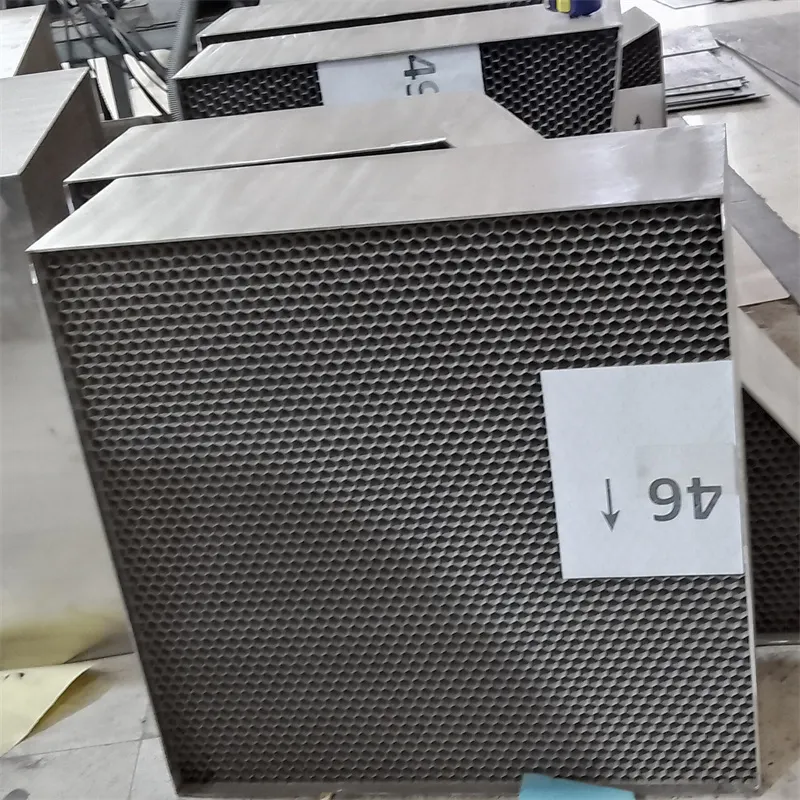
Representative specs
| Parameter | Stainless Steel Hengshi Honeycomb Core (≈ values) |
|---|---|
| Material | 304/316L; 310S optional |
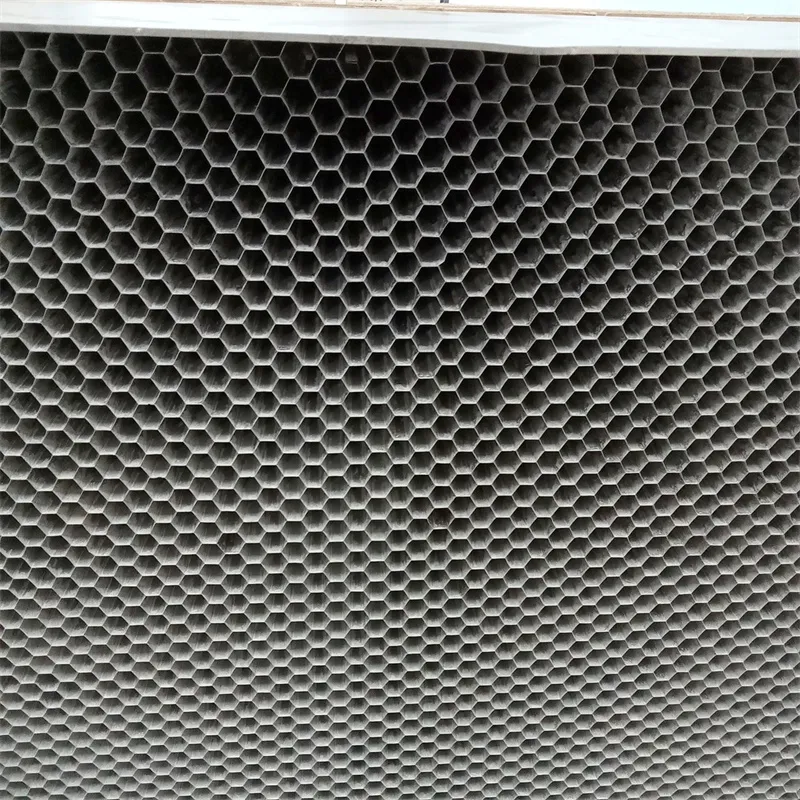
| Cell size (nominal) | 3–12 mm standard; custom down to ~2 mm |
| Foil thickness | 0.03–0.08 mm |
| L/D ratio | 4:1 to 8:1 (others on request) |
| Open area ratio | ≈ 95–98% |
| Temp range | -40 to 600°C (real-world use may vary) |
| Compliance | ISO 9001; test methods per ASTM C365/C273 |
In-house flow data (300 mm dia., L/D 6:1) showed TI reduction from ≈2.5% to
Where it’s used
- Subsonic wind tunnels (aero/thermal, aeroacoustics)
- Engine dyno and chassis dyno intake straightening
- Automotive MAF housings using cut-to-size disks (yes, a maf honeycomb screen)
- HVAC labs, environmental chambers, UAV propulsion test rigs
Vendor snapshot (what to compare)
| Vendor | Material options | Min cell | Flatness tol. | Certs | Lead time |
|---|---|---|---|---|---|
| Hengshi (HSHi Honeycomb) | 304/316L/310S | ≈2 mm | ≤0.5 mm/300 mm | ISO 9001; test to ASTM | 2–4 weeks typical |
| Vendor X (generic import) | Alu/304 | 3–4 mm | ≈1.0 mm/300 mm | Basic QC | 3–6 weeks |
| Vendor Y (aluminum-only) | Alu | ≈3 mm | ≈1.2 mm/300 mm | ISO 9001 | Stock-dependent |
Customization and a quick case
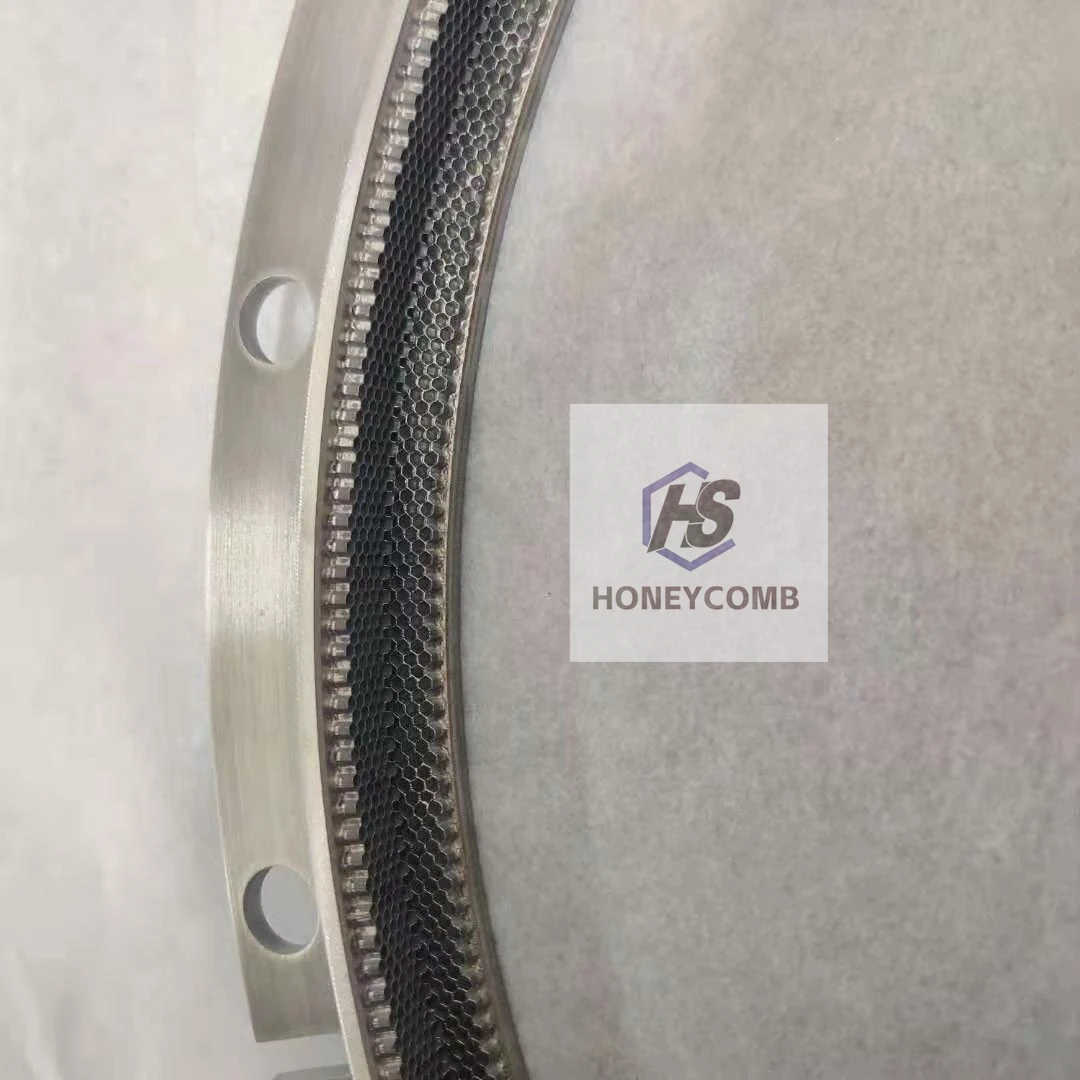
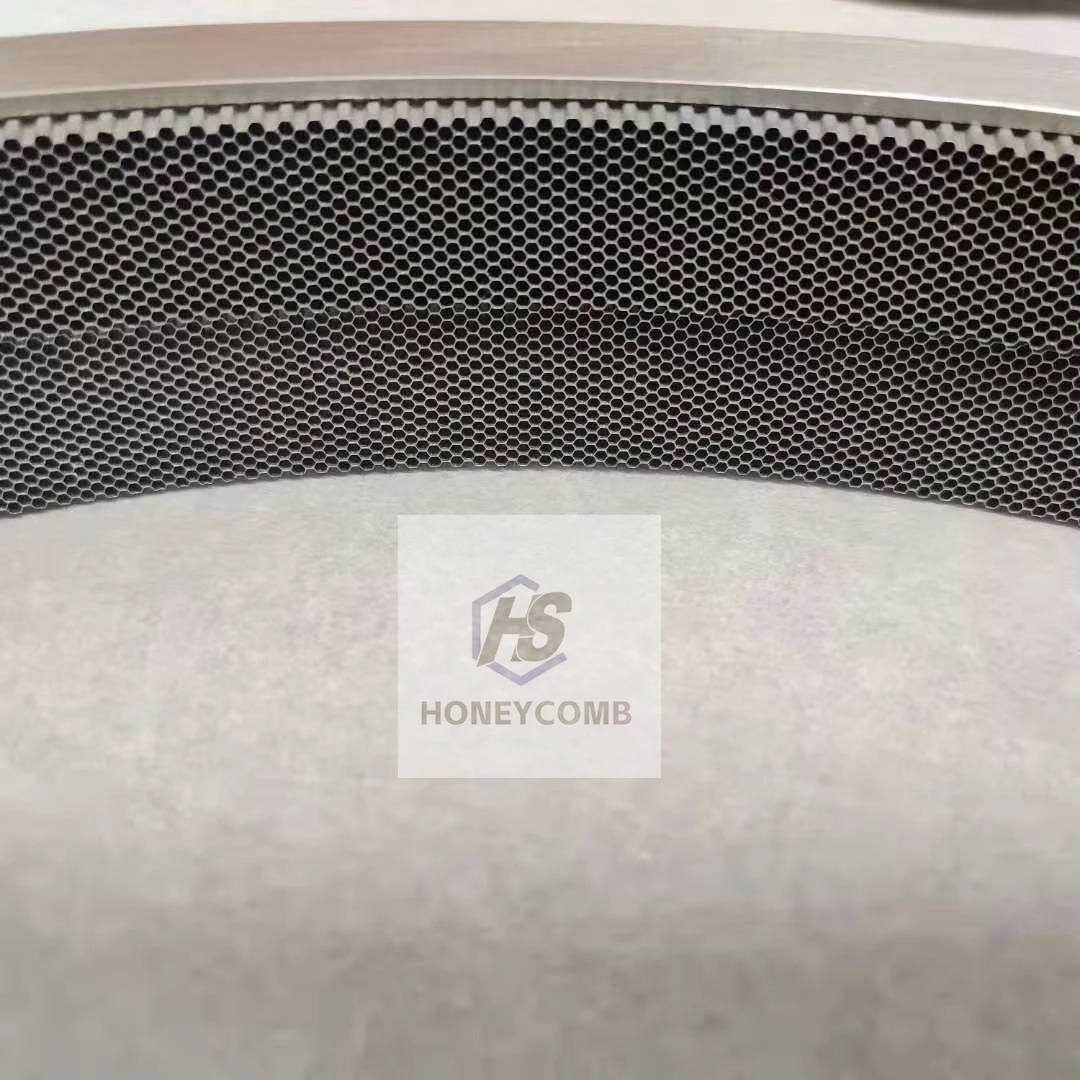
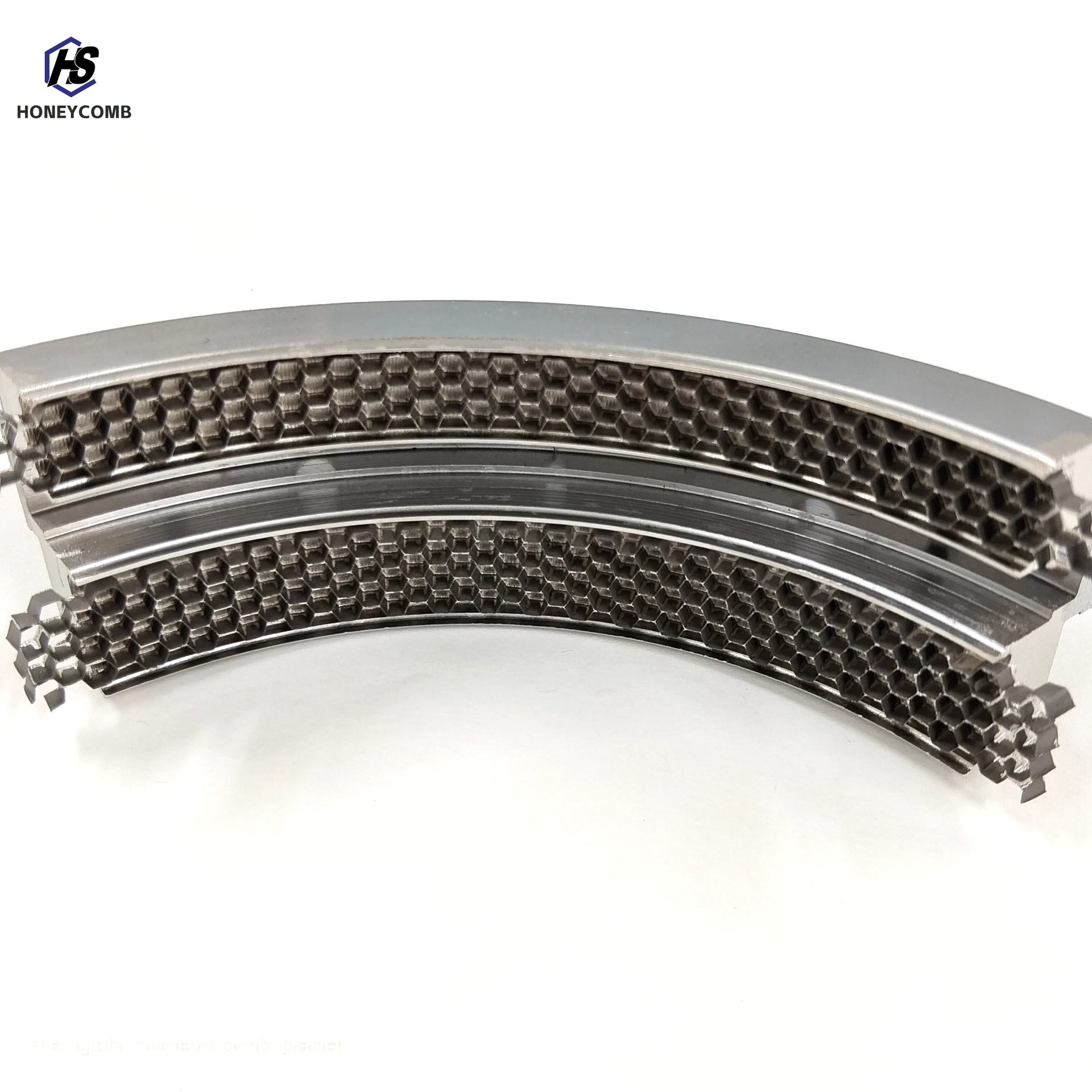
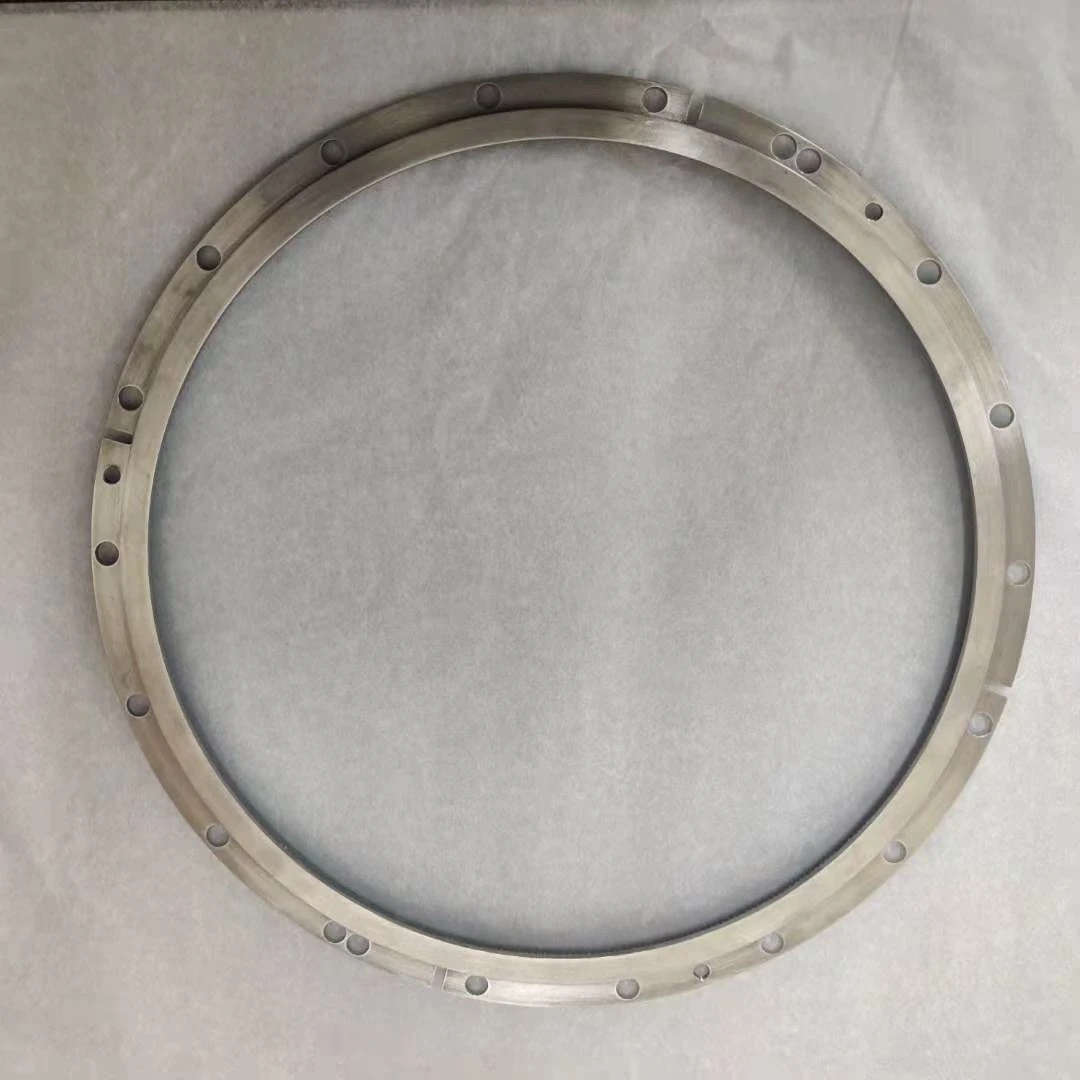
Cut circles, frames, and pre-curved sections are routine. Edges can be hemmed to reduce whistle. One wind tunnel client swapped to a stainless maf honeycomb screen with L/D 6:1 and saw TI stabilize below 0.7% across the 0.9 m test section; cleaning intervals doubled after switching to 316L due to humidity resistance. Surprisingly simple win.
Certs and compliance
Manufactured under ISO 9001. Mechanical testing to ASTM C365/C273. RoHS-friendly materials on request. For aerospace tunnels, traceability packages are available; AS9100 alignment can be discussed.
References
- ASTM C365/C365M – Standard Test Method for Flatwise Compressive Properties of Sandwich Cores.
- ASTM C273/C273M – Standard Test Method for Shear Properties of Sandwich Core Materials.
- ISO 9001:2015 – Quality management systems — Requirements.
- NASA Glenn Research Center: Wind Tunnels Overview, https://www1.grc.nasa.gov/facilities/windtunnels/
-
Industrial Airflow Guide for maf воздушная правильная машинаNewsApr.16,2026
-
Best maf струйно правильная машина for Industrial EfficiencyNewsApr.09,2026
-
Сотовая правильная машина A Comprehensive Guide to Honey Packing AutomationNewsApr.07,2026
-
Build Your Own DIY газоправильная Машина A Comprehensive Guide to Gas CorrectionNewsApr.04,2026
-
Understanding Кондиционер отопления Systems for Efficient and Comfortable HeatingNewsMar.31,2026
-
Comprehensive Guide to Cellular Blinds Installation Установка сотовых жалюзиNewsMar.28,2026
-
Mobile Aerodynamic Tunnel Design A Comprehensive Guide to Applications and ImplementationNewsMar.26,2026






 English
  Afrikaans
  Albanian
  Amharic
  Arabic
  Armenian
  Azerbaijani
  Basque
  Belarusian
  Bengali
  Bosnian
  Bulgarian
  Catalan
  Cebuano
  China
China  China (Taiwan)
  Corsican
  Croatian
  Czech
Czech  Danish
  Dutch
Dutch  Esperanto
  Estonian
  Finnish
  French
  Frisian
  Galician
  Georgian
  German
  Greek
Greek  Gujarati
  Haitian Creole
  Hausa
Hausa  Hawaiian
  Hebrew
  Hindi
Hindi  Miao
Miao  Indonesian
  Italian
  Japanese
  Javanese
  Malay
Malay  Persian
  Portuguese
  Punjabi
  Russian
  Spanish
  Swahili
  Telugu
  Vietnamese