


Metal Honeycomb Core (Núcleo de Favo de Mel de Metal) – Expert Insights
Exploring the núcleo de favo de mel de metal: A Veteran’s Perspective
Having spent quite a few years in the industrial equipment sector, I’ve seen materials come and go. But the núcleo de favo de mel de metal — or metal honeycomb core, as I often tell new folks — is one of those products that stick with you. It’s not flashy, but it quietly outperforms in ways you don’t always notice until you really need it.
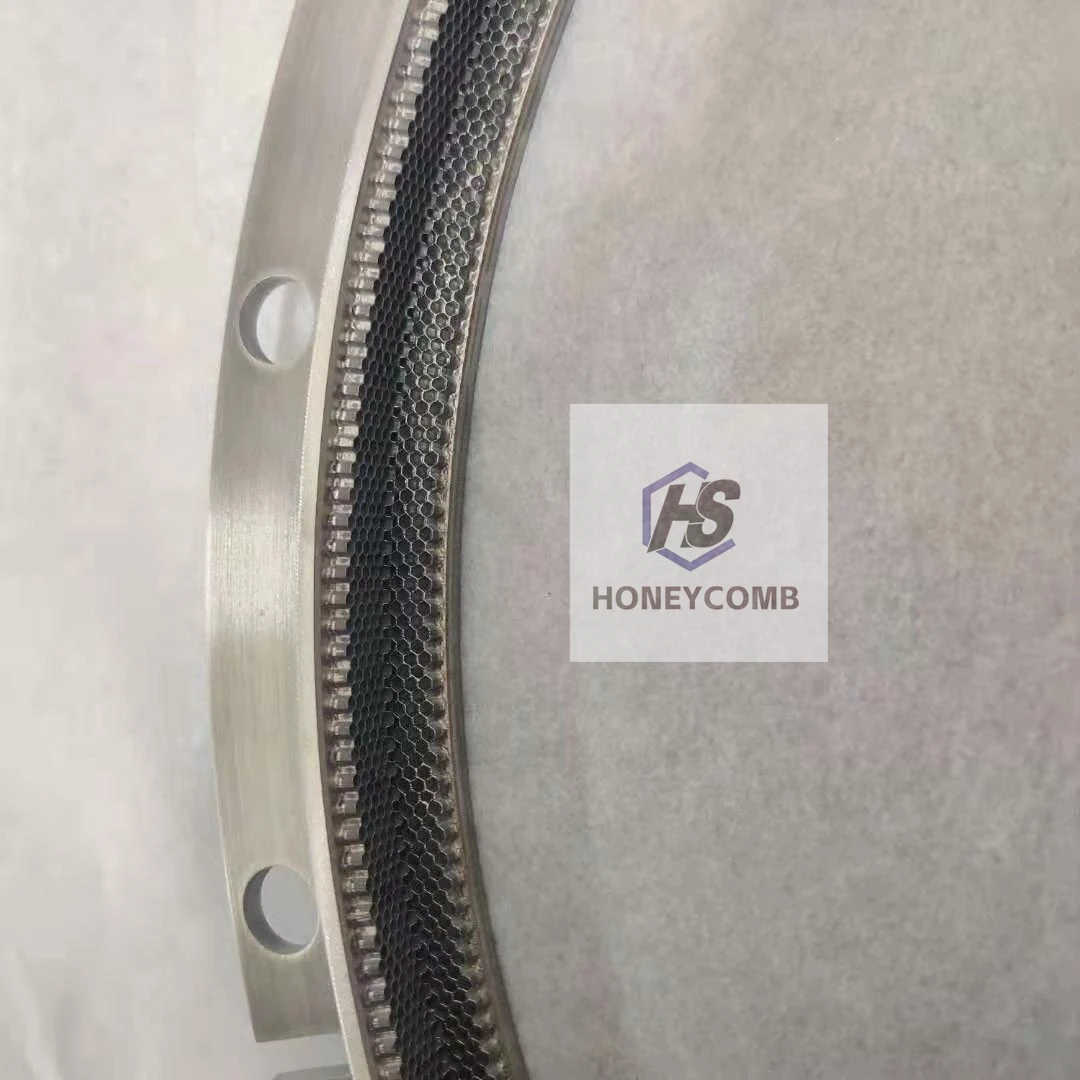
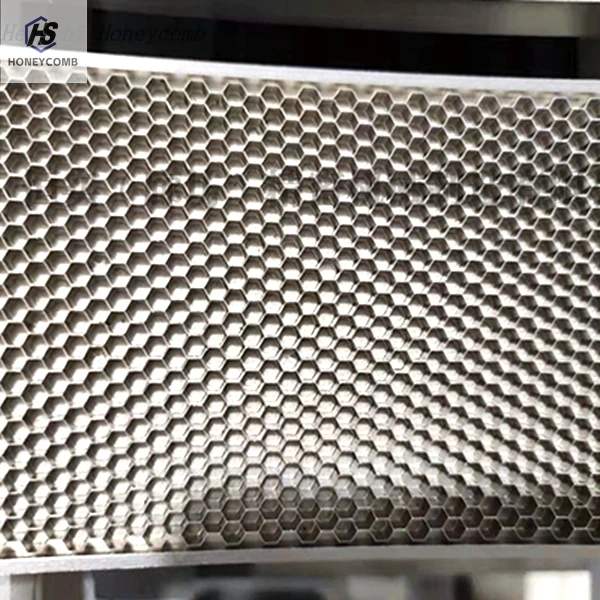
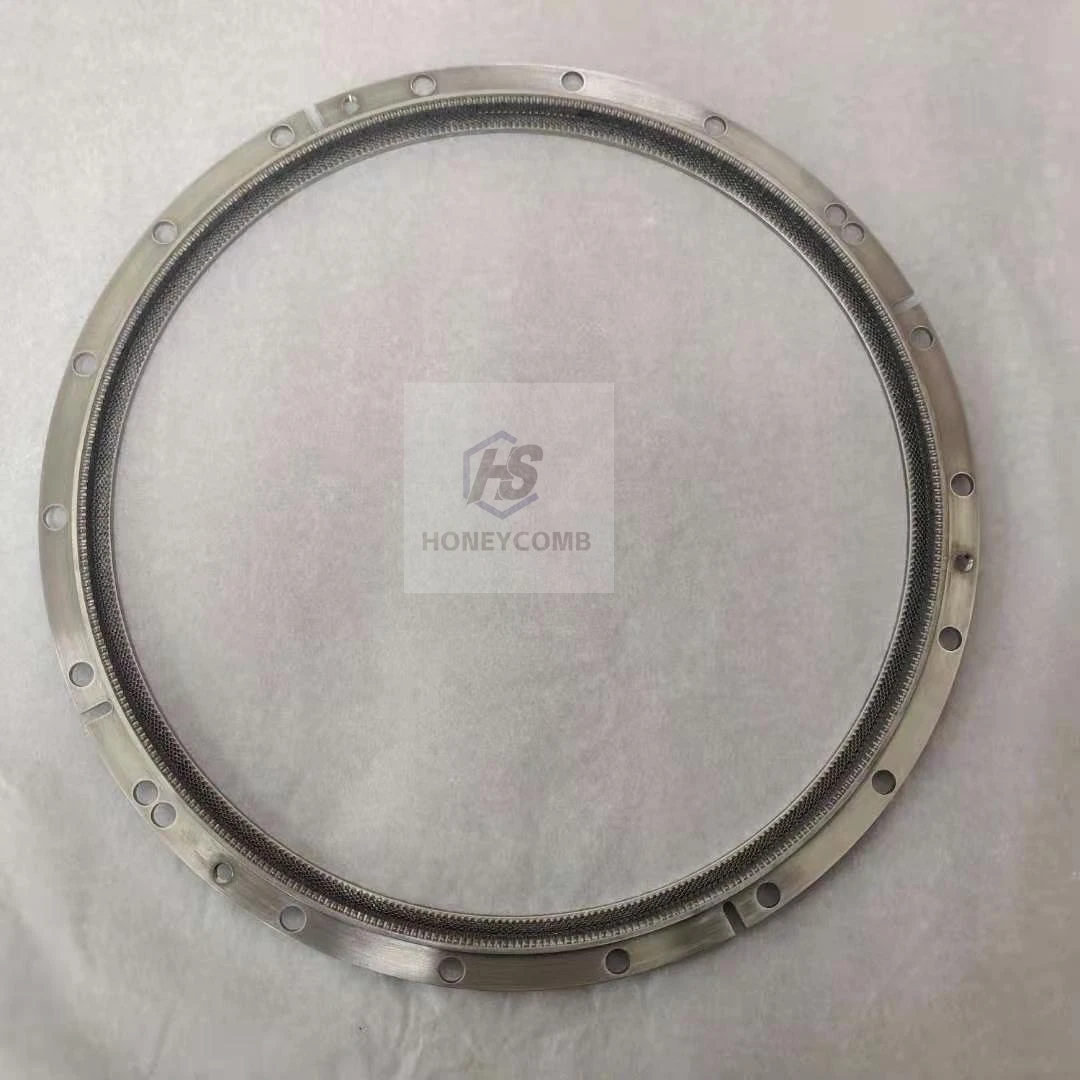
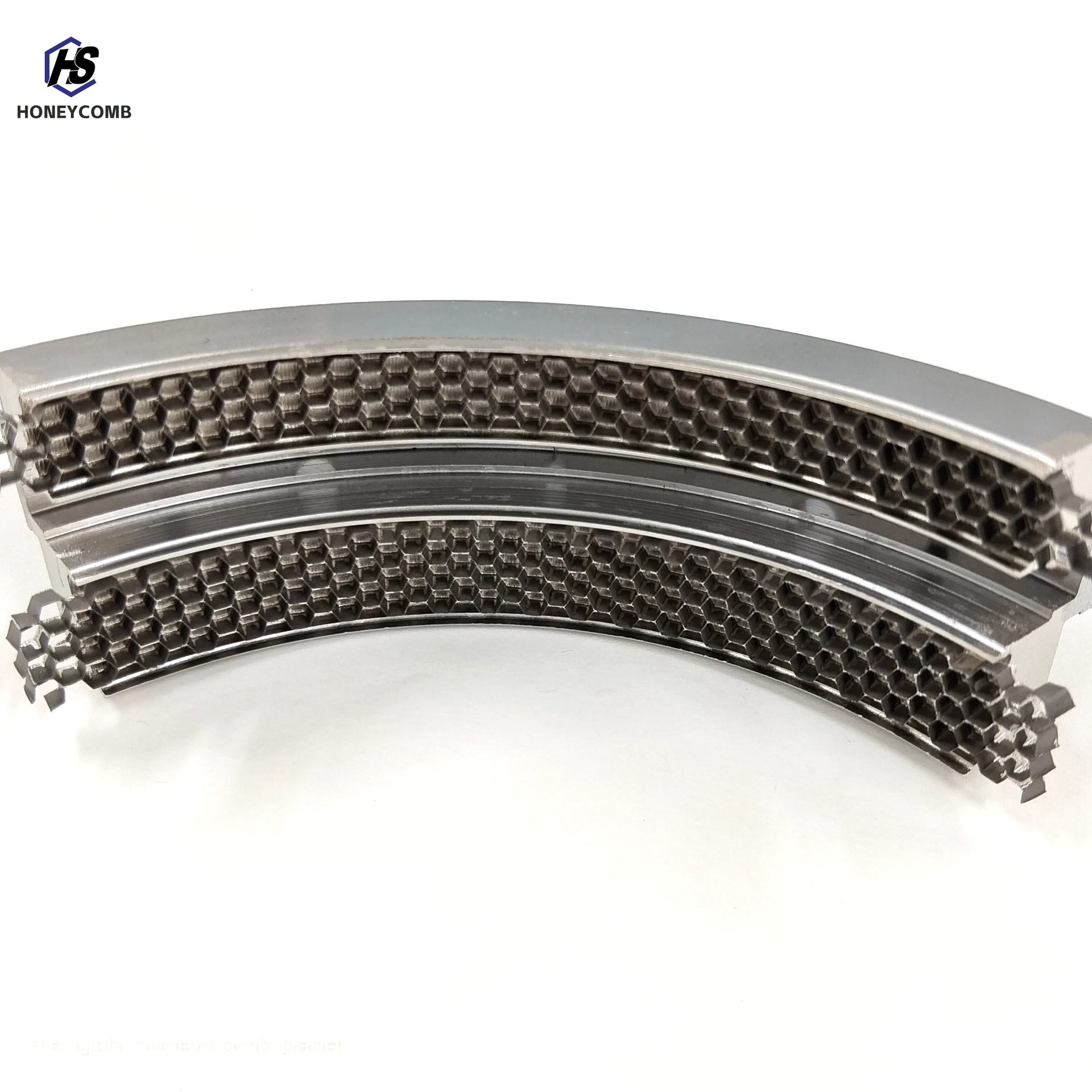
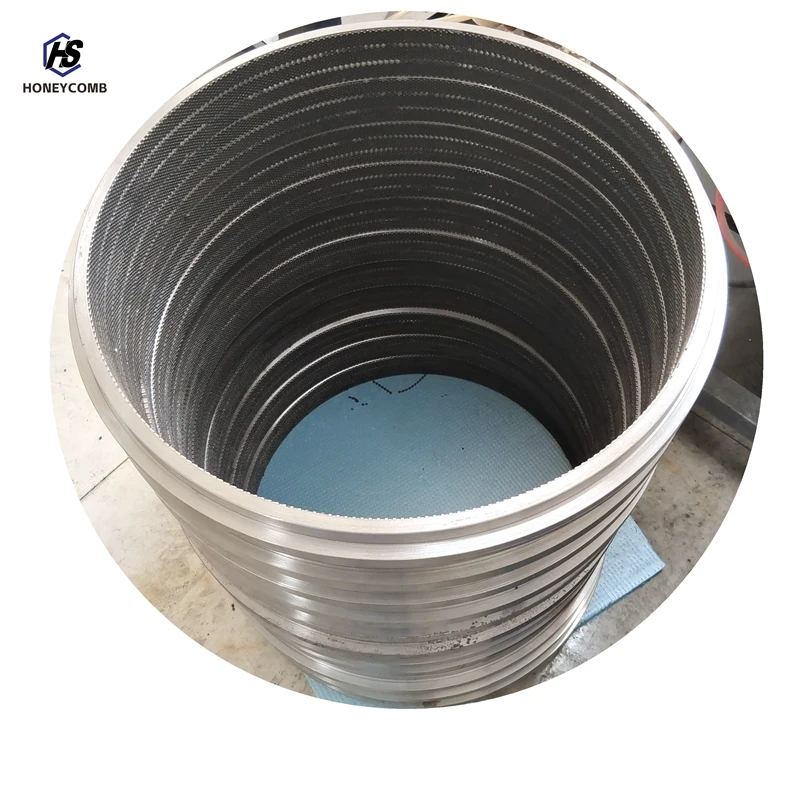
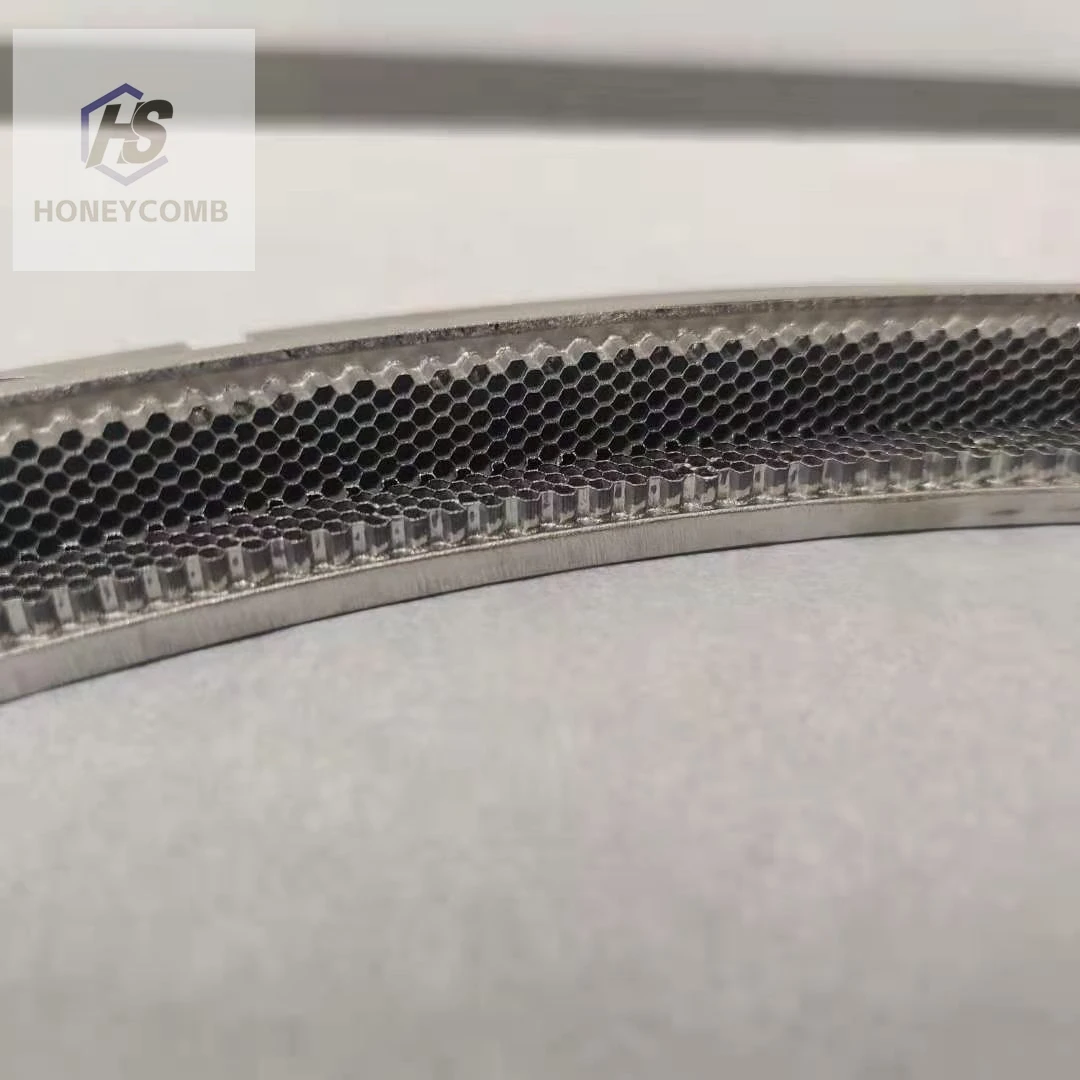
In its essence, this kind of core is inspired by, well, honeycombs. The hexagonal cellular structure, famously optimized by nature for strength and weight, has been adapted to metals like aluminum or stainless steel. Industrial engineers, myself included, have depended on it for years in everything from aerospace panels to architectural cladding and even some pretty rugged automotive applications.
What amazes me is how manufacturers customize the core to fit specific project demands. Thickness, cell size, density — all these variables impact performance in airflow, vibration damping, even thermal management. You start to realize it’s not just about filling space with metal; it’s about engineering lightness and stability at the same time.
Frankly, testing these honeycomb cores during my early days was a learning curve. We pushed them through compression, shear, and thermal cycles, sometimes to the point where the whole lot failed spectacularly. But failures taught me something — a well-made metal honeycomb core can distribute loads more evenly than solid panels, which usually means safer, longer-lasting assemblies.
Here’s a quick snapshot of typical núcleo de favo de mel de metal specifications, just to bring those dry numbers closer to life:
| Specification | Typical Range | Notes |
|---|---|---|
| Cell Size (mm) | 3 - 10 | Depends on strength vs. weight balance |
| Core Thickness (mm) | 10 - 100+ | Customizable per application |
| Material | Aluminum, Stainless Steel, Titanium | Aluminum most common for lightness |
| Density (kg/m³) | 20 - 120 | Varies by cell geometry & material |
Now, when you’re shopping around for a supplier — trust me, there’s quite a range — you want to keep an eye on certain factors beyond price. Consistency of cell geometry, customization flexibility, and testing certifications are key. I always recommend asking vendors for detailed material data sheets and references from projects similar to yours.
Here’s a quick vendor comparison I jotted down based on personal experience and industry chatter:
| Vendor | Material Options | Customization | Certifications | Typical Lead Time |
|---|---|---|---|---|
| HSHI Honeycomb | Aluminum, Stainless Steel, Titanium | High (cell size, thickness, alloy) | ISO 9001, AS9100 | 2-4 weeks |
| MetalCore Inc. | Primarily Aluminum | Medium (limited alloys) | ISO 9001 | 3-6 weeks |
| CoreTech Solutions | Aluminum, Steel | Low (standard specs only) | CE Mark, ISO 14001 | 4-8 weeks |
Just to share a small anecdote — a client once approached me frustrated after trying several suppliers for a lightweight panel project. They needed a core that could withstand harsh marine conditions, but also keep the weight under strict limits. We connected them with a vendor offering titanium alloy honeycomb, and it totally changed the game. The client told me, “It’s like the core became invisible but still rock-solid.” That’s the power of a well-engineered metal honeycomb core.
In real terms, whether you’re retrofitting existing equipment or designing something new, the núcleo de favo de mel de metal offers a blend of strength, versatility, and surprisingly, sustainability benefits — aluminum cores can be mostly recycled, which aligns well with today's green push. Plus, the ability to tailor the core means you avoid over-engineering your structure, saving costs and weight.
So, if you’re looking for a reliable, lightweight core material, you might want to dive deeper into what providers like HSHI Honeycomb have on offer. It feels like the industry consensus is leaning heavily on these structures, and I don't see that changing anytime soon.
Oddly enough, sometimes the simplest design — the honeycomb — ends up solving the hardest engineering puzzles.
Stay curious, and don’t hesitate to get hands-on with samples—it’s the best way to appreciate what these cores really bring to the table.
References:
- ASTM C365 - Standard Test Method for Flatwise Compressive Properties of Sandwich Cores
- "Honeycomb Technology: Materials, Design, Manufacturing," Industrial Press, 2018
- ISO 9001 and AS9100 standards overview – quality certifications in aerospace materials

-
Industrial Airflow Guide for maf воздушная правильная машинаNewsApr.16,2026
-
Best maf струйно правильная машина for Industrial EfficiencyNewsApr.09,2026
-
Сотовая правильная машина A Comprehensive Guide to Honey Packing AutomationNewsApr.07,2026
-
Build Your Own DIY газоправильная Машина A Comprehensive Guide to Gas CorrectionNewsApr.04,2026
-
Understanding Кондиционер отопления Systems for Efficient and Comfortable HeatingNewsMar.31,2026
-
Comprehensive Guide to Cellular Blinds Installation Установка сотовых жалюзиNewsMar.28,2026
-
Mobile Aerodynamic Tunnel Design A Comprehensive Guide to Applications and ImplementationNewsMar.26,2026






 English
  Afrikaans
  Albanian
  Amharic
  Arabic
  Armenian
  Azerbaijani
  Basque
  Belarusian
  Bengali
  Bosnian
  Bulgarian
  Catalan
  Cebuano
  China
China  China (Taiwan)
  Corsican
  Croatian
  Czech
Czech  Danish
  Dutch
Dutch  Esperanto
  Estonian
  Finnish
  French
  Frisian
  Galician
  Georgian
  German
  Greek
Greek  Gujarati
  Haitian Creole
  Hausa
Hausa  Hawaiian
  Hebrew
  Hindi
Hindi  Miao
Miao  Indonesian
  Italian
  Japanese
  Javanese
  Malay
Malay  Persian
  Portuguese
  Punjabi
  Russian
  Spanish
  Swahili
  Telugu
  Vietnamese